
Bathrooms are one of the most underrated rooms in the house when it comes to indoor gardening. As a home decor and interior design specialist, I’ve walked into countless bathrooms that felt sterile, cold, or simply unfinished — and almost every single time, the missing ingredient was a plant. There’s something transformative about greenery reflected in a foggy mirror or a trailing vine spilling over a floating shelf above the tub.
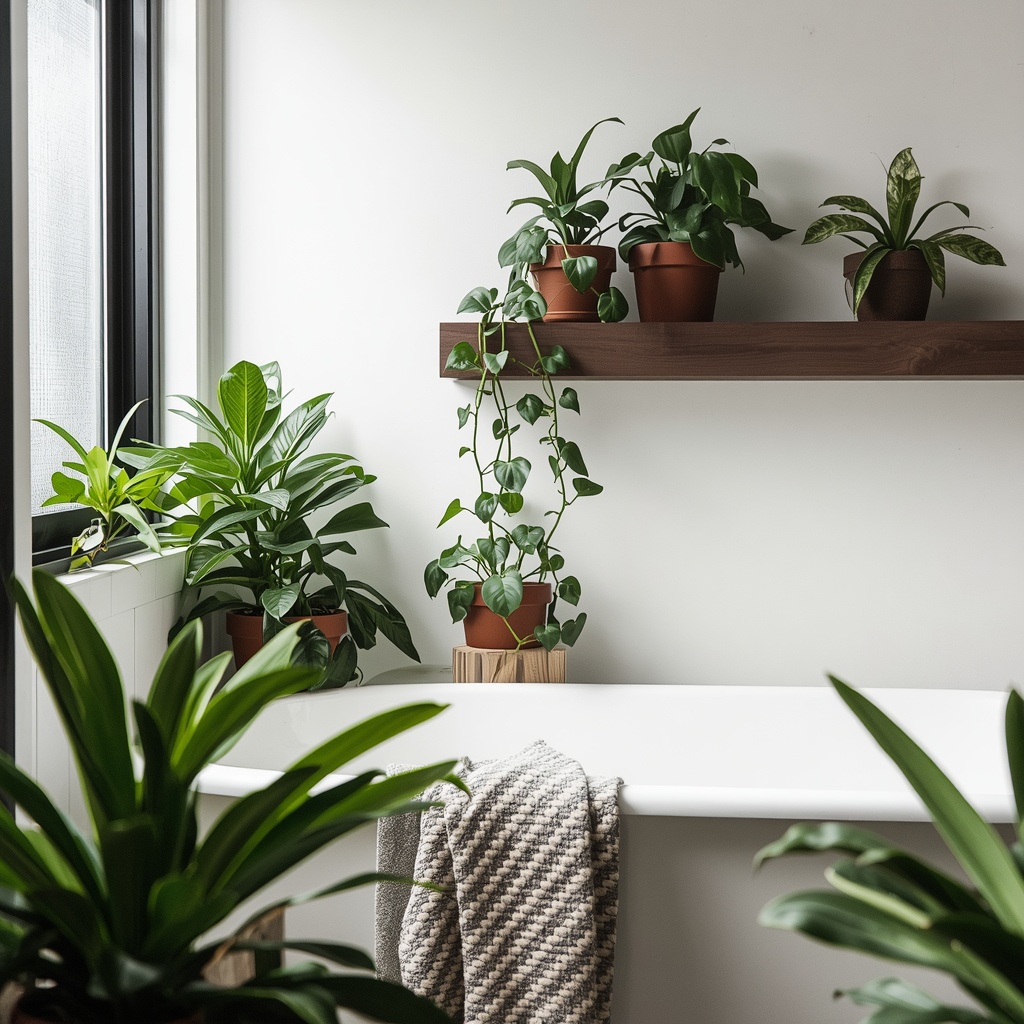
But here’s the catch: bathrooms are tricky environments. Many have small or frosted windows, limited direct sunlight, and fluctuating humidity levels from hot showers. The good news? Nature has already solved this problem for us. Tropical understory plants evolved in the dim, moisture-heavy floor of rainforests, which makes them naturally suited to your steamy shower room. In this guide, I’ll walk you through the best low-light, humidity-loving houseplants, how to style them, and the exact care tricks that keep them thriving long-term.
Why Bathrooms Are Actually Ideal for Houseplants
Most people assume bathrooms are hostile to plant life because of limited natural light. In reality, the humidity generated by showers and baths mimics the moist, warm conditions found in tropical rainforests — the native habitat of many popular houseplants. Combined with indirect or filtered light, bathrooms can become a surprisingly nurturing microclimate.
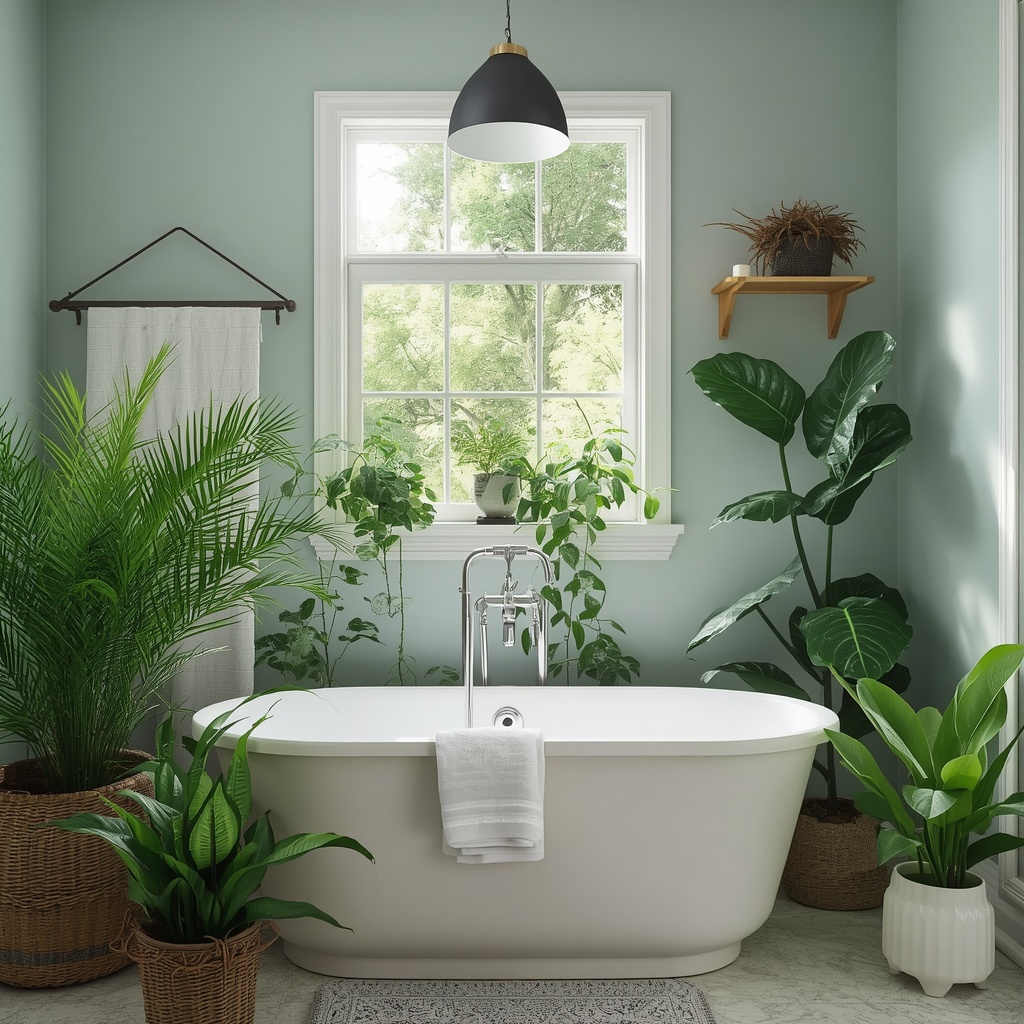
Steam from a hot shower raises ambient humidity to levels that are difficult to replicate anywhere else in a typical home without a humidifier. This is precisely why ferns, orchids, and other moisture-loving species often outperform expectations in bathroom settings compared to drier living rooms or bedrooms.
“The bathroom is essentially a free humidifier for your plants. If you have a window — even a small, frosted one — you’re sitting on prime real estate for a lush, spa-like plant display.” — a sentiment echoed by many horticulturists and plant stylists in the design world.
Key Factors to Consider Before Choosing a Bathroom Plant
Before you start filling your shelves with greenery, it helps to evaluate your specific bathroom conditions. Not every “low-light” plant tolerates the same humidity swings, and not every humidity-loving plant can handle near-total darkness.
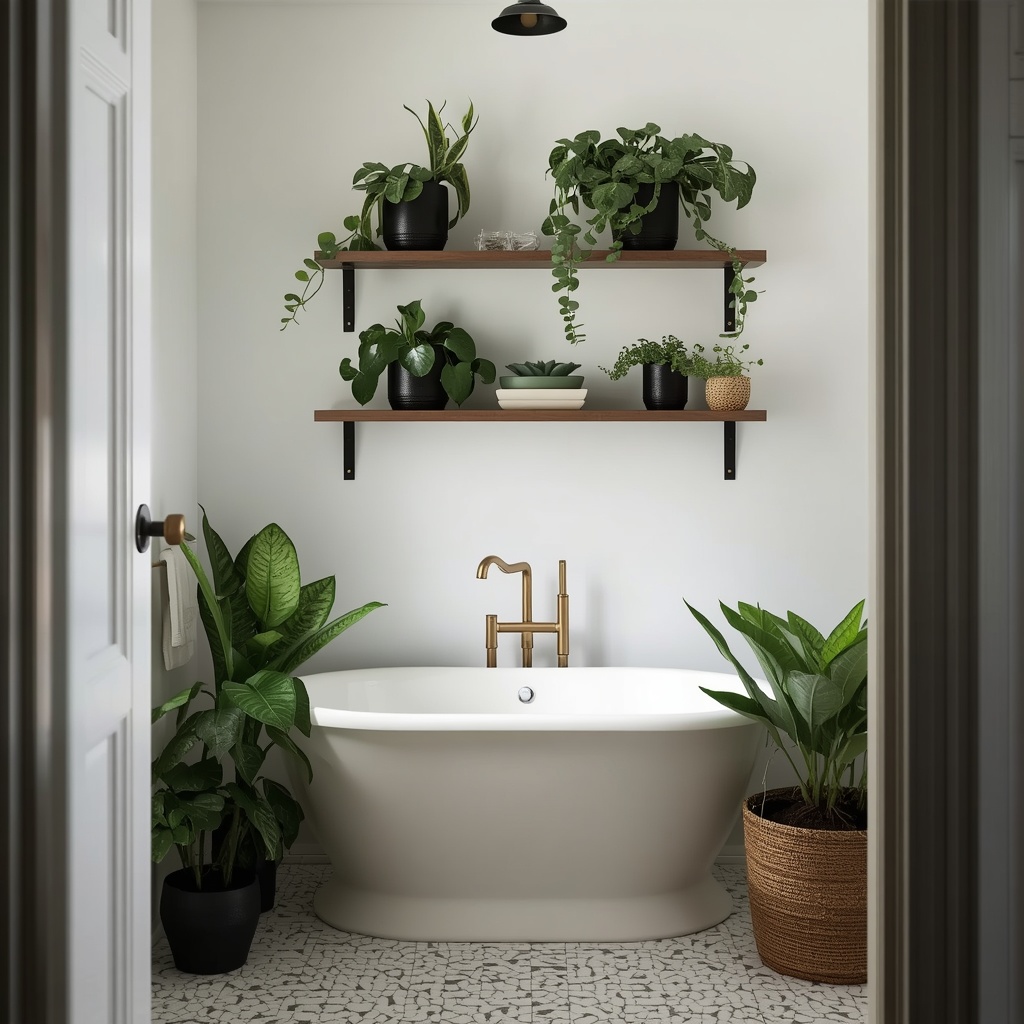
Think about how much natural or artificial light your bathroom receives throughout the day, how consistently humid it stays (a windowless powder room behaves very differently than a steam-shower ensuite), and how much airflow exists. Poor ventilation combined with excess moisture can invite mold, which affects both your plants and your walls. Matching the right species to your room’s actual conditions — rather than a generic “shade plant” label — is the difference between a thriving bathroom jungle and a compost bin of disappointment.
Quick Assessment Checklist
- Light source: Frosted window, skylight, artificial light only, or true darkness?
- Humidity level: Daily hot showers, occasional baths, or mostly dry?
- Ventilation: Exhaust fan present and used regularly, or minimal airflow?
- Temperature stability: Drafty in winter, or consistently warm?
- Shelf/counter space: Floating shelves, windowsill, or hanging hooks available?
The Best Low-Light, Humidity-Loving Houseplants for Bathrooms
Below is a curated shortlist of species that consistently perform well in bathroom conditions, based on their native rainforest or tropical understory origins.
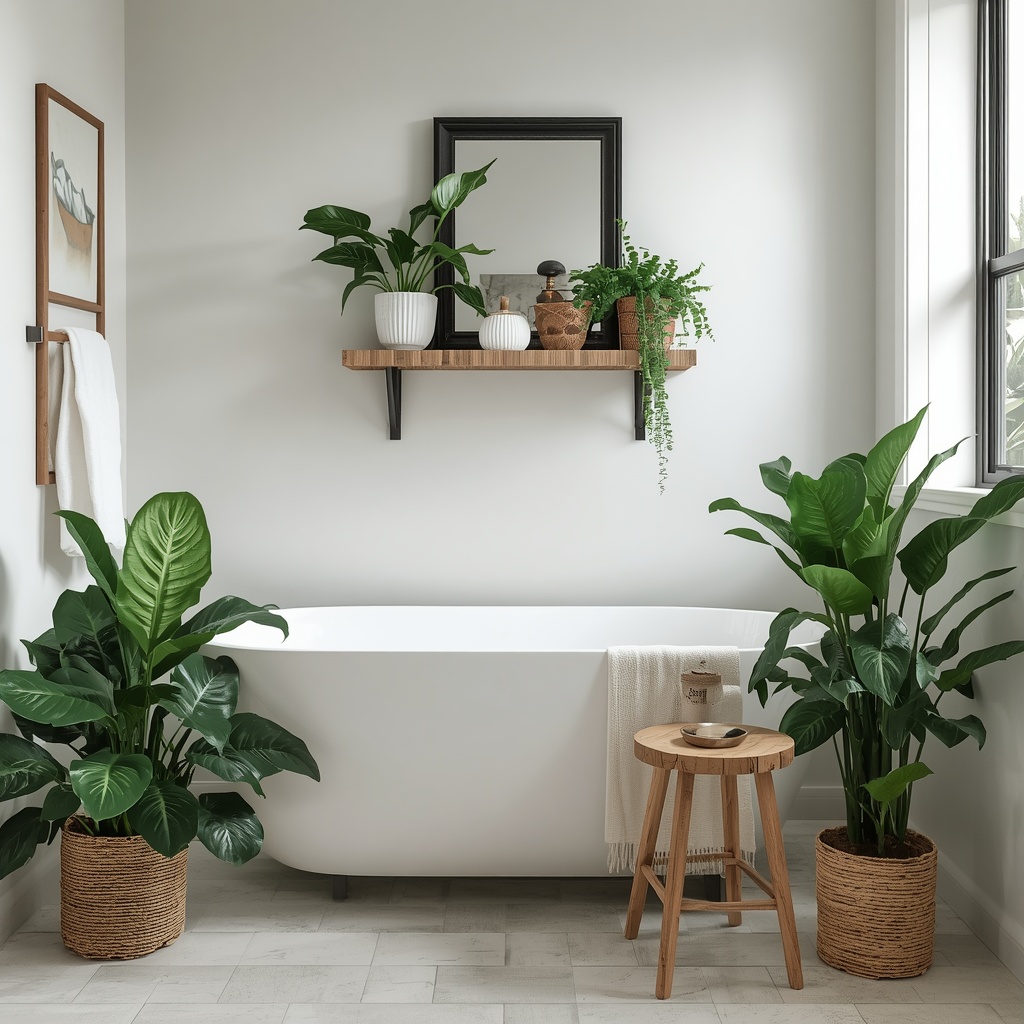
1. Pothos (Epipremnum aureum)
Pothos is often the first plant recommended to beginners, and for good reason. Its trailing vines cascade beautifully from a shelf or hanging planter, and it tolerates low light, inconsistent watering, and high humidity without complaint. Golden, Marble Queen, and Neon varieties each bring a slightly different color palette to your space.
2. Snake Plant (Dracaena trifasciata)
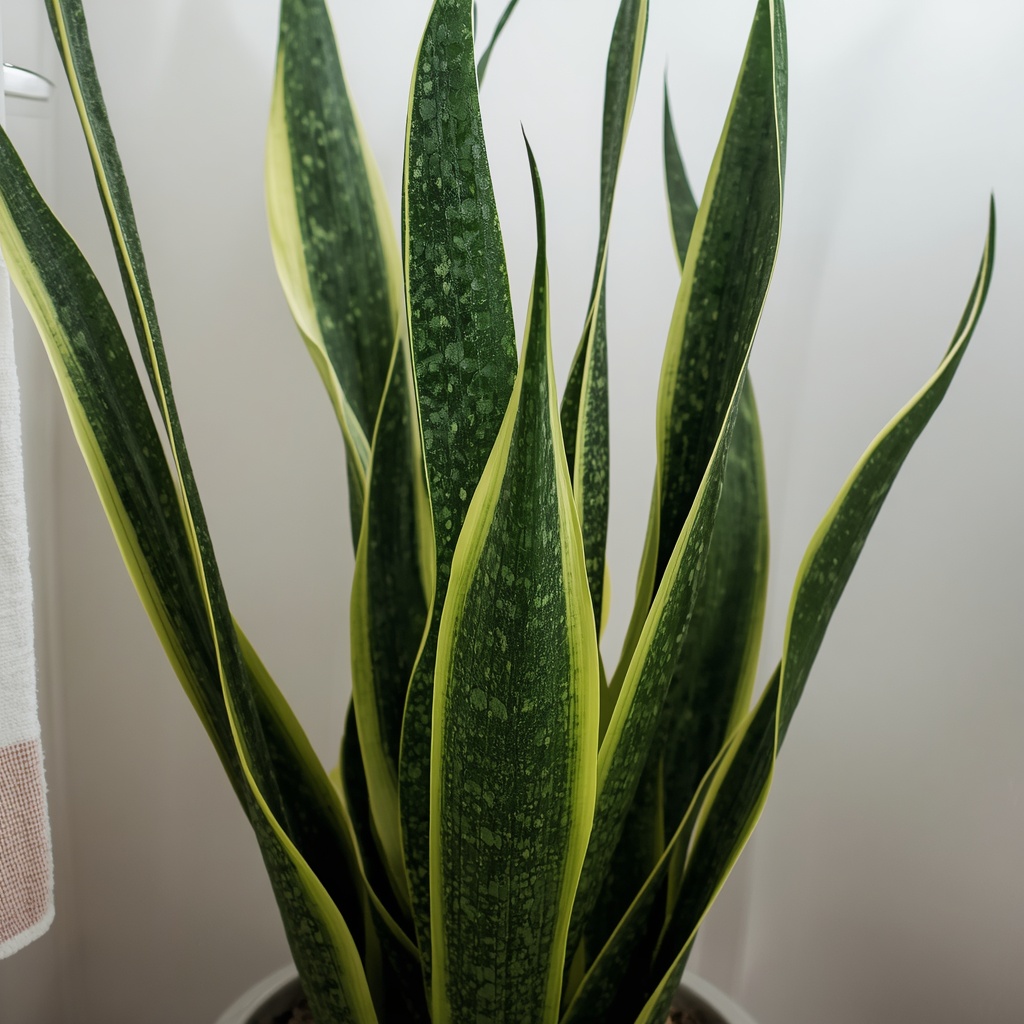
Formerly classified as Sansevieria, the snake plant is nearly indestructible. Its upright, sword-like leaves add sculptural contrast against soft bathroom textiles like towels and bath mats. It tolerates both low light and occasional neglect, making it perfect for guest bathrooms that don’t get daily attention.
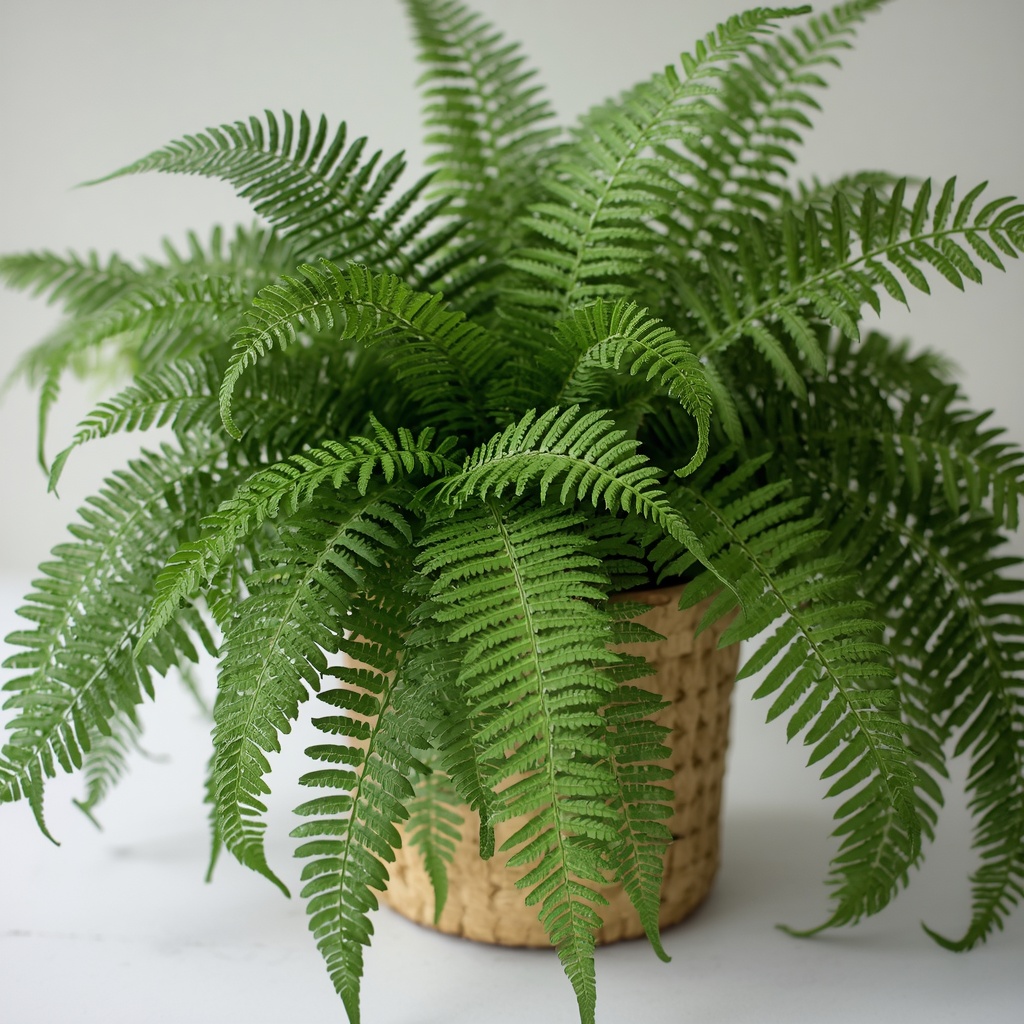
3. Boston Fern (Nephrolepis exaltata)
Few plants love bathroom humidity as much as the Boston fern. Its feathery, arching fronds create an instant “spa retreat” aesthetic. Because ferns are native to humid forest floors, the steam from your shower closely replicates their ideal habitat — though they do appreciate a bit more indirect light than snake plants or pothos.
4. ZZ Plant (Zamioculcas zamiifolia)
The ZZ plant’s glossy, dark green leaves reflect low light beautifully, making dim bathrooms look intentionally moody rather than dark. It’s extremely drought-tolerant and rarely bothered by fluctuating humidity, making it one of the lowest-maintenance options on this list.
5. Peace Lily (Spathiphyllum)
Peace lilies thrive in the humid, low-light conditions of a bathroom and reward you with elegant white blooms even indoors. They also double as natural air purifiers, helping offset odors and airborne toxins common in bathroom environments.
6. Spider Plant (Chlorophytum comosum)
Spider plants are forgiving, fast-growing, and produce charming “babies” (plantlets) that dangle from long stems — perfect for a hanging planter near a bathroom window. They tolerate a wide range of light conditions and humidity levels.
7. Air Plants (Tillandsia)
Since air plants don’t need soil, they’re ideal for tight bathroom corners, driftwood displays, or hanging glass terrariums. They absorb moisture directly from the air, meaning bathroom humidity does most of the watering work for you.
8. Orchids (Phalaenopsis)
Often considered a designer statement piece, phalaenopsis orchids naturally grow in humid, filtered-light rainforest canopies — very close to bathroom conditions. A vanity-side orchid instantly elevates the room’s aesthetic.
Comparison Table: Bathroom Plant Light, Water & Difficulty Guide
| Plant Name | Light Needs | Humidity Preference | Watering Frequency | Difficulty Level |
|---|---|---|---|---|
| Pothos | Low to medium, indirect | Moderate to high | Every 1–2 weeks | Beginner |
| Snake Plant | Low, indirect | Low to high (flexible) | Every 3–4 weeks | Beginner |
| Boston Fern | Medium, indirect/filtered | High | 2–3x per week | Intermediate |
| ZZ Plant | Low, indirect | Low to moderate | Every 3–4 weeks | Beginner |
| Peace Lily | Low to medium, indirect | High | Weekly | Beginner |
| Spider Plant | Low to medium, indirect | Moderate | Weekly | Beginner |
| Air Plant | Medium, bright indirect | High | Mist 2–3x weekly | Intermediate |
| Orchid (Phalaenopsis) | Medium, filtered/indirect | High | Every 1–2 weeks | Intermediate |
Styling Tips: Turning Your Bathroom Into a Botanical Retreat
As an interior designer, I always tell clients that plant placement is as much about design composition as it is about plant health. A single fern crammed into a dark corner won’t do much for your space — but a layered display of trailing pothos, an upright snake plant, and a small orchid on the vanity creates visual rhythm and depth.
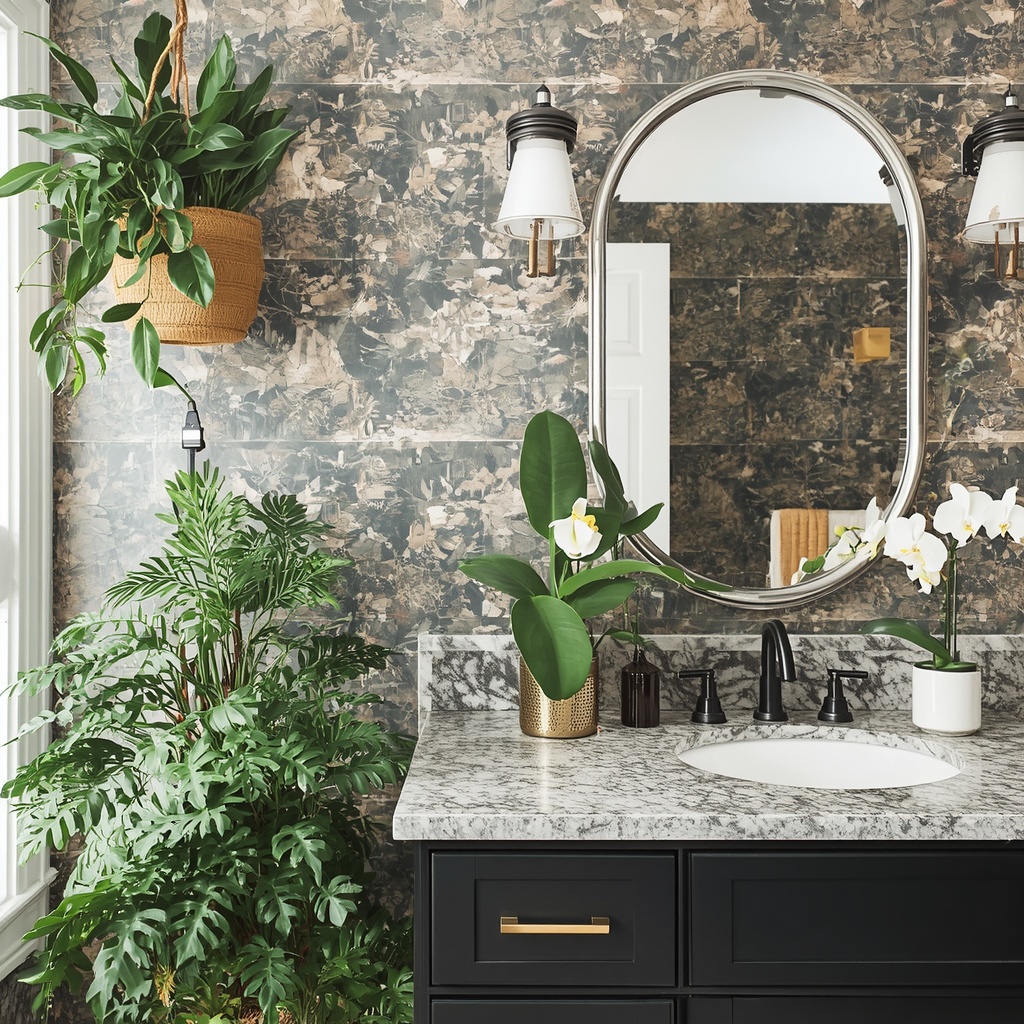
Consider varying plant heights and textures: pair broad-leafed peace lilies with the delicate, feathery texture of a Boston fern, and let a pothos vine trail down from a floating shelf to soften hard bathroom lines like tile edges and mirror frames. Repetition of color (like matching planters in matte black or natural terracotta) ties a multi-plant display together without looking cluttered.
Pro Tip Box
Pro Tip: Group two to three plants with similar humidity needs together on a single shelf or windowsill. Clustering plants creates a “micro-humidity zone” as they release moisture through transpiration, helping each plant thrive more than it would in isolation — while also creating a fuller, more designer-curated look.
Common Bathroom Plant Care Mistakes to Avoid
Even seasoned plant owners run into trouble in bathroom environments because the rules differ slightly from other rooms in the home. Overwatering is the most frequent culprit, since people assume high humidity means plants need more water at the roots — when in fact it often means less frequent watering is required.
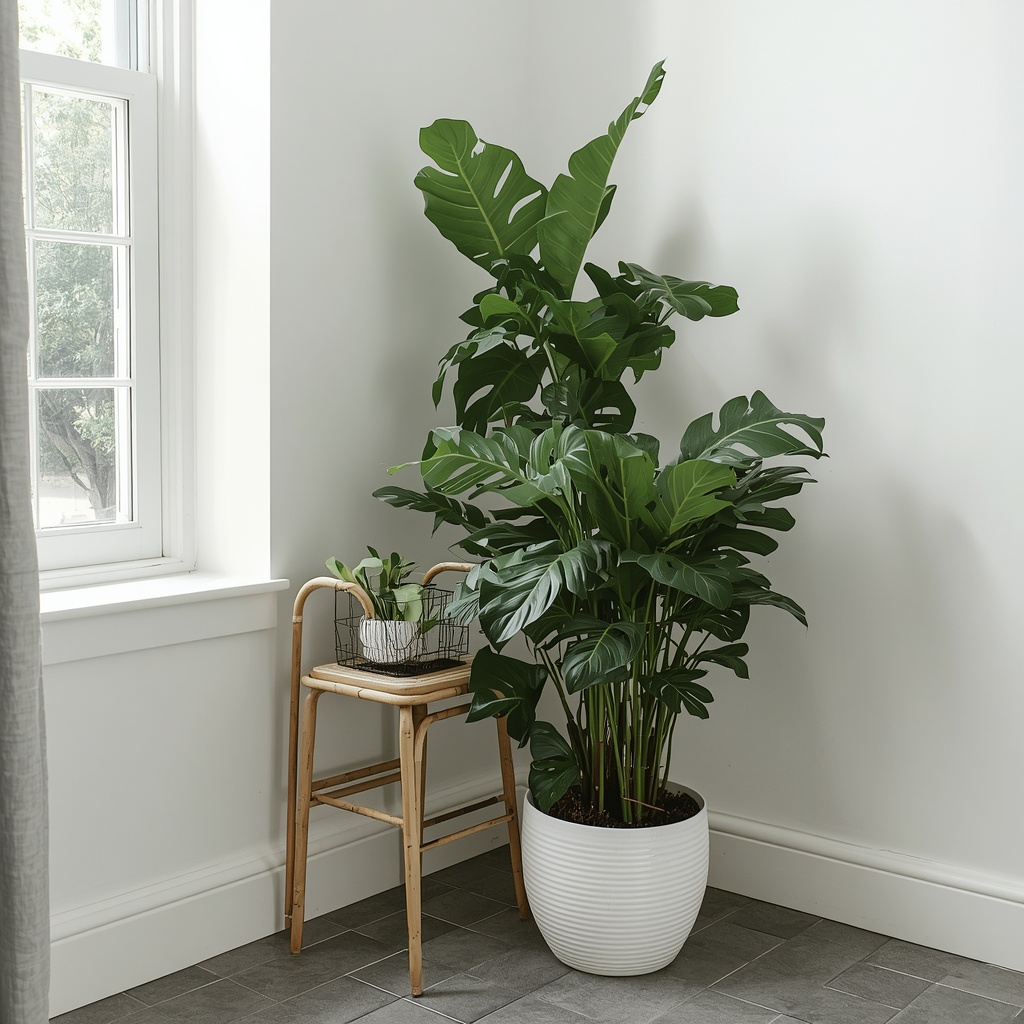
Another common mistake is placing plants too close to a cold draft, such as directly beneath an air-conditioning vent or a frequently opened window in winter. Sudden temperature swings stress tropical plants far more than consistent, moderate temperatures. Finally, skipping drainage is a big one: bathroom planters without drainage holes (often chosen for aesthetic reasons) can trap excess water and lead to root rot, even in humidity-loving species.
Quick-Reference Do’s and Don’ts
- Do use pots with drainage holes, or a nursery pot inside a decorative cachepot.
- Do run your exhaust fan after showers to prevent mold growth on both walls and soil.
- Do wipe dust off broad leaves monthly so they can photosynthesize efficiently in low light.
- Don’t overwater simply because the room feels humid — check soil moisture first.
- Don’t place plants directly in a cold draft near a window or vent.
- Don’t choose glossy, non-porous planters without drainage in a moisture-heavy room.
How to Match Plants to Your Specific Bathroom Type
Not every bathroom is created equal, and matching plant choice to room type will save you time, money, and frustration.
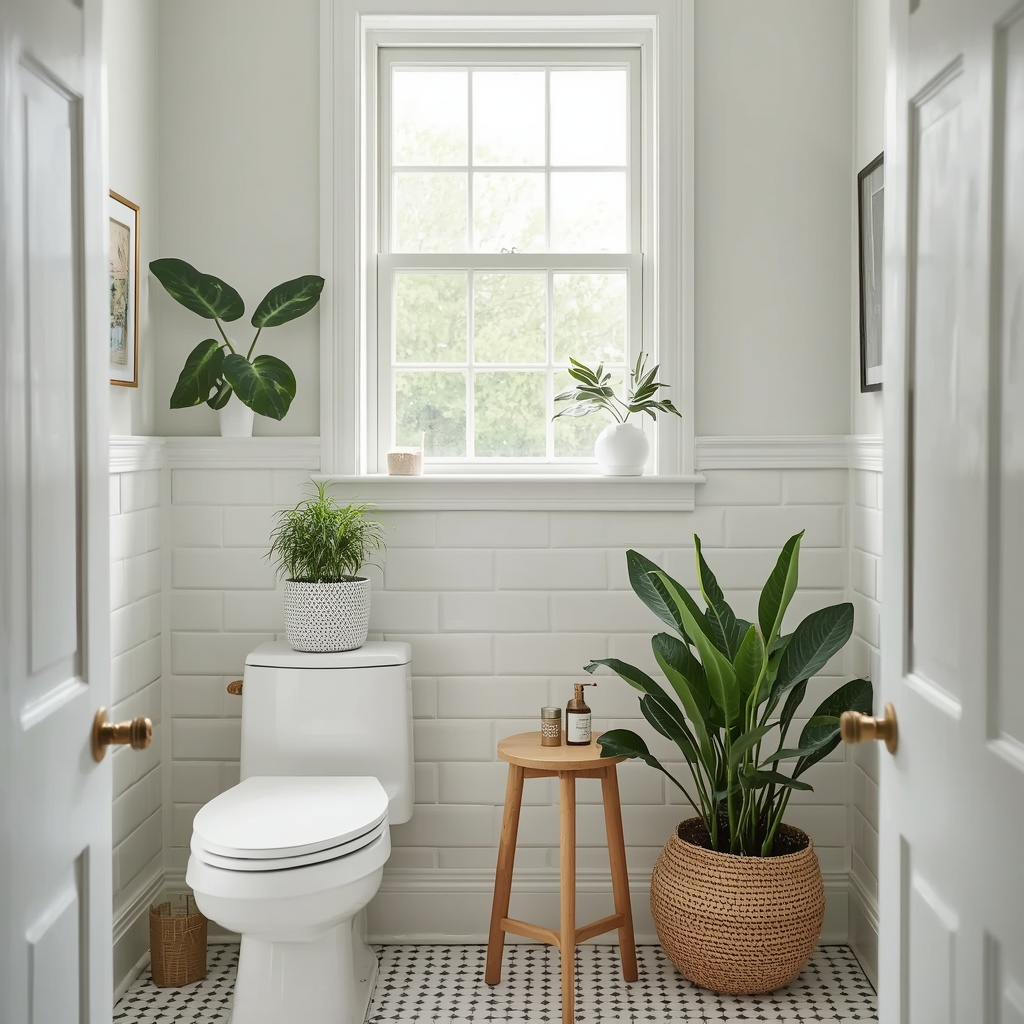
Windowless powder rooms with no natural light at all should rely on artificial grow lights or accept that live plants may struggle long-term; in these cases, a snake plant or ZZ plant under a small LED grow bulb is your best bet, since both can survive on minimal, non-natural light for extended periods.
Steam showers and ensuite bathrooms with high, consistent humidity are ideal for ferns, orchids, and peace lilies, which crave that tropical moisture. Bathrooms with a frosted or small window offering filtered light are the most versatile, supporting nearly every plant on this list, from trailing pothos to statement orchids.
Frequently Asked Questions
Can houseplants really survive with no natural light at all? True low-light plants like the ZZ plant and snake plant can survive extended periods without direct natural light, though “low light” still typically means some ambient light reaches the space — true darkness will eventually weaken any plant.
Will bathroom humidity cause mold on my plant’s soil? It can, especially with poor ventilation. Using well-draining potting mix, terracotta pots (which wick moisture), and running your exhaust fan regularly significantly reduces this risk.
How often should I fertilize bathroom plants? Because bathroom plants often receive less light than plants elsewhere in the home, they grow more slowly and need less frequent fertilizing — generally once every 6–8 weeks during spring and summer, and little to none in fall and winter.
Are any of these plants toxic to pets? Peace lilies and pothos are toxic to cats and dogs if ingested, while spider plants, air plants, and snake plants are considered pet-safer options (though snake plants can still cause mild irritation). Always research pet safety before placing plants within reach.
Final Thoughts: Bringing Your Bathroom to Life
A well-chosen houseplant does more than fill empty shelf space — it transforms a purely functional bathroom into a calming, spa-inspired retreat. The key is working with your room’s natural conditions rather than against them: lean into the humidity, embrace the low light, and choose species that are genetically wired to love exactly the environment your bathroom already provides.
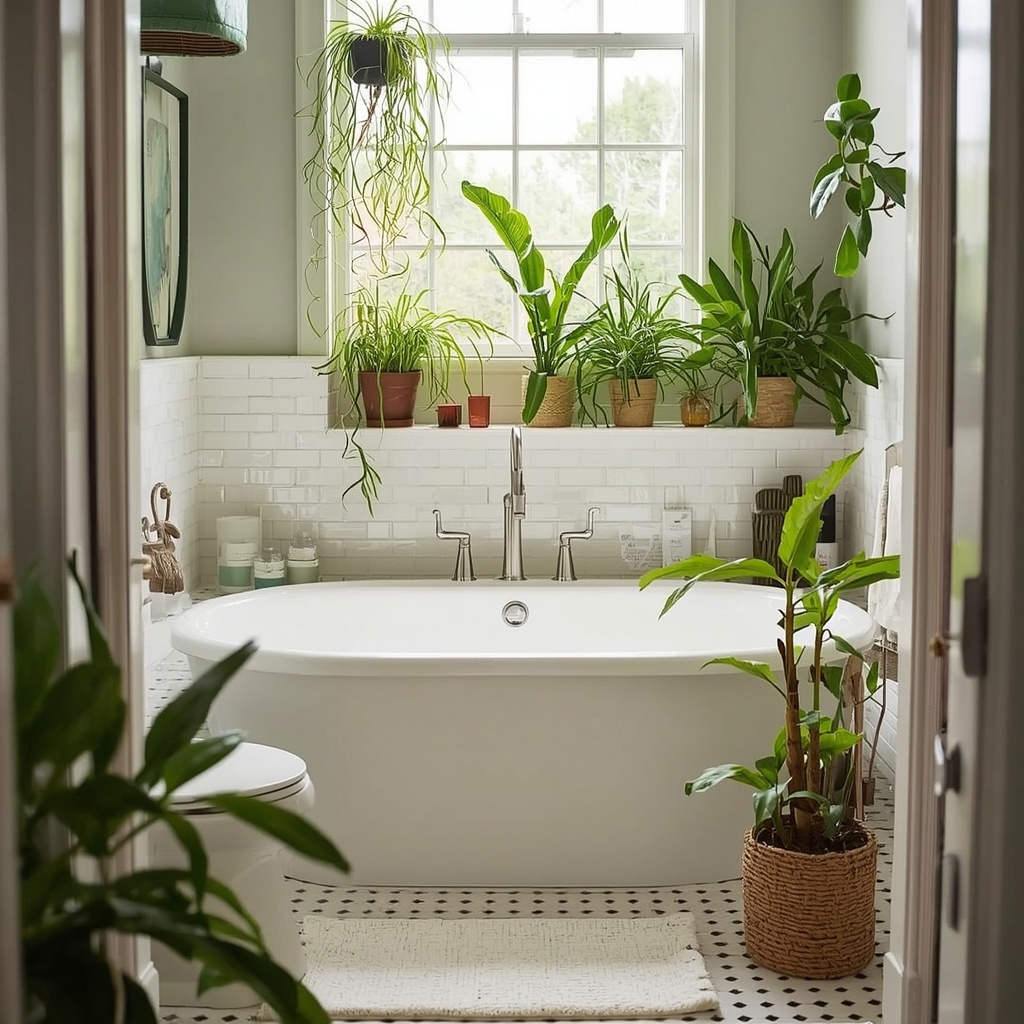
Start small if you’re new to plant care. A single pothos or snake plant is a low-risk way to test how your specific bathroom performs before investing in a fuller botanical display. Once you see how effortlessly these tropical natives adapt to your steamy showers and soft, filtered light, you may find yourself turning every shelf, corner, and windowsill into part of your indoor jungle.