
Picture this: you walk into your bathroom after a long, exhausting day. The lighting is soft, the air smells faintly of eucalyptus, and a plush towel is waiting on a warm rack. Instead of rushing through your routine, you linger — because this room finally feels like yours. That’s the power of spa-like bathroom decor, and it’s more attainable than most homeowners realize.
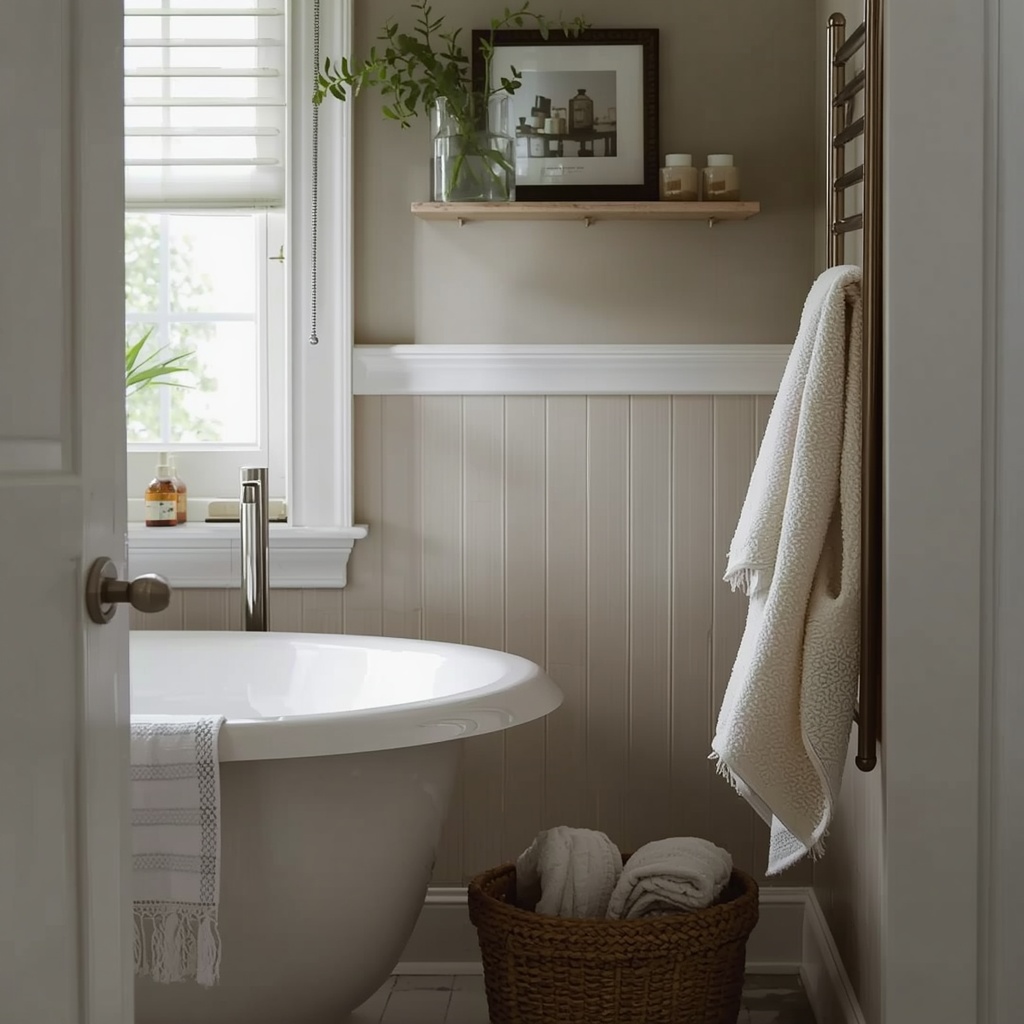
You don’t need a five-figure renovation budget or a professional design degree to transform your bathroom into a home spa retreat. What you need is a thoughtful approach to color, texture, lighting, and organization — the same principles luxury spas and boutique hotels use to create a sense of calm the moment you walk through the door. As an interior designer who works with clients across the U.S. on residential decor, I’ve seen firsthand how small, intentional changes can turn an ordinary bathroom into a genuine self-care sanctuary.
In this guide, we’ll walk through everything from calming color palettes and natural materials to lighting design, decluttering strategies, and budget-friendly upgrades. Whether you’re working with a sprawling primary bathroom or a compact powder room, these spa bathroom ideas will help you build a relaxing bathroom design that supports your wellness routine every single day.
What Makes a Bathroom Feel Like a Spa?
Before diving into specific decor choices, it helps to understand why certain bathrooms feel serene while others feel purely functional. Spa design isn’t about luxury price tags — it’s about sensory experience. Professional spas are engineered around five elements: soft lighting, natural materials, uncluttered surfaces, soothing scent, and quiet acoustics.
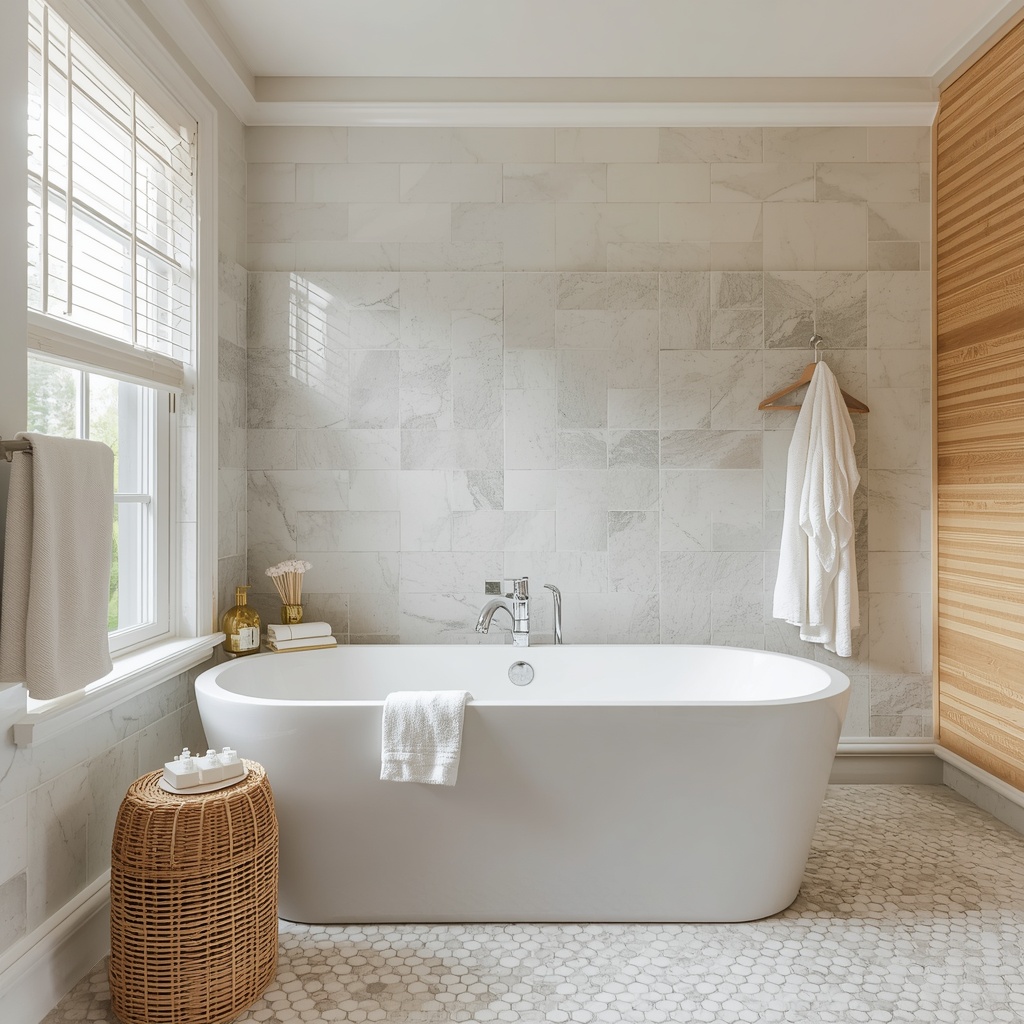
When any one of these elements is missing, the “spa effect” breaks down, no matter how expensive the fixtures are. A marble vanity with harsh overhead lighting and a cluttered countertop will never feel as relaxing as a simple bathroom with warm lighting, a clear counter, and one beautiful plant. This is why the first step in any home spa transformation isn’t shopping — it’s editing.
“A true sanctuary isn’t defined by square footage or budget. It’s defined by how intentional every surface, texture, and light source feels the moment you walk in.” — a principle every spa designer swears by.
Choosing a Calming Color Palette
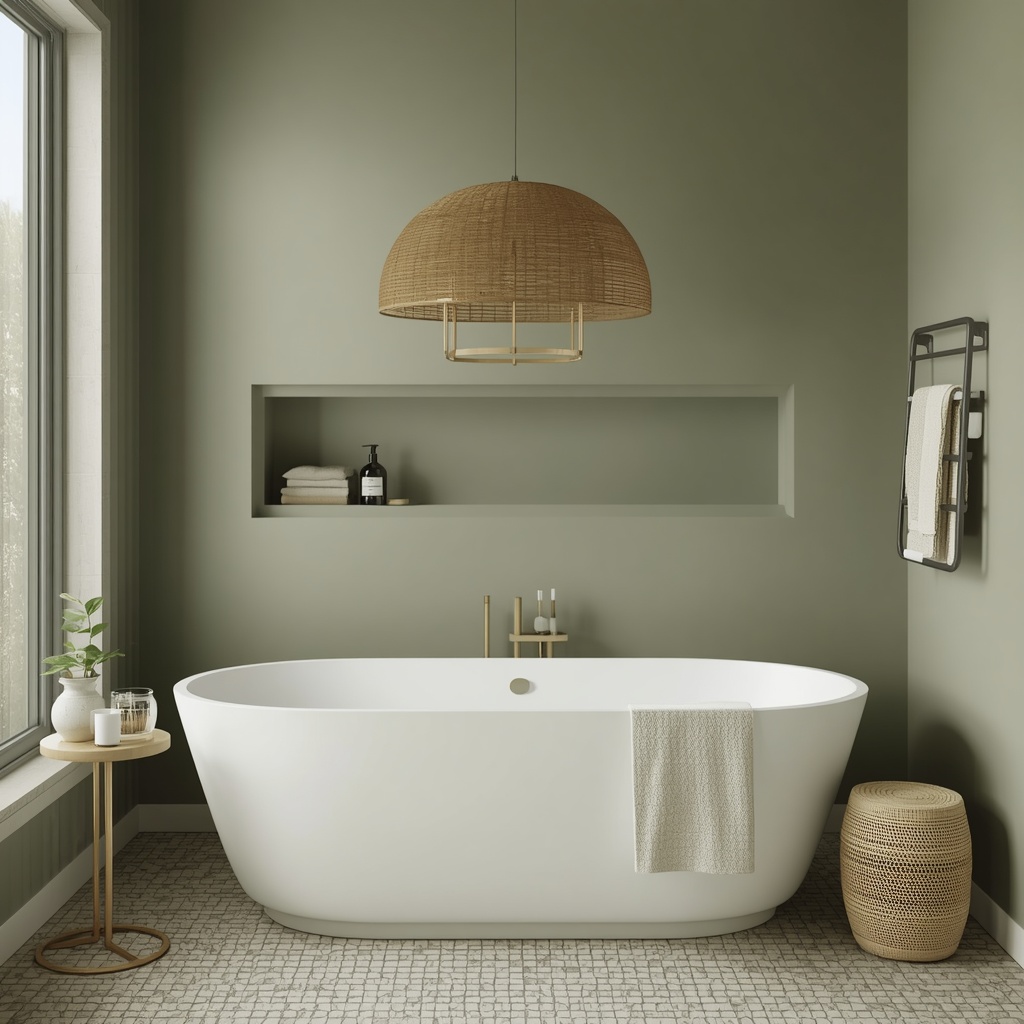
Color psychology plays a massive role in how a space feels. Spa-inspired bathrooms typically lean on muted, nature-inspired tones rather than stark whites or bold, saturated colors. Think of the palette you’d find in a boutique wellness retreat: soft neutrals, warm greiges, sage greens, and dusty blues.
| Color Family | Mood It Creates | Best Paired With |
|---|---|---|
| Warm White / Ivory | Clean, airy, timeless | Natural wood, brushed brass |
| Sage / Eucalyptus Green | Grounded, fresh, botanical | Matte black, rattan |
| Soft Sand / Greige | Cozy, minimalist | Linen textiles, stone |
| Muted Blue / Slate | Calm, oceanic, restful | White marble, chrome |
| Warm Terracotta | Earthy, inviting | Cream, unlacquered brass |
Quick tip: Limit your palette to two or three core tones and let texture do the rest of the visual work. This is a foundational rule in relaxing bathroom design — busy color schemes work against the calming effect you’re trying to create.
Lighting for Relaxation
If there’s one design element that instantly makes or breaks a spa-like bathroom, it’s lighting. Bright, cool-toned overhead lighting mimics clinical or retail spaces — not exactly the vibe of a home spa. Instead, layer your lighting the way a boutique hotel bathroom would:
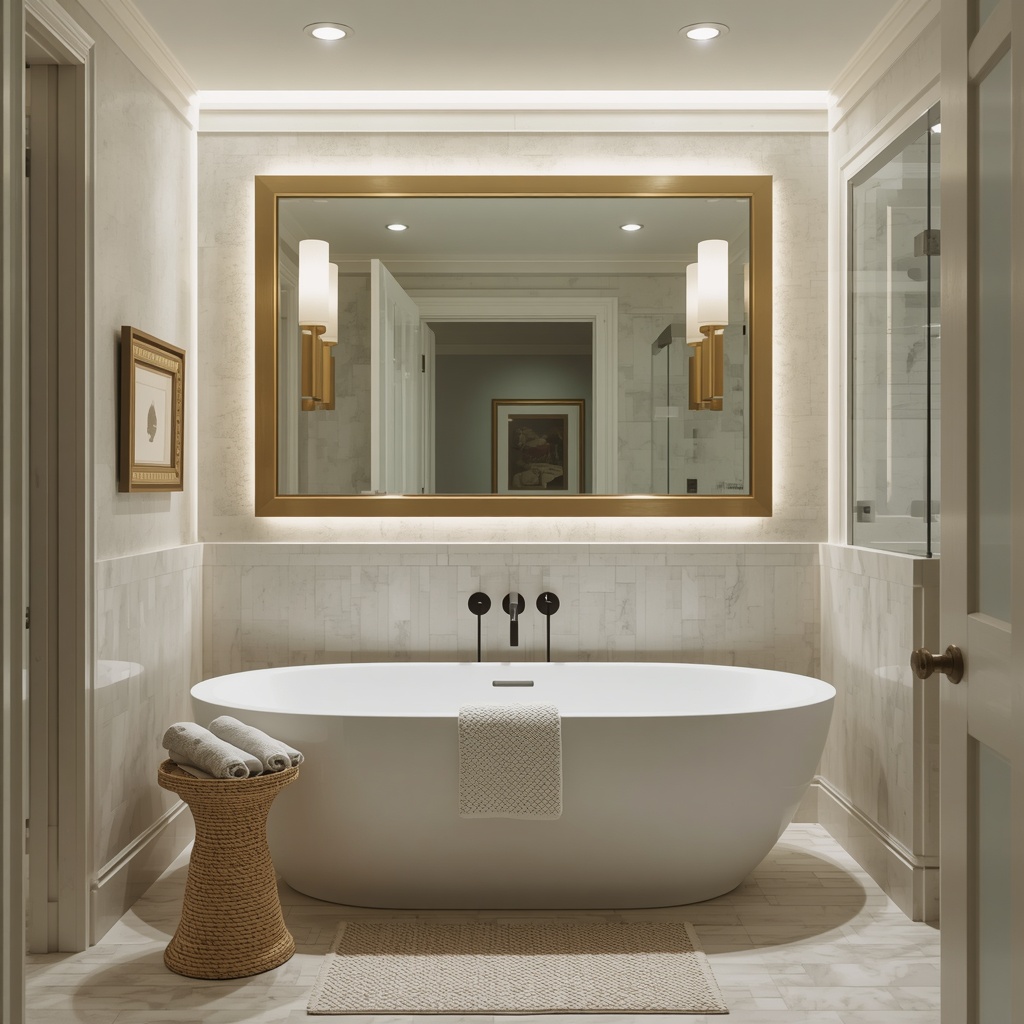
- Ambient lighting: Dimmable overhead fixtures set the overall mood
- Task lighting: Warm sconces flanking the mirror for grooming without harsh shadows
- Accent lighting: LED strip lighting under floating vanities or inside niches
- Candlelight: Flameless LED candles for a safe, flickering glow during baths
Warm-toned bulbs (2700K–3000K) are essential here. Cool white bulbs (above 4000K) tend to feel sterile and clinical, which works against the sanctuary atmosphere you’re building.
Pro Tip 💡
Install a dimmer switch on your main vanity light. It costs less than $30 and takes under an hour to install, yet it’s one of the single highest-impact upgrades for creating a relaxing bathroom design. Dim the lights during evening baths and brighten them for your morning routine — one fixture, two completely different moods.
Natural Materials & Textures
Spas rely heavily on organic, tactile materials because they engage the senses in a way that synthetic surfaces simply don’t. Bringing natural materials into your bathroom decor — even in small doses — has an outsized impact on how “expensive” and calming the space feels.
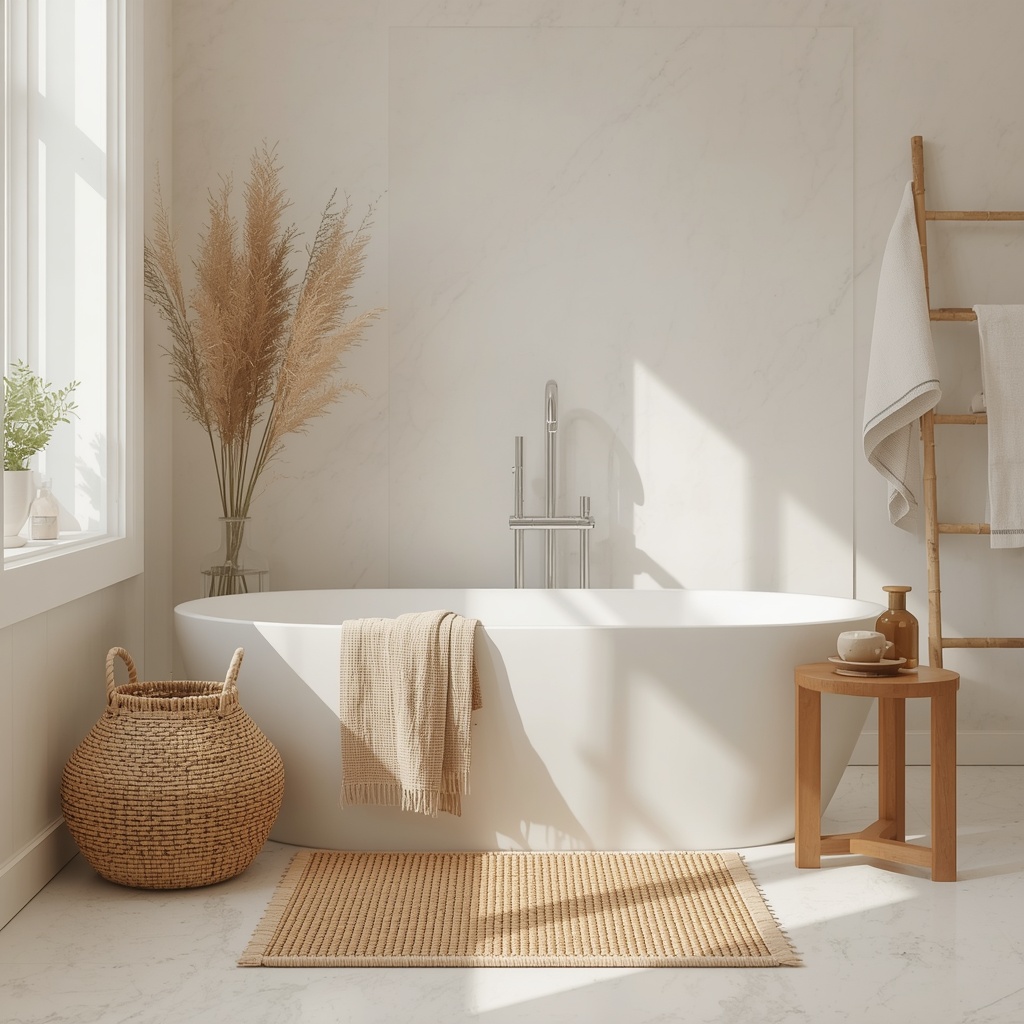
Consider layering in teak bath mats, woven rattan storage baskets, linen shower curtains, and stone accessories like soap dishes or tumblers. These materials age beautifully, resist the sterile look of plastic, and reinforce the connection to nature that defines authentic spa design. Even a single teak stool or bamboo ladder shelf can shift the entire tone of the room.
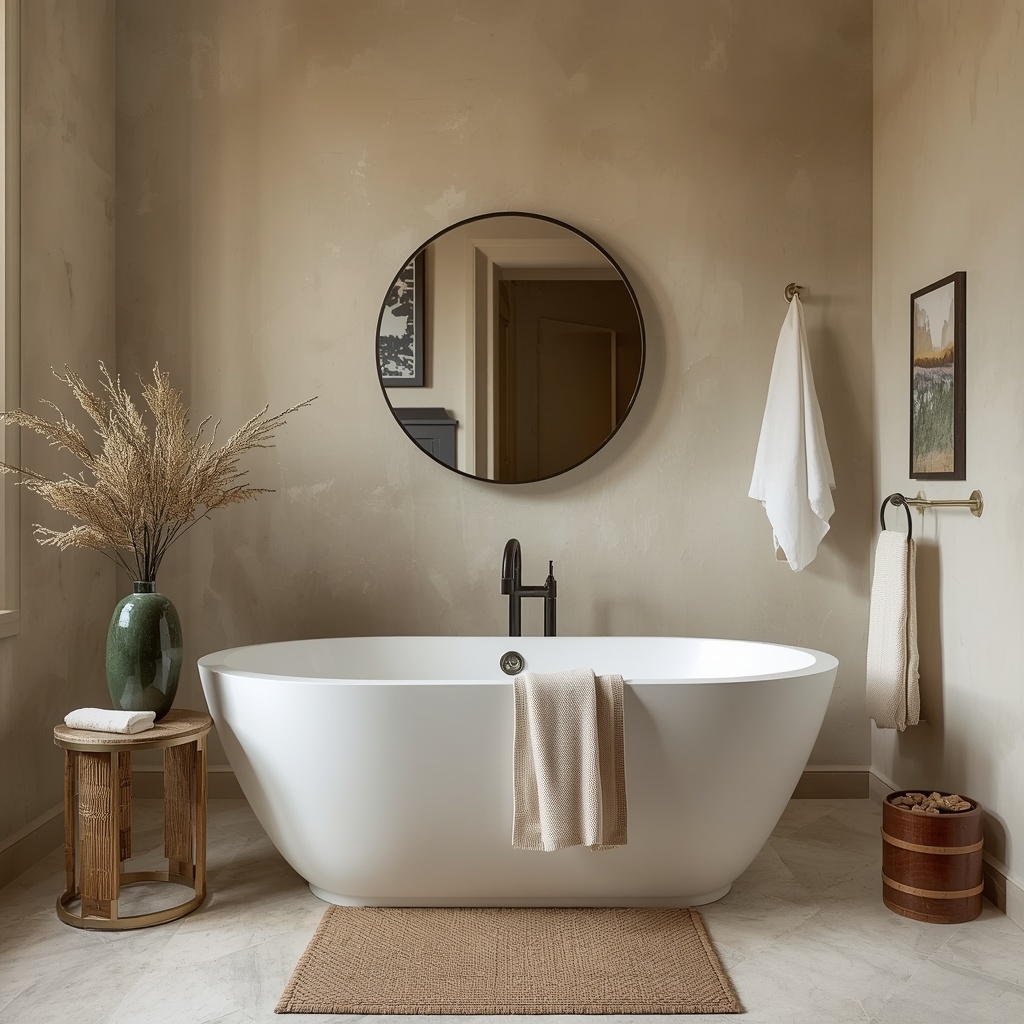
Stone and unlacquered metals deserve special mention here. Honed marble, limestone, and travertine have a matte, soft-touch quality that catches light differently than polished surfaces, creating that quiet, cocooning ambiance spas are known for. Pair them with brushed nickel, matte black, or aged brass fixtures rather than glossy chrome for a warmer, more grounded finish.
Decluttering for Serenity
No amount of beautiful decor can compensate for visual chaos. Clutter is the single biggest obstacle standing between an average bathroom and a true sanctuary, and it’s also the cheapest problem to fix — it costs nothing but a little time.

Start by clearing every item off your countertops except one or two intentional objects, like a ceramic soap dispenser or a small potted plant. Everything else — toothbrushes, skincare bottles, hair tools — should live behind closed doors or in matching, labeled containers. Open shelving should hold styled essentials only: rolled towels, a candle, a plant. If a shelf looks like a storage unit rather than a vignette, it’s time to edit again.
| Clutter Culprit | Spa-Style Fix |
|---|---|
| Mismatched plastic bottles | Decant into matching glass or ceramic pump bottles |
| Tangled hair tools | Store in a lidded woven basket or drawer organizer |
| Loose toiletries | Use labeled apothecary jars for cotton balls, Q-tips |
| Bath toys / kids’ items | Dedicate one closed bin, tuck out of sightline |
| Old towels | Replace with 2–3 matching plush sets, store extras away |
Spa-Worthy Bathroom Essentials
Once your foundation — color, lighting, materials, and clutter — is in place, it’s time to layer in the finishing touches that signal “sanctuary” the moment someone steps inside.
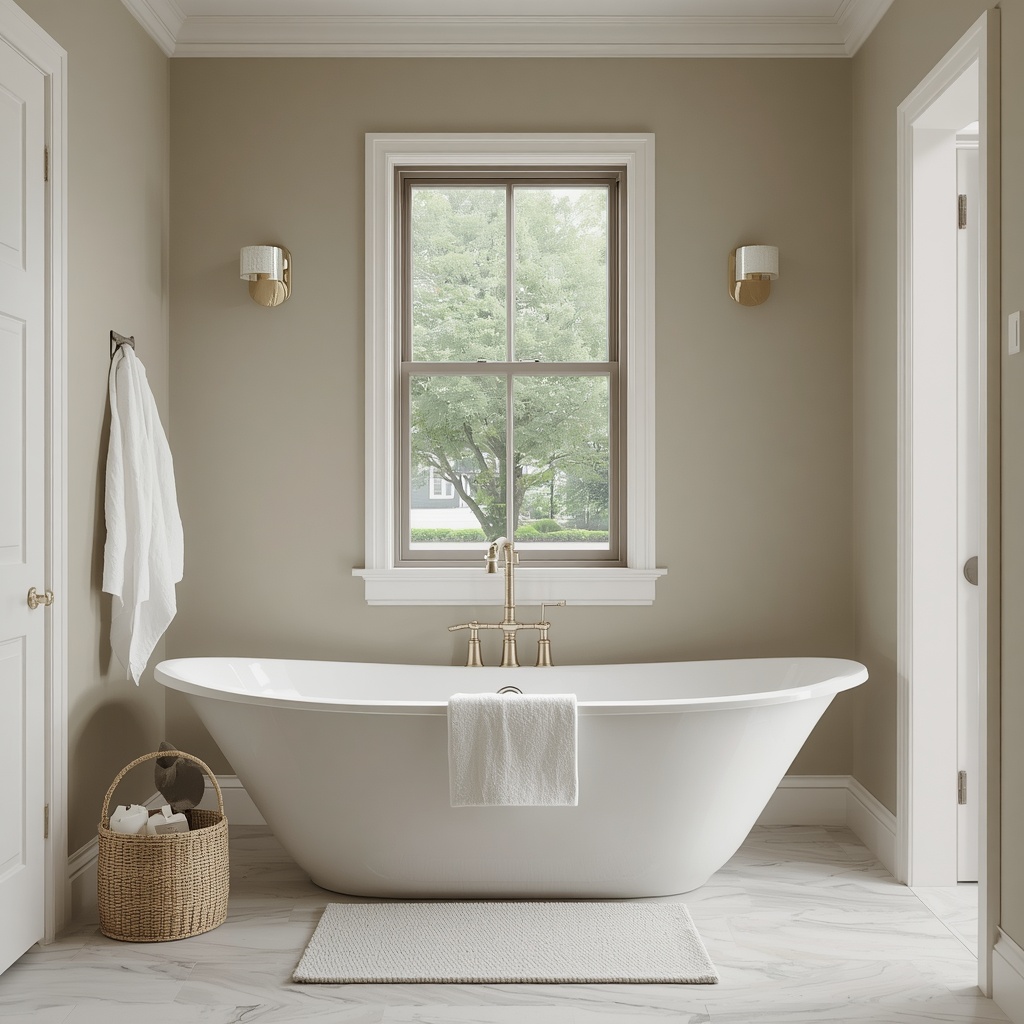
- Plush, oversized bath towels in a single cohesive color
- A teak or bamboo bath caddy for reading, tea, or a candle
- A weighted robe hook or hanging robe in waffle-weave cotton
- Live greenery: eucalyptus, snake plants, or pothos (all thrive in bathroom humidity)
- A diffuser or reed diffuser with calming scent
- A Bluetooth shower speaker for soft ambient sound
- Matching ceramic or stone dispensers for soap and lotion
- A soft bath mat with a natural fiber base
Pro Tip 💡 Buy bath towels in sets of the same color and brand, even if it means replacing towels that still have life left in them. Mismatched towel colors are one of the most common — and easiest to fix — reasons a bathroom reads as “lived-in” rather than “spa-like.” Consistency is a quiet luxury signal.
Scent & Sound: The Overlooked Spa Elements
Visual design gets most of the attention, but scent and sound are what make a spa experience feel immersive rather than just visually pleasing. Without them, even a beautifully decorated bathroom can feel more like a photo than a retreat.
For scent, choose calming, spa-associated notes: eucalyptus, lavender, sandalwood, or citrus-and-sage blends. A reed diffuser offers consistent, flame-free fragrance, while a few drops of eucalyptus oil on your shower floor release aromatherapy steam during hot showers — a favorite trick among wellness designers. For sound, even five minutes of soft instrumental music or nature sounds during your routine can lower stress markers and reinforce the ritual of self-care rather than rushing through it.
“Scent is the fastest route to the brain’s emotional center. A single consistent fragrance, used only in your bathroom, can train your mind to associate that room with relaxation within just a few weeks.” — a principle rooted in aromatherapy and environmental psychology.
Budget-Friendly Spa Upgrades
You don’t need a full renovation to feel the difference. Here’s how small investments compare to bigger overhauls, so you can prioritize based on your budget and timeline.
| Upgrade | Estimated Cost | Impact Level |
|---|---|---|
| New matching towel set | $40–$100 | High |
| Dimmer switch installation | $20–$50 | High |
| Reed diffuser + refills | $25–$60 | Medium |
| Woven storage baskets | $30–$80 | Medium |
| Teak bath mat or shower stool | $40–$120 | Medium |
| New shower fixture (rain head) | $80–$250 | High |
| Repainting in a spa-inspired hue | $100–$300 (DIY) | High |
| Full vanity replacement | $800–$3,000+ | High (long-term) |
Notice that some of the highest-impact changes — lighting, towels, and decluttering — are also the least expensive. This is good news if you’re working toward a home spa aesthetic on a realistic budget: start with the free and low-cost changes before investing in fixtures or renovations.
Small Bathroom Spa Ideas
Limited square footage doesn’t have to limit your sanctuary goals. In fact, smaller bathrooms can feel more intimate and spa-like when designed thoughtfully, since every element gets more visual weight.
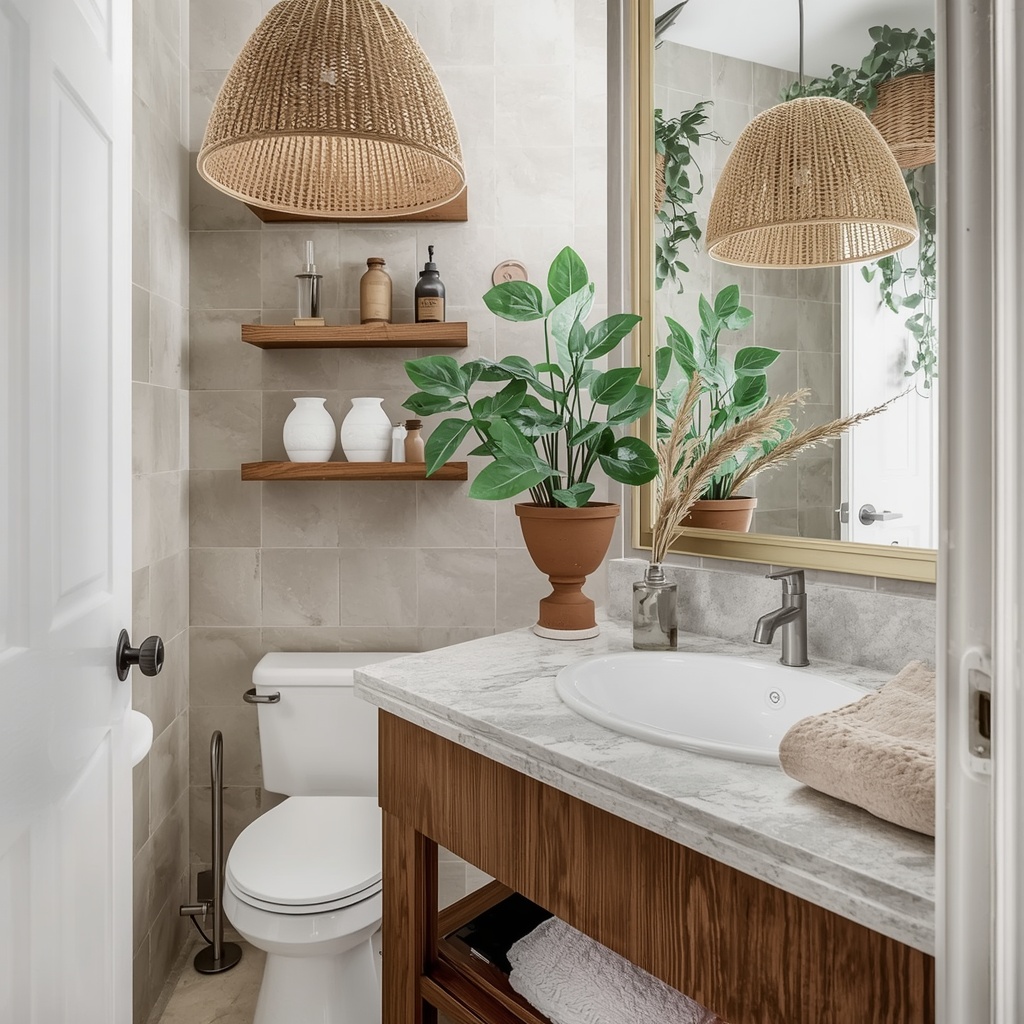
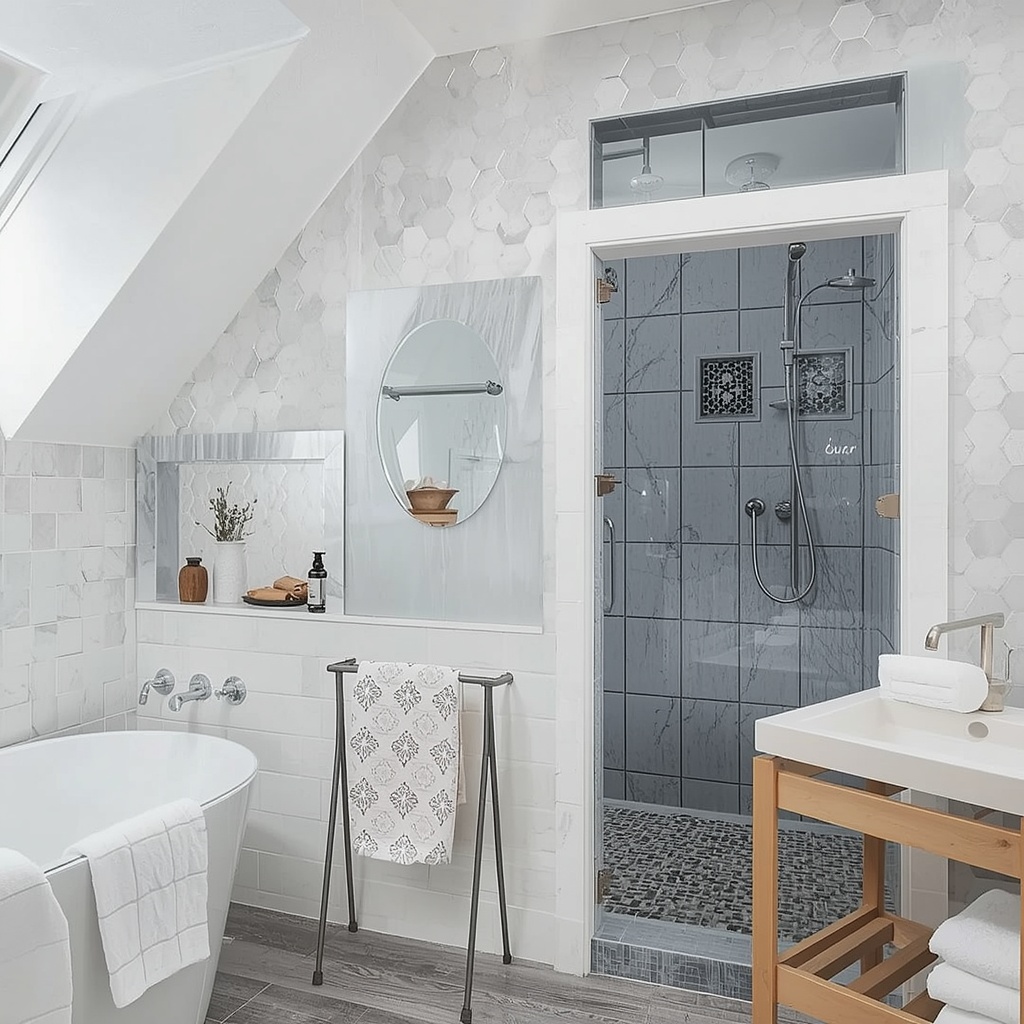
Use vertical space with a floating shelf styled with just three or four objects rather than crowding a small counter. Choose a single statement material — like a textured stone tile or a woven pendant light — instead of layering multiple bold choices in a tight space. Mirrors also do double duty: an oversized mirror bounces light around the room and makes a compact bathroom feel noticeably larger, all while reflecting your carefully curated decor back into view.
Frequently Asked Questions
What’s the fastest way to make my bathroom feel more like a spa? Decluttering countertops and switching to warm-toned lighting are the two fastest, lowest-cost changes — most people notice a difference the same day.
Do I need real plants for a spa-like bathroom? Live plants add the most authentic natural texture, but if your bathroom lacks natural light, a high-quality faux eucalyptus stem is a reasonable substitute.
What colors should I avoid in a spa bathroom design? Highly saturated or cool-toned colors like bright red, neon blue, or stark cool-white tend to work against the calming effect — stick to muted, earthy tones instead.
Final Thoughts: Building Your Everyday Sanctuary
Creating a spa-like bathroom isn’t a one-weekend project — it’s an ongoing practice of choosing calm over clutter, warmth over sterility, and intention over convenience. Start with the fundamentals: a cohesive color palette, layered warm lighting, and a decluttered countertop. From there, layer in natural materials, spa-worthy accessories, and sensory details like scent and sound.
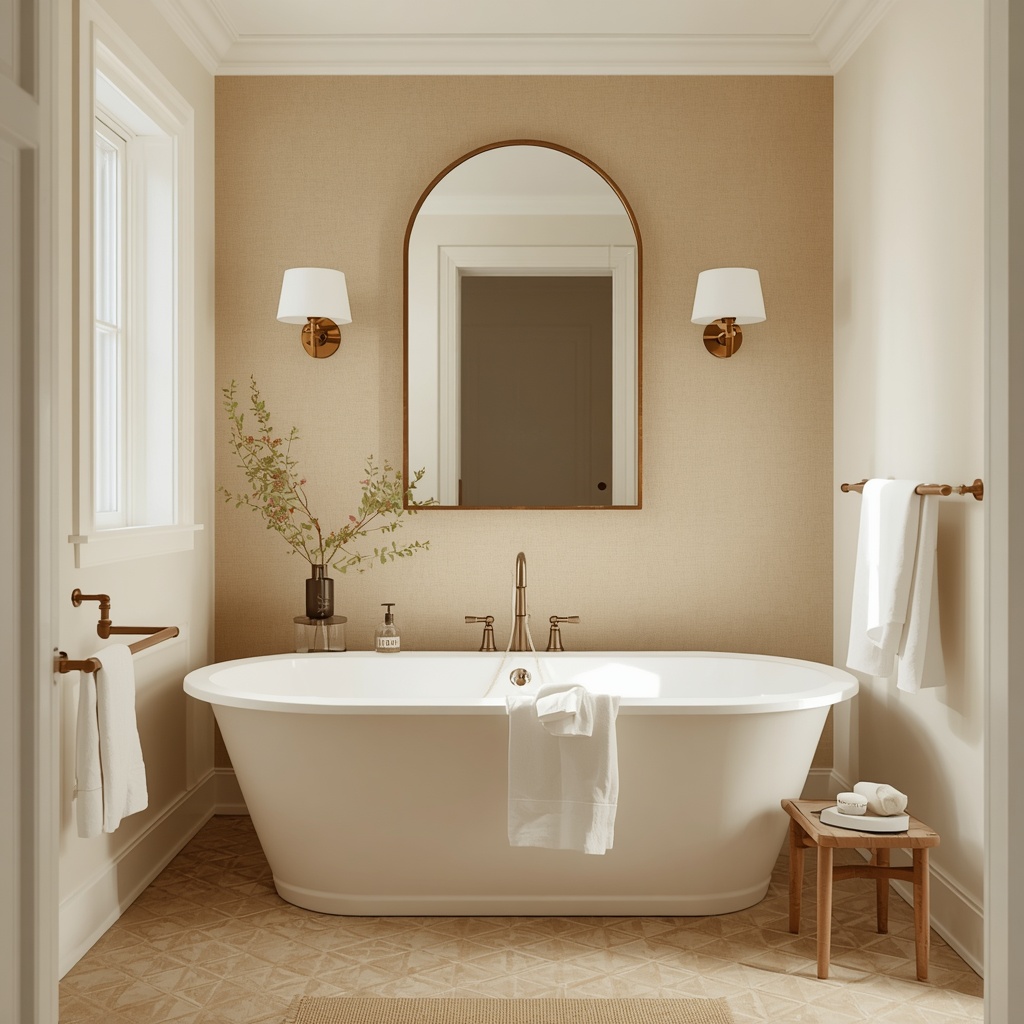
The most beautiful part of this approach is that it’s entirely customizable to your space and budget. Whether you’re updating a small powder room or redesigning a primary suite, the same core principles apply — and the payoff is a room you’ll genuinely look forward to using every single day.
Your bathroom doesn’t need to look like a five-star resort to feel like one. It just needs to feel like yours.