
There is a quiet secret behind many of the most beautiful homes you see on Pinterest and Instagram: a surprising number of those “designer” pieces started life on a dusty thrift store shelf. That glossy brass lamp, the sculptural vase, the solid wood dresser with a gorgeous new finish? Often under $30 before a little creativity. Thrift store home decor flips are the smartest way to get a high-end look on a real-world budget.
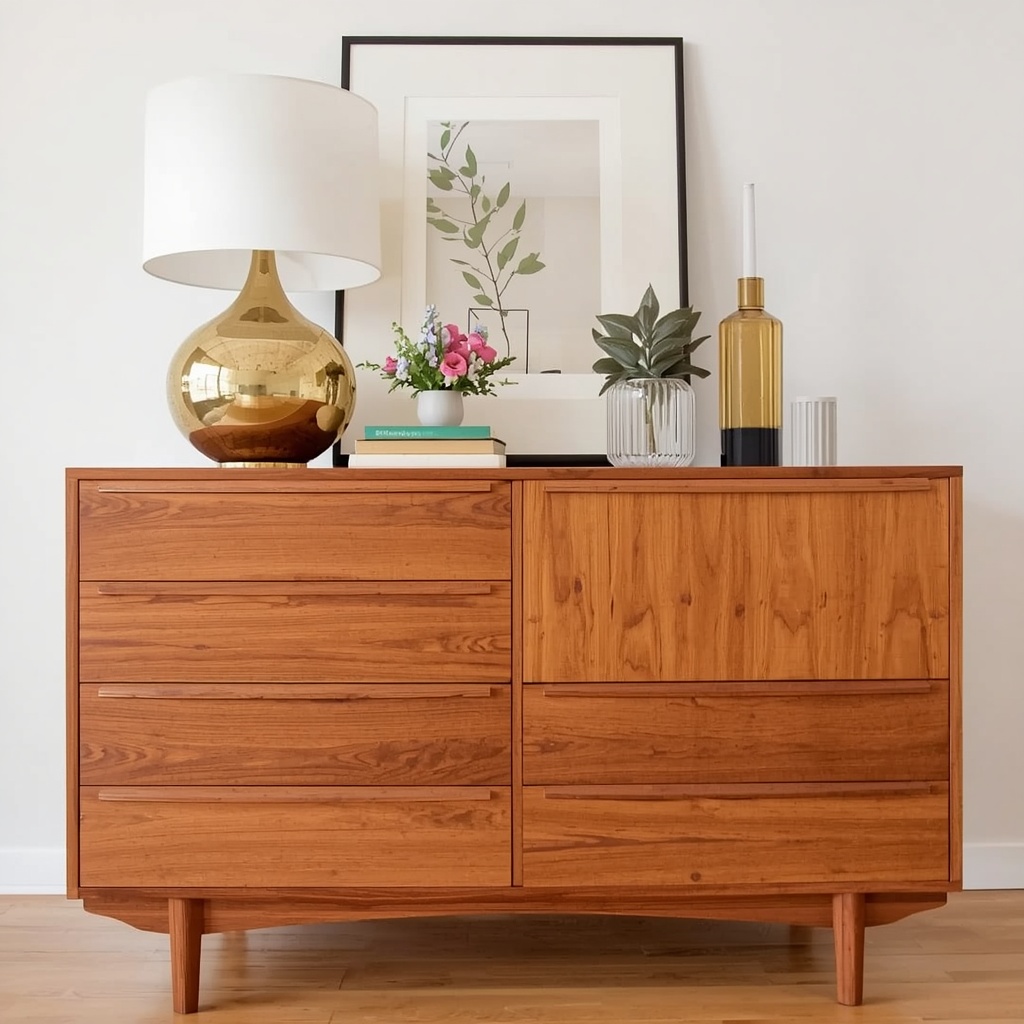
If you have ever walked past a thrift store and assumed it was only for bargain hunters, this guide will change your mind. After years of styling homes across the US, I have learned that expensive-looking decor is rarely about price. It is about proportion, finish, color, and styling. Master those four things, and a $6 find can sit comfortably beside a $600 one.
Why Thrifted Decor Looks Expensive When Styled Right
Luxury interiors rely on materials and craftsmanship, and thrift stores are full of both. Older furniture is frequently made of solid wood with dovetail joints, while modern big-box pieces use particleboard and veneer. Vintage lighting, heavy glass, real brass, and hand-thrown pottery all carry a weight and character that mass-produced items struggle to copy. You are not buying “cheap” decor; you are buying quality that someone else already paid for.
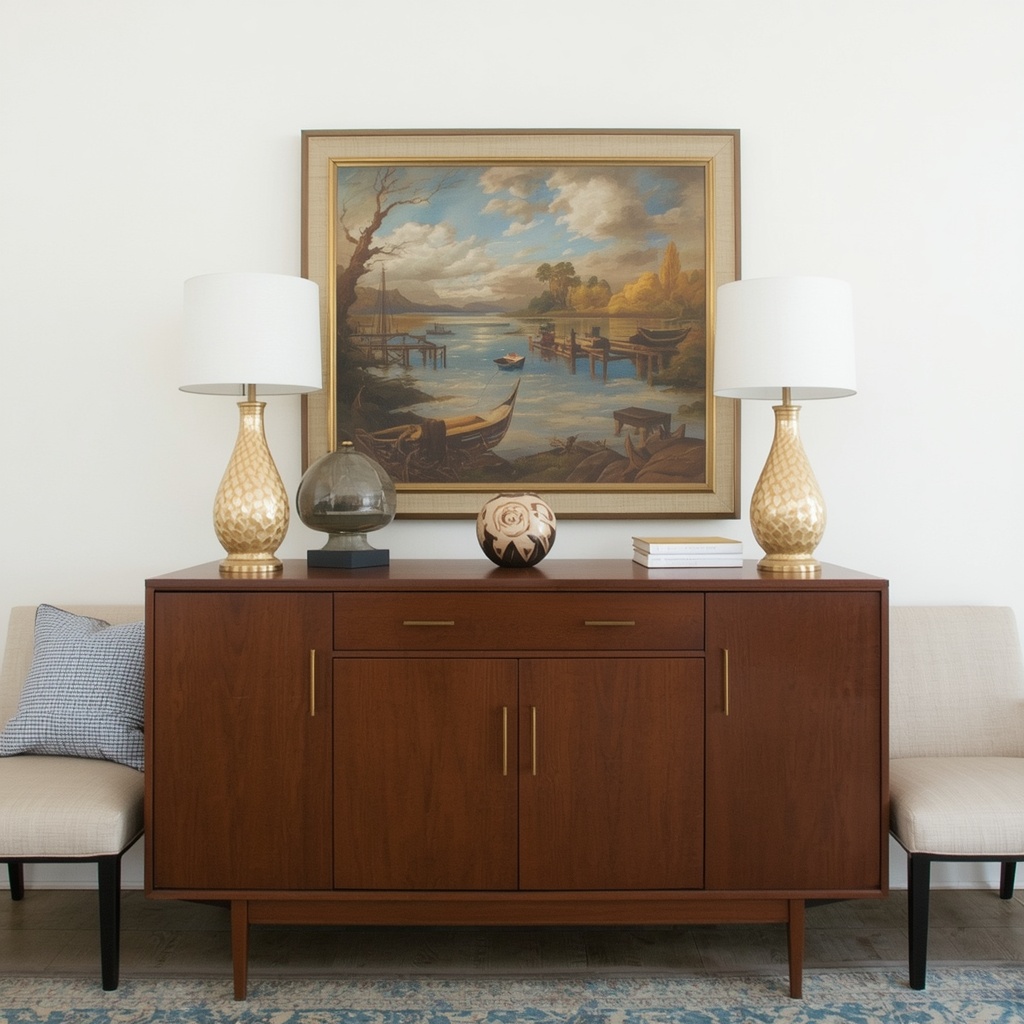
The second reason is individuality. Expensive rooms feel collected over time, not ordered in one afternoon from a single catalog. When you mix a flipped thrift find with a few new basics, the room gains the layered, personal look designers charge thousands to create. This is the heart of sustainable decorating and budget home styling: reuse what is well made, refresh what is tired, and edit with a confident eye.
“A room should never look like a showroom. It should look like someone with taste actually lives there.” — A guiding principle I share with every client
Build a Smart Thrift Store Shopping Strategy
Successful thrifting starts before you walk through the door. Go with a short list, a tape measure, and photos of your space on your phone. Aim for weekday mornings, when shelves have just been restocked, and visit often, since inventory turns over fast. Look beyond the “home decor” aisle, too. Kitchenware, the furniture section, and even the donation drop-off area can hide your best finds.
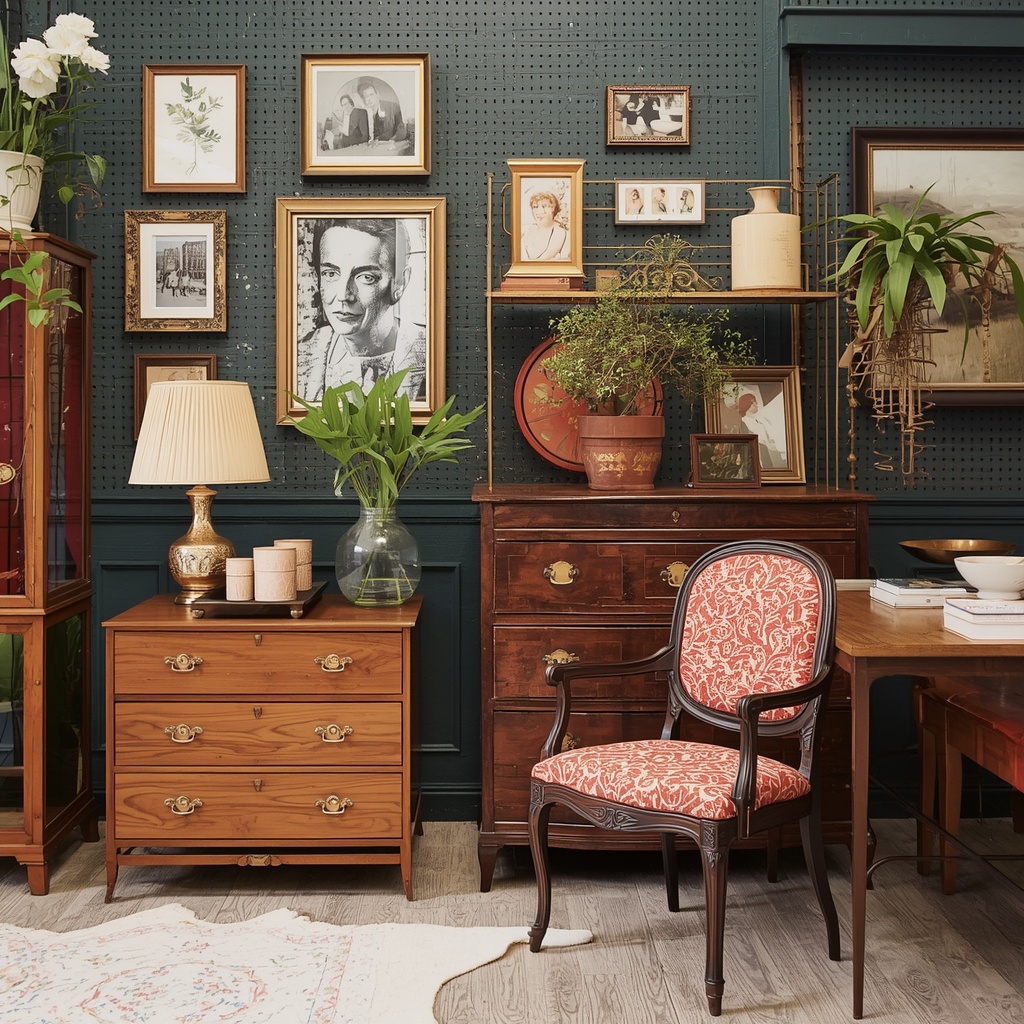
Be selective and think in terms of bones rather than finish. Dated color, scuffs, and ugly hardware are easy to fix; broken structure and strong odors are not. Large chain thrifts like Goodwill are reliable for housewares, while a Habitat for Humanity ReStore is a goldmine for solid wood furniture, lighting, and architectural salvage at deeply reduced prices.
| Buy It | Skip It |
|---|---|
| Solid wood furniture with sturdy joints | Wobbly pieces with broken frames |
| Brass, copper, and ceramic lamp bases | Lamps with frayed or damaged wiring you cannot replace |
| Heavy glass vases and decanters | Cracked or chipped glassware |
| Large mirrors with interesting frames | Mirrors with silvering damage across the glass |
| Baskets, trays, and wooden bowls | Items with persistent smoke or mildew smell |
| Framed art with good composition | Particleboard furniture with swollen water damage |
What an Interior Designer Looks For at the Thrift Store
When I walk the aisles, I am scanning for a handful of qualities that instantly signal value. Training your eye to spot these will save you money and prevent “clutter regret” at home. Think of this as your quick mental checklist before heading to the register.
- Weight: Heavier usually means better materials, whether it is stone, solid wood, or thick glass.
- Silhouette: Interesting shapes, such as fluted, curved, or sculptural forms, read as high-end.
- Natural materials: Wood, rattan, marble, linen, and metal beat plastic every time.
- Scale: Oversized pieces feel luxe; tiny, scattered objects feel cluttered.
- Potential: Ask whether new paint, hardware, or a shade could transform it in under an hour.
Don’t get distracted by color. A mustard-yellow lamp or an orange-stained table may look dated, but color is the cheapest thing to change. Focus on form and quality, and you will consistently find pieces others overlook.
Flip #1: Brass and Gold Lamps That Look Like Designer Lighting
Lamps are among the easiest and most dramatic thrift flips. A dated table lamp with a good base can be rewired in minutes with an inexpensive cord kit, and a new shade changes everything. Swap a stained, yellowed shade for a crisp white linen drum or a textured natural-fiber shade, and suddenly the lamp looks boutique-quality. Pair a ceramic base with a tapered shade for a transitional, upscale feel.

If your base is dull or mismatched, a thin coat of spray paint in matte black, warm brass, or aged bronze can modernize it completely. Always clean first with a degreaser and lightly sand glossy surfaces so the paint adheres. Total cost: often under $25, versus $150 to $400 for comparable designer table lamps in retail stores.
Flip #2: Mirrors and Frames That Make a Room Feel Bigger
Large mirrors are one of the most expensive decor items to buy new, yet thrift stores regularly stock them for a fraction of the price. Look for substantial frames with interesting details, even if the finish is dated. A heavy, ornate gold frame can be rubbed with a touch of black wax for an antique look, or painted a soft matte white for a clean, modern-farmhouse style.
For a gallery wall that looks custom, collect mismatched frames and unify them with a single paint color. Black, warm white, and natural wood are timeless choices. Replace faded prints with oversized mats and simple black-and-white photography or abstract art. Uniform color with varied shapes creates that curated, gallery-style look without the gallery price tag.
Flip #3: Solid Wood Furniture With a High-End Finish
A dresser, nightstand, or console table is where thrifting really pays off. Solid wood furniture can cost thousands new, but secondhand pieces often sell for under $100. Remove the old hardware, clean thoroughly with a degreaser, and decide on your finish: sanded and re-stained for warmth, or painted for a fresh, contemporary feel. Muted shades like sage, charcoal, navy, and warm greige read as expensive.
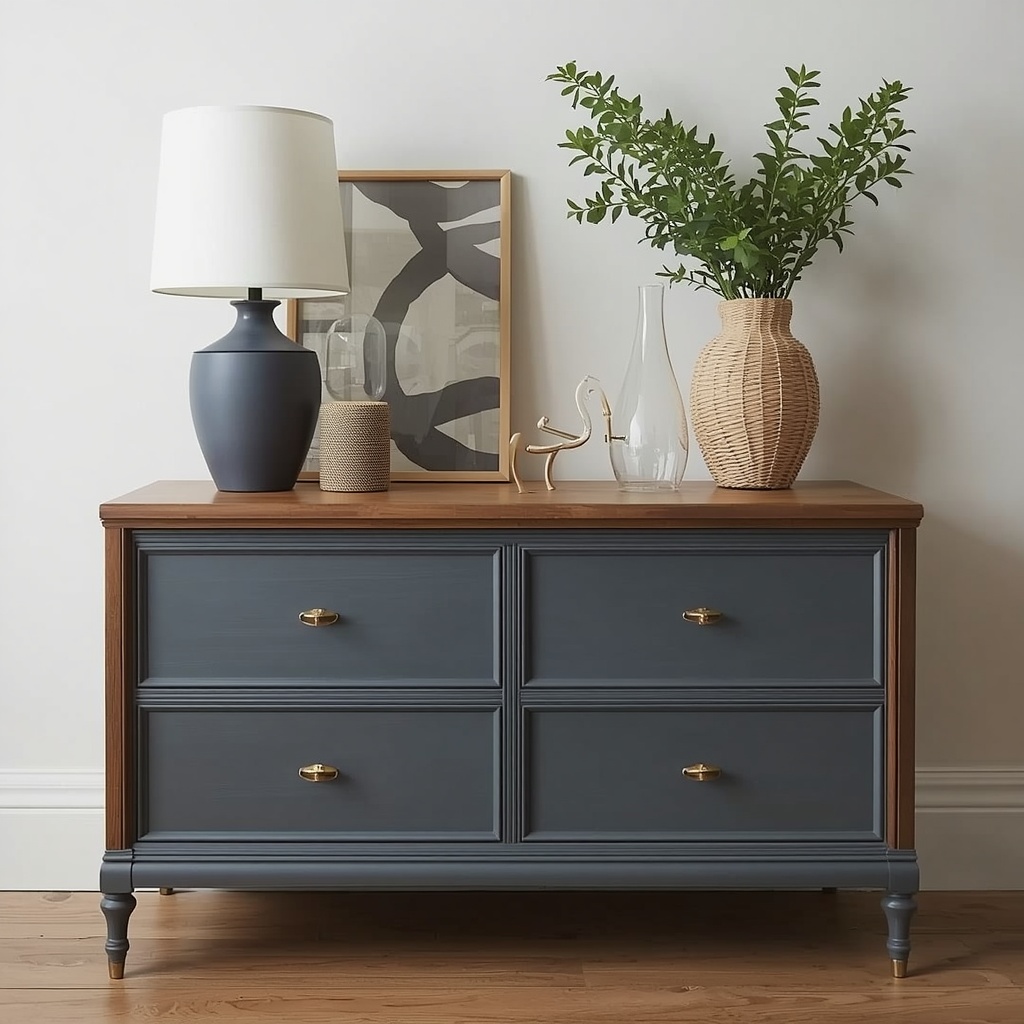
Hardware is the jewelry of furniture. Replacing outdated pulls with matte black, brushed brass, or leather handles can make a basic piece look custom-made. Seal painted surfaces with a durable water-based topcoat to resist daily wear. For a luxe look, consider fluted or reeded detailing using thin wood trim strips, a popular trend in modern organic interiors.
Flip #4: Ceramic and Glass Vases That Rival Boutique Decor
Vases are a thrifter’s best friend, and the possibilities are endless. Look for interesting shapes, even in awkward colors. A glossy green ceramic vase can be painted with a matte, stone-textured finish using a mix of acrylic paint and baking soda or a dedicated texture spray. The result mimics the popular “limewash” or handmade pottery look seen in high-end home stores.
Clear glass vessels also transform easily. Frost them with etching cream or a frosted glass spray for a spa-like effect, or group several in varying heights for a sculptural display. Fill them with dried pampas grass, eucalyptus stems, or a single branch. Odd numbers and different heights make arrangements feel intentional and designer-styled.
Flip #5: Baskets, Trays, and Bowls for Warm Texture
Texture is what separates a flat room from a layered one, and baskets are the quickest way to add it. Thrifted wicker and rattan baskets work as plant holders, blanket storage, or wall art. If they look tired, a quick scrub, a coat of clear sealant, or even a light mist of spray paint can revive them. Hang three in a cluster above a console for an instant boho focal point.
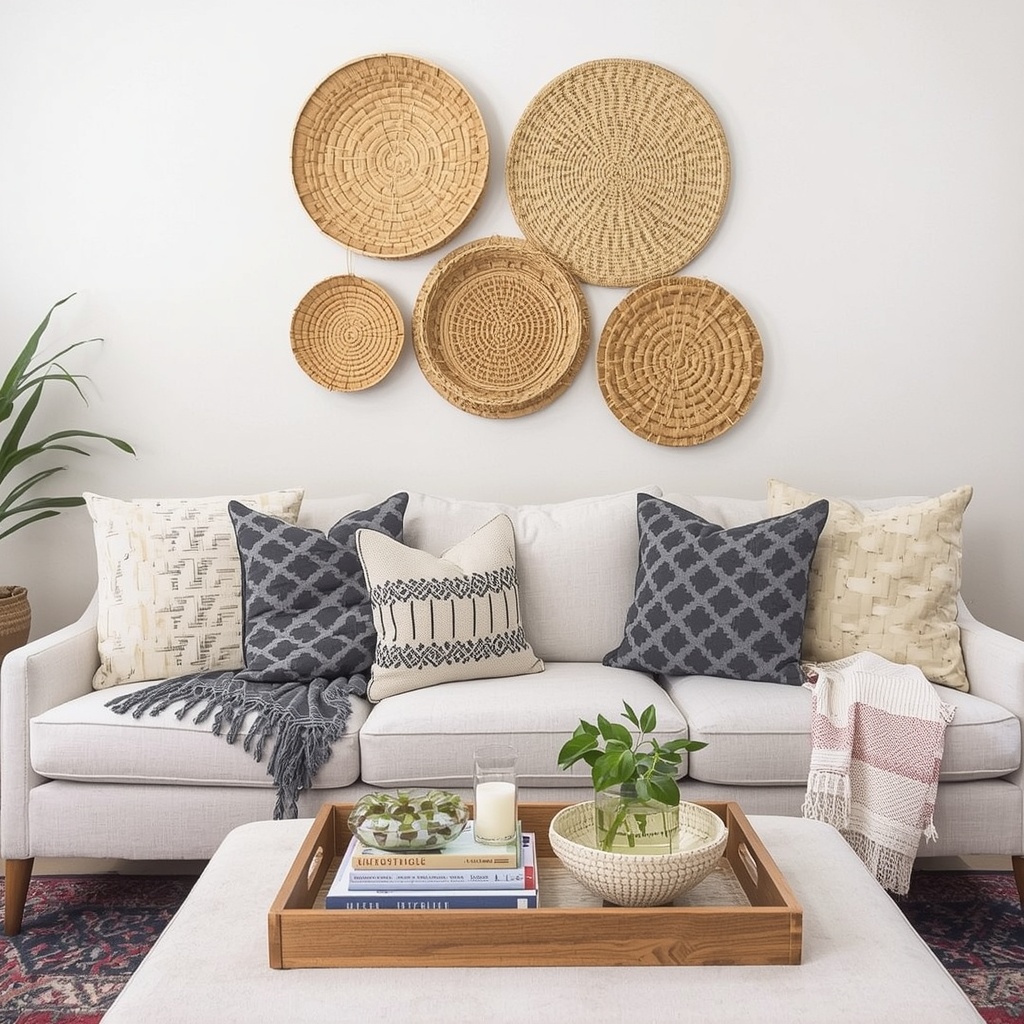
Wooden bowls and trays deserve attention too. Sand them lightly and rub with food-safe oil to bring out the grain, then use them on coffee tables to corral candles, books, and small objects. Styling tip: place a tray on an ottoman or kitchen island to create a defined “zone” that looks tidy even when the surrounding space is busy.
Flip #6: Textiles and Pillow Covers on the Cheap
You may not think of thrift stores for textiles, but linen tablecloths, vintage scarves, and even bedspreads can become beautiful pillow covers and throws. Natural fibers like linen, wool, and cotton wash up beautifully, and the patterns are often more interesting than anything in mass-market stores. A simple envelope-style pillow cover requires only basic sewing, or none at all with fabric glue or hem tape.
Always wash thrifted textiles on a hot, gentle cycle before use. Stick to a cohesive palette and vary texture, such as pairing a chunky knit throw with a smooth linen pillow. Remember that expensive-looking rooms rely on layers, so mix at least three textures on your sofa or bed for that magazine-ready feel.
Essential Supplies for Thrift Flips
You do not need a workshop to succeed. A small kit of reliable products will handle nearly every project in this guide. Invest in good-quality supplies, since cheap paint and weak primer can undo all your hard work. Local hardware stores often carry everything you need, and brands like Sherwin-Williams and Benjamin Moore offer excellent furniture-friendly paints and sample sizes.
| Supply | Best For | Approx. Cost |
|---|---|---|
| Degreaser or TSP substitute | Cleaning before any paint project | $8–$12 |
| Fine-grit sandpaper | Scuffing glossy surfaces | $5–$8 |
| Bonding primer | Painting over laminate, glass, or metal | $12–$20 |
| Spray paint (matte or metallic) | Lamps, frames, hardware | $6–$10 per can |
| Furniture-grade paint or chalk-style paint | Dressers, tables, cabinets | $20–$35 |
| Water-based topcoat | Protecting painted furniture | $12–$18 |
| New hardware | Upgrading drawers and doors | $3–$8 each |
Color Palettes That Instantly Signal “Expensive”
Color discipline is one of the biggest secrets in interior design. Rooms that feel costly usually stick to a limited palette, typically three to four colors repeated throughout the space. Neutral foundations like warm white, soft greige, and cream let your flipped pieces take center stage, while a single accent shade adds personality without chaos.
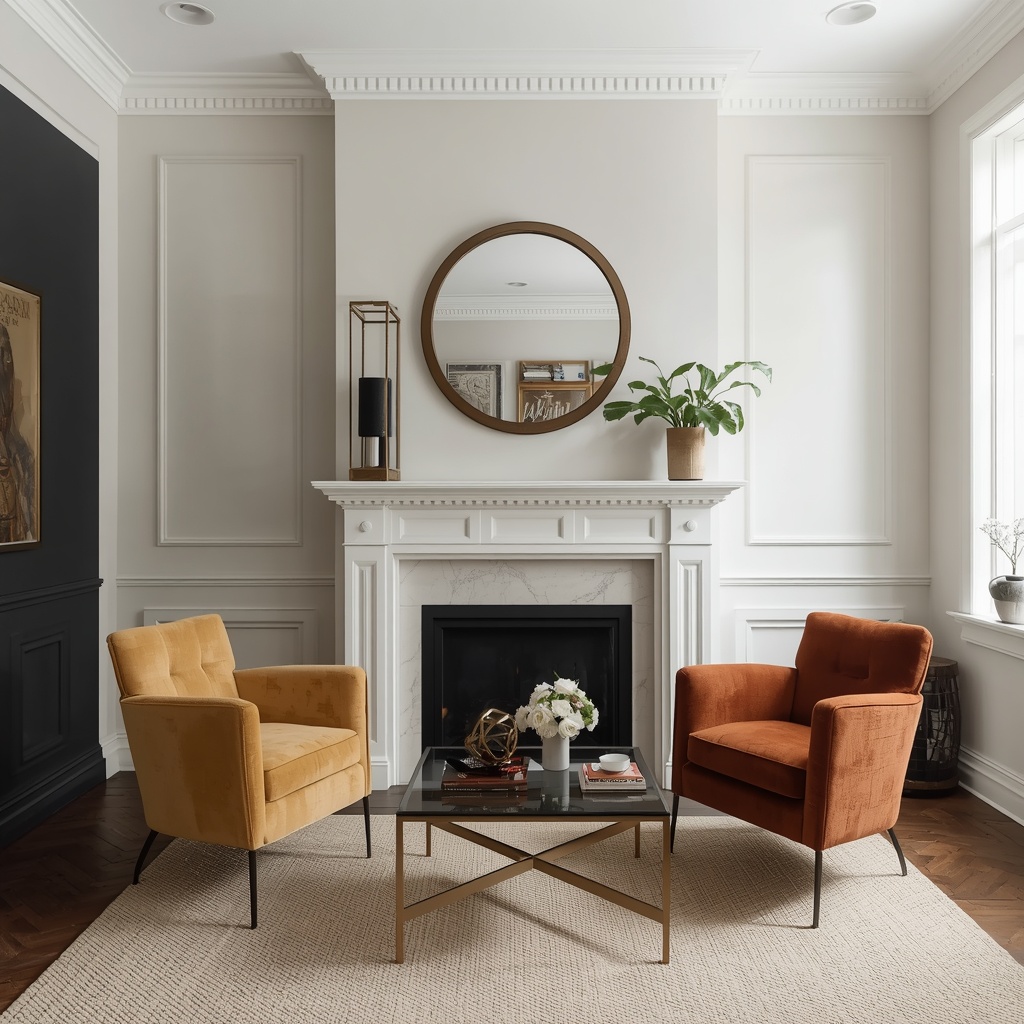
For 2025-style looks that still feel timeless, consider earthy tones such as olive, terracotta, deep brown, and muted navy, paired with brass or black accents. Metallic finishes should repeat at least two or three times in a room so they look deliberate. When in doubt, choose matte finishes over high gloss, since matte reads as sophisticated and hides imperfections better.
How to Style Your Flipped Pieces Like a Pro
Even the best flip can look cheap if it is styled poorly. Use the designer’s rule of three: group items in threes with different heights, shapes, and textures. On a console, for instance, place a tall lamp, a medium stack of books, and a low bowl or small plant. This simple formula creates visual balance and movement that feels professionally arranged.
Give your pieces room to breathe. Negative space is a hallmark of luxury, so resist the urge to fill every surface. Edit ruthlessly, and rotate items seasonally to keep the room fresh. Good lighting matters too: layer table lamps, floor lamps, and warm 2700K bulbs so your thrifted treasures glow in the evening.
“Edit until it feels calm, then add one thing that surprises you.” — My go-to styling mantra
Sample Budget: A Full Living Room Refresh Under $150
Wondering how far your money really goes? Here is a realistic example of a living room vignette built almost entirely from thrift finds. Compare these numbers to retail prices, and the savings become obvious. Prices vary by region, but this gives you a solid benchmark for planning your project.
| Item | Thrift + Flip Cost | Typical Retail Price |
|---|---|---|
| Ceramic table lamp with new shade | $22 | $180 |
| Large framed mirror (repainted) | $18 | $220 |
| Solid wood console table (refinished) | $45 | $450 |
| Textured ceramic vase set | $15 | $90 |
| Woven basket trio | $12 | $75 |
| Linen pillow covers (DIY) | $10 | $65 |
| Total | $122 | $1,080 |
Common Thrift Flip Mistakes to Avoid
Even experienced decorators slip up, so learn from these frequent errors. Most are easy to prevent with a little planning and patience. Keeping them in mind will save you time, money, and frustration on every project you tackle.

- Skipping prep work: Paint will peel without cleaning and light sanding.
- Buying without measuring: Always check dimensions against your space first.
- Overbuying: If a piece has no clear plan, leave it. Clutter is the opposite of luxury.
- Ignoring smells: Musty or smoky odors can be stubborn, so test before you buy.
- Using too many finishes: Limit metals and wood tones to keep the room cohesive.
- Rushing the topcoat: Let paint cure fully before placing items on surfaces.
Pro Tip: Use the “Squint Test” Before You Buy
Pro Tip: Before you buy any thrift piece, hold it at arm’s length and squint at it. Ignore the color, the scuffs, and the dated details, and focus only on the shape and scale. If the silhouette still looks elegant when blurred, it has good bones and will clean up beautifully. If the shape looks awkward or clunky, no amount of paint will save it. This one-minute trick has helped me avoid countless regrettable purchases and consistently find the pieces that become the stars of a room.
Frequently Asked Questions
Is thrift store decor safe and clean? Absolutely, with a little care. Wipe or wash everything before bringing it into your living space. Wooden items may benefit from a thorough cleaning with a gentle wood-safe cleaner, and textiles should be laundered on a hot cycle.
How do I find the best thrift stores? Try several in different neighborhoods, since wealthier areas often donate higher-quality items. Estate sales, consignment shops, and online marketplaces such as Facebook Marketplace are also excellent for secondhand home decor.
What if I am not very handy? Start with no-tool flips like swapping lamp shades, changing hardware, or regrouping vases. These easy upgrades build confidence and deliver dramatic results.
Final Thoughts: Expensive Taste, Thrifty Budget
The most beautiful homes are not the ones with the biggest budgets; they are the ones with the best eye. Thrift store home decor flips let you practice that eye while saving money, reducing waste, and creating a space that is wonderfully, unmistakably yours. Every lamp, mirror, and dresser you rescue is a small win for both your wallet and the planet.

Start small this weekend. Pick one project, gather your supplies, and let your creativity take over. Before long, friends will ask where you bought that stunning piece, and you will have the pleasure of saying, “Oh, that? It was $12 at the thrift store.” Happy hunting, and happy decorating!