
Meta description: Learn how to make cheap furniture look expensive with designer-approved paint, hardware, styling, and layering tricks that deliver a high-end home on a budget.
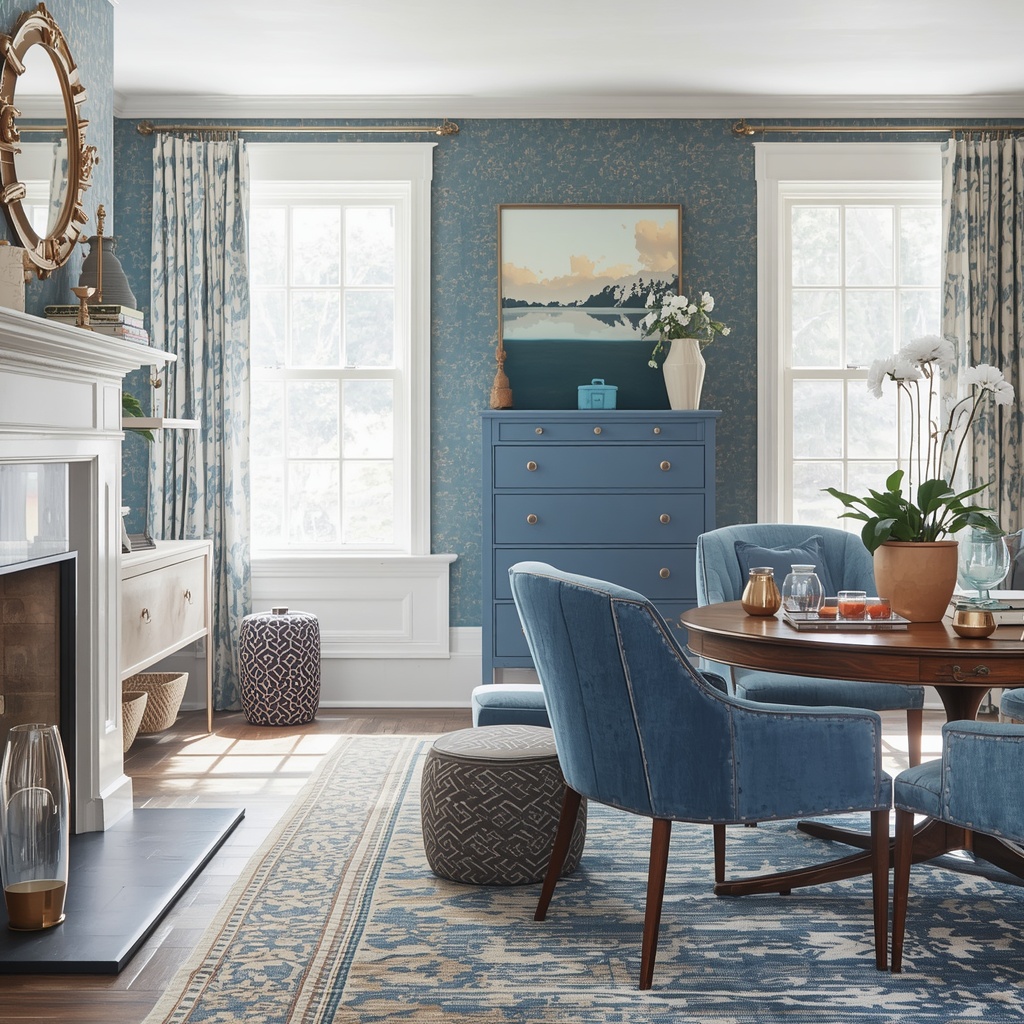
You don’t need a luxury budget to have a home that looks like it came from a high-end showroom. Some of the most stylish rooms I’ve designed started with flat-pack bookcases, thrift store dressers, and big-box sofas. The difference between “budget” and “boutique” is rarely the price tag. It’s the details, the finishes, and how the pieces are styled together.
If you’ve ever stared at an affordable sofa or a laminate dresser and wondered how to make it feel more refined, you’re in the right place. This guide covers the exact techniques designers use to elevate inexpensive pieces, from smart shopping and DIY furniture makeovers to styling tricks that fool the eye. Let’s turn your budget buys into luxe-looking showstoppers.
Why Cheap Furniture Looks Cheap (and How to Fix It)
Before you start upgrading, it helps to know what gives budget furniture away. Most low-cost pieces share the same giveaways: shiny, plastic-looking finishes, flimsy hardware, spindly legs, visible particleboard edges, and thin, flat upholstery. These are exactly the details that signal “mass-produced” to the eye.

The good news is that nearly every one of these flaws can be fixed for a small amount of money. A can of paint, a set of new drawer pulls, or a couple of throw pillows can change how the entire piece reads. Think of the furniture as a blank canvas rather than a finished product.
Designer’s rule of thumb: Expensive-looking rooms are built on texture, proportion, and restraint, not on price tags.
Here’s a quick look at the most common problems and their fixes:
| Cheap-Looking Flaw | Why It Reads “Budget” | Affordable Fix |
|---|---|---|
| Glossy laminate or plastic sheen | Reflects light unevenly, looks synthetic | Sand lightly, prime, and repaint in matte or satin |
| Tiny, shiny hardware | Feels lightweight and generic | Swap for solid brass, matte black, or leather pulls |
| Skinny tapered legs | Makes the piece look flimsy | Replace with chunkier wood or metal legs |
| Flat, thin cushions | Lacks the plush look of luxury | Add inserts, wrap in batting, or layer pillows |
| Exposed raw edges | Reveals particleboard core | Apply edge banding, trim, or molding |
| Dated or stiff fabric | Looks stiff and mass-produced | Use a slipcover or reupholster in textured fabric |
Start with Smart Shopping: Choose the Right “Bones”
The easiest way to make cheap furniture look expensive is to buy the right cheap furniture in the first place. Not every budget piece has makeover potential. Look for clean lines, solid proportions, and simple silhouettes. Avoid anything with fussy, faux-ornate detailing, because you can’t remove that with a paint brush.
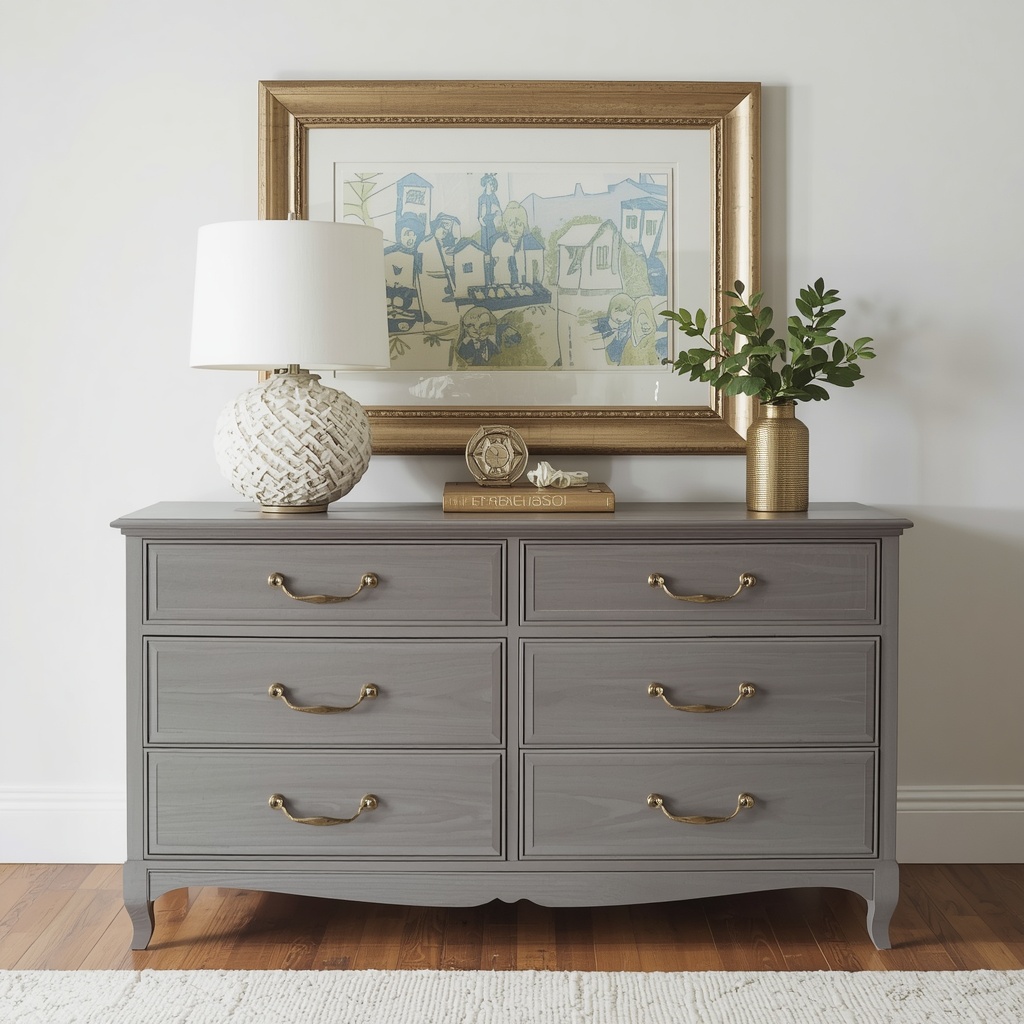
Retailers like IKEA, Target, Wayfair, and Walmart offer hundreds of basic frames that designers routinely transform. Thrift stores, Facebook Marketplace, and estate sales are even better for finding solid wood pieces with good structure at a fraction of retail prices.
What to look for when shopping:
- Simple silhouettes: Straight lines and classic shapes age better than trendy details.
- Solid construction: Wiggle the piece. If it wobbles, move on.
- Real wood or sturdy MDF: These accept paint and stain far better than thin laminate.
- Standard drawer sizes: They make hardware swaps easy.
- Neutral upholstery: Easier to dress up than bold patterns.
What to skip:
- Pieces with peeling veneer you can’t repair
- Heavily carved or faux-antique styling
- Furniture with strong chemical odors (a sign of low-quality materials)
- Tiny, low-quality casters or plastic feet that can’t be replaced
Paint Is Your Most Powerful Tool
A fresh coat of paint is the cheapest and most dramatic furniture upgrade available. The trick is in the prep and the color choice. Skipping the sanding and priming is the number one reason DIY projects end up looking amateur.
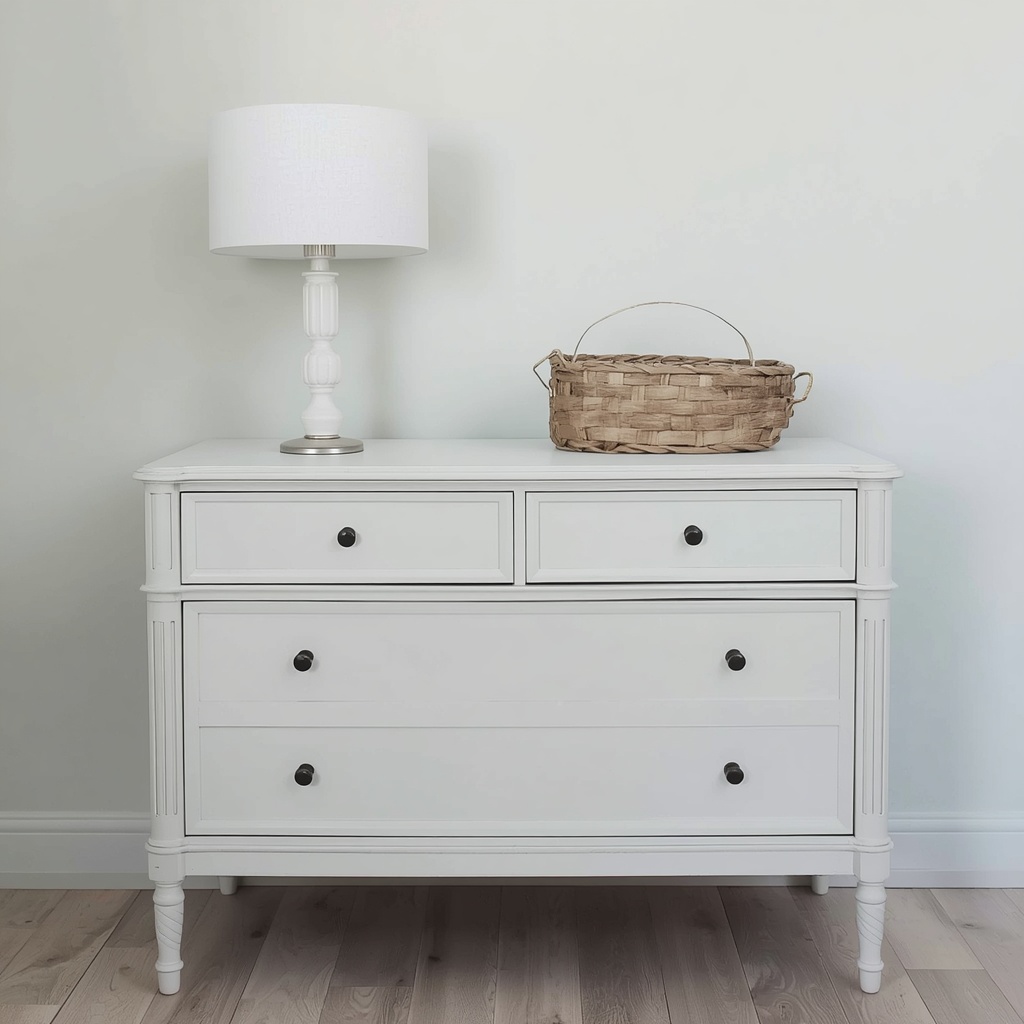
Start by cleaning the piece thoroughly, then scuff-sand the surface so the primer can grip. Use a bonding primer on laminate or glossy finishes, and apply two thin coats of paint instead of one thick one. Finish with a protective topcoat for durability, especially on tabletops and drawer fronts.
Colors that read as high-end:
- Deep, moody tones like forest green, navy, charcoal, and oxblood
- Warm neutrals such as greige, mushroom, and soft cream
- Matte black for a modern, sculptural look
- Muted earthy shades like terracotta or olive for a collected feel
Brands such as Benjamin Moore and Sherwin-Williams offer cabinet and furniture-grade paints that self-level and cure hard, giving you a smooth, factory-quality finish without brush marks.
Pro Tip: Use a small foam roller for flat surfaces and a quality angled brush for edges. Lightly sand between coats with 220-grit paper, then wipe with a tack cloth. This one extra step is what separates a professional-looking finish from a DIY one.
Upgrade the Hardware for Instant Luxury
If paint is the biggest transformation, hardware is the best return on investment. Swapping out builder-grade knobs and pulls costs very little but changes the entire personality of a piece. It’s the “jewelry” of furniture, and designers rarely skip it.
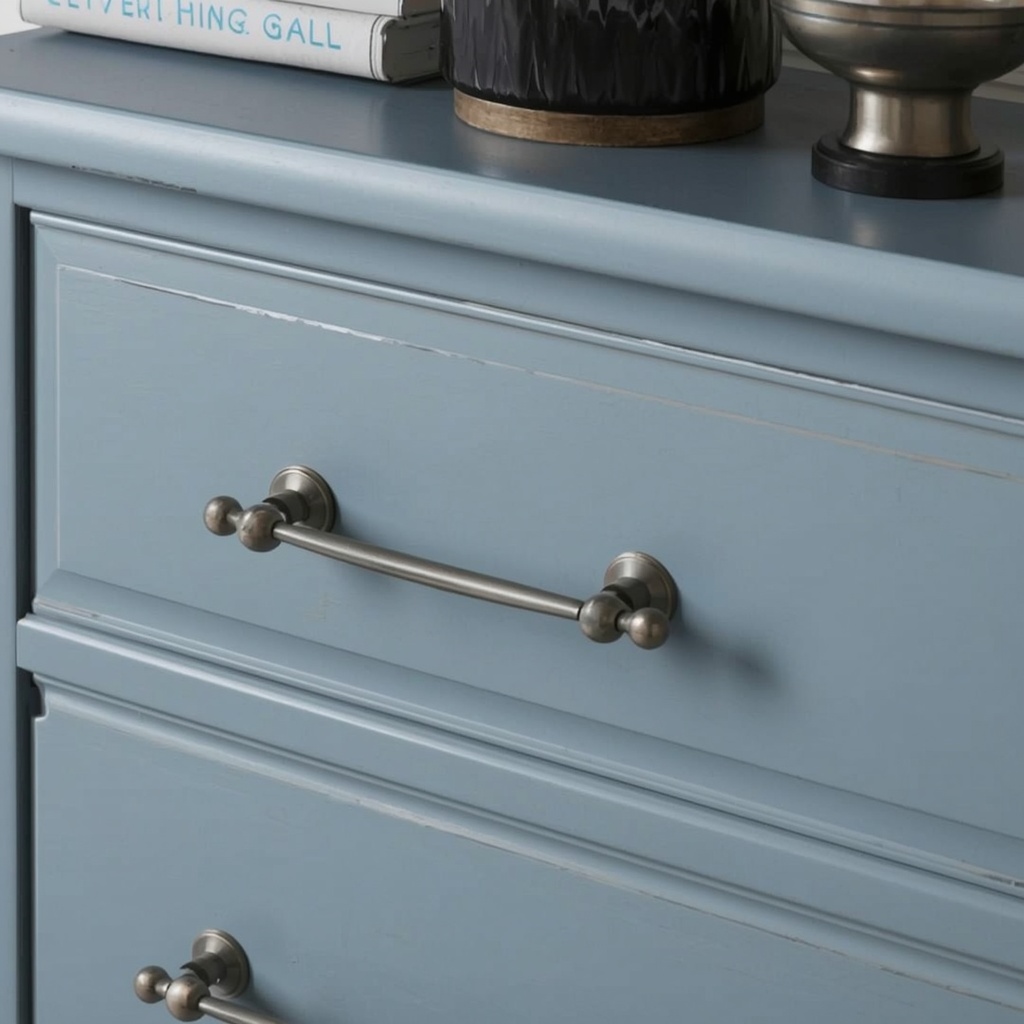
Choose hardware with some visual and physical weight. Solid brass, antique bronze, brushed nickel, and matte black all read as expensive, while thin, shiny chrome tends to read as cheap. Oversized pulls on dressers and cabinets also create a more custom look.
Hardware ideas by style:
| Style | Recommended Hardware | Where It Shines |
|---|---|---|
| Modern | Matte black bar pulls | Dressers, media consoles |
| Traditional | Aged brass cup pulls | Nightstands, sideboards |
| Boho | Rattan, leather, or ceramic knobs | Bedroom furniture, shelving |
| Mid-century | Slim brass or walnut pulls | Credenzas, desks |
| Farmhouse | Black iron latches and ring pulls | Kitchen islands, hutches |
Shop big-box stores like The Home Depot and Lowe’s for affordable options, or browse Etsy and Anthropologie for statement pieces. When replacing hardware, measure the center-to-center spacing of the existing holes so the new pieces fit without drilling.
Change the Legs, Change the Look
Legs are one of the most overlooked details in furniture design. Thin, spindly, or plastic legs are a classic giveaway of budget furniture, while chunkier, well-shaped legs make the same piece feel substantial and custom.

You can buy replacement legs online or at hardware stores in dozens of styles, including tapered mid-century, turned traditional, hairpin metal, and sleek brass-capped options. Most attach with a simple mounting plate and a few screws, so the swap takes about fifteen minutes.
For sofas, ottomans, and beds, raising the piece slightly on taller legs can also create a lighter, more airy look. For bookcases and cabinets, adding a plinth base or trim at the bottom gives the illusion of built-in cabinetry.
Add Trim, Molding, and Built-In Details
Here’s a secret from the design world: much of what makes high-end furniture feel high-end is architectural detail. Adding trim, molding, and decorative panels to flat, plain furniture can make it look custom-built.
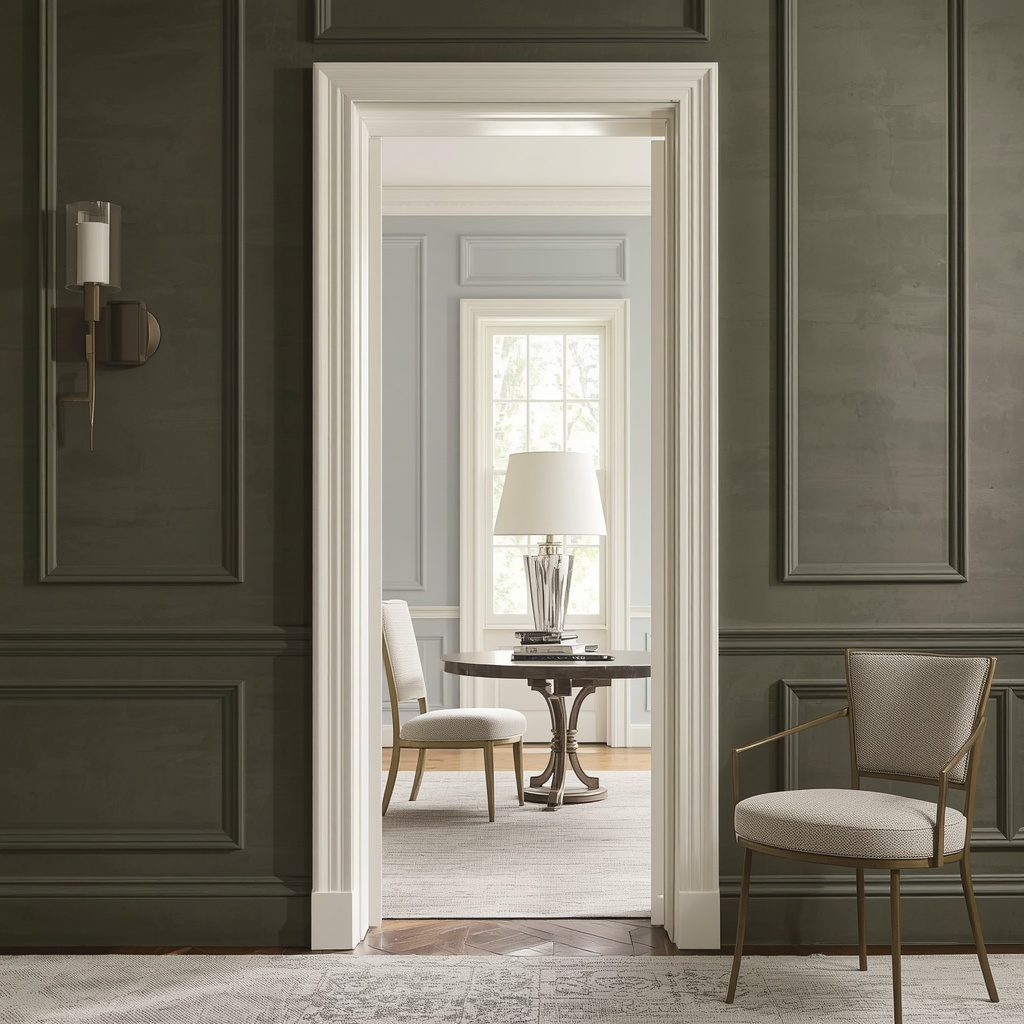
Try these simple additions:
- Picture-frame molding applied to flat cabinet doors or dresser fronts creates a paneled look.
- Crown molding on top of a bookcase makes it feel like a built-in.
- Beadboard or wallpaper on the back of open shelving adds depth and visual interest.
- Fluted or reeded trim is a popular, current way to add texture to basic cabinets.
Use wood glue and small finishing nails, fill the holes with wood filler, then paint everything one cohesive color. The result looks surprisingly custom, and the materials usually cost under fifty dollars.
Upgrade Upholstery and Textiles
Soft furnishings are where cheap furniture most often falls short, but they’re also easy to fix. A sofa with thin cushions and stiff fabric can be transformed with the right textiles and a few well-chosen layers.

If your sofa frame is solid but the fabric looks tired, consider a tailored slipcover or professional reupholstery. For a lighter touch, add plush new cushion inserts, wrap seat cushions in a layer of polyester batting, and top the sofa with a chunky knit throw.
Fabrics that look expensive:
- Bouclé and chenille for tactile, cozy texture
- Linen and linen blends for relaxed elegance
- Velvet for rich depth and color
- Wool and wool blends for structure and warmth
- Performance fabrics for family-friendly durability
Pro Tip: Mix at least three textures on any seating arrangement, such as a smooth velvet pillow, a nubby bouclé throw, and a crisp linen cushion. Texture variety is a hallmark of professionally styled rooms, and it instantly distracts from the quality of the underlying furniture.
Use Finishes, Veneers, and Stains to Mimic Real Materials
You can imitate pricier materials with surprisingly convincing results. Peel-and-stick wood veneer, marble contact paper, and gel stains let you simulate everything from walnut to Carrara marble. The key is choosing high-quality products and applying them carefully.

For laminate furniture, a high-quality wood-grain veneer can replace a tired finish entirely. For tabletops, a thick marble-look film or a thin concrete overlay gives a stone-like look at a fraction of real stone’s cost. Seal everything with a clear protective coat to resist scratches and moisture.
| Material You Want | Budget Alternative | Best For |
|---|---|---|
| Marble | Peel-and-stick marble film or paint-on faux marble | Side tables, desktops |
| Walnut or oak | Wood-grain veneer or gel stain | Dressers, TV stands |
| Brass | Gold or brass spray paint (high-quality) | Lamps, legs, frames |
| Concrete | Concrete-effect skim coat | Planters, tabletops |
| Rattan or cane | Cane webbing panels | Cabinet doors, headboards |
Master Scale, Proportion, and Placement
Even a beautifully upgraded piece can look cheap if it’s the wrong size or in the wrong spot. Scale is one of the most important and least discussed principles of interior design. A tiny rug under a large sofa or a small lamp on a big console throws off the whole composition.
Follow these basic rules for a polished layout:
- Anchor furniture with a properly sized rug. At least the front legs of every seating piece should rest on it.
- Hang art at eye level, about 57 inches from the floor to the center of the piece.
- Leave breathing room. Crowded furniture looks cheap; open space reads as luxury.
- Float pieces away from walls in larger rooms to create a more custom layout.
- Pair large and small. Balance a big sofa with a slim side table and vice versa.
Hanging curtains high and wide also makes ceilings feel taller and windows feel grander. Mount the rod close to the ceiling and extend it several inches beyond the window frame on each side.
Layer Lighting Like a Designer
Lighting is the secret weapon of expensive-looking interiors. Harsh overhead lights flatten a room and reveal every flaw in budget furniture, while layered, warm lighting adds depth, glow, and sophistication.
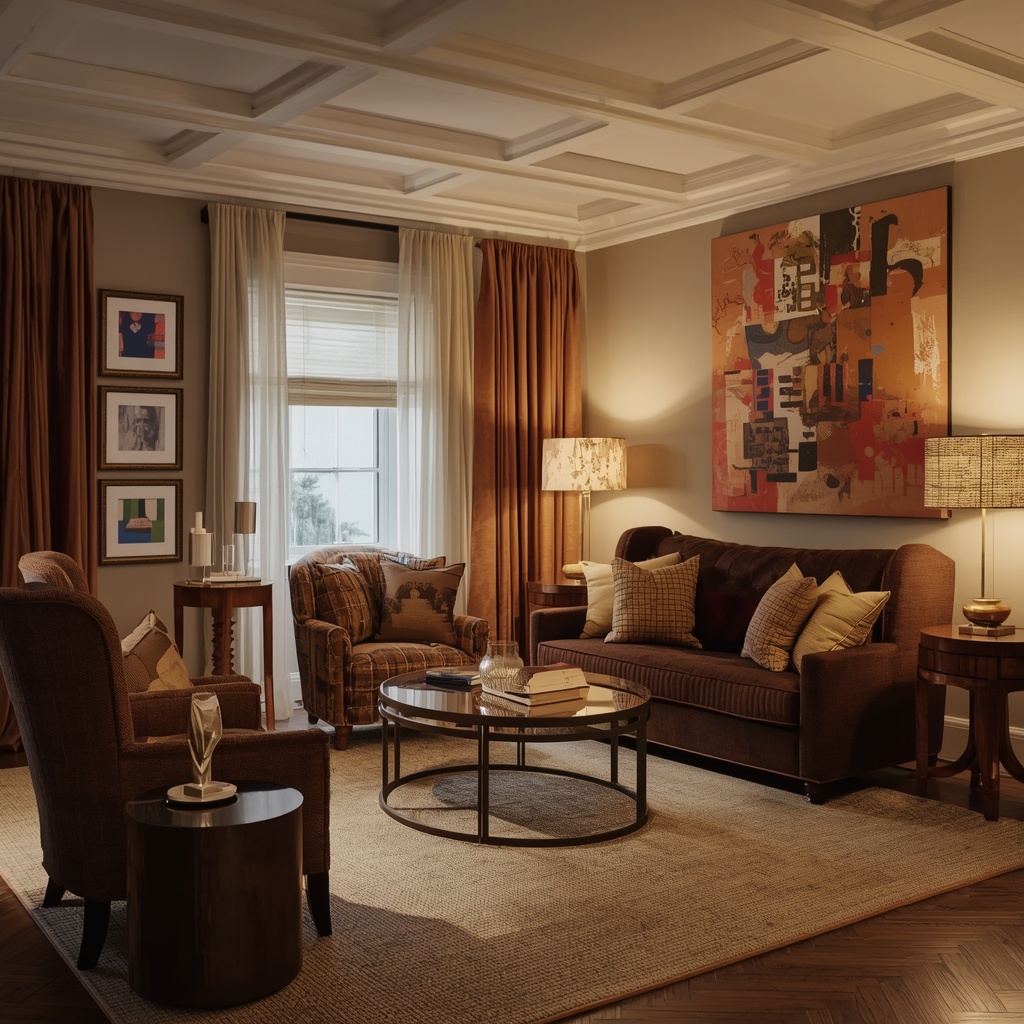
Aim for three layers in every room: ambient (overhead or general), task (reading lamps, desk lights), and accent (picture lights, candles, or small table lamps). Use warm bulbs around 2700K for a cozy, upscale atmosphere, and add dimmers wherever possible.
Swap out basic ceiling fixtures for statement pendants or woven shades, and choose lamps with substantial bases and linen shades. A well-chosen lamp can make a thrifted side table look like a boutique find.
Style It Like a Showroom
How you accessorize matters as much as the furniture itself. Styling gives your pieces context and personality, and it’s the fastest way to make an inexpensive item feel curated.
Designer styling formula:
- Group in odd numbers. Threes and fives look more natural than pairs.
- Vary heights. Combine tall vases, medium books, and small objects.
- Mix materials. Wood, metal, ceramic, glass, and greenery create richness.
- Add something living. Plants or fresh flowers bring instant life and luxury.
- Edit ruthlessly. Fewer, better objects beat clutter every time.
“Luxury is often the absence of clutter and the presence of intention.”
Stack coffee table books with a small decorative bowl on top, place a sculptural vase on a console, and finish with a small plant. These simple vignettes make even a laminate table look like part of a curated collection.
Create a Cohesive Color Palette
Rooms that look expensive almost always follow a restrained, intentional color palette. When every piece comes from a different style or color family, even high-end furniture can look chaotic, so cohesion matters more than cost.
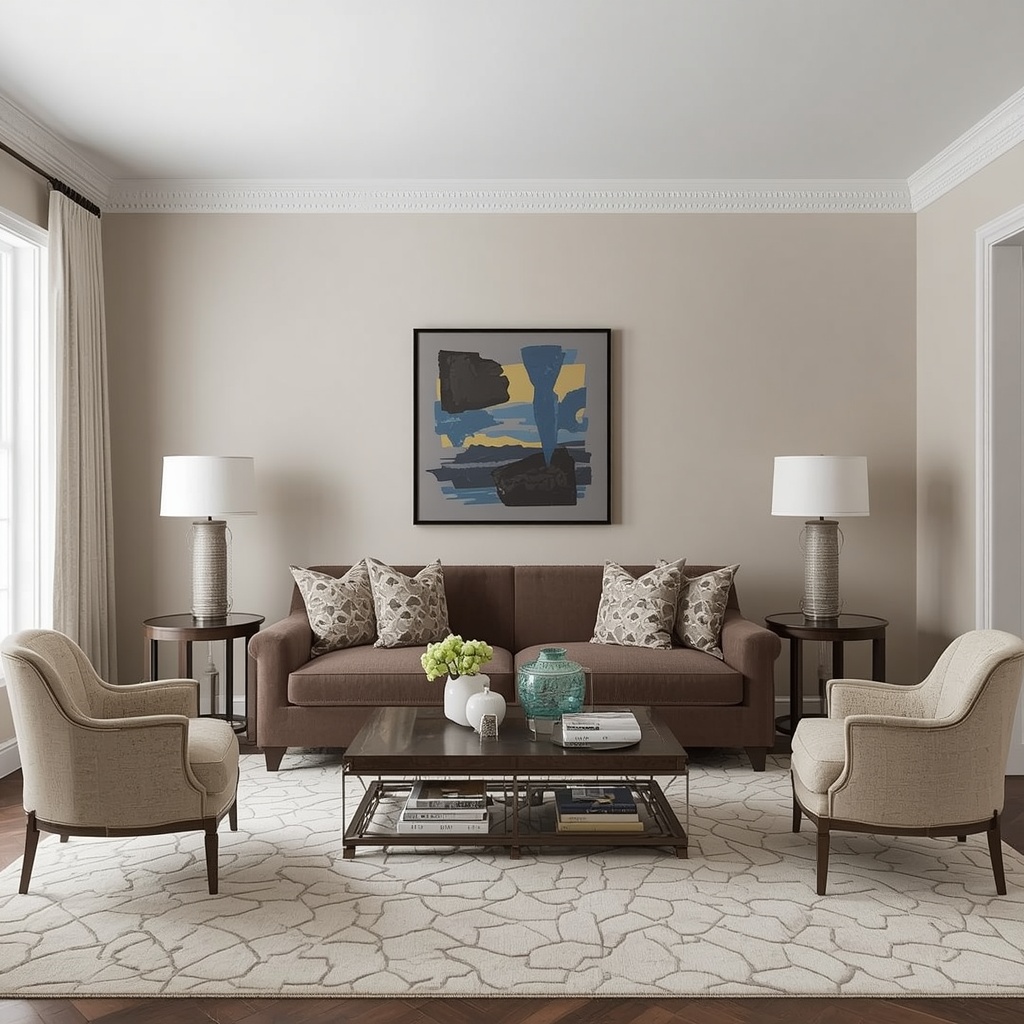
Use the classic 60-30-10 rule: 60 percent dominant color (walls, large furniture), 30 percent secondary color (upholstery, rugs, curtains), and 10 percent accent color (pillows, art, accessories). Repeating the same tones throughout the room ties everything together and makes budget pieces look intentional.
Monochromatic or tone-on-tone schemes are especially effective. A room layered in creams, beiges, and soft whites with a mix of textures looks calm, sophisticated, and expensive, no matter what the sofa cost.
Room-by-Room Budget Makeover Ideas
Here’s how to apply these principles in the spaces that matter most:
| Room | Cheap Piece | Expensive-Looking Upgrade | Approx. Cost |
|---|---|---|---|
| Living room | Basic fabric sofa | New legs, slipcover, layered pillows | $100–$250 |
| Bedroom | Flat laminate dresser | Paint, brass pulls, new feet | $40–$80 |
| Dining room | Plain wood table | Stain refinish, new chairs cushions | $50–$150 |
| Entryway | Simple console | Paint, trim, large mirror above | $60–$120 |
| Home office | Basic desk | Veneer top, drawer pulls, task lamp | $50–$100 |
| Kids’ room | Flat-pack bookcase | Trim, paint, wallpaper backing | $30–$70 |
Common Mistakes to Avoid
Even with the best intentions, a few missteps can undo your hard work. Watch out for these frequent pitfalls:
- Skipping prep work. Sanding and priming are non-negotiable.
- Using too many finishes. Stick to two or three metals and woods per room.
- Buying matching sets. Furniture sets look catalog-cheap; mix pieces for a layered look.
- Ignoring scale. Oversized or undersized pieces break the visual flow.
- Overaccessorizing. More isn’t better. Edit down.
- Choosing trendy over timeless. Classic upgrades hold their value.
Frequently Asked Questions
Is DIY furniture painting durable?
Yes, if you prep properly and finish with a quality topcoat. Furniture-grade paints and sealers hold up well to daily use.
How do I make a cheap sofa look more luxurious?
Add plush cushion inserts, swap the legs, layer textured throws and pillows, and consider a slipcover in a premium fabric.
Final Thoughts: Design Is About Details, Not Dollars
Making cheap furniture look expensive isn’t about fooling anyone. It’s about applying the same principles that high-end designers use: thoughtful finishes, quality details, good proportions, rich textures, and intentional styling. A modest budget plus a little creativity can go much further than most people realize.

Start small. Pick one piece, give it a new finish and fresh hardware, then style it with care. Once you see the transformation, you’ll start spotting potential everywhere, from yard-sale dressers to basic bookcases. Before long, your home will feel layered, personal, and polished, and no one will guess how little you spent.