
There’s a reason Japandi has moved from design-blog buzzword to one of the most searched home decor styles in the US. It promises something most of us are craving right now: a home that feels calm instead of cluttered, warm instead of cold, and intentional instead of accidental. As an interior designer, I’ve watched clients go from “I don’t even know what my style is” to confidently redoing their living rooms once they discover this Japanese-Scandinavian hybrid.
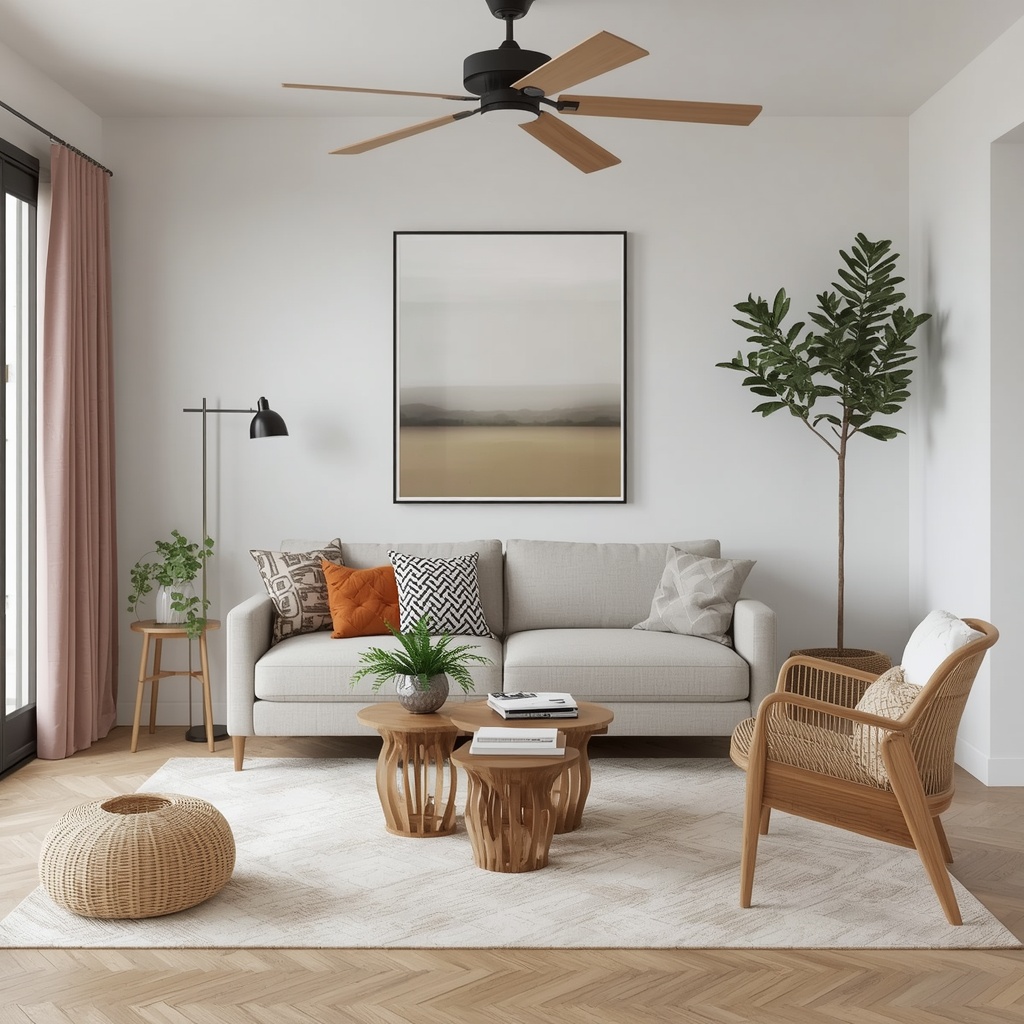
Japandi isn’t a trend that will fade in a season. It’s a philosophy rooted in two design cultures — Japanese minimalism and Scandinavian hygge — that have quietly influenced interiors for decades. Combined, they create a living room aesthetic that’s functional, beautiful, and genuinely livable, not just Instagram-pretty.
In this guide, I’ll walk you through exactly what Japandi style means, why it works so well for American homes, and how to bring it into your living room — from color palettes and furniture to lighting, textiles, and styling details.
What Is Japandi Style, Exactly?
Japandi is a design term combining “Japan” and “Scandi” (Scandinavian). It merges the wabi-sabi philosophy of Japanese design — finding beauty in imperfection and simplicity — with the Scandinavian principle of hygge, which centers on coziness, comfort, and functional living.

Both cultures independently arrived at similar conclusions: less clutter leads to more peace, natural materials age beautifully, and a home should serve the people living in it rather than the other way around. Japandi living room decor takes the clean lines and neutral palettes of Scandinavian interiors and layers in the craftsmanship, texture, and quiet asymmetry of Japanese design.
The result is a living room that feels both minimalist and inviting — a balance many other styles struggle to strike.
“Japandi isn’t about having less for the sake of less. It’s about having exactly what you need, made well, and nothing more.” — a philosophy shared by designers across both traditions.
Why Japandi Works So Well in American Homes
Japandi has genuine staying power in the US market, and it’s not just aesthetic appeal.
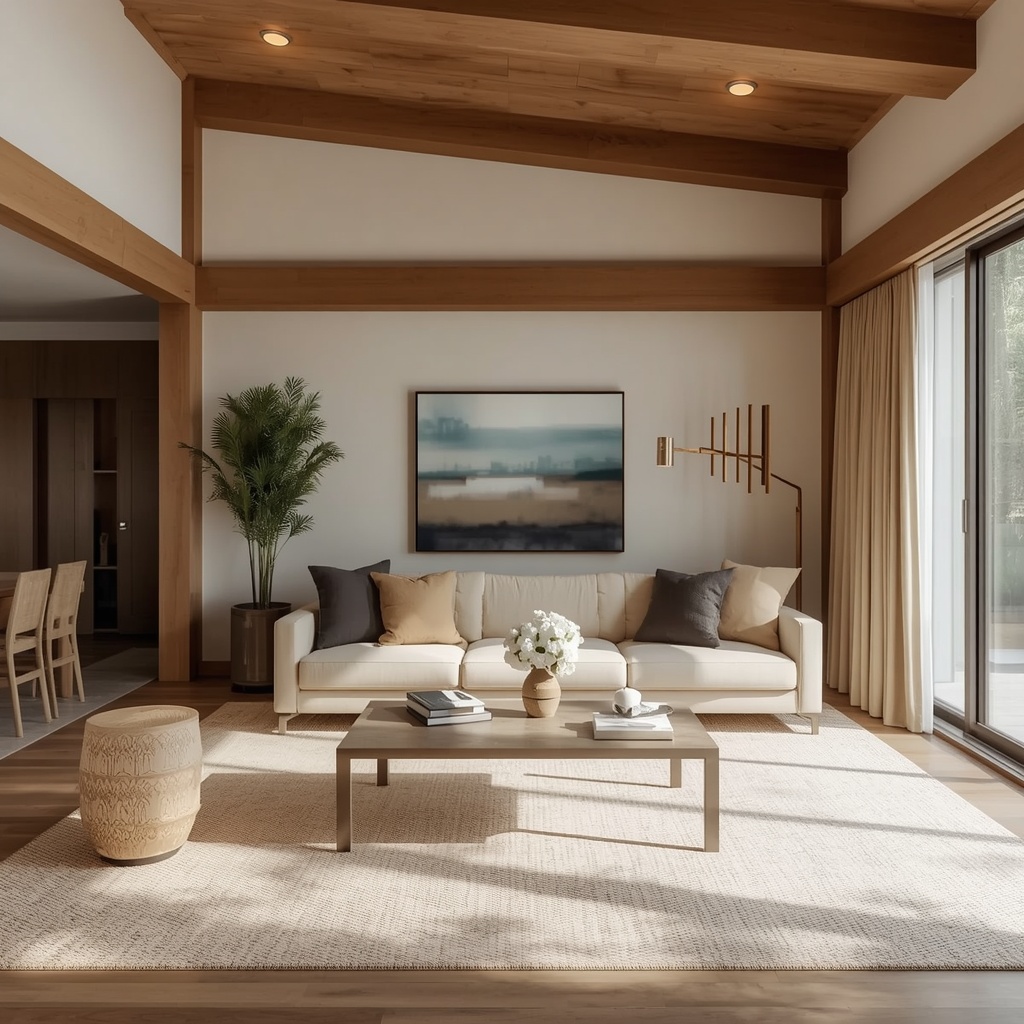
Four reasons homeowners are drawn to this style:
Open floor plans in American homes suit Japandi’s uncluttered layouts.
Busy lifestyles make low-maintenance, natural materials appealing.
Sustainability-conscious buyers prefer quality over fast furniture.
Neutral palettes adapt easily to resale and changing seasons.
American living rooms tend to be larger and more open than their Japanese or Scandinavian counterparts, which actually gives Japandi room to breathe. Instead of feeling sparse, the style fills space with purposeful furniture arrangements and natural texture rather than excess decor.
Pro Tip: If you’re renovating for resale value, Japandi is one of the safest style investments you can make. Its neutral, timeless palette appeals to a broad range of buyers and photographs beautifully for real estate listings — unlike bolder, trend-driven looks that can date quickly.
Core Elements of Japandi Living Room Decor
Before you buy a single throw pillow, it helps to understand the pillars that hold this style together. Get these right, and everything else falls into place naturally.
1. A Muted, Earthy Color Palette
Japandi rejects bright, saturated colors in favor of a grounded neutral palette. Think oatmeal, warm gray, soft charcoal, clay, moss green, and off-white. These tones mimic the natural world and create a restful visual environment.
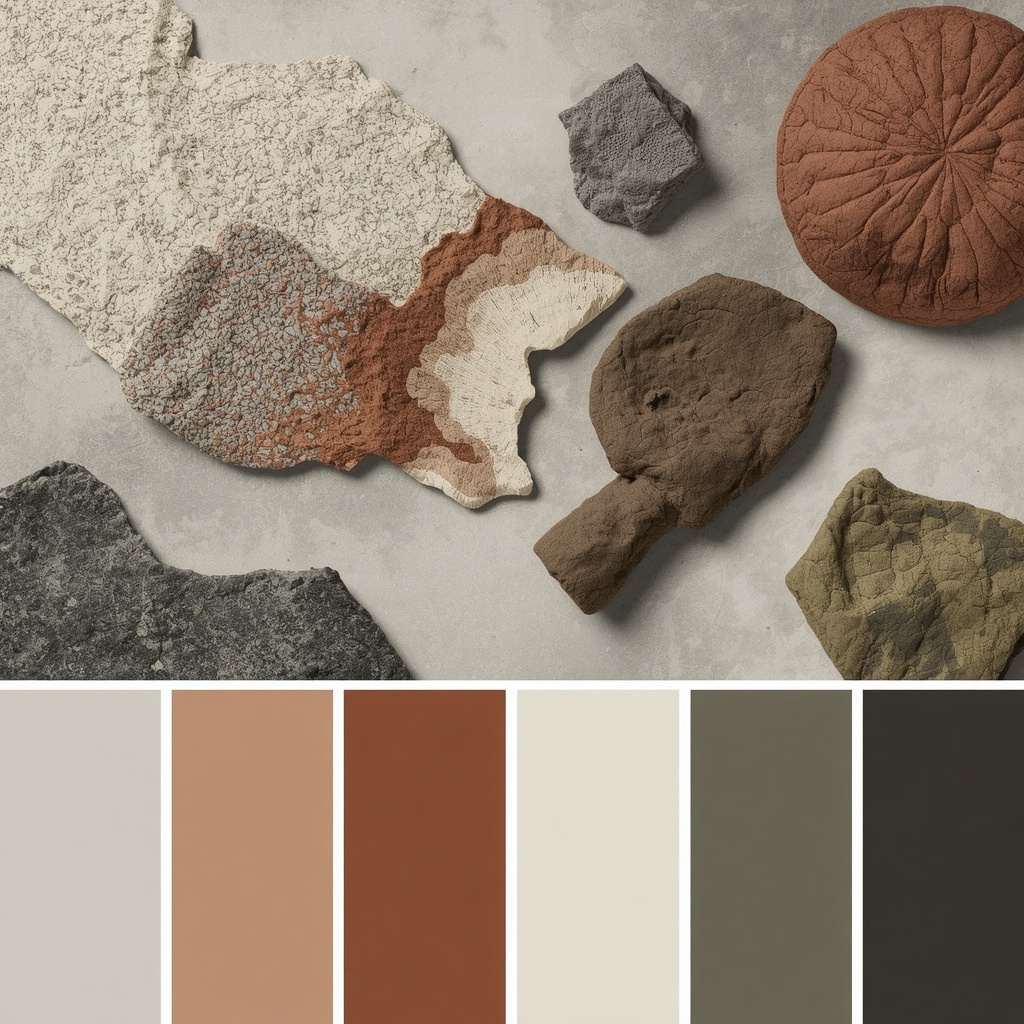
| Color Family | Examples | Best Used For |
|---|---|---|
| Neutrals | Ivory, oatmeal, greige | Walls, large upholstery |
| Warm earth tones | Terracotta, rust, clay | Accent chairs, ceramics |
| Deep grounding tones | Charcoal, espresso brown | Wood furniture, frames |
| Muted greens | Sage, moss, olive | Textiles, plants |
| Soft blacks | Matte black, ink | Metal fixtures, accents |
2. Natural, Sustainable Materials
Japandi leans heavily on organic materials that show their age gracefully: light oak, walnut, bamboo, rattan, linen, wool, stone, and ceramic. Avoid glossy plastics or synthetic finishes — they clash with the tactile, grounded feel the style depends on.
3. Low-Profile, Functional Furniture
Furniture in a Japandi living room tends to sit lower to the ground, with clean lines, rounded edges, and minimal ornamentation. Japanese design favors low seating and open sightlines, while Scandinavian influence keeps pieces practical and comfortable.
4. Negative Space (Ma)
The Japanese concept of “ma” refers to intentional empty space. In a Japandi living room, not every wall needs art, and not every surface needs decor. This breathing room is what separates Japandi from generic minimalism — it feels curated, not empty.
Building the Room: Furniture and Layout
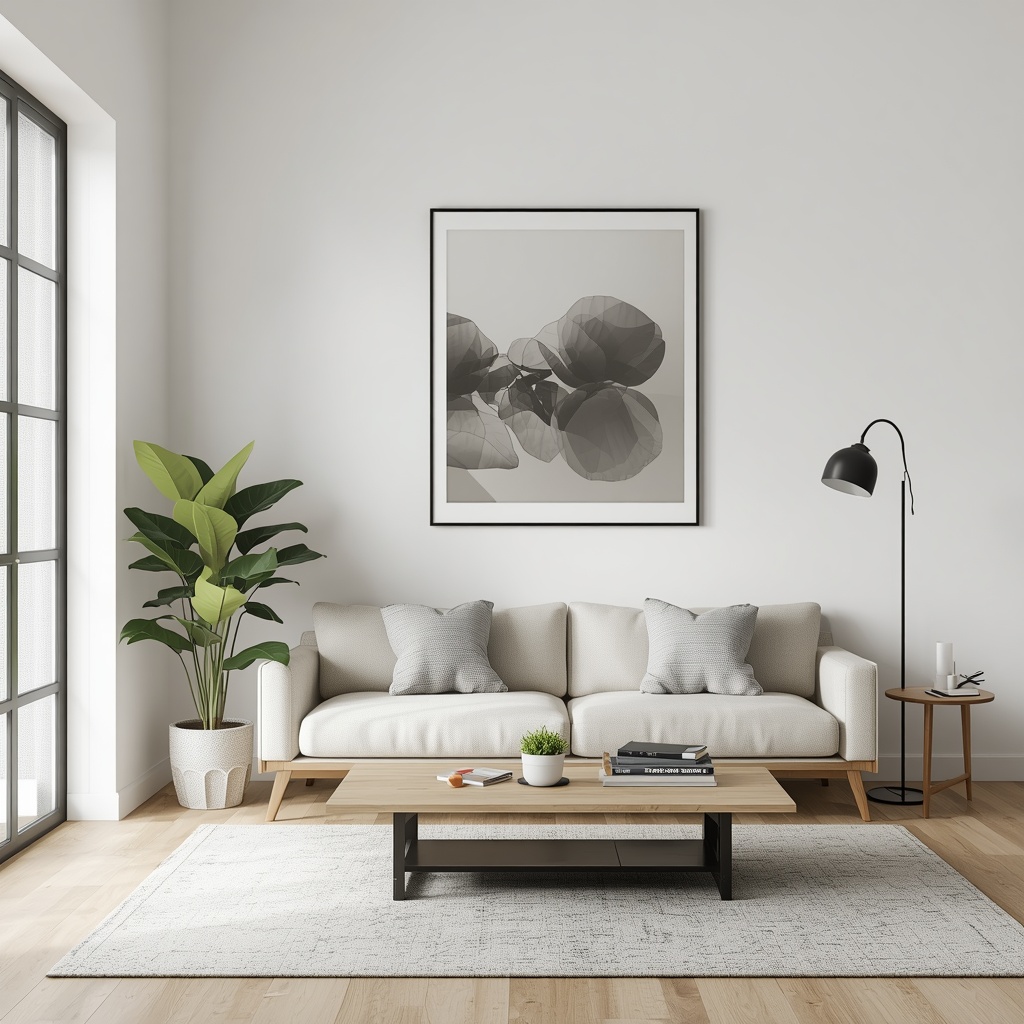
When selecting furniture, prioritize craftsmanship and simplicity over statement pieces. A low platform-style sofa in a neutral linen or boucle fabric works as your anchor piece. Pair it with a solid wood coffee table — oak or walnut with visible grain — and one or two accent chairs in a natural material like rattan or leather.
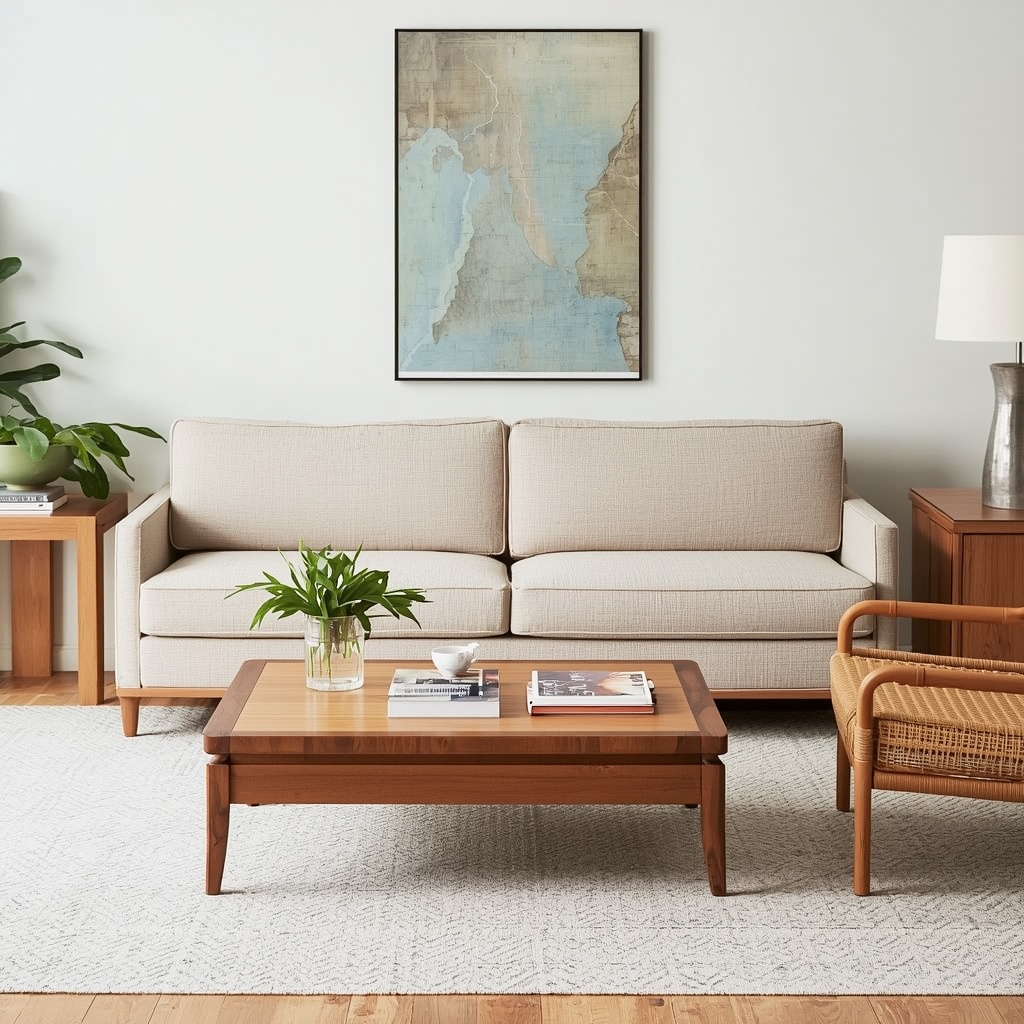
Keep the layout open and symmetrical where possible, but don’t be afraid of asymmetry in smaller vignettes, such as a reading nook with a single chair, a floor lamp, and a small side table. This mirrors the Japanese design principle of avoiding perfect symmetry, which is seen as too rigid and artificial.
A few furniture guidelines worth following:
Choose pieces with exposed wood legs rather than skirted bases.
Favor rounded or organic shapes over sharp geometric edges.
Limit your living room to one or two “statement” pieces max.
Leave at least 30% of floor space visually open and uncluttered.
Textiles, Lighting, and Layering Warmth
This is where Japandi earns its “warmth” half. Without thoughtful layering, minimalist rooms can feel sterile — and that’s the biggest mistake homeowners make when attempting this style.
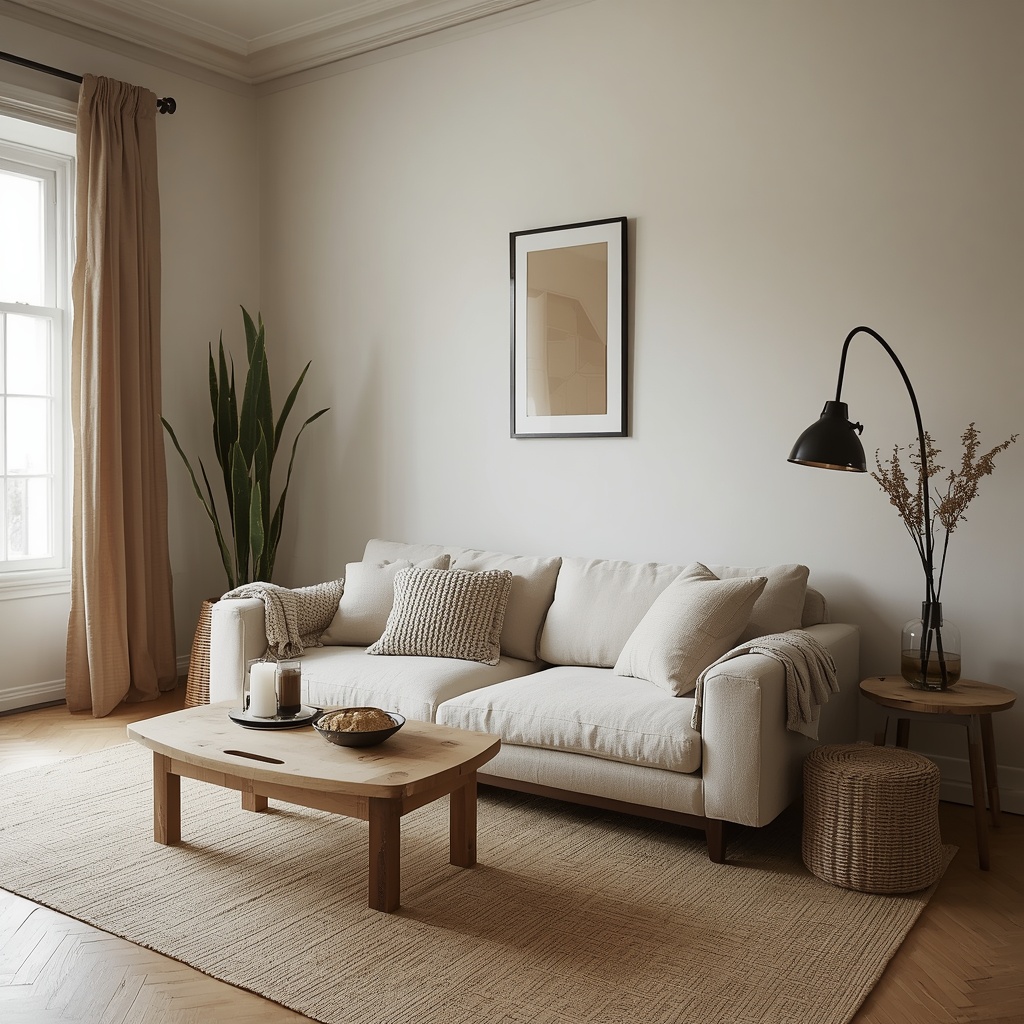
Layer in natural-fiber textiles: a chunky wool throw, a linen slipcover, a jute or wool rug with subtle texture rather than bold pattern. These add tactile richness without introducing visual noise. For lighting, skip harsh overhead fixtures in favor of warm-toned floor lamps, paper or rice-paper pendant shades, and candles. Japanese interiors traditionally favor soft, diffused light over bright, direct illumination, which instantly makes a space feel calmer in the evening.
Pro Tip: Swap your standard white LED bulbs for warm 2700K bulbs. This single, inexpensive change does more to create Japandi’s signature cozy atmosphere than almost any decor purchase you could make.
Consider layering light sources at three different heights — a floor lamp, a table lamp, and ambient candlelight — rather than relying on one central ceiling fixture. This creates the soft, layered glow that defines both wabi-sabi and hygge interiors.
Decor, Accessories, and Finishing Touches
Japandi decor is intentionally sparse, but every object should feel meaningful. This is where the wabi-sabi principle really shines: imperfect, handmade ceramics, raw-edge wood bowls, and slightly asymmetrical vases are preferred over mass-produced, flawless decor.
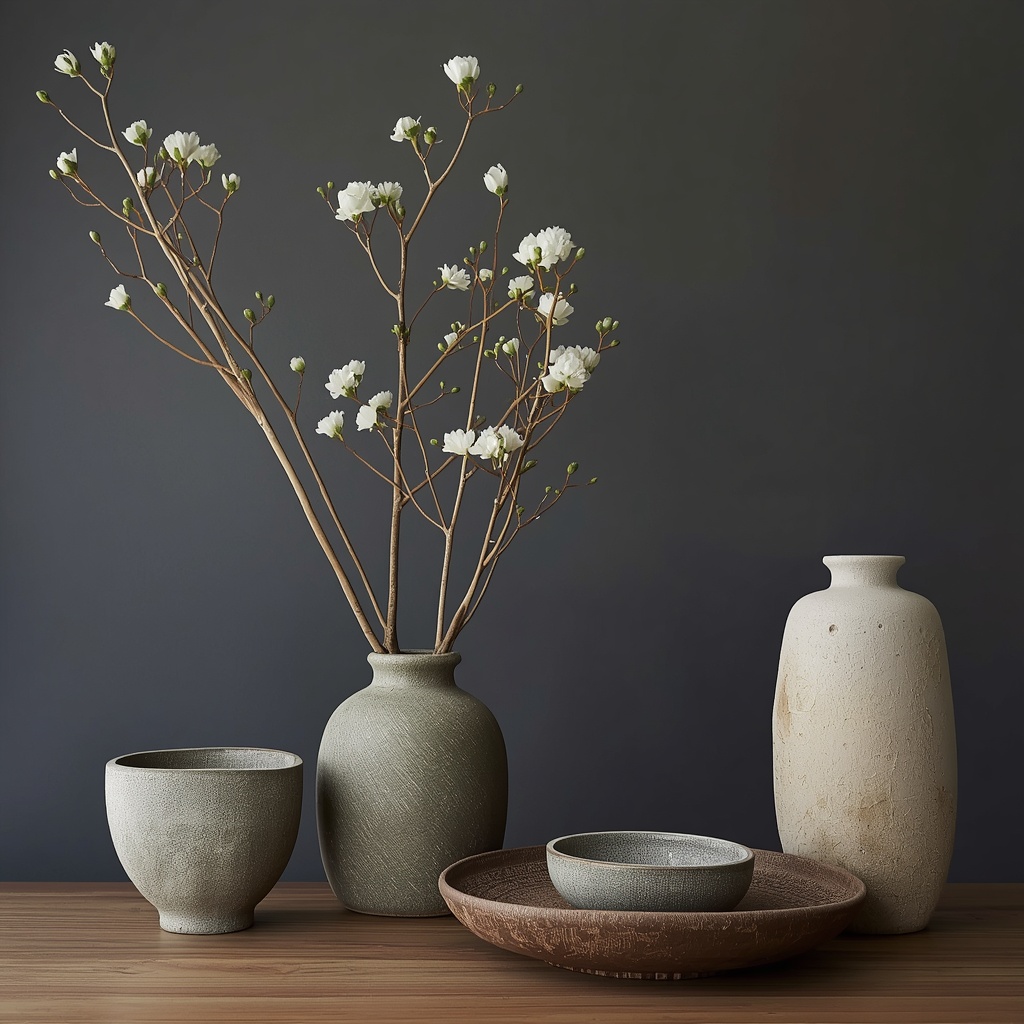
Recommended accessories for a Japandi living room:
- A ceramic vase with a single branch or dried pampas grass
- A low wooden bench used as a side table or extra seating
- Woven rattan baskets for hidden storage
- A shoji-inspired room divider or privacy screen
- Framed botanical or ink-wash artwork in muted tones
- A cast-iron or stoneware teapot displayed on open shelving
Houseplants also play a major role — think structural, low-maintenance greenery like a snake plant, fiddle leaf fig, or bonsai tree, displayed in simple ceramic or concrete pots rather than colorful planters.
Japandi vs. Other Minimalist Styles
If you’re still deciding whether Japandi is right for your home, it helps to see how it compares to similar aesthetics people often search for.
| Style | Color Palette | Feel | Best For |
|---|---|---|---|
| Japandi | Neutral, earthy, muted | Warm, grounded, calm | Homeowners wanting cozy minimalism |
| Scandinavian | Bright white, light wood | Airy, fresh, casual | Small spaces needing brightness |
| Japanese Minimalism | Dark wood, black, white | Serene, disciplined | Those wanting strict simplicity |
| Modern Farmhouse | White, warm wood, black accents | Rustic, homey | Traditional-leaning homes |
| Wabi-Sabi | Earthy, imperfect tones | Rustic, organic | Lovers of handmade, aged decor |
Japandi essentially sits in the sweet spot between these styles — warmer than Japanese minimalism, calmer than farmhouse, and more textured than pure Scandinavian design.
Common Mistakes to Avoid
Even well-intentioned homeowners can miss the mark with Japandi. Here are the pitfalls I see most often with clients attempting a DIY approach:
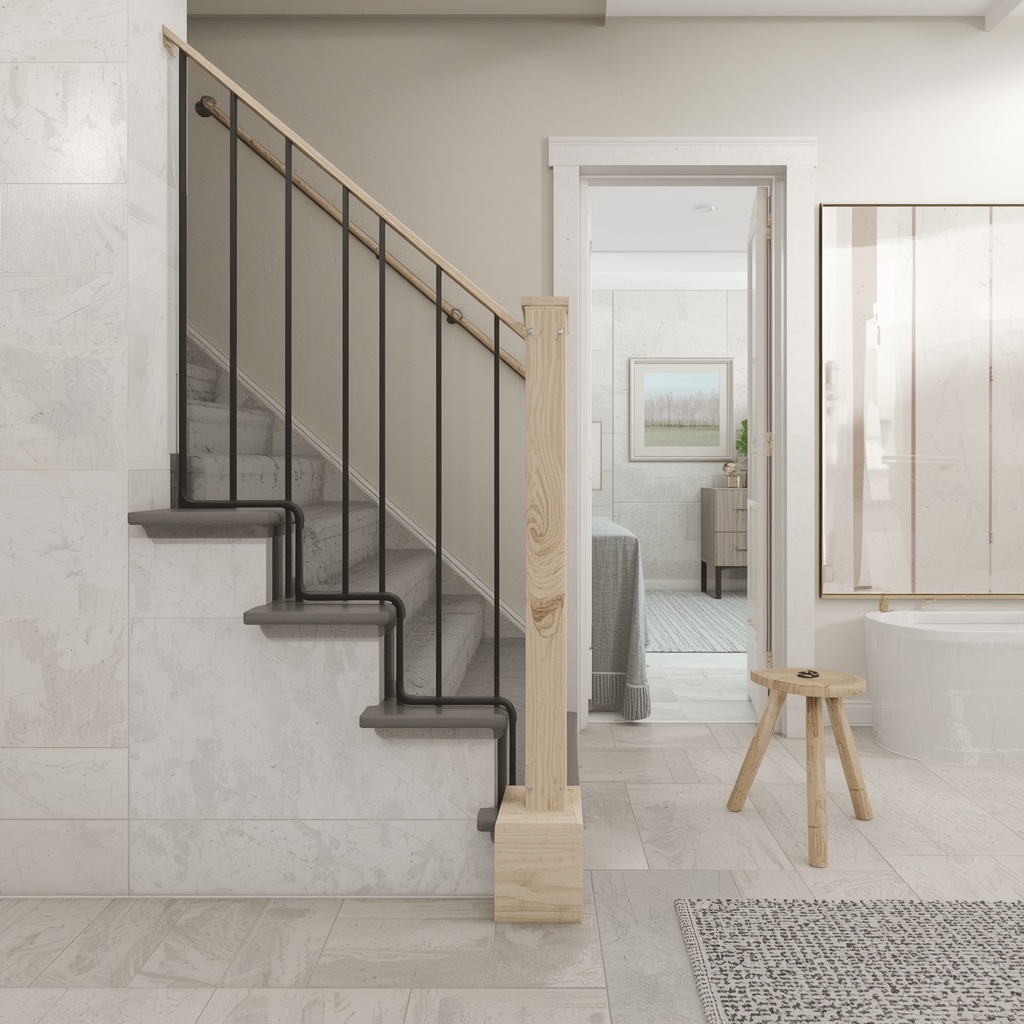
- Going too stark. Removing all color and texture results in a cold, unfinished-looking room rather than a calm one.
- Mixing too many wood tones. Stick to one or two complementary wood finishes throughout the space.
- Overbuying decor. Japandi rewards restraint — resist the urge to fill every shelf and surface.
- Ignoring texture. Smooth, matching fabrics everywhere reads flat; contrast linen with wool, or matte with slightly glossy ceramic.
- Choosing trendy over timeless. Avoid overly trend-driven furniture shapes that will feel dated in a few years.
Budget-Friendly Ways to Get the Look
You don’t need a full renovation to bring Japandi into your living room. Start small and build gradually:
| Budget Level | What to Prioritize |
|---|---|
| Under $200 | Warm-toned bulbs, a linen throw, a ceramic vase, dried florals |
| $200–$800 | A jute or wool area rug, a wood coffee table, floor lamp |
| $800–$2,500 | A low-profile sofa, accent chair, custom window treatments |
| $2,500+ | Custom wood built-ins, room dividers, professional lighting design |
Thrifted and vintage wood furniture often works beautifully in Japandi spaces — the slight wear and patina actually reinforces the wabi-sabi philosophy of imperfect beauty.
Final Thoughts
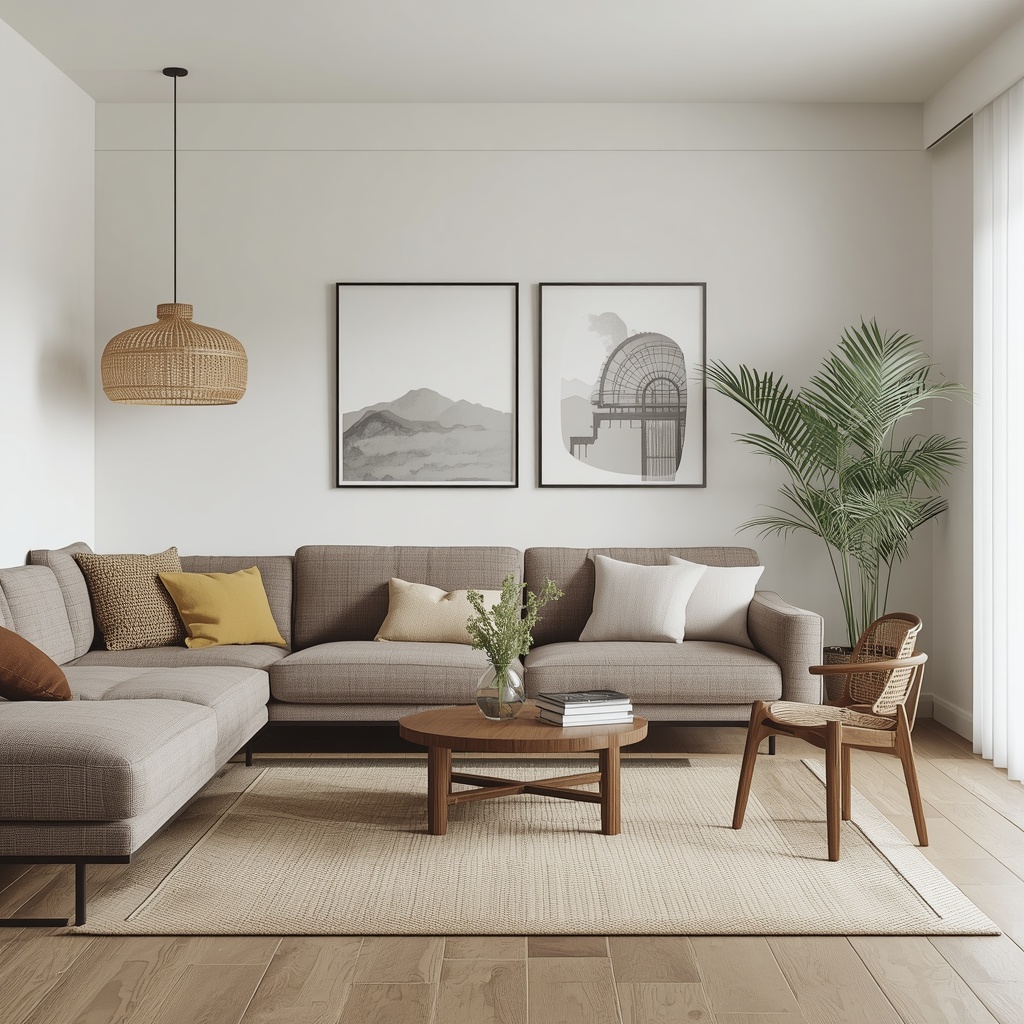
Japandi living room decor endures because it solves a real problem: how to create a home that feels peaceful without feeling empty, and stylish without feeling cold. By combining Japanese craftsmanship and intentionality with Scandinavian warmth and comfort, this style offers something genuinely sustainable — both environmentally, in its material choices, and aesthetically, in its resistance to passing trends.
Start with your color palette, invest in a few well-made furniture pieces, layer in natural textiles and warm lighting, and let negative space do some of the design work for you. The goal isn’t a showroom — it’s a living room that feels like a quiet exhale at the end of the day.