
Winter has a funny way of testing every relationship in your home — including the one you have with your houseplants. As a home decor specialist who’s helped countless clients style their living rooms and sunrooms with lush greenery, I can tell you that the plants themselves rarely fail. It’s our habits that need adjusting once the days get shorter and the furnace kicks on.
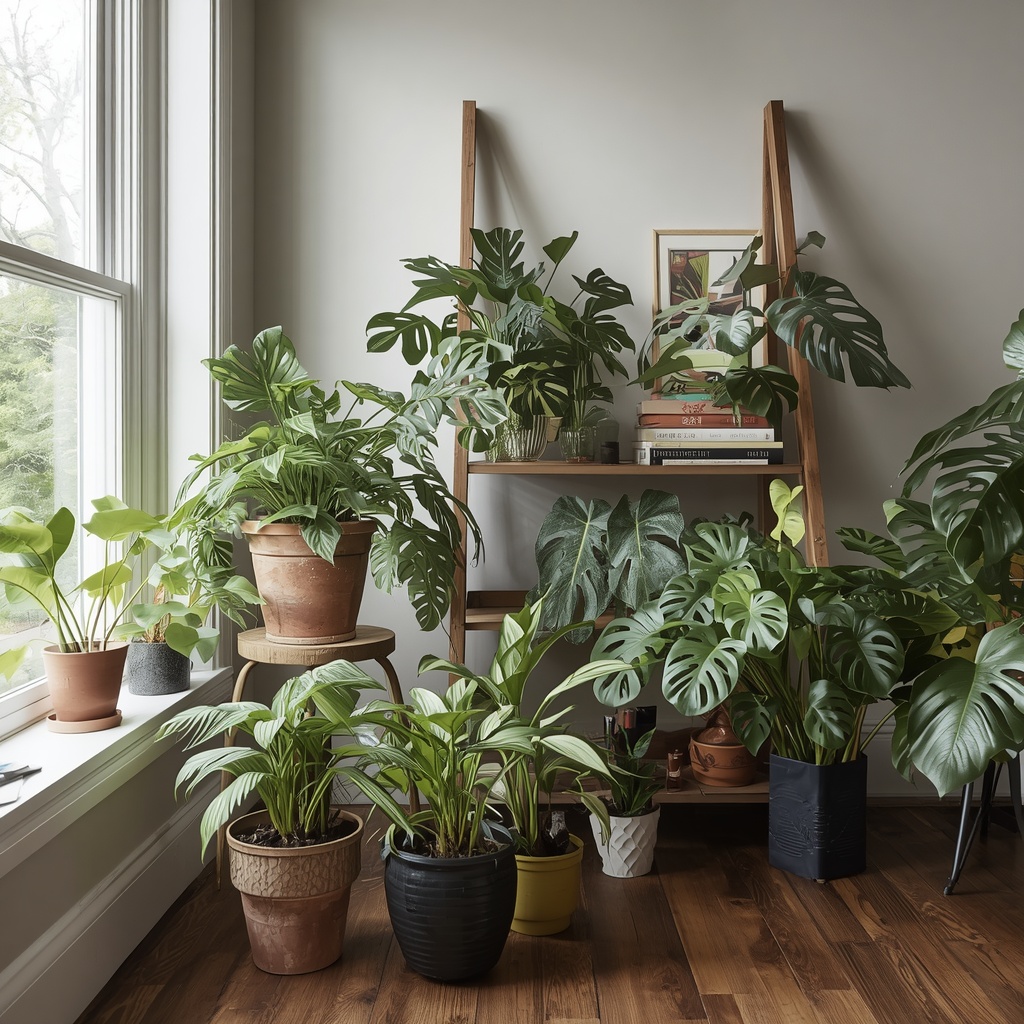
If your fiddle leaf fig has started dropping leaves or your pothos looks a little sad by the window, you’re not alone. Winter plant care isn’t about doing more — it’s about doing things differently. Below, I’ll walk you through everything you need to know to keep your indoor jungle thriving, cozy, and beautifully styled until spring returns.
Why Houseplants Struggle in Winter
Most houseplants are tropical or subtropical natives, evolved for warm temperatures, high humidity, and long hours of bright, indirect sunlight. Winter flips all three of those conditions upside down. Shorter days mean less light. Indoor heating dries out the air. And cooler temperatures near windows can shock roots that are used to consistent warmth.
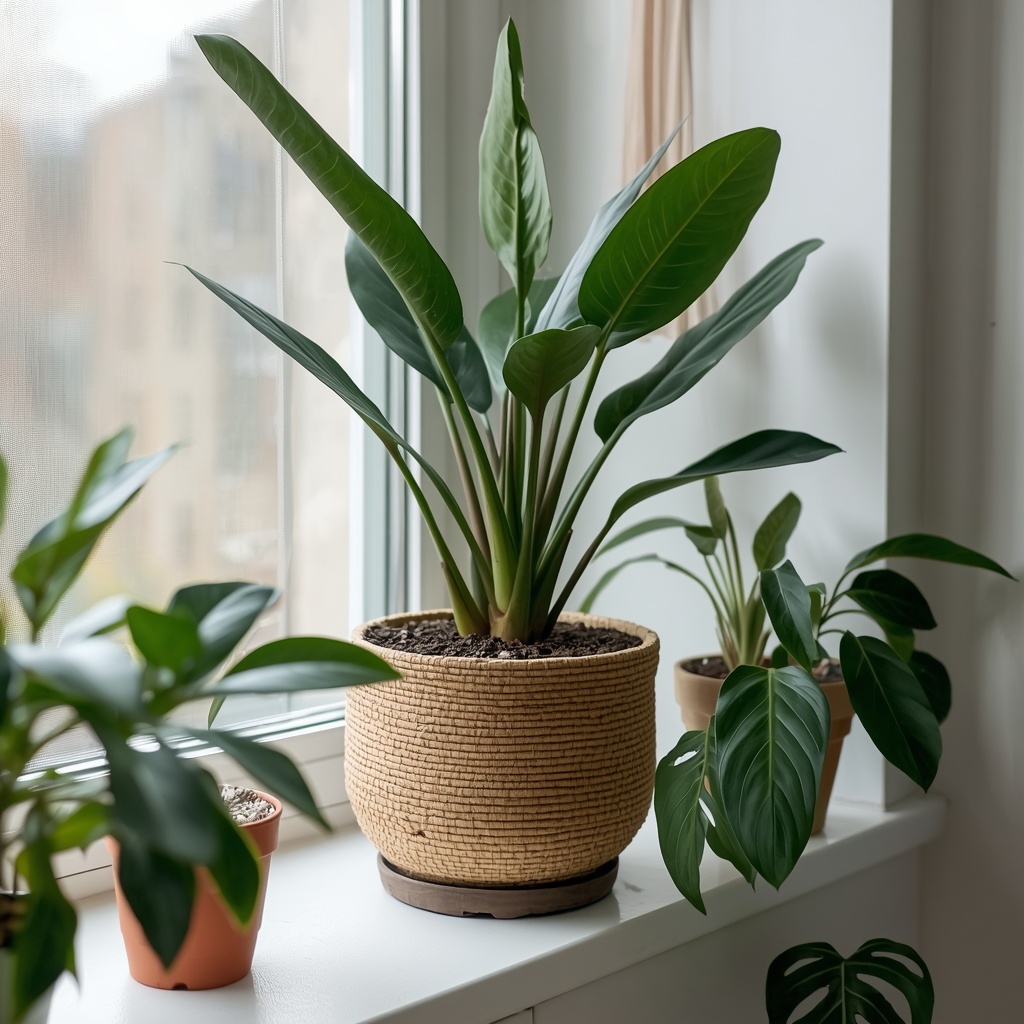
Understanding this seasonal shift is the foundation of good plant parenting. Once you know why your plants slow down, it becomes much easier to adjust your watering schedule, lighting setup, and humidity levels accordingly — rather than panicking and overcompensating.
“Plants don’t die of neglect in winter nearly as often as they die of overwatering. When growth slows, thirst slows too.” — a lesson every seasoned plant parent eventually learns the hard way.
Understanding Your Plant’s Winter Dormancy
Many houseplants enter a semi-dormant state during winter, similar to how deciduous trees shed leaves and rest. Growth slows dramatically, roots absorb less water, and photosynthesis decreases due to reduced daylight. This is completely normal and not a sign that something is wrong.
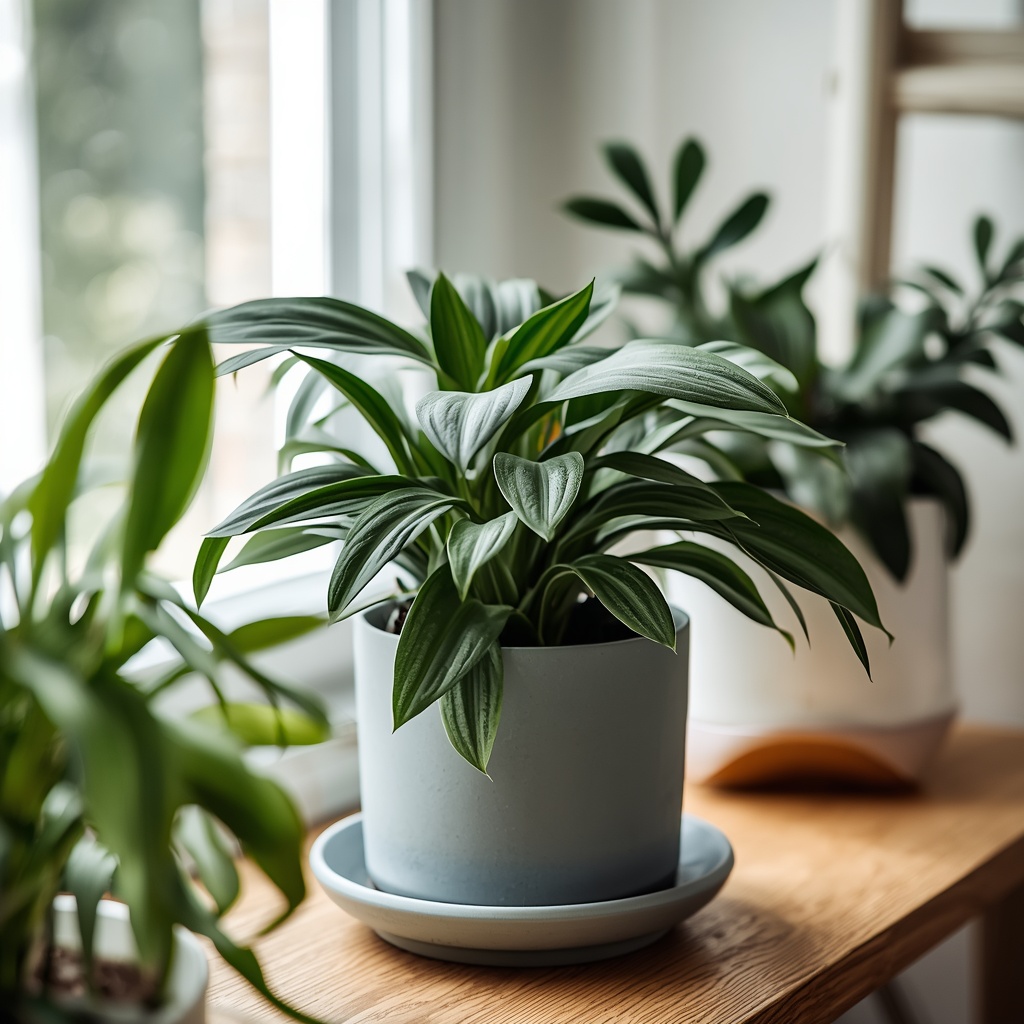
The mistake most beginners make is treating winter like an extension of summer care. They keep watering on the same schedule, expect the same growth, and get discouraged when nothing changes. Instead, think of winter as your plant’s version of hibernation — a season of rest that sets the stage for a vigorous comeback in spring.
Pro Tip 💡
Ease off fertilizing entirely from late fall through late winter. Most houseplants aren’t actively growing, so added nutrients can build up in the soil, burn delicate roots, and create more problems than they solve. Resume a diluted feeding schedule once you notice new growth in early spring.
Adjusting Your Watering Routine
Overwatering is, without question, the number one killer of houseplants in winter. Cooler temperatures and lower light mean your plants use water much more slowly, so soil that would dry out in three days during summer might take ten or more in January.
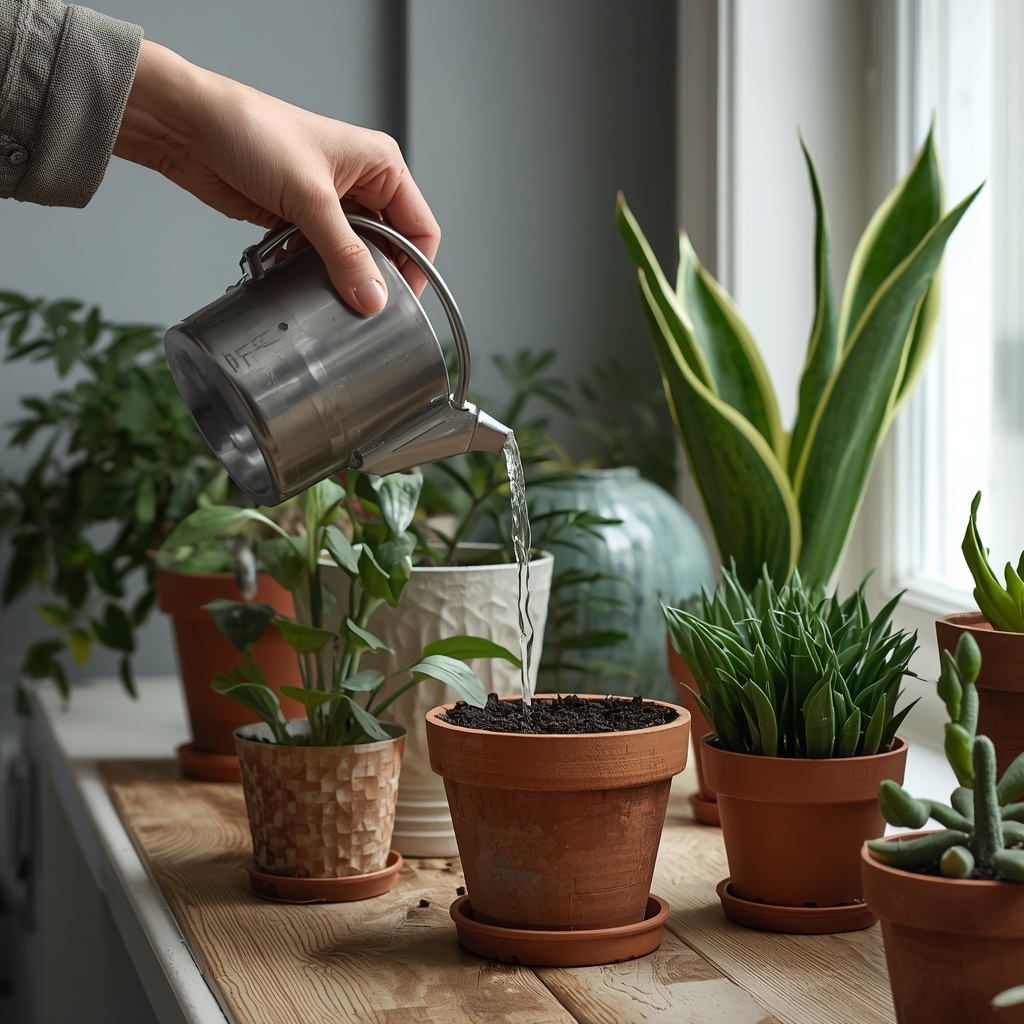
Instead of watering on a fixed calendar schedule, switch to checking the soil directly. Stick your finger about two inches into the pot — if it’s still damp, wait. This simple habit prevents root rot, which is far more common in winter than dehydration.
Winter watering guidelines by plant type:
| Plant Type | Summer Frequency | Winter Frequency | Watch For |
|---|---|---|---|
| Succulents & Cacti | Every 1–2 weeks | Every 3–4 weeks | Shriveling, wrinkled leaves |
| Pothos & Philodendron | Weekly | Every 10–14 days | Yellowing lower leaves |
| Fiddle Leaf Fig | Weekly | Every 1–2 weeks | Brown spots, drooping |
| Snake Plant | Every 2–3 weeks | Monthly | Soft, mushy base |
| Ferns | 2–3x per week | Weekly | Crispy fronds |
| Peace Lily | Weekly | Every 10 days | Drooping leaves |
Always check for drainage. A pot without a drainage hole is a winter root-rot disaster waiting to happen, since excess water has nowhere to escape and simply sits at the base of the roots.
Maximizing Limited Winter Light
Daylight hours shrink dramatically in winter, and the sun’s angle sits much lower in the sky, which changes how light travels through your windows. A spot that was shaded in July might actually become one of the brightest corners of your home in December.
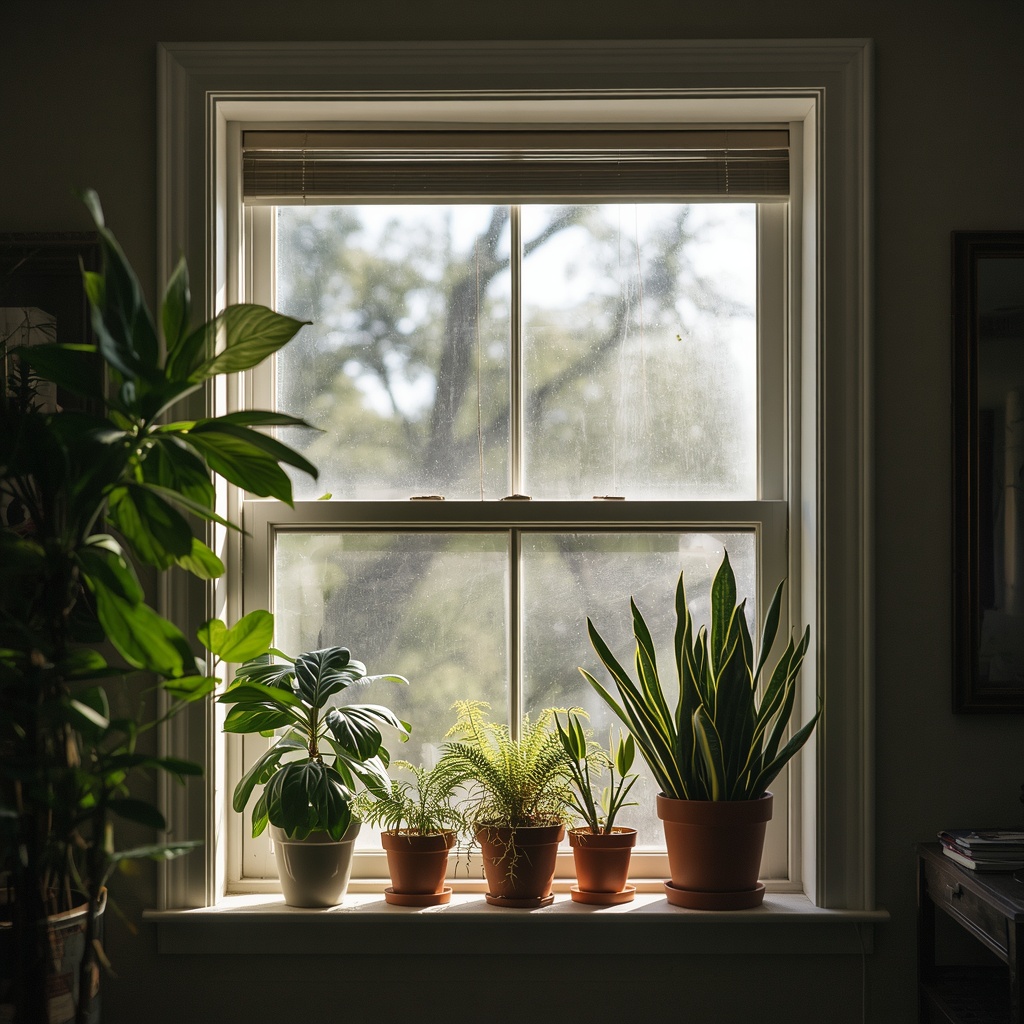
Take a walk through your house and reassess where your plants are positioned. South-facing windows typically offer the most consistent light year-round, while east and west windows shift in intensity. North-facing rooms, unfortunately, often become too dim for anything but the shade-tolerant varieties.
- Rotate plants a quarter turn every week so all sides receive even light exposure
- Wipe dust off leaves regularly, since dusty foliage can block up to 30% of usable light
- Move sun-loving plants like succulents and citrus trees to your brightest available window
- Consider a simple LED grow light for rooms with limited natural sunlight
- Keep sheer curtains open during daylight hours to maximize every available minute of sun
If natural light is genuinely limited in your space, an affordable full-spectrum grow light can make a meaningful difference. Positioned six to twelve inches above your plants for eight to ten hours a day, it effectively extends your plant’s growing season regardless of the weather outside.
Combating Dry Indoor Air
Central heating is wonderful for us and terrible for tropical plants. Furnaces and radiators can drop indoor humidity to levels closer to a desert than a rainforest, which is exactly the opposite of what plants like calatheas, ferns, and orchids need to thrive.
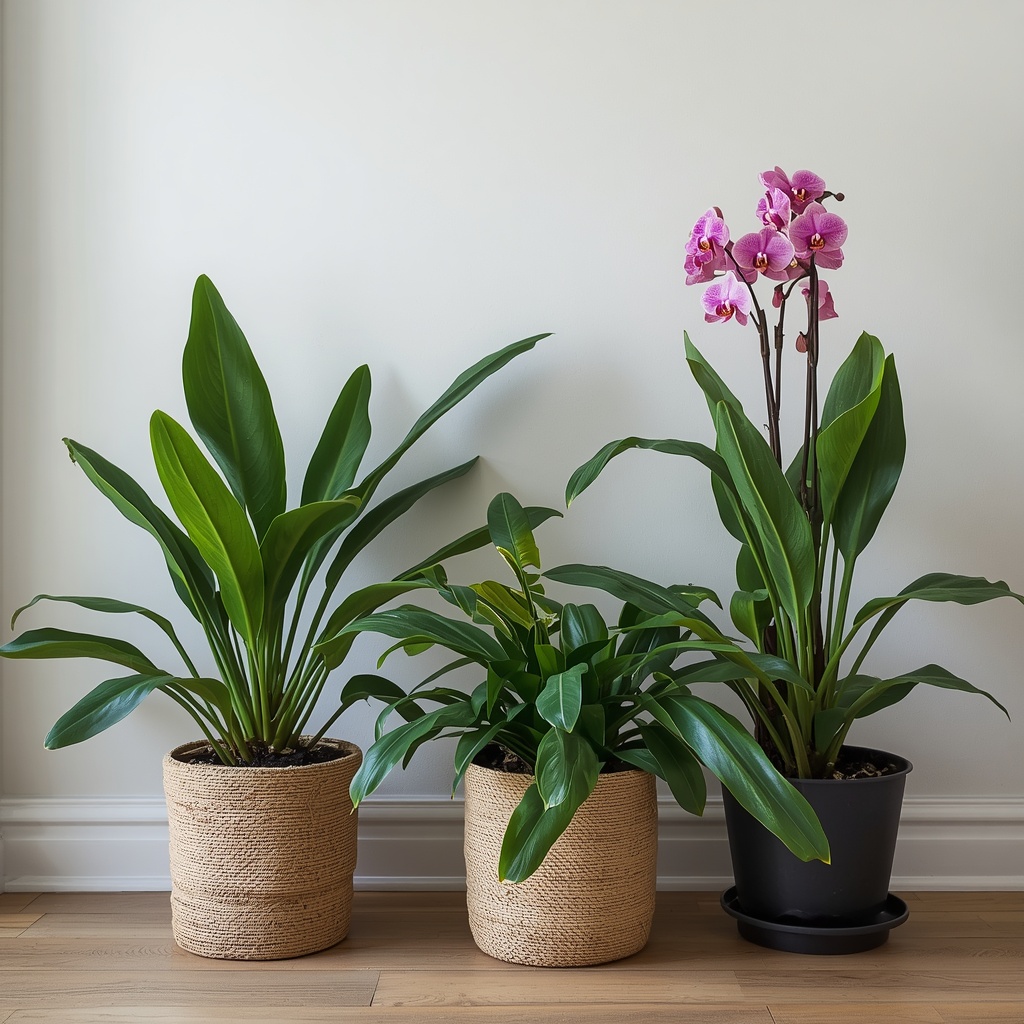
Signs of low humidity stress include crispy brown leaf tips, curling foliage, and increased susceptibility to spider mites, which love dry conditions. The good news is that boosting humidity around your plants doesn’t require an overhaul of your entire home.
Simple ways to raise humidity around your plants:
- Group plants together to create a natural microclimate of shared moisture
- Set pots on a pebble tray filled with water (without letting roots sit in it directly)
- Run a small humidifier nearby, especially in bedrooms or offices
- Mist humidity-loving plants like ferns and calatheas a few times a week
- Avoid placing plants directly above or beside radiators and heating vents
Pro Tip 💡
Bathrooms with a window are secretly one of the best winter homes for humidity-loving plants. The steam from daily showers creates a naturally humid environment that mimics tropical rainforest conditions — perfect for ferns, orchids, and pothos.
Managing Temperature Fluctuations
Windowsills that felt cozy in summer can become surprisingly cold in winter, especially overnight. Glass conducts temperature quickly, so a leaf pressed against a frosty window can suffer cold damage even if your thermostat reads a comfortable 68°F.
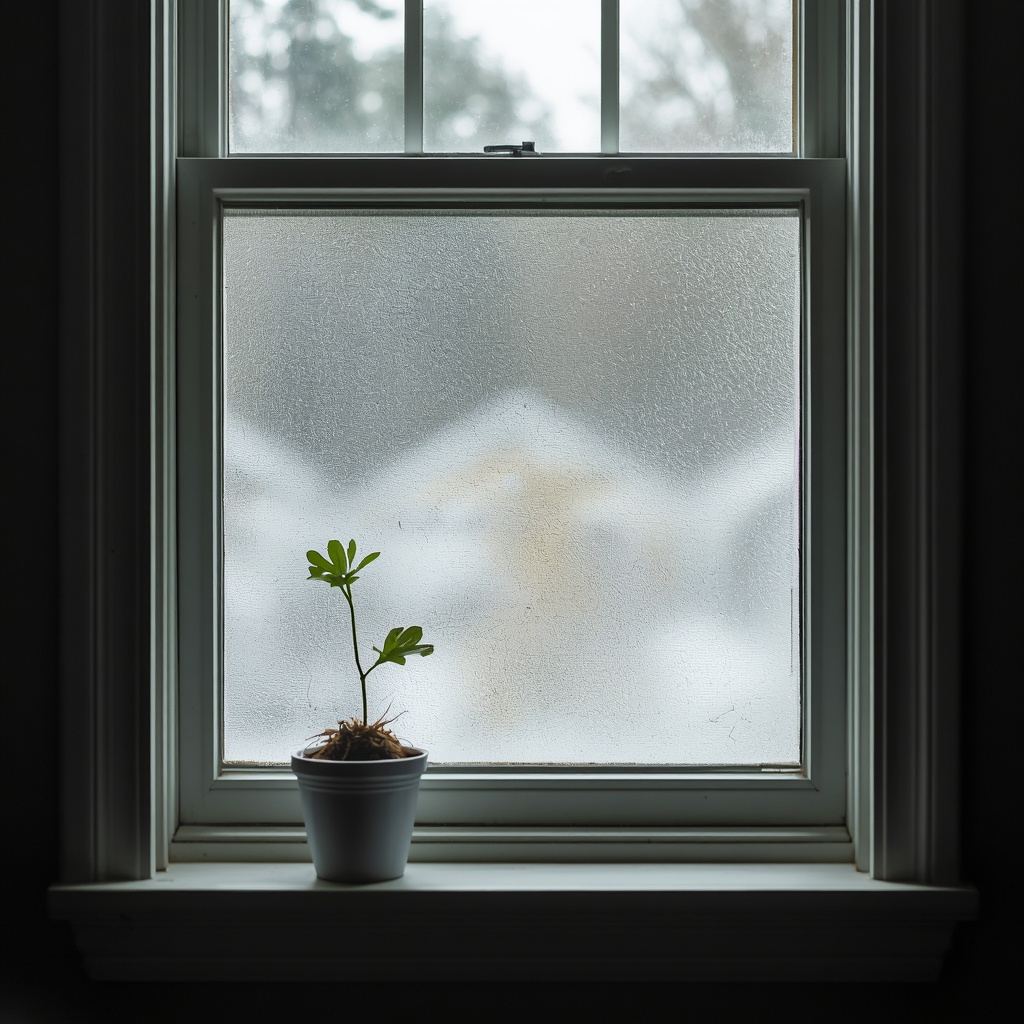
Most common houseplants prefer temperatures between 65°F and 75°F during the day, with a modest drop at night being perfectly fine. What they don’t tolerate well are sudden swings or cold drafts from doors, windows, or air conditioning vents that happen to still be in use.
Keep a few inches of buffer space between your plants and any window glass, and never let leaves touch the pane directly. If you’re moving plants around for a holiday display or a decor refresh, give them a few days to acclimate to any new spot before assuming something is wrong.
Styling Your Winter Greenery Beautifully
As a decor specialist, I’d be remiss not to mention that winter is actually a wonderful opportunity to reimagine how your plants fit into your home’s aesthetic. With plants growing more slowly, this is the perfect season to focus on presentation rather than propagation.
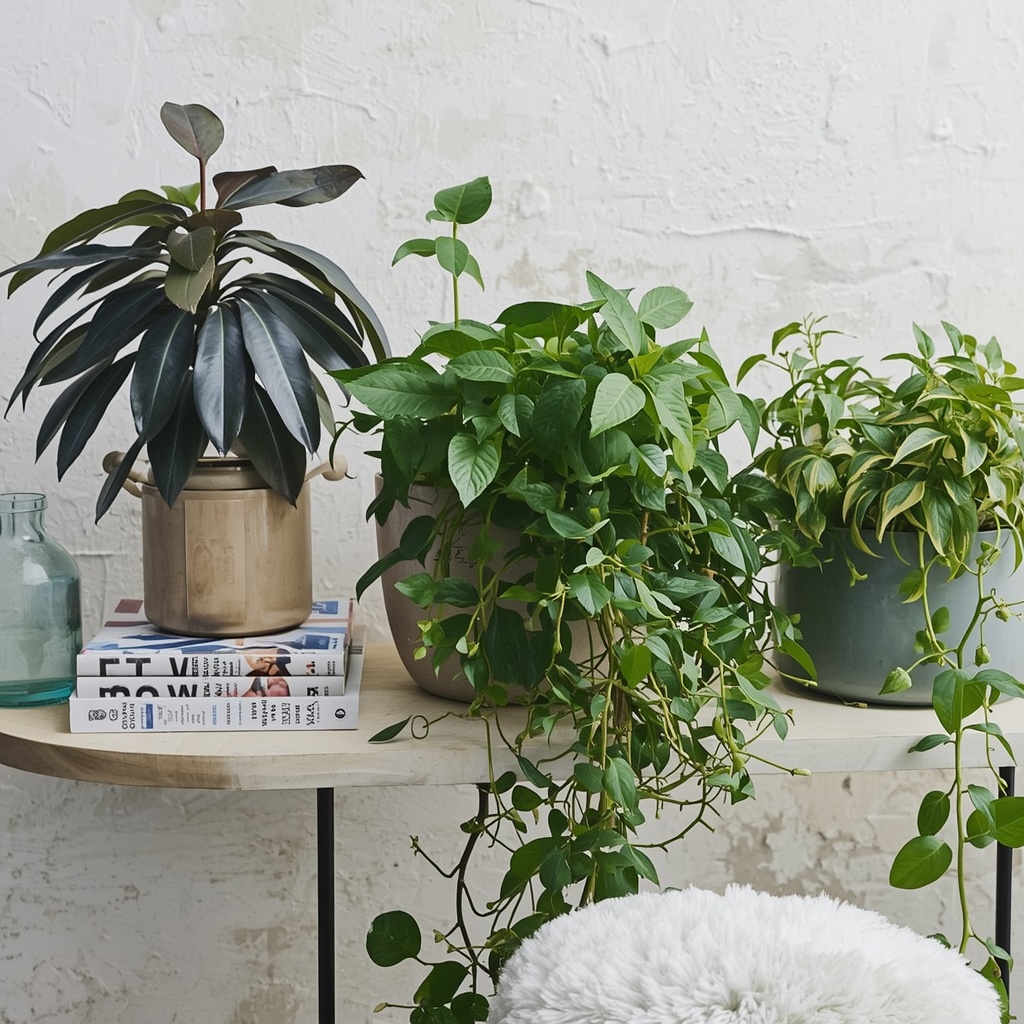
Consider swapping in warmer-toned ceramic or terracotta pots that complement a cozy winter palette of deep greens, rust, and cream. Clustering plants of varying heights on a console table or plant stand creates visual interest even when growth has paused, and it makes the humidity-boosting grouping technique double as a design statement.
Interior designers often say a well-placed plant does more for a room than a piece of art — and in winter, when natural color outdoors disappears, that statement rings truer than ever.
Common Winter Houseplant Problems and Fixes
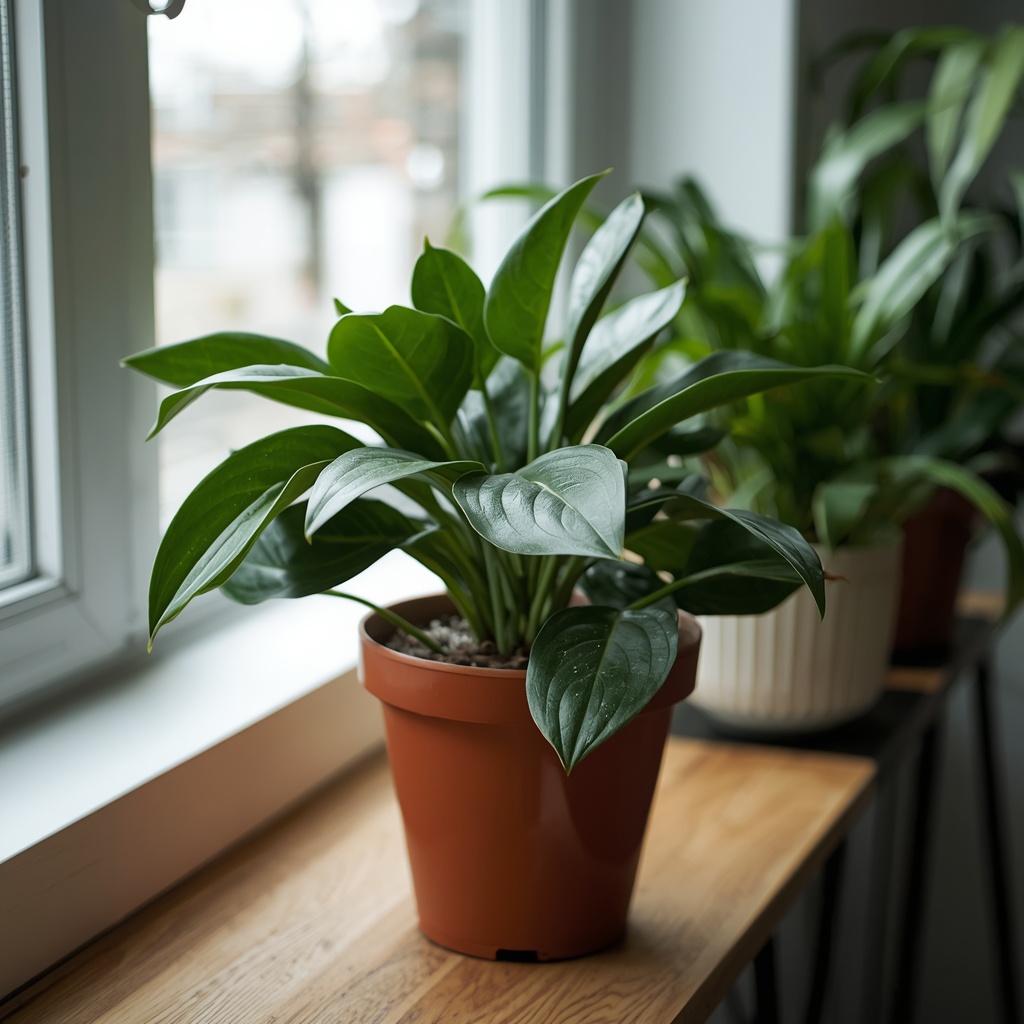
Even with the best care, most plant owners run into a few recurring issues once the temperature drops. Recognizing the signs early makes all the difference between a quick fix and a plant that doesn’t make it to spring.
| Symptom | Likely Cause | Solution |
|---|---|---|
| Yellow, mushy leaves | Overwatering | Let soil dry out fully; check drainage |
| Brown, crispy leaf tips | Low humidity or heat vents | Relocate away from vents; add humidity |
| Leaf drop | Cold drafts or temperature shock | Move away from doors/windows |
| Leggy, stretched growth | Insufficient light | Rotate toward light or add grow light |
| Small, pale new leaves | Light deficiency | Supplement with grow light |
| Sudden pest activity | Dry indoor air | Increase humidity; inspect weekly |
Pest Watch: Don’t Let Your Guard Down
It’s a common myth that pests disappear in winter. In reality, dry indoor air and stressed plants create ideal conditions for spider mites, mealybugs, and aphids to move in and multiply, often more aggressively indoors than they would outside in cooler weather.
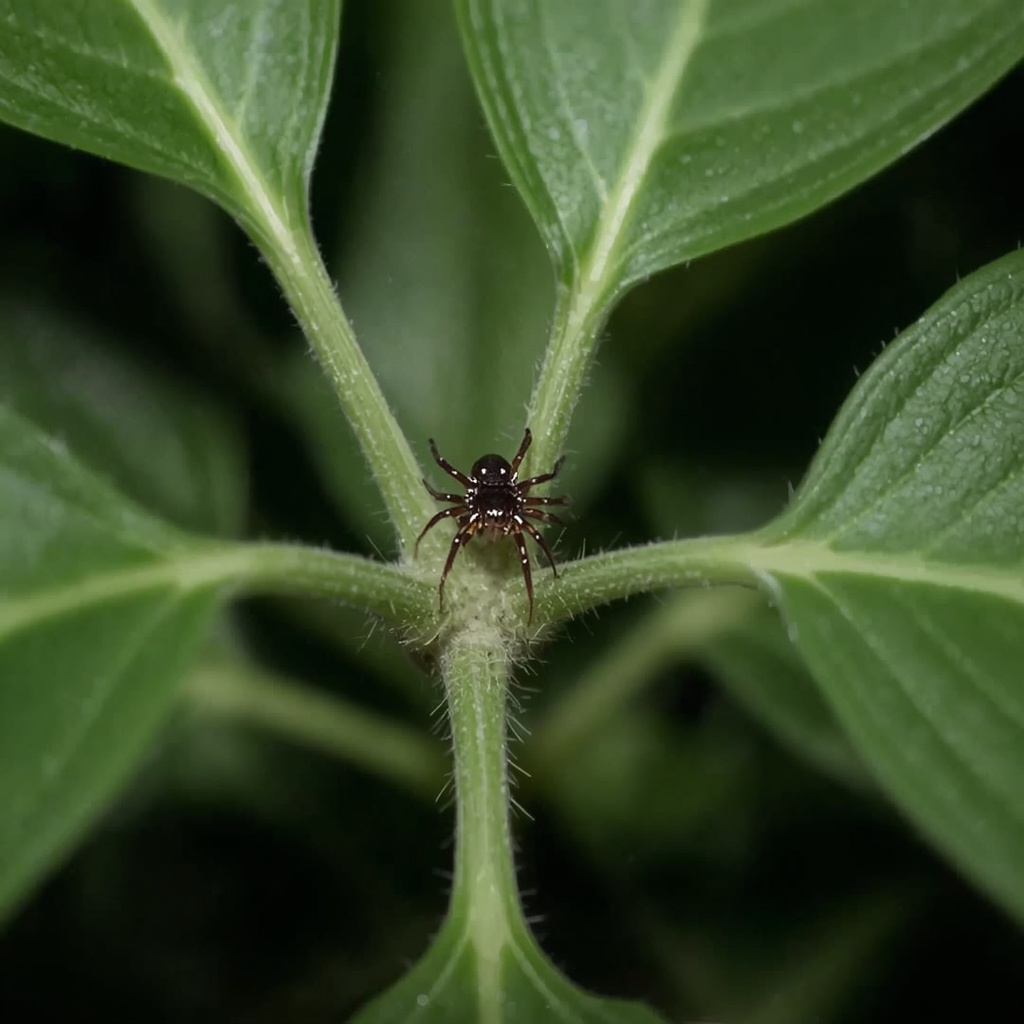
Inspect the undersides of leaves and stem joints weekly, especially on plants you’ve recently brought inside from a patio or porch. A simple wipe-down with a damp cloth or a diluted insecticidal soap spray at the first sign of trouble usually prevents a small problem from becoming an infestation.
Quick Winter Care Checklist
- Check soil moisture with your finger before watering — don’t rely on a fixed schedule
- Move plants to the brightest available window and rotate weekly
- Group humidity-loving plants together or add a pebble tray
- Keep plants a few inches away from cold windowpanes and heating vents
- Pause fertilizing until you see new spring growth
- Dust leaves regularly to maximize light absorption
- Inspect for pests weekly, especially spider mites
- Resist the urge to repot — winter is not the season for it
Final Thoughts
Winter plant care ultimately comes down to observation over intervention. Your houseplants are telling you what they need through their leaves, their soil, and their growth patterns — the job is simply to slow down enough to notice and respond thoughtfully rather than reflexively.
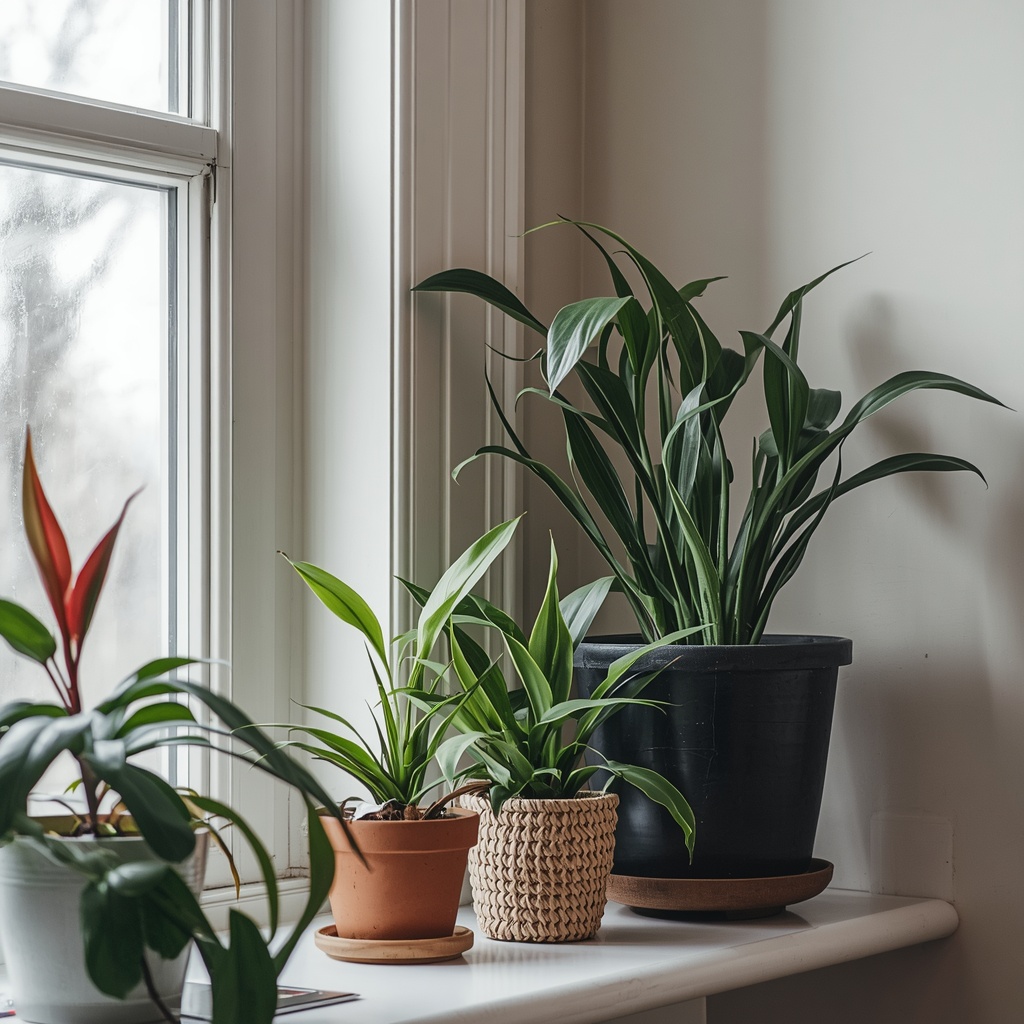
Treat this season as a partnership rather than a battle. Ease up on watering, chase the light where you can find it, add humidity where it’s lacking, and trust that a little dormancy now sets the stage for a much greener, fuller home once spring finally arrives.
Looking for more seasonal home and decor guidance? Explore related reads on indoor plant styling, cozy winter interiors, and low-maintenance greenery for busy households.