
If you’ve ever stood in the middle of a cluttered living room, surrounded by throw pillows you don’t remember buying and candles you’ll never light, you already know the feeling the KonMari method was built to solve. As an interior designer who works with clients across the country, I can tell you that clutter isn’t just a storage problem — it’s a design problem. It flattens your color palette, hides your best pieces, and makes even a beautifully furnished room feel chaotic.

That’s where Marie Kondo’s philosophy comes in. Her now-famous question, “does it spark joy?”, has become shorthand for a whole approach to home organization and decor curation. In this guide, I’ll walk you through how to apply the KonMari method specifically to home decor — not just closets and junk drawers — so your space feels intentional, calm, and unmistakably you.
What Is the KonMari Method, Really?
The KonMari method is a decluttering and organizing system developed by Japanese organizing consultant Marie Kondo. Unlike traditional decluttering advice that asks “when did I last use this?”, KonMari flips the question to something more emotional: “does this item spark joy?” If the answer is yes, it stays. If not, you thank it and let it go.
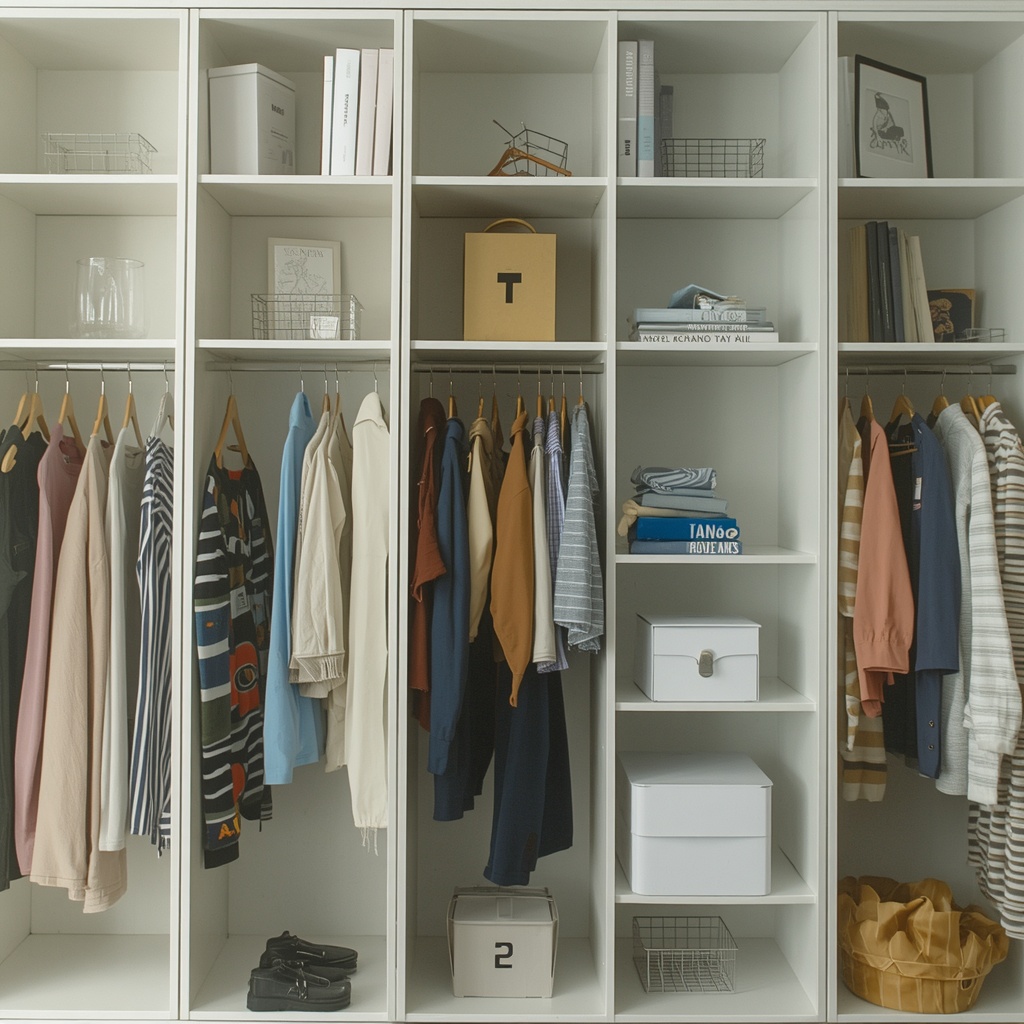
For home decor lovers, this reframing is a game-changer. Decor isn’t about utility — a ceramic vase or a gallery wall print doesn’t need to be “useful” to earn its place. It needs to make you feel something. The KonMari method gives you permission to curate your home the way a gallery curates an exhibit: with intention, restraint, and genuine emotional connection to every piece on display.
Why Home Decor Lovers Struggle with “Sparking Joy”
Design enthusiasts often accumulate more decor than the average person, which makes this method both more necessary and more challenging to apply. You love beautiful things, so almost everything sparks some joy at first glance.

The real skill isn’t identifying joy — it’s identifying degrees of joy, and being honest about which pieces are pulling their visual weight in a room versus which ones are just taking up shelf space. A true design edit means comparing items against each other, not just judging them in isolation.
“Keep only those things that speak to your heart. Then take the plunge and discard all the rest.” — Marie Kondo
The 5 KonMari Categories, Applied to Decor
Marie Kondo’s original method organizes belongings into five categories, tackled in a specific order to build your “joy-sensing” skills gradually. Here’s how each category translates into a home decor context:
| KonMari Category | Traditional Focus | Home Decor Translation |
|---|---|---|
| 1. Clothes | Wardrobe, shoes | Throw blankets, textiles, seasonal linens |
| 2. Books | Bookshelves | Coffee table books, decorative bookends |
| 3. Papers | Documents, mail | Framed art, prints, wall calendars |
| 4. Komono (Miscellaneous) | Kitchen, bathroom items | Vases, candles, trays, small sculptures |
| 5. Sentimental Items | Keepsakes, photos | Heirloom pieces, travel souvenirs, gifted decor |
Notice that sentimental decor comes last — and that’s intentional. By the time you reach grandma’s old lamp or the souvenir mask from your honeymoon, you’ll have sharpened your ability to distinguish real joy from guilt-driven attachment.
How to Apply the Joy Check to Decor Items
Here’s a simple, repeatable process for editing your decor collection room by room:
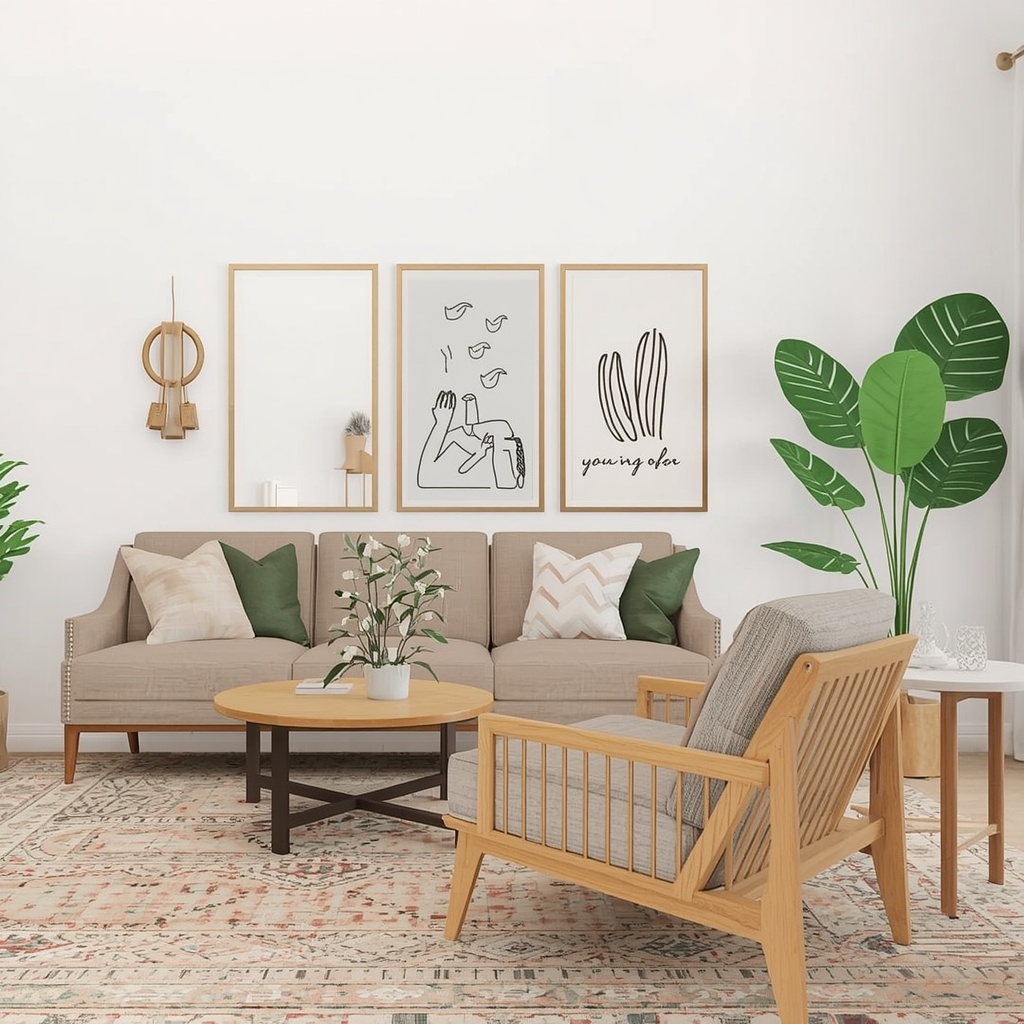
- Pull everything out. Take every decor item off shelves, mantels, and surfaces and gather it in one place — even the pieces you’re sure you’re keeping.
- Hold each item and pause. Notice your first physical reaction. Does your chest lighten? Do you smile? Or is there a flicker of “meh, I guess”?
- Sort into three piles. Keep, Donate/Sell, and Maybe. Be strict about the Maybe pile — it should shrink fast.
- Thank the item before letting it go. This isn’t just sentimental fluff; acknowledging an object’s past usefulness makes it psychologically easier to part with.
- Reintroduce items with intention. Don’t just put things back where they came from — style each keeper thoughtfully, as if you were arranging it for the first time.
<br>
Pro Tip: When you’re unsure whether a decor piece sparks joy, try the “empty room test.” Imagine the item sitting alone in an otherwise bare, well-lit room. If you’d still be excited to bring it home from a store today, keep it. If it only “works” because it’s surrounded by other stuff, it’s probably clutter — not decor.
Room-by-Room Decor Editing Guide
Different rooms call for slightly different joy criteria. A living room piece might need to spark joy and hold conversational value, while a bedroom item should primarily support rest and comfort.
- Living Room: Keep statement pieces that anchor the room — a bold rug, an art print, a favorite lamp. Limit throw pillows to what you’ll actually fluff and use.
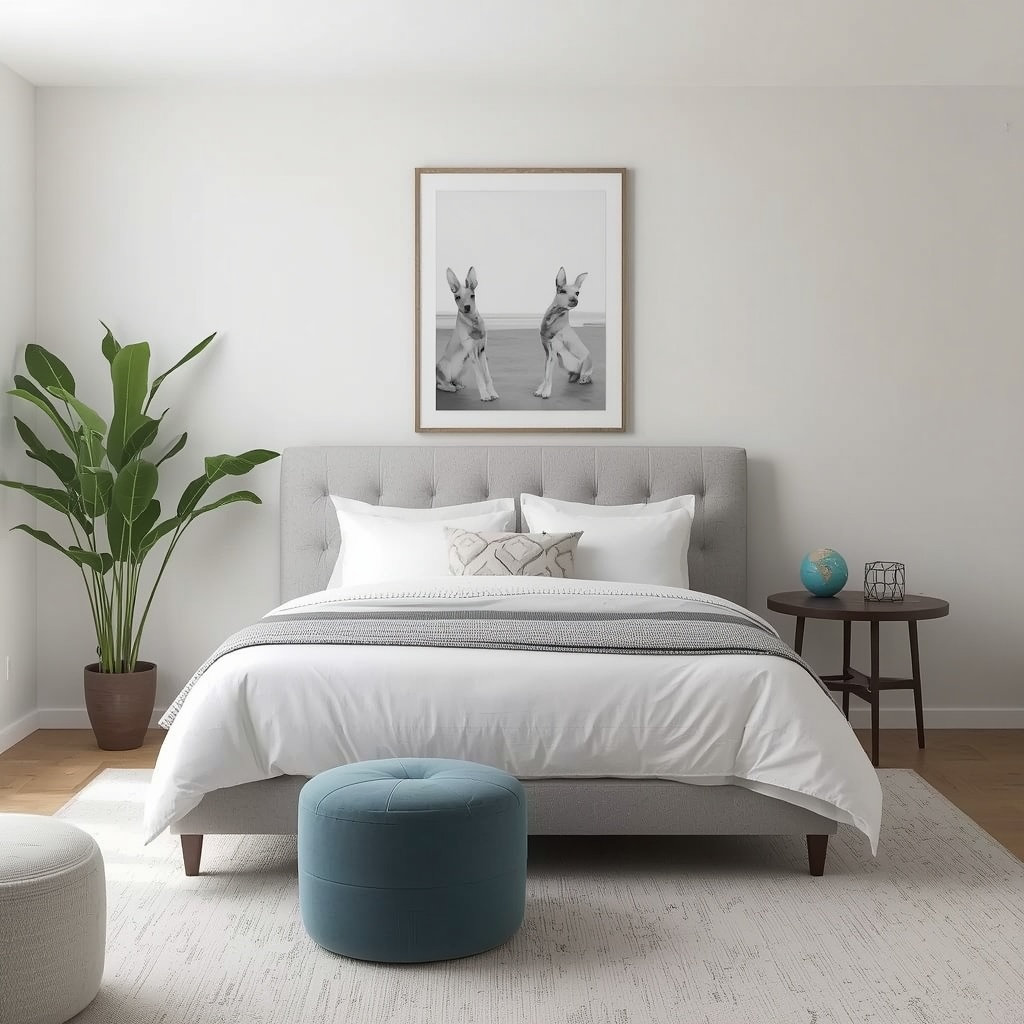
- Bedroom: Prioritize calming textures and soft lighting. Sentimental photo frames are fine, but avoid cluttering nightstands with more than two or three items.
- Kitchen: Decorative items should still feel functional-adjacent — a beautiful fruit bowl, an open shelf of curated ceramics, a single piece of art.
- Bathroom: Less is more here. One or two spa-like accents (a candle, a plant, a tray) go further than a shelf full of trinkets.
- Entryway: Choose one “welcome” statement — a mirror, a console table vignette, or a piece of art — rather than layering multiple competing focal points.
Common Mistakes Decor Lovers Make with This Method
Even design-savvy homeowners tend to trip up when applying KonMari principles to a decor collection. Here are the patterns I see most often with clients.

The biggest one is confusing novelty with joy — a recently purchased item almost always feels exciting simply because it’s new, which makes it hard to judge honestly in the first few weeks. The second most common mistake is keeping items purely out of guilt, especially gifts from family members or pieces that were expensive, even when they no longer suit your evolving aesthetic.
| Mistake | Why It Happens | Better Approach |
|---|---|---|
| Keeping “just in case” decor | Fear of regret | Ask if you’d repurchase it today |
| Guilt-keeping gifts | Emotional obligation | Separate gratitude for the giver from love of the object |
| Over-editing to “minimalist” | Trend pressure | Keep what’s joyful, even if it’s maximalist |
| Re-cluttering after a purge | No system for new purchases | Adopt a one-in, one-out decor rule |
What to Do with Decor That Doesn’t Spark Joy
Letting go doesn’t mean throwing everything away. Sustainable disposal is part of a thoughtful decor edit, and it keeps usable items out of landfills.
- Donate gently used decor to local thrift stores, shelters, or community resale shops.
- Sell higher-value or vintage pieces through marketplaces like Facebook Marketplace or Chairish for antique and designer finds.
- Gift items to friends or family members who’ve specifically admired them — this often gives a piece a genuinely joyful second life.
- Repurpose creatively: an old frame can become a tray, a mismatched vase can hold kitchen utensils.
- Recycle materials like glass, metal, and certain textiles through your local municipal program.
Curating a Joy-Filled Home: Final Styling Principles
Once you’ve edited down to your true keepers, the next step is arranging them with the same intentionality you used to select them. This is where the KonMari mindset meets classic interior design practice.

Group items in odd numbers (three or five) for visual balance, vary height and texture within each vignette, and always leave breathing room — negative space is what allows your favorite pieces to actually be seen. A curated shelf of five joy-sparking objects will always outperform a crowded shelf of fifteen “maybes.”
Frequently Asked Questions
Does the KonMari method work for renters? Yes — in fact, renters often benefit most, since a curated, joy-focused decor collection travels easily and adapts to new spaces without needing a full redesign each move.
How often should I redo the joy check? Revisit your decor collection seasonally, or whenever your lifestyle changes significantly (a move, a new relationship, a design style shift).
Is it wasteful to get rid of expensive decor that no longer sparks joy? Not if you sell, donate, or repurpose it responsibly. Holding onto something purely because of its price tag often costs more in daily visual clutter than it’s worth.
Final Thoughts
The KonMari method isn’t about owning less for the sake of it — it’s about surrounding yourself with fewer, better, more meaningful things. For home decor lovers, that means trading a crowded shelf of “someday maybe” pieces for a smaller collection that genuinely reflects who you are and how you want your home to feel.
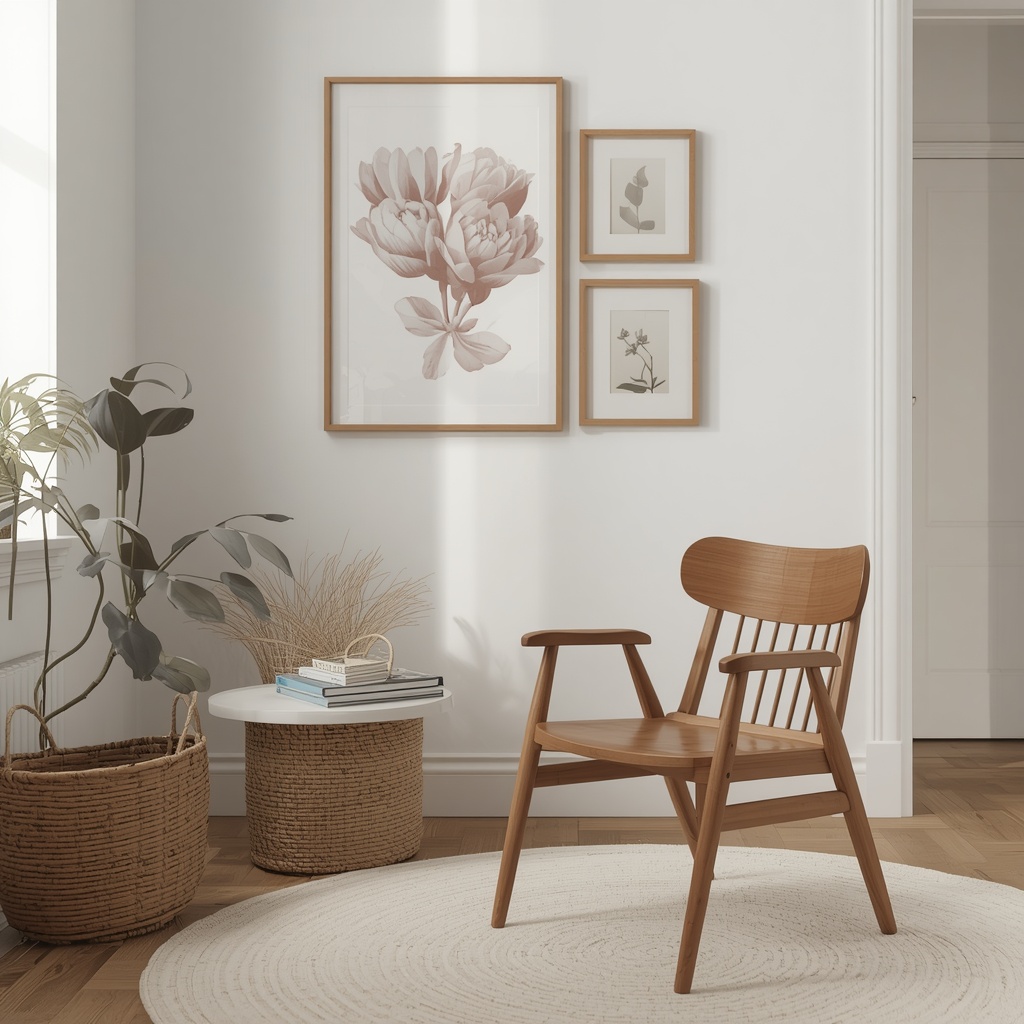
Start small, be honest with yourself during the joy check, and remember: every item you keep should earn its spot. Your home — and your future self walking through it every day — will thank you.