
Sticky fingers. Muddy paws. A juice box that “accidentally” tipped over during cartoons. If this sounds like your living room, you already know that a sofa isn’t just furniture — it’s a daily survival test. As an interior designer who works almost exclusively with busy, real-life households, I can tell you the single biggest regret clients bring me isn’t the color they picked or the size of the sectional. It’s the fabric.

The right upholstery can shrug off crayon marks and cat claws for a decade. The wrong one shows every water spot, pills within months, and turns your statement sofa into a stress trigger. This guide breaks down exactly how to choose sofa fabric that survives kids, pets, and everyday chaos — without sacrificing style.
Why Sofa Fabric Choice Matters More With Kids and Pets
A sofa in a kid- and pet-free home mostly deals with body oils, dust, and the occasional spilled wine glass. A sofa in a family home deals with markers, pet hair, claws, drool, tracked-in dirt, and sudden 40-pound bodies landing on the cushions. The wear pattern is completely different, and so should be your fabric strategy.
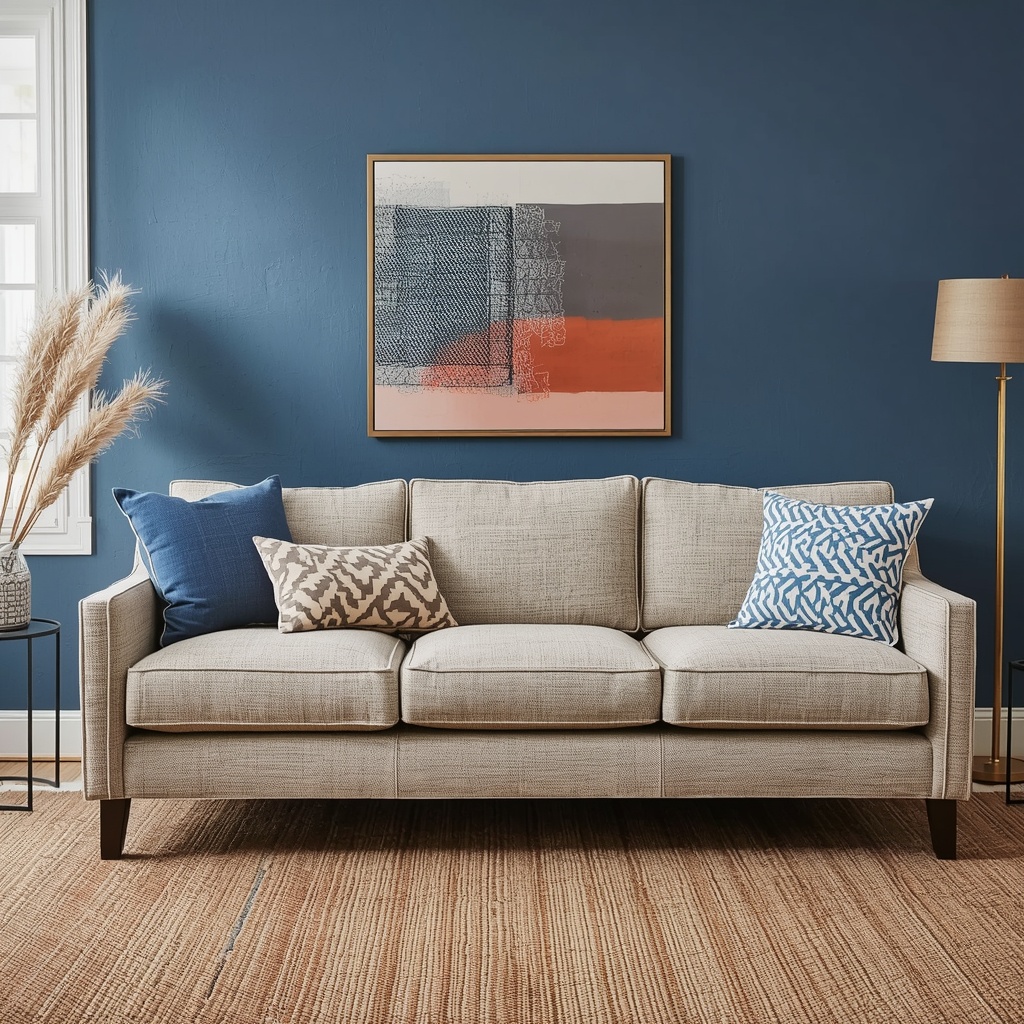
Durability, cleanability, and colorfastness matter more here than thread count or designer labels. A fabric that looks luxurious in a showroom can fail spectacularly under a toddler’s snack routine. Choosing correctly upfront saves you from re-upholstering — or replacing — a sofa within two or three years.
“A sofa should be judged the way you’d judge a family car: not by how it looks in the driveway, but by how it performs after five years of real use.” — a philosophy I share with every client shopping for a family-friendly living room.
Understanding Fabric Durability: What the Ratings Actually Mean
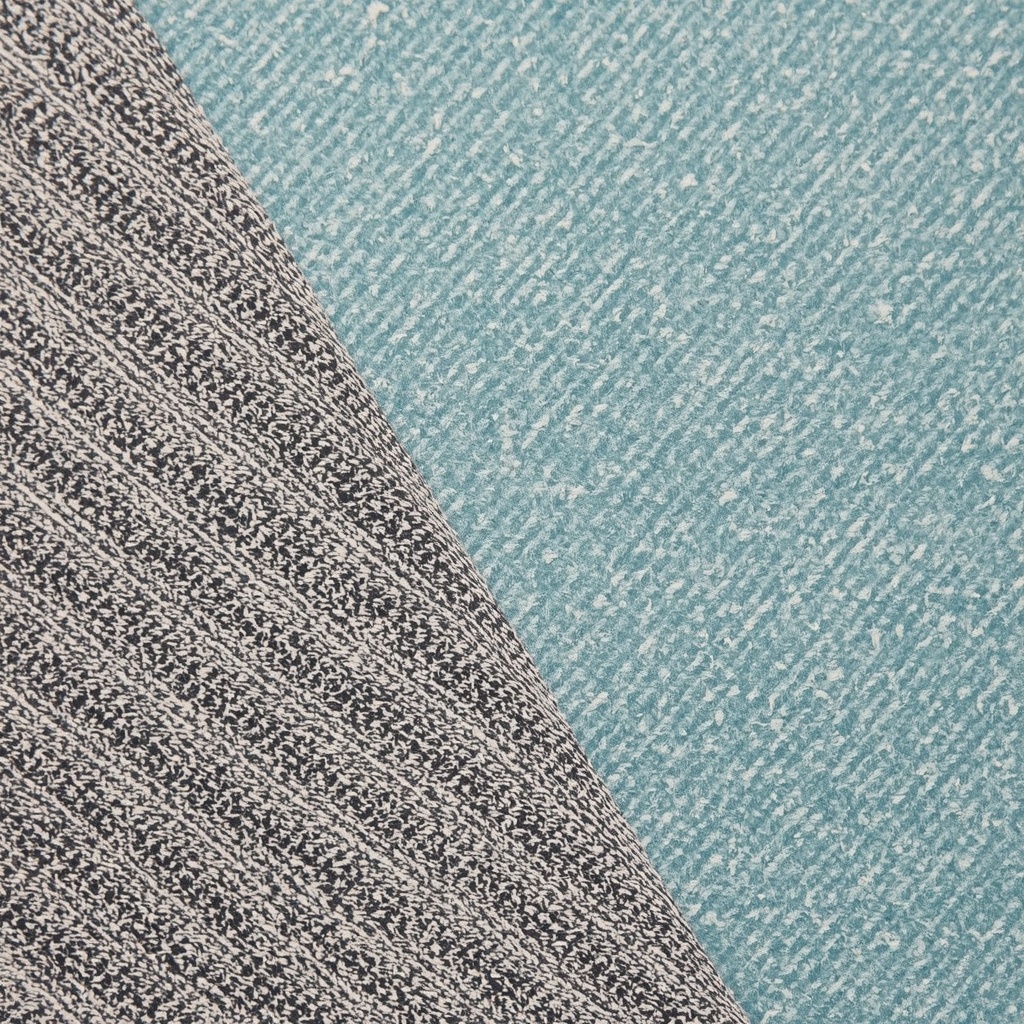
Before you fall in love with a swatch, learn to read the label. Every upholstery fabric is tested for abrasion resistance using the Martindale or Wyzenbeek rub test, which simulates years of sitting, scratching, and general wear.
| Rub Count (Martindale) | Durability Level | Best Suited For |
|---|---|---|
| Under 10,000 | Light-duty | Decorative pillows, low-traffic formal rooms |
| 10,000–15,000 | Medium-duty | Guest rooms, light residential use |
| 15,000–30,000 | Heavy-duty | Family rooms, everyday use |
| 30,000+ | Commercial-grade | Homes with kids, pets, or high foot traffic |
Pro Tip: Always ask the retailer for the Martindale or Wyzenbeek rating before buying. If they can’t provide it, treat that as a red flag — reputable performance-fabric brands publish this number proudly because it’s their biggest selling point.
Best Sofa Fabrics for Homes With Kids and Pets
Not all fabrics are created equal when claws and crayons enter the picture. Here are the top-performing categories I recommend to clients, ranked by real-world resilience.
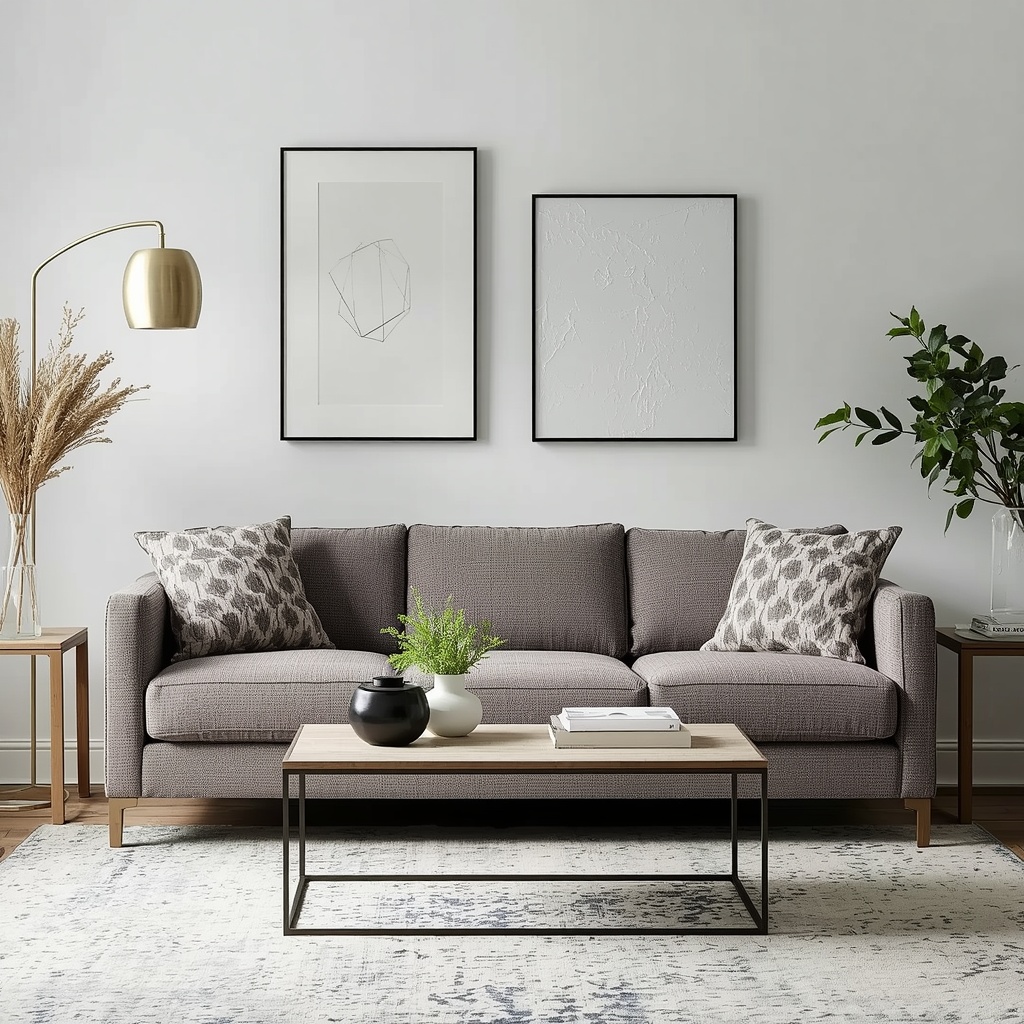
- Performance velvet — Surprisingly tough, stain-resistant, and soft; a favorite for family-friendly luxury.
- Crypton or Sunbrella-treated fabric — Engineered specifically to resist moisture, odor, and stains at a fiber level.
- Microfiber and microsuede — Budget-friendly, wipes clean easily, and resists snagging better than natural weaves.
- Tightly woven canvas or twill — Durable, breathable, and less likely to trap pet hair in loose loops.
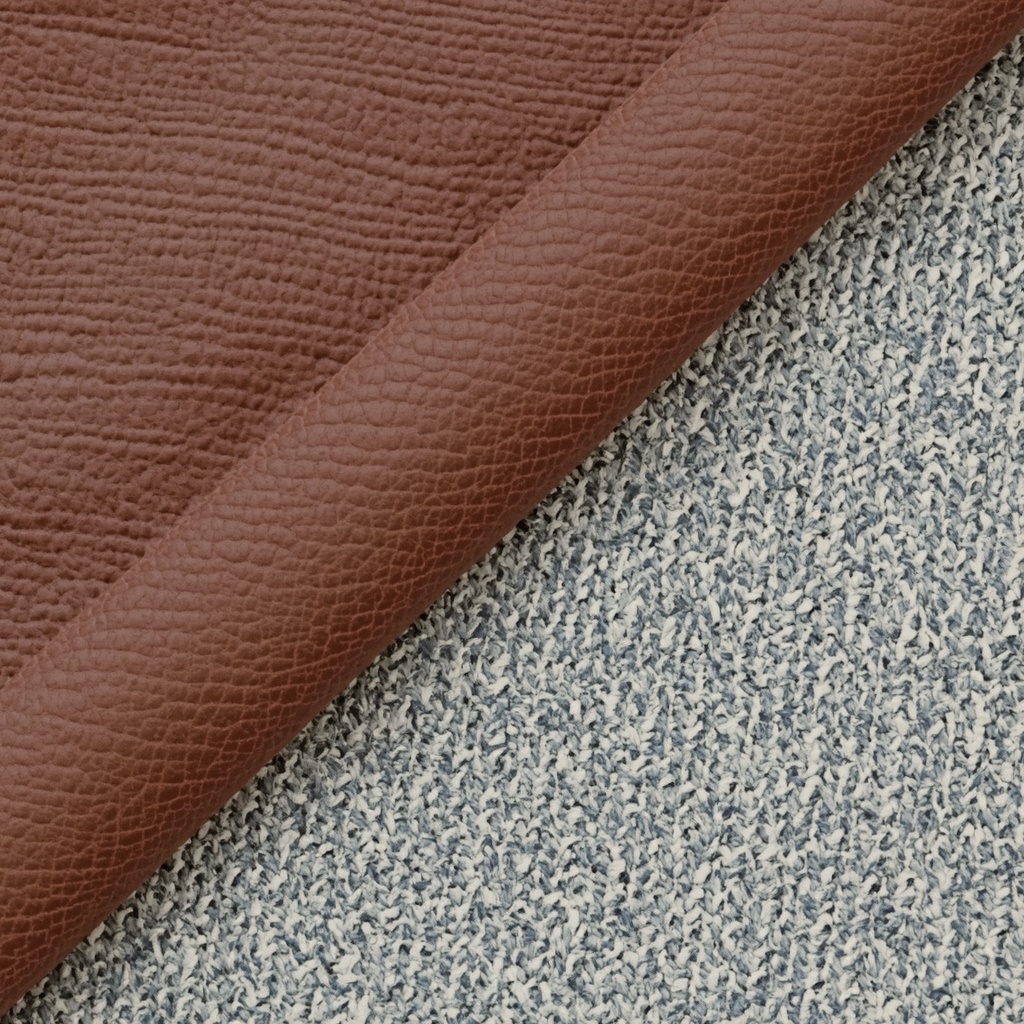
- Leather and faux leather — Wipes clean instantly and resists most claw punctures better than woven fabric.
Fabric Comparison at a Glance
| Fabric Type | Stain Resistance | Pet Hair Removal | Claw Resistance | Price Range |
|---|---|---|---|---|
| Performance Velvet | High | Moderate | Moderate | $$$ |
| Crypton Fabric | Very High | Easy | Moderate–High | $$$ |
| Microfiber | Moderate–High | Easy | Moderate | $ |
| Woven Canvas/Twill | Moderate | Moderate | High | $$ |
| Leather/Faux Leather | Very High | Very Easy | Low–Moderate | $$–$$$$ |
Fabrics to Avoid When You Have Kids or Pets
Some materials look beautiful in a showroom photo but fall apart under real family life. Steer clear of these unless the sofa is strictly for a formal, low-traffic room.

- Silk and silk blends — Water spots permanently, stains easily, and tears under claws.
- Linen (untreated) — Wrinkles, stains, and attracts pet hair that’s difficult to remove.
- Chenille — Loose weave snags on claws and collects pet hair like a magnet.
- Suede (real, untreated) — Water rings and oil stains are nearly impossible to fully remove.
- Loosely woven boucle — Trendy, but claws and small fingers easily pull the loops.
Color and Pattern Strategies That Hide Everyday Messes
Fabric type is half the battle — color and pattern do the rest of the heavy lifting. Solid white and jet black are the two hardest shades to keep looking clean, since white shows every stain and black shows every speck of lint and pet hair.
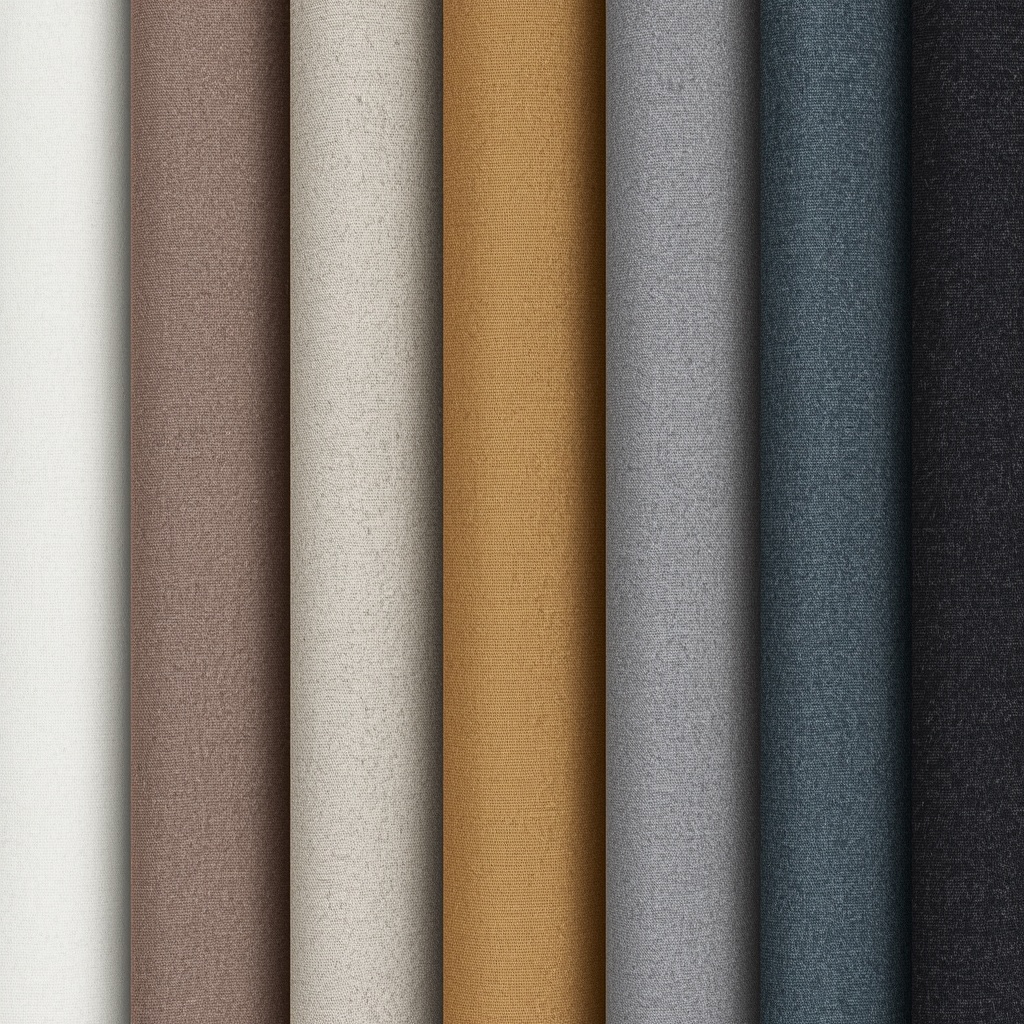
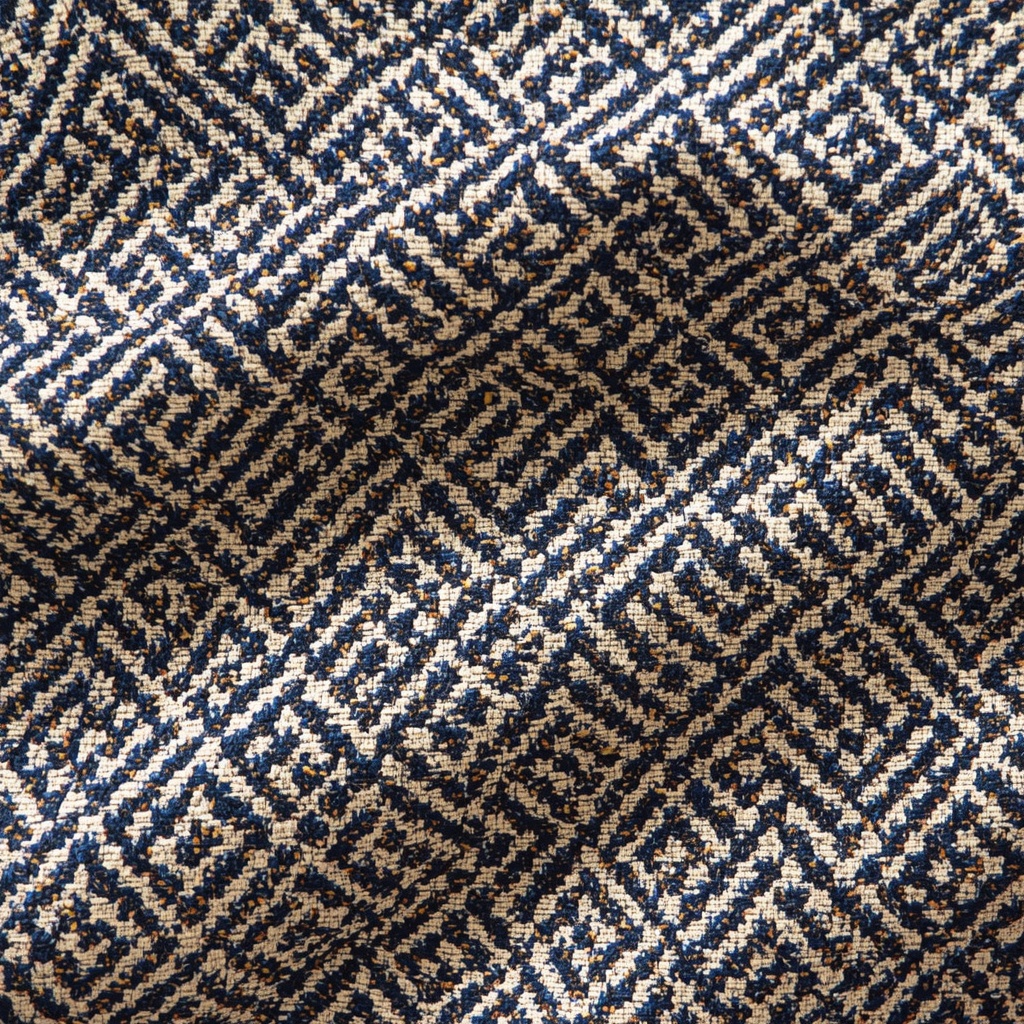
Mid-tone neutrals like greige, camel, warm gray, and heathered blue hide daily wear remarkably well. Subtle patterns, textured weaves, and tonal prints are even better at camouflaging crumbs, hair, and minor stains between deep cleanings.
Pro Tip: If you’re set on a light color, choose a performance fabric with a built-in stain barrier and a busy micro-texture rather than a smooth, flat weave. The texture visually breaks up marks that would otherwise stand out on a plain surface.
Stain-Resistant Treatments and Technologies Explained
Modern performance fabrics rely on a few key technologies, and understanding them helps you shop smarter instead of relying on marketing buzzwords alone.
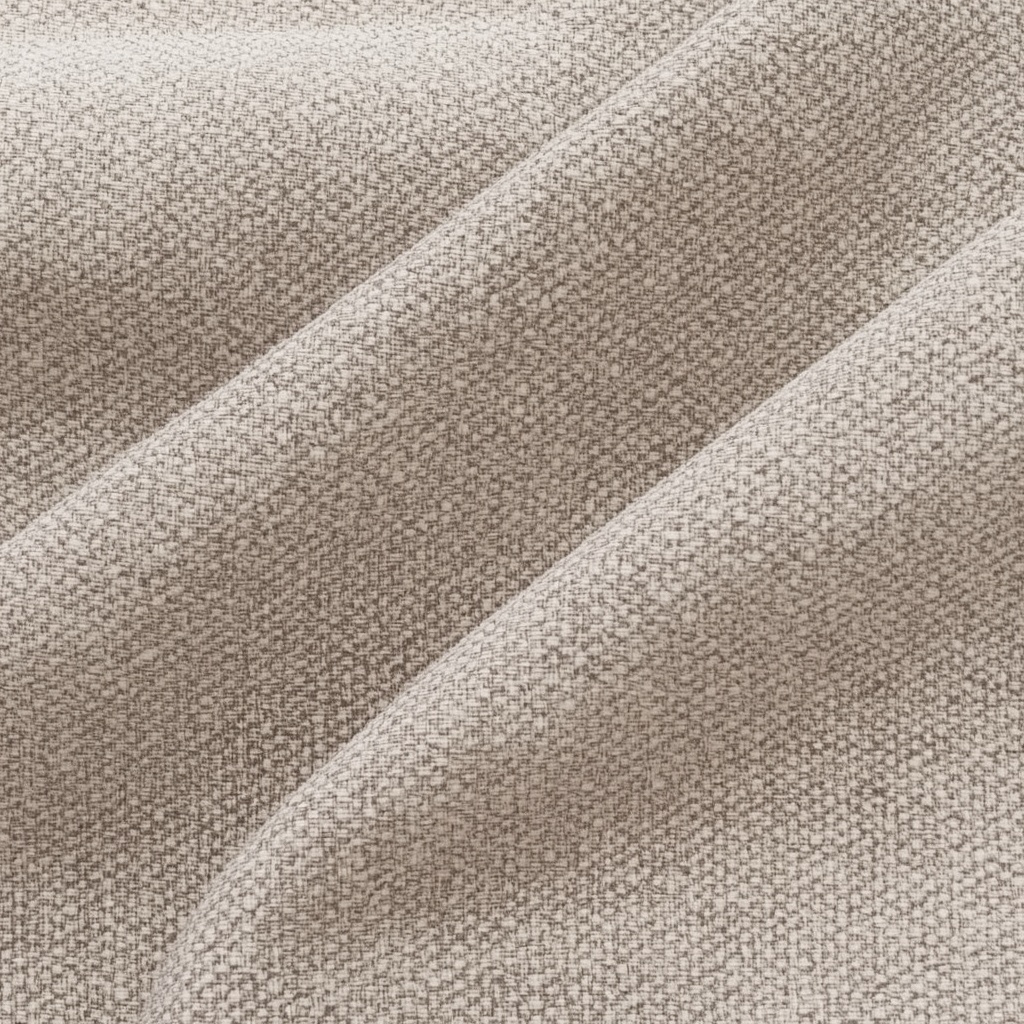
Crypton fabrics are treated at the fiber level, meaning the stain-, moisture-, and odor-resistance is baked into the material rather than sprayed on top — so it doesn’t wash off over time. Sunbrella fabrics use solution-dyed acrylic fibers, which resist fading from sunlight as well as spills, making them popular for sunrooms and homes with large windows.
Topical treatments like Scotchgard can be reapplied to any fabric for added protection, but they wear off with cleaning and foot traffic and typically need reapplication every year or two. When comparing options, ask specifically whether the stain resistance is engineered into the fiber or the finish — it changes how long the protection actually lasts.
Maintenance Tips to Extend Fabric Life
Even the toughest performance fabric benefits from a little routine care. A consistent maintenance habit can genuinely double the lifespan of your sofa.
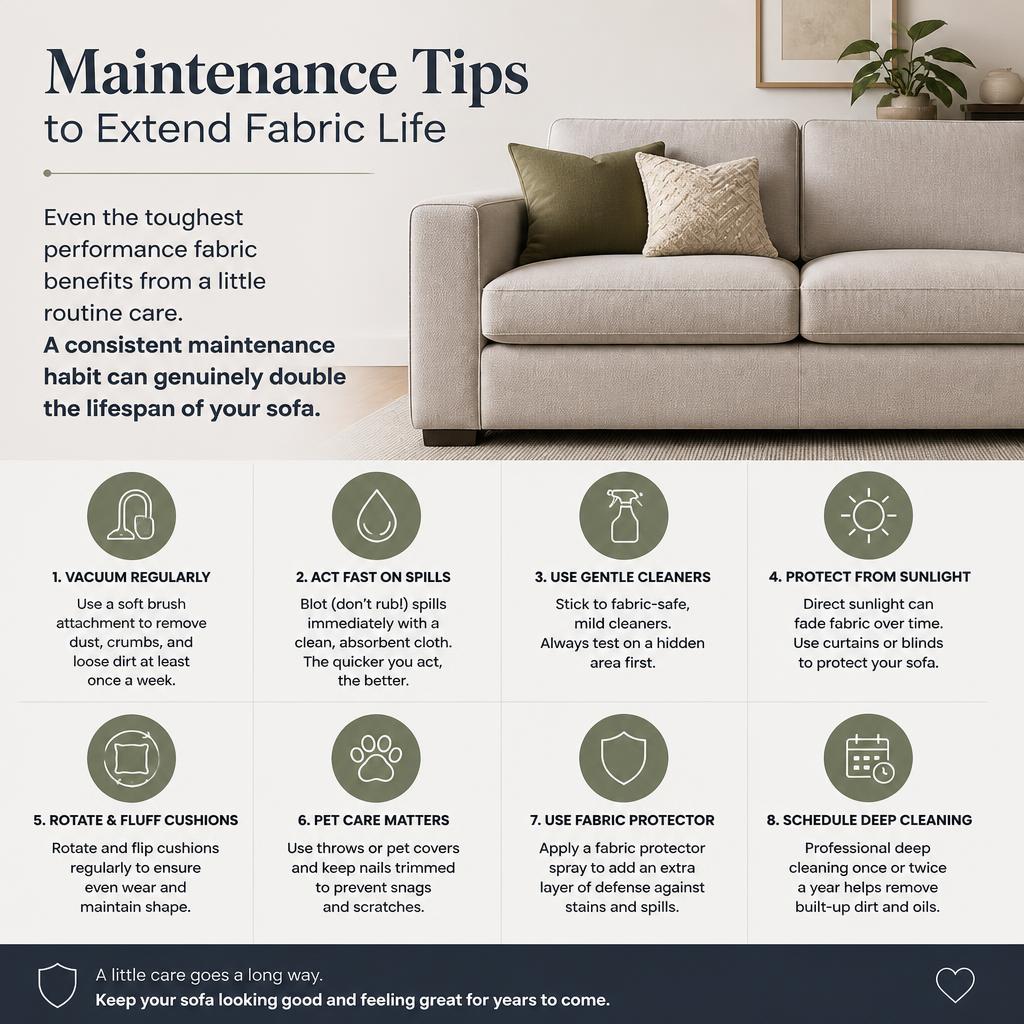
- Vacuum weekly using an upholstery attachment to lift embedded pet hair and crumbs before they set in.
- Blot spills immediately with a clean cloth — never rub, which pushes stains deeper into the weave.
- Rotate and flip cushions monthly to distribute wear evenly across the sofa.
- Use a fabric-safe cleaner recommended by the manufacturer, and always spot-test in a hidden area first.
- Add a washable slipcover or throw over high-traffic sections like arm rests and the seat where kids climb most.
Pro Tip: Check the fabric’s cleaning code, usually found on a tag under the cushions. “W” means water-based cleaners are safe, “S” means solvent-based only, “WS” allows either, and “X” means vacuum only — using the wrong cleaner can permanently discolor or damage the fabric.
Budget Considerations: Getting Durability Without Overspending
Performance fabric doesn’t have to mean a premium price tag. Mid-range microfiber and treated polyester blends now rival much pricier options in stain resistance, and many retailers offer performance-grade fabric upgrades for a modest add-on cost rather than a full custom order.
If budget is tight, prioritize spending on the seat cushions and arms, since those areas take the most abuse from kids and pets. A washable slipcover on a budget-friendly frame can outperform an expensive, non-treated fabric sofa in day-to-day livability, especially in the first few high-mess years of raising toddlers or puppies.
Natural vs. Synthetic Fibers: Which Holds Up Better?
One question I hear constantly is whether natural fibers are automatically “better” than synthetics. When it comes to families with kids and pets, the answer usually surprises people: synthetics often win on durability, even though natural fibers win on breathability and feel.
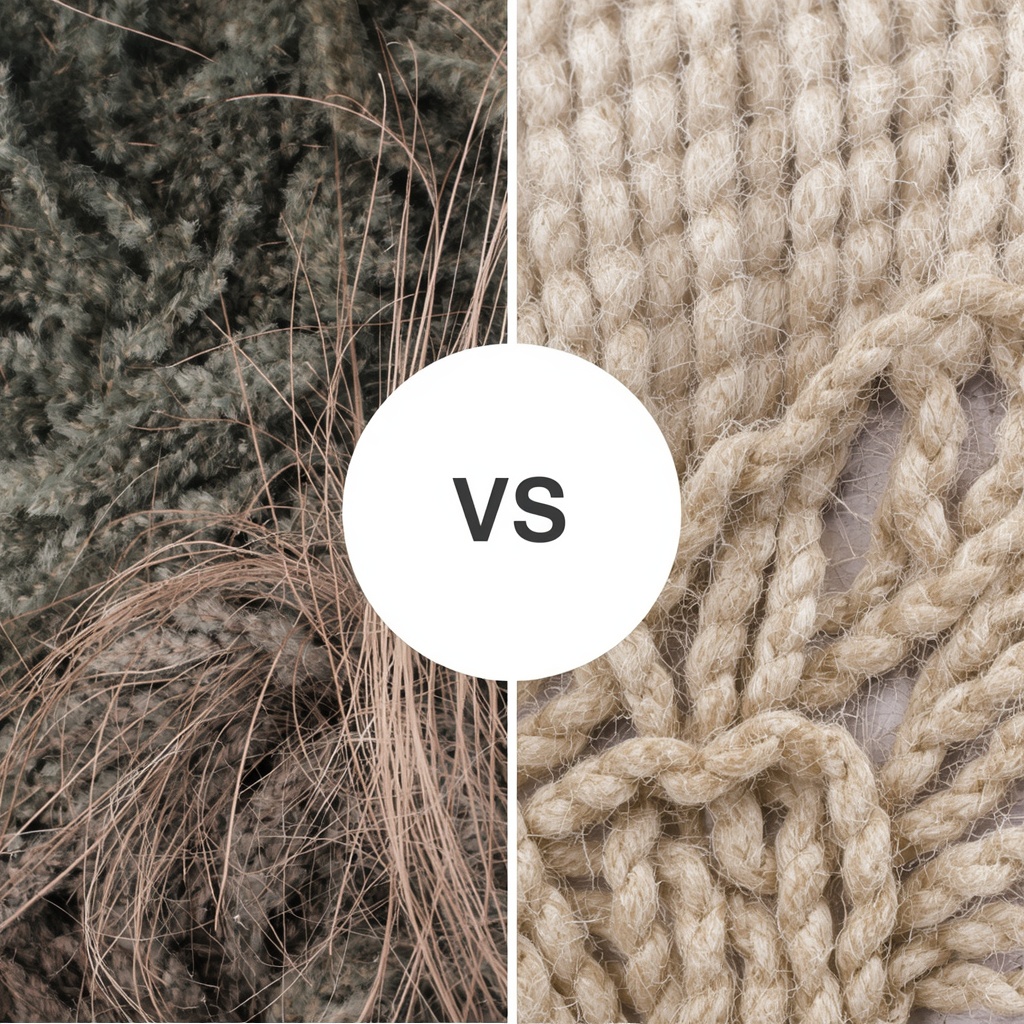
Natural fibers like cotton, linen, and wool have a soft hand-feel and breathe well in warm climates, but most absorb liquid quickly, which means stains set before you can blot them out. Synthetic fibers like polyester, olefin, and nylon blends are engineered to resist moisture absorption, so spills sit on the surface longer, giving you precious extra seconds to clean them up before they become permanent.
That doesn’t mean natural fibers are off the table entirely. A tightly woven, treated cotton-poly blend can perform nearly as well as pure synthetic while still feeling soft and breathable against skin — a good compromise for households that want durability without a plasticky feel.
Pro Tip: Look for fabric blends listed as “solution-dyed” rather than “piece-dyed.” Solution-dyed fibers have color woven through the entire strand, so scrubbing a stain or exposing the fabric to sunlight won’t fade or lighten the color the way surface-dyed fabrics can.
How to Test a Fabric Before You Buy
Swatches are small, but they tell you a lot if you know what to look for. Before committing to a full sofa order, request a fabric sample and put it through a mini stress test at home.
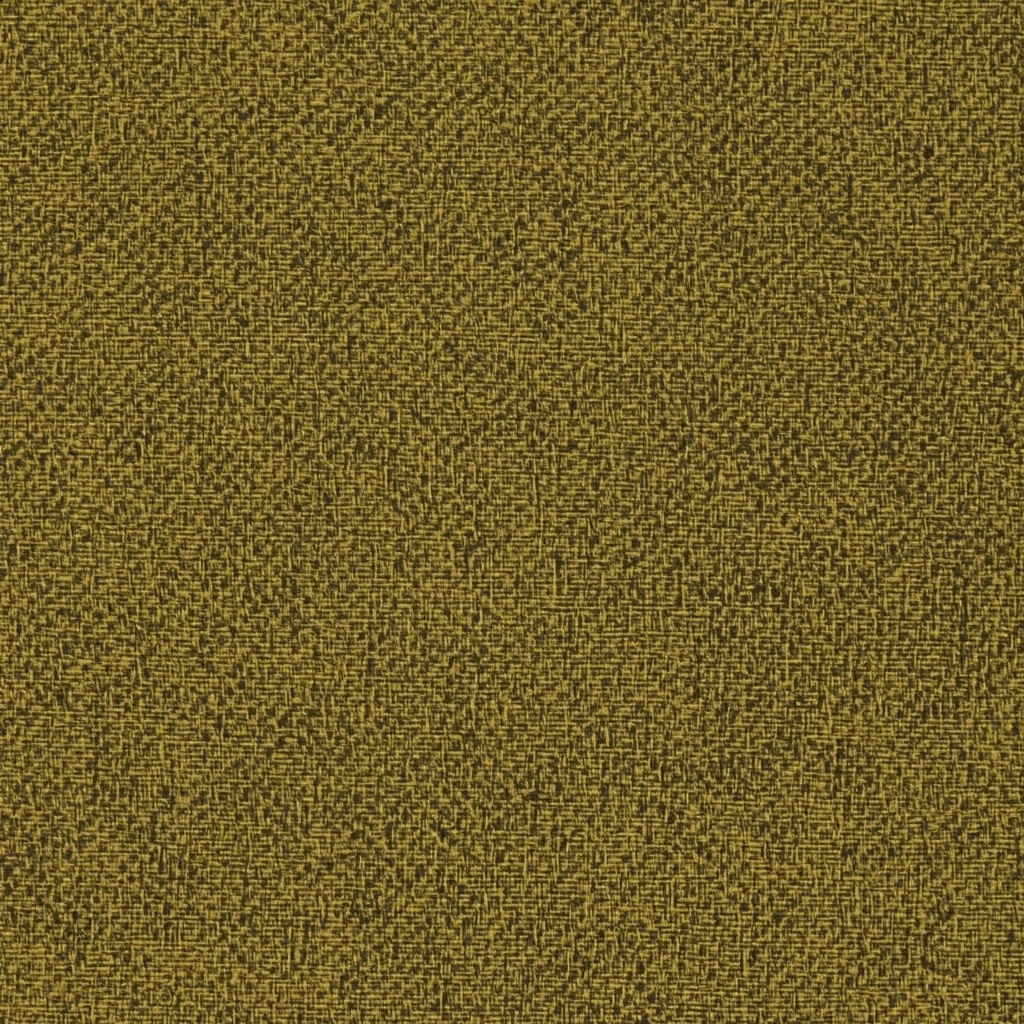
Rub the swatch firmly with your fingernail or a house key to simulate light scratching from claws or toys, and check whether it snags, pills, or shows visible marks. Then place a small drop of water, a dab of ketchup, and a bit of washable marker on the swatch, let each sit for two minutes, and blot with a damp cloth to see how easily each mark lifts.
This five-minute test reveals more about real-world performance than any marketing claim on a tag. If a swatch pills after light scratching or holds onto ketchup after blotting, imagine how it will look after two years of actual kids and pets using the sofa daily.
| Test | What to Look For | Pass/Fail Signal |
|---|---|---|
| Fingernail scratch | Snagging, pulled threads | Fail if loops or threads pull loose |
| Water drop (2 min) | Absorption speed | Fail if water soaks in immediately |
| Ketchup or juice dab | Staining after blotting | Fail if color residue remains |
| Marker test | Ink transfer and removal | Fail if ink smears into surrounding fibers |
| Pet hair rub | Hair pickup and release | Fail if hair embeds and won’t lift out |
Sofa Construction Matters as Much as Fabric
Fabric gets most of the attention, but the frame and cushion fill underneath play a huge role in how well a family sofa holds up. A stunning performance fabric stretched over a weak frame will still sag, squeak, and wear unevenly within a few years.
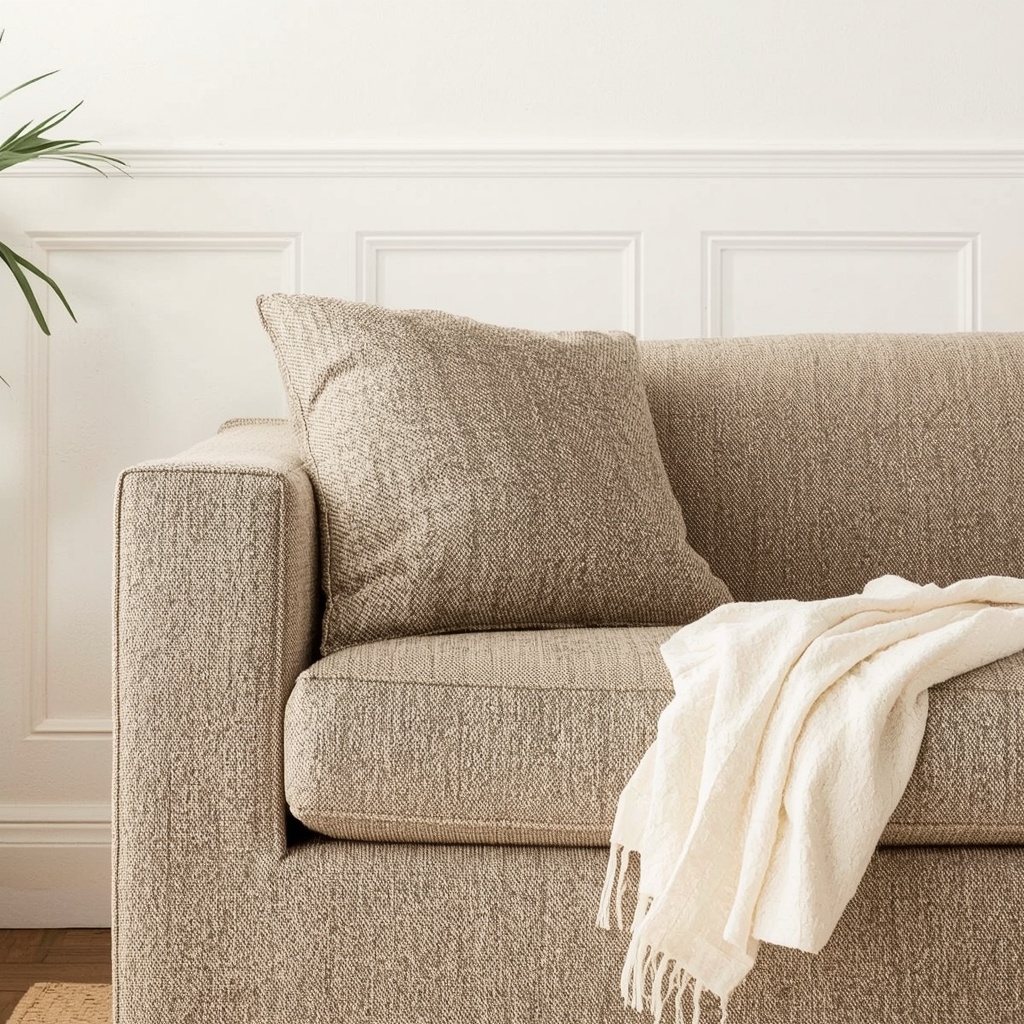
Look for a kiln-dried hardwood frame, which resists warping better than softwood or particleboard frames commonly used in budget furniture. High-resiliency foam or a foam-and-down blend cushion holds its shape under repeated jumping and bouncing far better than low-density foam, which flattens permanently within a year or two of daily kid use.
Pro Tip: Ask about removable, zippered cushion covers, even on a non-slipcovered sofa. Being able to unzip and spot-clean or machine-wash individual cushion covers dramatically extends the usable life of the entire piece, especially for the seat cushions that see the most direct contact.
Seasonal and Regional Considerations
Climate plays a bigger role in fabric choice than most people expect. Humid regions accelerate mildew growth on natural fibers and can trap pet odors in loosely woven fabrics, while sun-drenched rooms fade any fabric that isn’t solution-dyed or UV-treated.
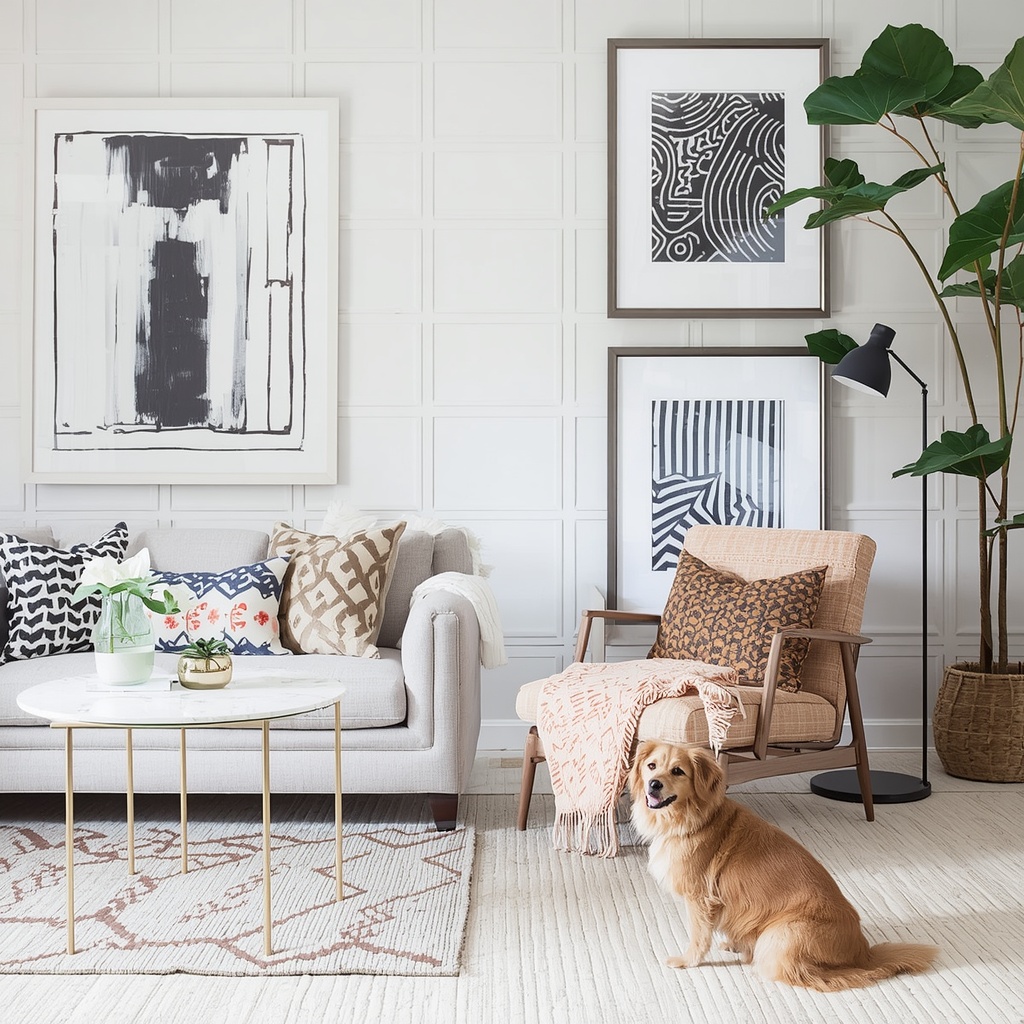
In warmer, humid climates, prioritize breathable performance fabrics over leather, which can feel sticky and trap heat during summer months. In colder climates with dry heat and static, tightly woven fabrics or leather resist pet hair cling better than looser knits, which act like a magnet for static-charged fur in winter.
If your living room gets strong afternoon sun, ask specifically about UV-resistant or outdoor-grade indoor fabrics such as Sunbrella, which were originally developed for marine and patio use and now come in refined, living-room-appropriate textures and colors.
Frequently Asked Questions
Is leather or fabric better for homes with pets? Leather and faux leather wipe clean almost instantly and don’t trap hair, but they can show claw scratches more visibly than a tightly woven fabric. Performance fabric is often the better middle ground for households with both cats and dogs.
What’s the most stain-resistant sofa fabric overall? Crypton and Sunbrella-branded performance fabrics consistently rank highest in independent stain and moisture testing, since the resistance is built into the fiber rather than applied as a coating.
Do I need a slipcover if I already have performance fabric? Not necessarily, but a machine-washable slipcover adds an extra layer of protection and is useful during particularly messy phases, like potty training a puppy or a toddler’s picky-eater years.
How often should I professionally clean a family sofa? Most designers recommend a deep clean every 12–18 months for performance fabric, and every 6–12 months for natural fibers or lighter colors that show wear faster.
Final Thoughts
Choosing a sofa fabric for a home with kids and pets isn’t about sacrificing style for practicality — it’s about being strategic. Performance fabrics, mid-tone colors, and fiber-level treatments now let families have both a beautiful living room and a sofa that survives real life.
Before you buy, always check the rub count, ask about the stain treatment, and picture the fabric after a year of actual use, not just how it looks under showroom lighting. Related reading on our site: How to Deep Clean a Fabric Sofa and Best Pet-Friendly Rugs for High-Traffic Homes can help you build out the rest of a durable, family-ready living room.