
If you’ve been scrolling design inspiration boards and feeling overwhelmed by bold, color-drenched accent walls, you’re not alone. Not every home — or every homeowner — wants a fire-engine-red statement wall shouting for attention. Sometimes the most sophisticated design choice is the quiet one.
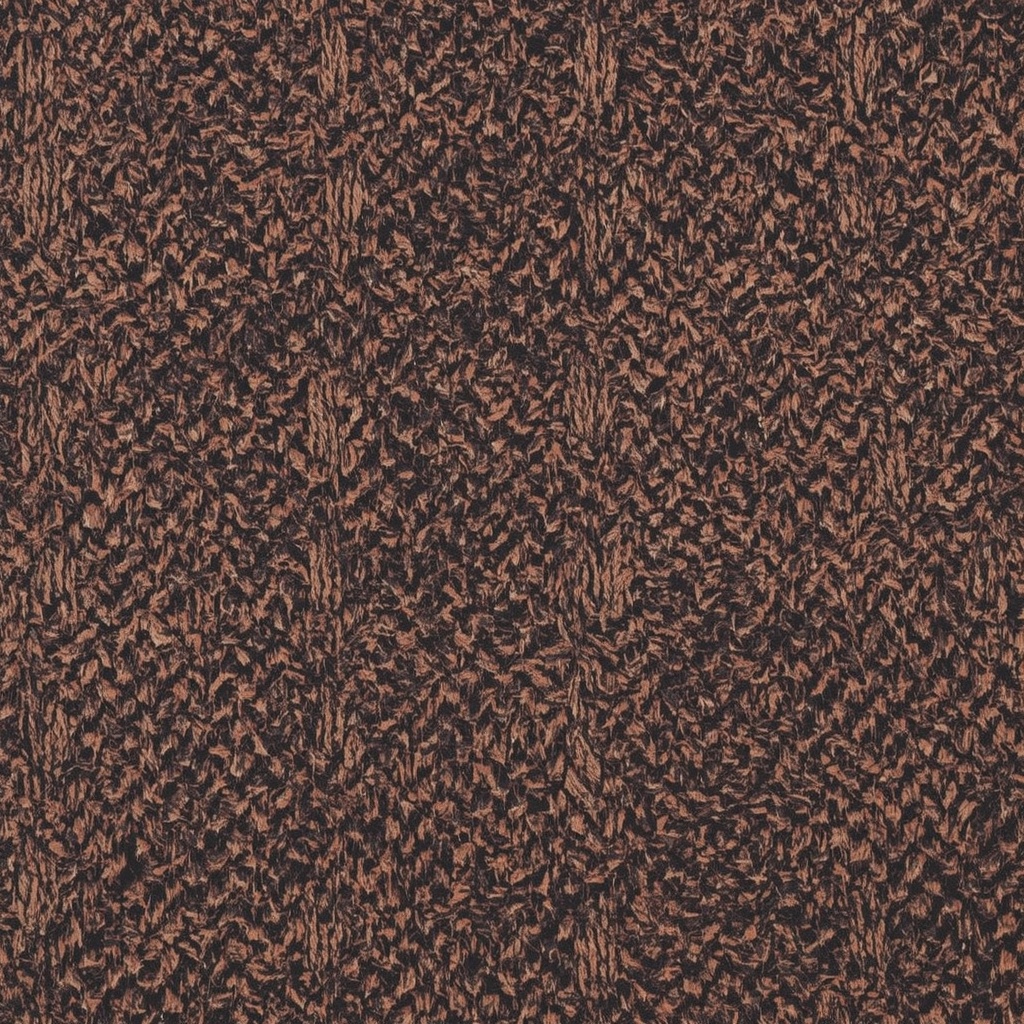
That’s where textured wallpaper comes in. As an interior designer who works with homeowners across the country, I’ve watched textured wallpaper quietly become one of the most requested accent wall solutions of the last few years. It delivers depth, warmth, and dimension without screaming for attention, making it the perfect middle ground between a plain painted wall and a loud pattern clash.
In this guide, we’ll walk through exactly why textured wallpaper works so well as a subtle accent wall, how to choose the right style for your space, and practical tips for installation and upkeep — all from a design-first, budget-conscious perspective.
What Makes Textured Wallpaper Different From Regular Wallpaper?
Textured wallpaper isn’t just printed with a pattern — it’s engineered with a raised, tactile surface that catches and reflects light differently than a flat wall. Think grasscloth, embossed vinyl, faux plaster, linen weave, or 3D geometric panels. Instead of relying on bright colors or busy prints, texture creates visual interest through shadow, dimension, and touch.
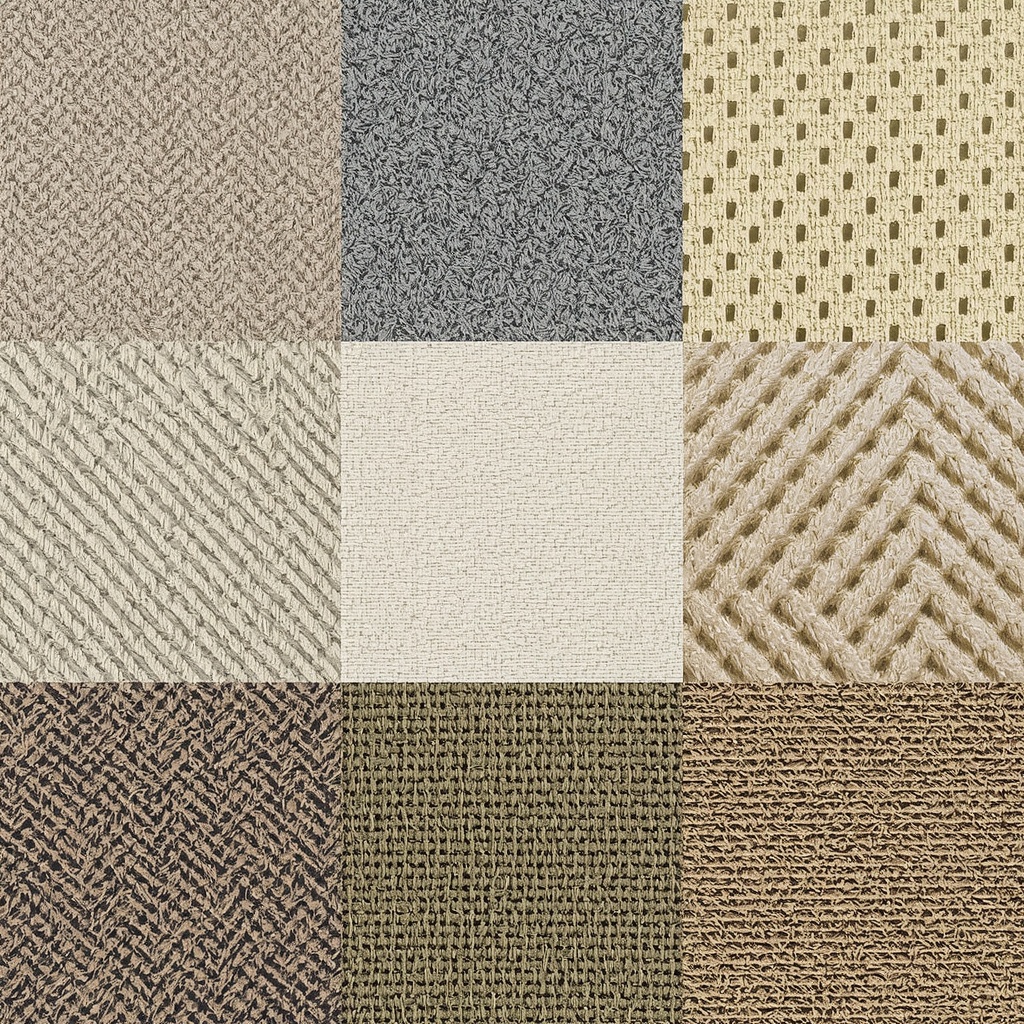
This distinction matters because texture reads as sophisticated rather than trendy. A floral print might feel dated in five years, but a subtly textured neutral wall tends to age gracefully, much like a tailored linen sofa or a natural wood floor.
Why Textured Wallpaper Works So Well as an Accent Wall
It Adds Depth Without Adding Noise

Traditional accent walls typically rely on saturated color or bold pattern to draw the eye. Textured wallpaper takes a different approach entirely. It creates dimension through shadow play and tactile variation rather than visual contrast, which means the wall feels intentional and layered without ever competing with your furniture, art, or lighting fixtures.
This is especially valuable in open-concept homes, where a loud accent wall in one zone can visually clash with a neighboring room. A neutral, textured wall reads as cohesive from every angle, letting the architecture and furnishings take center stage while the wall quietly does the heavy lifting.
It Suits Nearly Every Design Style
One of the biggest advantages of textured wallpaper is its versatility. Whether your home leans modern farmhouse, coastal minimalist, mid-century, or transitional, there’s a texture that complements it.
| Design Style | Recommended Texture | Why It Works |
|---|---|---|
| Modern Farmhouse | Faux shiplap, linen weave | Adds warmth without heaviness |
| Coastal / Minimalist | Grasscloth, woven rattan | Organic, breezy, understated |
| Mid-Century Modern | Geometric embossed vinyl | Adds retro dimension subtly |
| Traditional | Faux plaster, damask embossing | Classic elegance, timeless feel |
| Industrial | Concrete-look, metallic fleck | Edgy texture without loud pattern |
“Texture is the whisper of a room — it doesn’t announce itself, but you feel its presence the moment you walk in.” This is a principle I return to with nearly every client who’s hesitant about committing to a bold accent wall.
It’s More Forgiving Than Paint or Pattern
Textured wallpaper is remarkably good at hiding minor wall imperfections — hairline cracks, uneven drywall seams, or slightly bowed surfaces. Unlike a glossy paint finish that highlights every flaw under raking light, texture actually disguises them by breaking up the light reflection across the surface.

This makes it a smart choice for older homes or rental-friendly renovations where perfectly smooth walls aren’t always guaranteed. It’s also more forgiving of everyday wear, since small scuffs and marks are far less visible on a textured surface than on a flat matte or eggshell paint.
Semantic Benefits: Texture, Depth, and Visual Balance
When designers talk about “visual weight” in a room, they’re really talking about how the eye distributes attention. A heavily patterned or brightly colored wall pulls focus immediately, which can be a great choice for a bold, maximalist room — but it can also overwhelm a space meant to feel calm.
Textured wallpaper introduces what’s called tonal contrast rather than color contrast. This means the wall still stands out from its surroundings, but through subtle shifts in light and shadow instead of stark color difference. The result is a room that feels layered and considered, not decorated in a single sweeping gesture.
Choosing the Right Texture for Your Room
Not every texture belongs in every room. Humidity, lighting, and traffic levels all play a role in which wallpaper texture will perform — and look — its best.
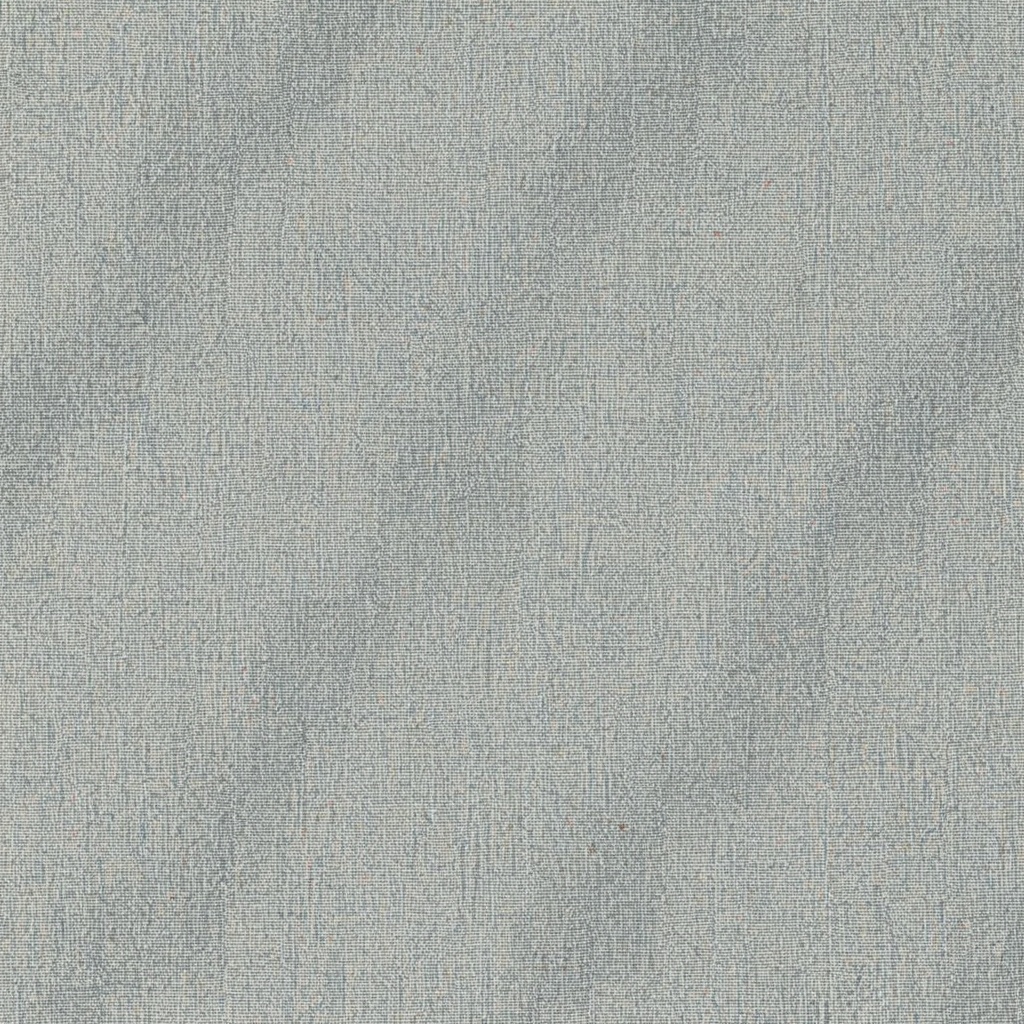
- Living rooms: Grasscloth or linen-weave wallpaper adds natural warmth and works beautifully behind a media console or fireplace.
- Bedrooms: Soft, low-sheen textures like faux suede or subtle embossed vinyl create a cocoon-like, restful feel.
- Dining rooms: Faux plaster or metallic-flecked textures catch candlelight and pendant lighting beautifully.
- Home offices: Geometric or grasscloth textures add sophistication without becoming distracting during video calls.
- Bathrooms and kitchens: Stick to vinyl-coated or moisture-resistant textured wallpaper, since grasscloth and natural fiber options can warp in humidity.
Quick Room Compatibility Table
| Room | Best Texture Type | Avoid |
|---|---|---|
| Living Room | Grasscloth, linen weave | Heavy embossed metallics (can feel formal) |
| Bedroom | Faux suede, soft weave | High-gloss textures (too reflective for rest) |
| Bathroom | Vinyl-coated textured paper | Natural grasscloth (moisture damage) |
| Home Office | Geometric embossed | Overly busy 3D panels (visually distracting) |
| Entryway | Faux plaster, subtle fleck | Delicate natural fibers (high traffic wear) |
Pro Tip
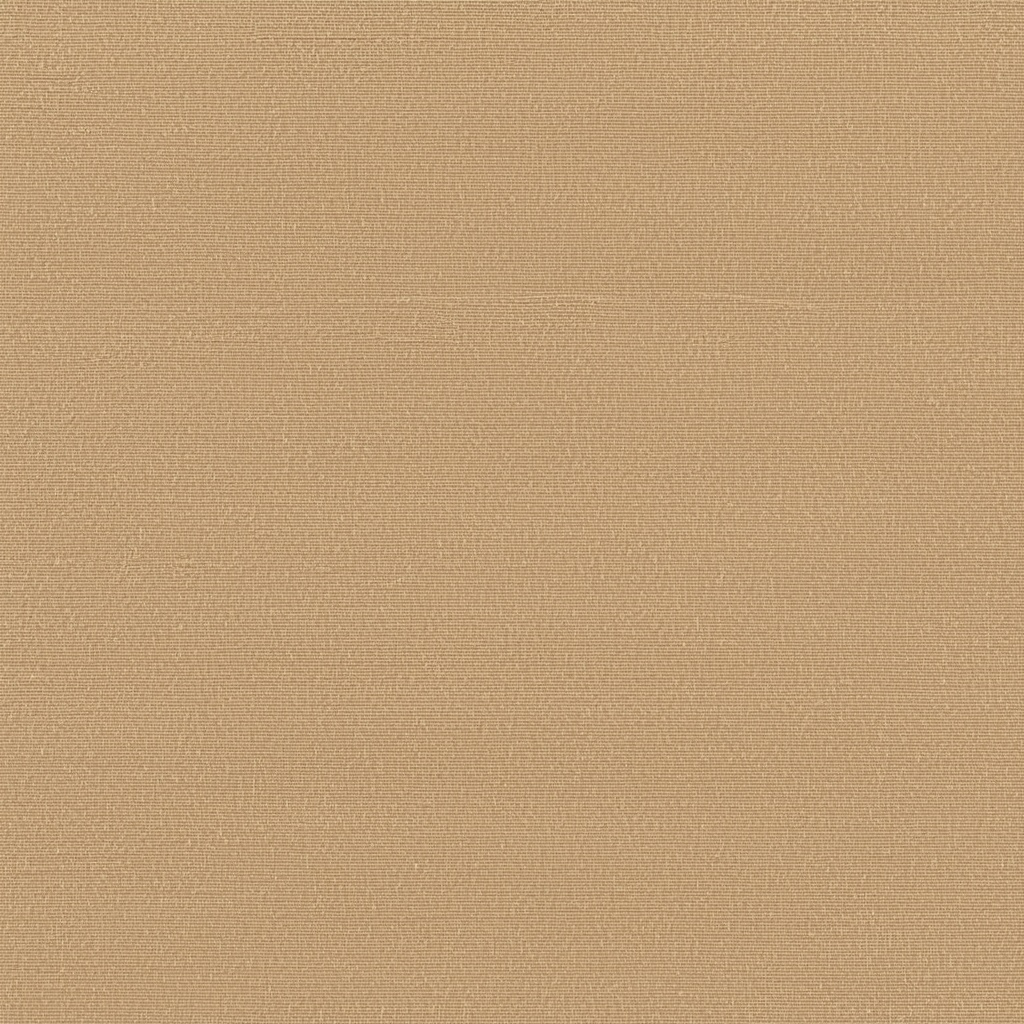
Pro Tip: Before committing to a full wall, order a sample swatch and tape it to the wall for at least 48 hours. Watch how it looks in morning light, afternoon light, and under your evening lamps. Texture reads very differently depending on light temperature and angle, and a wallpaper that looks stunning in a showroom can feel flat — or overly busy — in your actual space.
Neutral Doesn’t Mean Boring: Color Pairing Tips
Textured wallpaper shines brightest in neutral, tonal palettes — but “neutral” doesn’t mean lifeless. The key is to let texture do the work while color stays quiet and supportive.
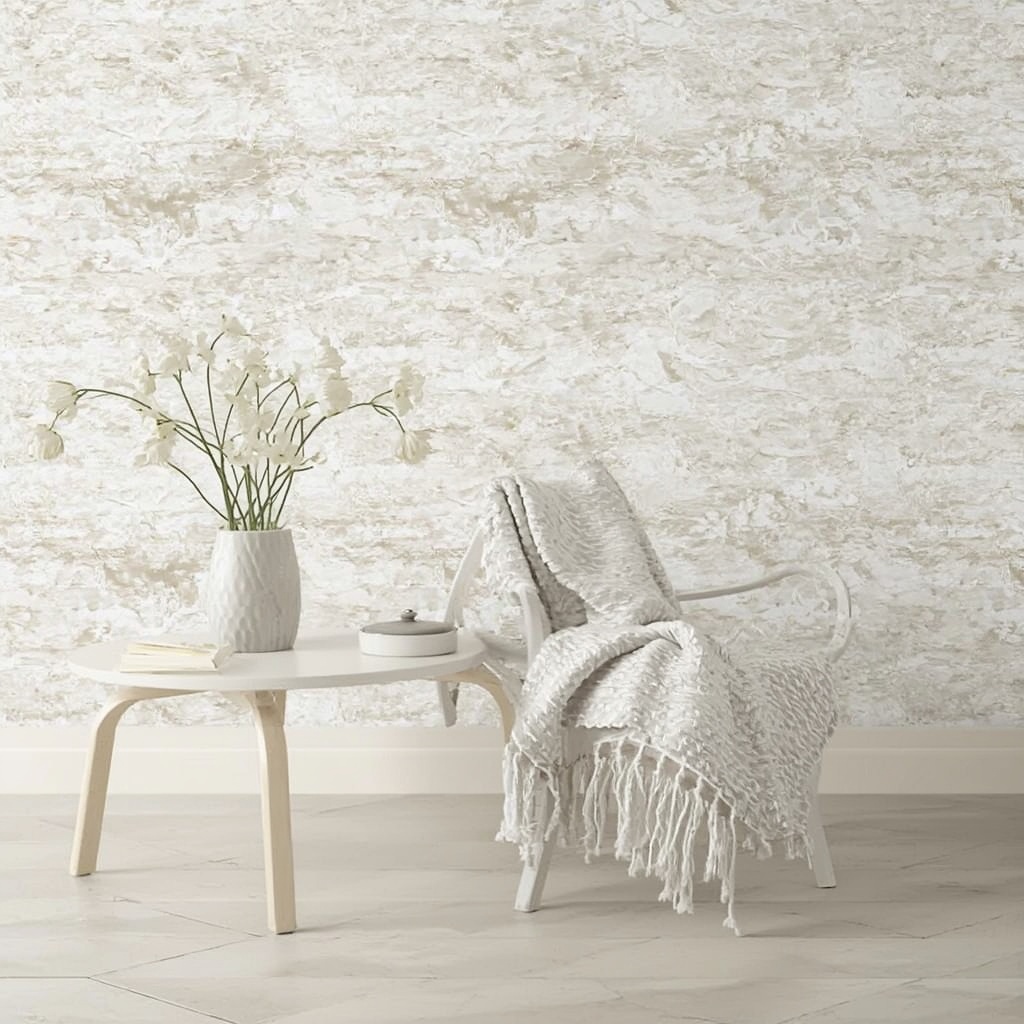
- Stick to a tone-on-tone palette (like warm white on warm white, or greige on greige) to keep the emphasis on texture rather than contrast.
- Introduce one deeper accent color through pillows, art, or a single furniture piece to ground the room.
- Use metallic or matte finishes strategically — a soft gold fleck can add glow without becoming glam-heavy.
- Balance the textured wall with smooth, simple furnishings so the eye has a place to rest.
- Avoid pairing two competing textures (like a heavily textured wall with a heavily textured rug) in the same sightline.
Step-by-Step: Planning Your Textured Accent Wall
- Choose your focal wall. Typically the wall behind a bed headboard, sofa, or fireplace works best, since it naturally draws the eye without needing to compete on all four sides.
- Select a texture that matches your room’s function and humidity level.
- Order samples and test under your actual lighting conditions.
- Prep the wall properly — textured wallpaper still requires a clean, primed surface for best adhesion.
- Hire a professional installer for grasscloth or natural fiber options, since these materials are less forgiving of installation errors than standard vinyl wallpaper.
- Style around it minimally at first, then layer in accessories once you’ve lived with the wall for a few weeks.
Cost Considerations
Textured wallpaper varies significantly in price depending on material and installation complexity. Here’s a general budgeting guide for U.S. homeowners:
| Texture Type | Average Cost Per Roll | Installation Difficulty |
|---|---|---|
| Vinyl embossed | $30–$60 | Easy (DIY-friendly) |
| Grasscloth | $80–$150 | Moderate to difficult |
| Faux plaster wallpaper | $50–$100 | Moderate |
| Metallic fleck vinyl | $60–$110 | Easy to moderate |
| Natural fiber weave | $90–$180 | Difficult (professional recommended) |
Keep in mind that natural fiber wallpapers like grasscloth typically require professional installation, which adds labor costs but significantly reduces the risk of seams, bubbling, or misalignment.
Maintenance and Longevity
Textured wallpaper generally holds up well over time, but a few habits will keep it looking sharp for years:
- Dust gently with a soft brush attachment every few weeks to prevent buildup in the texture grooves.
- Avoid direct sunlight exposure on natural fiber wallpapers, as prolonged UV exposure can cause fading.
- Spot-clean vinyl-coated textures with a barely damp cloth; avoid this method on grasscloth or natural fiber options.
- Address any peeling edges immediately with wallpaper adhesive to prevent moisture from getting underneath.
Common Mistakes to Avoid
Even a great design idea can go wrong with the wrong execution. Here are the most frequent missteps homeowners make with textured accent walls:
- Choosing a texture that’s too heavy for a small room, which can make the space feel closed in.
- Skipping the sample-and-test phase and being surprised by how the texture reads in real lighting.
- Pairing texture with texture (rug, drapery, and wall all competing) instead of letting one element lead.
- Using natural fiber wallpaper in high-humidity rooms like bathrooms without proper ventilation.
- Forgetting that textured wallpaper is harder to patch than paint, so wall prep matters more upfront.
Frequently Asked Questions
Is textured wallpaper hard to remove? It depends on the type. Vinyl-coated options are generally easier to strip than natural fiber wallpapers like grasscloth, which can be more labor-intensive to remove cleanly.
Can I install textured wallpaper myself? Vinyl and embossed varieties are often DIY-friendly, but natural fiber textures like grasscloth are best left to a professional installer for a seamless finish.
Does textured wallpaper work in small rooms? Yes, as long as you choose a subtle, low-relief texture and keep the palette light. Heavily embossed or dark textures can make a small room feel more enclosed.
How long does textured wallpaper typically last? With proper care, quality textured wallpaper can last 10–15 years, comparable to or longer than standard painted walls that need periodic refreshing.
Final Thoughts
Textured wallpaper proves that an accent wall doesn’t need to be loud to be effective. By working with light, shadow, and tactile depth instead of bold color or pattern, it creates a wall that feels curated and intentional — the kind of design choice that reads as quietly confident rather than trend-chasing.
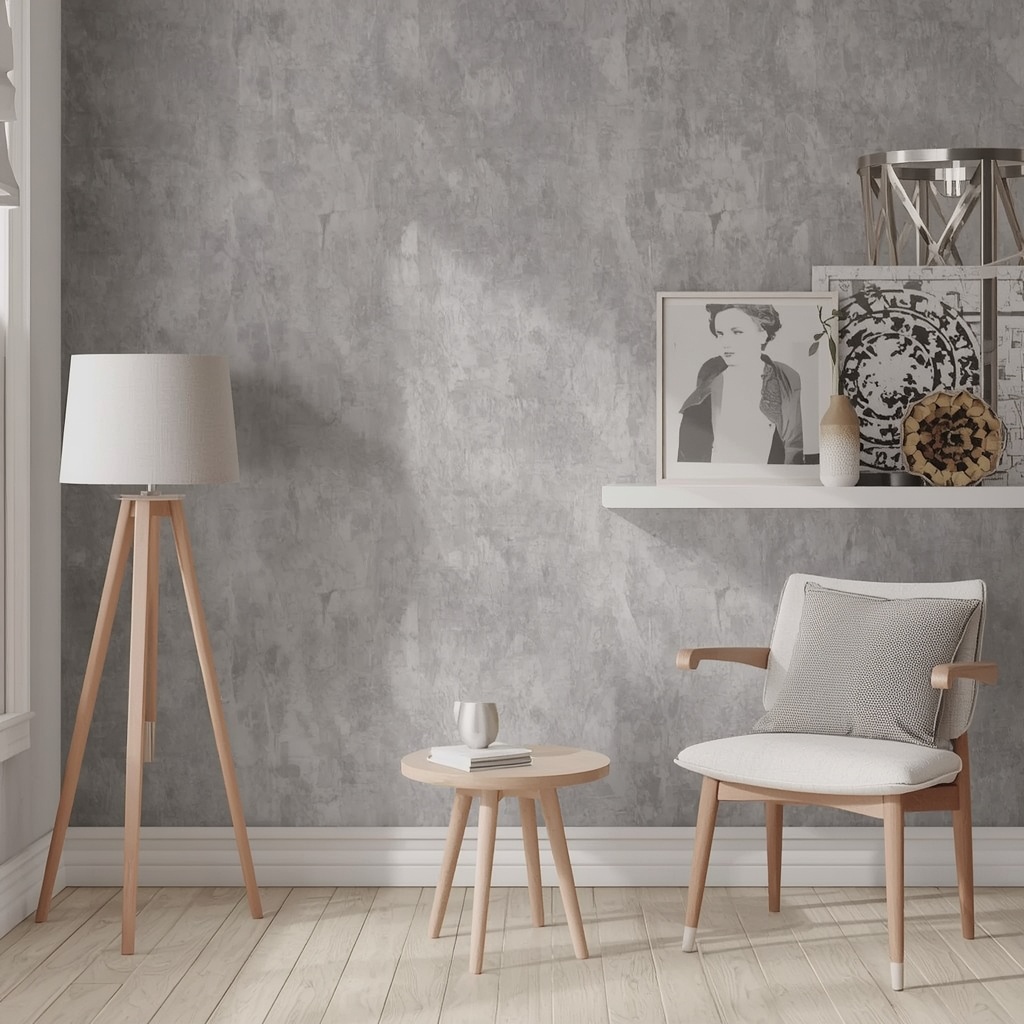
If you’ve been hesitant about committing to a statement wall, textured wallpaper offers a low-risk, high-impact way to bring dimension into your home. Start with a sample, test it in your actual lighting, and let the texture do what color alone often can’t: add depth without demanding attention.