
Raising kids and keeping a stylish living room used to feel like a contradiction. Building blocks under the coffee table, stuffed animals spilling off the sofa, and a rainbow of plastic toys competing with your carefully chosen decor — sound familiar?
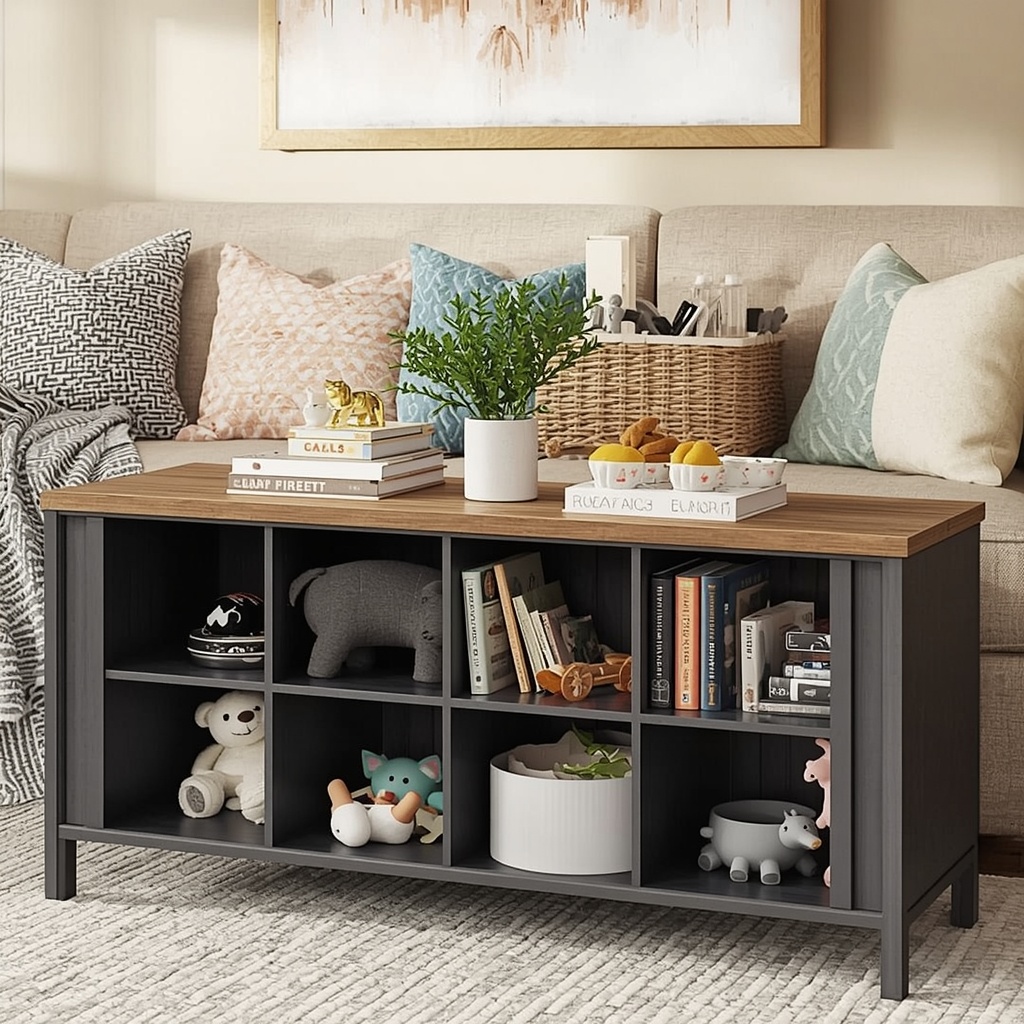
The good news is that modern interior design has caught up with real family life. With the right toy storage ideas, you can keep your living room looking clean, curated, and genuinely stylish, without banishing your kids’ favorite things to another room. This guide walks through practical, design-forward toy storage solutions that work for real families, in real homes, on a real budget.
Why Toy Storage Deserves a Design Strategy, Not Just a Bin
Most families default to grabbing whatever plastic bin fits, then hiding it in a corner. It works for about a week. Then the bin overflows, the kids stop using it, and the toys migrate back to the floor.
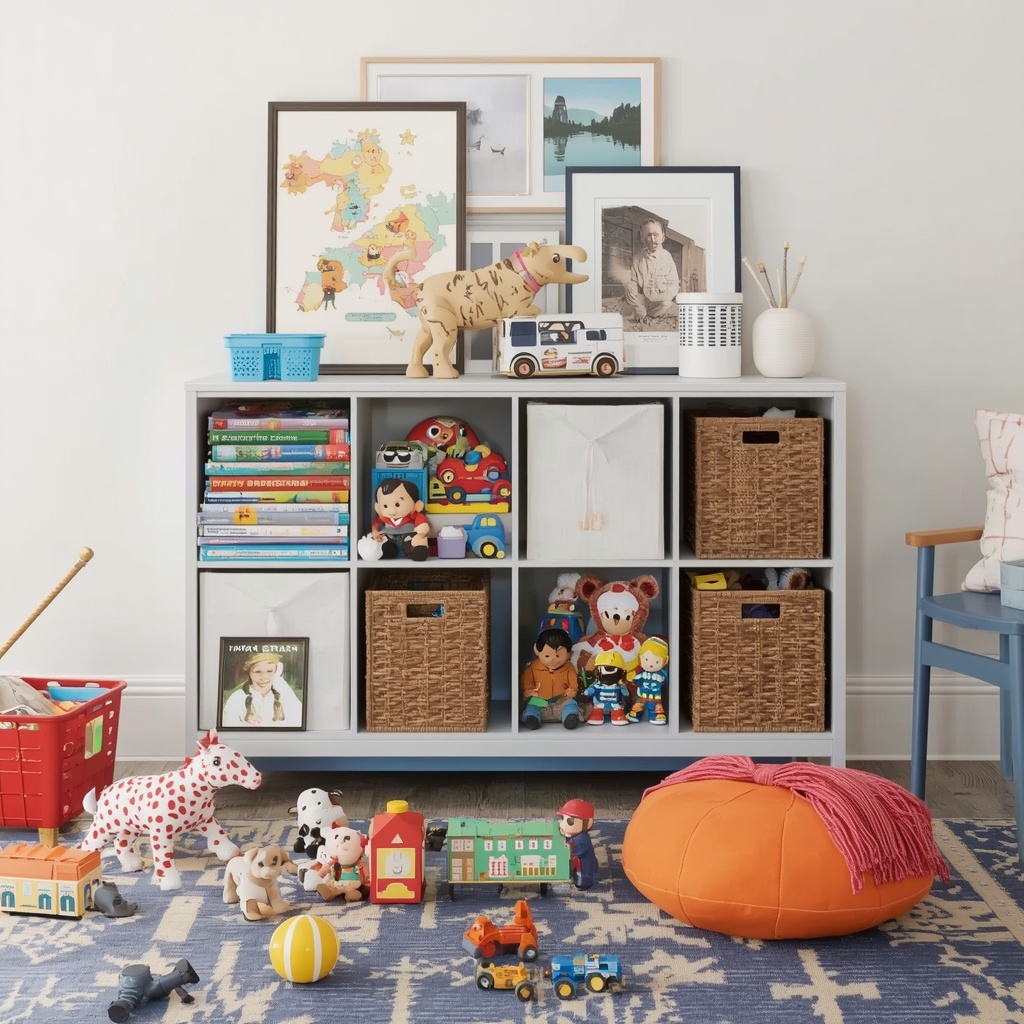
The real issue isn’t a lack of storage — it’s storage that doesn’t match how your family actually lives and decorates. When toy storage is treated as a design element instead of an afterthought, it becomes furniture your kids will actually use and your guests won’t notice as “kid clutter.” That shift in mindset is the foundation of every idea in this article.
“The best family homes don’t hide the fact that children live there — they design around it, so play and style share the same room without competing for attention.”
Core Design Principles for Kid-Friendly Living Rooms
Before jumping into specific products, it helps to understand the principles that make toy storage feel intentional rather than improvised. These apply whether you’re working with a small apartment living room or a sprawling family space.
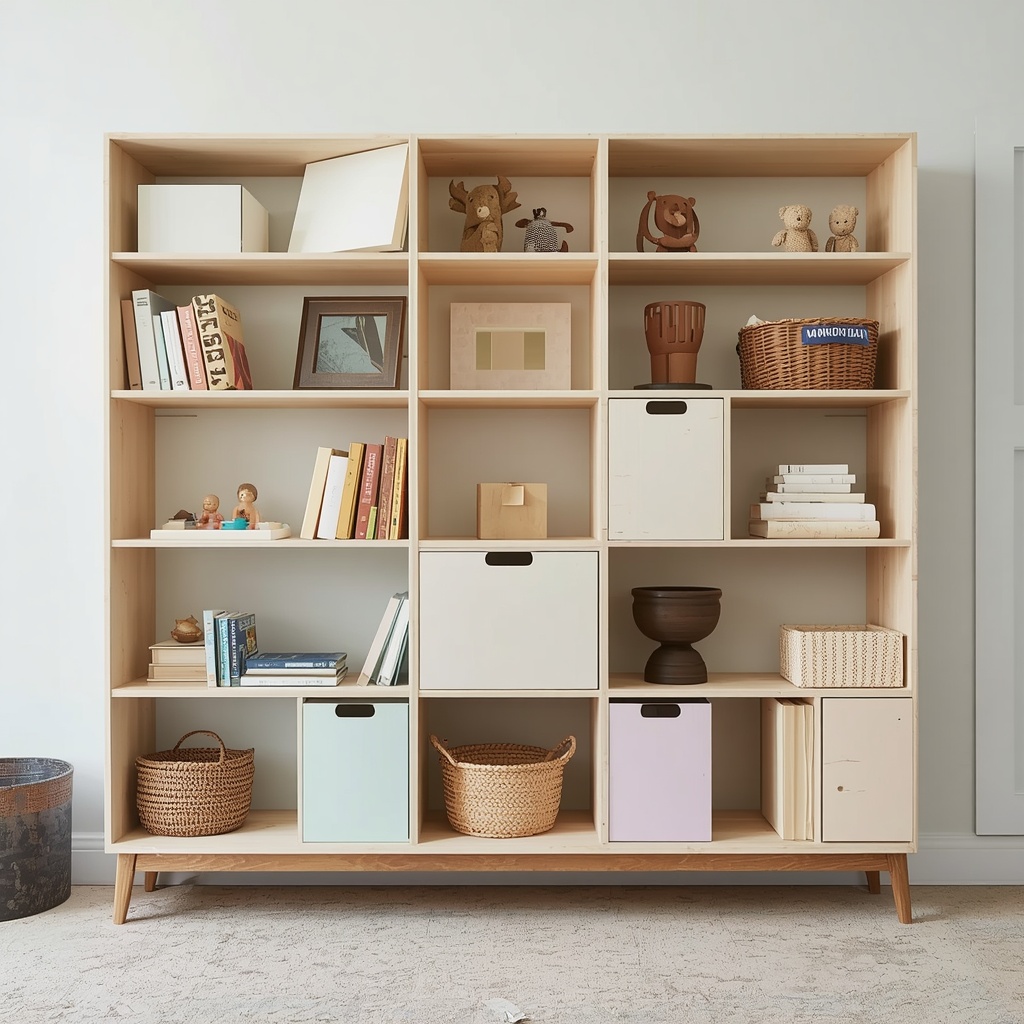
Good toy storage should disappear into your existing color palette, use the same materials and finishes as your other furniture, and offer a “closed” option for overflow along with an “open” option for daily favorites. It should also be low enough and light enough for children to access independently, which — as any parent will tell you — is the real secret to keeping a room tidy.
Semantic keywords to keep in mind as you shop and plan: multifunctional furniture, hidden storage furniture, open shelving, storage ottomans, closed cabinetry, Scandinavian-inspired decor, family-friendly living room, small-space organization, and neutral color palette.
Pro Tip
Choose toy storage in the same material family as your existing furniture — woven rattan next to a rattan coffee table, or matte wood next to a wood console. Matching materials trick the eye into seeing “furniture,” not “toy bin.”
1. Multifunctional Furniture: Storage That Doubles as Seating
Furniture that pulls double duty is the single most effective toy storage idea for modern living rooms. It solves two problems at once — extra seating for movie nights and a home for toys that’s within arm’s reach of the play area.
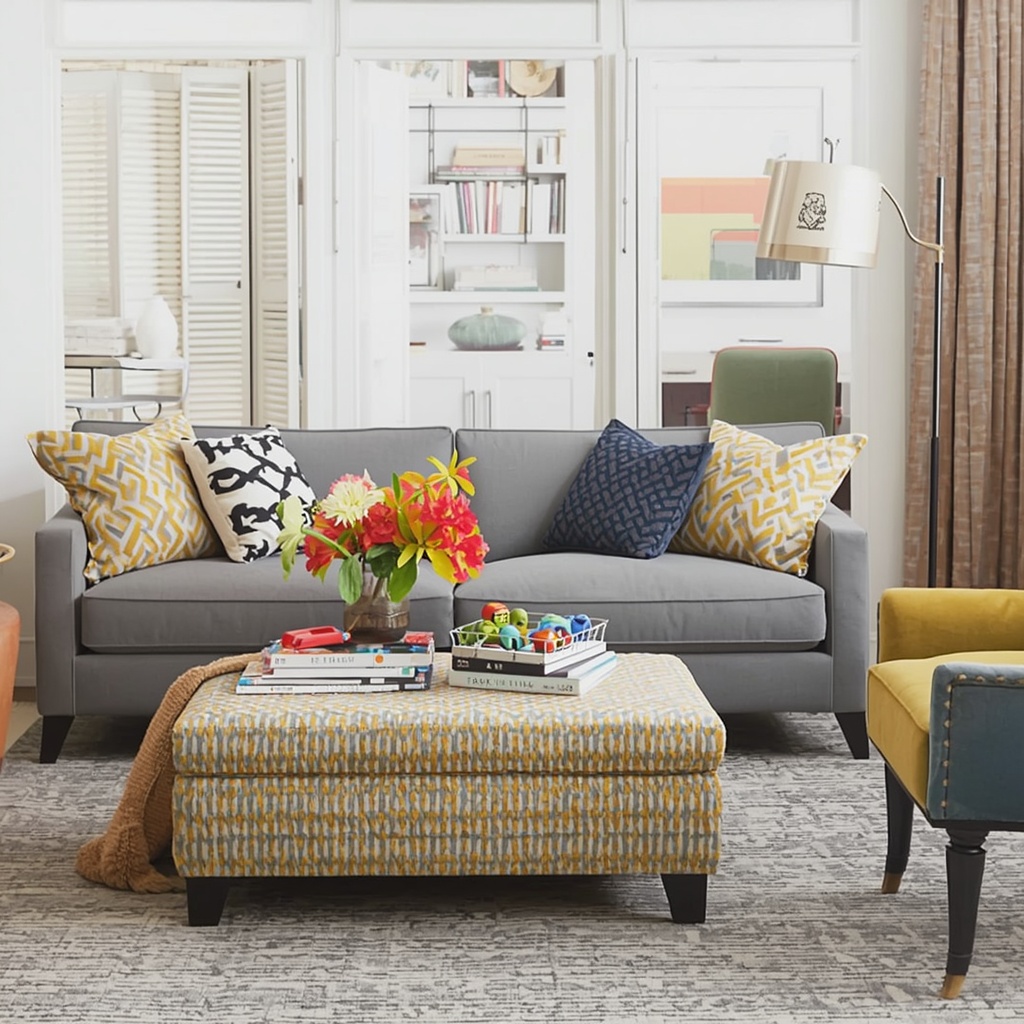
Storage ottomans are the easiest entry point. Choose one upholstered in a durable, stain-resistant fabric like performance velvet or boucle, and it reads as a design statement rather than a compromise. Storage benches at the end of a sofa or under a window work the same way, adding architectural interest while swallowing an impressive volume of toys.
| Furniture Type | Best For | Style Pairing | Toy Capacity |
|---|---|---|---|
| Storage ottoman | Coffee table replacement, extra seating | Boho, transitional, mid-century | Medium |
| Storage bench | Entryway-adjacent living rooms, window nooks | Scandinavian, farmhouse, coastal | Medium-High |
| Lift-top coffee table | Open-plan living rooms | Modern, minimalist | High |
| Nesting side tables with bins | Small apartments | Contemporary, eclectic | Low-Medium |
2. Closed Cabinetry for a Streamlined Look
If you want your living room to photograph like a design magazine spread, closed cabinetry is non-negotiable. A low media console or sideboard with solid doors (rather than open cubbies) hides toys completely while doubling as a TV stand or display surface for decor.
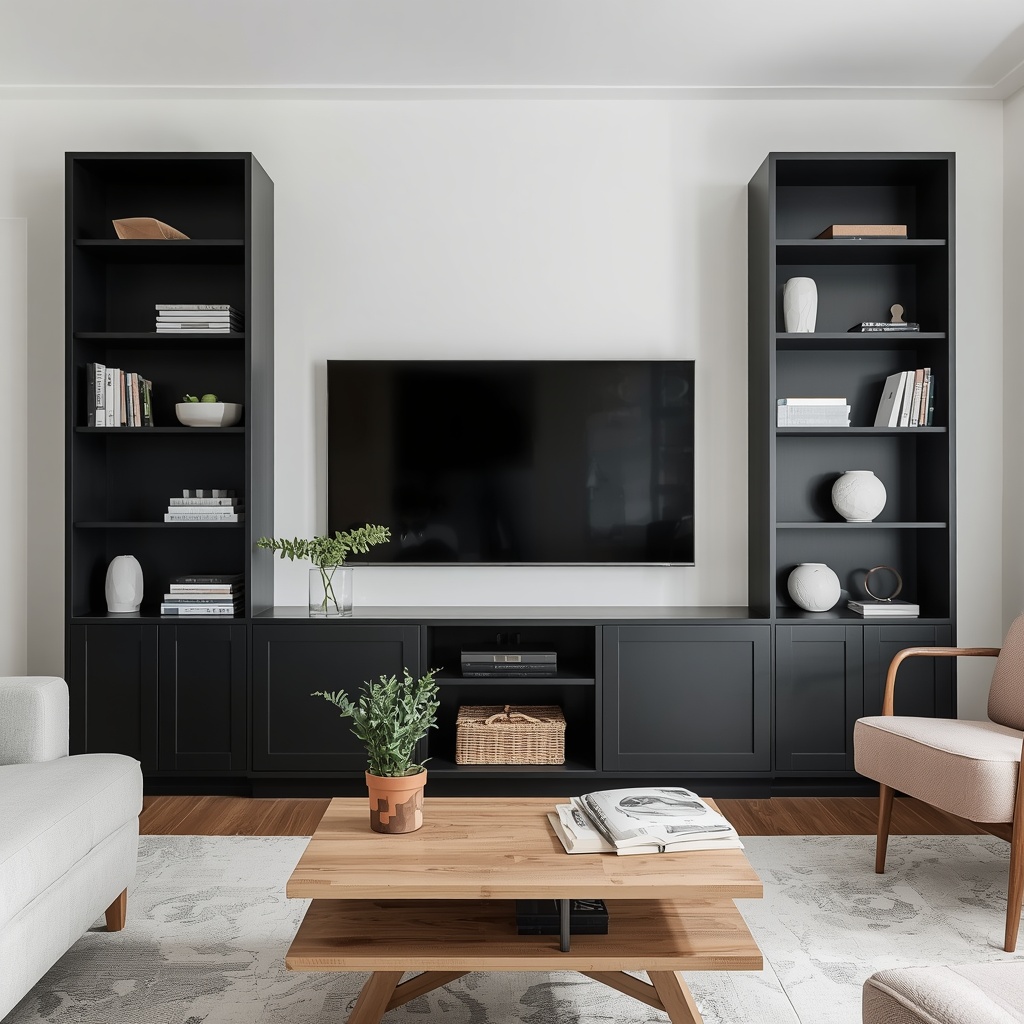
The trick is choosing cabinetry with enough depth and shelving flexibility to handle bulky items like building sets or dollhouses. Look for adjustable interior shelves so you can reconfigure the space as your kids’ toy collection evolves. A console in a warm wood tone or matte black finish will anchor the room visually, drawing the eye away from what’s stored inside.
Pro Tip
Add soft-close hinges to any cabinet doors used for toy storage. It prevents little fingers from getting pinched and keeps the room quieter during high-energy play sessions.
3. Open Shelving Styled Like a Boutique Display
Not every toy needs to be hidden. Open shelving lets you display a curated rotation of favorite toys — wooden blocks, board books, a few beloved stuffed animals — the same way you’d style a bookshelf with decor objects.
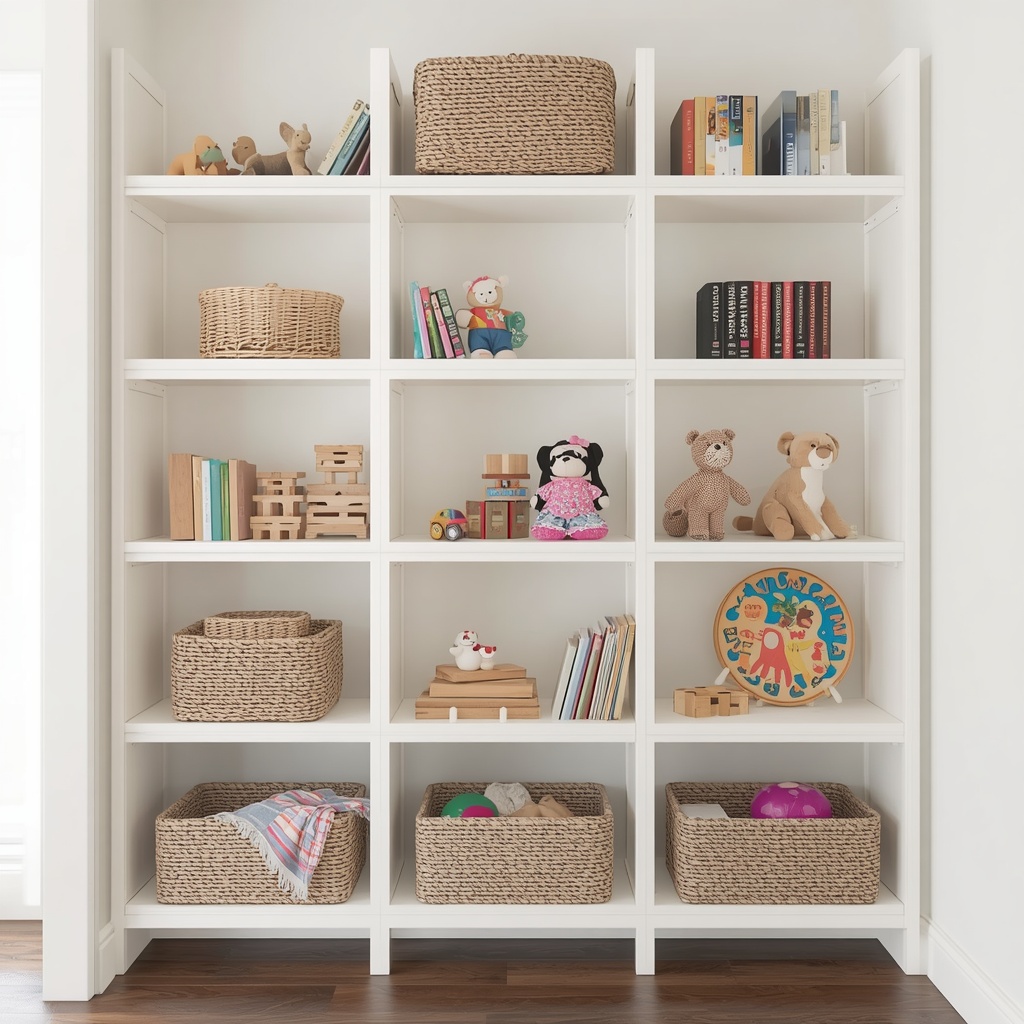
The key to making open shelving work is restraint. Group toys by color or category, use a handful of matching baskets for smaller pieces, and leave breathing room between items instead of packing every shelf edge to edge. This “boutique display” approach is a favorite technique among interior designers because it turns a functional need into a genuine decor feature.
- Group toys by color for a cohesive, gallery-like look
- Use woven baskets to corral small pieces (blocks, cars, figurines)
- Leave 20-30% of shelf space empty for visual breathing room
- Rotate toys weekly to keep the display feeling fresh and prevent clutter creep
- Mix in a few plants or framed art pieces to blend toys with adult decor
4. Baskets and Bins: The Fast, Flexible Fix
Baskets remain the most affordable and versatile toy storage idea on this list, and modern materials have made them far more stylish than the plastic bins of decades past. Woven seagrass, jute, and cotton rope baskets bring texture and warmth to a living room while staying budget-friendly.
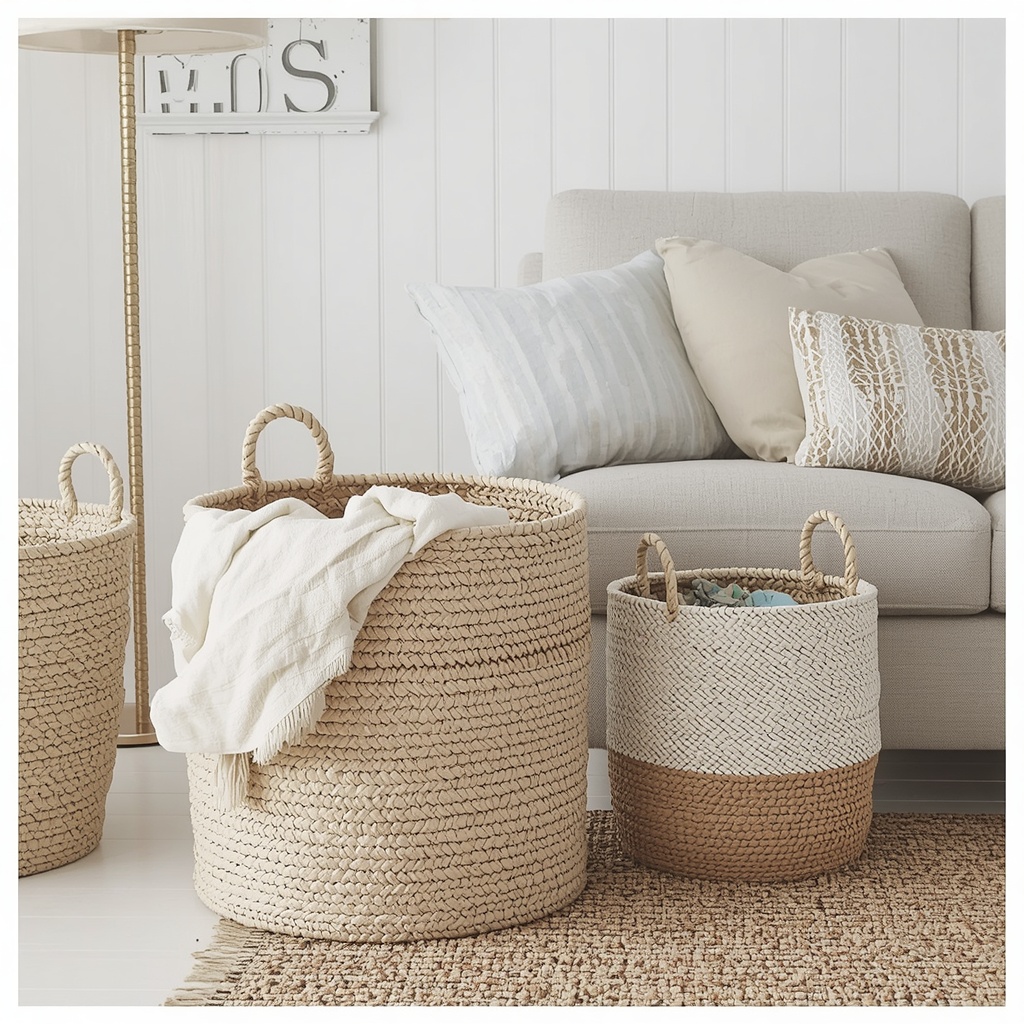
Use varying basket sizes to create a tiered system: large floor baskets for stuffed animals and bulky toys, medium baskets on shelves for building sets, and small lidded baskets for anything with loose pieces, like puzzles or craft supplies. This tiered approach keeps categories separated, which makes cleanup faster and helps kids learn where things belong.
Pro Tip
Skip labels with words if your children aren’t reading yet. Use picture labels or color-coded baskets instead — it turns cleanup into a simple matching game kids can do independently.
5. Furniture With a Secret Life
A growing trend in family-focused interior design is furniture that looks purely decorative but has a hidden storage function built in. Think ottomans disguised as sculptural stools, coffee tables with a hidden lift-up compartment, or a window bench seat with storage underneath.
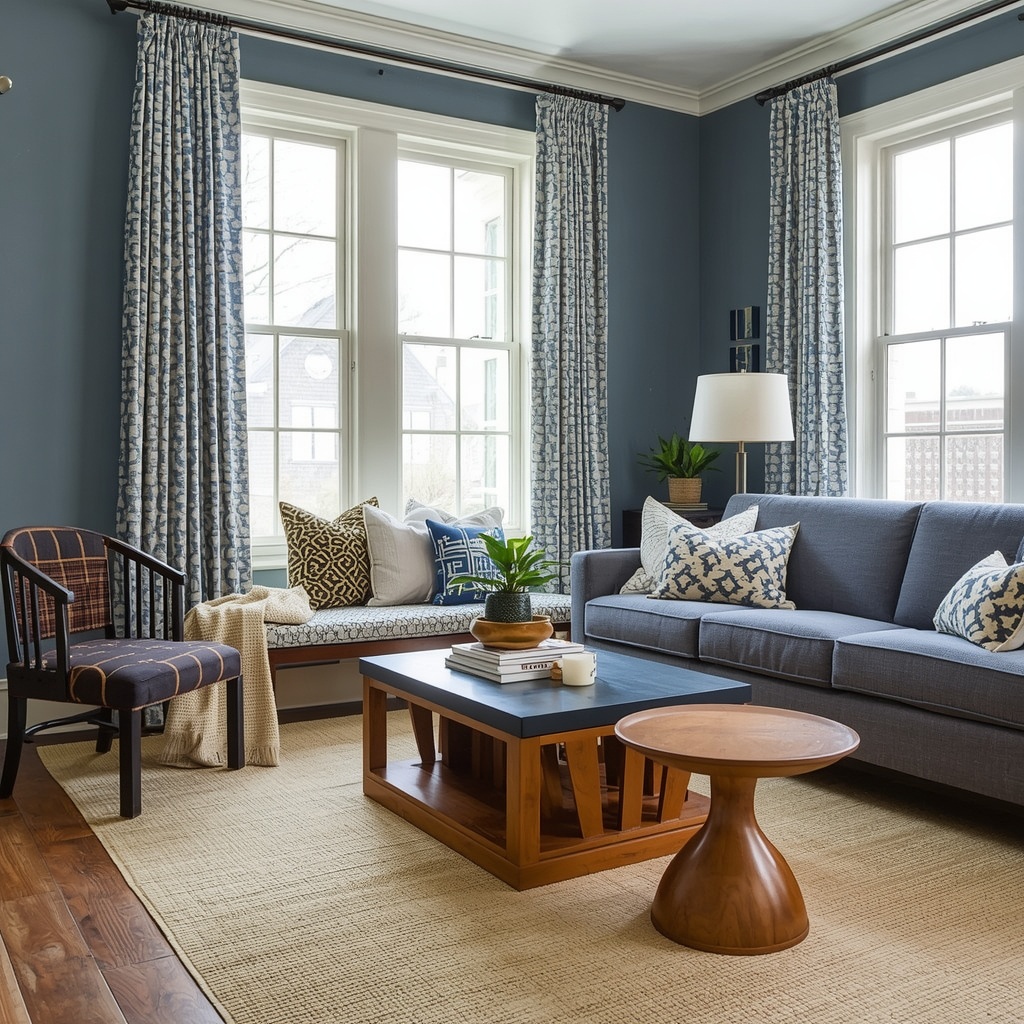
This category is especially useful for open-concept living rooms where every piece of furniture is on full display. Because these pieces are designed first as furniture and second as storage, they tend to blend more convincingly into a grown-up aesthetic than anything labeled explicitly as a “toy box.”
Room-by-Room Toy Storage Ideas by Space Type
Every living room has different constraints. Here’s how to adapt these ideas depending on your layout.
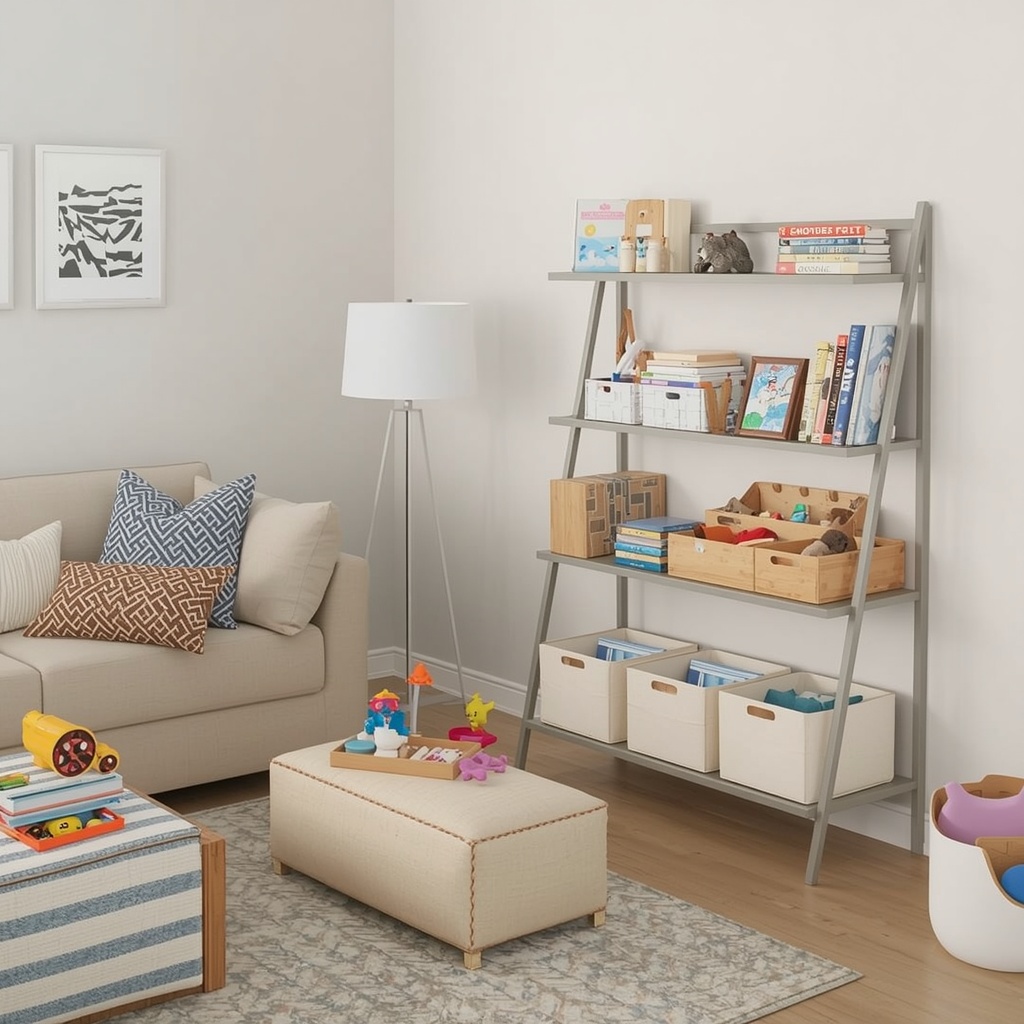
Small apartment living rooms benefit most from vertical storage and multifunctional pieces, since floor space is limited. A wall-mounted shelving unit paired with a storage ottoman can handle a surprising volume of toys without eating into your square footage. Nesting tables with hidden bins are another smart pick, since they can expand for guests and collapse back down when not needed.
Open-concept living rooms need toy storage that reads well from multiple angles, since there’s often no wall to hide clutter behind. Closed cabinetry and furniture with hidden compartments work best here, since open shelving can look messy from the kitchen or dining side of the room.
A Sample Weekly Toy Rotation System
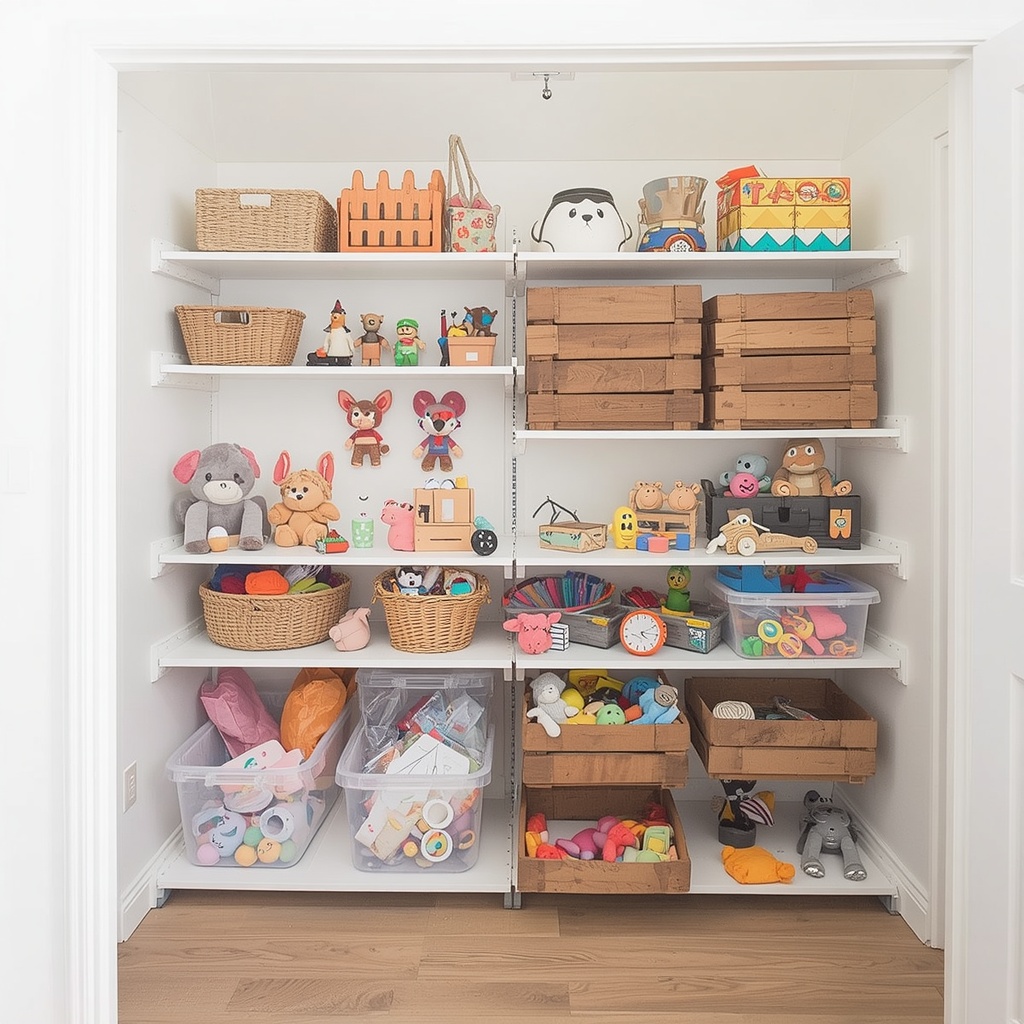
One of the most underrated toy storage ideas isn’t a piece of furniture at all — it’s a rotation system. Instead of keeping every toy accessible at once, store a portion in a closet or garage bin and swap them out weekly or biweekly. This keeps the living room visually calmer and makes each toy feel new again when it reappears.
| Zone | What Lives Here | Access Level |
|---|---|---|
| Open shelf / display basket | 8-10 current favorite toys | Full access |
| Storage ottoman | Daily-use items (books, small toys) | Full access |
| Closed cabinet | Larger toy sets, seasonal toys | Full access, less visible |
| Closet/garage bin | Rotation stock | Swapped weekly |
Color and Material Choices That Keep Toy Storage Looking Grown-Up
The materials and colors you choose for toy storage matter just as much as the furniture style. Neutral tones — oatmeal, warm wood, charcoal, sage green — blend into almost any existing color palette and won’t clash as your child’s toy collection changes over time.
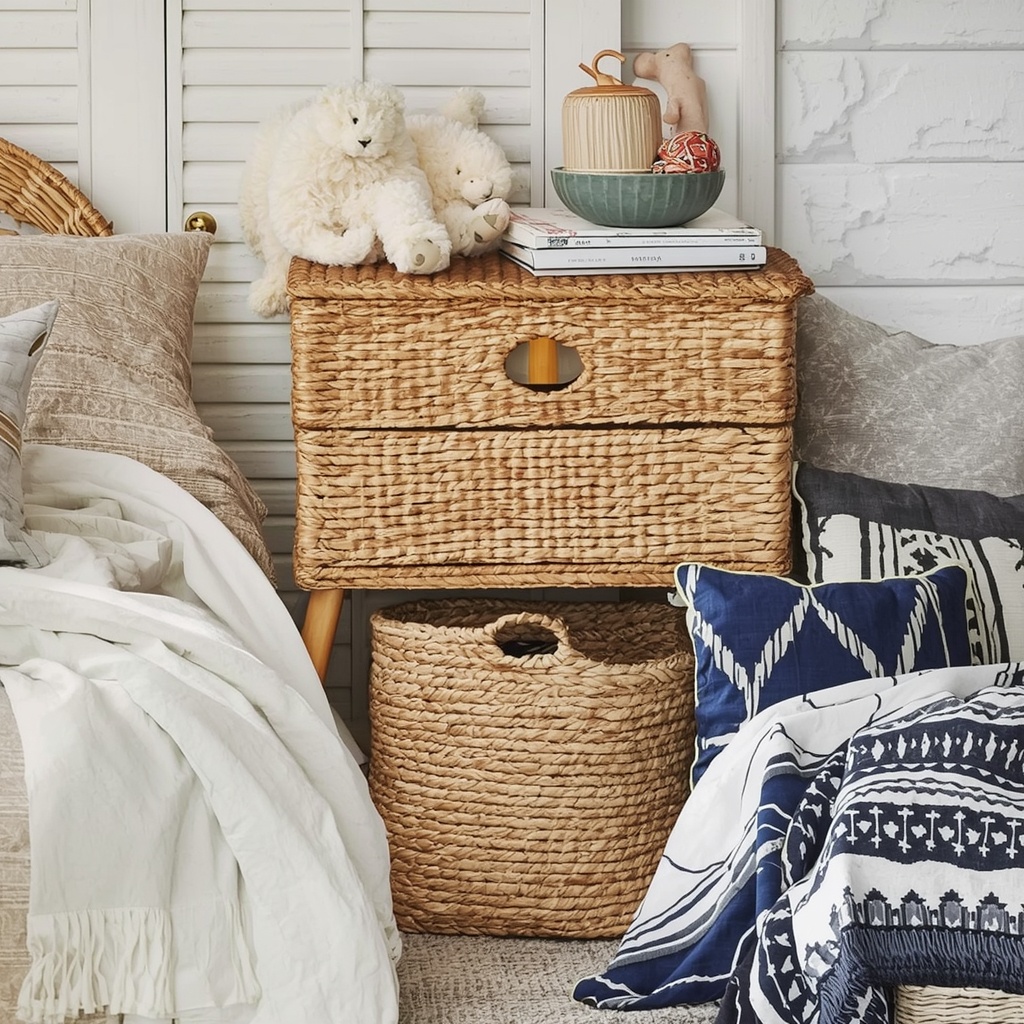
Natural materials like rattan, seagrass, and unfinished wood are particularly effective because they carry inherent texture and warmth, which distracts from the fact that they’re functioning as organizational tools. Avoid bright primary-colored plastic storage whenever possible; it’s the fastest way to make a living room feel like a daycare rather than a family home.
Common Mistakes to Avoid
Even well-intentioned toy storage plans can backfire. Watch out for these frequent missteps:
- Buying storage that’s too small for your child’s current toy collection, forcing overflow onto the floor
- Choosing bins or baskets that are too heavy or awkward for kids to lift on their own
- Mixing too many colors, patterns, or materials, which recreates visual clutter even when everything is technically “put away”
- Placing storage too far from the actual play zone, which discourages kids from using it
- Forgetting to periodically edit and donate outgrown toys, which causes every system to eventually overflow
Final Thoughts: Design a Living Room That Works for Everyone
The best toy storage ideas don’t ask you to choose between a beautiful living room and a functional family space — they merge the two. By leaning on multifunctional furniture, closed cabinetry, styled open shelving, and a simple rotation system, you can build a living room that looks intentional and stays genuinely usable for kids and adults alike.
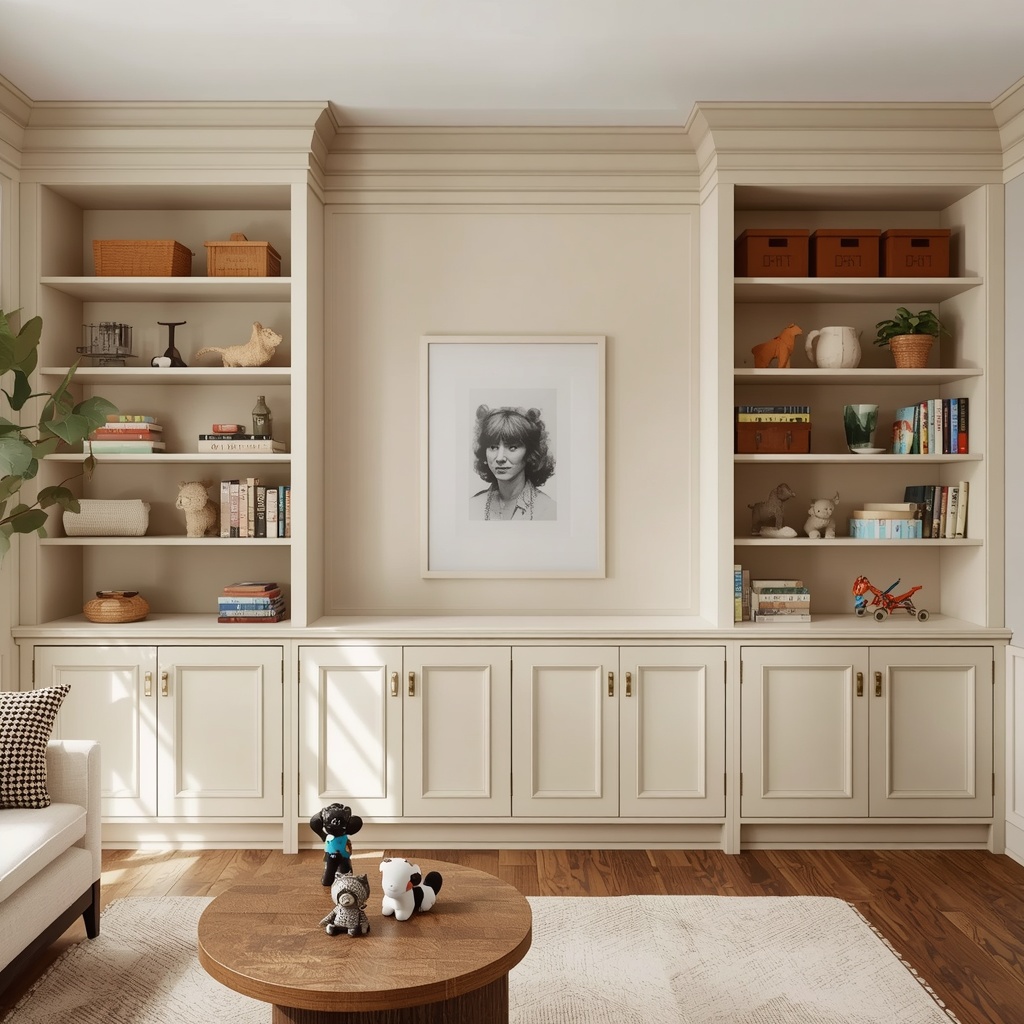
Start small: pick one or two ideas from this list that match your current layout and budget, and build from there. Over time, these small, design-forward choices add up to a living room that feels calm, current, and completely lived-in — in the best possible way.