
Walk into any beautifully designed home and you’ll notice something the owner probably didn’t think twice about: the windows feel right. Not too bright, not too dark, not exposed to the neighbors, not drowning in fabric. That balance doesn’t happen by accident. As an interior designer who’s spent years helping homeowners across the country solve this exact puzzle, I can tell you that window treatments are one of the most underrated design decisions in any home.
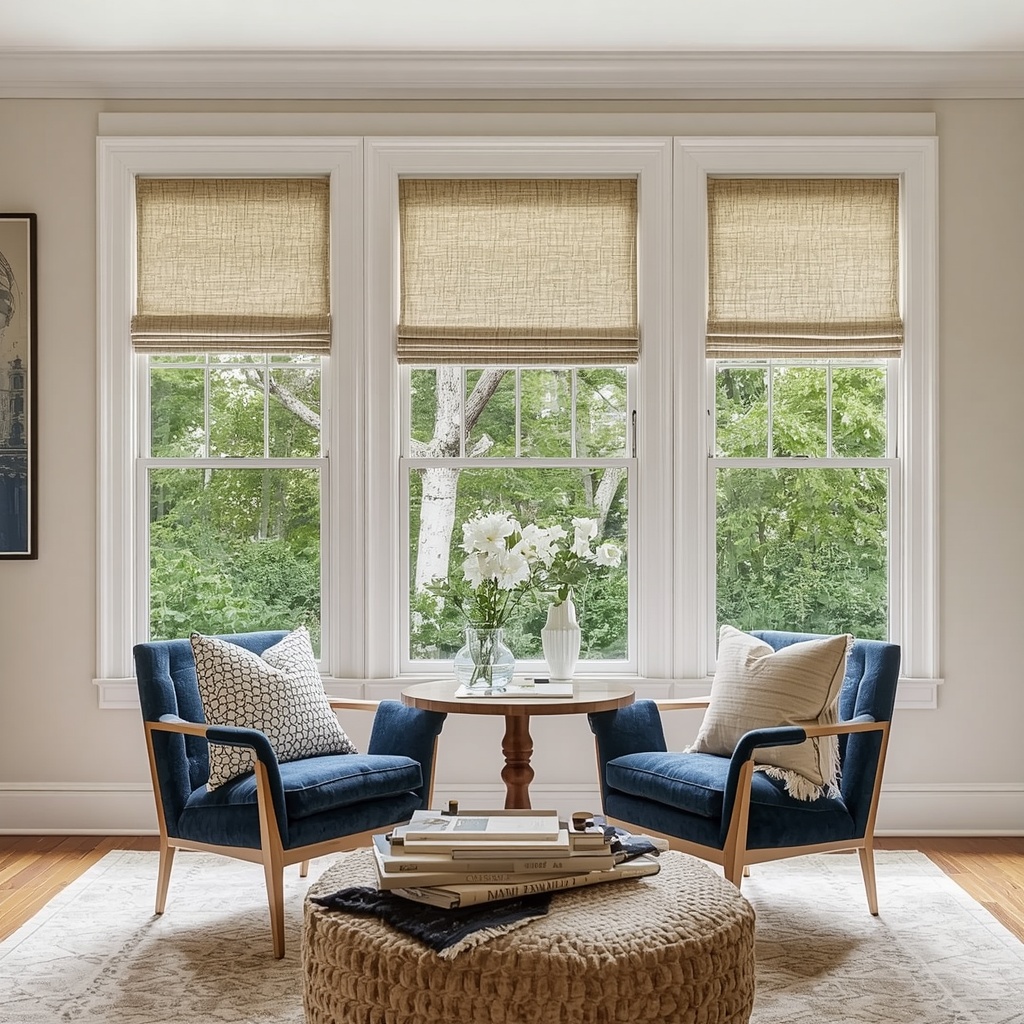
Privacy and light control are the two biggest reasons people shop for blinds, shades, curtains, and drapery. Yet most people walk into a store, get overwhelmed by options, and pick whatever looks nice on the shelf. That’s a mistake. The right window treatment depends on your room’s orientation, your lifestyle, your architecture, and how much control you actually want over natural light throughout the day.
This guide breaks down everything you need to know to choose window treatments that protect your privacy, manage sunlight beautifully, and elevate your home’s interior design.
Why Privacy and Light Control Matter More Than You Think
Windows are the eyes of your home, letting in natural light, fresh air, and views. But they also expose your daily life to the street, your neighbors, and the sun’s harshest rays. Without the right treatment, you’re stuck choosing between total darkness and total exposure.
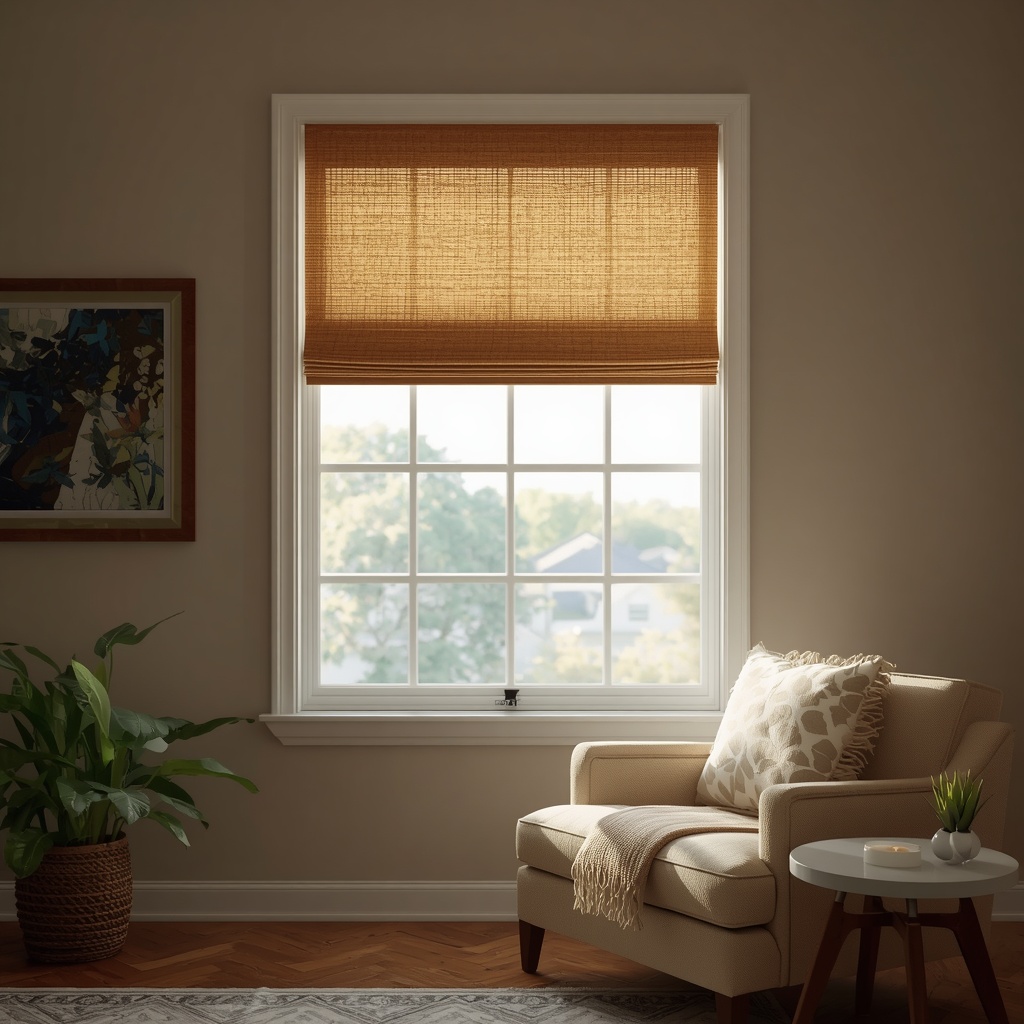
Good light control also affects your comfort and your energy bill. Rooms with poor light management overheat in summer and lose warmth in winter, forcing your HVAC system to work overtime. Layered, functional window treatments regulate indoor temperature, reduce glare on screens, and protect furniture and flooring from UV fading.
“Window treatments are the unsung heroes of interior design. They’re not just decoration, they’re a functional layer that controls how you experience light, privacy, and comfort every single day.” — a principle I repeat to nearly every client during a consultation.
Understanding the Different Types of Window Treatments
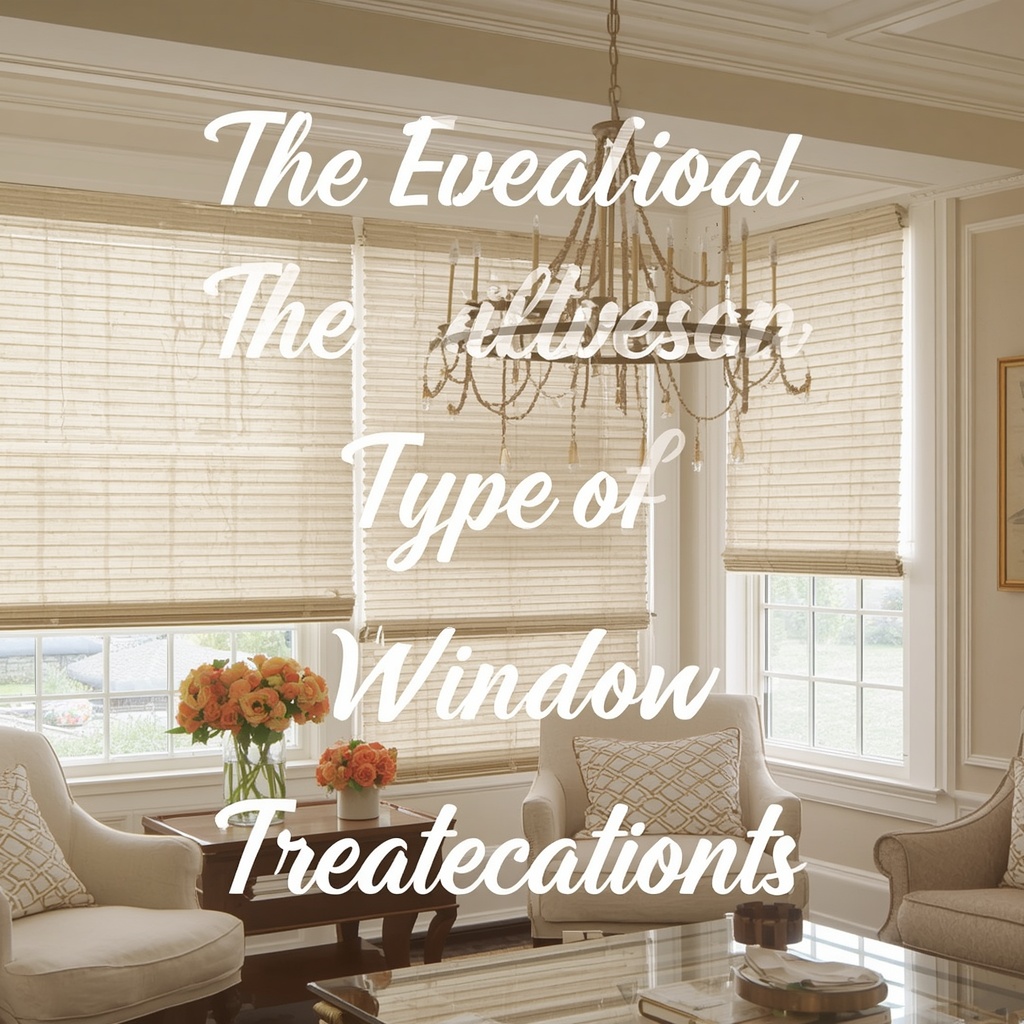
Before choosing a treatment, it helps to understand the main categories available. Each one offers a different balance of privacy, light control, and style.
Blinds
Blinds are hard window coverings made of horizontal or vertical slats you can tilt open or closed. They offer precise control over light and privacy because you can angle the slats without fully opening or closing the covering.
Popular blind materials include:
- Faux wood (moisture-resistant, budget-friendly)
- Real wood (warm, high-end look)
- Aluminum (sleek, modern, affordable)
- Vinyl (durable, easy to clean)
Shades
Shades are soft window coverings made from a single piece of fabric that raises and lowers as one unit. Unlike blinds, they don’t have slats, which gives them a smoother, more tailored appearance.
Common shade styles:
- Roller shades
- Roman shades
- Cellular (honeycomb) shades
- Solar shades
Curtains and Drapery
Curtains and drapes are fabric panels that hang from a rod. They’re the most decorative option and offer the widest range of colors, patterns, and textures, but they typically provide less precise light control unless paired with a lining.
Shutters
Plantation shutters are permanently mounted, hinged panels with adjustable louvers. They’re a long-term investment that adds resale value and offers some of the best light and privacy control of any treatment type.
Pro Tip
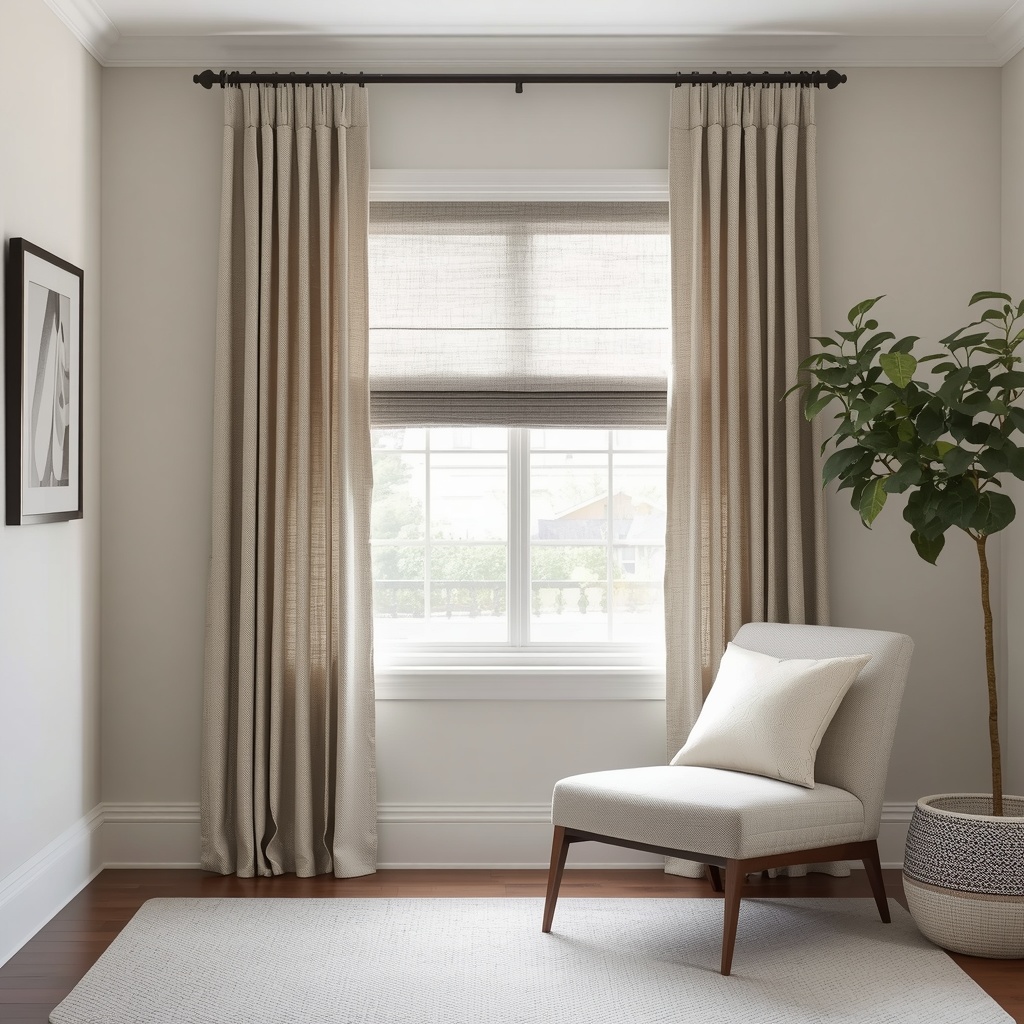
Pro Tip: Layer two treatments on the same window for the best of both worlds. Pair a sheer curtain or light-filtering shade with a blackout roller shade or wood blind underneath. This gives you daytime softness and privacy, plus full darkness and light-blocking power at night, without sacrificing style.
Best Window Treatments by Privacy Level
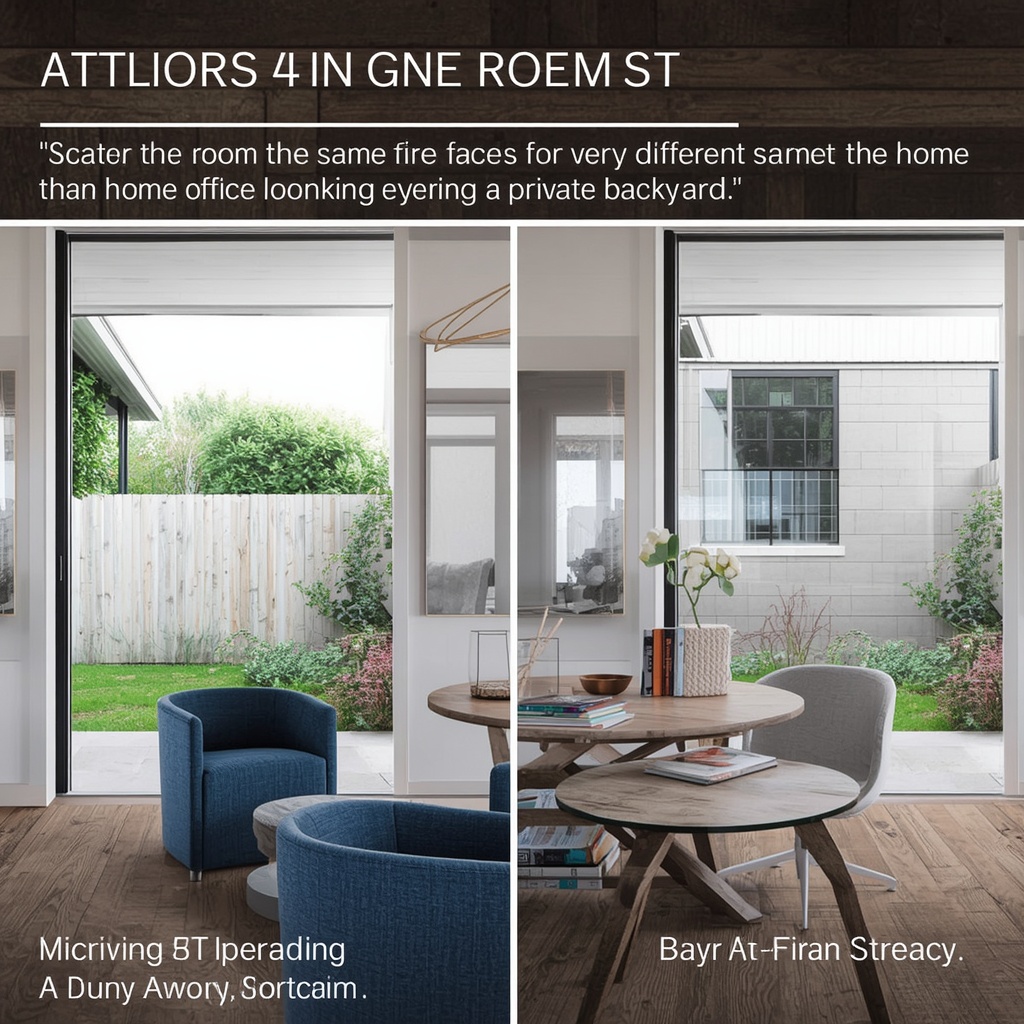
Not every room needs the same amount of privacy. A bedroom facing a busy street has very different needs than a home office overlooking a private backyard. Use this table as a quick reference guide.
| Room Type | Privacy Need | Recommended Treatment |
|---|---|---|
| Bedroom (street-facing) | High | Blackout cellular shades + blackout curtains |
| Bathroom | High | Frosted film or top-down/bottom-up cellular shades |
| Living Room | Medium | Light-filtering roller shades or sheer curtains |
| Home Office | Medium | Faux wood blinds or roman shades |
| Kitchen | Low to Medium | Café curtains or short roller shades |
| Home Theater | High (plus darkness) | Blackout drapery or blackout roller shades |
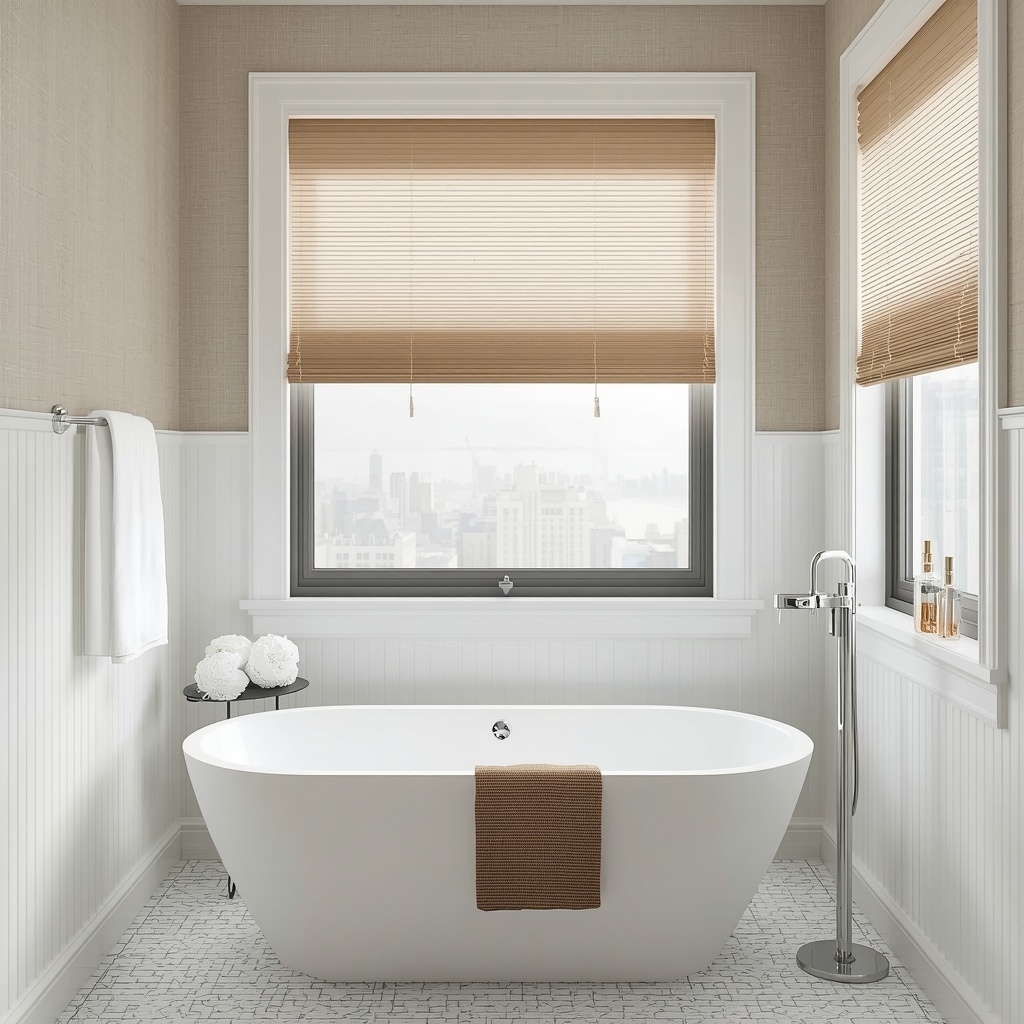
Top-down/bottom-up shades deserve special mention here. They let light in from the top of the window while keeping the bottom covered, which is ideal for street-level windows and ground-floor bathrooms where full coverage would block too much natural light.
Best Window Treatments by Light Control Level
Light control isn’t just about blocking sunlight entirely. It’s about managing glare, softening harsh rays, and letting in the right amount of natural light at the right time of day.
| Light Control Goal | Best Option | Why It Works |
|---|---|---|
| Full blackout | Blackout cellular shades, blackout curtains | Blocks nearly 100% of incoming light |
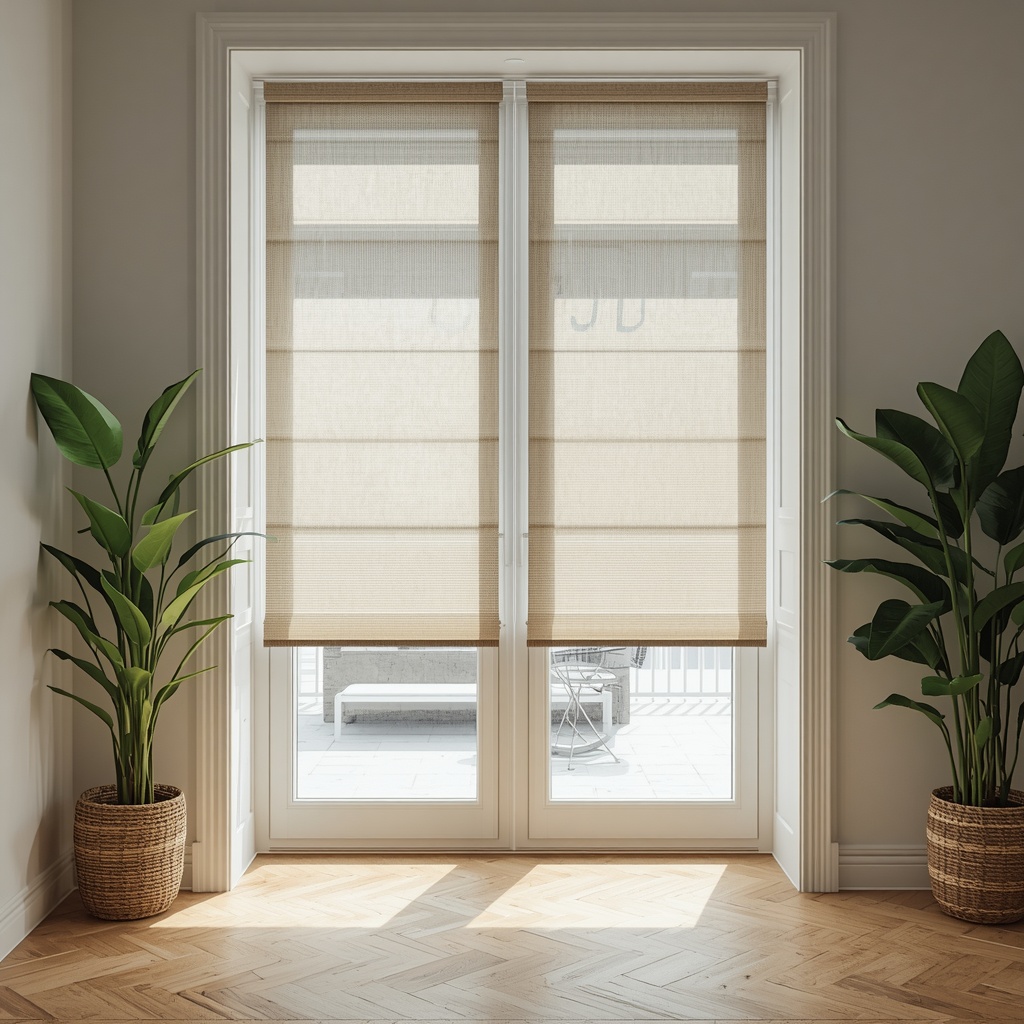
| Soft, diffused light | Sheer curtains, light-filtering shades | Filters harsh rays while maintaining brightness |
| UV and glare reduction | Solar shades | Reduces glare and protects furniture without blocking the view |
| Adjustable throughout the day | Blinds or shutters with tilting slats | Slats can be angled to control the exact amount of light |
| Energy efficiency | Honeycomb (cellular) shades | Trap air in pockets, insulating windows year-round |
Choosing Window Treatments Room by Room
Every room in your home has a different function, and your window treatments should reflect that.
Bedrooms
Sleep quality depends heavily on darkness, so bedrooms almost always benefit from blackout shades or heavy, lined drapery. Consider layering blackout cellular shades under decorative curtain panels for a designer look that still blocks streetlights and early morning sun.
Bathrooms
Bathrooms need privacy above almost everything else, especially on ground floors or in urban settings. Frosted window film, faux wood blinds, or moisture-resistant cellular shades hold up well against humidity while keeping prying eyes out.
Living Rooms and Family Rooms
These are shared spaces where you want natural light most of the day. Light-filtering roller shades, woven wood shades, or airy curtains strike the right balance between openness and privacy.
Kitchens
Kitchen windows often sit above a sink and don’t need heavy treatments. Café curtains, short roman shades, or simple roller shades work well here since they avoid dangling into water or hot stovetops.
Home Offices
If you’re on video calls all day, glare control matters as much as privacy. Adjustable blinds or shutters let you fine-tune light without shutting out the room entirely.
Materials and Fabrics That Affect Privacy and Light
The material you choose has a bigger impact on performance than most people realize.

- Blackout fabric blocks essentially all light and outside visibility, ideal for bedrooms and media rooms.
- Light-filtering fabric softens sunlight while maintaining a sense of privacy during the day, though it may be more visible from outside at night when lights are on.
- Sheer fabric prioritizes airy style and daytime privacy but offers little nighttime privacy or light control.
- Solar screen fabric blocks UV rays and glare while preserving your outdoor view, a favorite for sunrooms and large picture windows.
- Wood and faux wood provide a classic look with strong light-blocking potential when slats are fully closed.
Common Mistakes Homeowners Make
Even well-intentioned homeowners run into the same handful of issues when choosing window treatments. Here’s what to watch for.

- Choosing style over function. A gorgeous sheer curtain won’t help if you need total blackout for sleep.
- Ignoring nighttime privacy. Light-filtering fabrics that look private during the day can become see-through once interior lights turn on after dark.
- Skipping the layering approach. Single-layer treatments rarely deliver both privacy and design flexibility.
- Wrong measurements. Ill-fitting treatments leave gaps at the edges that let in light and compromise privacy.
- Overlooking motorization. Motorized shades make it easier to actually use top-down/bottom-up or multi-layer setups consistently.
Smart and Motorized Window Treatments
Motorized shades and blinds have become increasingly popular for good reason. With a remote, app, or voice command, you can adjust light and privacy instantly, without walking across the room. This is especially useful for hard-to-reach windows, skylights, or homes where you want scheduled adjustments throughout the day for energy efficiency.
Many smart shade systems also integrate with home automation platforms, allowing your treatments to open at sunrise and close at sunset automatically. For families concerned about privacy while away from home, scheduled movement can also give the appearance of an occupied house.
Budget Considerations
Window treatments range widely in price depending on material, customization, and motorization. As a general guide:
| Budget Level | Typical Options |
|---|---|
| Budget-friendly | Vinyl blinds, basic roller shades, ready-made curtains |
| Mid-range | Faux wood blinds, cellular shades, cordless roman shades |
| High-end | Real wood shutters, motorized shades, custom drapery |
Investing in higher-quality treatments for high-visibility rooms like living rooms and primary bedrooms tends to offer the best return, both in daily comfort and in long-term home value.
Final Thoughts
Choosing the best window treatment isn’t about picking the prettiest fabric in the showroom. It’s about understanding how each room functions, how much privacy you actually need, and how you want to manage natural light throughout the day. When you match the right treatment, material, and layering approach to each window, you get a home that feels comfortable, private, and beautifully designed, without compromising on either function or style.
Start room by room, prioritize the spaces where privacy matters most, and don’t be afraid to layer treatments for maximum flexibility. Your windows will thank you, and so will your energy bill.
For further reading on energy-efficient window solutions, the U.S. Department of Energy offers helpful guidance at energy.gov.