
If I had a dollar for every client who told me “I love that light, but I can’t spend $800 on a pendant,” I could probably retire to a beach house with a very fancy chandelier of my own. Here’s the truth I share with every one of them: the look of high-end lighting has almost nothing to do with the price tag, and almost everything to do with shape, finish, and proportion.
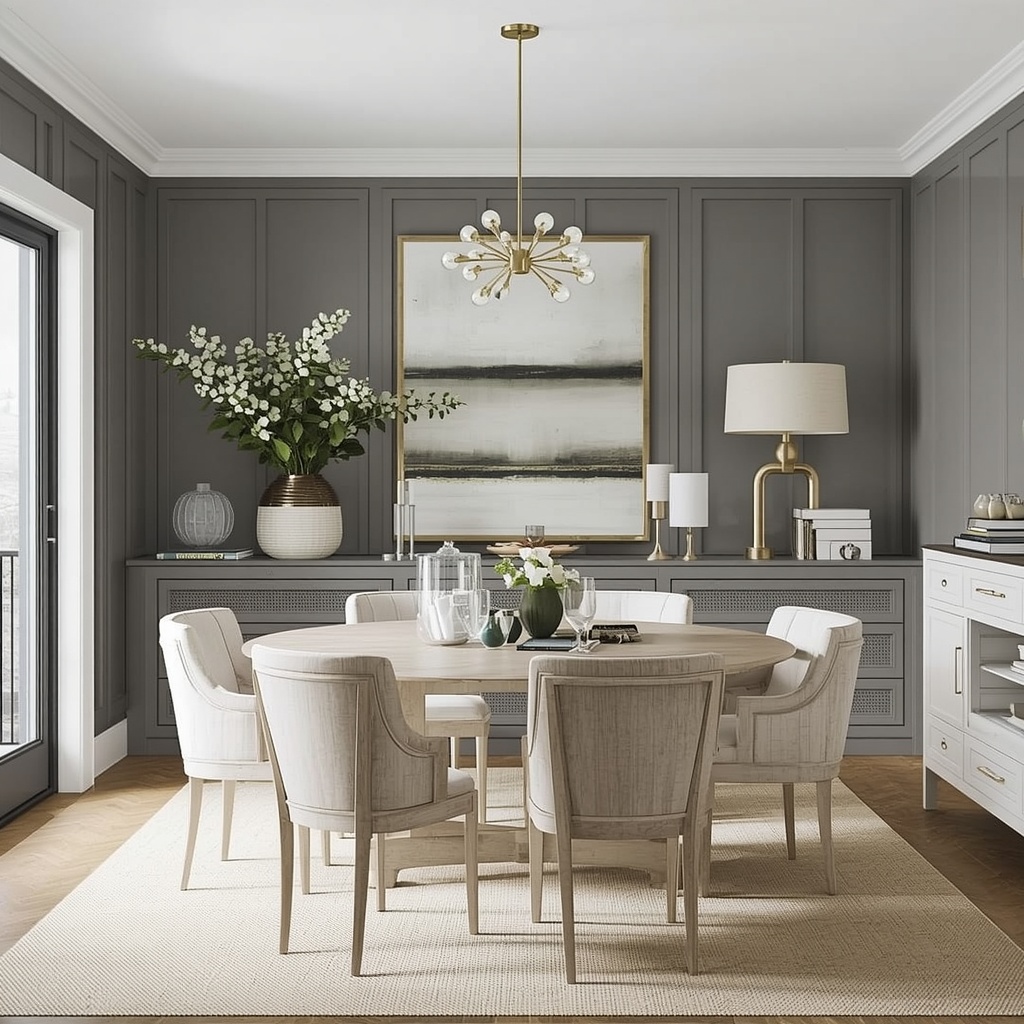
As an interior designer who specializes in home decor, I spend a lot of time sourcing budget lighting fixtures that pass the “is that designer?” test at first glance. The good news for your living room, kitchen, and bedroom is that the gap between a $40 fixture and a $400 fixture has never been smaller. Below, I’m breaking down exactly which affordable lighting fixtures look expensive, where to find them, and the styling tricks that make all the difference.
Why Lighting Makes (or Breaks) a Room’s Designer Feel
Lighting is the jewelry of a room. A great rug or sofa sets the foundation, but it’s the light fixtures hanging overhead or glowing on a side table that tell a guest’s eye where to land. That’s why interior designers treat lighting fixtures as a focal point, not an afterthought tucked in at the end of a renovation.

Most homeowners default to whatever builder-grade fixture came with the house, and that flat, boring glow is often the single biggest reason a room feels unfinished. Swap that out for a sculptural pendant or a warm-toned table lamp, and the entire room reads as intentional. It’s one of the fastest, most affordable lighting upgrades you can make to any space.
The Secret Designers Won’t Tell You: It’s Not About the Price Tag
Here’s something I tell every client during a budget-conscious refresh: expensive-looking lighting is a formula, not a price point. Designer lighting brands are really selling you four things — interesting silhouettes, quality finishes, intentional scale, and warm light temperature. You can buy all four affordably if you know what to look for.
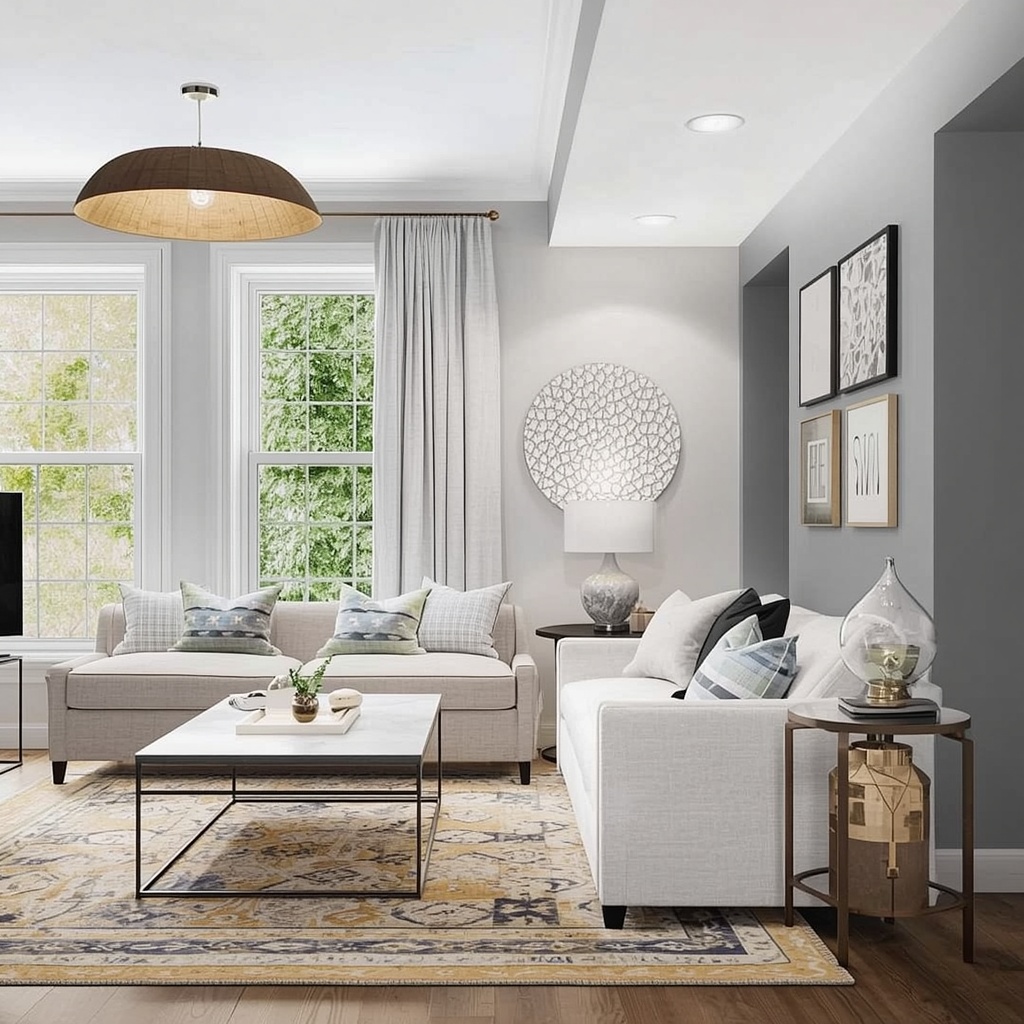
Once you understand that formula, shopping for budget lighting fixtures becomes much easier. You stop browsing by brand name and start browsing by silhouette, material, and bulb color temperature. That mindset shift alone will save you hundreds of dollars across a home renovation or a simple room refresh.
“Good lighting design is 20% fixture and 80% placement, scale, and bulb temperature. Most people only ever think about the 20%.” — a principle I repeat to nearly every client during a lighting consultation.
Room-by-Room: Best Budget Lighting Fixtures That Look High-End
Different rooms call for different fixture types, and getting the scale right matters just as much as the style. Below is a quick-reference table of the budget lighting categories that consistently photograph and live like designer pieces, along with a realistic price range and where the “designer” look comes from.
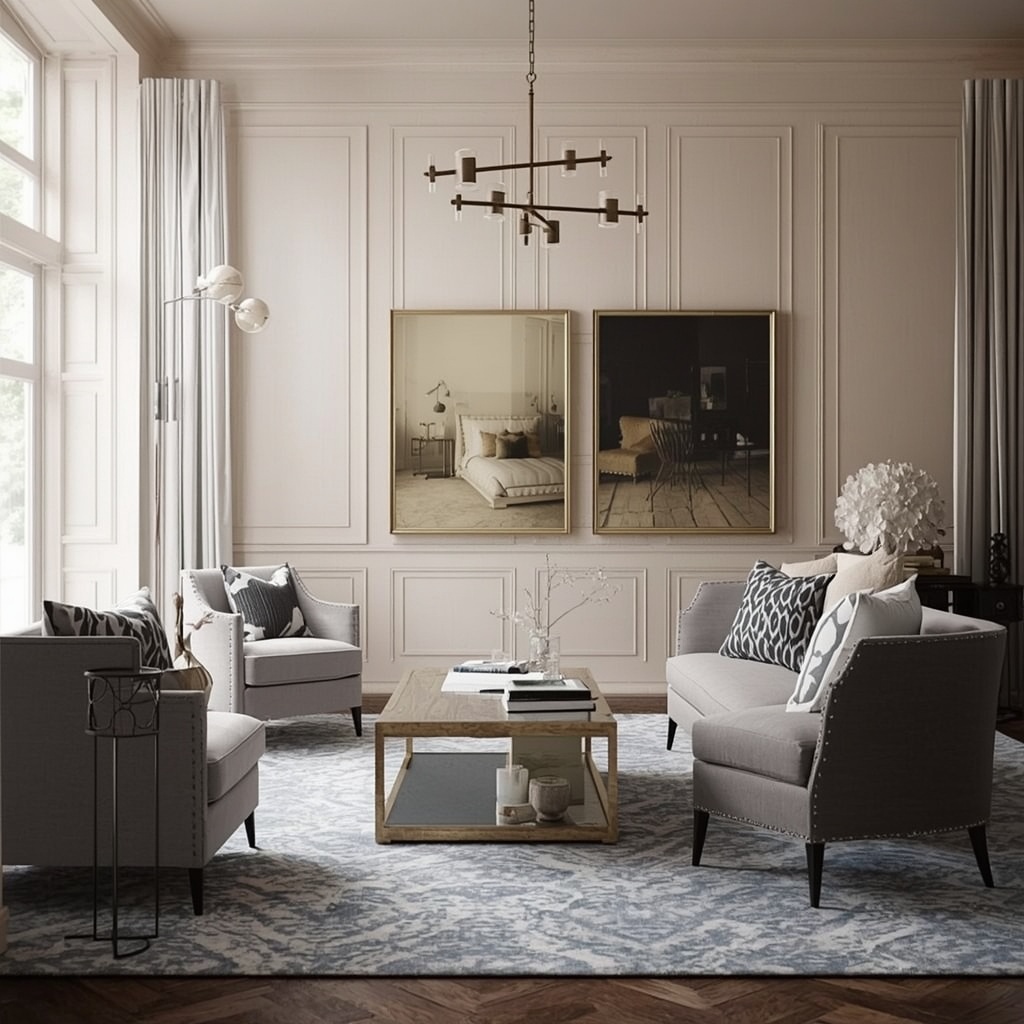
| Room | Best Budget Fixture Type | Typical Price Range | What Makes It Look Designer |
|---|---|---|---|
| Living Room | Sculptural floor lamp | $60–$150 | Curved arms, marble-look base, matte black or brass finish |
| Dining Room | Linear or globe chandelier | $120–$300 | Mixed-metal finishes, glass or rattan shades, dramatic drop height |
| Kitchen Island | Mini glass or rattan pendants (set of 2–3) | $40–$90 each | Clustered hanging, woven texture, warm-toned bulbs |
| Bedroom | Ceramic or fluted glass table lamp | $35–$80 | Organic shapes, fabric shades, soft uplight |
| Bathroom | Brass or matte black sconces | $30–$70 each | Symmetrical placement flanking the mirror |
| Entryway | Statement flush mount | $80–$160 | Frosted glass or fluted detailing, oversized scale |
| Home Office | Articulating desk or wall lamp | $25–$60 | Architectural metal arms, adjustable joints |
Notice that none of these price ranges crack $300, yet every category mimics a fixture you’d find in a high-end lighting showroom. The trick is always in the silhouette and finish, not the brand sticker.
Pro Tip
Pro Tip: Before buying any pendant or chandelier, measure the space and add 2–3 inches of drop for every foot of ceiling height above 8 feet. Undersized lighting is the #1 reason a budget fixture reads as “cheap” instead of “designer” — scale does more heavy lifting than material ever will.
Materials and Finishes That Instantly Upgrade Any Fixture
If you only remember one thing from this article, make it this: finish is everything. A $50 fixture in brushed brass, matte black, or aged bronze will almost always outperform a $200 fixture in shiny chrome or builder-grade brushed nickel, simply because those warmer, matte finishes are what current designer collections favor.
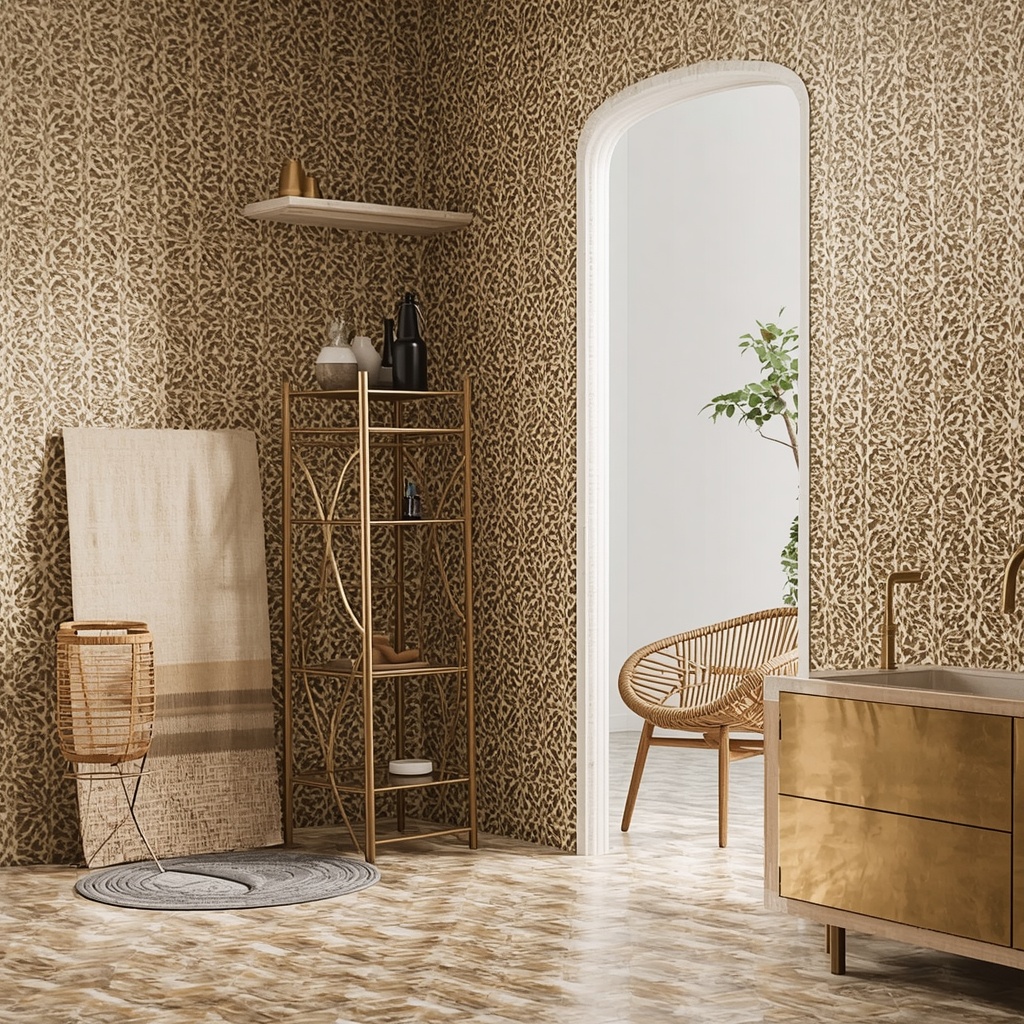
Texture matters just as much as color. Look for fixtures that incorporate rattan, linen, fluted glass, alabaster-look acrylic, or ceramic — these natural and organic materials read as collected and curated rather than mass-produced. When two fixtures are priced similarly, always choose the one with more texture or a softer, matte finish.
Here’s a quick list of finishes and materials to seek out (and a few to avoid) when shopping budget lighting fixtures:
Seek these out:
- Matte black or aged brass hardware
- Fluted or ribbed glass shades
- Natural rattan, jute, or rope detailing
- Alabaster, marble-look resin, or ceramic bases
- Linen or pleated fabric drum shades
Steer clear of:
- Polished chrome (reads dated and cold)
- Bright “builder gold” with a yellow, shiny finish
- Thin, flimsy plastic shades with visible mold lines
- Overly glossy white finishes with no texture
Where to Shop: Budget-Friendly Retailers With Designer-Looking Lighting
You don’t need a custom lighting showroom to find pieces that look like they came from one. Several mainstream retailers have leaned hard into elevated, designer-inspired lighting over the past few years, and their design teams are clearly watching the same trends as high-end studios.
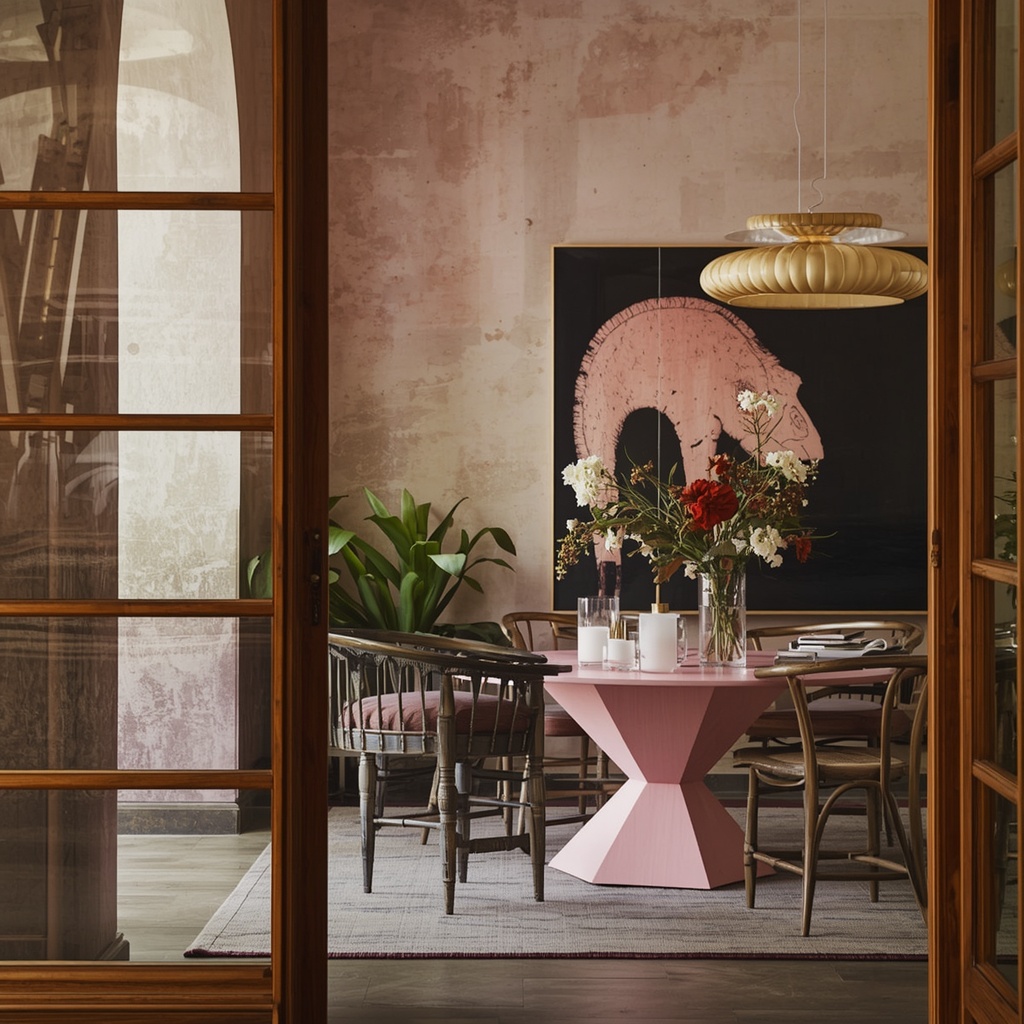
A few of my go-to sources for clients on a lighting budget:
- Target — Their Studio McGee and Threshold lines consistently deliver sculptural lamps and pendants with designer-level styling.
- Amazon — Search by finish (try “fluted glass pendant” or “rattan flush mount”) rather than brand name to surface boutique-style fixtures.
- IKEA — Their lighting department is one of the best-kept secrets for clean, Scandinavian-inspired shapes at rock-bottom prices.
- Walmart — Increasingly stocks woven and glass pendant styles that mimic higher-end lighting brands closely.
- Wayfair — Great for chandeliers and statement dining fixtures, especially during seasonal sales.
- World Market — A strong source for globally inspired, textured table and floor lamps.
- HomeGoods / TJ Maxx — Inventory changes weekly, so this is the place to physically check finishes and quality in person.
Styling Tricks That Make Budget Lighting Look Expensive
Buying the right fixture is half the equation; styling it correctly is the other half. Designers rely on a handful of repeatable tricks to make affordable lighting fixtures photograph and live like custom pieces, and none of them cost extra money.
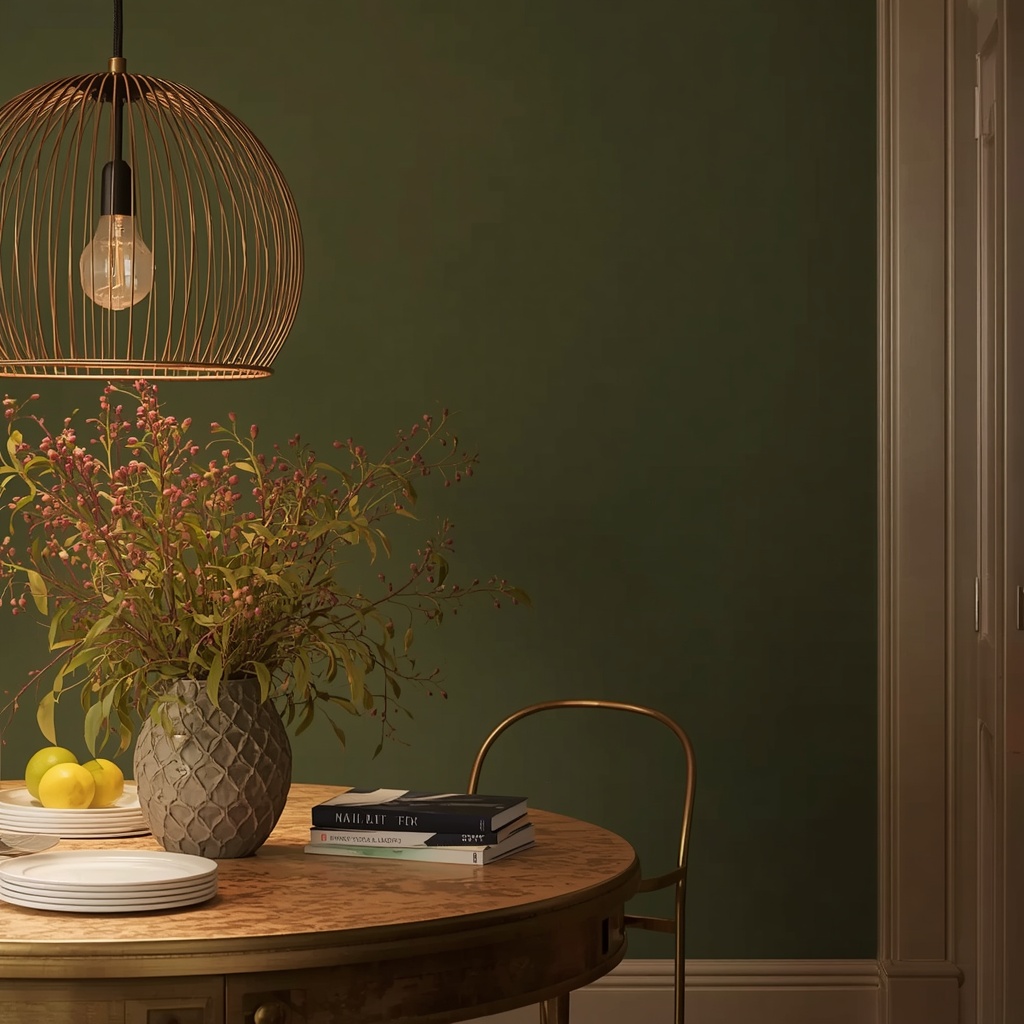
First, always upgrade the bulb. A warm 2700K–3000K bulb instantly makes any fixture feel cozy and intentional, while a cool white bulb makes even an expensive fixture look like an office supply closet. Second, layer your lighting — combine an overhead fixture with at least one table lamp and one accent light in every room, since designer spaces are rarely lit by a single source.
A few more quick styling wins:
- Dim everything. Add inexpensive plug-in dimmers to lamps without built-in dimming.
- Cluster mini pendants instead of using one large fixture over an island.
- Mix metal finishes intentionally (brass overhead, black sconces) rather than matching everything exactly.
- Remove the plastic protective film or stickers from glass shades before installing — an easy detail people forget.
Common Mistakes That Make Lighting Look Cheap
Even a well-chosen fixture can read as low-budget if a few key details get missed during installation or styling. I see these same mistakes repeated in budget-conscious homes again and again, and every one of them is a quick, free fix.
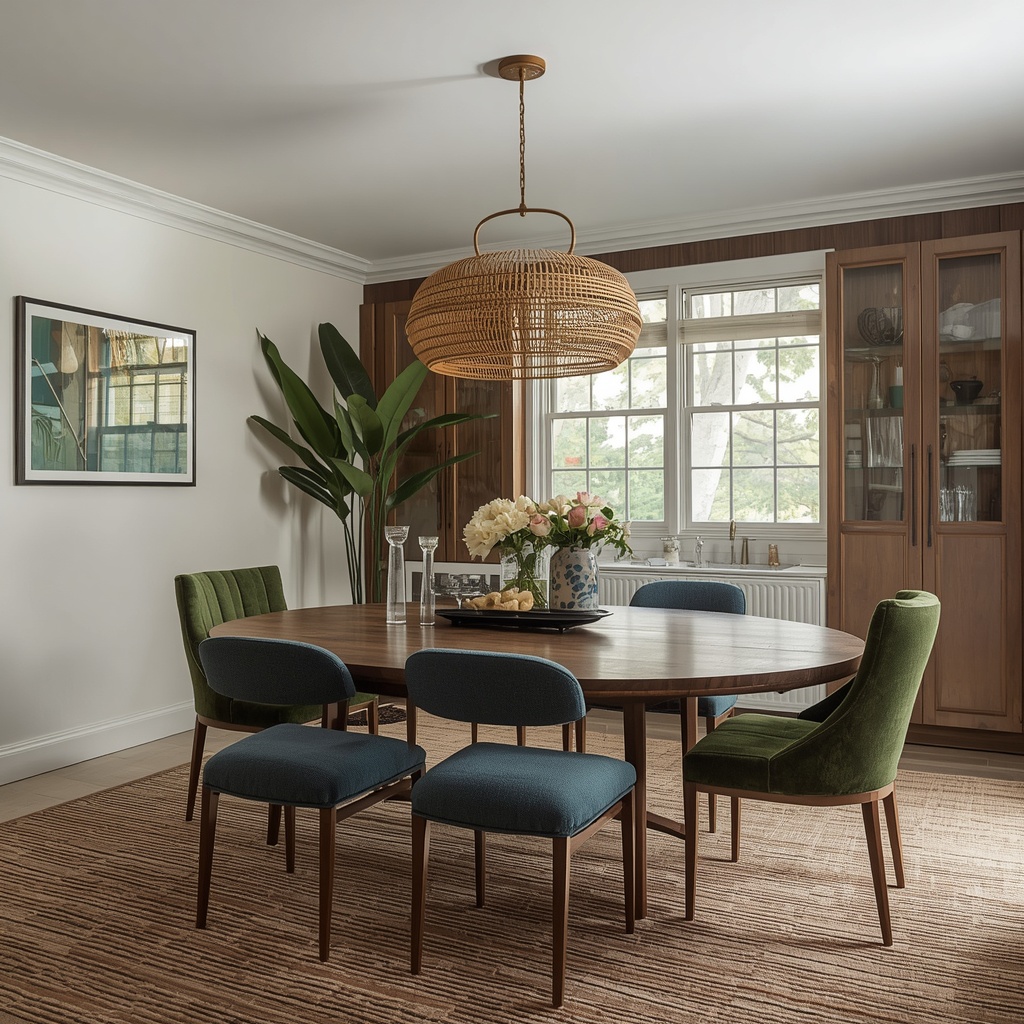
The biggest culprit is hanging a fixture too high or too small for the space, which makes a beautiful pendant look like an afterthought rather than a statement piece. The second is mismatched bulb temperatures within the same room — nothing undermines a curated look faster than one lamp glowing warm and another glowing stark white.
| Mistake | Why It Looks Cheap | Quick Fix |
|---|---|---|
| Fixture too small for the space | Reads as an afterthought, not a statement | Size up; when in doubt, go bigger |
| Mismatched bulb temperatures | Creates a disjointed, harsh feel | Standardize on warm 2700K–3000K bulbs |
| Visible cords on table/floor lamps | Signals “discount store” instantly | Use a cord cover or route behind furniture |
| Single light source per room | Feels flat and uninviting | Layer overhead, table, and accent lighting |
| Skipping a dimmer | Limits mood and versatility | Add plug-in or in-wall dimmers |
Quick DIY Upgrades for Existing Fixtures
If a full fixture swap isn’t in this month’s budget, a few small upgrades can transform what you already have. Spray-painting an outdated brass or chrome fixture in matte black is one of the highest-impact, lowest-cost projects in any home refresh, and it can be done in an afternoon for under $20 in supplies.
Swapping a plain glass shade for a fluted or ribbed version, adding a fabric shade to a bare bulb pendant, or wrapping a boring lamp base in jute rope are all simple ways to borrow the designer look without buying anything new. Even changing out a builder-grade light switch cover plate near a fixture adds a surprising amount of polish for just a few dollars.
When to Buy: Timing Your Lighting Purchases for the Best Deals
Even the best budget lighting fixture gets better when it’s on sale, and lighting retailers tend to follow predictable discount cycles throughout the year. Knowing when to shop can stretch your home decor budget even further without sacrificing the designer look you’re after.
Major home retailers typically run their deepest lighting discounts around Memorial Day, the Fourth of July, Labor Day, and the November Black Friday through Cyber Monday stretch. Wayfair’s “Way Day” event and Target’s seasonal home sales are also reliable windows for sculptural lamps and statement chandeliers to drop 20–40% below list price.
If you’re planning a full room refresh, it’s worth building a simple wish list ahead of time so you can move quickly once a sale hits. A few habits that help:
- Save fixtures to a wish list or cart and track price drops with a browser extension
- Sign up for retailer email lists a few weeks before a known sale event
- Buy floor and table lamps off-season, since winter and early spring tend to bring lighter inventory turnover and more clearance pricing
- Watch for “open box” or “as-is” sections at IKEA and HomeGoods, where designer-look fixtures often appear at a steep discount due to minor packaging damage
Frequently Asked Questions About Budget Lighting Fixtures
Can budget lighting fixtures really look high-end? Yes — the look of a designer fixture comes primarily from silhouette, finish, scale, and bulb color temperature, all of which are achievable at nearly any price point.
What’s the single best budget upgrade for an outdated fixture? A matte black or aged brass spray paint refresh is consistently the highest-impact, lowest-cost lighting upgrade available to homeowners.
How much should I budget for lighting in a full room refresh? Most rooms can be fully re-lit — ceiling fixture, lamps, and accent lighting included — for $150–$400 using the retailers and categories listed above.
Does bulb color temperature really matter that much? Absolutely. Warm white bulbs (2700K–3000K) are the single fastest way to make any fixture, expensive or affordable, feel cozy and intentional rather than clinical.
Final Thoughts
The next time you’re tempted to splurge on a designer lighting brand, remember that the actual design elements you’re paying for — interesting shape, quality finish, generous scale, and warm light — are all available at a fraction of the cost if you know where to shop and how to style what you buy. Budget lighting fixtures aren’t a compromise; they’re often the smartest, most flexible design decision you can make in a home.