
Noise is the uninvited guest that never leaves. Between barking dogs, city traffic, thin apartment walls, and kids thundering down the hallway, unwanted sound can turn a beautiful home into a stressful one. The good news? You don’t need to gut your walls or install industrial foam panels to get quieter, calmer rooms.
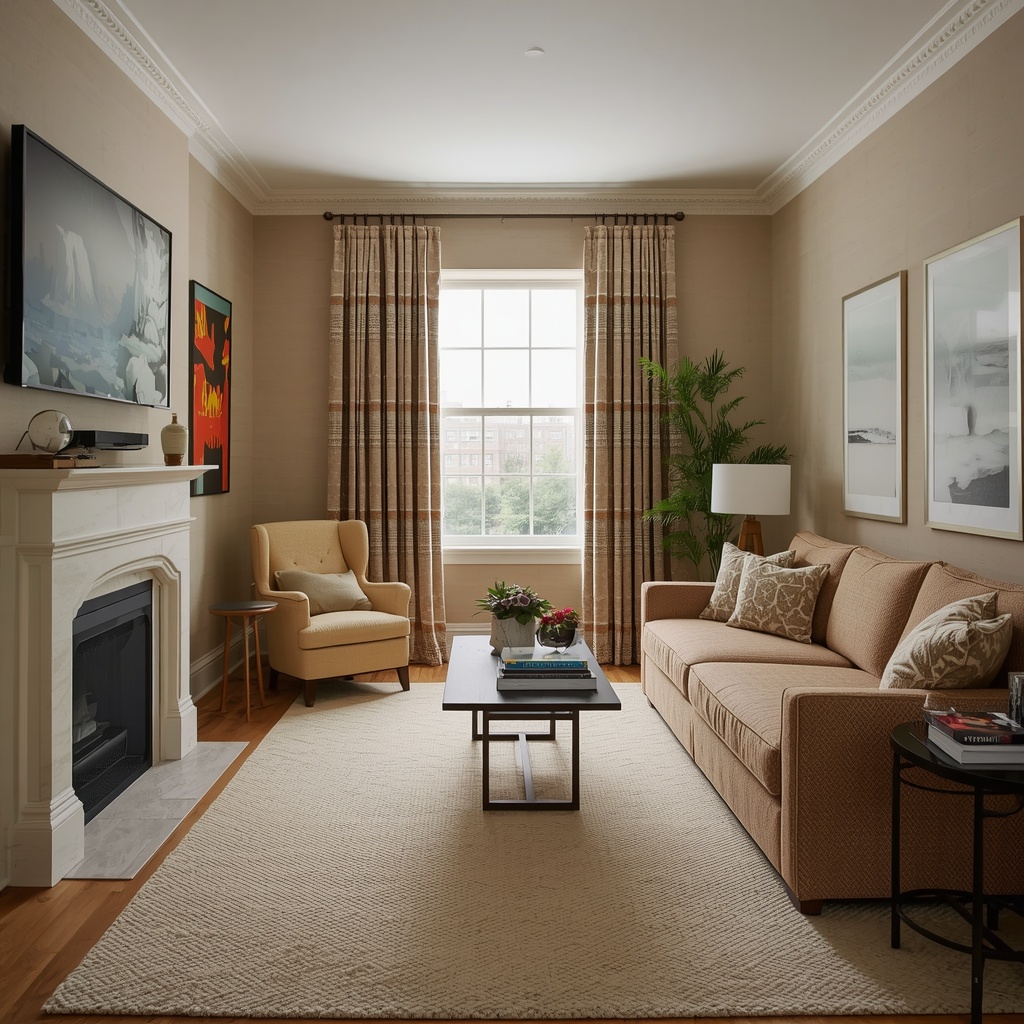
As an interior designer who works with homeowners across the country, I’ve learned that acoustic comfort and beautiful design aren’t competing goals — they’re partners. The right decor choices can absorb, block, and diffuse sound while making your home look more polished, layered, and inviting. This guide walks through exactly how to do that, room by room, without sacrificing style.
Why Soundproofing Belongs in Your Decor Strategy
Most homeowners think of soundproofing as a construction project involving drywall, insulation, and contractors. In reality, a large percentage of the noise you hear indoors is airborne sound bouncing off hard, flat surfaces — hardwood floors, bare walls, glass windows, and open-concept ceilings. This is where decor comes in.
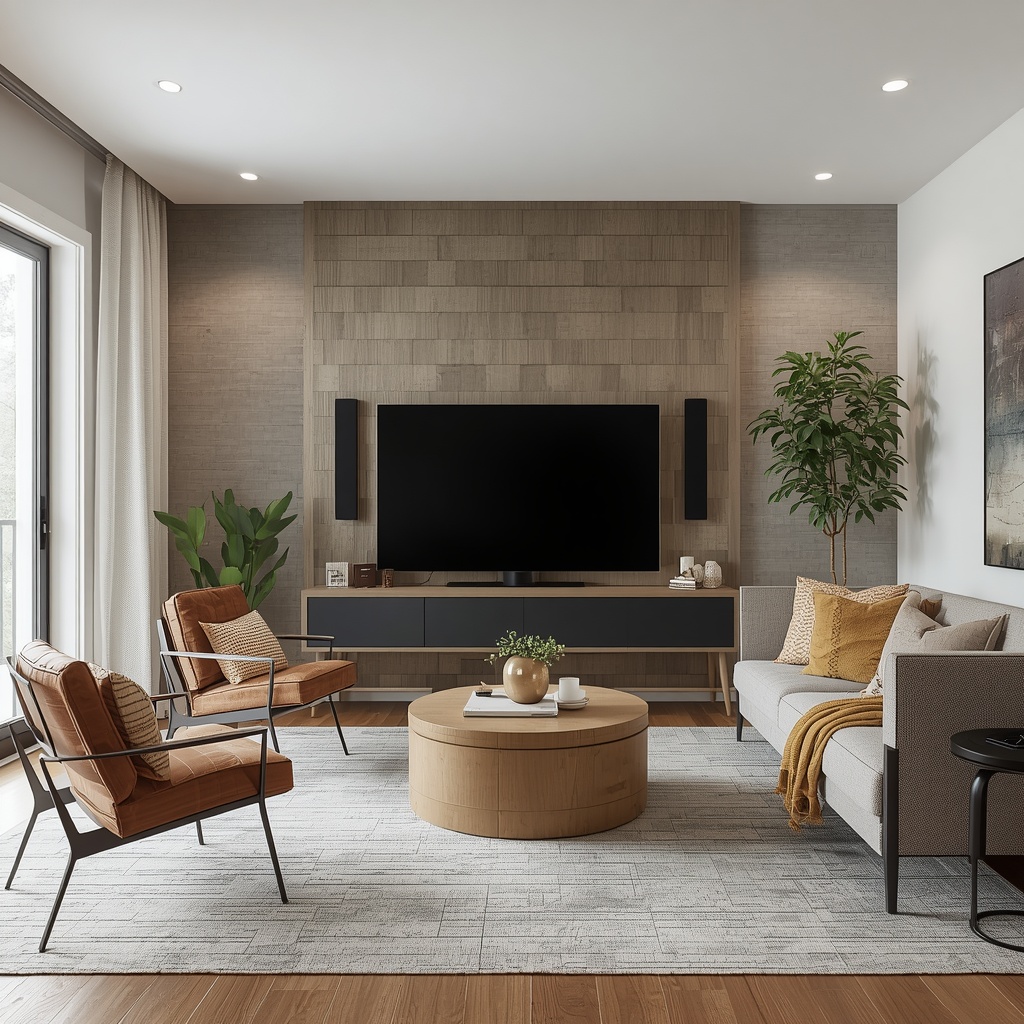
Soft, textured materials absorb sound waves instead of reflecting them, which reduces echo and overall noise levels. Dense, layered furnishings also add mass, which helps block sound from traveling between rooms or floors. When you choose decor with acoustics in mind, you’re essentially building a passive sound-dampening system into your home, one that also happens to look great in photos.
“Every soft surface in a room is doing double duty — it’s part of the design story, and it’s absorbing sound energy that would otherwise bounce around the space.” — a principle every acoustic-conscious designer follows.
Understanding the Two Types of Noise
Before choosing decor, it helps to know what kind of noise problem you’re solving. Not all sound behaves the same way, and different decor strategies target different sources.
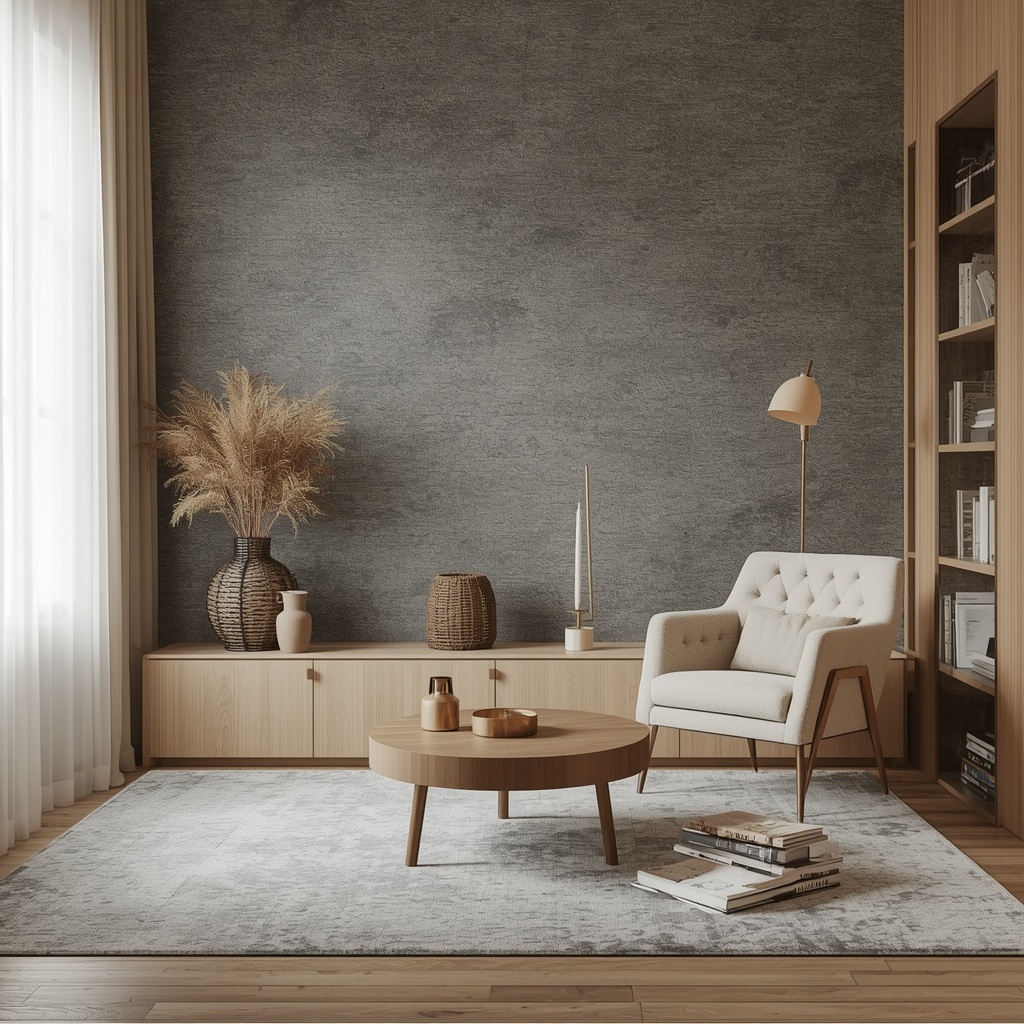
Airborne noise travels through the air — think voices, television sound, or music. This type of noise is most affected by soft furnishings, textiles, and wall treatments that absorb sound waves before they reflect and amplify. Impact noise, on the other hand, comes from vibration and contact, like footsteps on a hardwood floor or furniture scraping across tile.
| Noise Type | Common Sources | Best Decor Fix |
|---|---|---|
| Airborne | Voices, TV, music, traffic | Curtains, upholstered furniture, wall panels |
| Impact | Footsteps, dragging chairs, dropped items | Area rugs, rug pads, cork underlayment |
| Reverberation/Echo | Hard floors, bare walls, high ceilings | Textiles, bookshelves, acoustic art panels |
| Structure-borne | HVAC vibration, plumbing, appliances | Furniture pads, isolation mats, dense rugs |
Once you know which category your noise problem falls into, you can shop with intention instead of guessing.
Rugs and Carpets: Your First Line of Defense
Hard flooring — hardwood, tile, laminate, or concrete — reflects sound rather than absorbing it, which is why footsteps echo and voices carry in minimally furnished rooms. Adding a thick area rug is one of the fastest, most design-friendly upgrades you can make.

Look for rugs with a high pile and dense weave, since these trap more sound energy than flat, low-pile options. Layering a plush rug pad underneath doesn’t just protect your floors; it adds an extra buffer of cushioning mass that significantly reduces impact noise from footsteps and dropped objects.
Best rug choices for noise reduction:
- Wool or wool-blend rugs (naturally dense and sound-absorbent)
- Shag or high-pile styles for maximum cushioning
- Oversized rugs that extend well past furniture edges
- Felt or rubber rug pads at least ⅜-inch thick
- Layered rugs (a jute base under a softer top rug) for texture and depth
Curtains and Window Treatments That Do More Than Decorate
Windows are one of the weakest points in any room’s sound barrier. Glass is thin, reflective, and offers almost no resistance to airborne noise from traffic, neighbors, or wind. Heavy, well-constructed curtains change that equation dramatically.
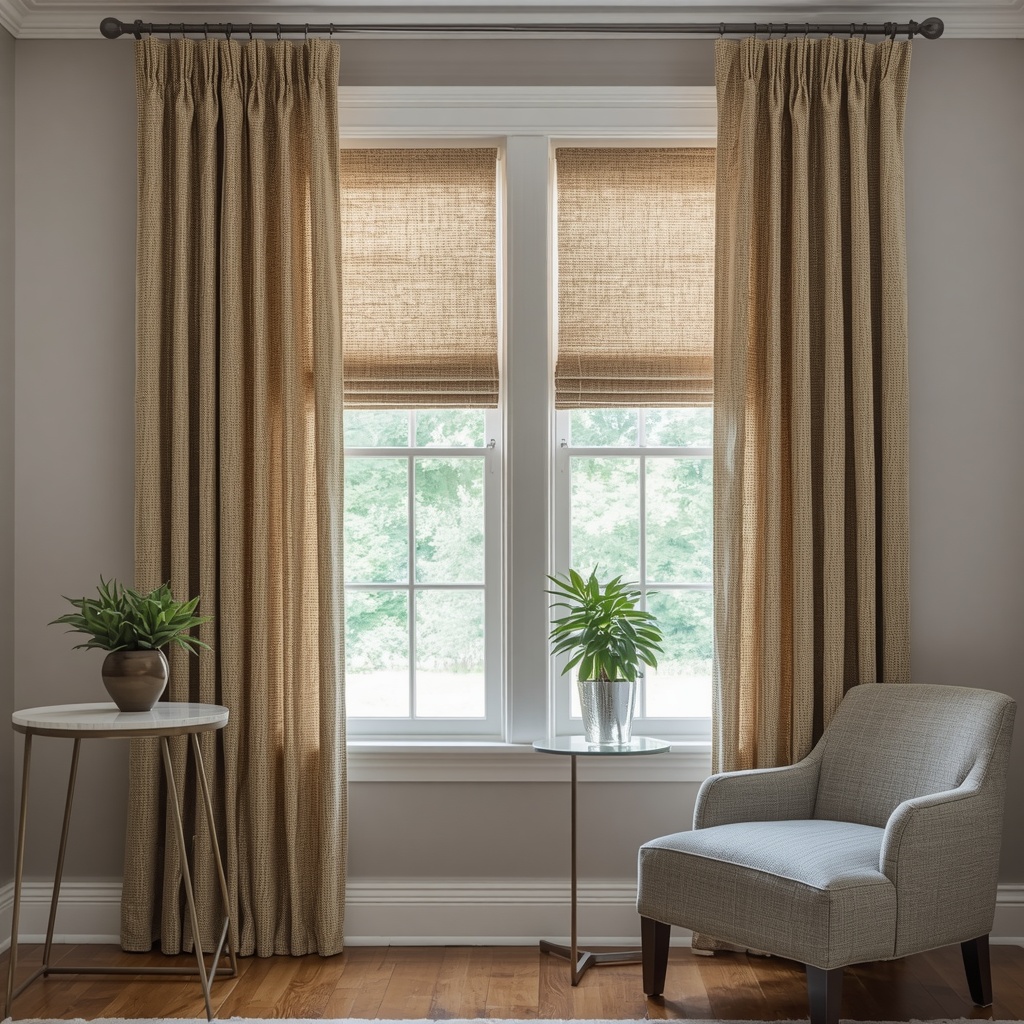
Choose curtains made from dense, tightly woven fabrics like velvet, suede, or heavyweight cotton blends, and hang them floor-to-ceiling with extra width so they can fully close over the window frame. The goal is mass and coverage — a thin, sheer panel looks lovely but does almost nothing acoustically, while a lined, floor-length velvet drape can noticeably soften outside noise.
What to look for in noise-reducing curtains:
- Triple-weave or blackout-lined fabric for added density
- A width that’s at least twice the window’s width when closed
- Floor-length panels that puddle slightly or just skim the floor
- Wall-mounted curtain rods extending beyond the window frame
- Layered treatments — a blackout liner plus a decorative outer panel
Consider pairing curtains with cellular (honeycomb) shades underneath for an additional buffer layer, especially in bedrooms facing busy streets.
Wall Decor as an Acoustic Tool
Bare walls are essentially sound mirrors, bouncing noise back into the room and creating echo, particularly in rooms with hard flooring or high ceilings. The fix doesn’t have to look clinical or industrial — acoustic wall treatments have come a long way in design terms.

Upholstered wall panels, woven tapestries, and fabric-wrapped art now come in shapes and finishes designed for style-conscious homes, not just recording studios. Even a well-curated gallery wall with a mix of framed art, textiles, and dimensional pieces adds surface irregularity that helps diffuse sound waves rather than reflecting them directly back.
Stylish wall treatments that also absorb sound:
- Upholstered or fabric-wrapped acoustic panels in geometric arrangements
- Macrame or woven wall hangings
- Bookshelves filled with books (a surprisingly effective sound diffuser)
- Quilted or padded wall art
- Cork bulletin boards styled as gallery pieces
For more on how texture and material choice affect a room’s overall feel, see this designer-favorite resource on layering textiles in interior design.
Furniture Placement and Upholstery Choices
The furniture you already own can be repositioned to work as a sound buffer, and the furniture you choose to buy can be selected specifically for its acoustic properties. Bulky, upholstered pieces absorb far more sound than sleek, hard-surfaced furniture.

Position bookshelves, upholstered headboards, or sectional sofas against shared walls with neighbors or noisy rooms — the added mass and softness act as a partial sound barrier. When shopping for new furniture, prioritize fabric over leather or hard finishes wherever noise is a concern, and choose deep, tufted upholstery over flat, tightly stretched fabric for maximum absorption.
| Furniture Choice | Acoustic Benefit | Design Bonus |
|---|---|---|
| Upholstered headboard | Absorbs bedroom noise near shared walls | Adds softness and hotel-style luxury |
| Fabric sectional sofa | Reduces echo in open-concept living rooms | Anchors large spaces visually |
| Tall bookshelves (filled) | Diffuses and absorbs sound | Adds storage and personality |
| Padded ottomans | Softens hard-surface reflections | Doubles as flexible seating |
| Woven room dividers | Breaks sound paths in open layouts | Defines zones stylishly |
The Ceiling: An Overlooked Soundproofing Opportunity
Ceilings rarely get decor attention, yet in homes with hard flooring above or below, they’re a major source of noise transfer. While structural soundproofing requires insulation work, decor can still meaningfully soften ceiling-related sound issues.
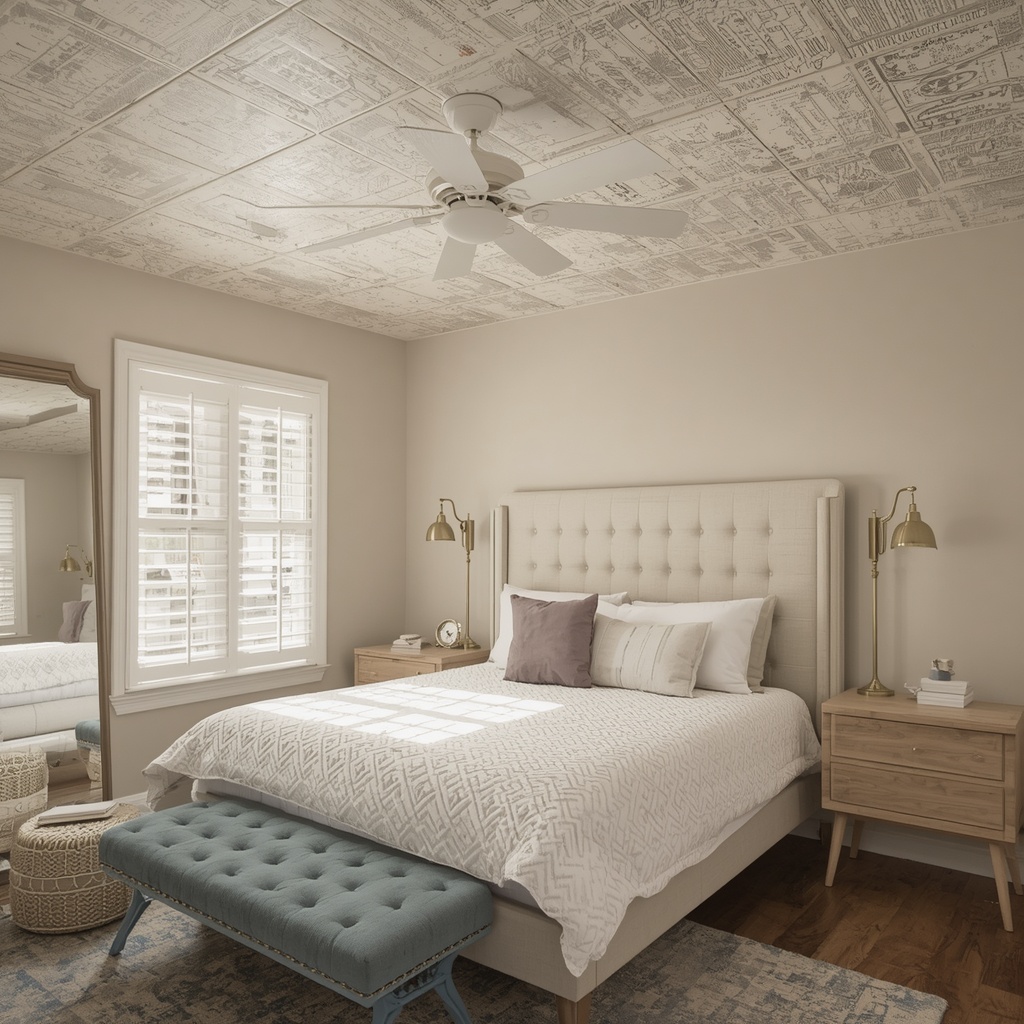
In rooms with tall or vaulted ceilings, echo is often the biggest complaint rather than noise from above. Adding a textured ceiling treatment, a fabric canopy, or acoustic-friendly pendant fixtures with fabric shades can subtly reduce reverberation. In multi-story homes, a well-placed area rug on the floor above a noisy room addresses the problem at its source rather than trying to fix it from below.
Consider these design-forward ceiling solutions:
- Fabric or woven pendant lampshades instead of exposed hard fixtures
- Beam wraps finished in soft, matte materials
- Ceiling-mounted textile art or canopy drapery in bedrooms
- Acoustic ceiling tiles disguised with a wood-look or patterned finish
Room-by-Room Soundproofing Priorities
Not every space needs the same level of acoustic attention. Prioritizing rooms based on their noise sensitivity helps you budget your decor updates wisely.
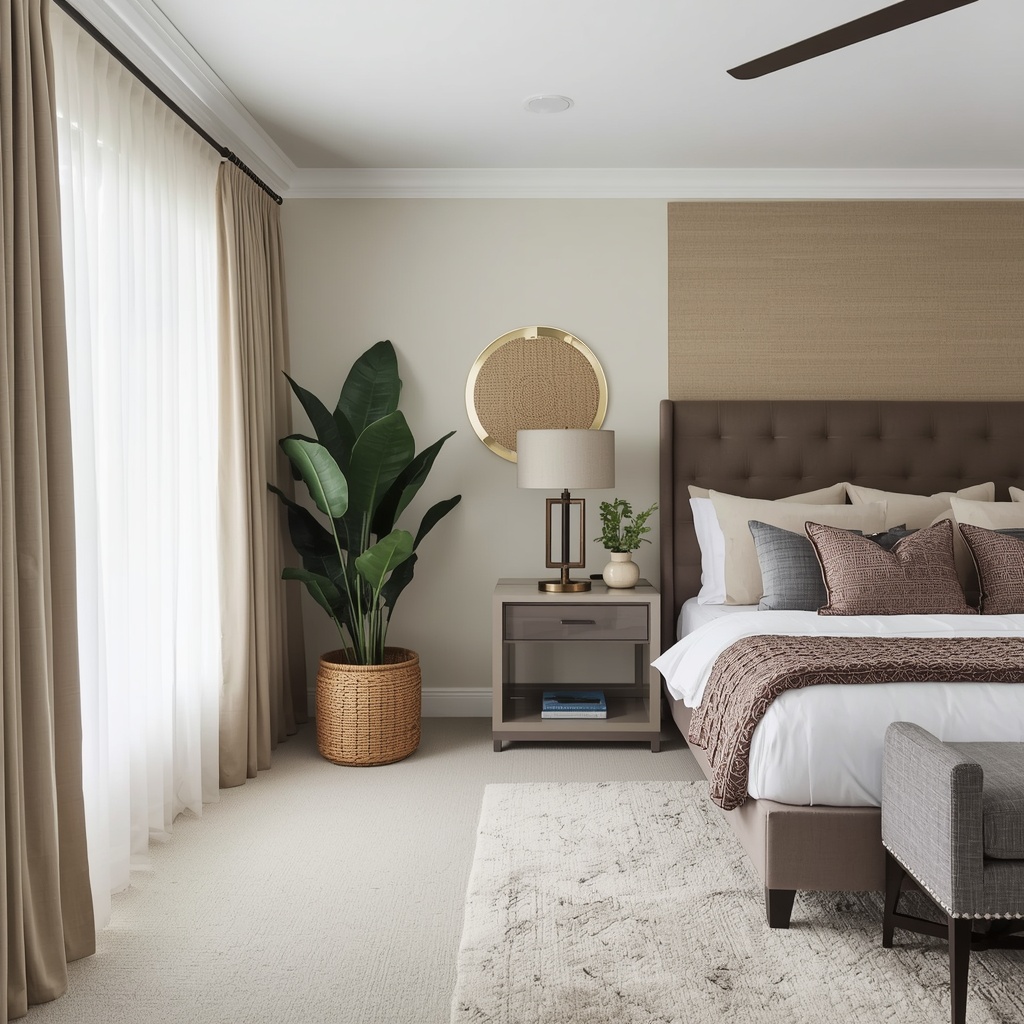
Bedrooms deserve the most investment since sleep quality depends heavily on a quiet environment; heavy curtains, an upholstered headboard, and a plush rug make the biggest difference here. Home offices, especially those used for calls or focused work, benefit most from wall panels and bookshelves that both absorb sound and block distracting conversation from other rooms.
Living rooms with open floor plans tend to suffer from echo more than outside noise, so layered textiles, rugs, and soft seating solve most issues. Kitchens and bathrooms, with their hard surfaces everywhere, are the hardest to soften with decor alone, but adding woven runners, fabric window treatments, and padded stools helps take the edge off daily clatter. <div style=”border-left: 4px solid #8a6d3b; background: #fdf6e3; padding: 14px 18px; margin: 20px 0;”> <strong>Pro Tip:</strong> Start your soundproofing decor project in the room where noise disrupts your life the most — usually the bedroom or home office — rather than trying to tackle the whole house at once. A focused, well-executed space will teach you which materials work best for your specific noise problem before you invest elsewhere. </div>
Budget-Friendly Soundproofing Decor Swaps
You don’t need a full renovation budget to see real results. Many of the most effective acoustic upgrades are also some of the most affordable decor changes you can make.
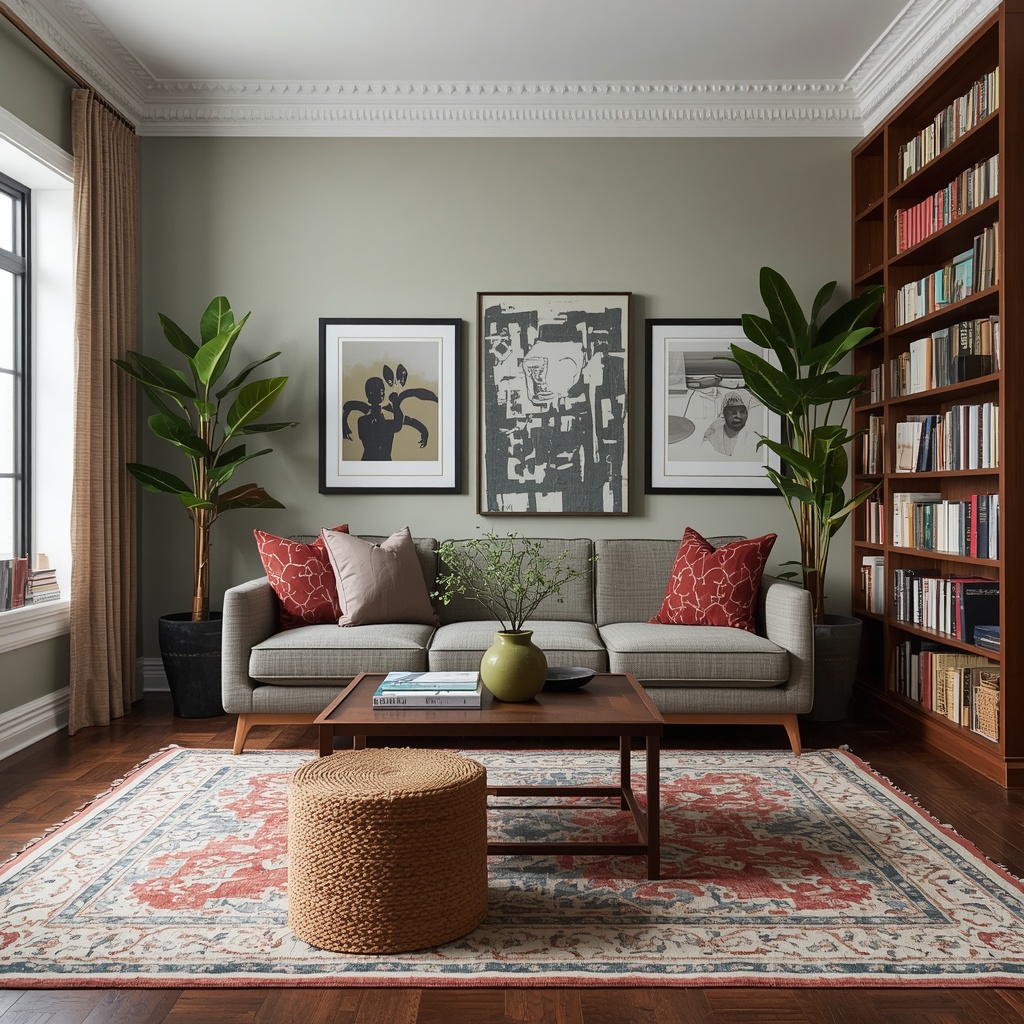
Start by adding a rug where there currently is none, hanging heavier curtains over existing hardware, or filling an empty bookshelf. These changes cost relatively little compared to structural soundproofing but deliver a noticeable difference in daily comfort. Thrifted textiles, secondhand upholstered furniture, and DIY fabric wall panels are all budget-friendly ways to layer in sound absorption without a major spend.
Low-cost, high-impact swaps:
- Swap thin curtains for lined, heavyweight panels
- Add a rug pad under an existing rug you already own
- Fill empty wall space with a soft-textured tapestry
- Rearrange furniture so soft pieces sit against shared walls
- Replace hard plastic or metal decor accents with woven or fabric versions
Materials Cheat Sheet: What Absorbs vs. What Reflects
Understanding which materials help and which ones hurt makes future decor decisions much easier, especially when you’re shopping for a specific room.
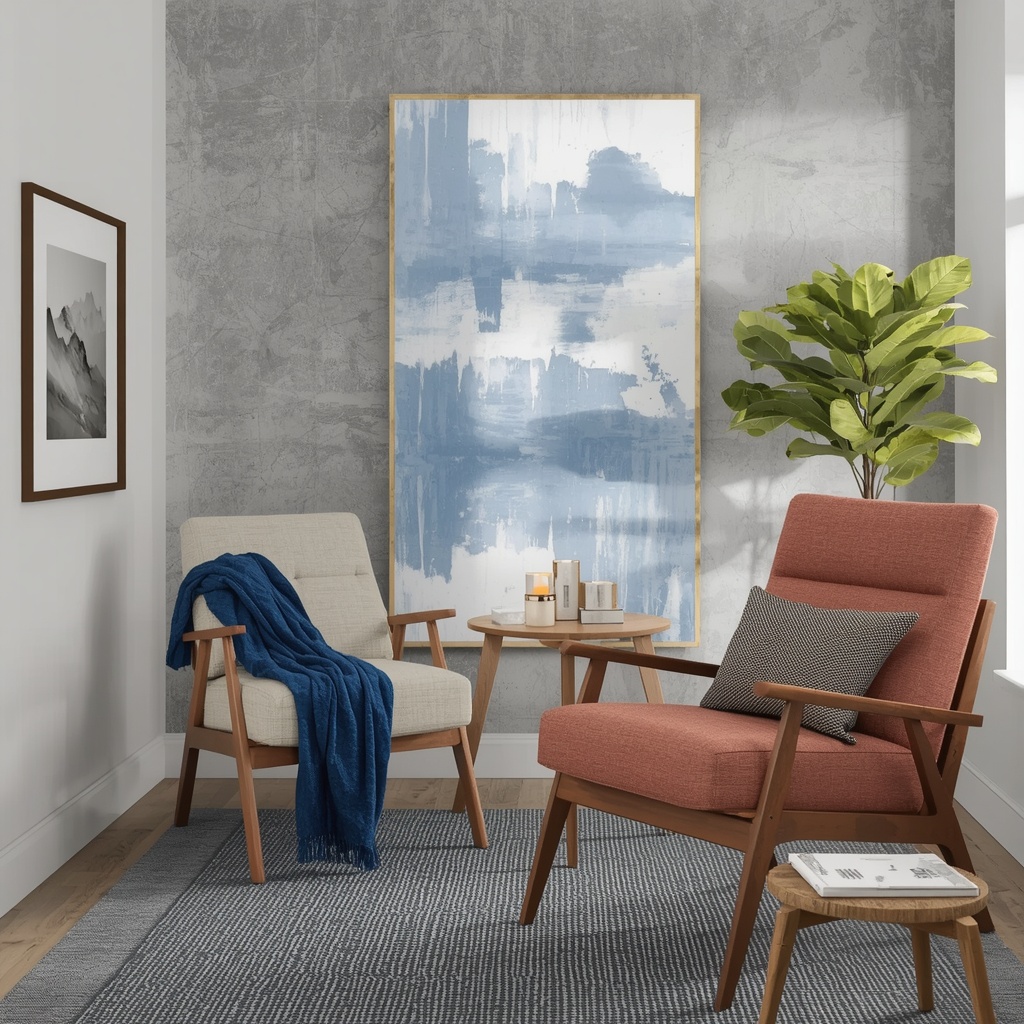
| Absorbs Sound (Choose These) | Reflects Sound (Use Sparingly) |
|---|---|
| Wool, velvet, and heavy cotton textiles | Glass, mirrors, and metal accents |
| Upholstered furniture | Bare hardwood, tile, or concrete floors |
| Thick rugs and rug pads | Leather and vinyl upholstery |
| Cork, felt, and fabric wall panels | Uncovered plaster or drywall |
| Filled bookshelves | High-gloss furniture finishes |
This doesn’t mean banishing glass or hard surfaces entirely — a home with only soft materials can feel flat and overly muffled. The goal is balance: enough reflective surfaces for visual interest and light, and enough absorptive material to keep echo and noise in check.
Bringing It All Together
Soundproofing your home through decor is less about a single product and more about layering — rugs on the floor, heavy textiles at the windows, upholstered furniture against shared walls, and soft, textured pieces on otherwise bare surfaces. Each layer contributes a small acoustic improvement, and together they add up to a noticeably calmer, quieter home.
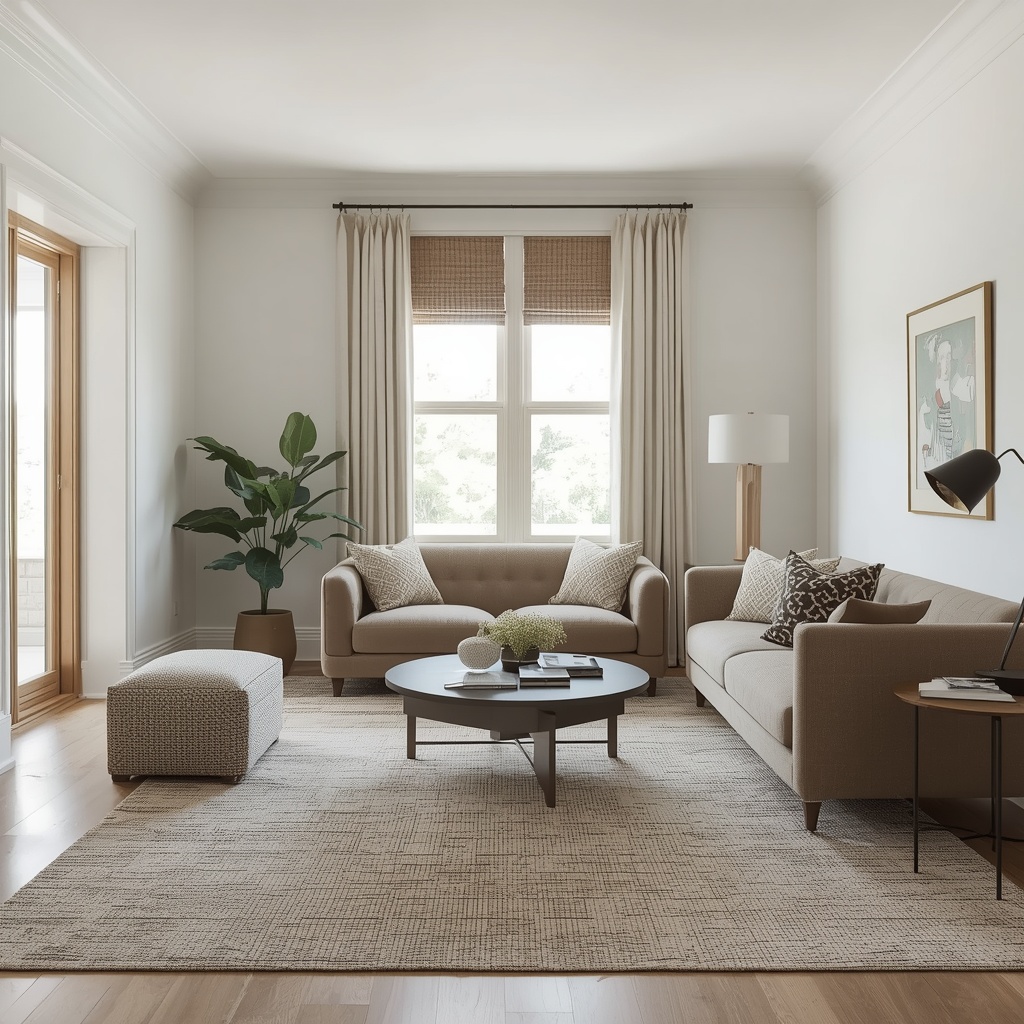
The best part is that none of these choices require sacrificing style. A well-layered rug, a set of floor-length velvet curtains, or a beautifully arranged bookshelf all serve double duty: they make your home look intentional and finished while quietly doing the work of absorbing sound. Start with the room that bothers you most, choose materials with both texture and density in mind, and build outward from there.