
If your apartment, condo, or starter home feels like it is shrinking every month, you are not alone. Across the US, renters and homeowners alike are living in smaller footprints, and the average city studio leaves little room for extra stuff. The good news is that you do not need more square footage to feel at ease at home. You need a smarter approach to what you keep, where it lives, and how your space flows.
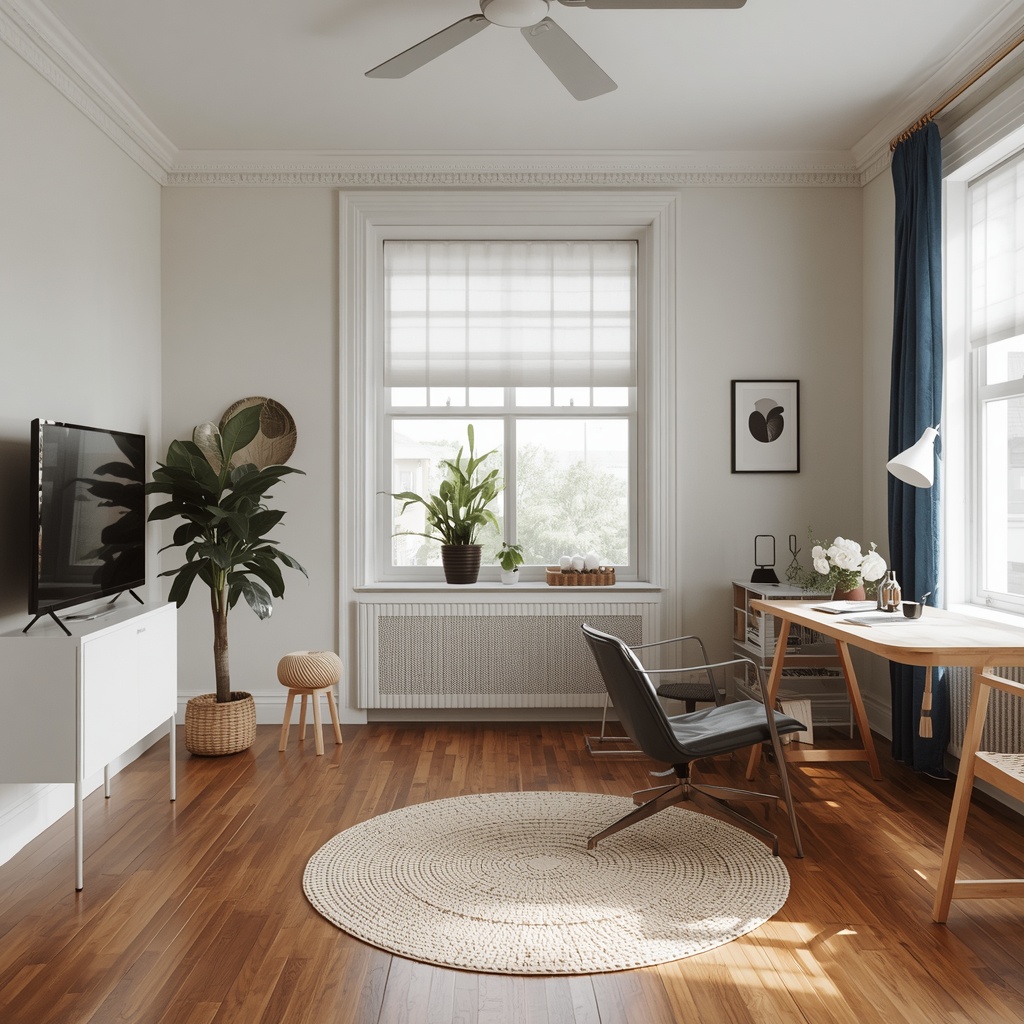
This guide walks you through minimalist decluttering tips designed specifically for small living spaces. You will learn a step-by-step decluttering method, room-by-room strategies, space-saving storage ideas, and the design tricks professionals use to make compact rooms look open and calm. Whether you live in a 400-square-foot apartment or a cozy two-bedroom, these ideas will help you create a clean, functional, and beautiful home.
Why Minimalist Decluttering Works Better in Small Spaces
In a large house, clutter can hide in spare rooms, basements, and garages. In a small home, every object is visible and every object competes for space. That is why minimalism is not just a trend for compact living. It is a practical design strategy that protects your limited floor area, your budget, and your peace of mind.
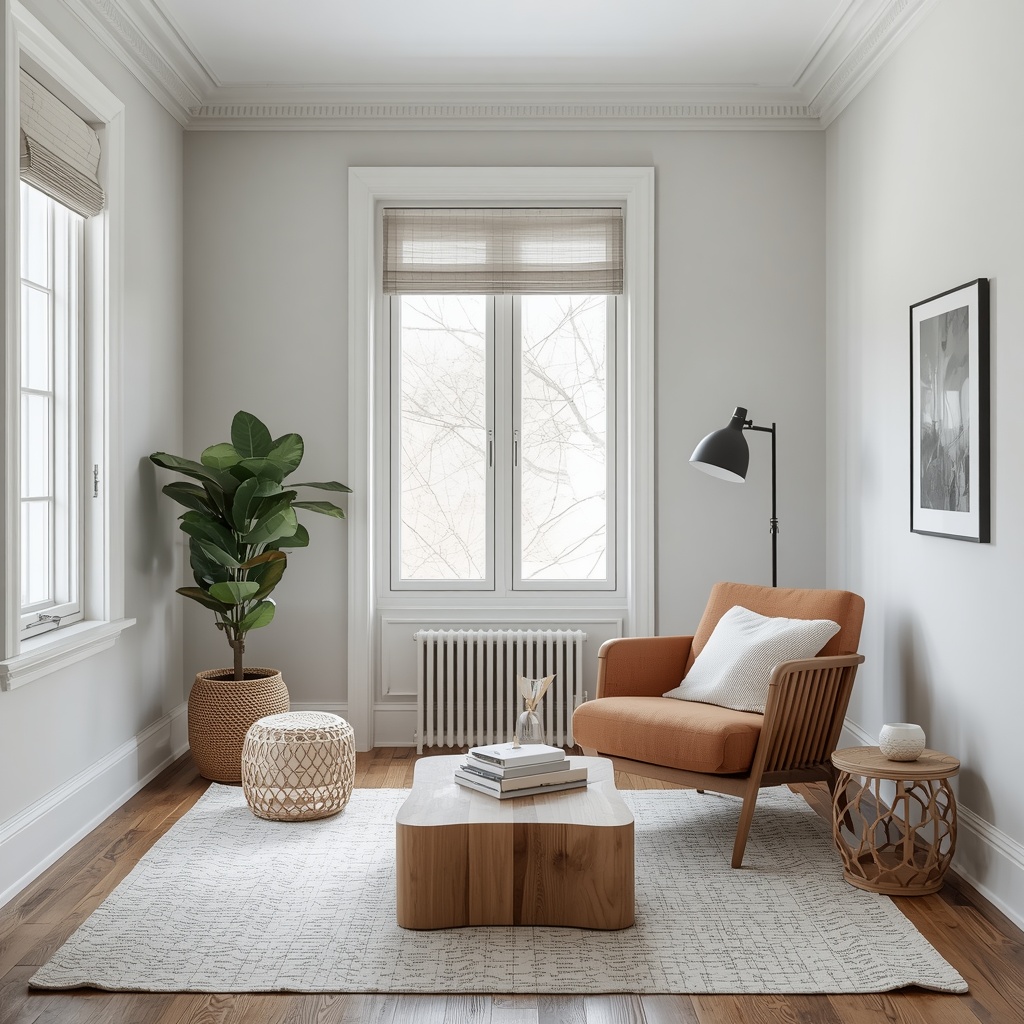
When you reduce visual noise, your eye travels farther across a room, which makes the space feel larger. Fewer items also mean faster cleaning, easier organizing, and less decision fatigue each morning. Think of minimalist decluttering as an investment: you spend a weekend editing, and you gain a home that works for you every single day.
“Have nothing in your houses that you do not know to be useful, or believe to be beautiful.” — William Morris
That century-old advice is still the best rule of thumb for small-space living. If an item is neither useful nor loved, it is taking up valuable real estate.
Start With the Right Mindset: Edit, Do Not Just Tidy
Tidying moves things around. Decluttering removes what does not belong. Many people spend hours reorganizing the same overstuffed shelves, only to watch the mess return in a week. Professional designers think like editors: we decide what earns a place in the room before we decide where it goes.
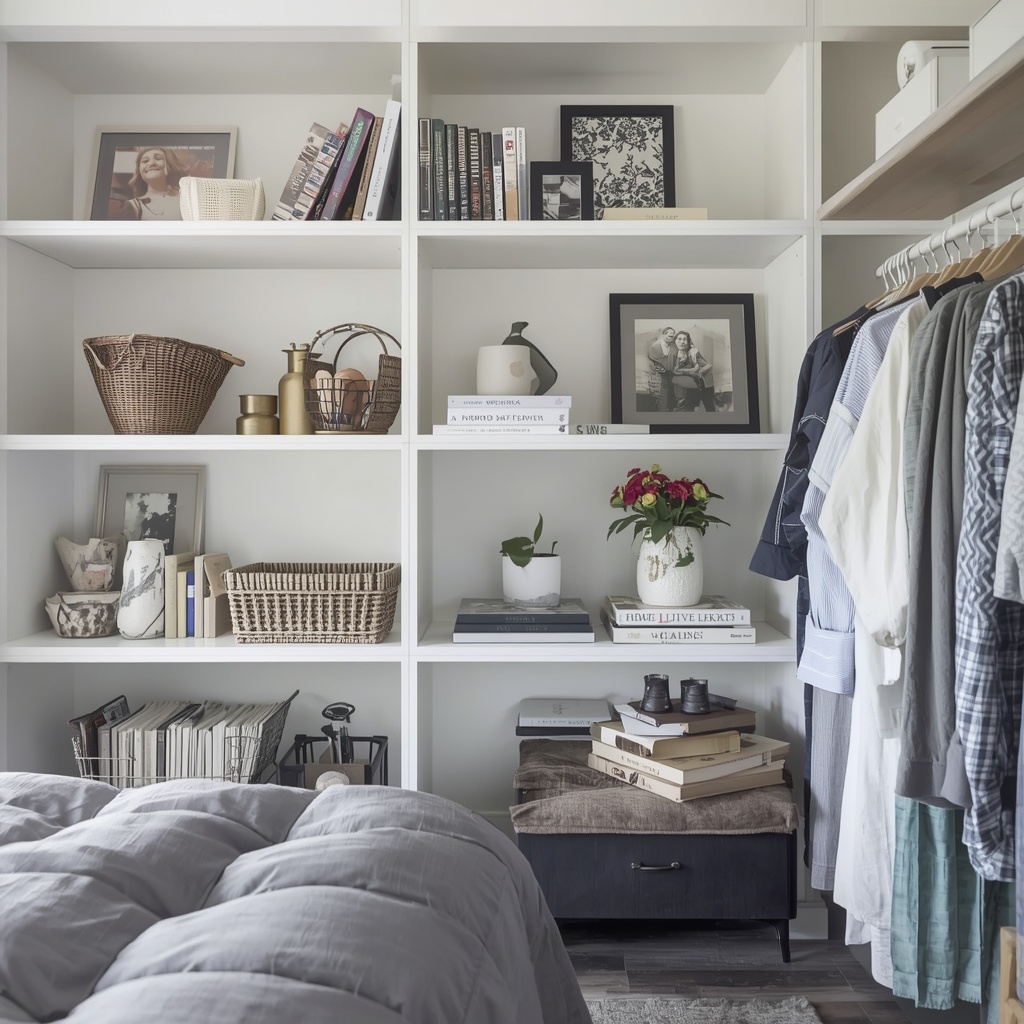
Shift your question from “Might I need this someday?” to “Does this support the life I live right now?” This small change breaks the habit of keeping things out of guilt, fear, or obligation. Be honest about gifts, hobbies you have outgrown, and aspirational purchases that never got used. Letting go is not wasteful when the item finds a better home.
Pro Tip from the Designer: Before you declutter a single drawer, take a photo of each room and look at it on your phone screen. Photos strip away familiarity and reveal visual clutter you have stopped noticing. Pay attention to surfaces, like countertops and coffee tables, where objects tend to pile up, and decide that these areas will stay at least 70 percent clear.
The 5-Step Minimalist Decluttering Method for Small Homes
A clear process keeps you from feeling overwhelmed. Use this method one zone at a time, and you will see progress within hours instead of weeks. It works well for studio apartments, one-bedrooms, tiny houses, and compact family homes.
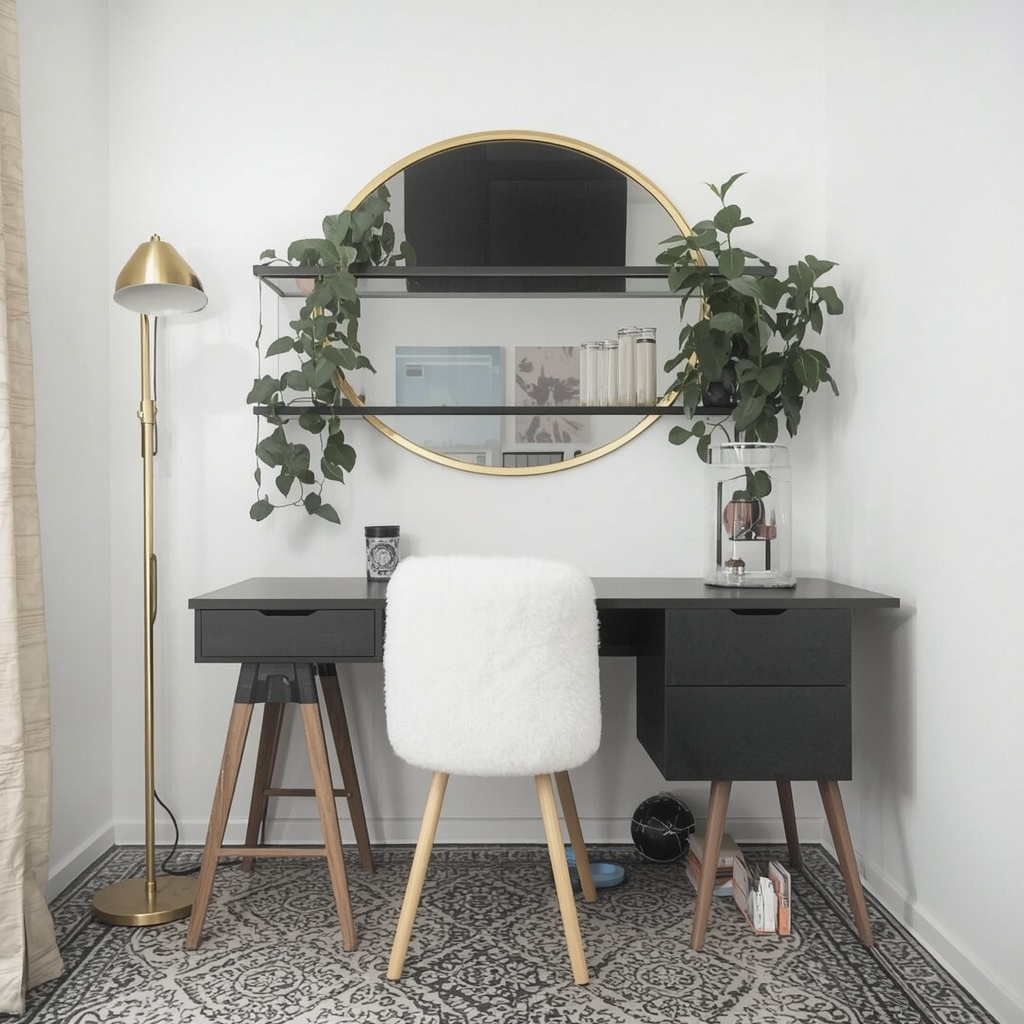
The key is to finish one zone completely before moving to the next. Half-finished piles are the number one reason decluttering projects stall. Set a timer for 45 to 60 minutes, play your favorite playlist, and commit to one drawer, shelf, or corner at a time.
- Empty the zone completely. Pull everything out of the closet, cabinet, or shelf so you can see exactly what you own.
- Sort into four groups. Keep, donate, sell, and recycle or discard. Avoid a “maybe” pile, or limit it to one small box with a 30-day review date.
- Clean the empty space. Wipe shelves and vacuum corners while the area is bare. It makes the fresh start feel real.
- Return only what earns its place. Group like items together and store the most-used things at eye level or hand height.
- Remove the exits immediately. Drop donations in your car trunk and list sale items the same day so they do not drift back into your home.
For donation ideas, organizations like Goodwill and local community shelters accept gently used clothing, kitchenware, and furniture. Consignment apps and neighborhood groups are also great for selling larger items.
Room-by-Room Decluttering Guide
Every room in a small home has a different clutter personality. Kitchens collect duplicates, bedrooms collect clothing, and entryways collect everything you carried in the door. Use the table below as a quick reference for where to focus first.
| Room | Common Clutter Culprits | Minimalist Fix |
|---|---|---|
| Entryway | Shoes, mail, bags, keys | Wall hooks, slim shoe rack, one catch-all tray |
| Living Room | Throw pillows, remotes, magazines, cords | Lidded storage ottoman, cord clips, curated coffee table |
| Kitchen | Duplicate utensils, expired pantry items, small appliances | Keep one of each tool, clear counters, use door-mounted racks |
| Bedroom | Overflowing wardrobe, nightstand piles, under-bed junk | Capsule wardrobe, floating shelf, labeled under-bed bins |
| Bathroom | Half-used products, towels, hair tools | Over-the-door organizer, shower caddy, one-in-one-out rule |
| Home Office Nook | Paper stacks, cables, supplies | Wall-mounted shelf, digital filing, drawer dividers |
The kitchen deserves special attention because it is often the busiest room in a compact home. Pull out every gadget and ask when you last used it. The garlic press, the second waffle maker, and the mismatched mugs rarely make the cut. Keep what you use weekly and give the rest a new life.
In the bedroom, a capsule wardrobe can free up an astonishing amount of space. Aim for versatile pieces in a cohesive color palette, and rotate seasonal items into vacuum bags stored under the bed. You will get dressed faster and your closet will finally breathe.
Smart Storage Solutions That Almost Disappear
Minimalism does not mean owning nothing. It means owning what you need and storing it intelligently. In small spaces, the best storage is either hidden or so well designed that it becomes part of the decor.
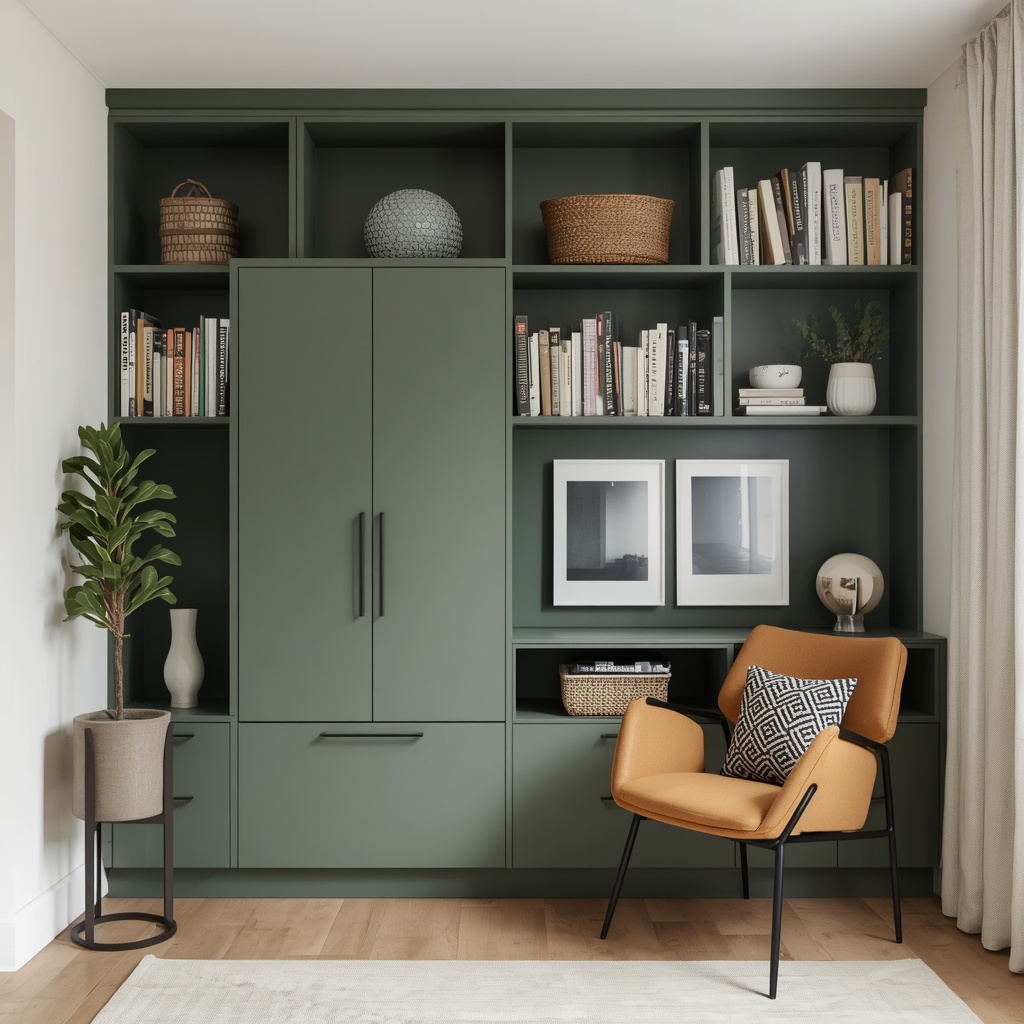
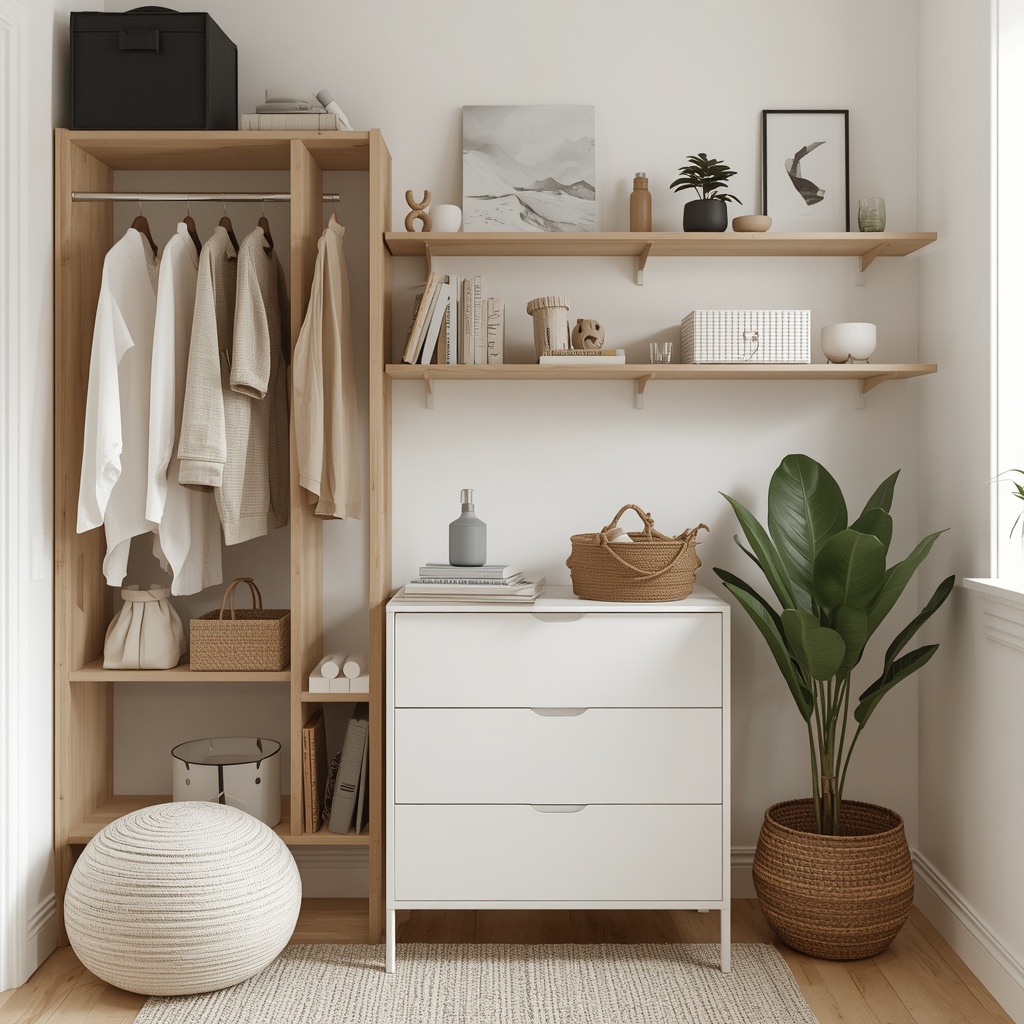
Think vertically first. Walls are the most underused real estate in any compact home, and going up keeps your floor clear, which is essential for that open, airy feeling. Choose storage in the same tones as your walls so it visually recedes rather than adds more bulk.
- Floating shelves: Perfect above desks, beds, and doorways. Keep them styled with just a few intentional objects.
- Under-bed storage: Low-profile rolling bins hold off-season clothing, extra bedding, and shoes.
- Over-the-door organizers: Ideal for cleaning supplies, accessories, and pantry overflow.
- Wall-mounted hooks and pegboards: Great for bags, coats, kitchen tools, and craft supplies.
- Storage ottomans and benches: Hide blankets, board games, and shoes while doubling as seating.
- Tension rods: Add a second hanging level inside closets or organize cleaning supplies under the sink.
- Clear, matching containers: Uniform bins reduce visual chaos and make contents easy to find.
If you are shopping for affordable organizers, retailers like IKEA offer modular systems that scale as your needs change. Measure twice, buy once, and never buy storage before you finish decluttering. Otherwise you will simply organize clutter you should have released.
Choose Multifunctional, Visually Light Furniture
Furniture is where small-space design can make or break your home. Oversized sofas, bulky dressers, and heavy dark pieces swallow floor area and make rooms feel cramped. Instead, look for pieces that serve more than one purpose and keep sightlines open.
Legs matter more than you might think. Furniture raised on slim legs lets light and your eye pass underneath, which makes a room appear larger. Glass, acrylic, and light wood finishes also reduce visual weight. When in doubt, choose the smaller piece and let negative space do the work.
| Furniture Piece | Why It Works in Small Spaces | Best For |
|---|---|---|
| Sofa bed or daybed | Seating by day, guest bed by night | Studios, home offices |
| Nesting tables | Spread out when needed, tuck away when not | Living rooms |
| Drop-leaf or wall-mounted desk | Folds flat to reclaim floor space | Work-from-home nooks |
| Platform bed with drawers | Built-in storage replaces a dresser | Bedrooms |
| Ottoman with lid | Seating, footrest, and hidden storage | Living areas |
| Extendable dining table | Compact daily, roomy for guests | Open-plan apartments |
“Less, but better.” — Dieter Rams
The famed industrial designer’s principle is a perfect guide for furniture shopping. One high-quality, multipurpose piece will always outperform three cheap single-use items.
Use Color, Light, and Texture to Create a Calm Minimalist Look
Decluttering clears the space, but design choices make it feel intentional. A cohesive color palette is the simplest way to create calm. Stick to two or three base colors, such as soft white, warm beige, and gentle gray, then add one accent shade for personality. Matching your wall color to large furniture can also blur boundaries and make a room feel more expansive.
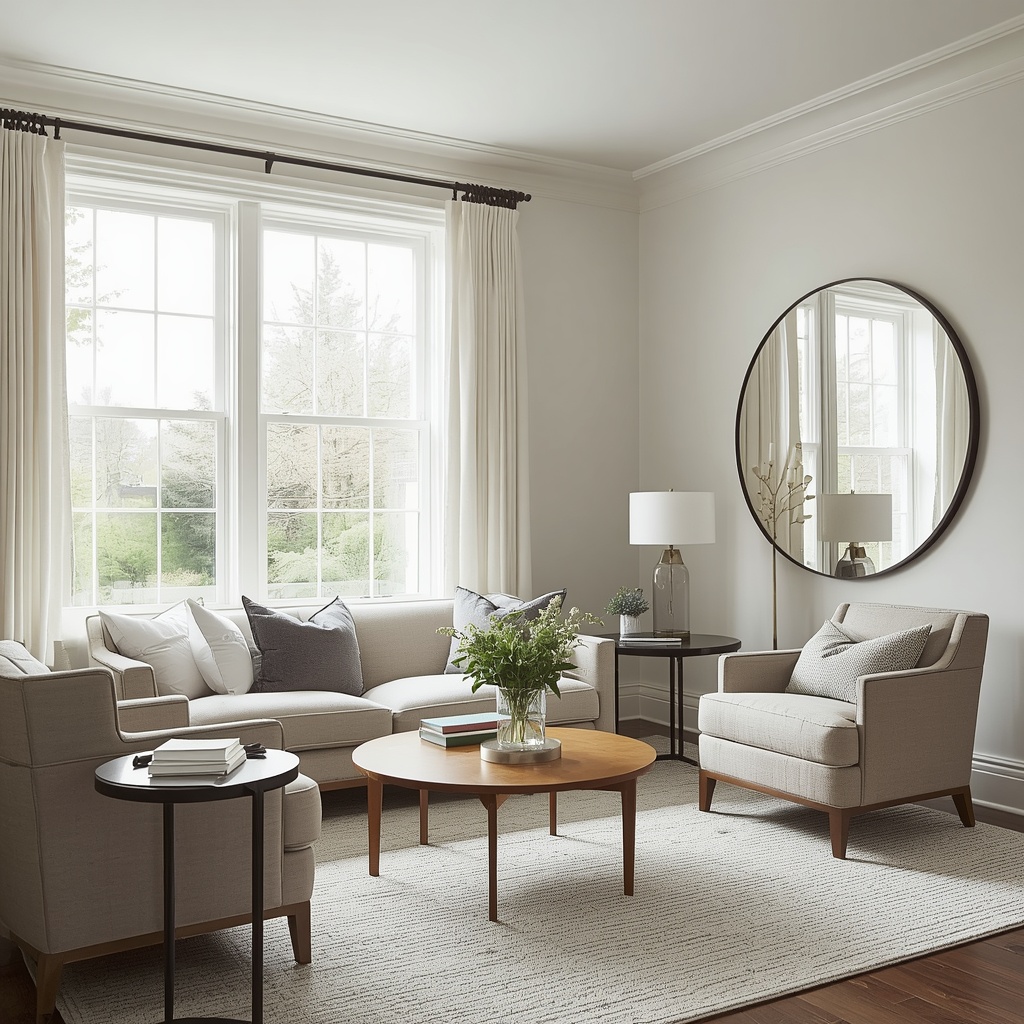
Light is your secret weapon. Keep windows unobstructed, swap heavy drapes for sheer panels, and layer lighting with floor lamps, wall sconces, and table lamps rather than relying on one harsh overhead fixture. Mirrors placed opposite windows bounce natural light around the room and add instant depth without taking up floor space.
Texture keeps minimalist rooms from feeling cold. Linen curtains, a chunky knit throw, a wool rug, and a few wooden accents bring warmth and visual interest without adding clutter. Choose natural materials where possible, since they age beautifully and fit the quiet look of Scandinavian and Japandi-inspired interiors.
Pro Tip: Follow the “rule of three” when styling shelves and tabletops. Group objects in odd numbers, vary the heights, and leave breathing room around them. A tray with a candle, a small plant, and a favorite book looks styled. A tray with ten trinkets looks cluttered.
Do Not Forget Digital and Paper Clutter
Clutter is not always physical. Overflowing inboxes, hundreds of unused apps, and stacks of unopened mail create mental noise that follows you around your home. A truly minimalist space supports a calm mind, so give your digital and paper life the same attention you give your closets.
Start by opening your mail over the recycling bin and handling each piece once. Scan important documents into a cloud folder and shred what you do not need. On your phone, delete unused apps, unsubscribe from promotional emails, and organize photos into albums. Ten minutes a day is enough to keep this under control.
- Set up one “command center” folder or tray for incoming paperwork and process it weekly.
- Switch bills and statements to paperless delivery.
- Keep only the last year of receipts unless needed for taxes or warranties.
- Use one notes app for lists instead of scattered sticky notes.
Build Habits That Keep Your Home Clutter-Free
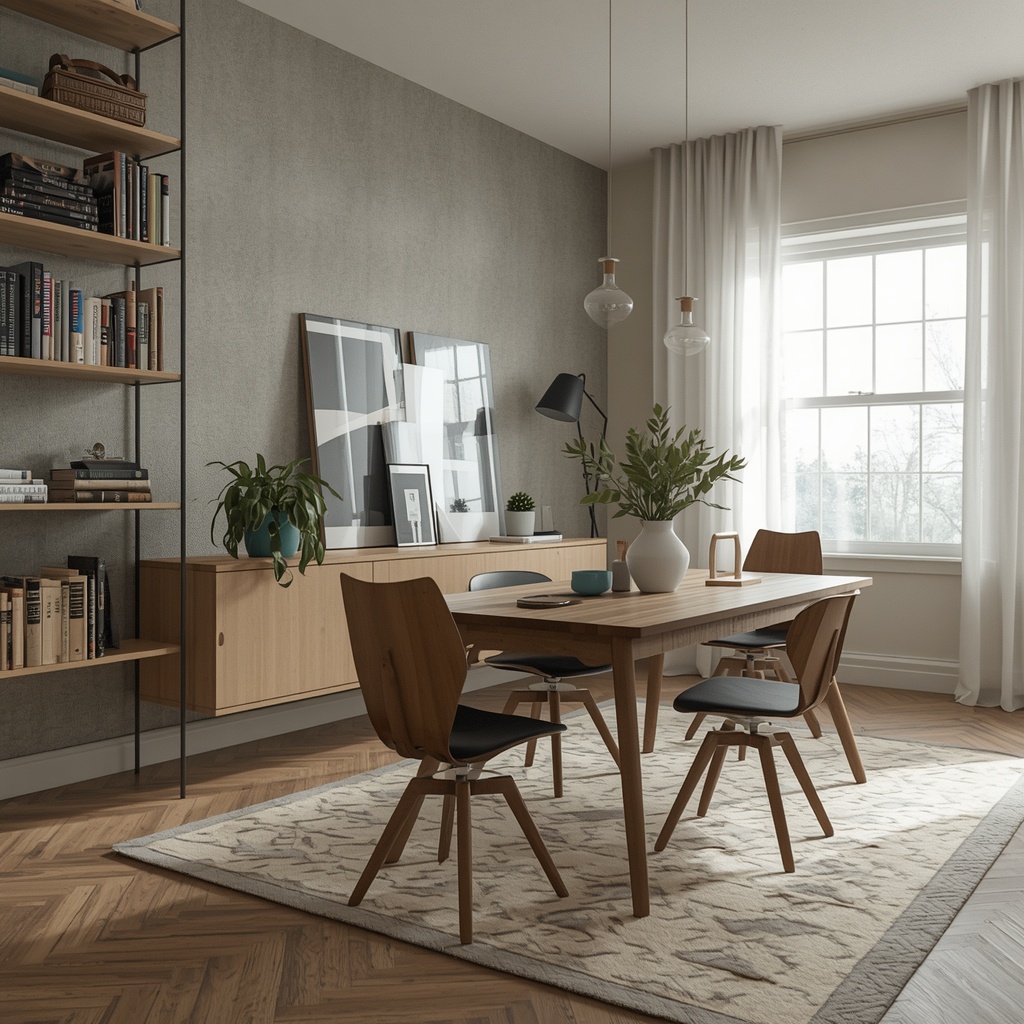
The best decluttering results come from small daily habits, not one heroic weekend. Once you have edited your belongings, you need simple rules that prevent clutter from creeping back in. Choose two or three from the table below and practice them until they feel automatic.
| Habit | How It Works | Time Needed |
|---|---|---|
| One-in, one-out | Every new item means an old one leaves | Ongoing |
| 10-minute nightly reset | Return items to their homes before bed | 10 minutes |
| 30-day wait rule | Wait a month before non-essential purchases | Ongoing |
| Weekly surface check | Clear counters, tables, and nightstands | 15 minutes |
| Quarterly mini-purge | Review one category each season | 1 hour |
| Designated “homes” | Every item has one assigned location | Setup only |
The one-in, one-out rule is especially powerful for small homes because it creates a natural ceiling on your belongings. If you want a new sweater, a sweater you no longer wear moves on. This keeps your space balanced without strict, joyless deprivation.
It also helps to be mindful about what you bring home in the first place. Gifts, freebies, and impulse buys are the most common sources of new clutter. Politely decline promotional items, ask loved ones for experiences or consumables instead of objects, and ask yourself whether you have a place for something before you buy it.
Common Decluttering Mistakes to Avoid
Even motivated declutterers can stumble. Knowing the common pitfalls helps you stay on track and avoid burnout, especially when your space is small and every decision feels magnified.
- Buying organizers first. Containers do not solve clutter. Declutter first, then buy only what you truly need.
- Tackling everything at once. Marathon sessions lead to exhaustion. Work in short, focused zones.
- Keeping items “just in case.” Ask whether you could replace it easily and cheaply if you needed it. Usually the answer is yes.
- Ignoring vertical space. Leaving walls bare while floors overflow wastes your best storage opportunity.
- Chasing a perfect look. Minimalism is about intention, not emptiness. Keep what brings function and joy.
- Forgetting the household. If you share your home, involve everyone and agree on shared rules and personal zones.
If you want more visual inspiration, browse the home tours and organization guides at Apartment Therapy and the practical how-tos at The Spruce. Seeing real small homes can help you picture what is possible in your own.
Frequently Asked Questions
How do I start decluttering a small apartment when I feel overwhelmed? Begin with one small, low-emotion area, such as a junk drawer or bathroom cabinet. Quick wins build momentum, and you can move on to more sentimental categories later.
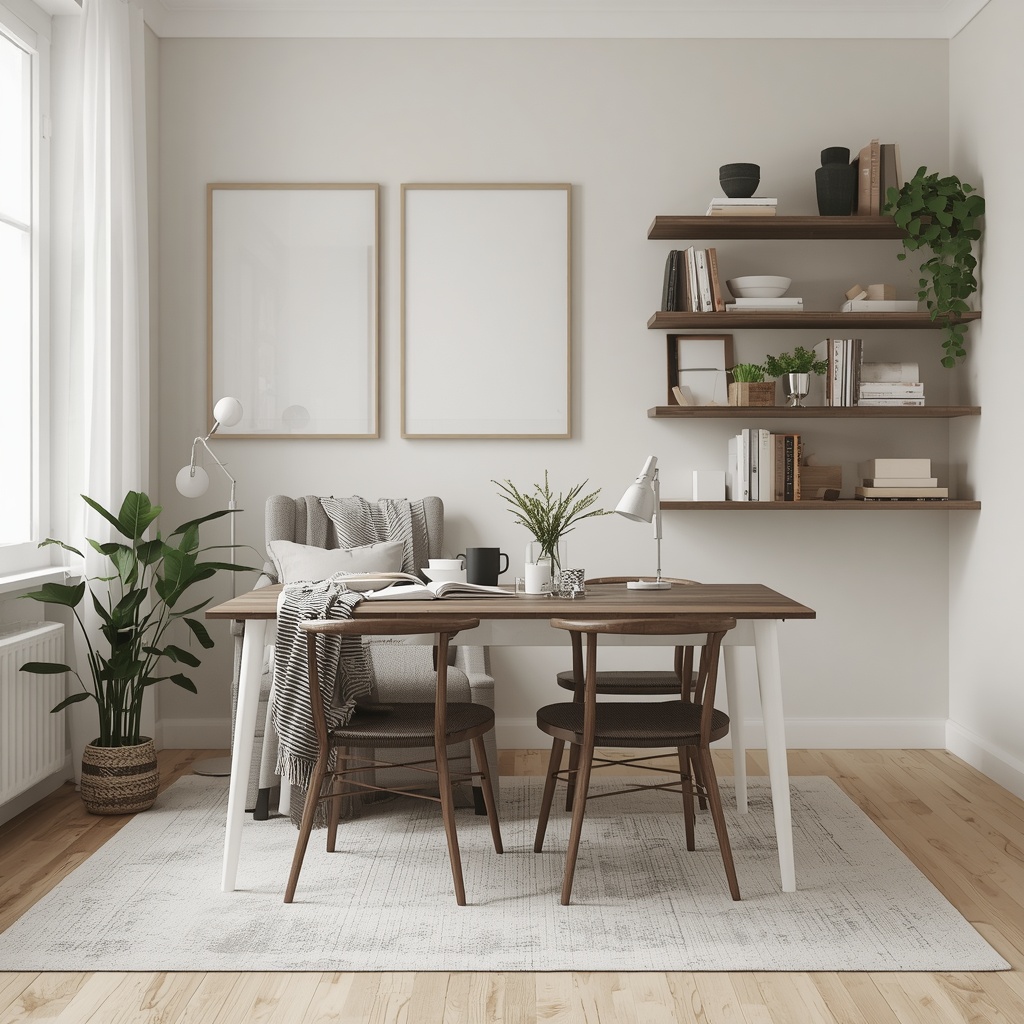
How many items should I own to be a minimalist? There is no magic number. Minimalism is personal. The goal is to own things that serve your daily life and fit comfortably in your space without forcing you to cram or stack.
What should I do with sentimental items? Keep a small, curated memory box. Photograph larger keepsakes before donating them, and display only your most meaningful pieces so they stand out instead of getting lost in the crowd.
Can I be a minimalist if I have kids or a partner who is not on board? Absolutely. Start with your own belongings and shared spaces, set simple family systems like toy rotation and labeled bins, and lead by example. Compromise works better than pressure.
Final Thoughts: Your Small Space Can Feel Spacious
A small home does not have to feel limiting. With a clear editing mindset, a simple five-step method, smart vertical storage, multipurpose furniture, and a calming design palette, even the tiniest apartment can feel open, organized, and welcoming. The most important step is simply to begin.
Start with one drawer today, then one shelf tomorrow. Over time, those small choices add up to a home that reflects your lifestyle, supports your routines, and gives you room to breathe. Remember, the goal of minimalist decluttering is not a showroom. It is a space where you feel calm, capable, and truly at home.