
A small living room is not a design problem. It is a design opportunity. With the right compact sofa, even a 10-by-12 apartment space can feel open, layered, and genuinely comfortable, instead of cramped and cluttered. The secret is choosing furniture that works with your square footage rather than fighting it.
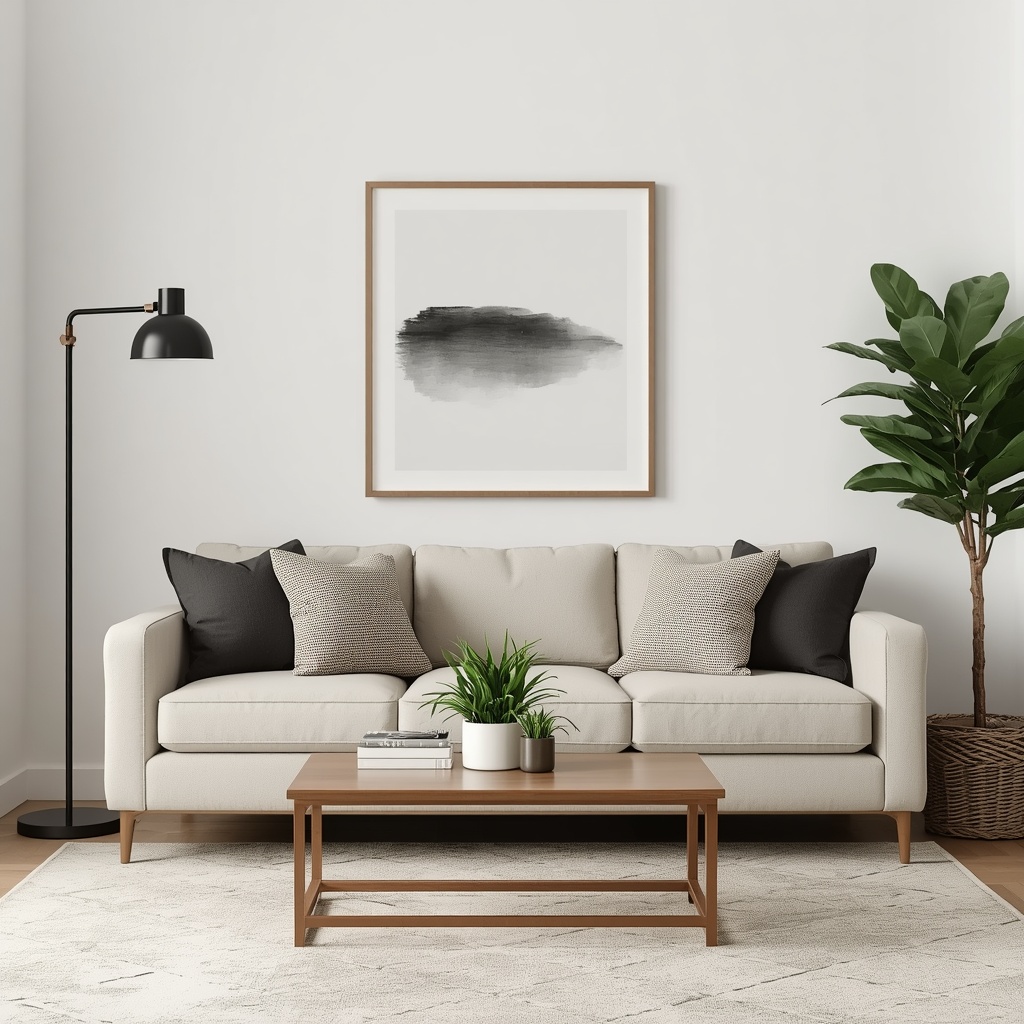
In my years of styling small homes across the US, from Brooklyn walk-ups to Austin condos and Seattle studios, the sofa is always the make-or-break piece. Pick one that is too bulky and the whole room shrinks. Pick a well-scaled apartment sofa and suddenly everything else falls into place. This guide walks you through every option, measurement, and styling trick you need.
Why the Right Sofa Matters So Much in a Small Living Room
Your sofa is the largest piece of furniture in the room, and it sets the visual tone for everything else. In a small living room, an oversized couch can swallow nearly half the floor area, blocking traffic flow and making the space feel like a furniture showroom rather than a home. A compact sofa, by contrast, preserves breathing room and keeps sightlines open.

Scale and proportion are the foundation of good small space decorating. A properly sized sofa lets you add a coffee table, accent chair, and side table without creating an obstacle course. It also helps natural light travel across the room, which is one of the easiest ways to make a space feel bigger.
“In a small room, every piece has to earn its footprint. If it does not work hard, it does not stay.” — a classic interior design rule of thumb
The good news is that today’s market is full of space-saving sofas that deliver comfort, style, and durability without the bulk. Let’s start with the most important step: measuring.
How to Measure Your Space Before Buying a Compact Sofa
Before you fall in love with any couch, grab a tape measure and a roll of painter’s tape. Measuring correctly is the single best way to avoid costly returns and delivery-day heartbreak. Here is the process I use with every client:
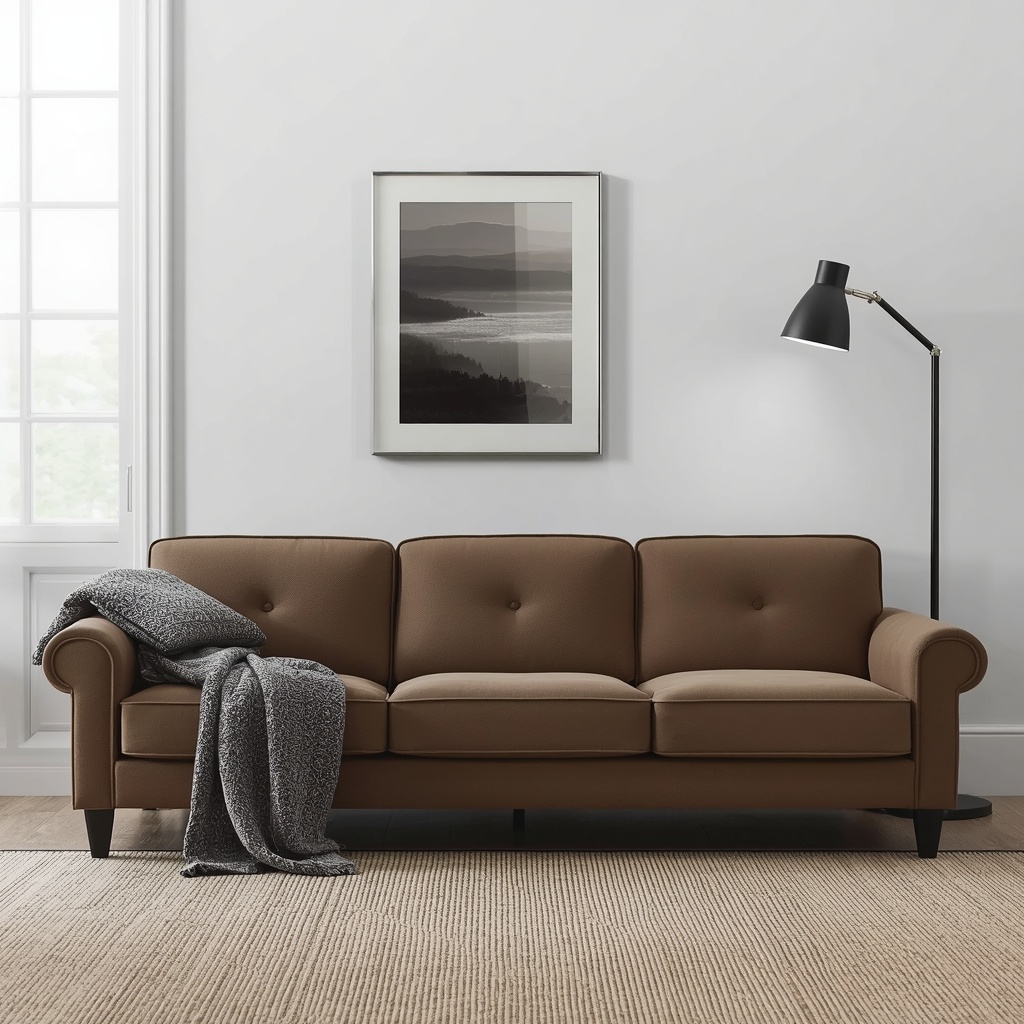
- Measure the room. Note the length and width, plus the location of windows, doors, vents, and outlets.
- Map your walkways. Aim for at least 30 to 36 inches of clearance for main traffic paths.
- Tape it out. Mark the sofa’s footprint on the floor and live with it for a day or two.
- Measure every entry point. Check doorways, hallways, stairwells, elevators, and tight turns.
- Check ceiling and window heights. A sofa that blocks a window can make a room feel darker.
Most compact sofas fall between 60 and 80 inches wide, with depths of 30 to 36 inches. Standard sofas often run 84 to 96 inches wide and 38 inches deep or more, which is why they overwhelm small rooms so easily.
Quick Sizing Reference
| Sofa Type | Typical Width | Typical Depth | Seats | Best For |
|---|---|---|---|---|
| Loveseat | 52–65 in | 30–36 in | 2 | Studios, bedrooms, nooks |
| Apartment sofa | 66–76 in | 30–36 in | 2–3 | Small living rooms |
| Condo sofa | 72–80 in | 32–38 in | 3 | Open-concept condos |
| Compact sectional | 80–95 in | 55–65 in (chaise side) | 3–4 | Corner layouts |
| Standard sofa | 84–96+ in | 36–40 in | 3 | Large living rooms |
Dimensions vary by brand, so always confirm the exact specs on the product page.
Types of Compact Sofas for Small Living Rooms
Not all small sofas are created equal. Each style solves a slightly different problem, so think about how you actually live in your space before choosing.
Loveseats
The loveseat is the classic small space sofa. Typically seating two people, it fits comfortably under a window, in a bedroom sitting area, or in a tiny studio. Pair two matching loveseats facing each other in a slightly larger room for a conversational layout that feels intentional and symmetrical.
Apartment-Size Sofas
Apartment sofas are the sweet spot for most small living rooms. They are designed to seat two or three people while keeping the footprint lean, usually with slimmer arms and a shallower seat. Retailers like IKEA and Wayfair offer huge selections in this category at nearly every price point.
Sleeper Sofas
If your living room doubles as a guest room, a compact sleeper sofa is a smart investment. Modern versions have far better mattresses than the lumpy pull-outs of the past. They are heavier and pricier, but they can eliminate the need for a separate guest bed entirely.
Small Sectionals and Modular Sofas
A compact sectional can actually make a small room feel more organized by tucking neatly into a corner. Modular sofas take this further by letting you rearrange pieces as your space or needs change. This flexibility is ideal for renters who move often.
Daybeds and Settees
For ultra-tight spaces, a daybed or settee offers a lighter visual profile. These pieces often have open frames and slim profiles, which reduces visual weight. They work beautifully in sunrooms, home offices, and entryways.
Convertible and Storage Sofas
A storage sofa hides blankets, board games, or seasonal items beneath the seat or inside the chaise. If your apartment is short on closets, this is one of the smartest multi-functional furniture choices you can make.
Compact Sofa Styles at a Glance: Pros and Cons
| Style | Pros | Cons |
|---|---|---|
| Loveseat | Tiny footprint, affordable, versatile | Limited seating, not ideal for lounging |
| Apartment sofa | Balanced size and comfort | May still be tight in micro-spaces |
| Sleeper sofa | Doubles as a guest bed | Heavier, pricier, thicker cushions |
| Small sectional | Maximizes corners, more seating | Harder to rearrange |
| Modular sofa | Customizable, great for renters | Can cost more per piece |
| Storage sofa | Hidden storage, reduces clutter | Can be bulkier than expected |
The Best Silhouettes for Small Spaces
Shape matters just as much as size. Two sofas with identical dimensions can look completely different in a room depending on their silhouette. Here is what to look for:
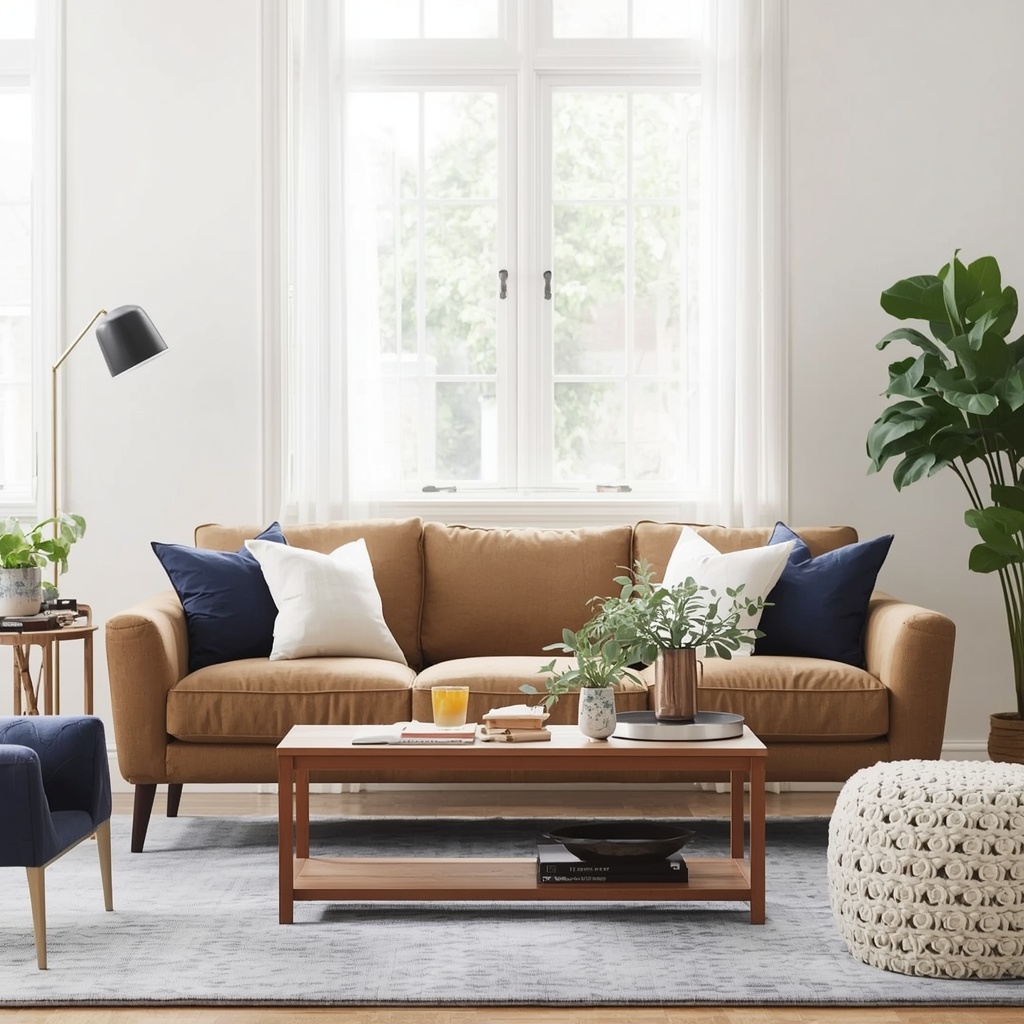
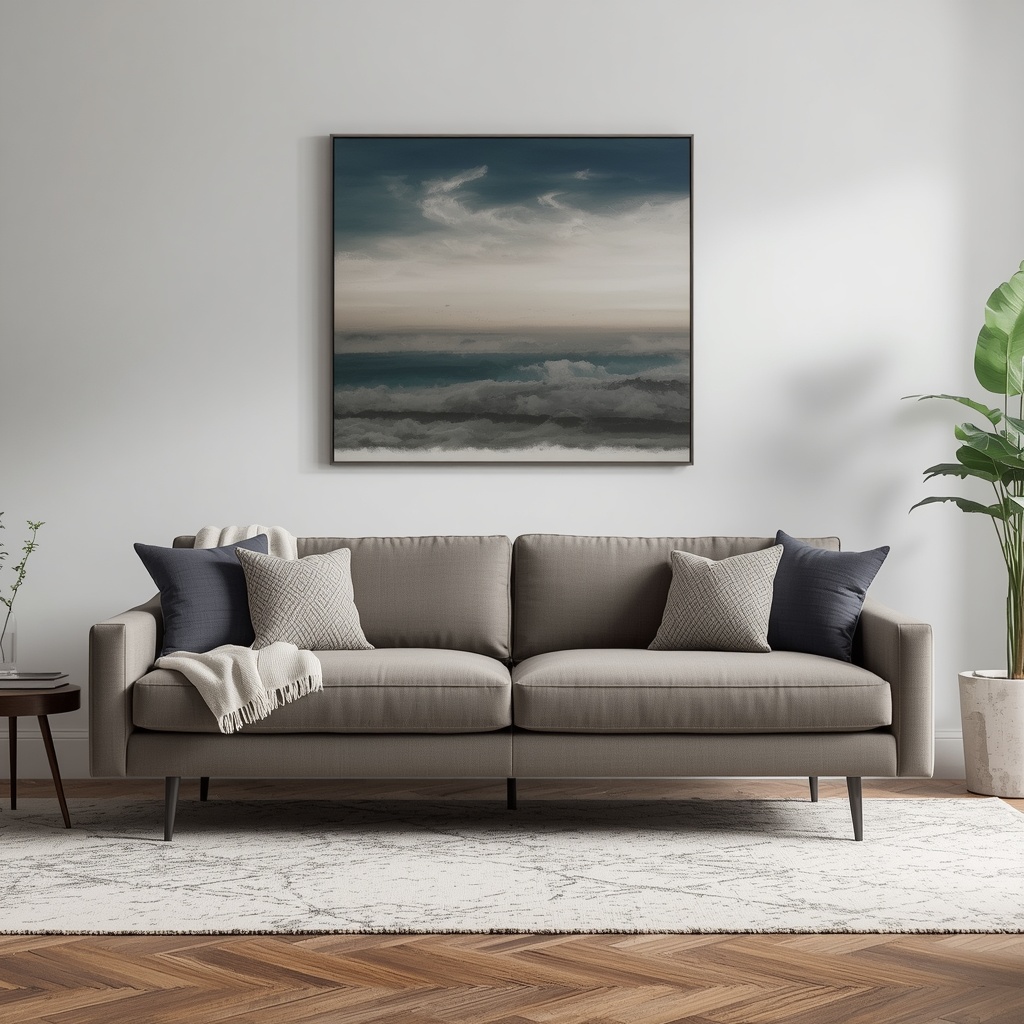
- Raised legs. Exposed legs let you see the floor underneath, which creates an airy, open feeling. Tapered mid-century legs are especially flattering.
- Slim or track arms. Narrow arms free up seating width without adding inches to the overall footprint.
- Low backs. A lower back keeps sightlines clear and makes ceilings appear higher.
- Tight backs. Attached cushions look cleaner and more streamlined than loose, slouchy pillows in tight quarters.
- Shallow depth. Between 30 and 36 inches is plenty for most people and saves precious floor space.
Avoid heavily rolled arms, skirted bottoms, and oversized pillow backs. These add visual bulk and can make a small couch look larger than it is.
Choosing the Right Color and Fabric
Color is one of the strongest tools in your small space decorating toolkit. Lighter hues reflect light and help a room feel open, while deeper tones can add drama and depth when used thoughtfully.
Color Strategies That Work
- Light neutrals like ivory, oatmeal, and soft gray blend into walls and make the sofa recede visually.
- Tone on tone pairing a sofa close to your wall color creates a seamless, expansive look.
- Muted earth tones such as sage, terracotta, and warm taupe add personality without overwhelming.
- Deep jewel tones in navy or forest green can work as a bold focal point if the rest of the room stays calm.
Fabric Comparison
| Fabric | Durability | Maintenance | Best For |
|---|---|---|---|
| Performance polyester | High | Easy, stain-resistant | Families and pets |
| Linen blend | Medium | Needs gentle care | Casual, airy rooms |
| Velvet | Medium to high | Spot clean | Glam and cozy looks |
| Bouclé | Medium | Can snag | Trendy, textured style |
| Leather | Very high | Occasional conditioning | Modern, long-term investment |
| Microfiber | High | Very easy | Budget-conscious buyers |
If you have kids or pets, performance fabrics are your best friend. They resist spills and scratches while still looking polished. Always request a swatch and test it in your own lighting before you commit.
Construction and Comfort: What to Look For
A small sofa should not feel like a sacrifice. Quality construction ensures your compact couch stays comfortable and supportive for years.
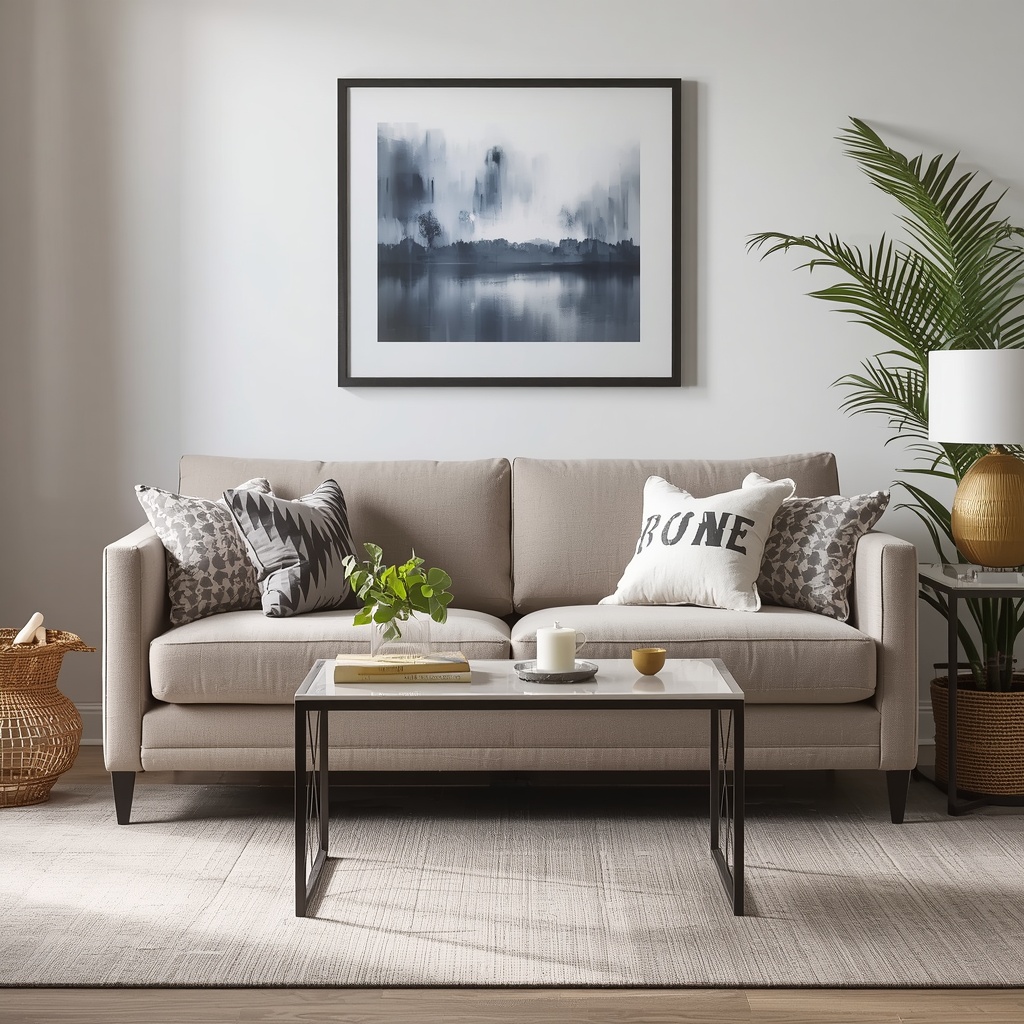
- Frame: Kiln-dried hardwood frames are the gold standard for durability. Avoid particleboard in load-bearing areas.
- Suspension: Eight-way hand-tied springs offer superior support, though sinuous springs are a good mid-range option.
- Cushion fill: High-density foam wrapped in down or fiber blend balances support and softness.
- Seat height: Around 17 to 19 inches suits most people and keeps the profile low.
- Warranty and trial: Look for generous warranties and return policies, especially when buying online. Resources like Consumer Reports can help you compare quality and reliability.
Smart Features That Save Space
Modern furniture design has gotten clever. The best space-saving sofas now include features that make a small room feel larger and function better:
- Built-in USB ports and outlets reduce the need for extra side tables and cords.
- Reversible chaises let you adapt the layout if you move or rearrange.
- Removable, washable covers keep light fabrics looking fresh.
- Hidden storage compartments swallow clutter.
- Fold-down trays and cup holders replace bulky coffee tables in micro-spaces.
These details may seem minor, but in a small living room, every function counts.
Budget Guide: What to Expect at Every Price Point
Compact sofas are available for nearly every budget. Here is a realistic look at what you can expect in today’s US market:
| Budget | Typical Price Range | What You Get |
|---|---|---|
| Entry level | $300–$700 | Basic frames, polyester or microfiber, flat-pack options |
| Mid range | $700–$1,500 | Better foam, hardwood frames, more fabric choices |
| Premium | $1,500–$3,000 | Quality suspension, custom sizing, performance fabrics |
| Luxury | $3,000+ | Handcrafted construction, top-tier materials, bespoke options |
Prices vary by retailer and season. Holiday weekends like Presidents’ Day, Memorial Day, and Black Friday often bring the best deals. Brands like West Elm, Article, and CB2 are popular for stylish apartment sofas, and big-box options like Target offer affordable picks for first apartments.
Layout Ideas for Small Living Rooms
Even the perfect compact sofa needs the right placement. Try these tried-and-true layouts:
- Float it. Pulling a sofa a few inches off the wall can make a room feel more spacious and intentional.
- Use the sofa as a divider. In studios, a sofa with its back to the sleeping area creates a defined living zone.
- Go under the window. A low sofa beneath a window keeps the center of the room open.
- Corner it. A small sectional or L-shaped layout maximizes unused corners.
- Pair with swivel chairs. Two swivel accent chairs offer flexible seating without needing a second sofa.
Styling Your Compact Sofa Like a Pro
Once your sofa is in place, styling is where the magic happens. Layer thoughtfully so the room feels curated, not crowded.
Rugs
Choose a rug large enough that at least the front legs of your sofa sit on it. A rug that is too small chops up the room and makes it look smaller. For most small living rooms, a 5-by-8 or 6-by-9 rug is ideal.
Tables
Swap a bulky coffee table for nesting tables, a round pedestal table, or a glass-top option that keeps sightlines open. Slim C-shaped side tables can slide right over the sofa arm or seat edge.
Lighting
Layer ambient, task, and accent lighting. A slim arc floor lamp beside the sofa frees up table space and adds height, while wall sconces keep surfaces clear.
Mirrors and Art
A large mirror across from a window bounces light and doubles the sense of depth. Hang art slightly higher than usual to draw the eye upward and emphasize ceiling height.
Pillows and Throws
Stick to two or three pillows in varied textures rather than a pile of six. Keep a soft throw folded over one arm for instant coziness.
Pro Tip: Before you buy, cut a piece of cardboard or kraft paper to the exact dimensions of the sofa and lay it on your floor. Walk around it, sit on a chair beside it, and imagine your daily routine. If it blocks a path you use every day, size down by even six inches. That small adjustment can completely change how your room feels.
Common Mistakes to Avoid
Even experienced shoppers slip up. Watch out for these frequent pitfalls:
- Skipping measurements. Always measure the room and every path the sofa must travel to get inside.
- Buying for looks only. A beautiful sofa you cannot sit on comfortably is an expensive mistake.
- Ignoring scale. Small furniture is not automatically right. A tiny sofa in a large wall can look lost.
- Overcrowding. Resist filling every corner. Negative space is a design feature.
- Forgetting lifestyle. If you host often, nap on your sofa, or have pets, choose accordingly.
Frequently Asked Questions
What is the best size sofa for a small living room?
For most small living rooms, a sofa between 66 and 80 inches wide with a depth of 30 to 36 inches offers the best balance of comfort and space efficiency. In very tight rooms, a loveseat between 52 and 65 inches may be a better fit.
Can a sectional work in a small living room?
Yes, as long as it is properly scaled. Compact sectionals and modular sofas are designed for small spaces and can actually make a room feel more organized by using corners efficiently.
What color sofa makes a small room look bigger?
Light, neutral colors like cream, soft gray, and warm beige tend to make a room feel larger. Matching the sofa to the wall color is another effective way to create a seamless, spacious look.
Are leather sofas good for small spaces?
They can be. Leather is durable and easy to wipe clean, and a slim-profile leather sofa with raised legs can look sleek and modern. Choose lighter tones or tan shades to avoid visual heaviness.
How do I make a small living room feel cozy without clutter?
Focus on texture over quantity. Layer a quality rug, a few well-chosen pillows, warm lighting, and a single statement piece of art. Multi-functional furniture helps keep surfaces clear.
Final Thoughts: Small Space, Big Style
Choosing a compact sofa for a small living room comes down to three things: accurate measurements, smart proportions, and a clear picture of how you live. When you get those right, you can enjoy a space that feels open, inviting, and unmistakably yours, no matter how modest the square footage.
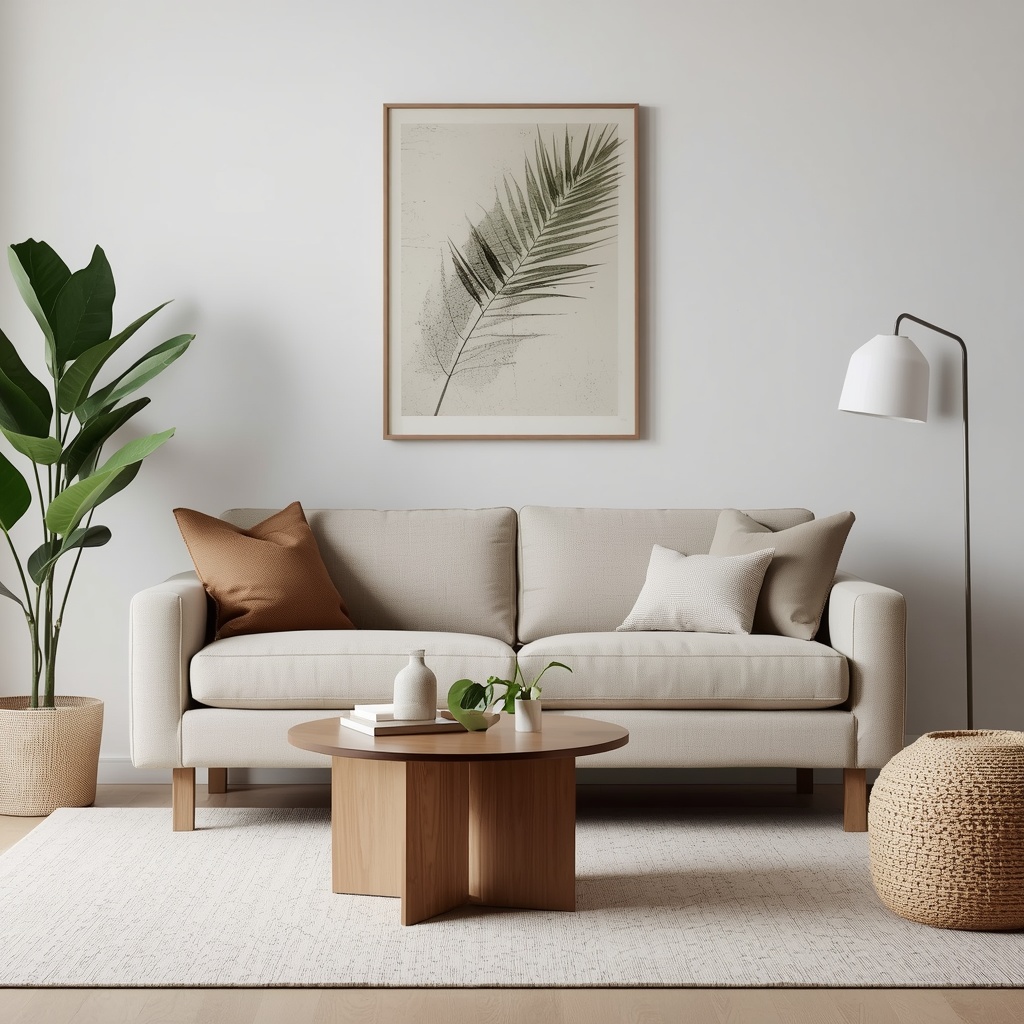
Start by measuring, tape out your options, and prioritize raised legs, slim arms, and light-reflecting colors. Add thoughtful layers of lighting, texture, and function, and your small living room will feel designed rather than merely furnished. Your perfect compact sofa is out there, and it is ready to turn your cozy corner into your favorite room in the house.