
Every small room has one: that stubborn corner where light goes to disappear. Maybe it sits behind the sofa, beside the bed, or at the end of a narrow hallway. Whatever the location, a shadowy corner makes a compact space feel smaller, colder, and a little neglected. The good news is that lighting dark corners in small rooms is one of the most affordable, high-impact upgrades in home decor.
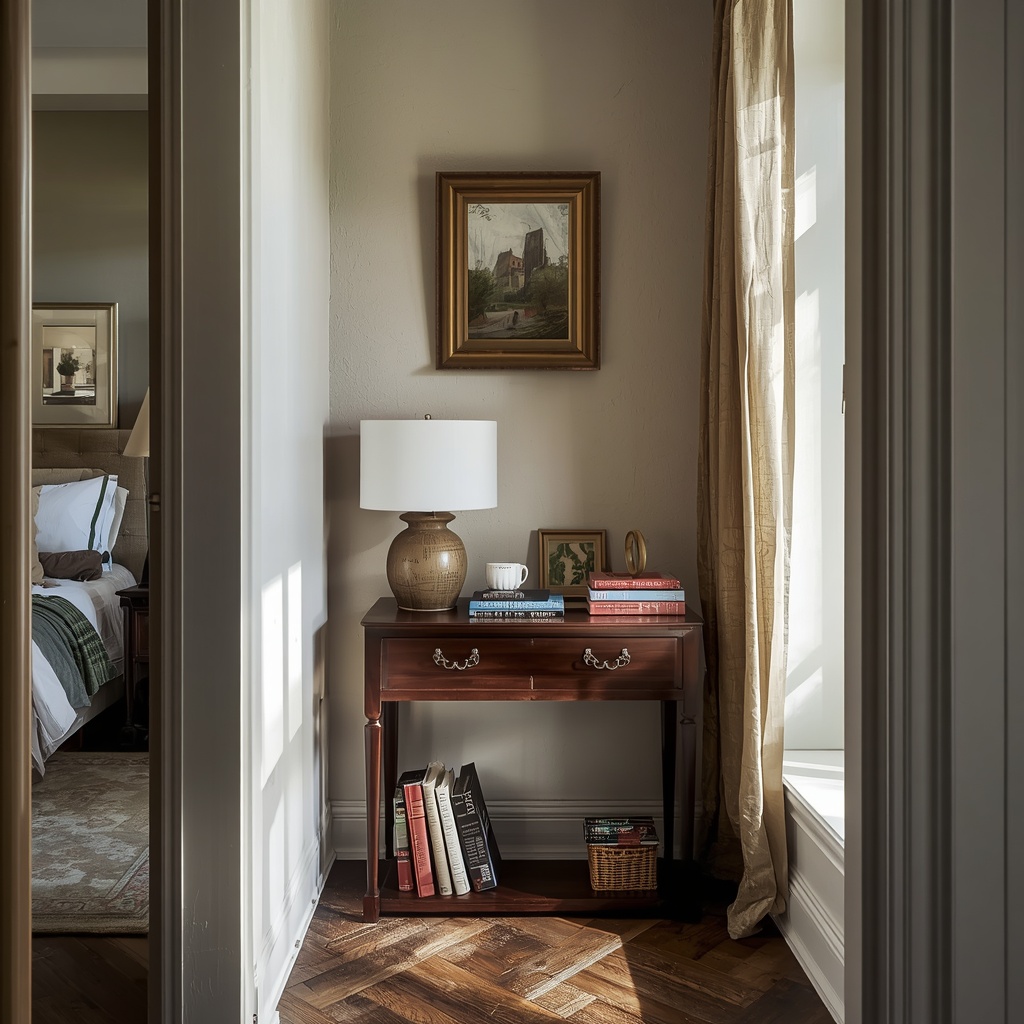
In this guide, you will learn the exact layering strategy professional interior designers use to brighten dim corners without crowding the floor plan. We will cover lamps, sconces, bulbs, mirrors, paint, and renter-friendly fixes, plus tables, checklists, and pro tips you can use today. Whether you live in a city apartment, a starter home, or a cozy cottage, these ideas will help every square foot work harder.
Why Dark Corners Make Small Rooms Feel Even Smaller
Our eyes read brightness as space. When a corner falls into shadow, the brain treats that area as a visual dead end, and the walls seem to close in. A room that measures 10 by 12 feet can feel like 8 by 10 simply because one or two corners are unlit. The effect is subtle, but it is powerful.
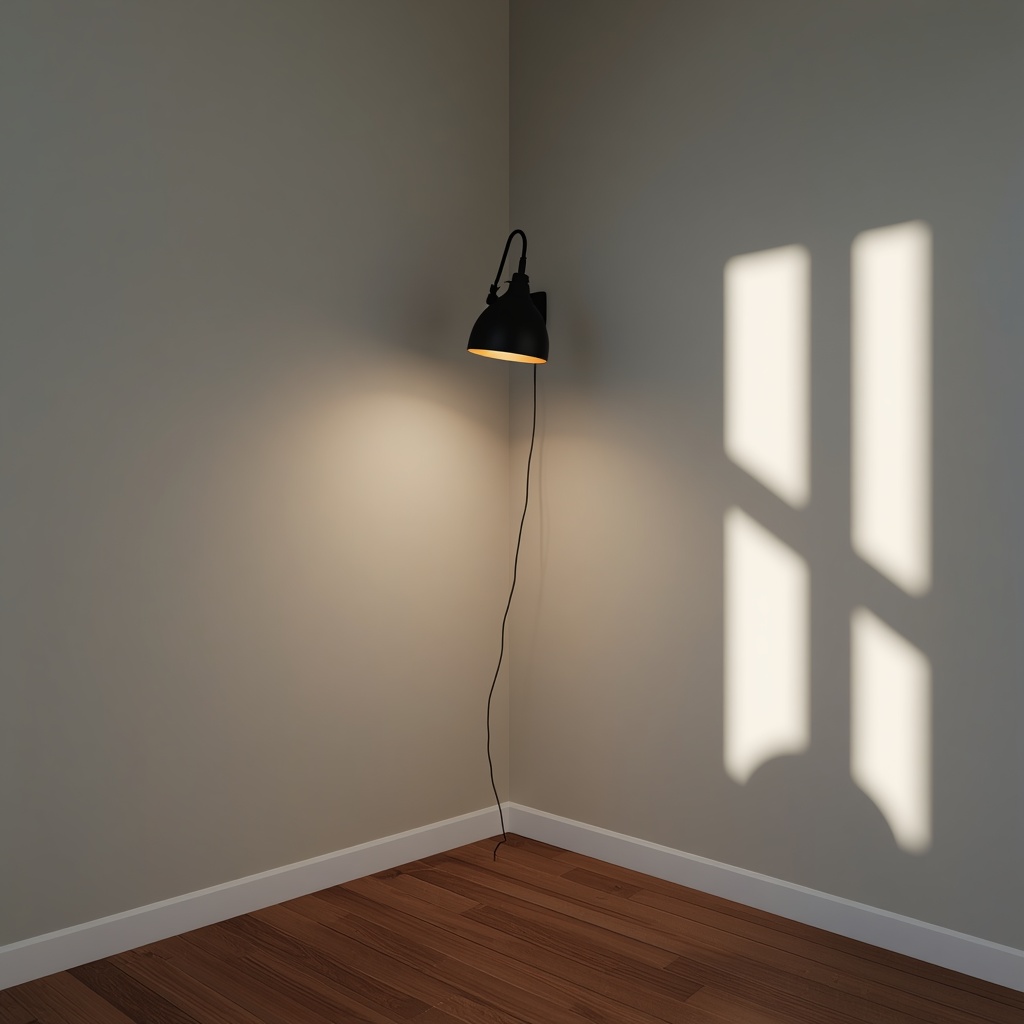
Dark corners also create contrast problems. A bright window on one wall and a deep shadow on the other forces your eyes to constantly adjust, which can cause fatigue. Balanced lighting, on the other hand, makes the room feel calmer, larger, and more welcoming. Lighting a corner is not just about visibility; it is about reshaping how the whole room feels.
“Light is the cheapest square footage you can add to a room.” — a favorite designer rule of thumb
Step One: Do a Quick Lighting Audit
Before you buy a single lamp, spend ten minutes studying how light actually behaves in your space. Visit the room at three times of day: morning, mid-afternoon, and evening. Notice which corners stay dim, where shadows pool, and how much natural light comes in through windows. This simple audit prevents expensive guesswork.
Grab your phone and take a photo of each corner at dusk with the overhead light on. Photos exaggerate shadows, which makes problem areas easy to spot. Then answer these questions:
- Which corners look noticeably darker than the rest of the room?
- Is there an overhead fixture, and does it cast light into the corners or only the center?
- Where are your outlets, and can you reach them without running cords across walkways?
- What is the corner used for: reading, working, storage, or simply decoration?
- Are your walls and floors light or dark in color?
Pro Tip: Use the flashlight on your phone to “test” lamp placement. Hold it at the height where a lamp would sit, aim it into the corner, and see how the light spreads before you commit to a purchase.
Layer Your Lighting Like a Designer
The biggest mistake in small rooms is relying on a single ceiling fixture. Designers build light in layers, and each layer solves a different problem. When you combine three types of lighting, corners stop looking like afterthoughts and start looking intentional.
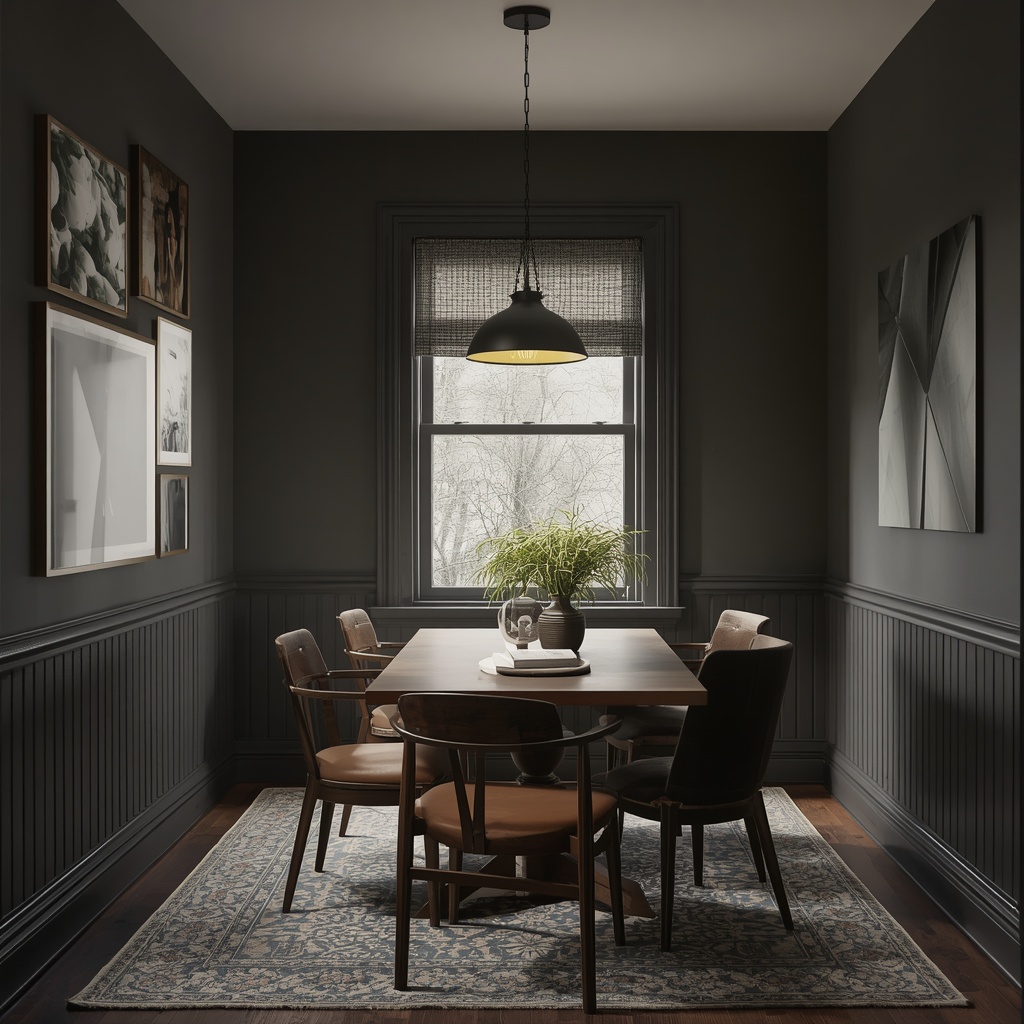
Ambient light provides the general glow, task light supports activities like reading, and accent light adds depth and drama. A dark corner usually needs at least one of the latter two layers. The table below shows how each layer works in a small room.
| Lighting Layer | Purpose | Best Small-Room Options | Ideal Corner Use |
|---|---|---|---|
| Ambient | Overall brightness | Flush-mount fixtures, torchiere lamps, cove lighting | Fills in shadows across the whole room |
| Task | Focused, functional light | Arc lamps, swing-arm sconces, desk lamps | Reading nooks, home office corners |
| Accent | Mood and visual depth | Picture lights, LED strips, uplights | Plants, art, shelving, decor vignettes |
Use Floor Lamps to Rescue Floor-Level Shadows
A floor lamp is the classic fix for a dark corner, and for good reason. It takes up a tiny footprint, requires no installation, and can be moved when you rearrange. In a small living room or bedroom, a slim floor lamp tucked into the corner instantly lifts the whole space.
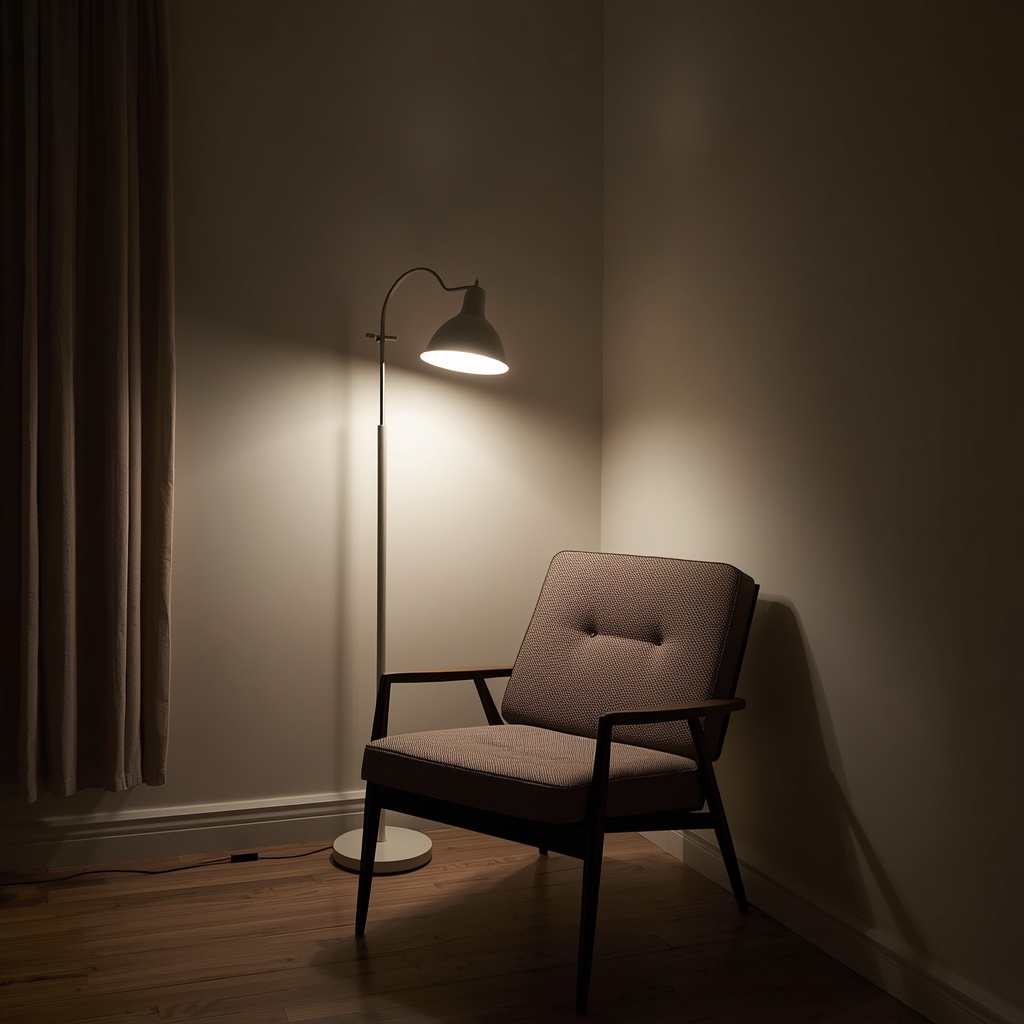
Choose a lamp that matches the corner’s job. A torchiere or uplight bounces light off the ceiling, which raises the visual height of the room. An arc lamp reaches over a chair or sofa without taking up floor space. A tripod or slim column lamp keeps a light, airy look.
Floor lamp styles that work best in tight spaces:
- Torchiere (uplight): Washes the ceiling with soft, indirect light and makes low ceilings feel taller.
- Arc lamp: Hangs over seating from a base tucked in the corner; perfect for reading nooks.
- Slim column or LED pole lamp: Almost invisible footprint with plenty of brightness.
- Tripod lamp: Open legs keep sightlines clear, so the corner never feels heavy.
- Adjustable swing-arm floor lamp: Pivots to cover both the corner and nearby wall.
Add Table Lamps for Warmth and Height
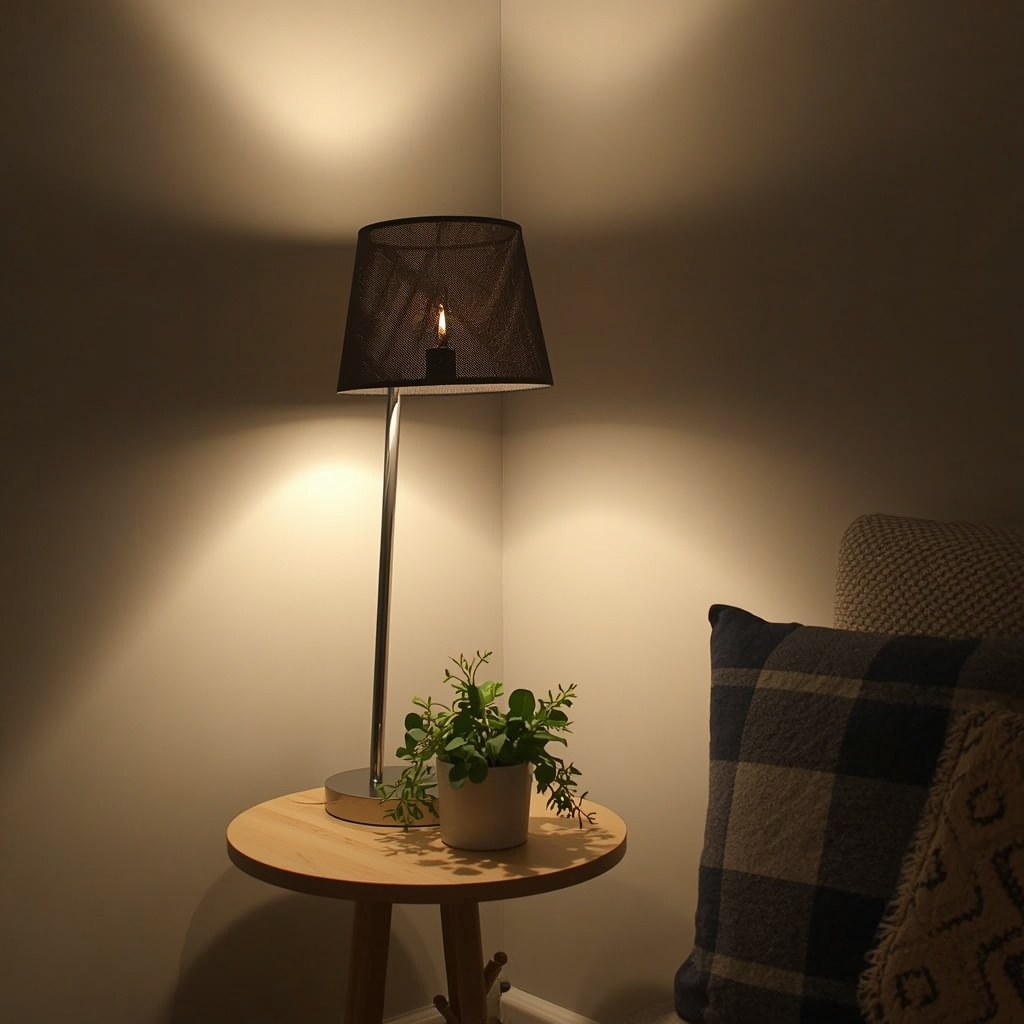
If there is a console, side table, shelf, or dresser near the dark corner, a table lamp is a charming solution. It brings light up to eye level, which feels cozier than a lamp on the floor. Even a small bedside-style lamp can transform a gloomy corner into a welcoming vignette.
Stack your corner for the most impact. Place a narrow table in the corner, add a lamp, a small plant, and one meaningful object. The lamp gives light, the plant gives life, and the object gives personality. Keep the lamp shade light in color so it glows rather than blocks the bulb.
Install Wall Sconces, Even If You Rent
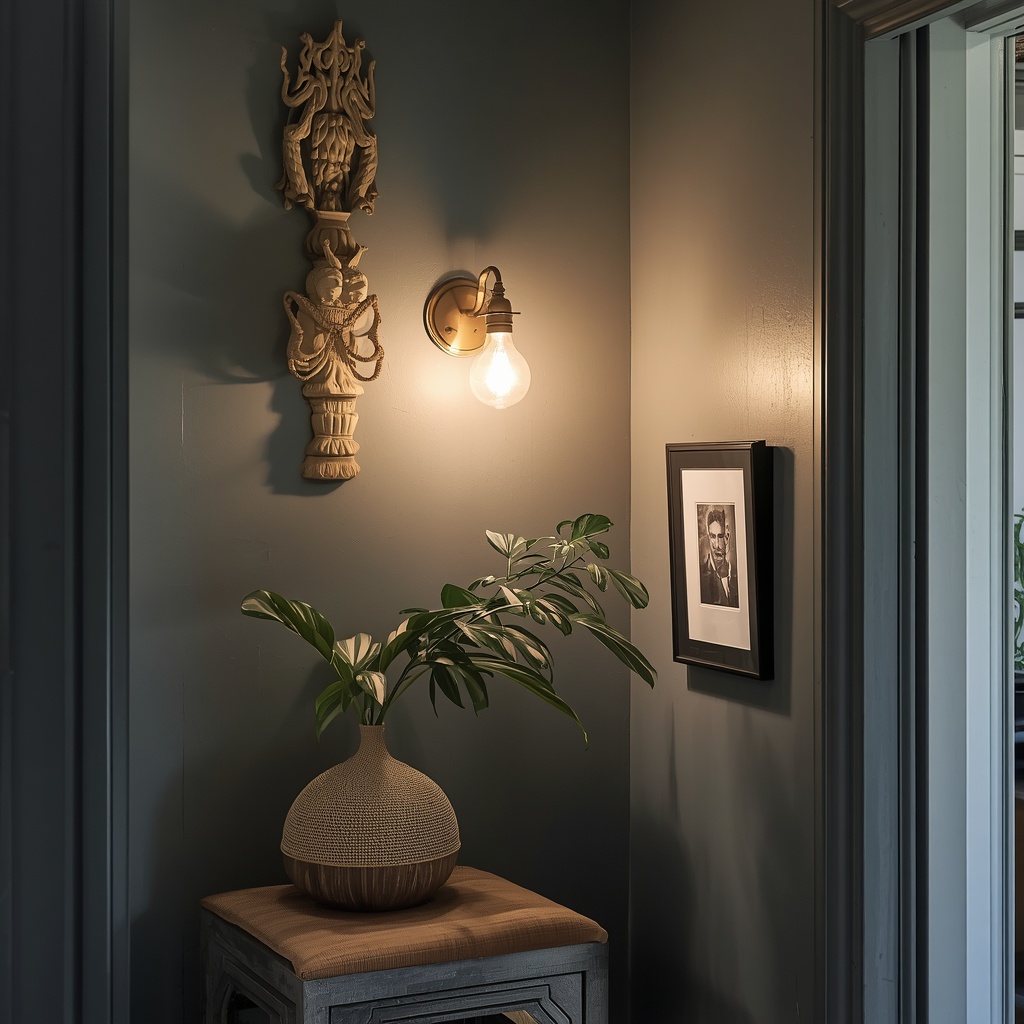
Wall sconces are a small-space designer’s secret weapon because they use zero floor or surface area. Mounted at the right height, they throw light into corners from the side, which erases shadows more effectively than light from above. Most people assume sconces require an electrician, but that is no longer true.
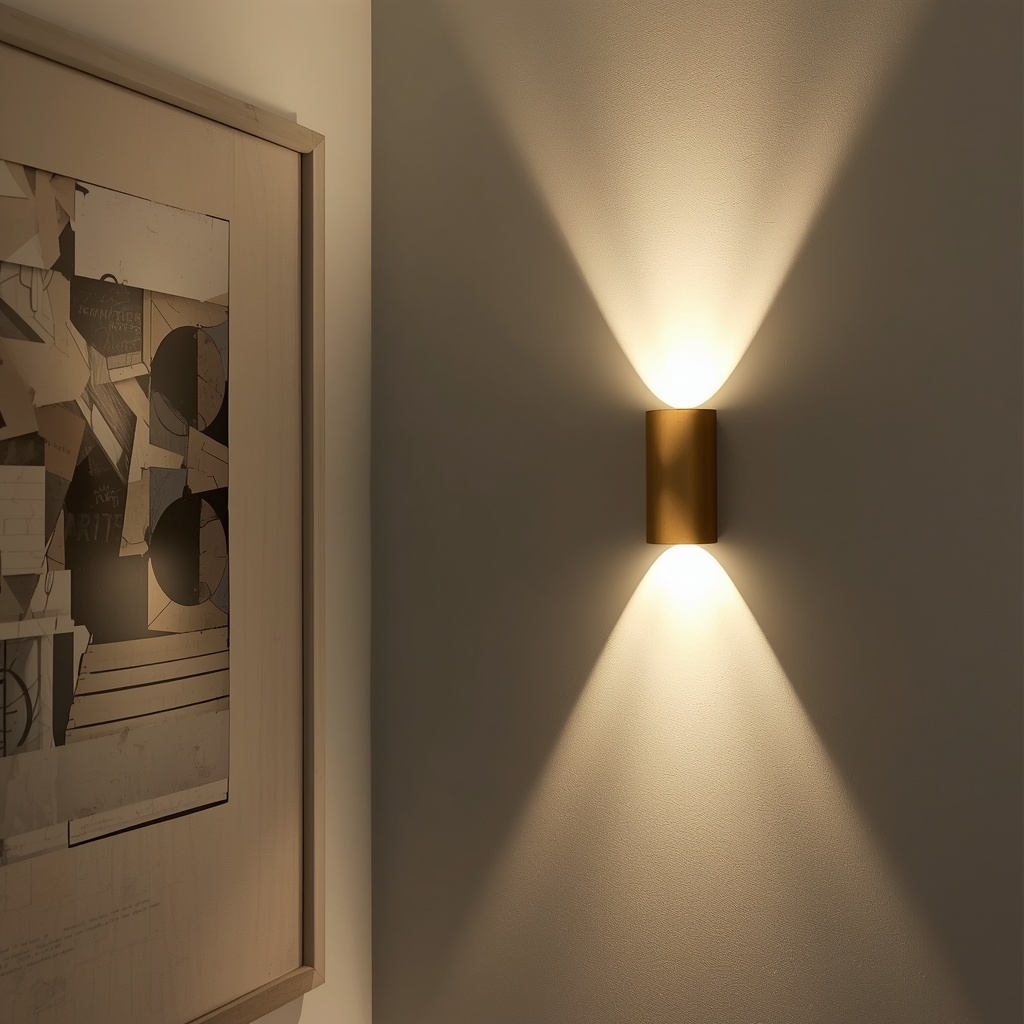
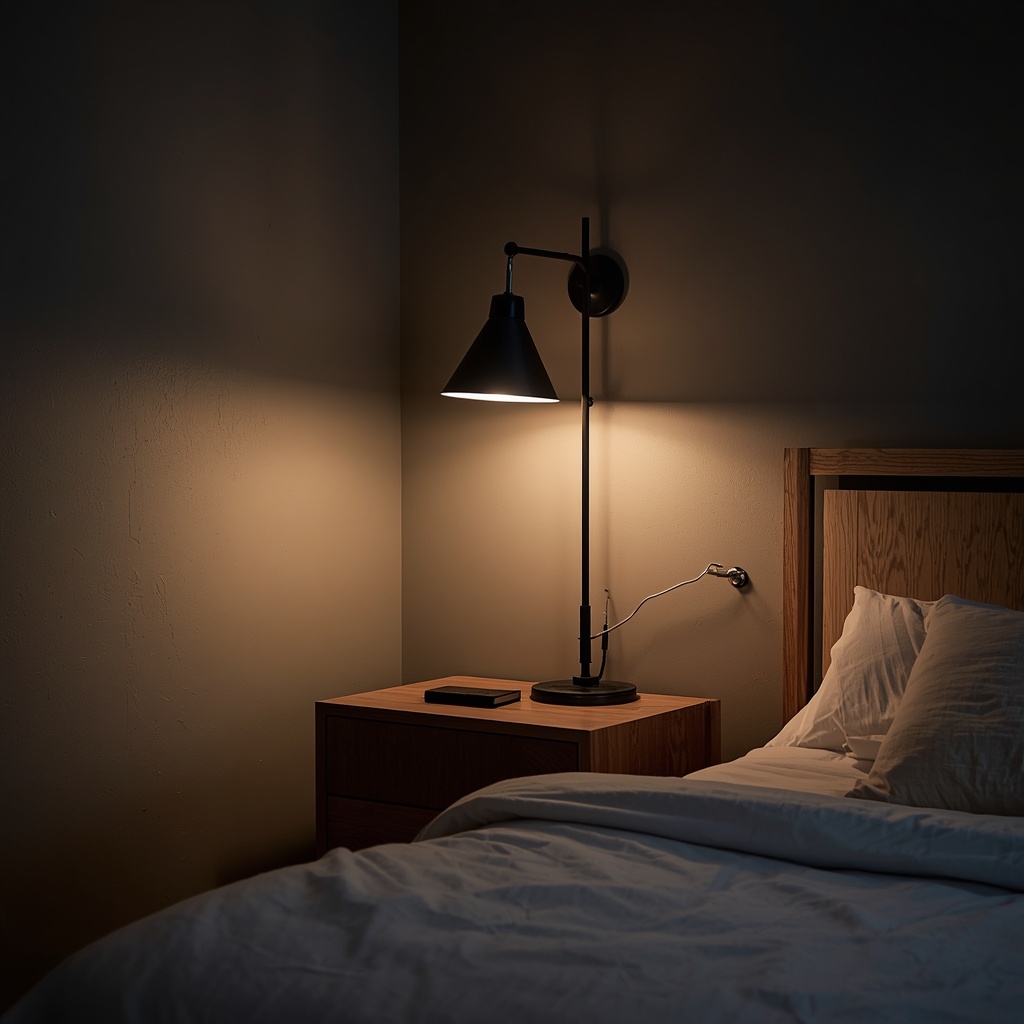
Plug-in sconces use a decorative cord that you can run along the wall or hide with a paintable cord cover. Battery-powered and rechargeable sconces need no wiring at all, and many come with remotes or dimmers. Both options are renter-friendly and can be removed without wall damage when you move.
Pro Tip: Mount sconces roughly 60 to 66 inches from the floor for general ambiance, or about 50 to 55 inches beside a bed or reading chair so the bulb sits just above eye level when seated.
Choose the Right Bulbs: Lumens, Kelvin, and CRI
Even the most beautiful fixture will disappoint with the wrong bulb. Three numbers matter: lumens (brightness), color temperature measured in Kelvin (warm versus cool), and CRI (how accurately colors appear). Get these right, and your corner will look polished instead of harsh.
For most small rooms, warm white bulbs between 2700K and 3000K feel inviting and flatter skin tones, wood, and fabric. Cooler bulbs in the 4000K range suit kitchens, laundry rooms, and workspaces. Look for a CRI of 90 or higher so colors look natural. You can learn more about efficient options from the U.S. Department of Energy’s guide to LED lighting.
| Corner Type | Recommended Brightness | Color Temperature | Notes |
|---|---|---|---|
| Reading nook | 450–800 lumens | 2700K–3000K | Warm and focused; use a shade to reduce glare |
| Home office corner | 800–1100 lumens | 3500K–4000K | Neutral white supports focus |
| Living room accent corner | 300–500 lumens | 2200K–2700K | Dimmable for evening ambiance |
| Entryway or hallway end | 450–800 lumens | 2700K–3000K | Welcoming without feeling clinical |
| Bathroom or laundry corner | 800–1200 lumens | 3000K–4000K | Moisture-rated fixtures required |
Whenever possible, choose dimmable LED bulbs. Dimmers let one lamp serve multiple moods, bright for cleaning and soft for movie night. Products carrying the ENERGY STAR label are a reliable way to find efficient, long-lasting bulbs.
Let Mirrors Multiply the Light You Already Have
Mirrors are the oldest trick in the interior design playbook, and they still work beautifully. A mirror placed on or near a dark corner reflects light from windows and lamps, effectively doubling the glow. In a small room, it also creates the illusion of depth, so the corner seems to continue beyond the wall.
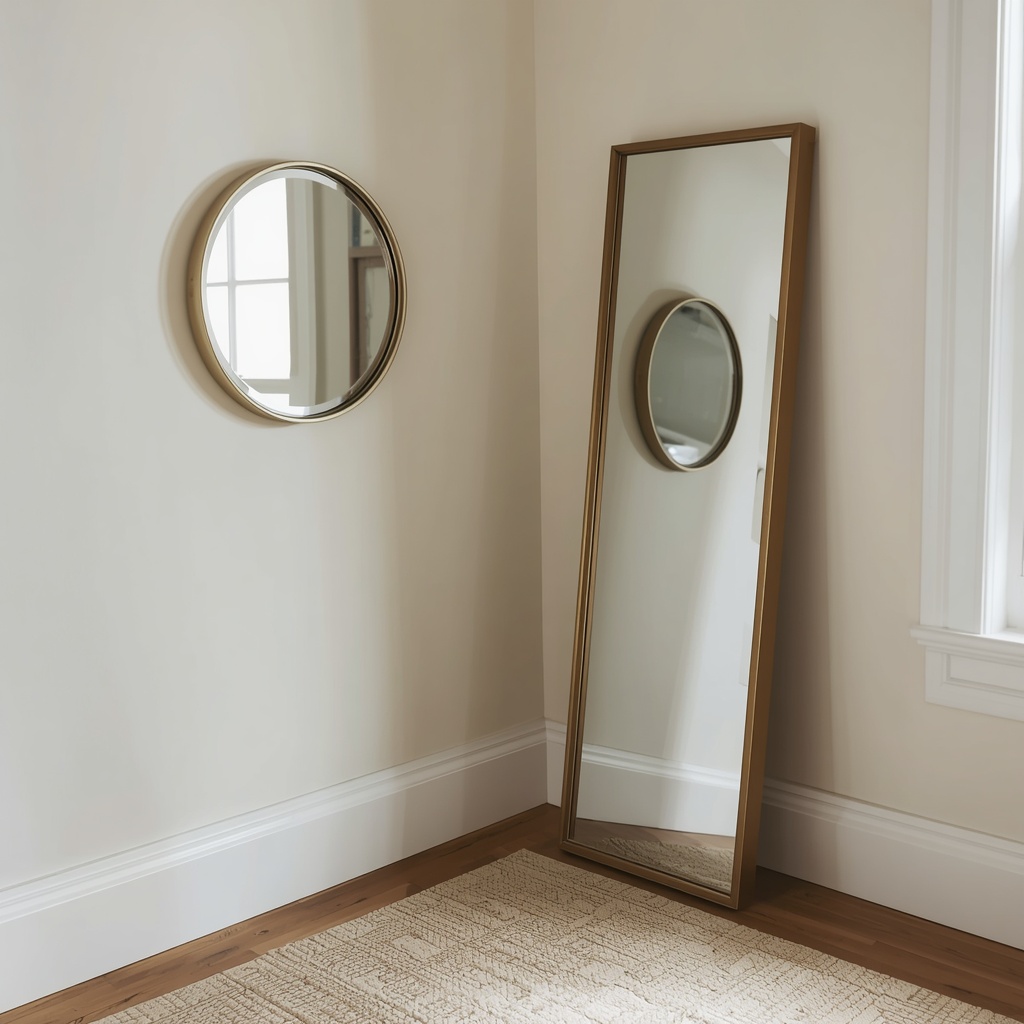
Placement matters more than size. Hang a mirror so it faces a window or a lamp, not a blank wall or a cluttered shelf. A leaning floor mirror in the corner is an easy, renter-friendly option. Round mirrors soften sharp corners, while tall rectangular mirrors stretch the room upward.
Reflective accents to consider:
- Brass, gold, or chrome picture frames and lamp bases
- Glass or mirrored side tables
- Metallic or lightly glossy vases and trays
- Sheer or light-filtering curtains that bounce daylight
- Glossy ceramic decor in white or pale tones
Rethink Your Wall Color and Finishes
Sometimes the real culprit is not a lack of lamps but walls that swallow light. Dark paint absorbs illumination, while light, warm tones reflect it back into the room. If a corner is persistently dim, repainting just that area, or the whole room, can be as effective as adding a fixture.
Look for paint with a high Light Reflectance Value, often listed as LRV on the swatch. Soft whites, creamy neutrals, pale greige, and gentle blush or sage tones all brighten corners. A satin or eggshell finish bounces more light than flat paint, though it also shows imperfections, so prep your walls well.
Don’t feel forced to go all white. Many designers enjoy a moody, dark-painted small room, but those rooms succeed because of strong layered lighting. If you love deep color, commit to several light sources, use warm bulbs, and add reflective accents so the corners glow instead of disappear.
Choose Furniture That Lets Light Travel
Large, heavy furniture in a small room can block light and cast shadows. Swap bulky pieces for ones with visible legs, open frames, or lighter finishes. This allows light to move across the floor and under furniture, which makes corners feel connected to the rest of the room rather than cut off.
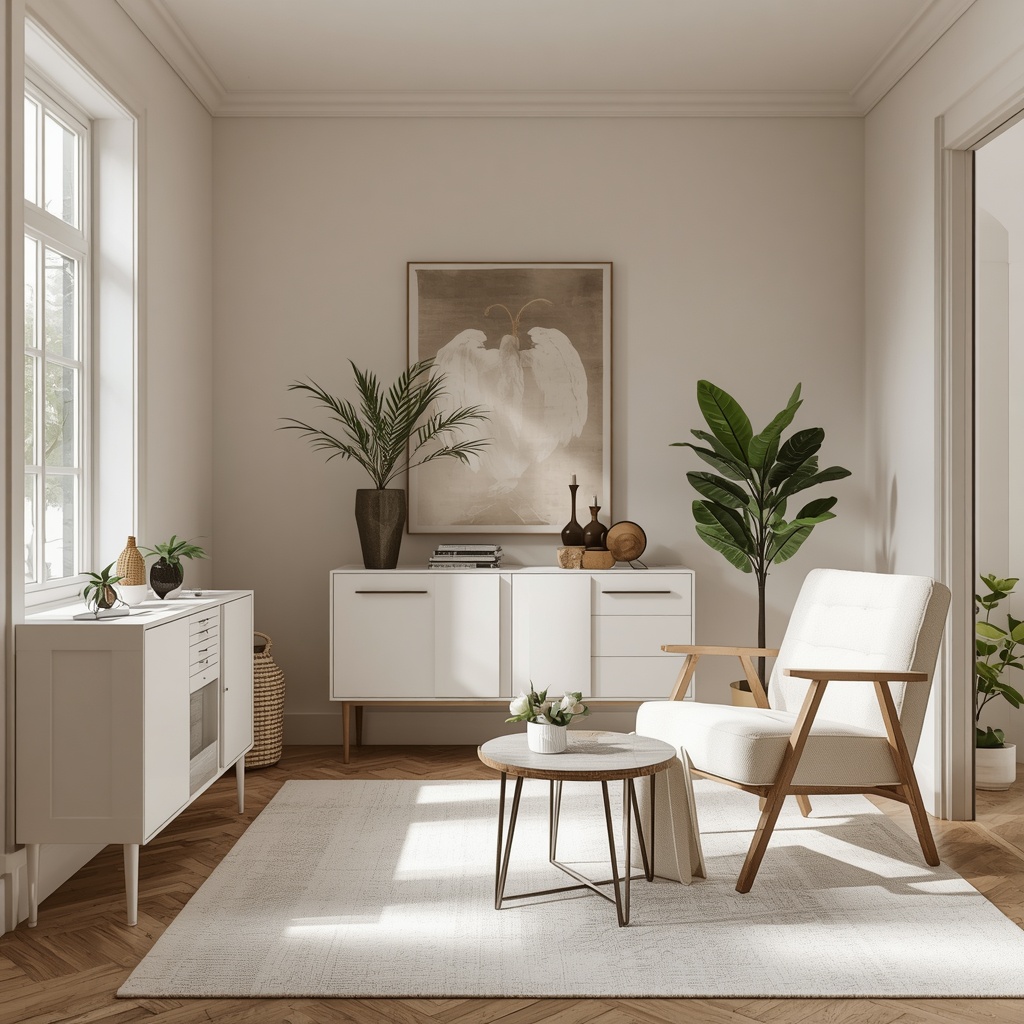
Avoid pushing tall bookcases or wardrobes into the darkest corner, since this deepens the shadow. Instead, place lower pieces there, such as a slim console, a stool, or a plant stand, and keep the area above them open for light. Pale upholstery and light rugs also bounce brightness back up.
Add Plants and Accent Lighting for Depth
A dark corner can become a feature when you treat it as a stage. A leafy plant lit from below or from the side creates dramatic shadows on the wall, turning a problem spot into a focal point. Small uplights tucked behind a plant pot are an easy, affordable way to do this.
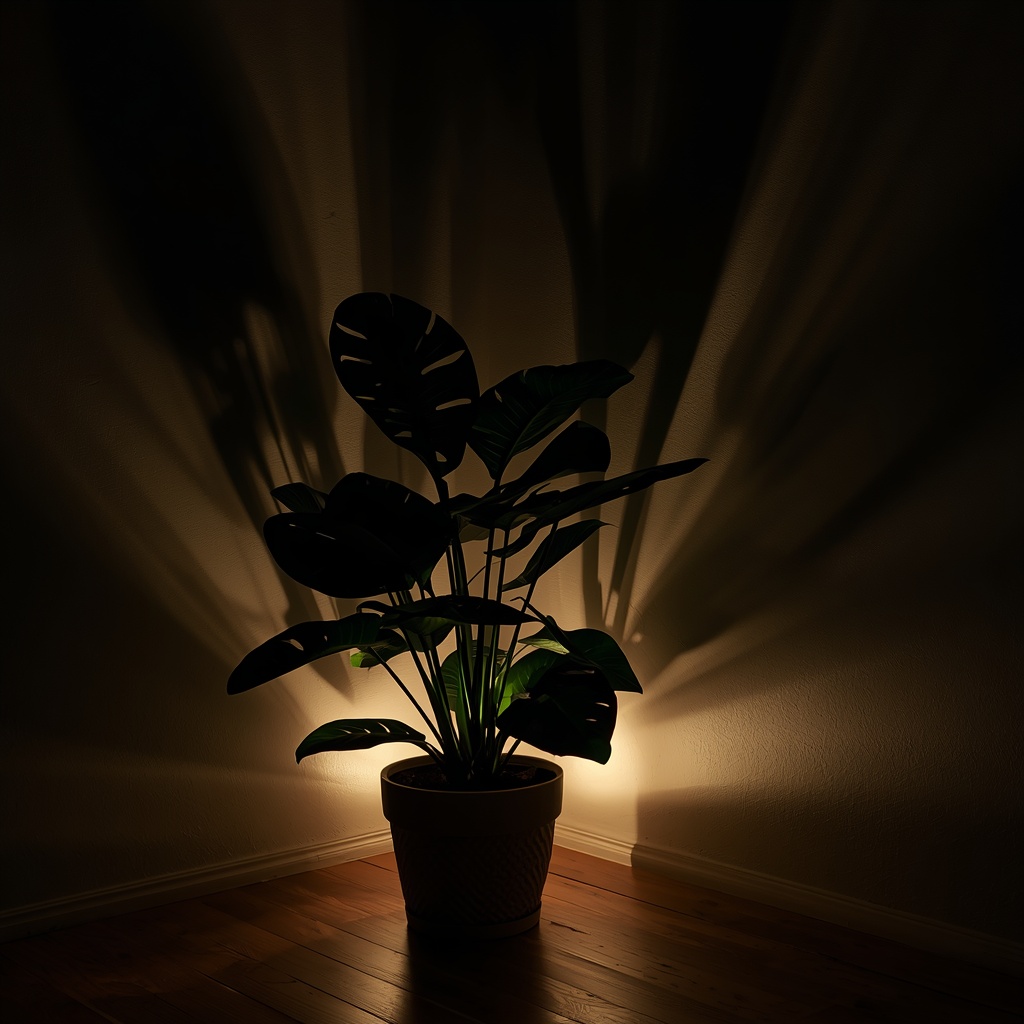
LED strip lights add another layer. Run them along the underside of a shelf, behind a headboard, or along the top of a bookcase for a soft, indirect wash. Picture lights above artwork also light the wall surface, which makes the whole corner glow. Choose warm white strips and pair them with a dimmer for a high-end look.
Pro Tip: Always hide the light source. Visible LED strips and bare bulbs look cheap, but light that seems to come from nowhere looks custom and expensive. Use channels, shelf lips, or furniture edges to conceal the strip.
Corner-by-Corner Solutions for Every Room
Different rooms need different strategies. Here is a quick reference you can use to match the corner you have with the fix that fits best, along with the approximate cost to help you plan.
| Room | Common Dark Corner | Best Fix | Approx. Cost |
|---|---|---|---|
| Living room | Behind the sofa or beside a TV | Arc floor lamp plus a small accent uplight | $60–$180 |
| Bedroom | Beside the dresser or far corner | Plug-in sconce or slim table lamp | $30–$120 |
| Home office | Corner behind the desk | Adjustable task lamp and warm bulb | $35–$100 |
| Entryway | Corner by the door | Mirror plus a small table lamp | $50–$150 |
| Bathroom | Corner near the tub or toilet | Moisture-rated sconce or LED strip | $40–$130 |
| Dining nook | Corner beside the table | Pendant or swag-style plug-in light | $45–$140 |
Living Room Corners
In a small living room, an arc lamp is often the best single purchase. Tuck the base behind the sofa arm so the arc extends over the cushions, giving you reading light and corner light at once. Add a mirror on the adjacent wall to bounce the glow around.
Bedroom Corners
Bedrooms benefit from low, warm, layered light. A pair of plug-in sconces beside the bed frees up nightstand space, while a slim lamp in the far corner softens the room. Keep bulbs warm and dimmable to support winding down at night.
Home Office and Entryway Corners
For a home office, prioritize task lighting that reduces eye strain, and position lamps to the side of your screen, not behind it. In an entryway, a small table, mirror, and lamp combination creates an instant welcome, even if the space is only a few feet wide.
Smart and Wireless Lighting Options
Technology has made lighting corners easier than ever. Smart bulbs let you adjust brightness and warmth from your phone, set schedules, and even create “scenes” for morning, work, and evening. For a small room, this flexibility means a single lamp can do the work of several.
Rechargeable cordless lamps are another game changer, especially in rooms with few outlets. They can be moved from the corner to the dining table to the patio without any rewiring. Motion-activated puck lights are also handy for closets and dark nooks that need light only occasionally.
Common Lighting Mistakes to Avoid
Even well-intentioned decorating can go sideways. Watch out for these frequent errors when brightening small, dark corners:
- Relying only on the ceiling light: Overhead fixtures create shadows in corners, especially in rooms with low ceilings.
- Using bulbs that are too cool or too harsh: Blue-white bulbs can make a cozy corner feel like a parking garage.
- Choosing oversized lamps: A bulky base or giant shade overwhelms a small corner. Scale matters.
- Ignoring cord management: Dangling cords look messy and can be tripping hazards; use clips or cord covers.
- Forgetting dimmers: Without them, one bright light can feel glaring in the evening.
- Putting a mirror opposite clutter: It simply doubles the mess instead of the light.
A Simple Budget Plan for Brightening Any Corner
You do not need a big budget to see a big difference. Start with the lowest-cost, highest-impact changes and add layers as you go. The plan below shows how to scale your upgrade to what you can spend.
| Budget | What to Do | Expected Result |
|---|---|---|
| Under $25 | Swap in warm LED bulbs, add a leaning mirror or thrifted lamp | Noticeably softer, brighter corner |
| $25–$75 | Add a slim floor lamp or plug-in sconce with a dimmer | Dedicated light source and added depth |
| $75–$200 | Combine a lamp, mirror, and accent uplight behind a plant | Fully layered, designer-style corner |
| $200+ | Repaint in a light-reflecting shade and add hardwired or smart lighting | Long-term, whole-room transformation |
Frequently Asked Questions
How do I light a dark corner without drilling holes? Use a floor lamp, a table lamp on a narrow console, rechargeable battery sconces, or adhesive-mounted LED strips. All of these are renter-friendly and leave no damage.
What is the best bulb color for a small room? Warm white bulbs between 2700K and 3000K are the most flattering for living rooms and bedrooms. Choose cooler bulbs only for workspaces or utility areas.
Can mirrors really make a dark corner look brighter? Yes. A mirror placed to catch window light or lamplight reflects it into the shadowed area, boosting brightness and creating the feeling of more space.
How many light sources does a small room need? Aim for at least three: one ambient source, one task source, and one accent source. In a very small room, a single well-placed lamp can serve two layers at once.
Final Thoughts: Turn Your Darkest Corner into Your Favorite Spot
Lighting dark corners in small rooms is less about spending money and more about thinking in layers. Start with a quick audit, add a lamp or sconce at the right height, choose warm dimmable bulbs, and let mirrors and light-colored finishes do the rest. Each small decision builds on the last.
The corner you once ignored can become the most inviting spot in your home, a reading nook, a plant display, or a cozy spot for a morning coffee. Pick one corner this weekend, try one or two of these ideas, and notice how the whole room opens up. Great home decor starts with great light, and now you know exactly how to create it.