
If your rooms still feel flat under a single overhead fixture, you’re not alone. Most American homes rely on one ceiling light per room, and it shows in flat, shadowless spaces that feel more like waiting rooms than living rooms. As an interior designer, the single biggest transformation I make in any home has nothing to do with paint color or furniture — it’s lighting layers.
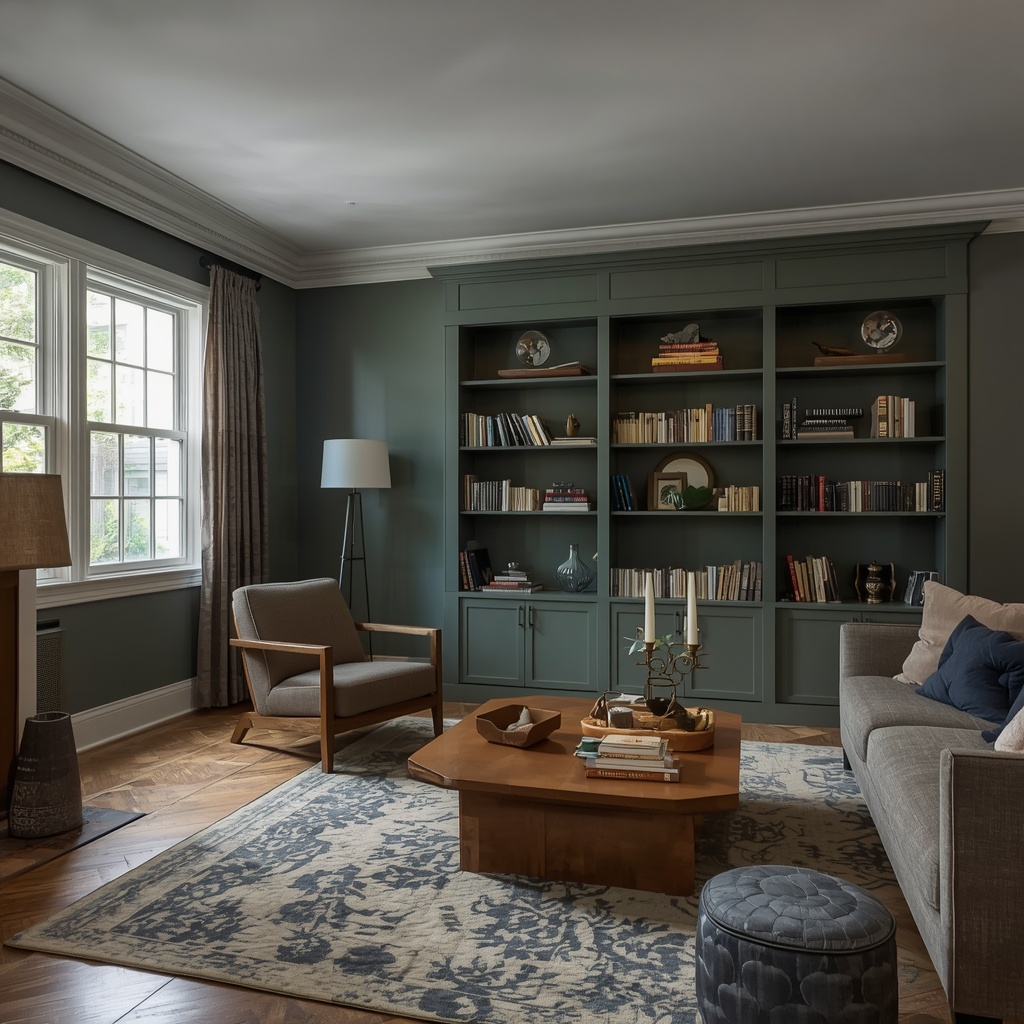
Once you understand how ambient, task, and accent lighting work together, you’ll never look at a lamp the same way again. This guide breaks down each layer, shows you where to use it, and gives you real product and placement ideas you can act on this weekend.
What Is Layered Lighting, Really?
Layered lighting is the practice of combining three distinct types of illumination — ambient, task, and accent — so a room can adapt to different activities and moods throughout the day. Instead of one flat source, you’re building depth with light the same way you’d build depth with textiles or artwork.
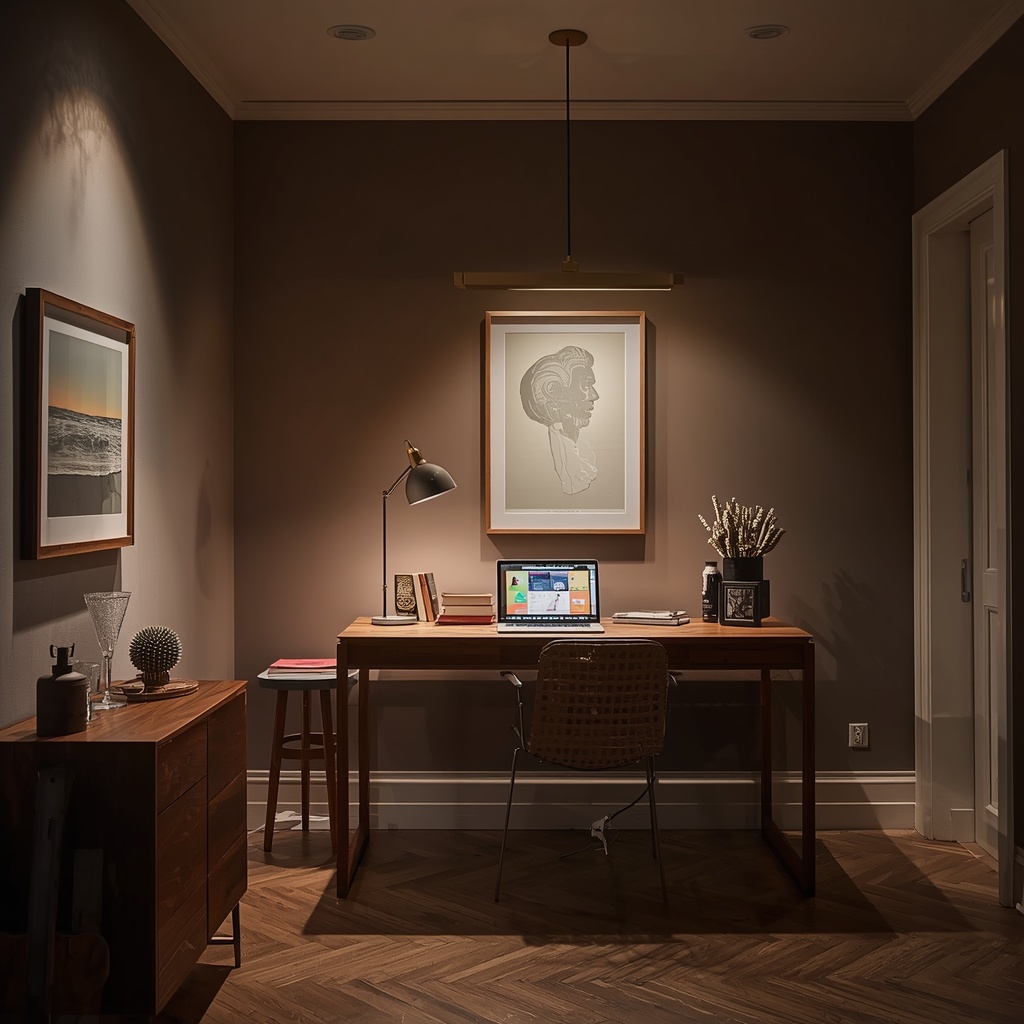
Professional lighting designers often follow the “rule of three”: every well-lit room should have at least three separate light sources on different switches or dimmers. This isn’t about buying more fixtures for the sake of it. It’s about giving yourself control, so a home office can feel bright and energizing at 9 a.m. and warm and relaxed at 9 p.m.
“Lighting is the jewelry of the home — it’s the finishing touch that makes everything else sparkle.” — a sentiment echoed by countless lighting designers, and one that shapes how I approach every project.
Pro Tip: Before buying a single fixture, walk through your room and list every activity that happens there — reading, cooking, video calls, movie nights. Each activity usually points to a different lighting layer.
Ambient Lighting: The Foundation of Every Room
Ambient lighting, sometimes called general lighting, is the base layer that fills a room with overall illumination. Think of it as daylight’s stand-in: soft, even, and shadow-free enough that you can walk through a space safely without straining your eyes. It typically comes from ceiling fixtures, recessed lighting, chandeliers, or large pendant lights.
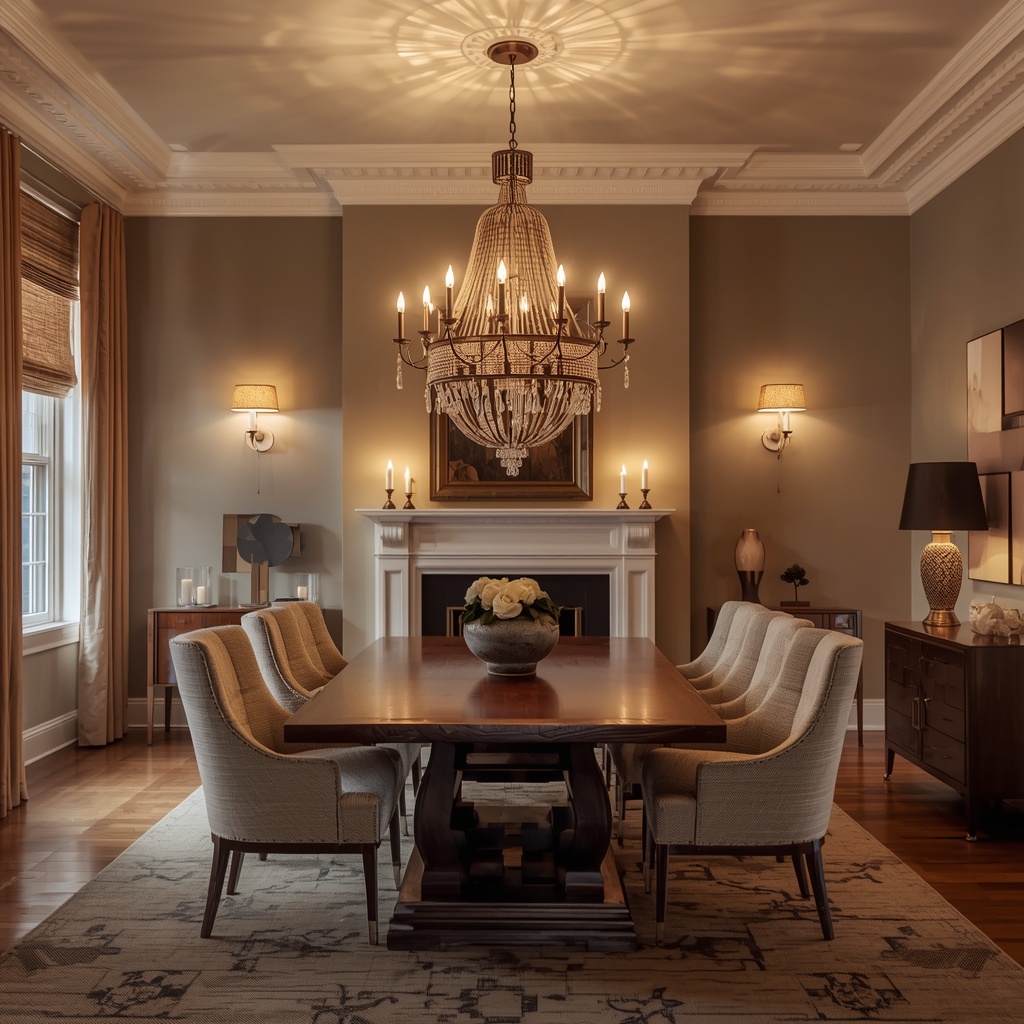
The mistake most homeowners make is treating ambient light as the only layer. A single bright ceiling fixture creates harsh shadows under eyes, chins, and furniture, and it leaves no room for mood. Good ambient lighting should be soft enough to live with on its own, but dimmable enough to fade into the background once task and accent layers take over.
Common Ambient Lighting Fixtures
- Recessed/can lights (spaced evenly across the ceiling)
- Flush or semi-flush mount ceiling fixtures
- Chandeliers in dining rooms and entryways
- Track lighting for open-concept spaces
- Torchiere floor lamps that bounce light off the ceiling
Pro Tip: Install dimmer switches on every ambient fixture. A $15 dimmer swap does more for a room’s atmosphere than almost any decor purchase, letting you shift from 100% daytime brightness to 20% evening glow instantly.
Task Lighting: Function Where You Need It Most
Task lighting is focused, directional light aimed at a specific activity — reading, cooking, applying makeup, working at a desk. Where ambient light fills a room, task lighting fills a job. Without it, you end up squinting over a cutting board or leaning your laptop toward a window just to see the screen.
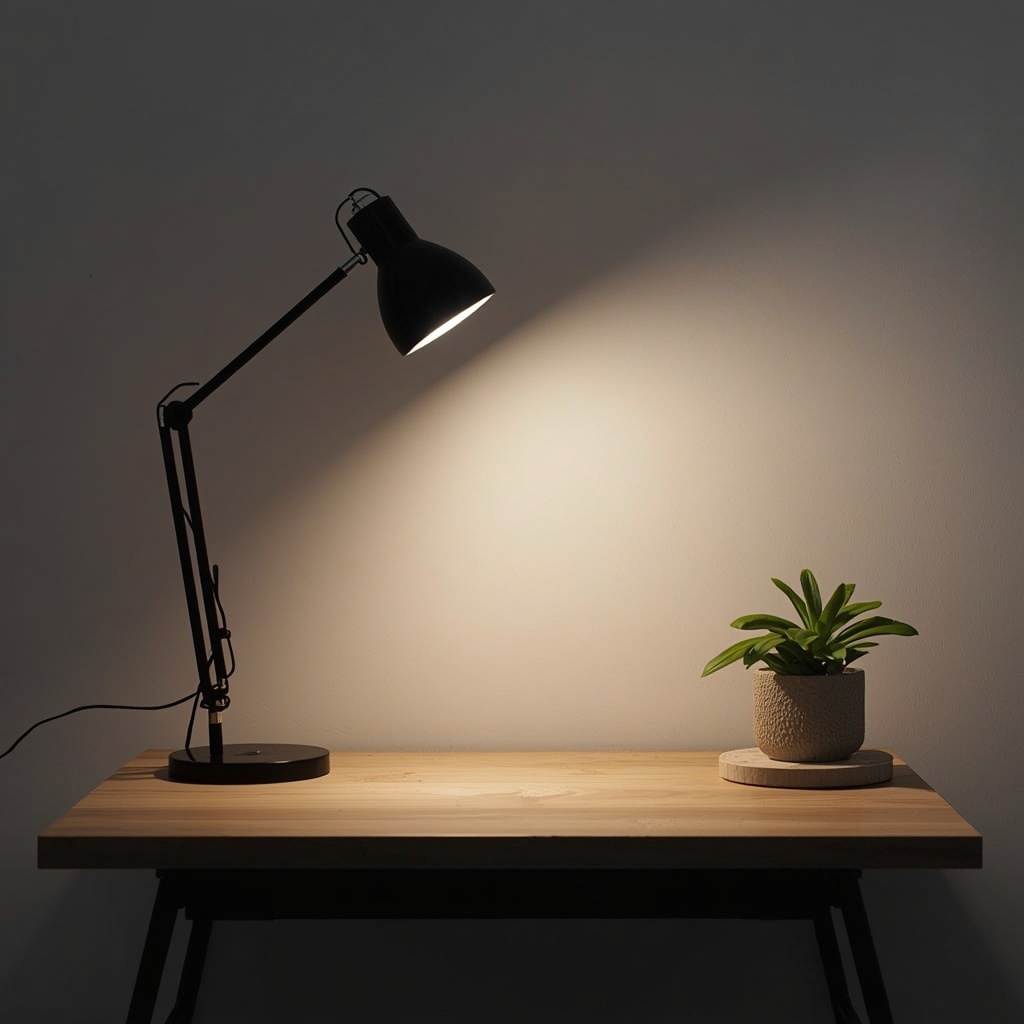
The key to good task lighting is placement relative to your body and your hands, not just the room. A kitchen island needs light falling directly on the counter, not just glowing somewhere overhead. A reading chair needs a lamp positioned beside or slightly behind the shoulder, so the light lands on the page instead of in your eyes.
Task Lighting by Room
| Room | Best Task Lighting Fixture | Ideal Placement |
|---|---|---|
| Kitchen | Under-cabinet LED strips | Beneath upper cabinets, over counters |
| Home office | Adjustable desk lamp | On the desk, opposite your writing hand |
| Bathroom | Vertical vanity sconces | Flanking the mirror, at eye level |
| Living room | Reading floor or table lamp | Beside the armchair or sofa |
| Bedroom | Swing-arm wall sconces | Mounted above nightstands |
Pro Tip: For kitchens, choose under-cabinet lighting with a color temperature around 3000K to 3500K. It renders food colors accurately and keeps the space feeling warm rather than clinical.
Accent Lighting: Where Personality Lives
Accent lighting is the layer designers get most excited about because it’s purely expressive. It highlights art, architecture, plants, bookshelves, or textured walls, and it’s what gives a room dimension after dark. The general rule of thumb is that accent lighting should be about three times brighter than the ambient light around it to create a true focal point.
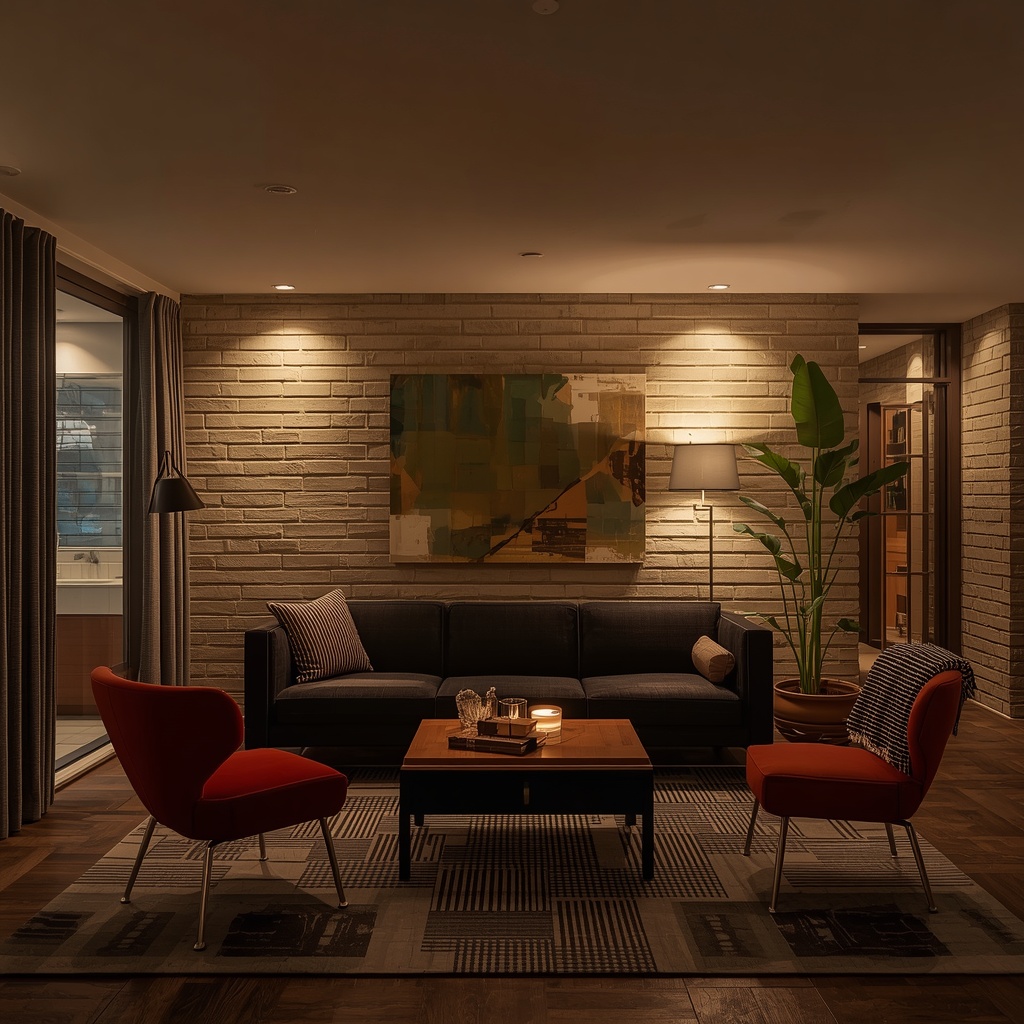
This is the layer people skip most often, and it’s the one with the highest visual return per dollar spent. A picture light over a piece of art, a low-voltage strip under a floating shelf, or an uplight behind a large plant can transform a corner from forgettable to photogenic in an afternoon.
Popular Accent Lighting Ideas
- Picture lights mounted above framed art or mirrors
- LED strip lighting behind a TV or under floating shelves
- Uplights placed behind large plants or sculptural furniture
- In-cabinet lighting inside glass-front cabinets or bookcases
- Wall-mounted sconces used purely for visual interest, not function
- Small spotlights aimed at textured accent walls or fireplaces
Pro Tip: Use warm white LED strips (2700K–3000K) for accent lighting rather than cool white. Warm tones read as cozy and intentional, while cool white can feel like an afterthought or a retail display.
How the Three Layers Work Together
Here’s where the design magic actually happens: no single layer should ever be doing all the work. A living room with only a bright ceiling fixture and nothing else will always feel one-dimensional, no matter how nice your furniture is. Layering means every fixture serves a purpose and every layer can be dimmed independently.
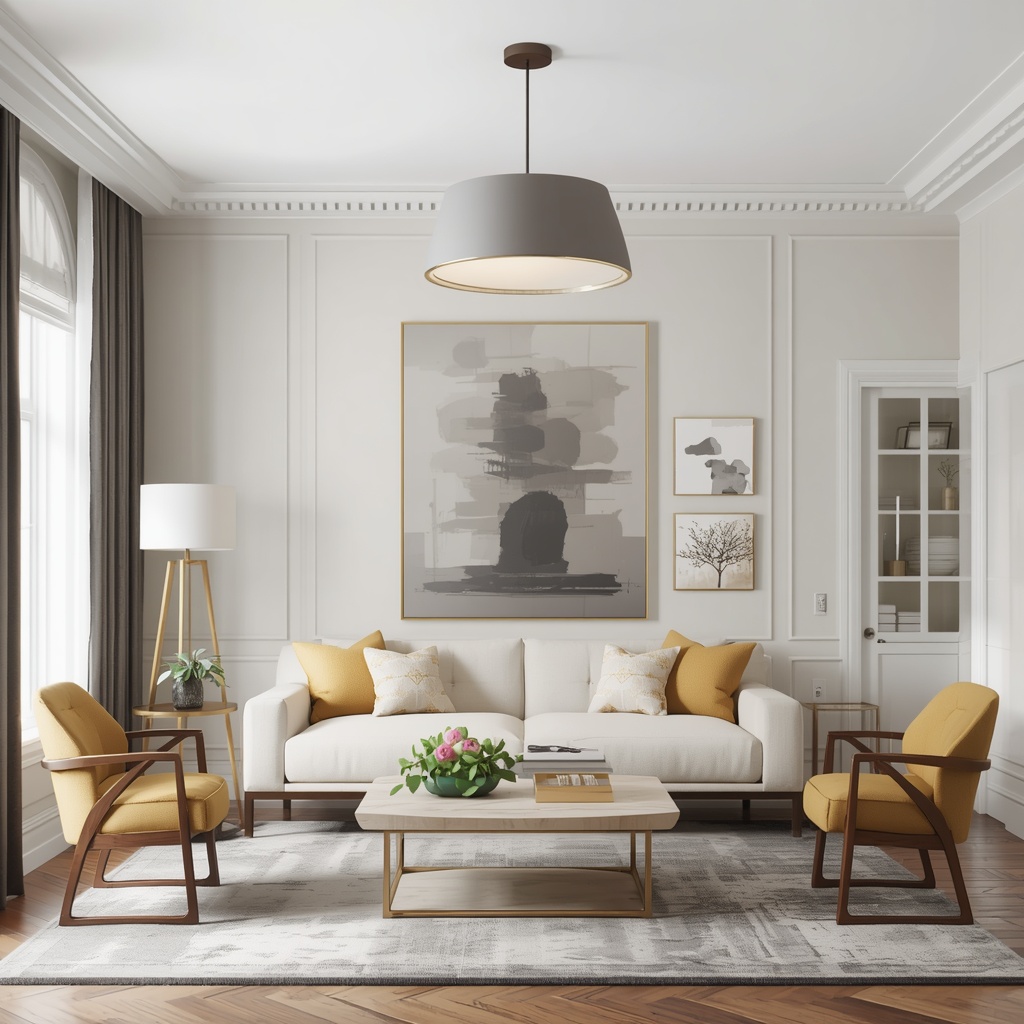
Picture a living room in the evening: the ambient recessed lights are dimmed to 20%, a task lamp glows beside the reading chair for whoever’s finishing a chapter, and an accent light quietly washes over a gallery wall across the room. That’s three layers working in harmony, each on its own circuit, each doing a distinct job — and the result feels like a boutique hotel lounge rather than an office break room.
“Good lighting design isn’t about how many fixtures you have. It’s about how independently you can control each one.” This is a principle every professional lighting plan is built around.
Quick Comparison Table
| Layer | Purpose | Typical Brightness | Common Fixtures |
|---|---|---|---|
| Ambient | Overall room illumination | Moderate, even | Recessed lights, flush mounts, chandeliers |
| Task | Focused light for activities | Bright, directional | Desk lamps, under-cabinet lights, vanity sconces |
| Accent | Highlighting features and mood | Brightest, concentrated | Picture lights, LED strips, spotlights |
Choosing the Right Color Temperature for Each Layer
Color temperature, measured in Kelvin (K), affects how “warm” or “cool” light appears, and it’s just as important as brightness when layering. Mixing temperatures within the same room — say, a cool white overhead fixture next to a warm accent lamp — is one of the fastest ways to make a space feel disjointed and unfinished.
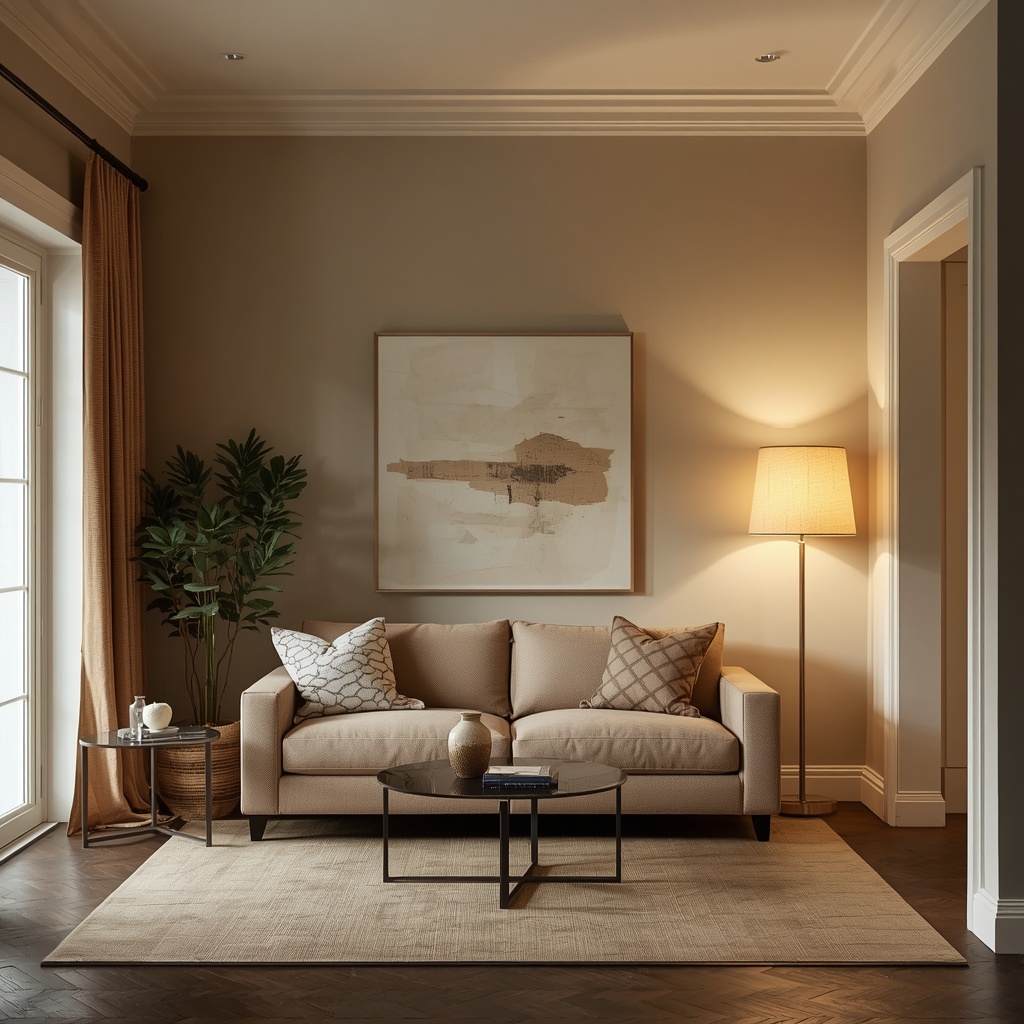
As a general guide, most American living spaces look best between 2700K and 3000K, which mimics the warmth of an incandescent bulb. Kitchens and bathrooms can push slightly cooler, toward 3500K, for task clarity, while accent lighting almost always benefits from staying warm to create that inviting, golden glow.
Color Temperature Cheat Sheet
- 2200K–2700K: Candlelight warmth — bedrooms, accent lighting, cozy nooks
- 2700K–3000K: Soft white — living rooms, dining rooms, most ambient lighting
- 3000K–3500K: Neutral white — kitchens, bathrooms, task lighting
- 3500K–4000K: Cool white — home offices, garages, workshops (use sparingly in main living areas)
Pro Tip: Buy one bulb before committing to a whole case. Color temperature can look completely different once it hits your specific paint color and flooring, so test it in the actual room at night before restocking every fixture.
Room-by-Room Layering Plan
Below is a practical starting point for layering each major room in a typical home. Adjust based on your square footage and natural light levels, but this framework covers roughly 90% of residential spaces.
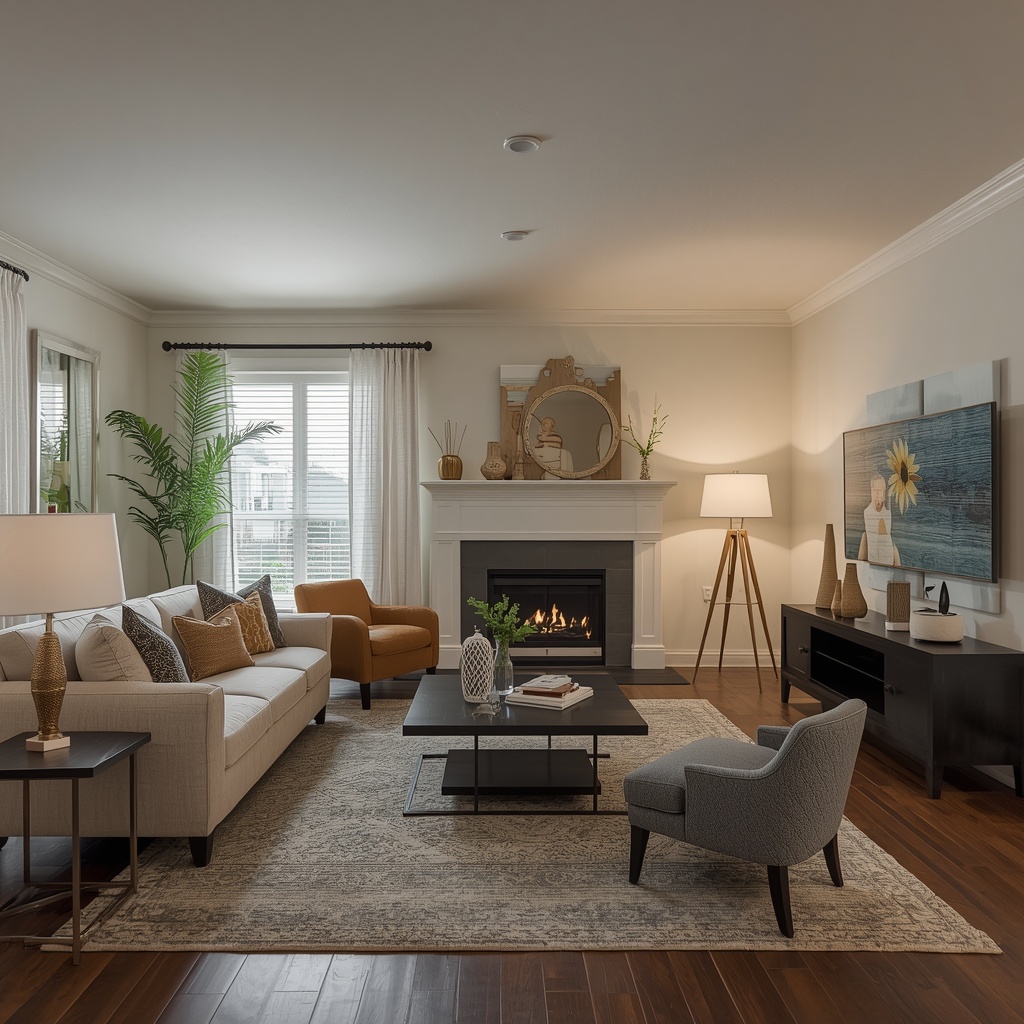
Living Room: Recessed ambient lighting on a dimmer, a floor or table lamp for reading (task), and accent lighting on art or a media wall.
Kitchen: Recessed or flush-mount ambient lighting, under-cabinet task lighting over counters, and pendant lights over an island that double as both task and accent.
Bedroom: A dimmable flush mount or ceiling fan light for ambient, swing-arm sconces or table lamps for bedside reading, and a soft accent light behind a headboard or on a dresser vignette.
Bathroom: Ceiling-mounted ambient light, vertical vanity sconces for task lighting at the mirror, and a small accent light in a shower niche or over a freestanding tub.
Home Office: Overhead ambient lighting, an adjustable task lamp for the desk, and an accent light on a bookshelf or credenza to keep video calls looking polished.
Common Lighting Mistakes to Avoid
Even design-savvy homeowners fall into a few predictable traps when it comes to lighting layers. Catching these early can save you a full re-wire down the line.
- Relying on one central ceiling fixture for the whole room
- Skipping dimmers, which locks every layer into a single, inflexible brightness
- Mixing warm and cool color temperatures in the same sightline
- Placing task lighting where it casts a shadow over the work surface instead of onto it
- Forgetting accent lighting entirely, leaving walls and art invisible after sunset
- Choosing fixtures based only on looks, without considering lumens or placement
Pro Tip: If you can only upgrade one thing this month, add dimmers to your ambient lighting first. It’s the cheapest, fastest way to make every other lighting decision look more intentional.
Budget-Friendly Ways to Start Layering Today
You don’t need an electrician and a weekend of renovation to start layering light. Plenty of impactful changes are plug-in, battery-powered, or simple swaps that take less than an hour.
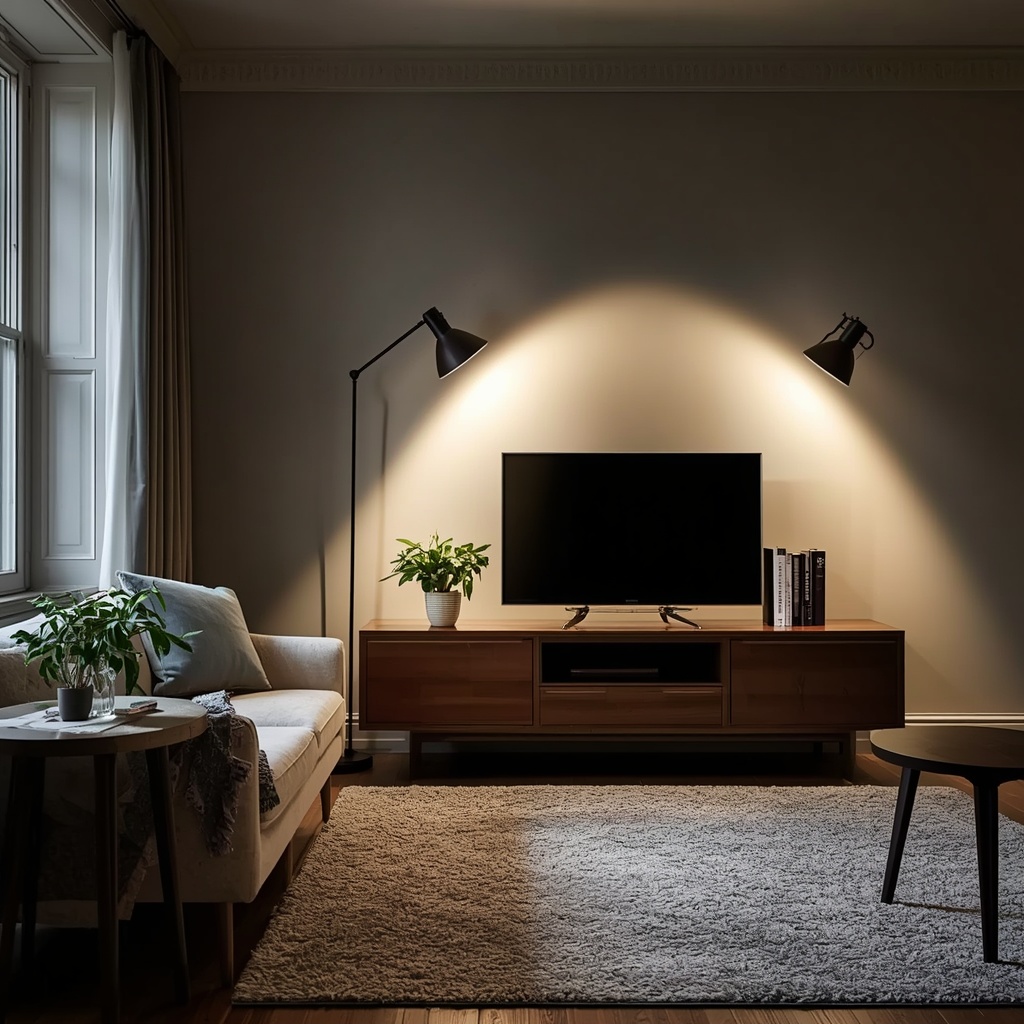
Start with a warm-toned floor lamp for task lighting in your reading corner, then add a peel-and-stick LED strip behind your TV or under a shelf for instant accent lighting. Swap any harsh white bulbs in your ambient fixtures for soft white (2700K) equivalents, and add a plug-in dimmer if your outlets don’t already support one. These small, inexpensive moves can transform a flat room within a single afternoon.
Final Thoughts
Layered lighting is one of the most underrated tools in home design, and unlike a full furniture overhaul, it’s genuinely achievable on almost any budget. Once you separate your ambient, task, and accent layers onto independent controls, your home stops feeling like it has one lighting “setting” and starts adapting to the way you actually live — bright and functional in the morning, warm and atmospheric at night.
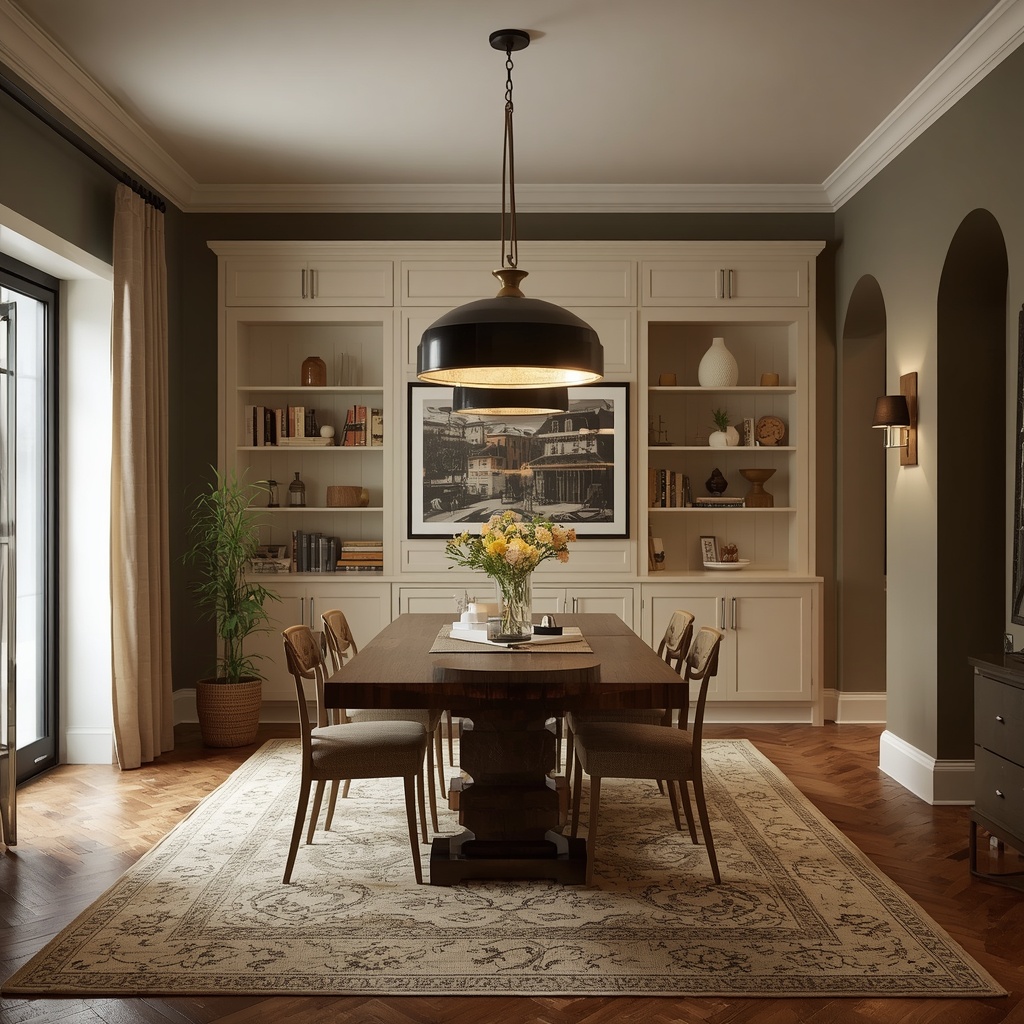
Start with one room, audit what layer is missing, and build from there. For more inspiration on choosing fixtures and color palettes that complement your lighting plan, the American Lighting Association and Energy.gov’s lighting guide are excellent places to keep learning.