
Meta description: Learn how to store shoes neatly in small entryways with smart shoe racks, benches, wall shelves, and designer tricks that work in apartments, condos, and compact homes.

The entryway is the first thing you see when you walk in and the last thing you pass when you leave. It sets the tone for the whole house. Yet in most small homes, it is also where a mountain of sneakers, sandals, boots, and work shoes quietly piles up until you can barely open the front door.
As an interior designer who has styled dozens of compact foyers, apartment hallways, and tiny mudrooms, I can tell you the problem is rarely a lack of space. It is a lack of a system. With the right shoe storage ideas and a few smart habits, even a three-foot-wide entry can feel calm, organized, and welcoming. Let’s walk through exactly how to do it.
Why Shoes Take Over Small Entryways So Fast
Shoes are awkward objects. They are bulky, uneven in shape, and carry dirt, moisture, and odors from outside. Unlike books or folded towels, they cannot be stacked flat, so they spread across the floor and take up far more room than their size suggests.
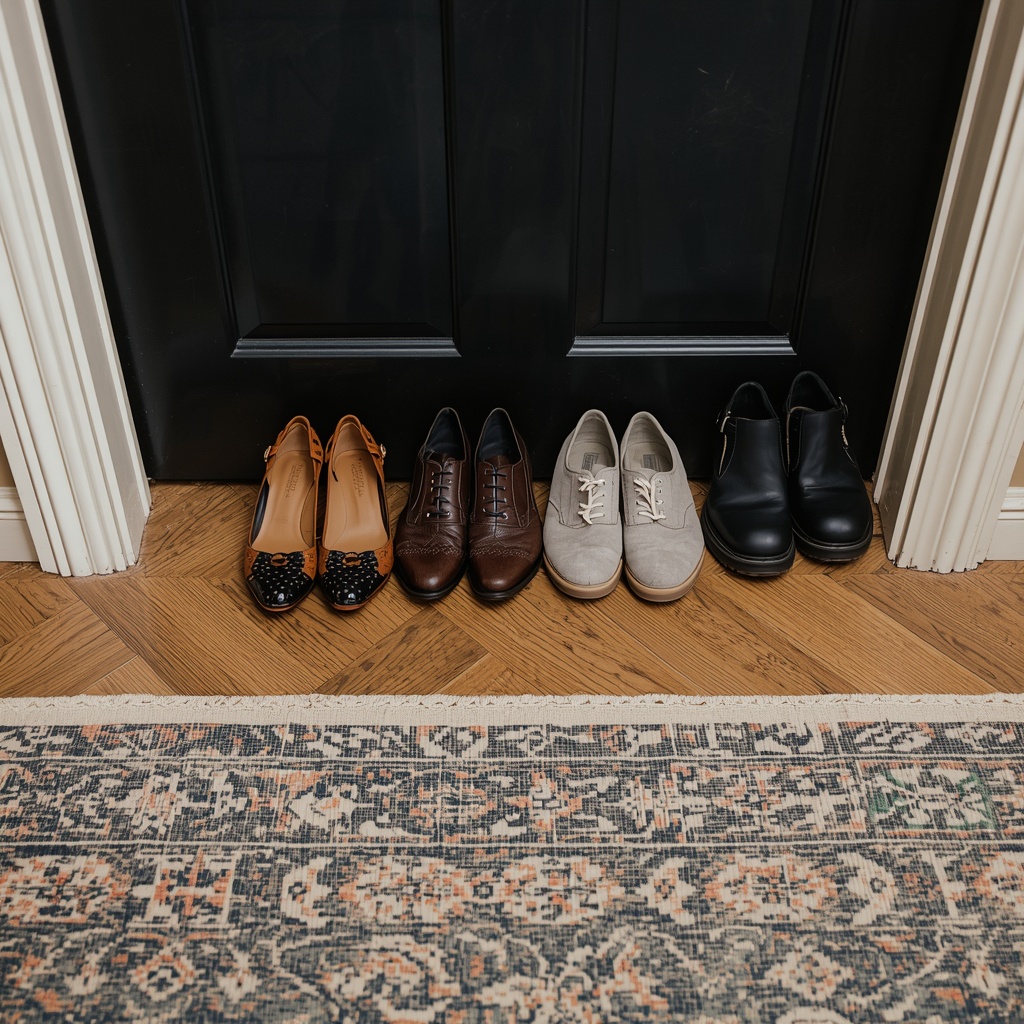
In a small entryway, a family of four can easily own 30 to 40 pairs of shoes. If even half of them live by the door, you have a tripping hazard, a cleaning headache, and a first impression nobody wants. The good news is that shoes respond well to vertical storage, closed storage, and a clear daily routine.
Three things usually cause the pileup:
- No designated home: When shoes have no assigned spot, the floor becomes the default.
- Too many pairs in rotation: Off-season and rarely worn shoes crowd out the pairs you use daily.
- Furniture that is too deep: Bulky shoe cabinets eat into walkways and make the space feel even tighter.
Start With a Quick Shoe Audit
Before you buy a single rack, edit what you own. Organizing a small entryway starts with subtraction. I ask every client to pull out every pair and sort them into four groups.
Here is a simple audit you can finish in 20 minutes:
- Daily pairs: Shoes worn at least three times a week. These earn prime entryway real estate.
- Seasonal pairs: Winter boots, rain boots, and summer sandals. Store only the current season by the door.
- Occasional pairs: Dress shoes, heels, and hiking boots. These can live in a bedroom closet or under the bed.
- Donate or toss: Anything worn out, uncomfortable, or unworn in a year.
A good rule of thumb is to keep one to two pairs per person within arm’s reach of the door, plus a small guest allowance. Everything else gets stored elsewhere. This single step often solves half the clutter before you spend a dollar.
Measure Your Entryway Before You Shop
In small spaces, an inch matters. I have seen beautiful shoe cabinets arrive and block the swing of a door by a quarter inch. Take three measurements before you shop: the width of the wall, the depth you can spare without crowding the walkway, and the vertical space from the baseboard to the ceiling.

As a general guideline, keep at least 36 inches of clear walking space in the main path. The table below shows which solutions suit which kinds of entryways.
| Entryway Type | Typical Space Available | Best Shoe Storage Solution |
|---|---|---|
| Apartment hallway | 30 to 36 inches wide, little depth | Wall-mounted shelves or slim tilt-out cabinet |
| Studio near front door | Narrow wall beside the door | Over-the-door organizer or vertical rack |
| Tiny foyer with a closet | Closet door and interior space | Closet shoe shelves and door pockets |
| Small mudroom | 4 to 6 feet of wall | Storage bench with cubbies |
| Corner entry | Awkward angled corner | Corner shoe tower or stackable rack |
Slim Shoe Cabinets Hide the Mess Beautifully
If you want your entryway to look clean and quiet, a closed cabinet is hard to beat. Tilt-out shoe cabinets are designed to be shallow, often only 7 to 10 inches deep, so they sit almost flush against the wall. Each drawer flips open to reveal a row of shoes, then folds back to hide them completely.
Look for a cabinet with a raised leg base. The open space underneath gives you a spot for slippers or a basket, and it makes a tiny foyer feel lighter and more spacious. Choose a finish that matches your walls or trim so the piece visually disappears. Retailers like IKEA and Wayfair carry dozens of slim options at nearly every budget.
Use Wall-Mounted Shoe Shelves to Free the Floor
When floor space is precious, go vertical. Wall-mounted shoe ledges and floating shelves keep shoes off the ground, which makes sweeping and mopping effortless. They also create a gallery-style display that can look intentional rather than messy.
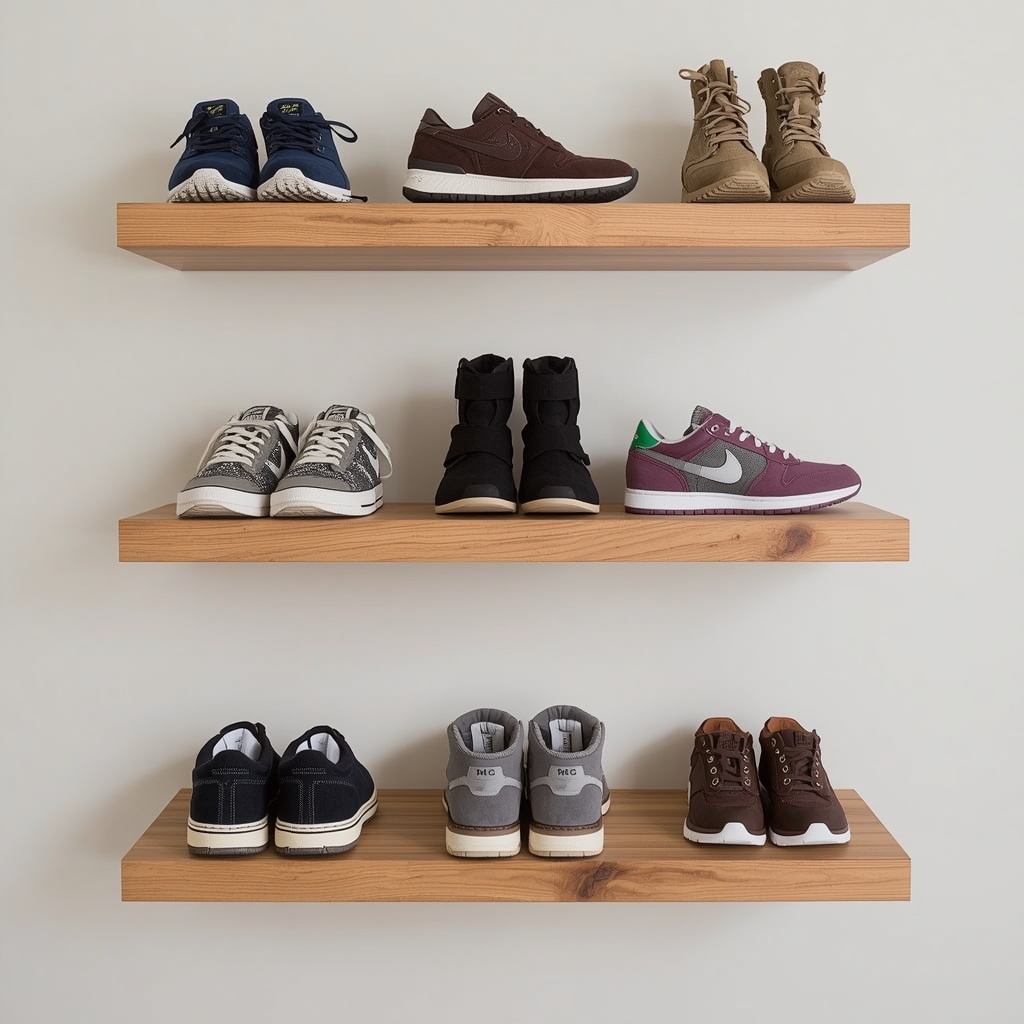
For the cleanest look, install two or three narrow shelves, about 6 to 8 inches deep, with a small front lip to stop shoes from sliding. Leave 8 to 10 inches between shelves for sneakers, and a bit more if you are storing ankle boots. Mount the lowest shelf about 6 inches above the floor so you can still clean beneath it.
“The best entryway storage doesn’t look like storage at all. It looks like part of the design.” — A principle I share with every client
Choose a Storage Bench With Hidden Compartments
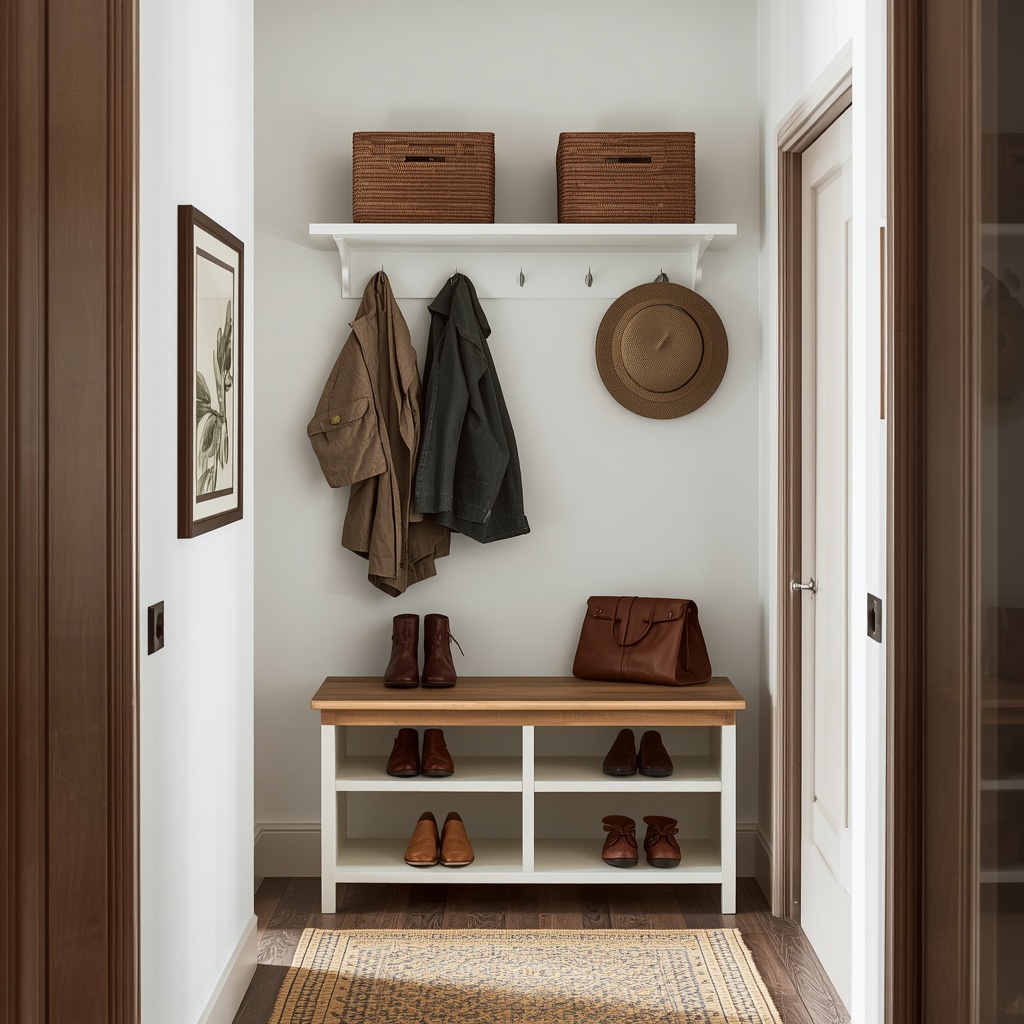
A bench does double duty: it gives you a spot to sit while you put on shoes and a place to tuck them away. In a small entryway, this is one of the most practical pieces of furniture you can buy. Choose a bench with open cubbies underneath for daily pairs, or one with a flip-top lid for bulkier items like boots.
Keep the bench slim, ideally 14 to 16 inches deep. Add a cushion in a performance fabric, which resists scuffs and spills, and you have created a cozy landing spot that also answers the question of where to put your bag. Drop a small basket on the shelf below for gloves, hats, and dog leashes.
Try an Over-the-Door Shoe Organizer
The back of a door is some of the most underused space in a small home. An over-the-door organizer with clear or fabric pockets can hold eight to twenty-four pairs without touching the floor or the wall. It requires no tools, which makes it ideal for renters.
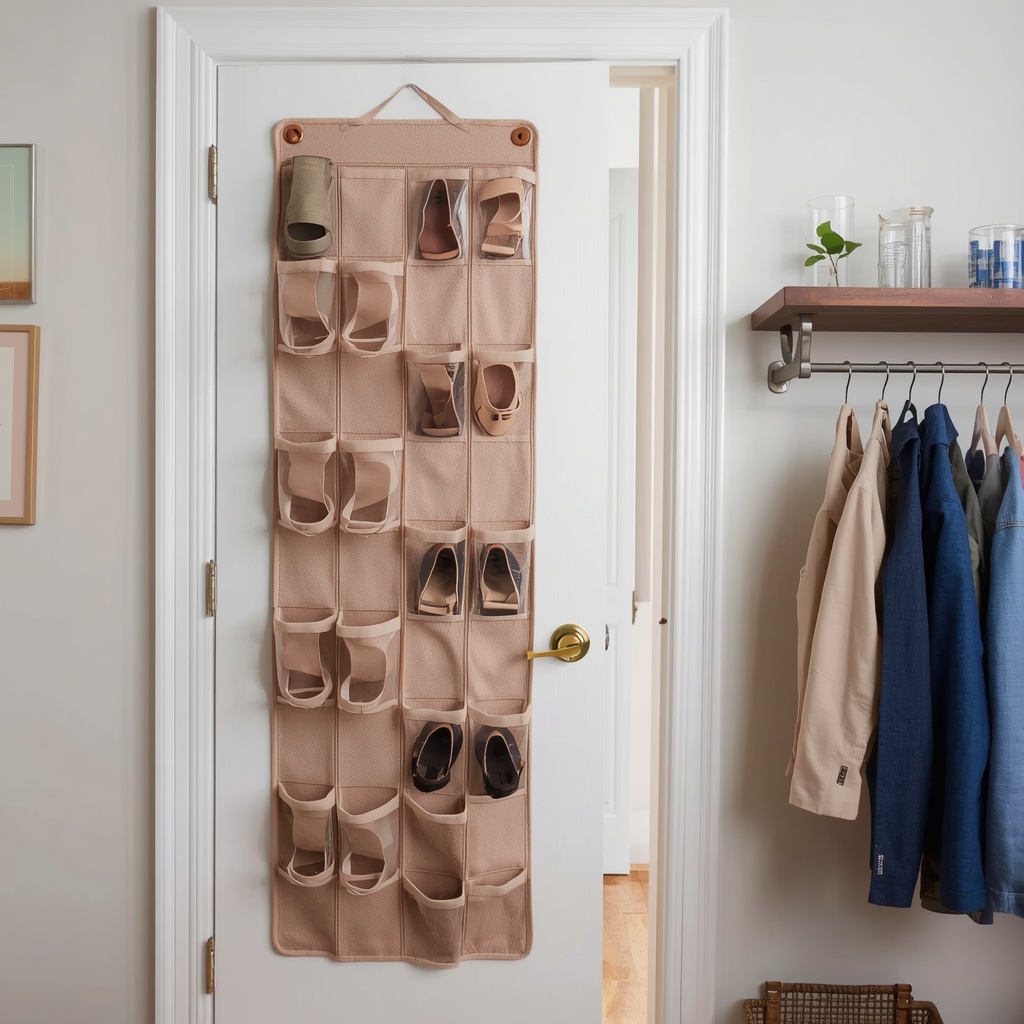
For a more polished look, choose a canvas or felt organizer in a neutral color, and hang it on a closet door or the inside of a coat closet rather than the front door itself. Reserve it for flats, sandals, kids’ shoes, and slippers, since heavy boots can strain the hooks.
Stack Vertically With Tiered Racks and Shoe Towers
A tiered rack is the classic solution for a reason. By stacking shoes in layers, you turn a one-pair footprint into a four- or five-pair footprint. Slim metal and bamboo racks fit neatly in a corner or beside a door and cost very little.
To keep a rack from looking cluttered, follow the “one shelf, one person” rule. Assign each household member a tier, and limit each to two or three pairs. If you love the look of a closed space, slide the rack into a closet or behind a simple fabric curtain on a tension rod.
Compare Your Options at a Glance
Still deciding? This comparison table breaks down the most popular small-entryway shoe storage ideas by capacity, depth, and who they suit best.
| Storage Idea | Approx. Capacity | Depth | Best For | Renter-Friendly |
|---|---|---|---|---|
| Tilt-out shoe cabinet | 8 to 18 pairs | 7 to 10 in. | Clean, closed look | Yes |
| Wall-mounted shelves | 4 to 10 pairs | 6 to 8 in. | Tight hallways | Depends on mounting |
| Storage bench | 4 to 8 pairs | 14 to 16 in. | Families, seating | Yes |
| Over-the-door organizer | 8 to 24 pairs | 3 to 4 in. | Studios, tiny budgets | Yes |
| Tiered rack or tower | 6 to 15 pairs | 8 to 12 in. | Corners, quick setup | Yes |
| Under-bed bins | 6 to 12 pairs | N/A | Off-season shoes | Yes |
Don’t Forget Hidden Space Elsewhere
Your entryway does not have to hold every shoe you own. Think of it as a “front line” for what you wear this week, with the rest stored in the “back line.” Under-bed storage bins, bedroom closet shelves, and the floor of a coat closet are perfect spots for off-season and occasional pairs.
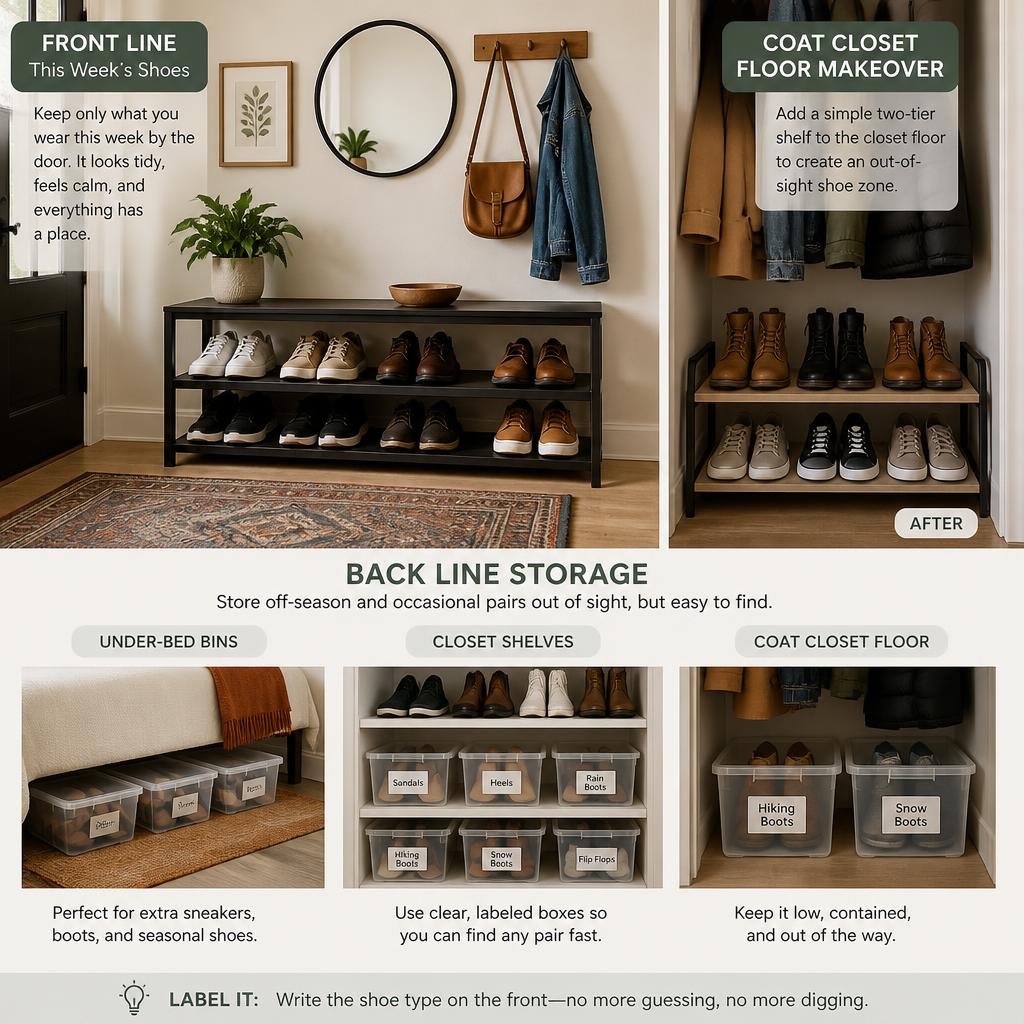
If you have a coat closet, consider converting the floor into a shoe zone with a simple two-tier shelf. You will free the entry wall for decor, and guests will never see the pile. Clear, labeled boxes also help: write the shoe type on the front, so you can find your hiking boots in seconds.
Renter-Friendly Shoe Storage That Leaves No Marks
Renting does not mean settling for chaos. Plenty of damage-free options keep your deposit safe and your entryway tidy. Adhesive hooks can hold lightweight sandals by the straps, and freestanding racks need no installation at all.
Here are my favorite no-drill ideas:
- Freestanding tilt-out cabinets with leveling feet
- Tension-rod shelves inside a closet
- Over-the-door organizers with padded hooks
- Command-style strips for lightweight shelves and ledges
- Ladder-style shoe shelves that lean against the wall
If you want to learn more about damage-free hanging, the 3M Command site has weight limits and installation guides worth reading before you start.
Add Style So Storage Feels Like Decor
Organized does not have to mean boring. A few decorative touches turn a functional shoe spot into a thoughtful part of your home. Start with a mirror above the shoe cabinet or bench. It bounces light around, makes a narrow entryway feel wider, and gives you a last-second outfit check.
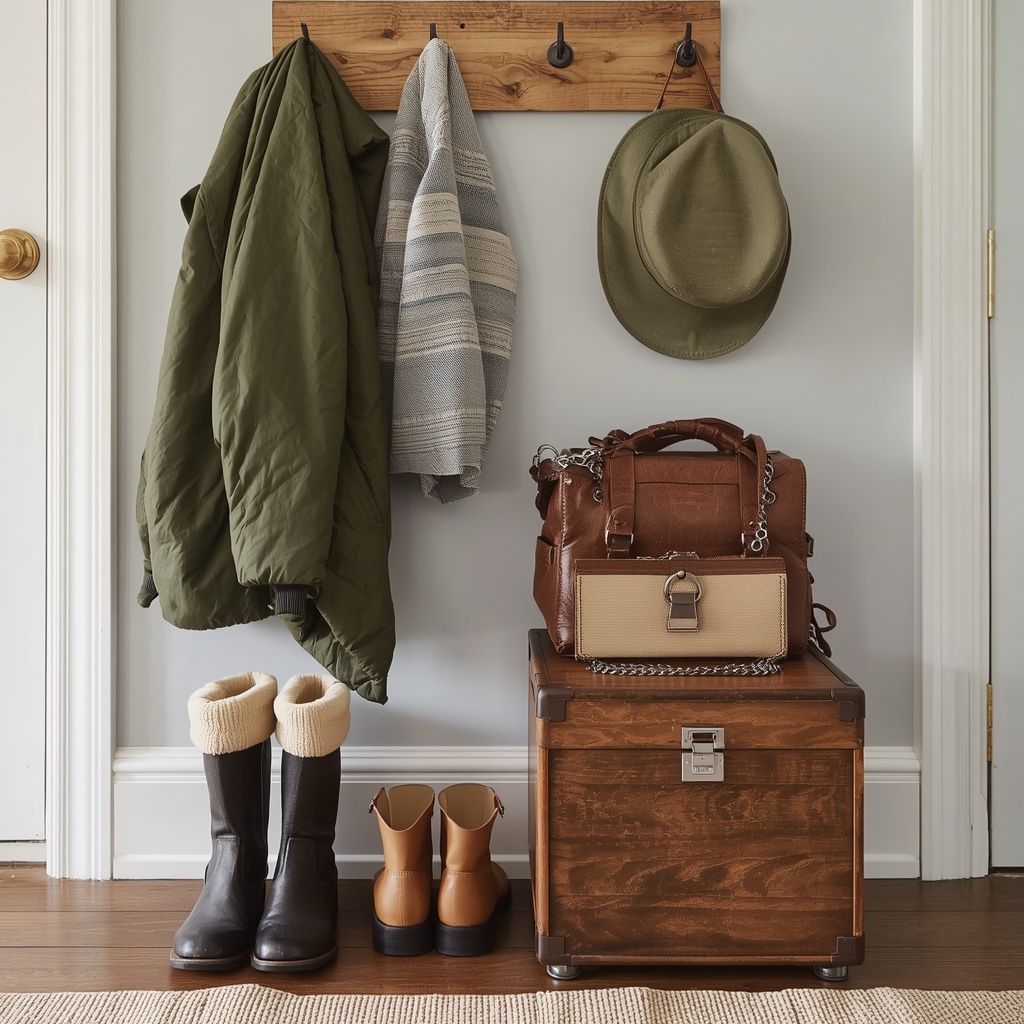
Next, layer in texture. A washable runner, a woven basket, and a small plant or sprig of greenery soften the hard edges of storage furniture. Stick to a limited palette of two or three colors so the space feels cohesive. For more design inspiration, browse the entryway galleries at Houzz and Apartment Therapy.
A few quick styling ideas to try:
- Place a ceramic tray on top of a cabinet for keys and sunglasses.
- Use a boot tray with pebbles to catch water and mud.
- Hang a row of hooks above the bench for bags and coats.
- Add a small lamp or wall sconce for a warm, welcoming glow.
Pro Tip From a Designer
Pro Tip: Use the “vertical rule of three.” Divide your entry wall into three zones: shoes at the bottom, a bench or shelf in the middle, and hooks or a mirror at the top. This layered approach uses every inch of height, keeps the floor clear, and gives the wall a balanced, styled look. In a space under four feet wide, it can double your usable storage without adding a single piece of bulky furniture.
Keep Shoes Fresh, Dry, and Odor-Free
Neat storage only works if the shoes inside it stay clean. Wet boots in a closed cabinet will quickly lead to musty smells and even mildew. Always let damp shoes air dry on a boot tray before you tuck them away.
For closed cabinets, add cedar inserts or small sachets of baking soda to absorb odor and moisture. Choose cabinets with ventilated panels or slatted doors when possible, since airflow protects leather and fabric. Wipe down the shelves once a month, and you will prevent dirt buildup before it starts.
Rotate Shoes With the Seasons
A seasonal swap is the secret to keeping a small entryway from overflowing. Twice a year, in spring and fall, move out-of-season pairs to long-term storage and bring forward what you need. It takes about fifteen minutes and makes a huge difference.
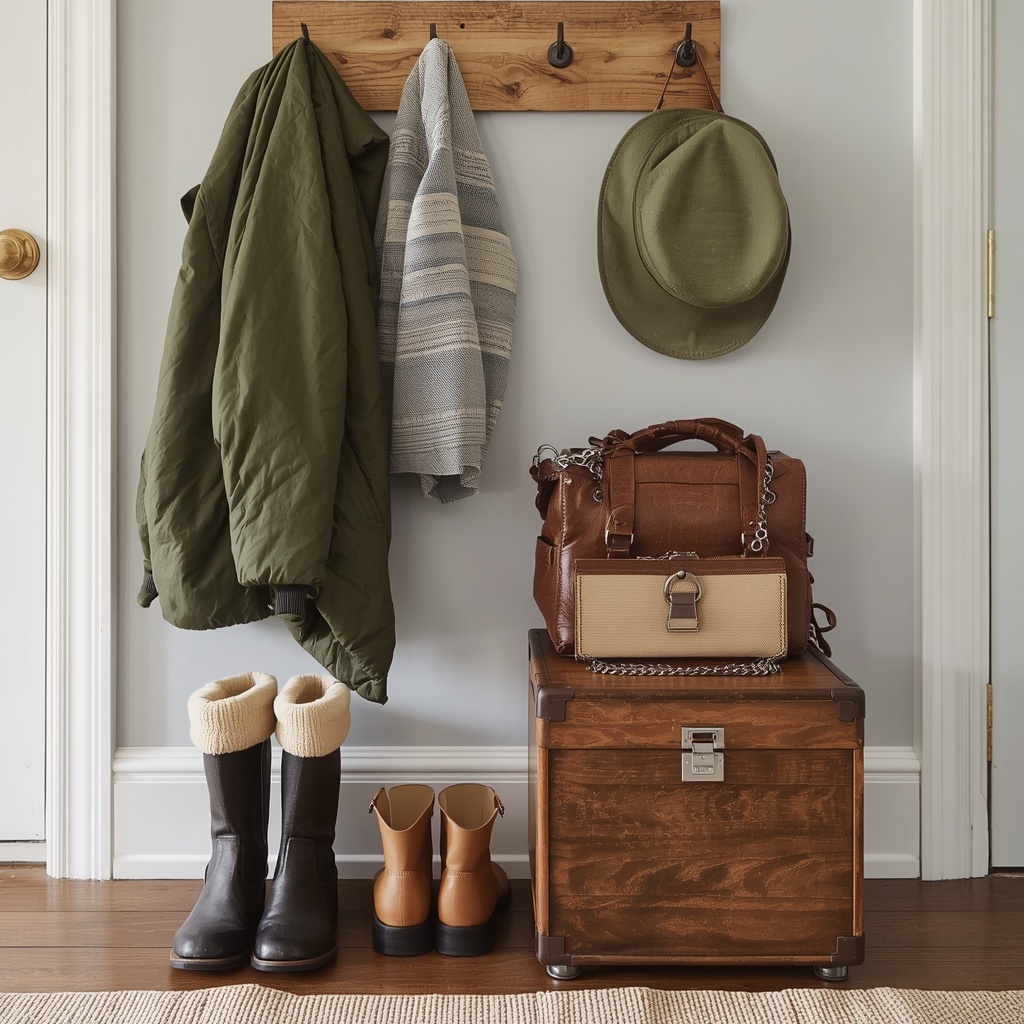
Before storing winter boots, clean them, stuff them with paper to hold their shape, and let them dry completely. For summer sandals, wipe down the footbeds. Use breathable boxes or fabric bags rather than sealed plastic, which can trap moisture and damage leather over time.
Common Mistakes to Avoid
Even well-designed entryways can fail when a few small errors creep in. Watch out for these frequent pitfalls:
- Buying before measuring: Always check door swing and walkway clearance first.
- Choosing furniture that is too deep: In small spaces, shallow beats spacious.
- Keeping every shoe by the door: Edit ruthlessly and store extras elsewhere.
- Ignoring moisture: Always add a boot tray for wet weather.
- Skipping a daily habit: Even the best system fails without a simple routine.
Build a Simple Daily Routine
The most beautiful shoe storage in the world won’t work if no one uses it. Make the system effortless, and the habit will follow. Place the storage exactly where people take their shoes off, and make sure every pair has a clear spot.
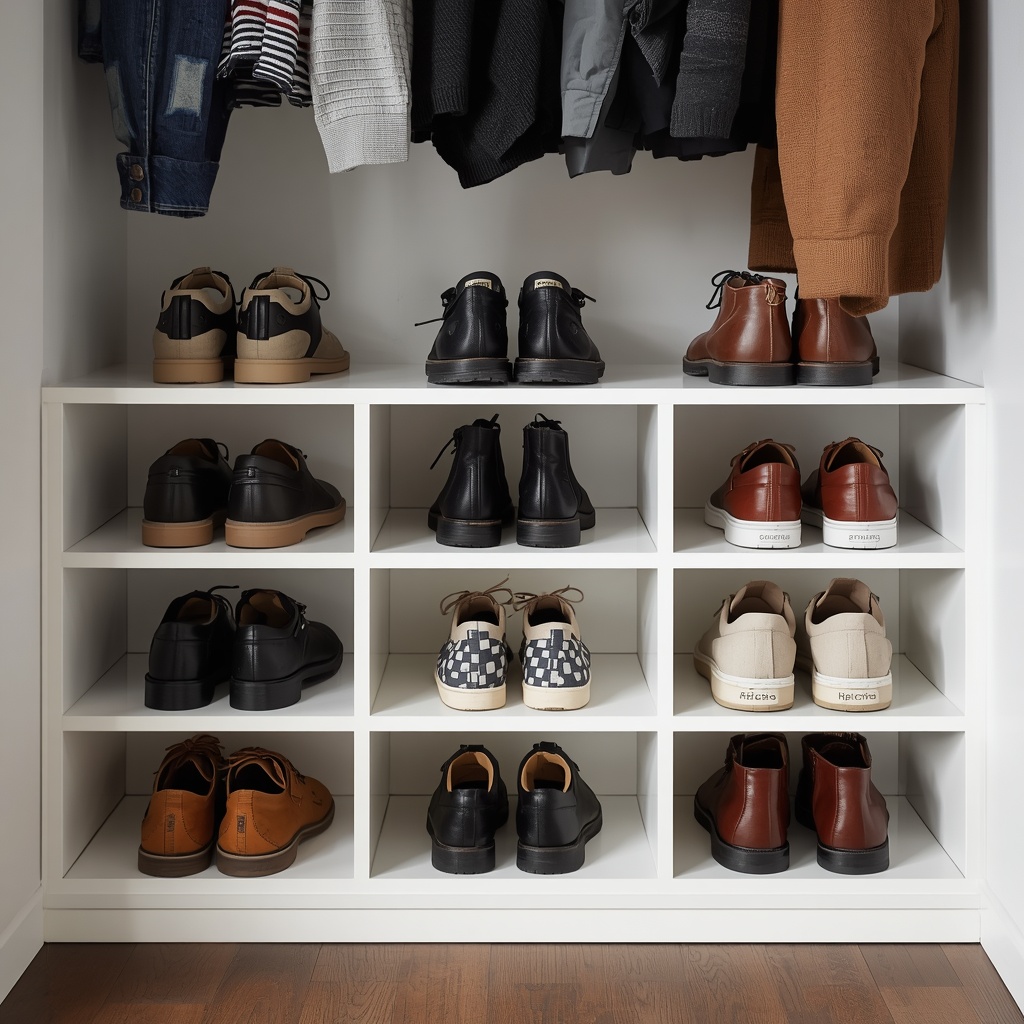
Try this five-step routine with your household:
- Take shoes off at the door, every time.
- Place them in their assigned spot, not on the floor.
- Wipe or tray any wet or muddy pairs.
- Do a 60-second reset each evening.
- Review and edit your collection every season.
For kids, a low basket or a labeled cubby makes the habit fun and easy. A simple visual cue, like a colored dot for each family member, can work wonders.
Frequently Asked Questions
How many pairs of shoes should I keep in a small entryway? Aim for one to two pairs per person, plus a few guest pairs. This keeps the space functional without feeling crowded.
What is the best shoe storage for a very narrow entryway? A tilt-out cabinet or wall-mounted shelf is ideal, since both stay under 10 inches deep and leave your walkway open.
How can I hide shoes in a small entryway without a closet? Use a closed cabinet, a storage bench with a lid, or a decorative screen. A tilt-out cabinet is the most seamless choice.
Can I store shoes by the front door in an apartment? Yes. Choose slim, freestanding pieces, add a boot tray, and keep only your daily pairs there.
Final Thoughts: A Tidier Entry Starts With One Small Change
Learning how to store shoes neatly in small entryways comes down to three ideas: edit what you own, use vertical and hidden space, and build a habit that keeps everything in its place. You do not need a big budget or a big foyer, just a plan that suits your space and your lifestyle.
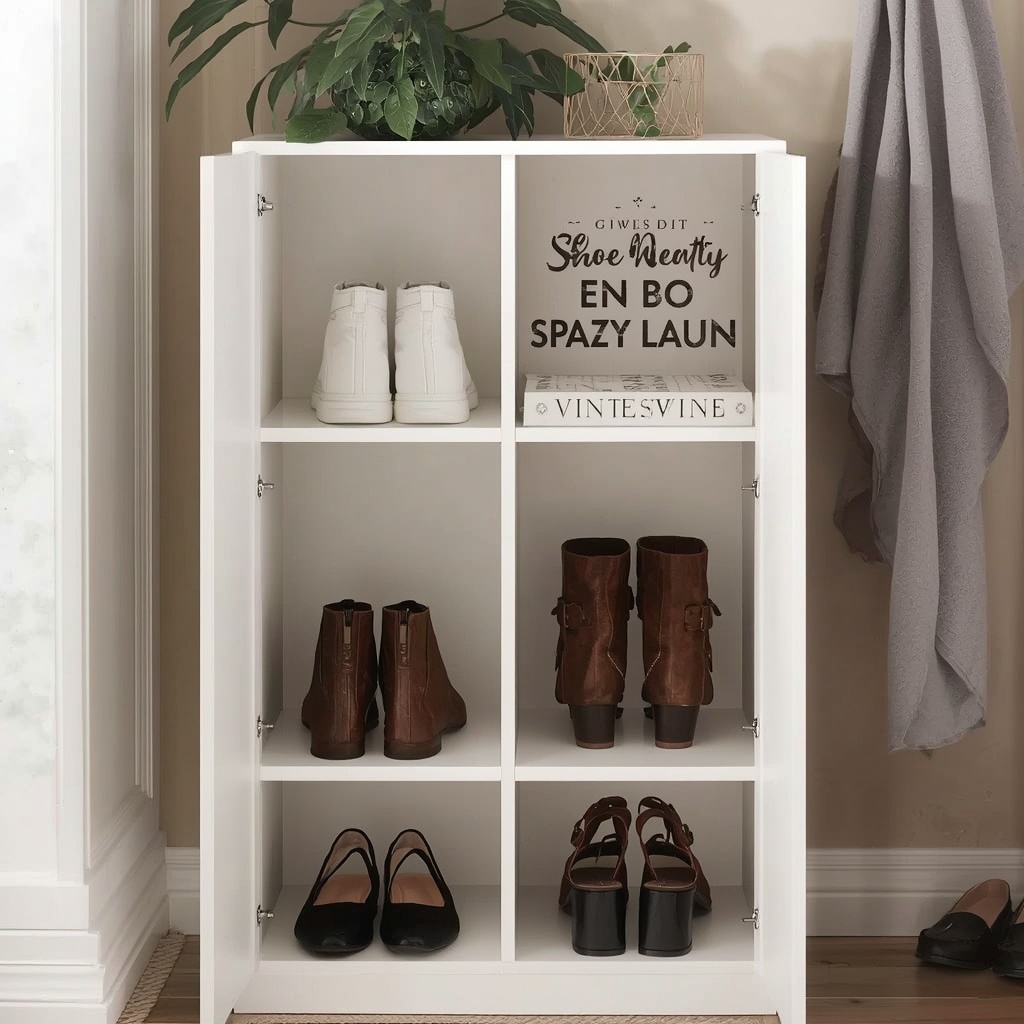
Pick one idea from this guide and start today, whether that’s a quick shoe audit, a slim cabinet, or a simple over-the-door organizer. Small changes add up fast, and soon your entryway will feel like the warm, organized welcome your home deserves.
Related keywords: small entryway shoe storage, entryway organization, narrow shoe cabinet, shoe rack ideas, apartment foyer decor, mudroom storage, hallway shoe organizer, space-saving shoe storage, renter-friendly entryway ideas.