
Winter leaves its fingerprints everywhere on an outdoor patio — dull cushions, grimy pavers, and furniture that’s been huddled under a tarp for months. But spring has a way of pulling us back outside, and your patio deserves to be ready when the first warm weekend hits. As an interior designer who works on home decor projects across the country, I can tell you that outdoor living spaces are no longer an afterthought; they’re an extension of the home itself.

This guide walks you through a room-by-room (well, patio-by-patio) approach to spring patio prep, covering everything from deep cleaning and furniture refresh to lighting, layout, and the small styling details that make guests want to linger. Whether you’re working with a cozy balcony or a sprawling backyard patio, these outdoor entertaining tips will help you create a space that feels intentional, inviting, and ready for the season of backyard dinners, brunches, and lazy weekend hangouts.
Why Spring Patio Prep Matters More Than You Think
A neglected patio doesn’t just look tired — it quietly discourages the very entertaining you’re hoping to do. Cobwebs, faded cushions, and wobbly furniture send a message that the space isn’t ready for guests, even if the food and drinks are.
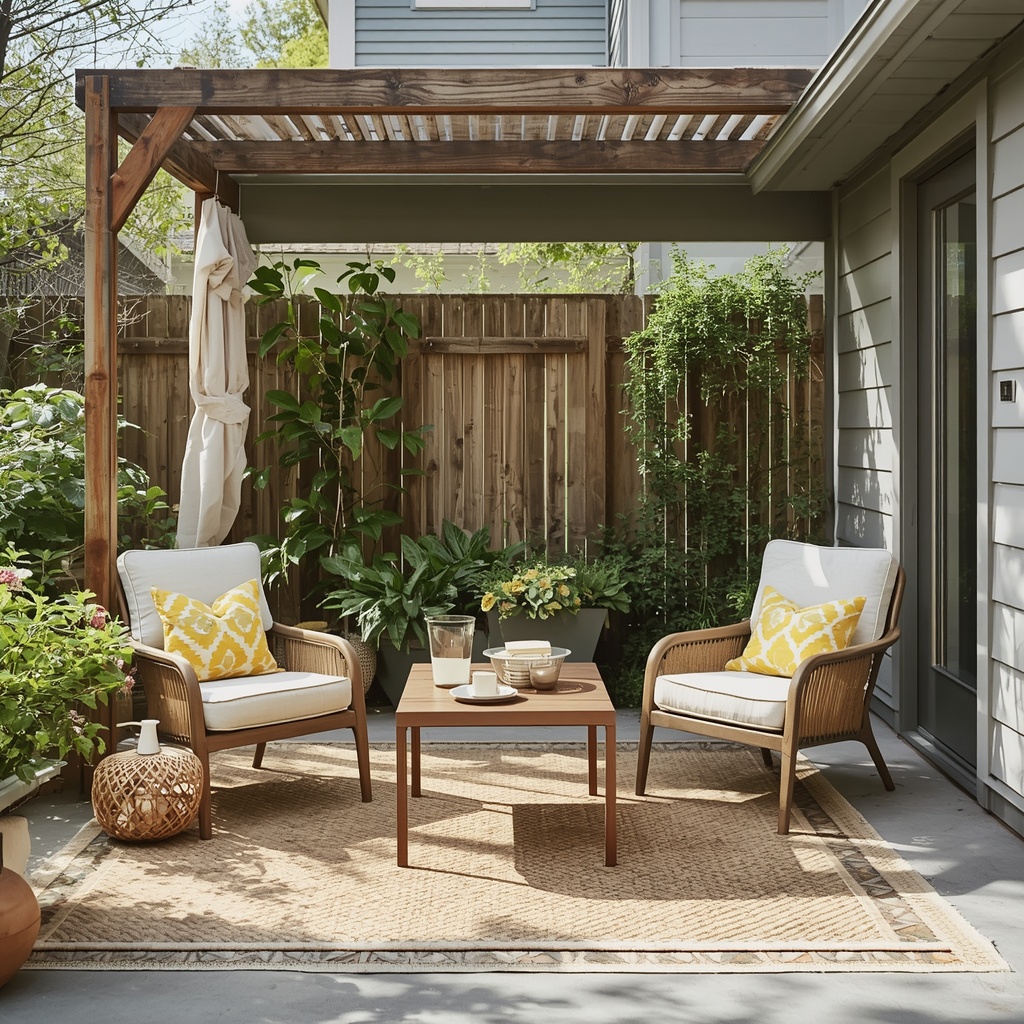
Think of your patio the way you’d think about a living room. It needs a seasonal refresh, a functional layout, and a few decorative touches that reflect your personal style. Spring cleaning your outdoor space isn’t just cosmetic maintenance; it protects your investment in furniture and hardscaping while setting the stage for months of outdoor gatherings, from casual weeknight dinners to full-blown backyard parties.
“A patio is really just an outdoor room. The same principles that make an indoor space feel comfortable — good lighting, comfortable seating, a clear sense of flow — apply outside too. People just forget to apply them.” — a sentiment shared by many landscape and outdoor design professionals.
Step 1: Deep Clean Every Surface
Before you touch a single throw pillow, the patio itself needs attention. Winter grime, pollen, and mildew build up fast, and cleaning is the unglamorous but essential foundation of any patio makeover.
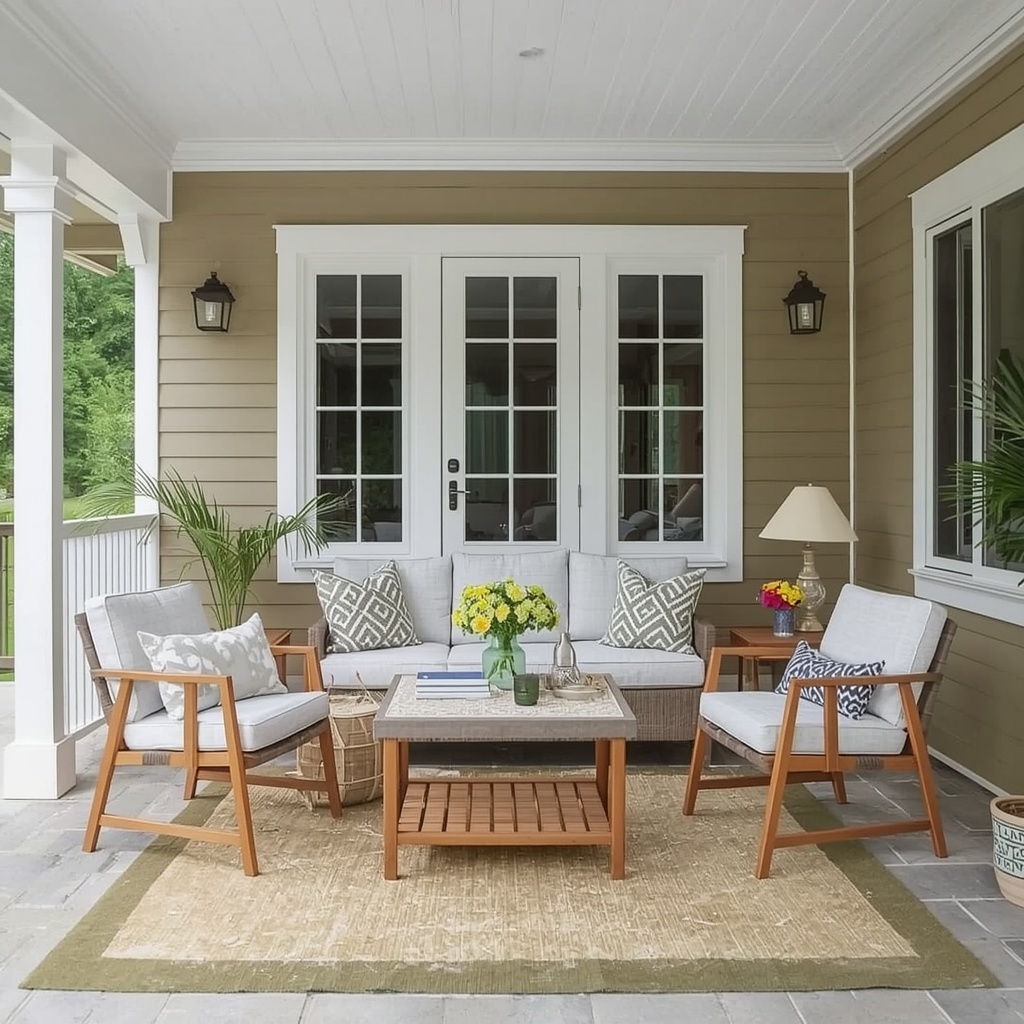
Start from the ground up — literally. Sweep away debris, then power wash or scrub pavers, concrete, or decking to remove algae and stains. Wipe down railings, wash windows or sliding doors that lead outside, and clean out gutters near the patio area so spring rain doesn’t create new messes. This is also the moment to check for winter damage: cracked tiles, loose deck boards, or rusted hardware that needs replacing before you start styling.
Quick Cleaning Checklist
| Area | Task | Frequency |
|---|---|---|
| Flooring (pavers, deck, concrete) | Power wash or scrub with mild detergent | Once, at season start |
| Furniture frames | Wipe with soapy water; treat rust or rot | Once, at season start |
| Cushions & fabric | Spot clean or machine wash covers | Once, then monthly |
| Outdoor rugs | Shake out, hose down, air dry | Once, then biweekly |
| Grill & fire features | Deep clean grates, check gas lines | Once, before first use |
| Planters & pots | Empty old soil, scrub, refresh | Once, at season start |
Pro Tip: Mix a solution of one part white vinegar to four parts water for a gentle, eco-friendly way to clean outdoor cushions and railings without damaging fabric fibers or finishes. For tougher mildew stains, add a small amount of dish soap and let it sit for ten minutes before rinsing.
Step 2: Inspect and Refresh Your Furniture
Outdoor furniture takes a beating between UV exposure, moisture, and temperature swings. Spring is the ideal time to assess what’s salvageable, what needs repair, and what’s due for replacement.

Check metal frames for rust, wood pieces for splintering or warping, and wicker or rattan for brittleness. If cushions have lost their shape or the foam feels compressed, consider replacing the inserts rather than the whole piece — it’s a budget-friendly way to extend furniture life. This is also a great moment to rearrange your seating layout for better conversation flow and easier movement around the space.
Furniture Refresh Priorities
- Tighten loose screws and bolts on chairs, tables, and umbrellas
- Sand and reseal wood furniture with an outdoor-rated protectant
- Replace rusted hardware on metal pieces before it spreads
- Swap out flattened cushion inserts for fresh foam
- Rotate furniture placement to even out sun fading
<a name=”furniture-materials”></a> For homeowners shopping for new pieces this season, materials matter. According to buying guides from outdoor furniture retailers, teak, powder-coated aluminum, and all-weather wicker tend to hold up best against sun and rain, making them smart long-term investments for patios that see heavy seasonal use.
Step 3: Layer in Texture and Color With Textiles
Once the hardware is clean and functional, textiles are where your patio starts to feel like your space. Outdoor fabric technology has come a long way — today’s performance textiles resist fading, mildew, and moisture while still feeling soft underfoot or against your skin.

Bring in outdoor rugs, throw pillows, and table linens in a palette that complements your home’s exterior. Spring naturally calls for lighter, brighter tones — think sage green, terracotta, soft yellow, and crisp white — but don’t be afraid to mix in one or two saturated accent colors for personality. Layering different textures, like a woven rug under a rattan chair with a linen-look pillow, adds visual depth without cluttering the space.
Pro Tip: Choose solution-dyed acrylic fabrics (like those used in premium outdoor cushions) over standard printed textiles. The color runs through the entire fiber, so it resists fading even after a full summer of direct sun exposure.
Step 4: Set the Mood With Lighting
Lighting transforms a patio from a daytime-only space into somewhere people want to gather after sunset. Layered lighting — a mix of ambient, task, and accent sources — creates the kind of warm, inviting glow that keeps dinner parties going past dessert.
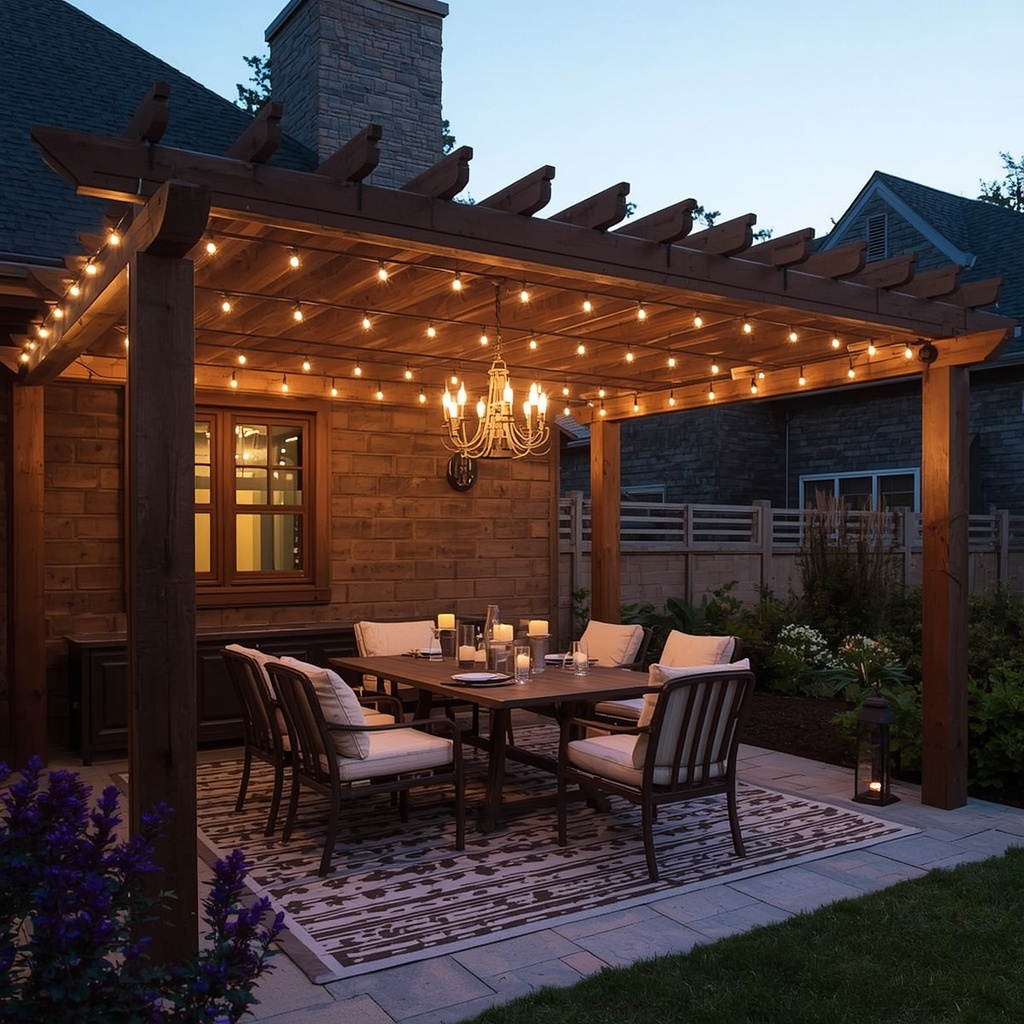
String lights remain a reliable favorite for overhead ambiance, but don’t stop there. Lanterns and flameless candles add flickering warmth at table height, while solar path lights guide guests safely along walkways. If your patio has a pergola or covered area, consider installing dimmable sconces or a small chandelier-style fixture for a more elevated, design-forward look.
Lighting Layers to Consider
| Lighting Type | Purpose | Example Fixtures |
|---|---|---|
| Ambient | Overall soft glow | String lights, lanterns |
| Task | Functional visibility | Grill lights, step lights |
| Accent | Mood and highlights | Candles, uplighting on plants |
| Safety | Navigation after dark | Solar path lights, railing lights |
Step 5: Add Greenery and Seasonal Plants
Nothing signals spring quite like fresh greenery. Potted plants, hanging baskets, and window boxes soften hard surfaces and bring life and color to even the smallest patio. They also do double duty as natural privacy screens and fragrance sources when you choose the right varieties.
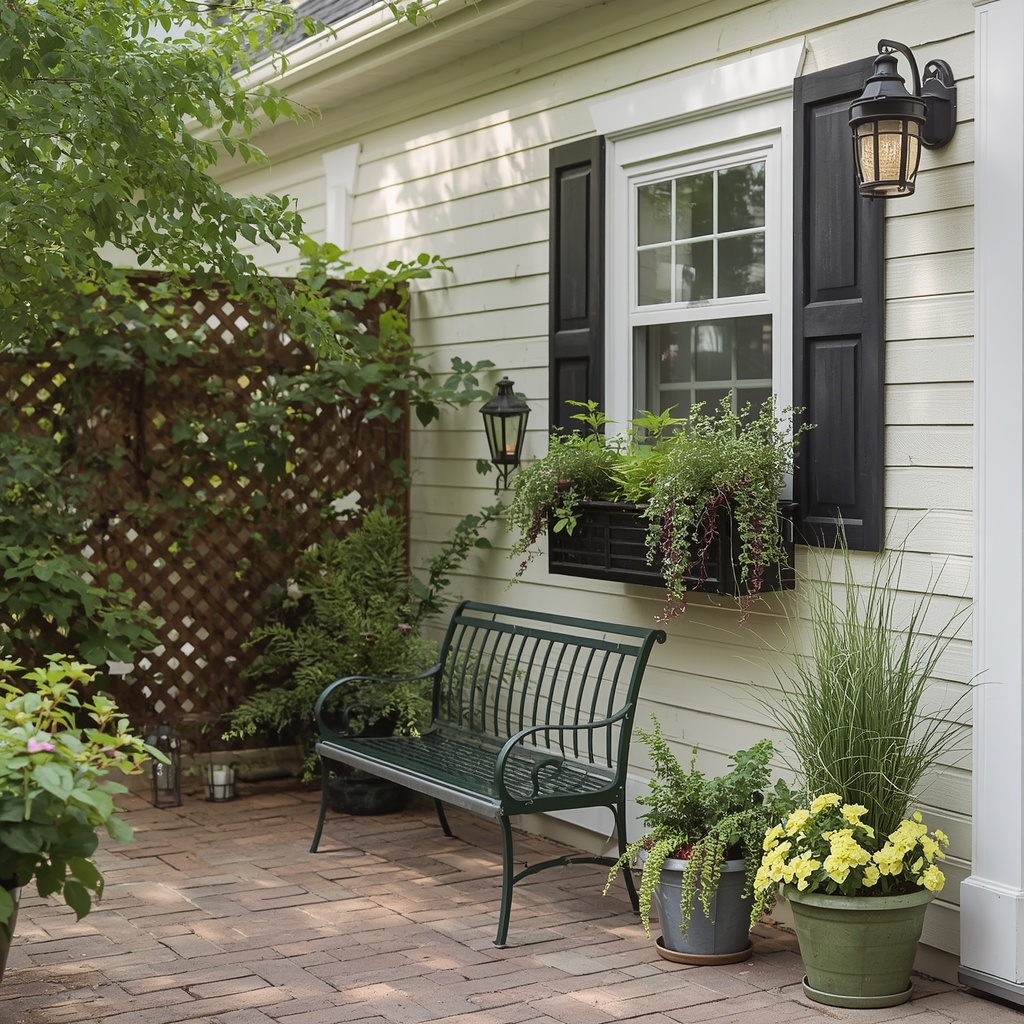
Opt for a mix of heights and textures — tall ornamental grasses in the background, mid-height flowering plants like geraniums or petunias, and trailing vines like sweet potato vine or ivy spilling over pot edges. Herbs such as rosemary, mint, and basil are especially popular for spring patios because they’re functional (hello, fresh garnishes for entertaining) as well as beautiful.
- Choose weather-appropriate planters that won’t crack in temperature swings
- Group odd numbers of pots (3 or 5) for a more natural, designer-approved look
- Incorporate a mix of flowering and evergreen plants for season-long color
- Add a vertical element, like a trellis or hanging planter, to draw the eye upward
Fragrance is an underrated part of patio styling too. Jasmine, lavender, and citrus trees release a subtle scent that lingers through the evening and elevates the sensory experience of outdoor dining without being overpowering. If you’re gardening in containers, choose pots with proper drainage and a lightweight potting mix designed for outdoor use, since heavy garden soil tends to compact and hold too much moisture in raised planters.
Choosing Sustainable and Weather-Resistant Materials
Spring prep is also a good time to think longer-term about the materials in your outdoor space. Sustainable, weather-resistant choices reduce how much maintenance you’ll need to do next year and often look better for longer, which matters if your patio sees heavy rotation of dinners, parties, and lazy Sunday mornings.

Recycled plastic lumber, FSC-certified teak, and powder-coated aluminum are increasingly popular for their durability and lower environmental impact compared to untreated wood or basic plastic resin furniture. For textiles, look for outdoor fabrics made from recycled polyester fibers, which perform just as well as virgin materials while cutting down on waste. Even small swaps, like solar-powered string lights instead of plug-in versions, reduce your patio’s energy footprint while still delivering that warm evening glow guests love.
| Material | Best Used For | Why It Works |
|---|---|---|
| Powder-coated aluminum | Chair and table frames | Rust-resistant, lightweight, low maintenance |
| FSC-certified teak | Tables, benches | Naturally weather-resistant, ages gracefully |
| All-weather wicker | Lounge seating | Mimics natural rattan without moisture damage |
| Recycled polyester fabric | Cushions, pillows, rugs | Fade-resistant and more sustainable |
| Solar lighting | String lights, path lights | No wiring needed, lower energy use |
Step 6: Plan the Layout for Effortless Entertaining
A beautifully decorated patio still falls flat if the layout doesn’t support how people actually move and gather. Before your first spring get-together, walk through the space and think like a host: Where will people sit? Where does food go? Is there a clear path to the kitchen or grill?

Create distinct zones if your patio is large enough — a lounge area with low seating and a coffee table for pre-dinner drinks, a dining zone with a table sized to your typical guest count, and a food or bar station that keeps traffic away from the main conversation area. For smaller patios, multipurpose furniture like storage ottomans or extendable tables helps the space flex between everyday use and entertaining.
Pro Tip: Leave at least 36 inches of walking space between furniture groupings. It’s a simple rule interior designers use indoors that applies just as much outside — enough room for guests to move comfortably without squeezing past chairs.
Step 7: Don’t Forget the Finishing Touches
The last 10% of patio prep is what actually makes guests remember the space. Small styling details — a stack of coasters, a woven tray for drinks, a bowl of citrus on the table — signal thoughtfulness without requiring a big budget.

Consider weatherproof throw blankets draped over chair arms for cool spring evenings, a Bluetooth speaker tucked discreetly into the greenery, and a designated spot for citronella candles to keep bugs at bay as temperatures rise. These details are what separate a patio that’s “clean and ready” from one that feels genuinely styled and welcoming.
Spring Patio Prep Timeline
Not sure where to start? Use this general timeline to pace out your prep so it doesn’t all pile up the weekend before your first party.
| Timeframe | Tasks |
|---|---|
| 4 weeks before | Deep clean surfaces, inspect furniture and hardscaping |
| 3 weeks before | Repair or replace damaged furniture and hardware |
| 2 weeks before | Wash textiles, refresh cushions, plan color palette |
| 1 week before | Add plants, set up lighting, arrange furniture layout |
| Day of event | Final tidy, set out finishing touches, test lighting |
Frequently Asked Questions
How do I remove mildew from outdoor cushions without ruining the fabric? A diluted vinegar-and-water solution, applied with a soft brush and left to air dry in the sun, works well for most outdoor fabrics. Always check the manufacturer’s care label first, especially for cushions with waterproof coatings.

What’s the most budget-friendly way to refresh a patio for spring? Textiles and plants offer the biggest visual impact for the lowest cost. A new outdoor rug, a few throw pillows, and a couple of well-placed potted plants can transform a space without touching the furniture at all.
How early should I start prepping my patio for spring entertaining? Aim to start about four weeks before your first planned gathering. This gives cleaning solutions and sealants time to fully cure and leaves room to order replacement furniture or textiles if needed.
Final Thoughts
Prepping your outdoor patio for spring entertaining doesn’t have to mean a full renovation — it’s about layering thoughtful, seasonal updates onto a clean, functional foundation. Start with a deep clean, assess your furniture honestly, and then build up through textiles, lighting, greenery, and layout until the space feels as considered as any room inside your home.
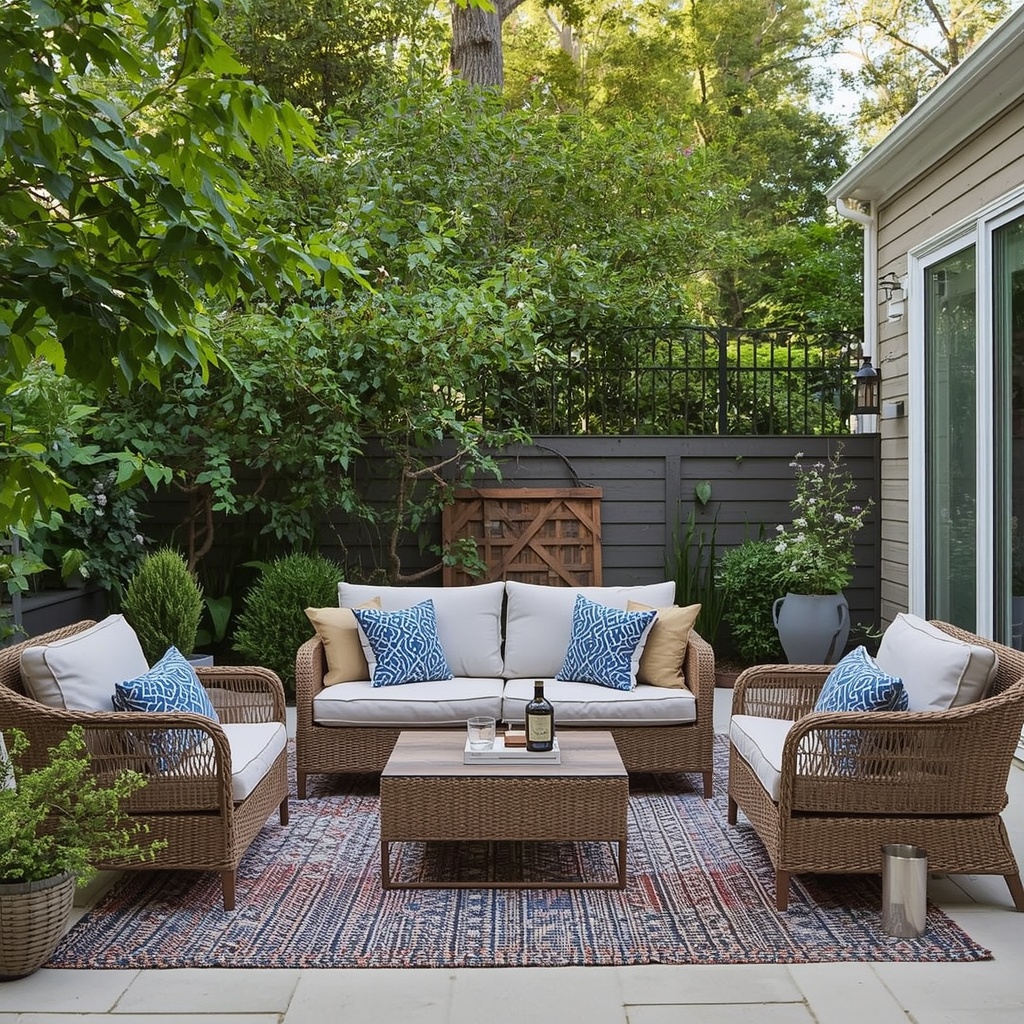
The payoff is a patio that’s genuinely ready for spring — one where guests want to kick off their shoes, grab a seat, and stay a while. And honestly, that’s the whole point of outdoor entertaining: creating a space so comfortable and inviting that nobody’s in a hurry to go back inside.