
Choosing a wall color is easy — until you remember you already have hardwood floors to work around. Suddenly, that dreamy sage green or moody navy blue feels like a gamble. Will it clash? Will it wash out the wood? Will it make your living room feel like a furniture showroom instead of a home?
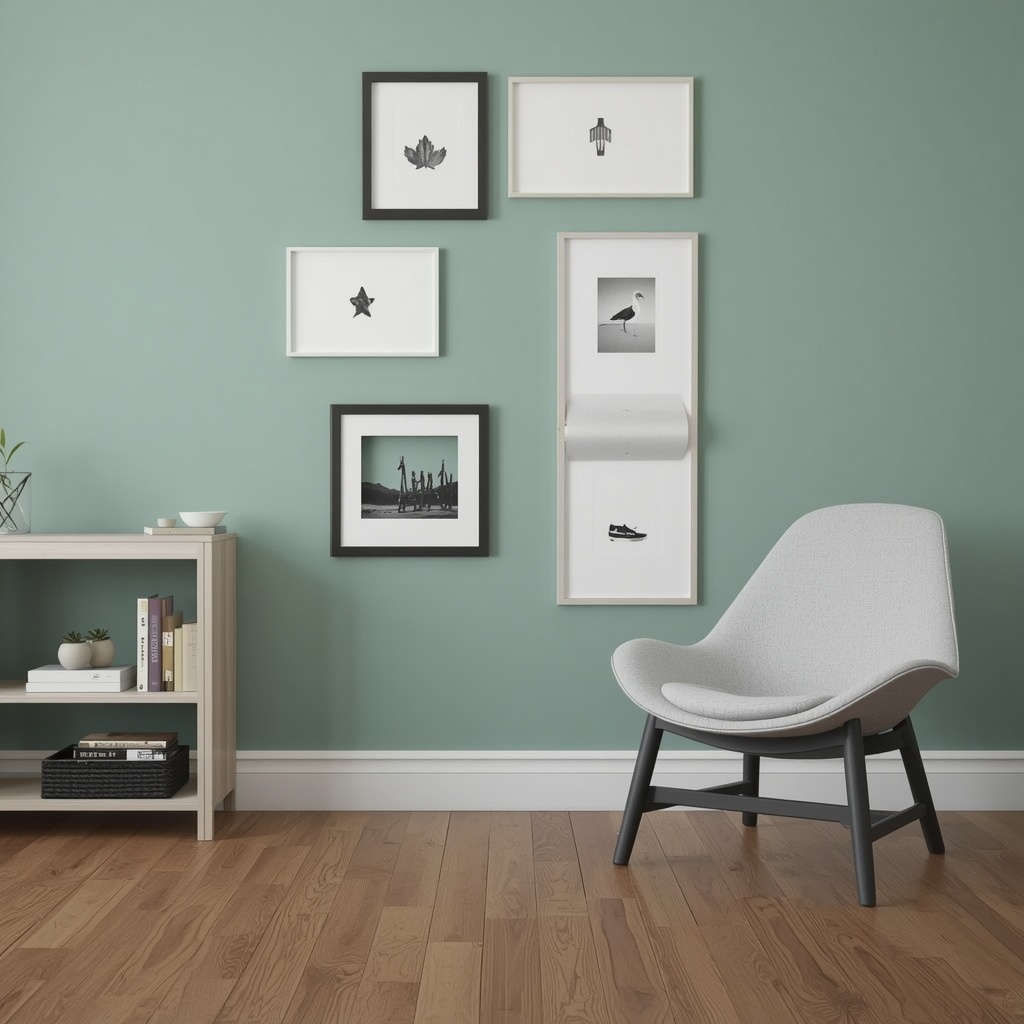
As an interior designer who has walked hundreds of U.S. homeowners through this exact decision, I can tell you the fix isn’t complicated. It comes down to understanding undertones, contrast, and a few tried-and-true color pairings that work with almost any hardwood species. This guide breaks it all down so you can pick a paint color with confidence — no swatch-wall anxiety required.
Why Wall Color and Hardwood Floor Pairing Matters
Your floors are the largest fixed surface in any room, and unlike paint, they’re expensive and time-consuming to change. That means your wall color should adapt to your flooring — not the other way around. Get the pairing right, and the whole room feels intentional, cohesive, and larger than it is.
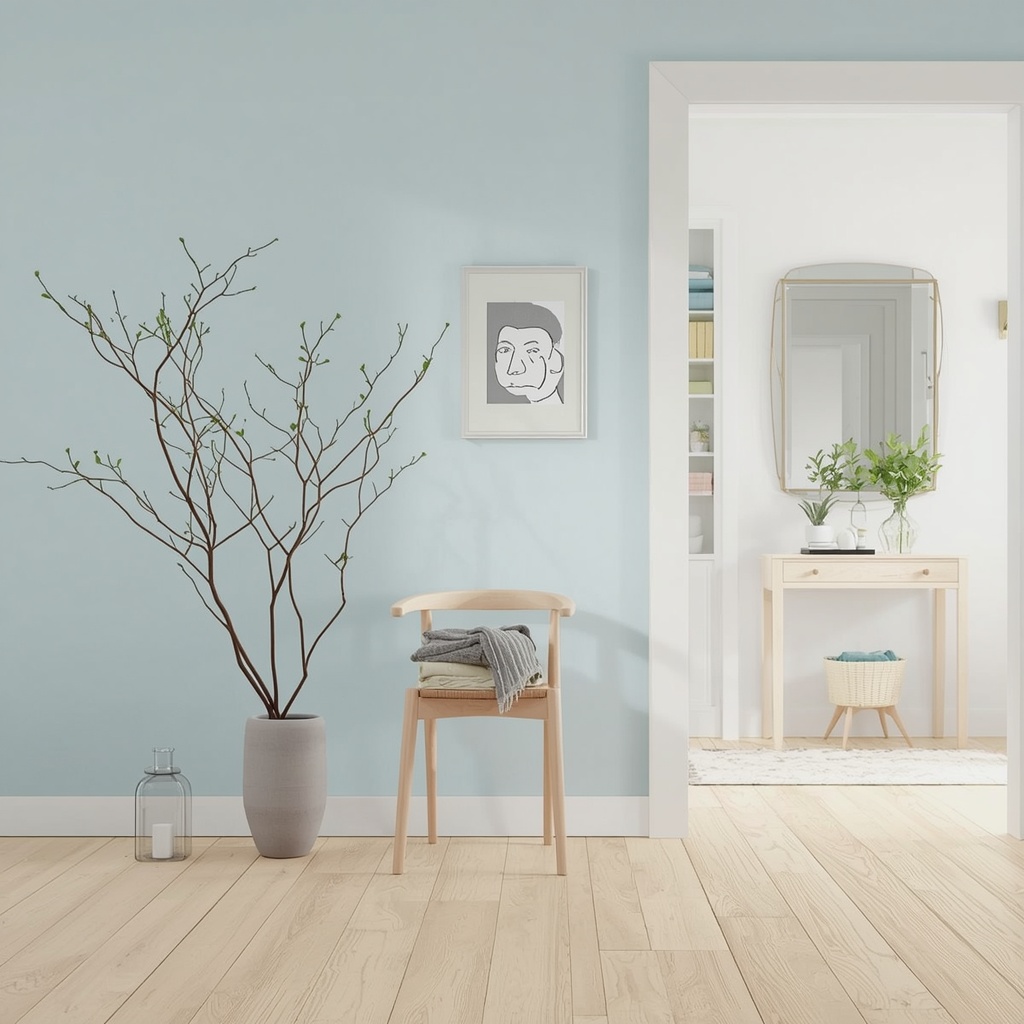
Get it wrong, and even beautiful individual elements — a rich walnut floor, a crisp white trim, a bold accent wall — can start to compete instead of complement. The goal is harmony: a wall color that lets your hardwood shine while giving the room its own personality.
“Floors set the temperature of a room. Walls set the mood. When both speak the same undertone language, the space feels finished before you’ve even added furniture.” — A principle every seasoned interior designer lives by.
Understanding Your Hardwood Floor’s Undertone
Before you open a single paint can, you need to identify whether your hardwood floor leans warm, cool, or neutral. This single step prevents 90% of color-matching mistakes.
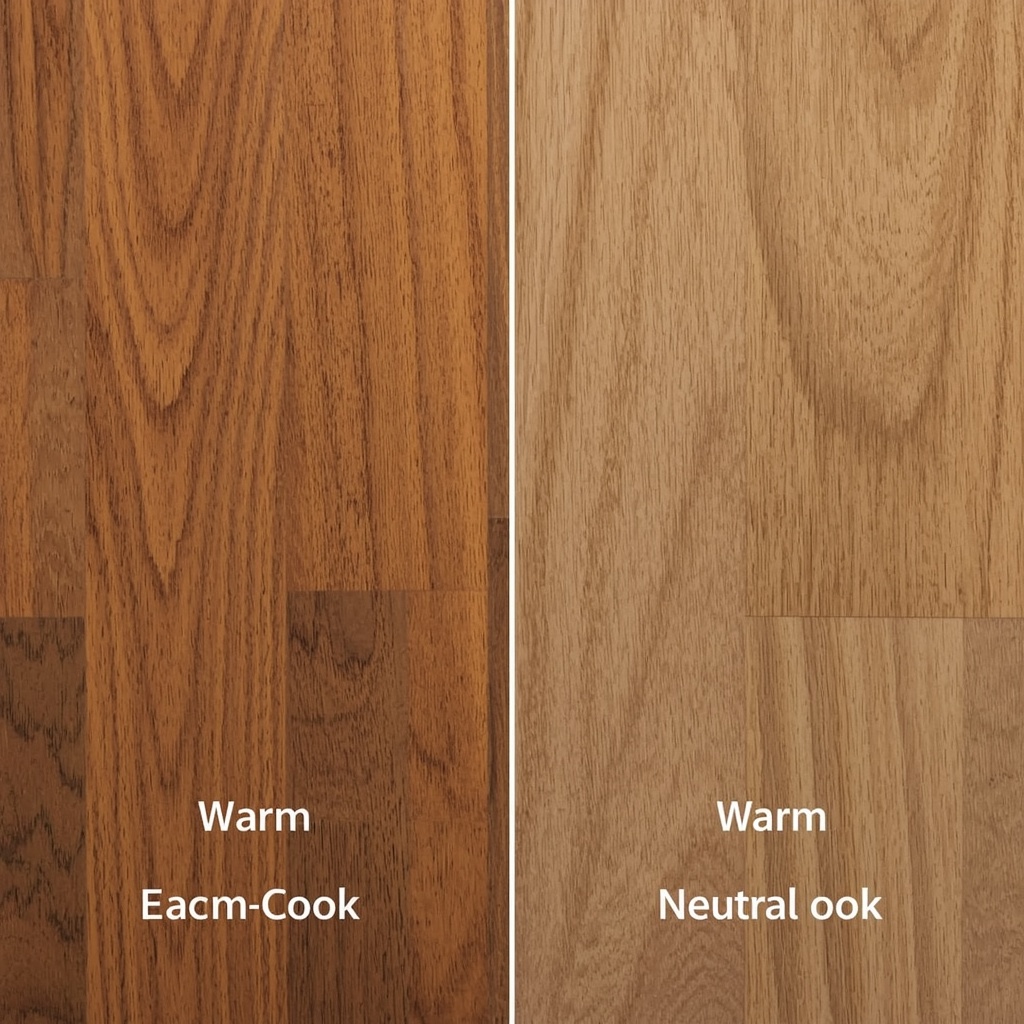
Hold a piece of white paper next to your floor in natural daylight. Look closely at the color that emerges around the edges of the wood grain.
- Warm undertones: yellow, orange, red, or gold hints (common in oak, cherry, and pine)
- Cool undertones: gray, ash, or slightly blue-gray hints (common in whitewashed or gray-stained oak)
- Neutral undertones: a balanced mix with no strong pull in either direction (common in walnut and some maple finishes)
Pro Tip: Always test undertones in natural daylight, not under artificial bulbs. Warm LED lighting can make even a cool-toned floor look golden, leading you to choose the wrong paint family entirely.
Warm vs. Cool Wood Tones: How to Tell the Difference
Wood species and stains generally fall into two camps, and knowing which camp your floor belongs to instantly narrows your paint choices.
| Floor Type | Common Undertone | Typical Wood Species |
|---|---|---|
| Honey/Golden Oak | Warm, yellow-orange | Red Oak, White Oak |
| Cherry/Mahogany | Warm, red-brown | Cherry, Brazilian Cherry |
| Walnut | Neutral to warm | American Walnut |
| Gray-Washed | Cool, ash-gray | White Oak (gray stain) |
| Whitewashed | Cool, light neutral | Pine, Oak (whitewash finish) |
| Espresso/Ebony | Neutral-cool, deep | Oak, Maple (dark stain) |
Once you know your floor’s category, you can shop for paint with the confidence of knowing which undertone family to search within — a huge time-saver at the paint counter.
Best Wall Colors for Light Hardwood Floors
Light hardwood floors — think Scandinavian oak or natural pine — are having a major moment in American homes, and they’re some of the easiest floors to design around.
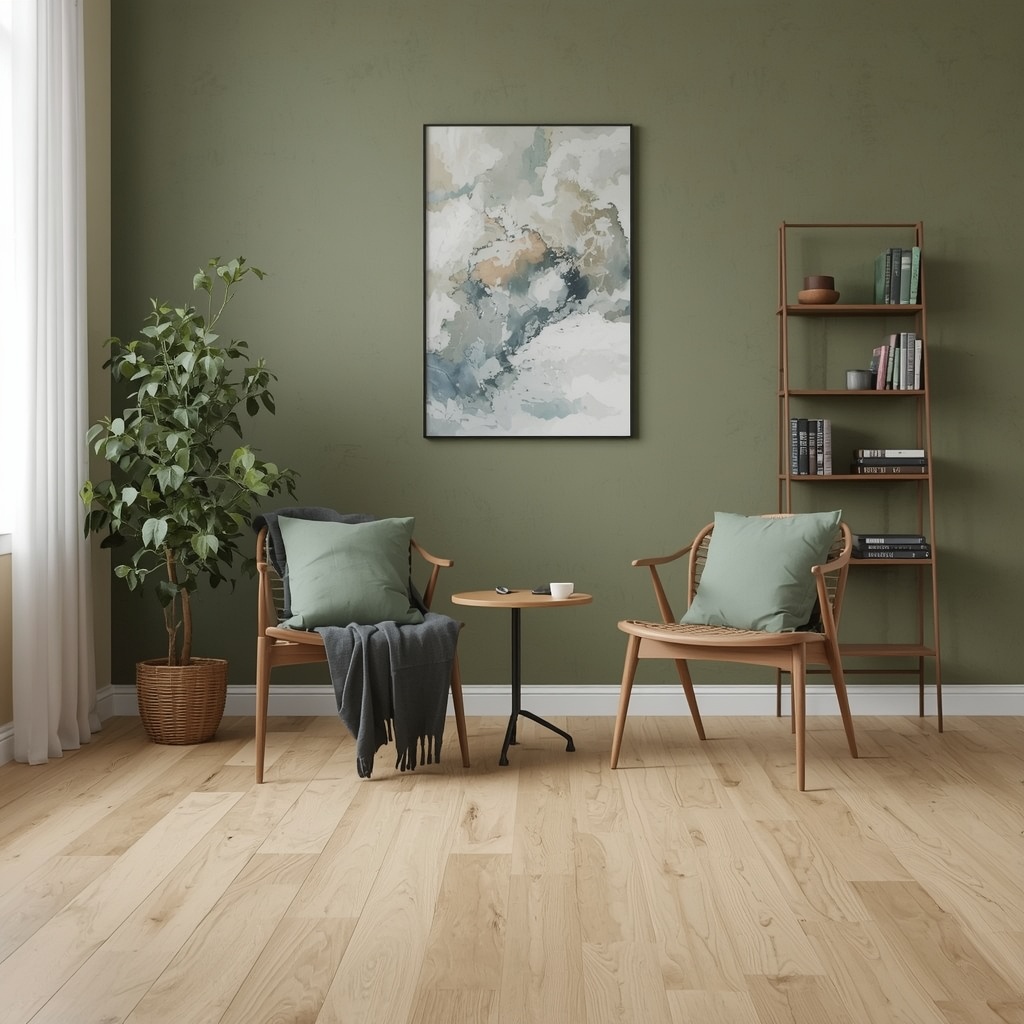
They pair beautifully with:
- Soft white and warm greige — creates an airy, Scandinavian-inspired look
- Sage green — adds organic warmth without overwhelming the space
- Dusty blue — a calming contrast that feels fresh and modern
- Warm terracotta — for a bolder, sun-washed Southwestern feel
Light floors reflect a lot of light, so they can handle slightly deeper wall colors than you’d expect without making a room feel small.
Best Wall Colors for Medium Hardwood Floors
Medium-toned floors, like natural oak or golden maple, are the most common in U.S. homes — and the most forgiving to design around.
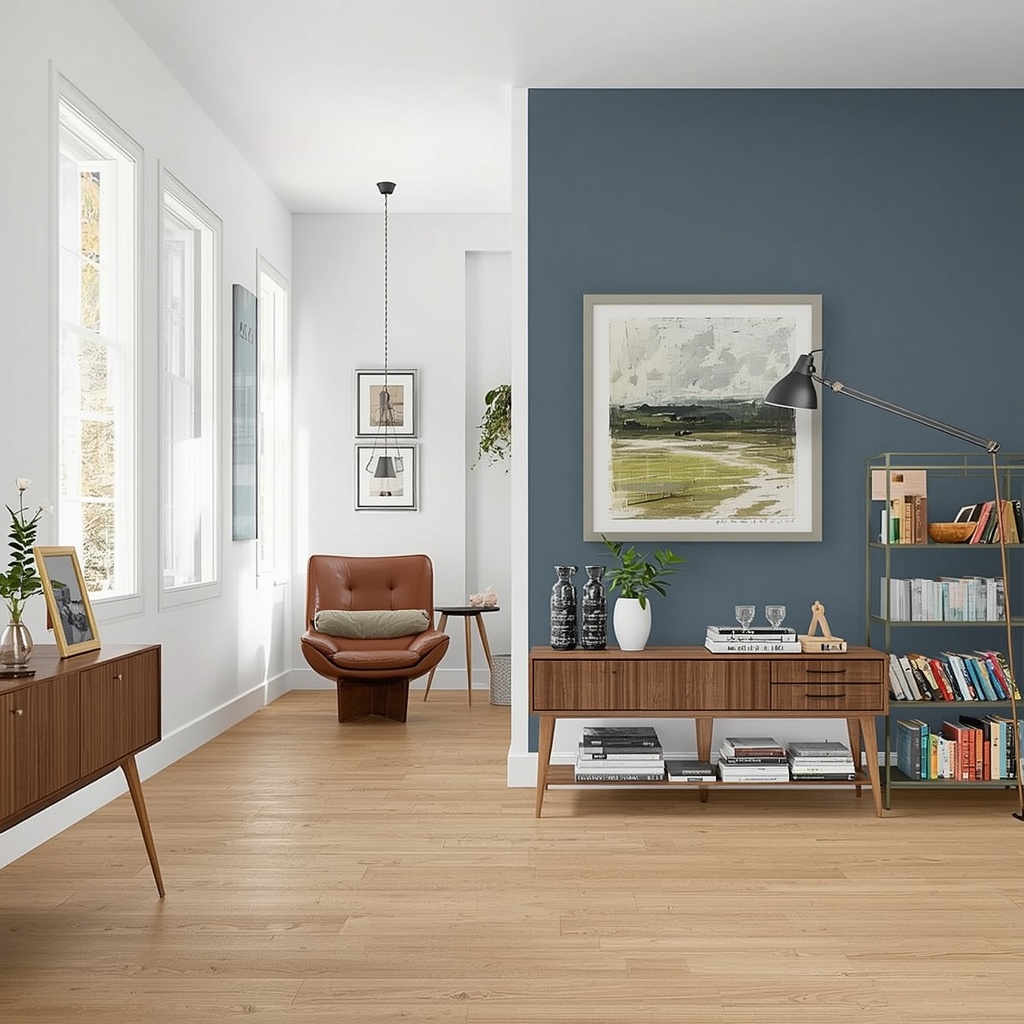
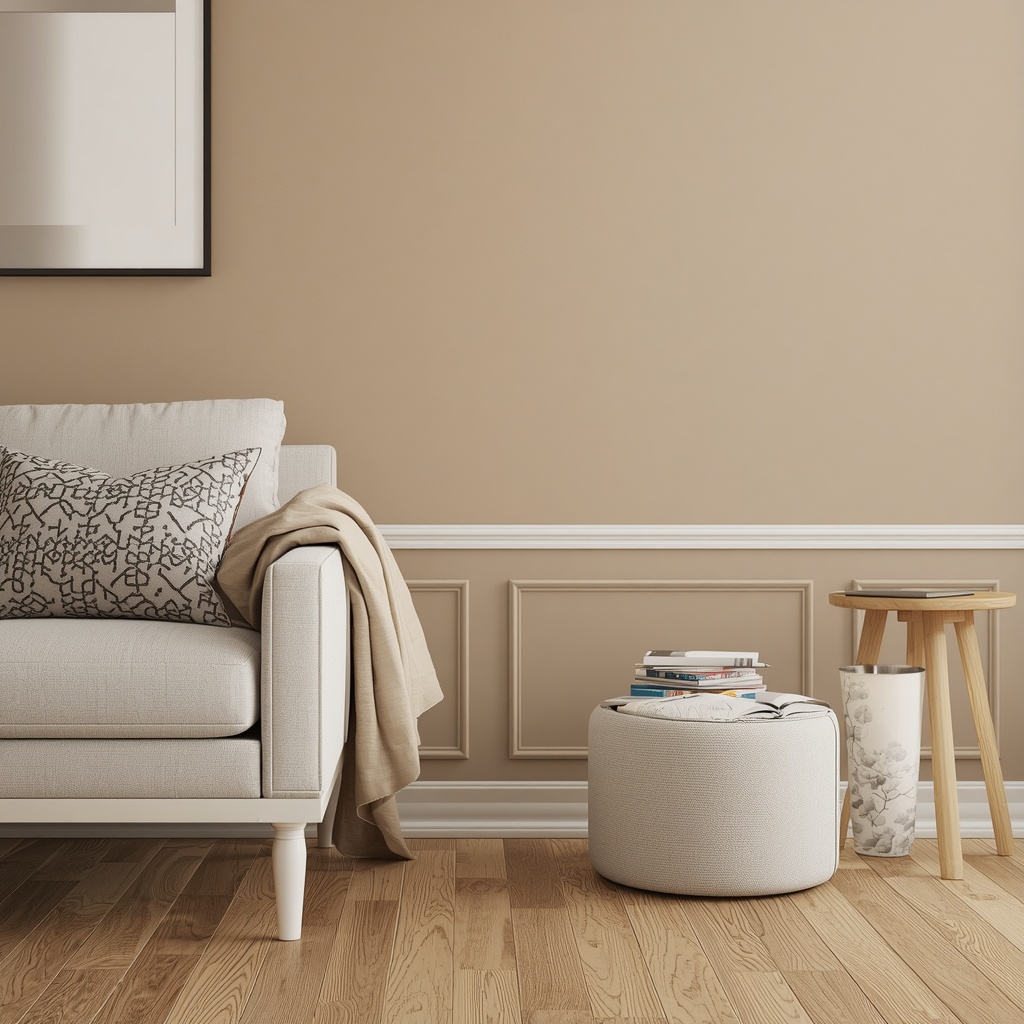
These floors work well with warm neutrals like greige, oatmeal, and soft taupe, which echo the wood’s natural warmth without competing with it. They also pair beautifully with muted blues and greens, which sit opposite warm tones on the color wheel and create gentle, balanced contrast.
Pro Tip: If your medium-toned floor has strong yellow undertones, avoid stark white walls — they can make the wood look dated or overly yellow by comparison. Reach for a warm white with a hint of cream instead.
Best Wall Colors for Dark Hardwood Floors
Dark hardwood — espresso, walnut, or ebony-stained oak — brings drama and sophistication, and it deserves wall colors that let it stand out rather than disappear into the shadows.
Top choices include:
- Warm white or cream — maximizes contrast and brightens the room
- Soft gray — modern and sophisticated without feeling cold
- Blush or dusty rose — surprisingly elegant against deep wood tones
- Deep navy (accent wall only) — dramatic, but best used sparingly
Dark floors absorb light, so balancing them with lighter, brighter walls keeps a room from feeling heavy or cave-like — especially important in smaller spaces or rooms with limited natural light.
Best Wall Colors for Red or Cherry Hardwood Floors
Red and cherry-toned floors are notoriously tricky because their strong undertone can clash with the wrong palette. The trick is to lean into complementary cool tones rather than fighting the warmth.
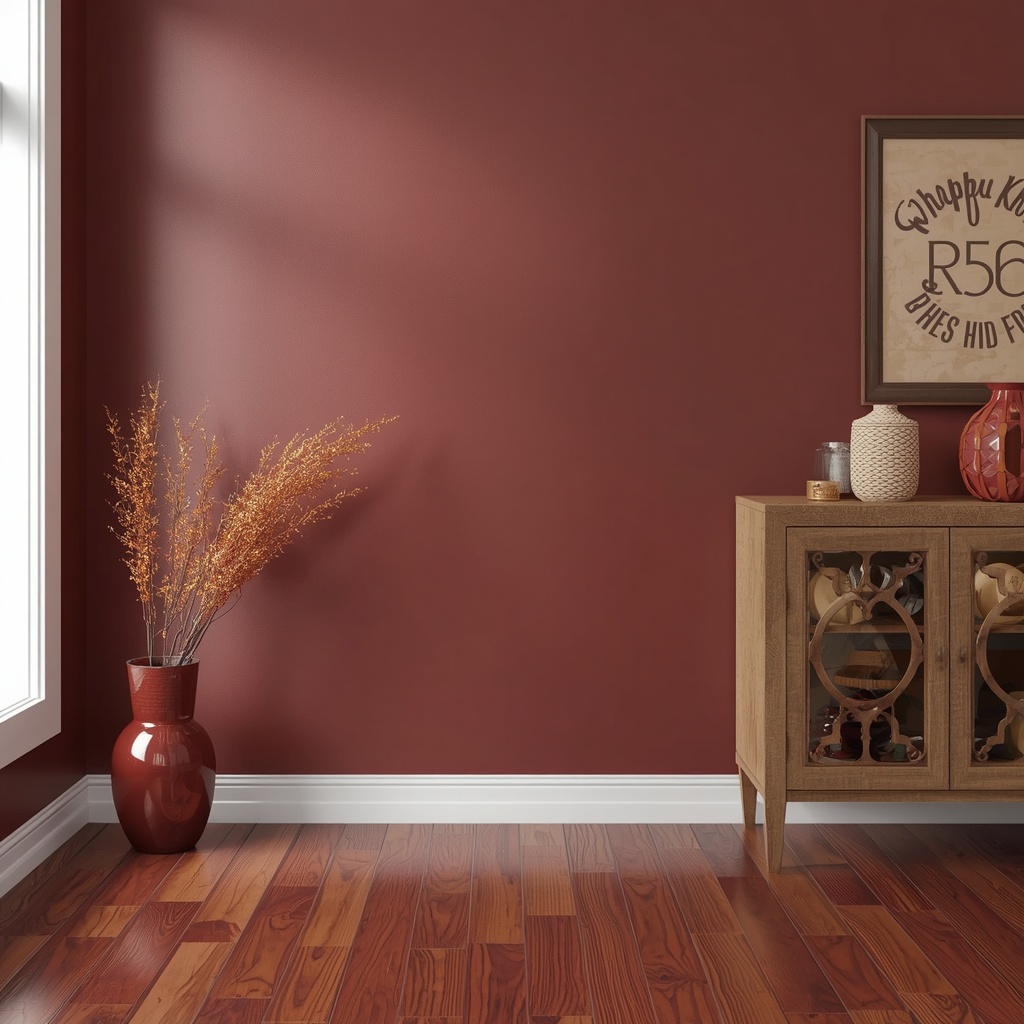
| Wall Color | Why It Works |
|---|---|
| Sage or olive green | Green is complementary to red on the color wheel, creating natural balance |
| Soft gray-blue | Cools down the warmth without feeling stark |
| Warm greige | Neutral enough to bridge red undertones with modern decor |
| Cream (avoid stark white) | Stark white can amplify pink or orange undertones |
Avoid pastel pinks, oranges, and bright yellows near red-toned floors — they tend to amplify the wood’s warmth to an overwhelming degree.
Best Wall Colors for Gray and Whitewashed Hardwood Floors
Gray and whitewashed floors are cool by nature, which actually opens the door to a wider color palette than warm-toned wood allows.
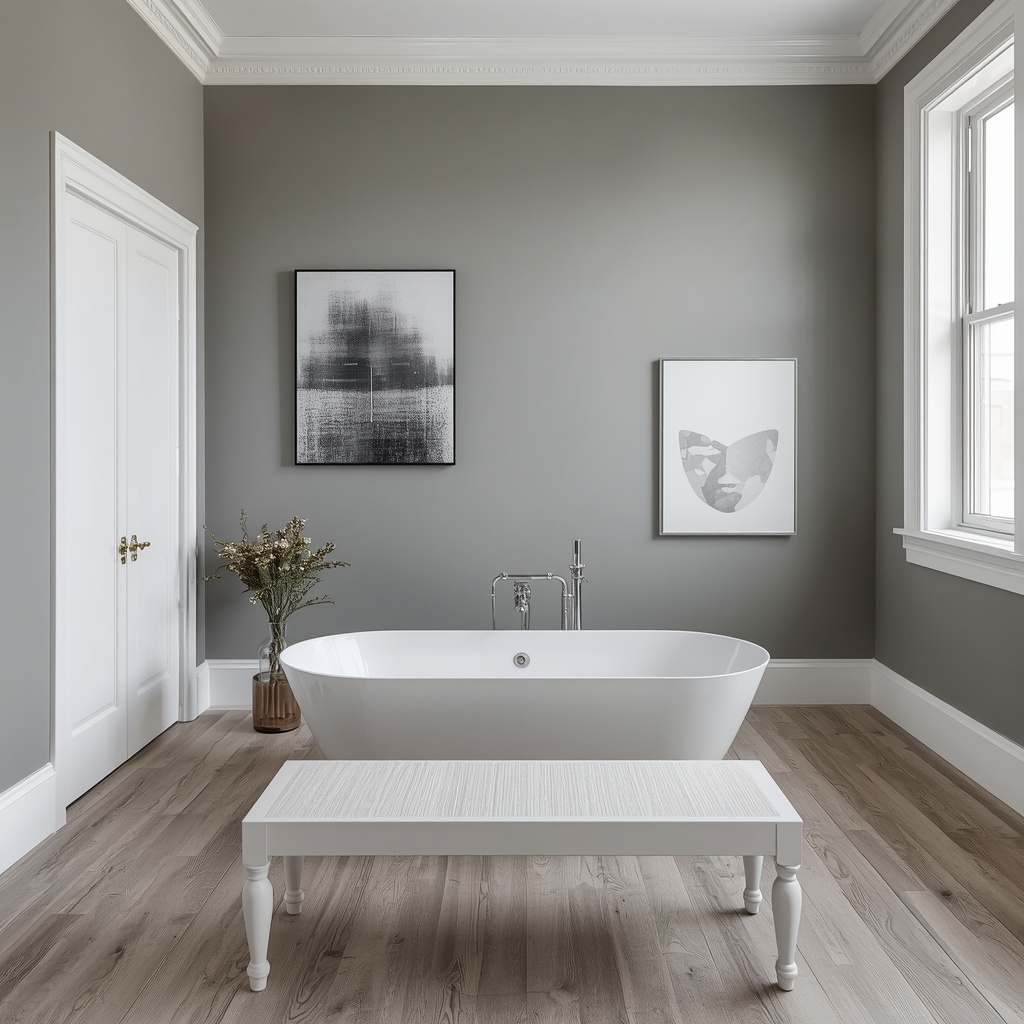
These floors pair effortlessly with crisp white, cool-toned greige, dusty blue, and even charcoal for a modern, editorial look. Because the flooring itself already reads as neutral, you have more freedom to introduce bolder colors on an accent wall without worrying about undertone clashes.
Pro Tip: Gray floors are the most versatile in interior design because they act like a blank canvas. If you’re torn between two colors, this floor type will almost always accommodate the one you love more.
Using the 60-30-10 Rule for Color Balance
Professional interior designers rely on the 60-30-10 rule to keep any room — and its relationship to the flooring — visually balanced.
- 60% dominant color: your walls (and often floor, if similar in tone)
- 30% secondary color: furniture, rugs, or large decor pieces
- 10% accent color: pillows, art, and small decor accessories
Applying this rule ensures your hardwood floor, wall color, and furnishings work together as a system rather than as three unrelated decisions.
Common Mistakes to Avoid
Even experienced homeowners fall into a few predictable traps when pairing wall color with hardwood floors. Avoiding these will save you time, paint, and a repaint down the road.
- Matching undertones too closely — pairing warm-orange oak with warm-orange walls can look monochromatic and dated
- Ignoring natural light direction — north-facing rooms need warmer wall colors to offset cool daylight
- Skipping the sample stage — paint chips lie; always test large swatches on the actual wall
- Forgetting the trim and ceiling — these should coordinate with both the wall color and the floor’s undertone
Pro Tip: When in doubt, test your paint sample directly next to a piece of your actual flooring (a leftover plank or a photo taken in natural light works well) rather than relying on memory or a showroom sample.
Testing Paint Colors Before Committing
No article, guide, or color wheel can replace seeing a color in your actual room. Lighting, adjacent furniture, and even the direction your windows face all change how a paint color reads once it’s on the wall.
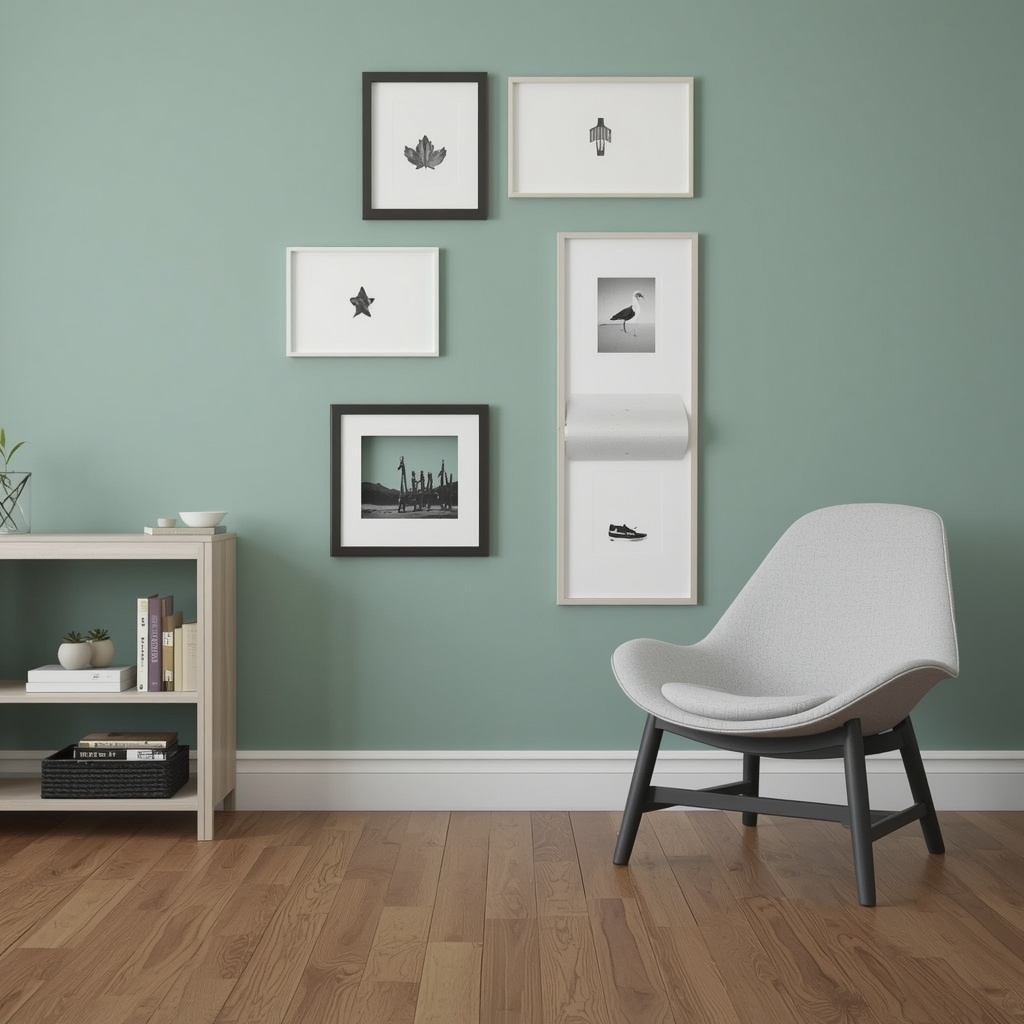
Buy sample-size pots and paint large swatches — at least two feet by two feet — directly on the wall in multiple spots around the room. Observe them in morning light, midday light, and evening artificial light before making your final decision. This simple step is the single most reliable way to avoid an expensive repaint.
Quick Reference Table: Floor Tone to Wall Color Cheat Sheet
| Hardwood Floor Tone | Best Wall Colors | Colors to Avoid |
|---|---|---|
| Light Oak / Pine | Soft white, sage, dusty blue | Stark black, neon brights |
| Golden/Medium Oak | Warm greige, oatmeal, muted blue | Stark white, cool gray |
| Walnut/Neutral | Cream, soft blue, blush | Overly dark browns |
| Dark Espresso | Warm white, soft gray, blush | Deep brown, muddy tones |
| Red/Cherry | Sage green, gray-blue, greige | Pink, orange, bright yellow |
| Gray/Whitewashed | White, charcoal, dusty blue | Warm yellow, orange |
Frequently Asked Questions
Should walls be lighter or darker than hardwood floors? In most cases, yes — lighter walls create balance and make a room feel larger, especially with medium-to-dark hardwood. However, light floors can absolutely handle deeper wall colors for a cozy, grounded look.
Do I need to match my wall color to my trim and doors? Not exactly match, but they should coordinate. White or off-white trim works with almost any wall and floor combination, offering a clean, classic contrast.
What’s the best neutral wall color for hardwood floors? Warm greige is widely considered the most universally flattering neutral, as it bridges warm wood undertones with cooler modern decor elements.
Can I use bold colors with hardwood floors? Yes — reserve bold colors like navy, deep green, or terracotta for accent walls, and keep the remaining walls neutral to maintain balance.
Final Thoughts
Matching your wall color to your hardwood floors isn’t about following rigid rules — it’s about understanding undertones, embracing contrast where it’s needed, and testing before you commit. Whether your floors are honey-gold oak, rich walnut, or cool gray-washed planks, there’s a wall color palette that will make them look their absolute best.
Take your time with the sample stage, trust your undertone assessment, and don’t be afraid to let your personal style guide the final 10%. That’s how a house full of beautiful materials becomes a home that actually feels like yours.