
There’s a reason you sleep better in a hotel room than you do at home. It isn’t just the turn-down service or the lavender spritz on the pillow. It’s the bed itself — engineered, layer by layer, to feel weightless, crisp, and impossibly inviting.
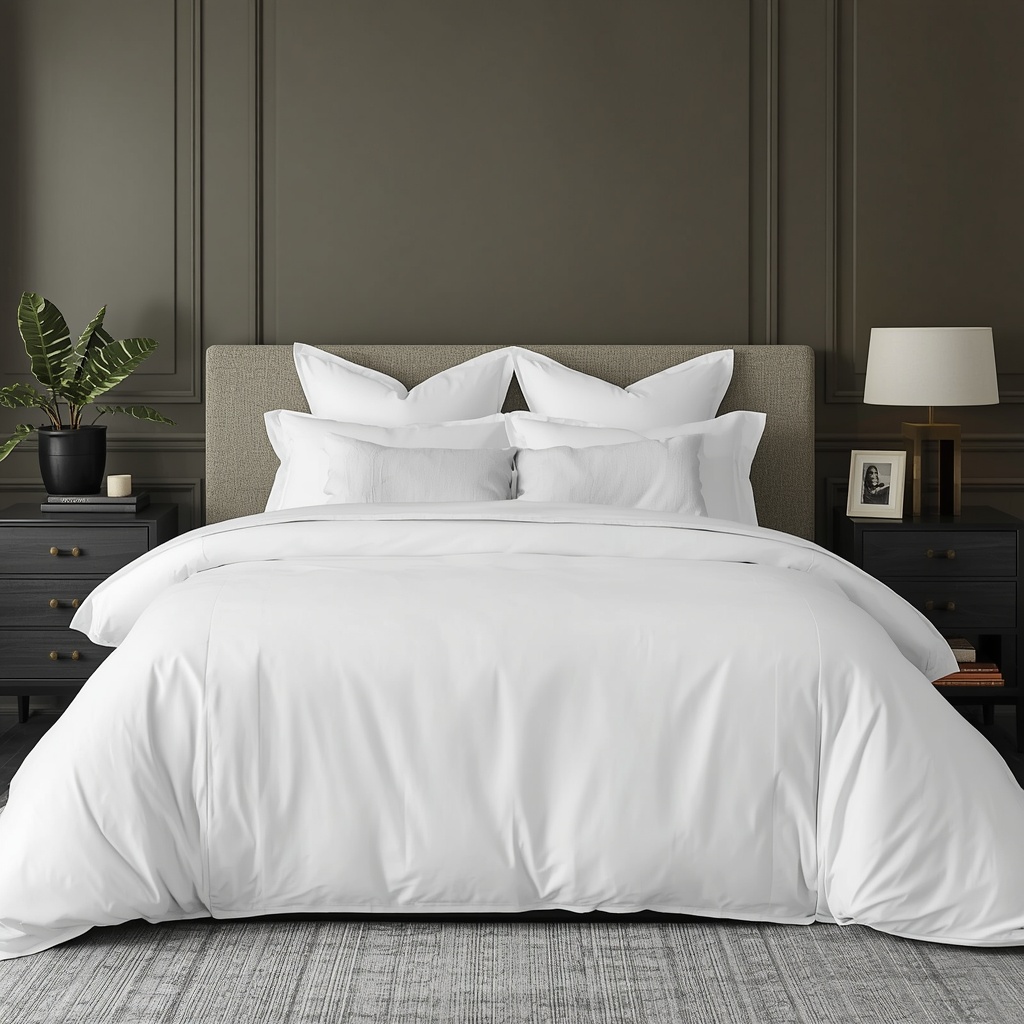
As an interior designer who’s styled hundreds of American bedrooms, I get one request more than almost any other: “Can you make my bed feel like the one at that hotel we stayed at?” The good news is yes, absolutely — and you don’t need a five-figure linen budget to do it. You need the right layers, in the right order, with the right fabrics. Let’s break it down.
What Makes Hotel Bedding Feel So Different From Yours?
Hotel beds aren’t magic. They’re math. Luxury properties use a repeatable, almost architectural formula — a fitted base, a crisp middle, a soft top, and a styled finish — that most home bedrooms skip entirely in favor of a comforter and a couple of throw pillows.

The other secret is restraint. Hotels rarely mix more than two or three colors, and they lean hard on tactile contrast (crisp linen against a plush duvet, smooth cotton against a textured throw) instead of busy patterns. That contrast is what your eyes and your body read as “luxury bedding” the moment you walk into the room.
The Anatomy of a 5-Star Hotel Bed
Every great hotel bed is built from the mattress up, in distinct layers that each serve a purpose — structural, thermal, or purely visual. Skipping a layer is usually what makes a DIY version feel “almost there” but not quite.
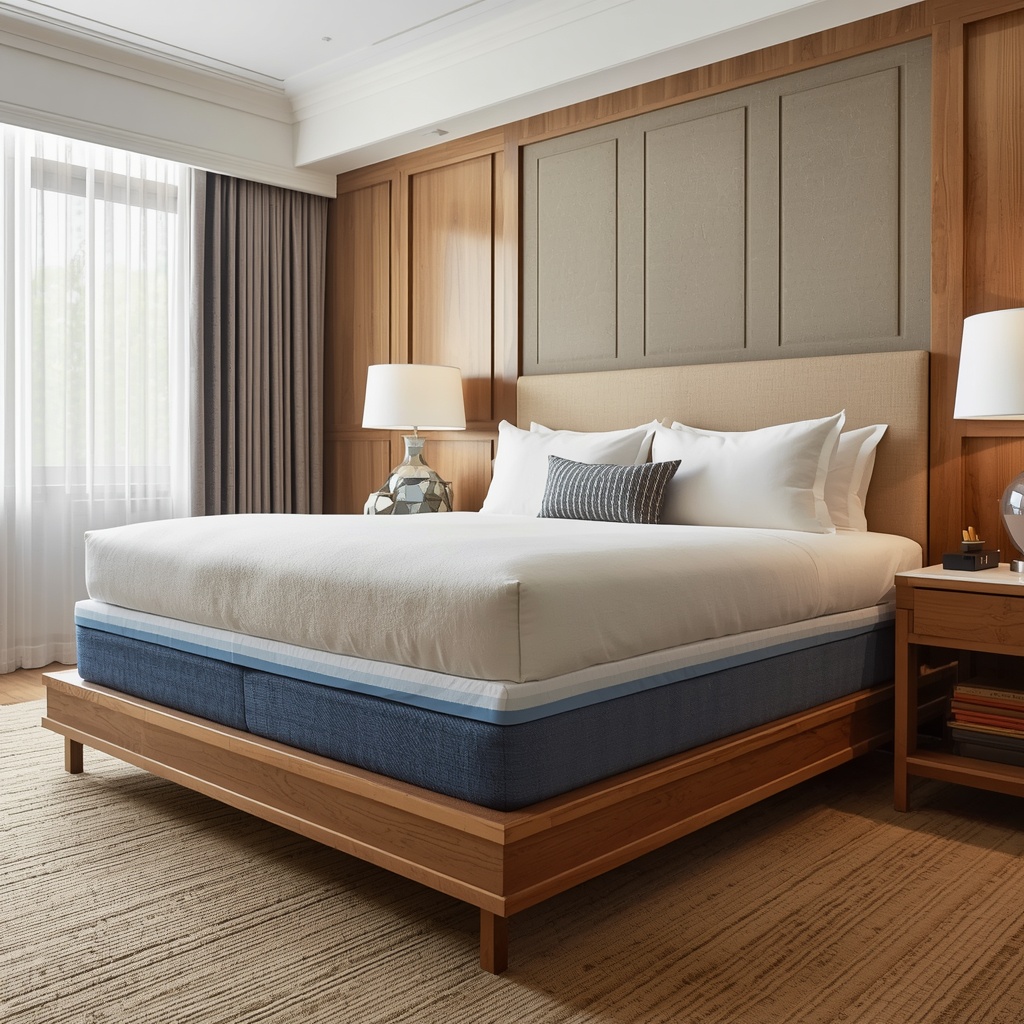
Here’s the full breakdown designers use when specifying bedding for boutique hotels and high-end primary suites alike:
| Layer | Purpose | Hotel Standard |
|---|---|---|
| Mattress protector | Hygiene + mattress longevity | Quilted, fitted, waterproof |
| Fitted sheet | Smooth, wrinkle-free base | 300–600 thread count cotton |
| Flat/top sheet | Barrier between body and duvet | Same fabric as fitted sheet |
| Duvet insert + duvet cover | Loft, warmth, visual softness | White or ivory, medium-high fill |
| Coverlet or blanket | Texture + extra warmth option | Waffle weave, matelassé, or wool |
| Bed runner or throw | Color, texture, “finished” look | Linen, velvet, or knit |
| Pillow stack | Support + visual height | 4–6 pillows in graduated sizes |
Step-by-Step: How to Layer Your Bed Like a Luxury Hotel
Once you have the right pieces, the order you stack them in matters just as much as the materials themselves. Follow this sequence and you’ll get that unmistakable “hotel suite” silhouette every time.

- Start with a mattress protector. It keeps your investment pieces clean and adds a faint, hotel-like cushion underfoot.
- Add a tightly fitted bottom sheet. Pull it taut at every corner — wrinkles are the single biggest giveaway of a non-hotel bed.
- Layer a flat sheet, tucked hotel-corner style. Tuck the foot of the sheet under the mattress at a 45-degree fold for that crisp, architectural edge.
- Insert your duvet and dress it in a crisp cover. Fluff and shake it so it falls evenly, then center it so equal amounts of sheet show at the top.
- Fold back the top 12–18 inches. This reveals the flat sheet and duvet edge together, exactly like a turn-down service.
- Add a coverlet or blanket at the foot of the bed. Fold it in thirds and lay it roughly one-third up the mattress.
- Drape a textured runner or throw over the folded blanket. This is your color and texture “statement” layer.
- Build your pillow stack last, largest to smallest, working from the headboard forward.
Pro Tip: Hotels almost never use a top sheet and a duvet cover in the same fabric weight. Pair a lightweight percale sheet with a slightly heavier sateen or cotton-linen duvet cover — the subtle contrast in texture is what makes the bed feel layered instead of flat.
Thread Count, Weave, and Fabric: What Hotels Actually Use
Thread count gets all the marketing attention, but weave and fiber matter just as much — sometimes more. A 300-thread-count percale sheet can feel cooler and crisper than an 800-thread-count synthetic blend, and crispness is exactly what hotels are after.
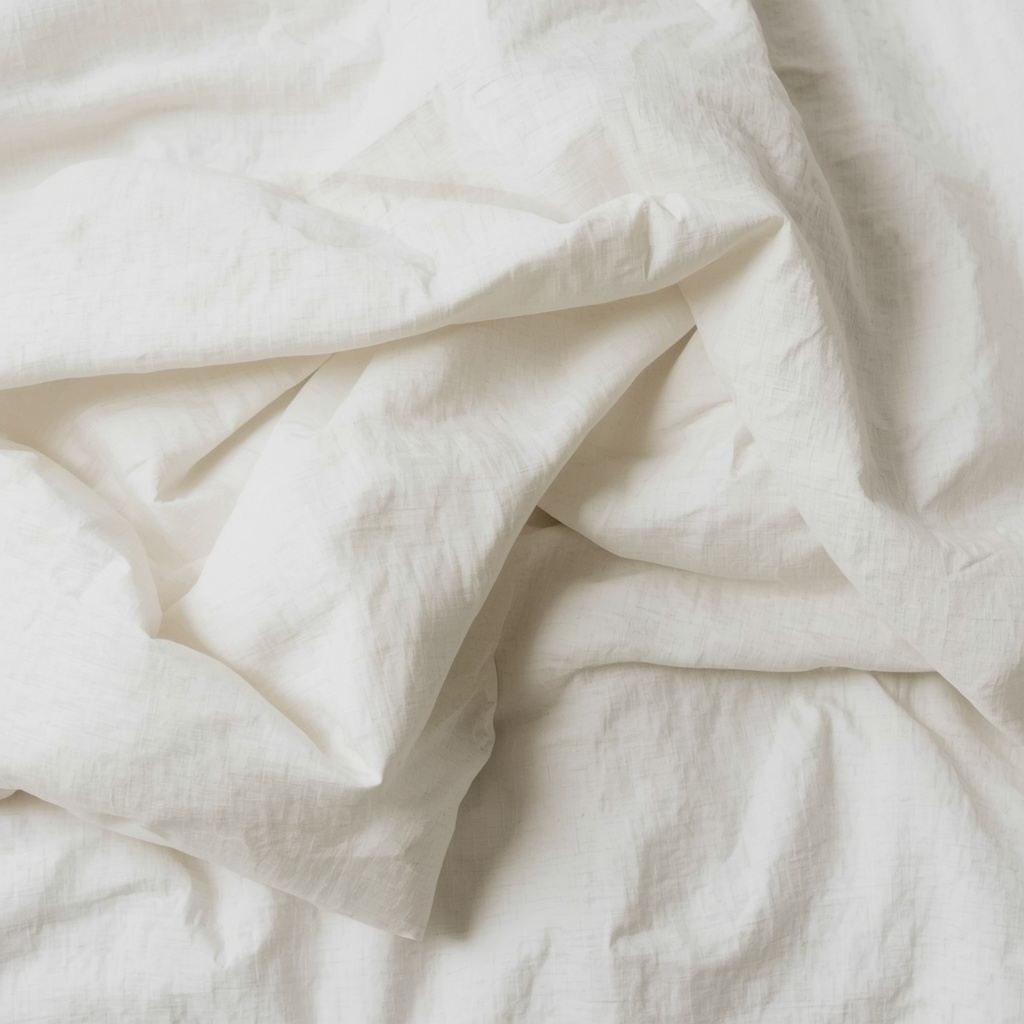
Most luxury properties land in the 300–600 thread count range using 100% cotton, Egyptian cotton, or a cotton-linen blend. Anything marketed above 800 is often a marketing inflation tactic rather than a true quality signal, and it’s worth a quick read on how thread count is actually measured before you spend extra for a number that doesn’t reflect real comfort.
| Fabric/Weave | Feel | Best For | Thread Count Range |
|---|---|---|---|
| Percale | Crisp, cool, matte | Warm climates, year-round sheets | 200–400 |
| Sateen | Smooth, slightly silky, warmer | Cooler climates, cozy feel | 300–600 |
| Linen | Textured, breathable, relaxed | Coverlets, runners, summer | N/A (linen rated by GSM) |
| Egyptian/Pima Cotton | Extra-long fibers, very durable | Investment sheet sets | 400–600 |
| Cotton-Linen Blend | Crisp with a soft drape | Duvet covers, shams | N/A |
The Pillow Formula Hotels Use (And You Can Steal)
Pillow arrangement is the single most photographed detail in any hotel bedroom — and it’s also the easiest layer for homeowners to get wrong. Too few pillows looks bare; too many looks cluttered and undoes the calm, curated feel you’re going for.
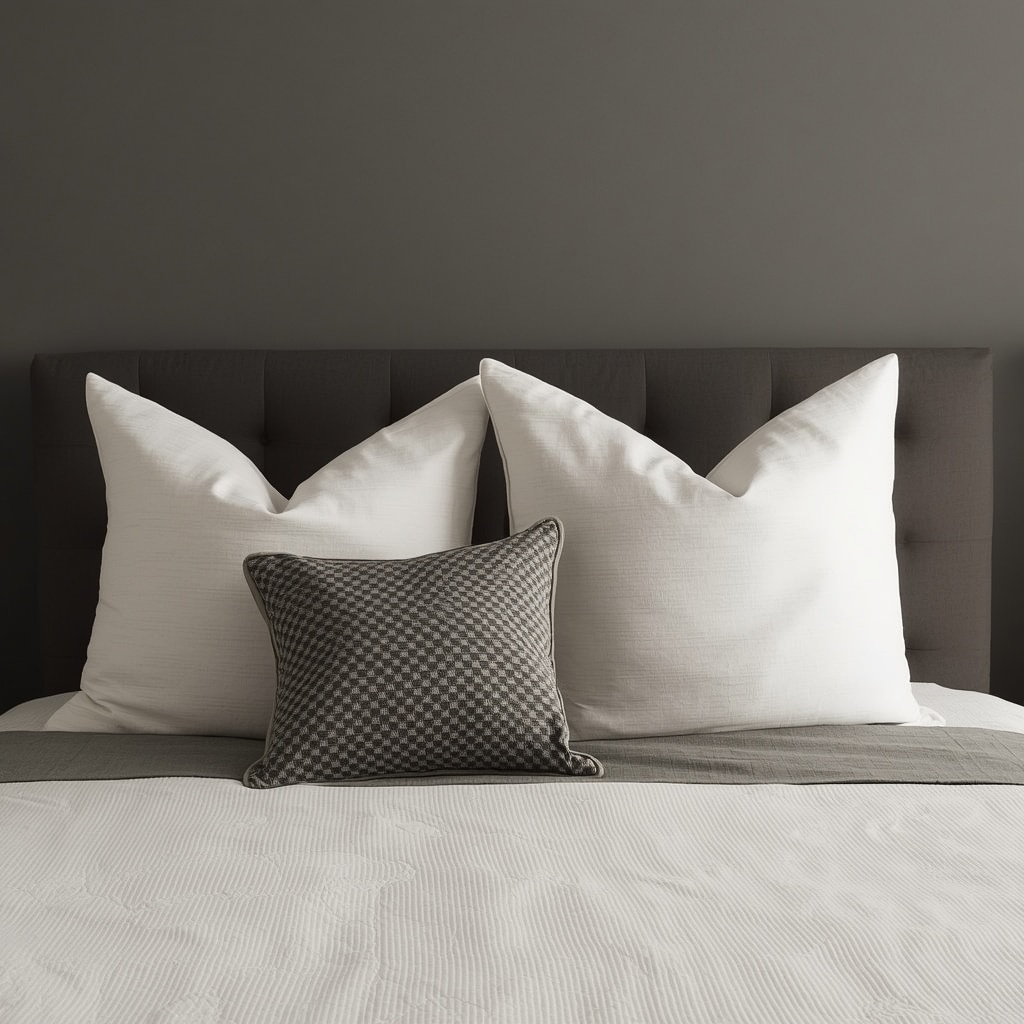
The trick is graduated sizing and a consistent rhythm, not randomness. Here’s the stacking order most boutique and luxury hotel brands rely on:
- 2 Euro shams (26″x26″) leaned against the headboard
- 2 standard or king sleeping pillows in matching or coordinating cases
- 1 decorative lumbar pillow (12″x20″ or 14″x24″) for color or pattern
- 1 small accent pillow (16″x16″ or a textured throw pillow) for visual interest
That’s it — five or six pieces, total, arranged largest to smallest. Anything beyond that starts to read as “throw pillow overload” rather than intentional design.
Color and Texture: The Hotel “Quiet Luxury” Palette
If you’ve noticed that almost every five-star hotel bed looks calm rather than busy, that’s deliberate. The industry leans heavily on a neutral-bedding palette — white, ivory, oatmeal, taupe, soft gray — and lets texture do the visual work instead of pattern.
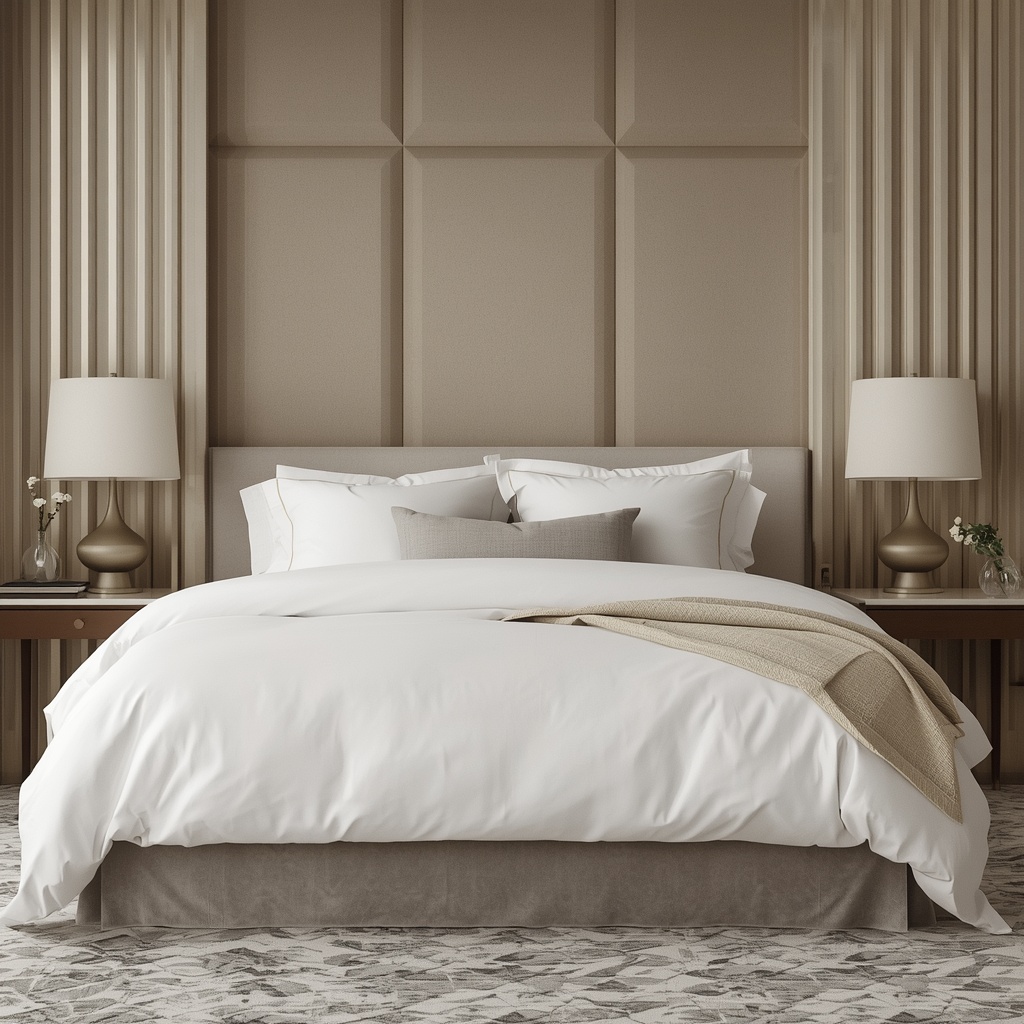
Texture is what keeps an all-neutral bed from looking flat or sterile. Mixing matte cotton, slubby linen, smooth sateen, and a bouclé or wool throw in the same color family creates depth without adding a single extra color to the room.
- Warm neutral palette: ivory sheets, oatmeal duvet, camel throw, brass accents
- Cool neutral palette: white sheets, dove-gray coverlet, charcoal runner, silver/chrome accents
- Earthy palette: sand sheets, terracotta lumbar pillow, rattan or wood headboard
- Coastal palette: white sheets, light blue runner, natural linen throw
“Great bedding isn’t about more decoration — it’s about better proportion. The hotels that do this best are really just masters of restraint.” — a principle we repeat to nearly every client redesigning a primary bedroom.
7 Bedding Mistakes That Ruin the Hotel Look
Even with the right pieces, a few common habits can quietly sabotage the effect you’re going for. Watch for these before you call the look finished.
- Skipping the top sheet — it’s what creates that crisp fold-back at the head of the bed
- Mismatched sheet and pillowcase fabrics — small inconsistency, big visual impact
- Overstuffing the pillow stack — more than six pillows usually looks cluttered, not luxurious
- Using a duvet that’s too small — it should drape generously over the sides, not stop short
- Skipping the steam or iron step — wrinkled sheets are the fastest way to undercut a hotel feel
- Choosing low-quality fill — a flat, thin duvet can’t replicate that “cloud” look no matter the cover
- Forgetting the bed skirt — an exposed box spring instantly breaks the polished hotel silhouette
Seasonal Layering: Adjusting for Summer and Winter
Hotels don’t actually use the same setup year-round — they swap weight and fiber with the seasons, which is a habit most home bedrooms skip entirely. A linen coverlet in July and a wool-blend blanket in January achieve the same visual formula with very different comfort levels.
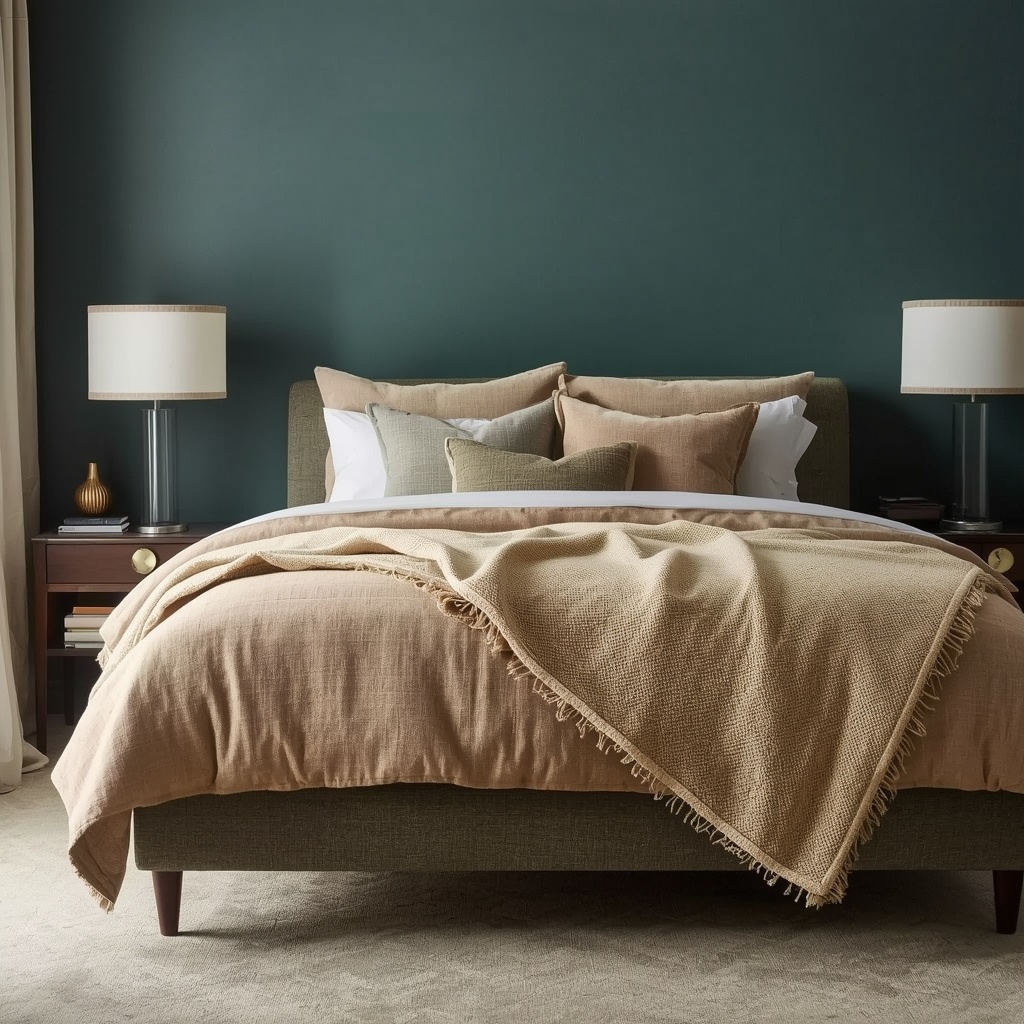
For warmer months, drop down to a lightweight percale sheet set and a linen or cotton-gauze coverlet, skipping the heavier blanket layer altogether. In winter, swap that runner for a wool or cashmere-blend throw and size up to a higher-fill duvet insert, while keeping the same neutral palette so the bed’s overall look stays consistent across seasons.
Get the Hotel Look on a Budget
You genuinely don’t need designer-label linens to pull this off — you need the right structure. Most of the visual impact comes from layering technique and color discipline, not price tag.
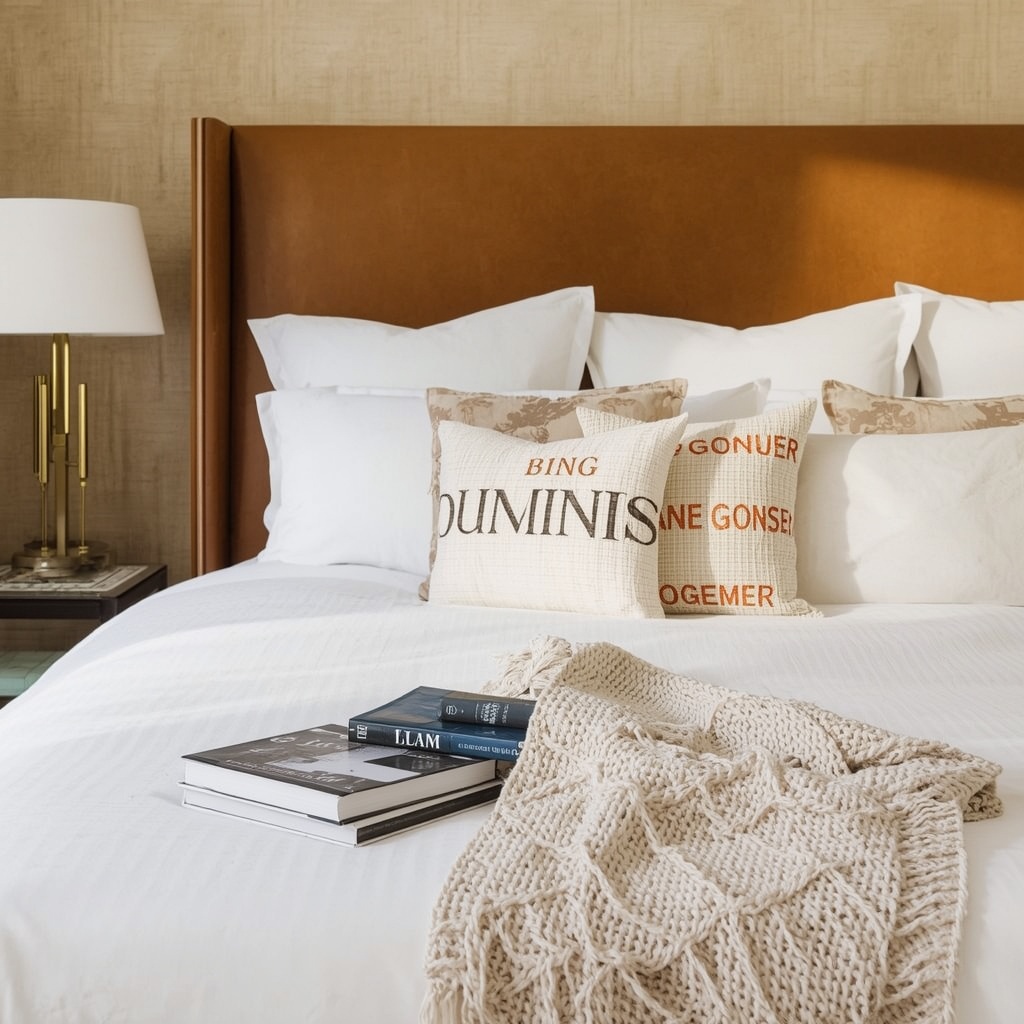
- Buy a quality white or ivory sheet set first; it’s the foundation everything else builds on
- Invest in one good duvet insert (medium-weight, all-season) rather than multiple cheap ones
- Source textured throws and runners from home goods retailers rather than specialty linen shops
- Use a steamer instead of replacing wrinkled pieces
- Add one elevated accent — a linen runner or a set of Euro shams — to instantly upgrade the whole look
Frequently Asked Questions
What thread count do hotels actually use? Most five-star properties use sheets between 300 and 600 thread count in 100% cotton or a cotton-linen blend, prioritizing weave quality over an inflated number.
Do I need a top sheet for the hotel look? Yes. The fold-back at the head of the bed — the signature hotel detail — only works if there’s a flat sheet layered beneath the duvet.
How many pillows should a hotel-style bed have? Five to six total: two Euro shams, two sleeping pillows, and one or two smaller decorative or lumbar pillows.
What color bedding do most hotels use? The overwhelming majority use white or ivory as the base, layering in texture and one accent color rather than multiple patterns.
How often do hotels wash their bedding? Industry standard is washing sheets and pillowcases after every guest stay, which is part of why they always look and feel fresh.
Bringing It All Home
Layering your bed like a five-star hotel isn’t about buying the most expensive linens on the market — it’s about understanding the formula: a crisp base, a soft middle, a textured finish, and a disciplined color palette. Once you see the structure, you’ll notice it in every well-designed bedroom you walk into.
Start with one or two changes — a real top sheet, a properly sized duvet, or a tighter pillow stack — and build from there. For more guidance on choosing fabrics, you can also check resources like Cotton Incorporated for fiber comparisons or The Spruce for additional home styling ideas. Your bedroom doesn’t need a renovation to feel like a getaway. It just needs better layers.