
There’s a certain kind of magic in having one corner of your home that’s entirely yours — a spot where the world quiets down and a good book takes center stage. A reading nook does exactly that. It doesn’t require a spare room, a home library, or a big budget. All it takes is a thoughtful mix of comfortable seating, soft lighting, and a few personal touches tucked into an underused corner of your living room.
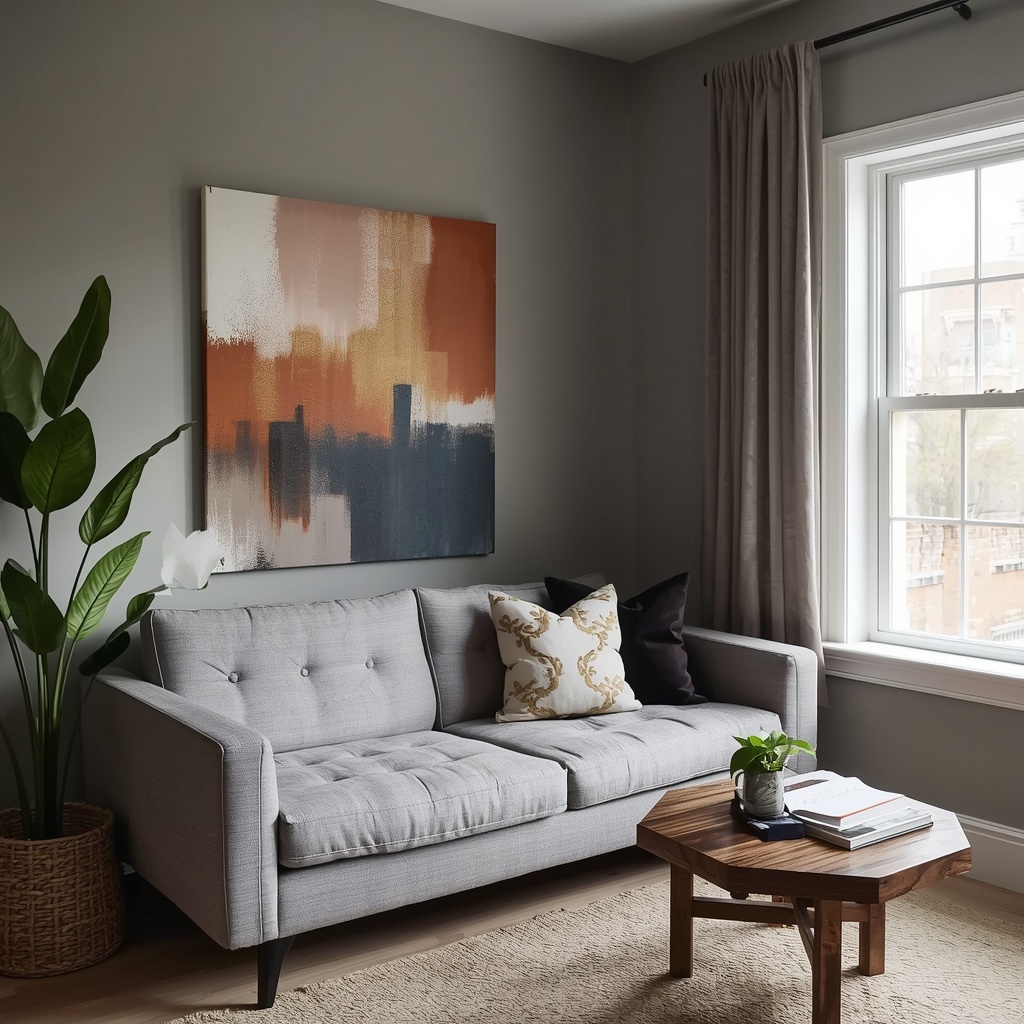
As an interior designer who works with homeowners across the US, I get asked about this all the time: “I love the idea of a reading corner, but my living room already feels full — where do I even start?” The truth is, almost every living room has a pocket of unused space just waiting to be claimed. Whether it’s a sunlit window, an awkward corner, or the dead space beside a bookshelf, that spot can become your favorite seat in the house.
In this guide, I’ll walk you through exactly how to design a reading nook that feels cozy, functional, and completely you — using real design principles, not just Pinterest inspiration.
Why Every Living Room Deserves a Reading Nook
A reading nook isn’t just a trend — it’s a small but powerful shift in how you use your space. In a home filled with shared, high-traffic areas, a nook gives you a quiet retreat without needing an extra room. It’s a dedicated zone for slowing down, disconnecting from screens, and enjoying a moment of calm.
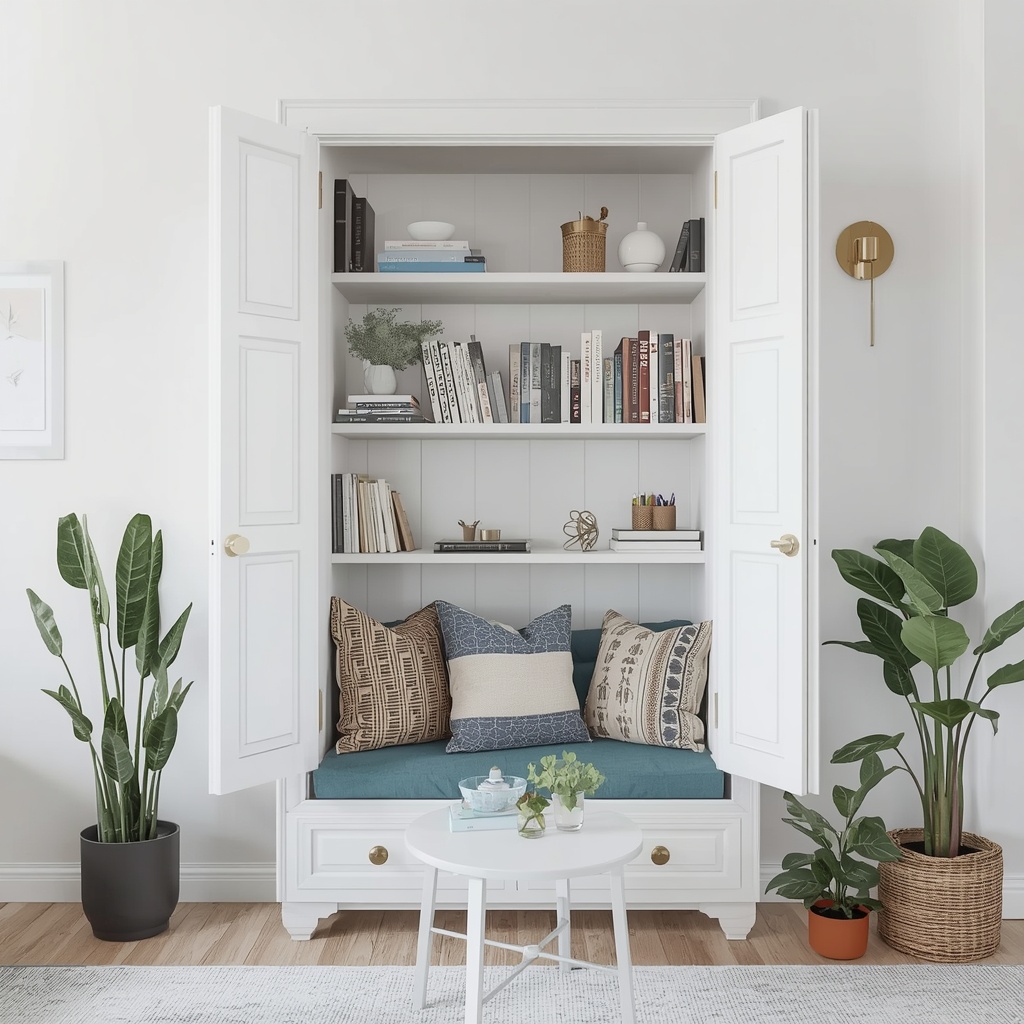
From a design standpoint, reading nooks also add visual interest and depth to a living room. An empty corner or blank wall can make a space feel unfinished, while a curated nook with layered textures, warm lighting, and personal decor instantly makes the room feel intentional and lived-in.
“A home should tell the story of who lives there. A reading nook is one of the simplest ways to carve out a space that feels personal, calm, and completely yours.”
Step 1: Choose the Right Spot
Before buying a single throw pillow, the most important decision is location. The best reading nook ideas start with picking a spot that naturally supports quiet, comfortable sitting — not fighting the room’s existing traffic flow or furniture layout.
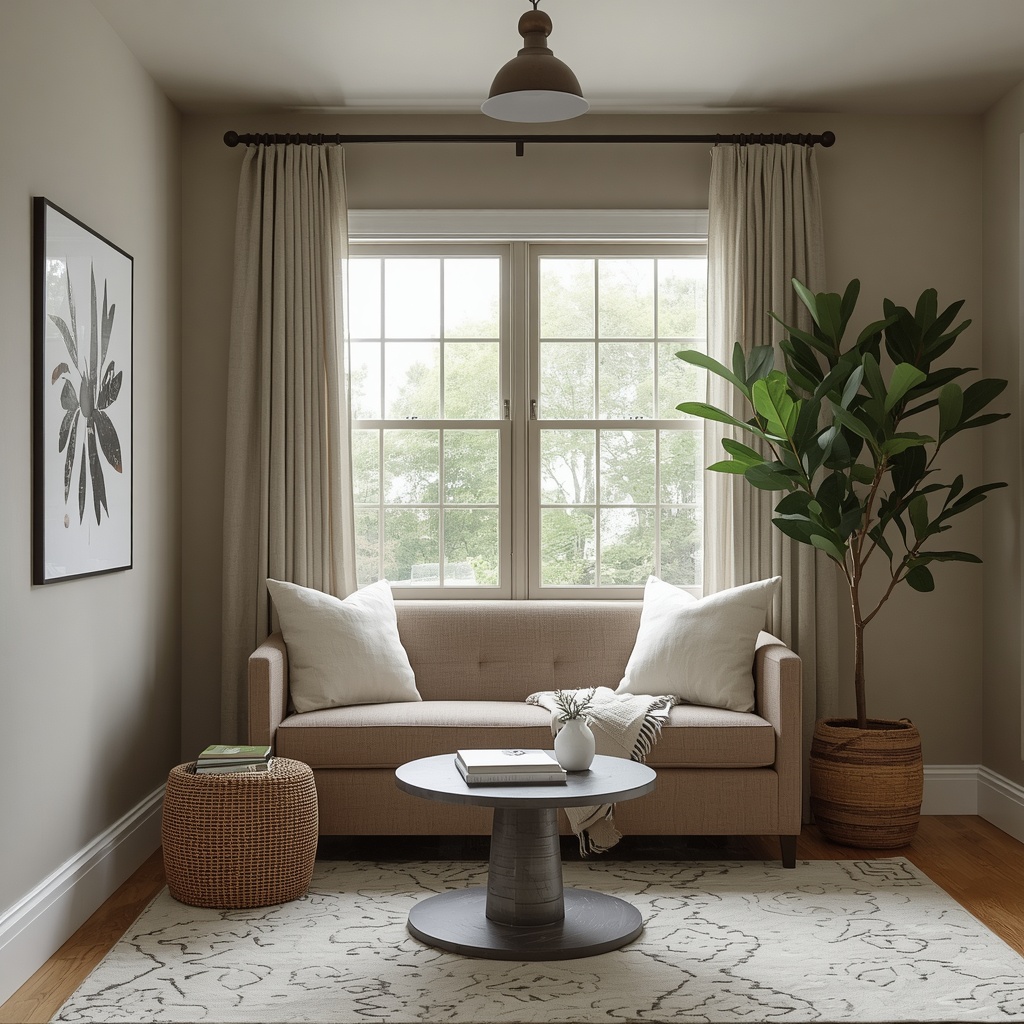
Look for these features when scouting your space:
- A window with natural light — even a small one works beautifully
- An underused corner — the dead zone beside a sofa or behind a door
- A quiet wall away from the TV — reduces visual and audio distraction
- Enough floor space for a chair and side table — roughly 4×4 feet is plenty
Pro Tip: Don’t have a corner to spare? A wide windowsill, the end of a hallway, or even the space beneath a staircase can double as a reading nook with the right seating and cushions.
Step 2: Pick Comfortable, Space-Smart Seating
Your seating choice sets the tone for the entire nook. This is the piece that needs to feel inviting enough to sit in for hours, so comfort should take priority over trend-chasing.
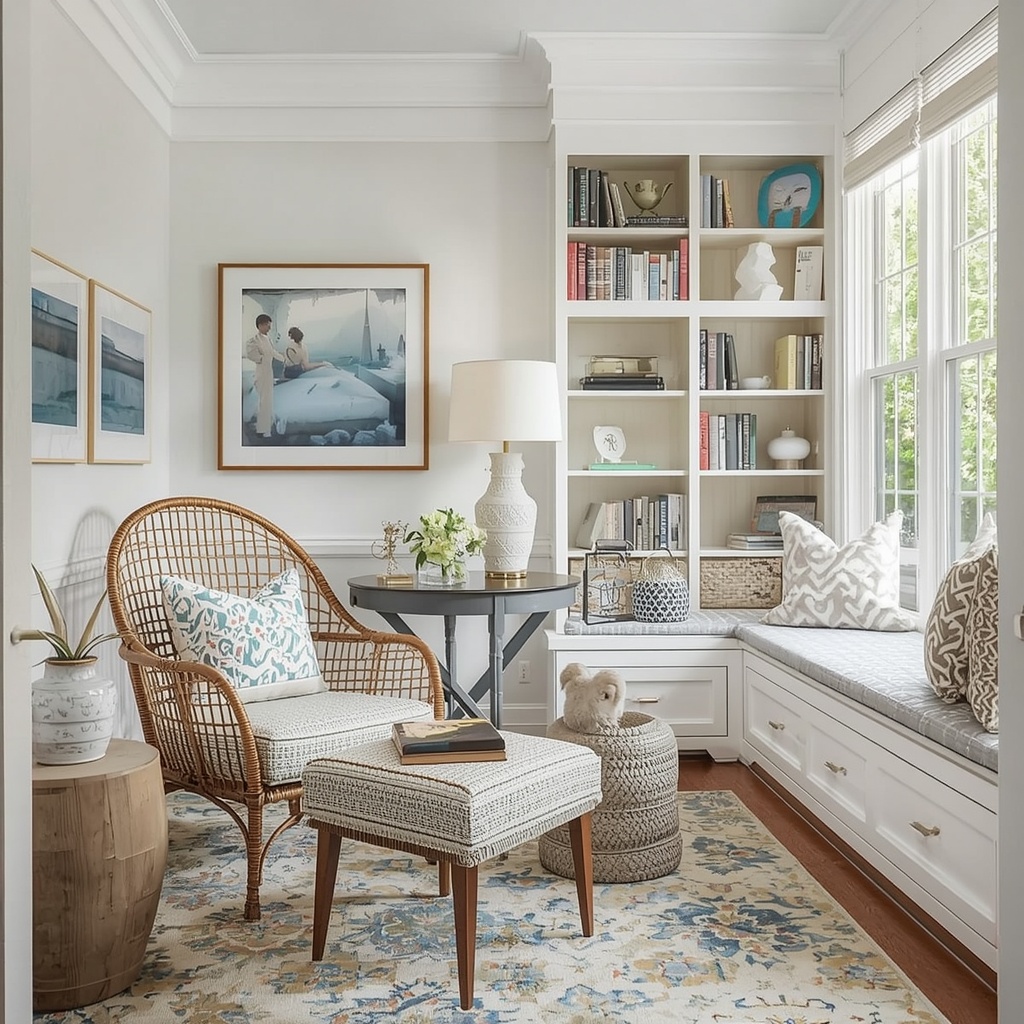
Popular seating options for a cozy reading corner include accent chairs, papasan chairs, window seats, and even a well-dressed daybed if space allows. The key is choosing something proportionate to your space — an oversized armchair can overwhelm a small nook, while a slim accent chair with a footstool can make even a tight corner feel luxurious.
| Seating Option | Best For | Approx. Price Range |
|---|---|---|
| Accent Chair | Small to medium corners | $150–$600 |
| Papasan or Bowl Chair | Relaxed, casual reading | $120–$350 |
| Window Seat / Bench | Built-in or bay windows | $200–$800 |
| Daybed | Larger nooks, doubles as guest seating | $400–$1,200 |
| Floor Cushions + Poufs | Minimalist, budget-friendly setups | $40–$150 |
Whichever you choose, add a soft throw blanket and at least two cushions in varying textures. This layering is what transforms a simple chair into an inviting reading spot.
Step 3: Layer in Ambient and Task Lighting
Lighting is what separates a good reading nook from a great one. Overhead lighting alone tends to feel harsh and flat, so the goal is to layer ambient and task lighting for a warm, café-like glow.
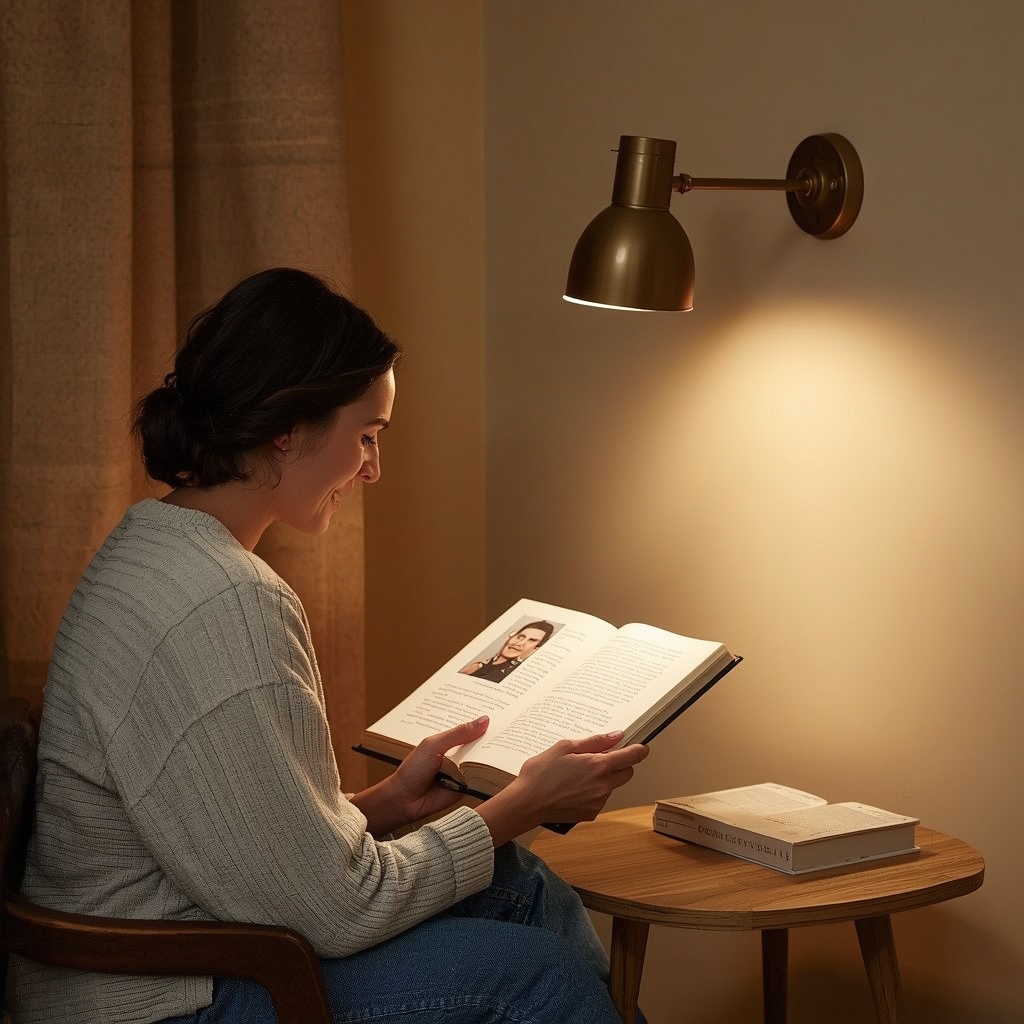
A dedicated reading lamp is non-negotiable — whether that’s a floor lamp with an adjustable arm, a swing-arm wall sconce, or a simple table lamp on a nearby side table. Positioned correctly, it should cast light directly onto the page without creating glare or shadows across your shoulder.
Pro Tip: Choose bulbs in the 2700K–3000K range (warm white) rather than cool white. Warm lighting mimics candlelight and instantly makes a nook feel relaxing instead of clinical.
For an extra layer of ambiance, consider adding:
- A small strand of warm LED string lights along a shelf or window frame
- A scented candle or diffuser nearby for a sensory touch
- Sheer curtains that soften harsh daylight without blocking it completely
Step 4: Add Smart Storage for Books and Essentials
A reading nook works best when everything you need is within arm’s reach — no getting up mid-chapter to grab your glasses or a bookmark. This is where thoughtful book storage and small furniture pieces make a real difference.
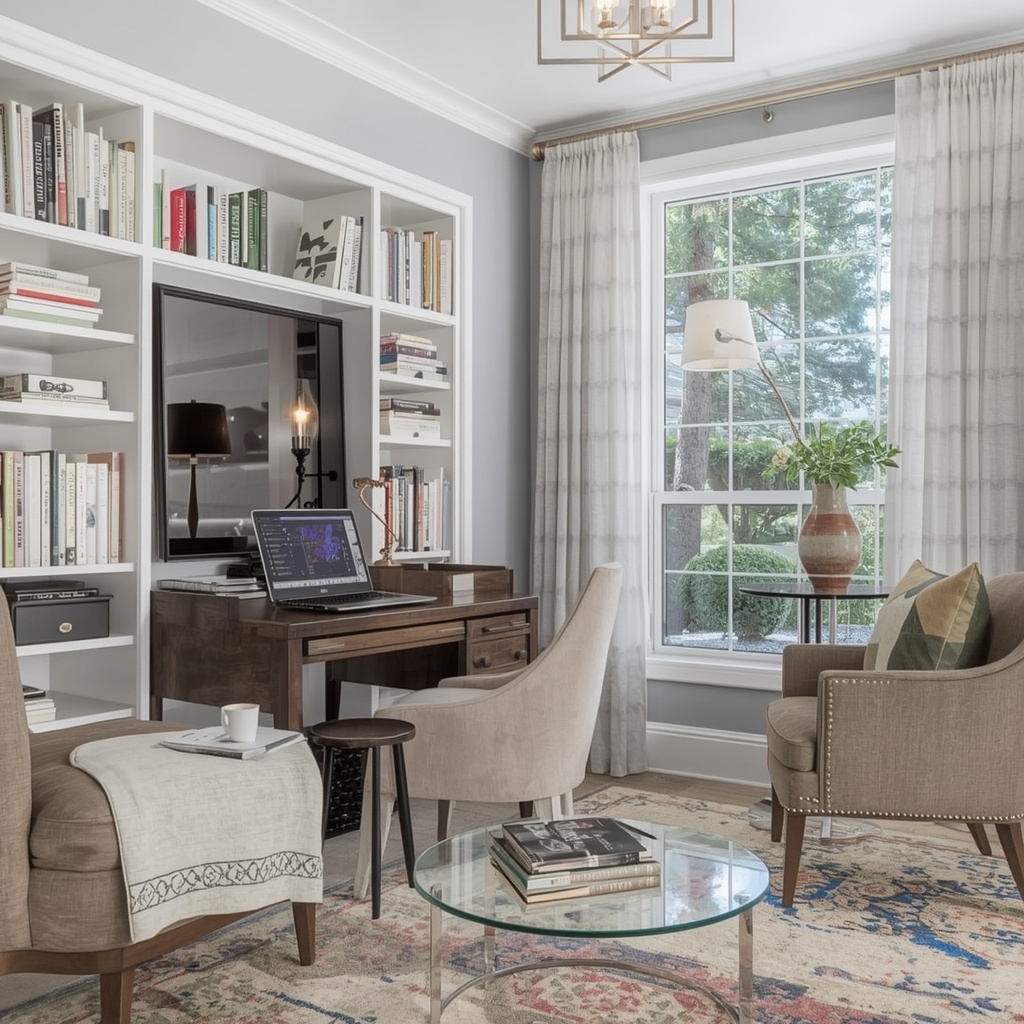
A compact side table is essential for holding your current read, a mug of tea, and maybe a candle. If you’re a frequent reader with a growing collection, a small ladder shelf, floating wall shelves, or a slim bookcase tucked beside your chair keeps titles organized and visually appealing.
Storage ideas to consider:
- Floating wall shelves for displaying favorite titles
- A woven basket for magazines, blankets, or in-progress reads
- A slim side table with a drawer for glasses, bookmarks, or a journal
- A ladder-style bookshelf that fits neatly into corners
Step 5: Bring in Texture, Color, and Personality
This is the step that makes your reading nook feel like yours. Texture and color are what elevate a functional corner into a designed moment within your living room. Think beyond matching your existing furniture — a reading nook can absolutely have its own distinct personality.
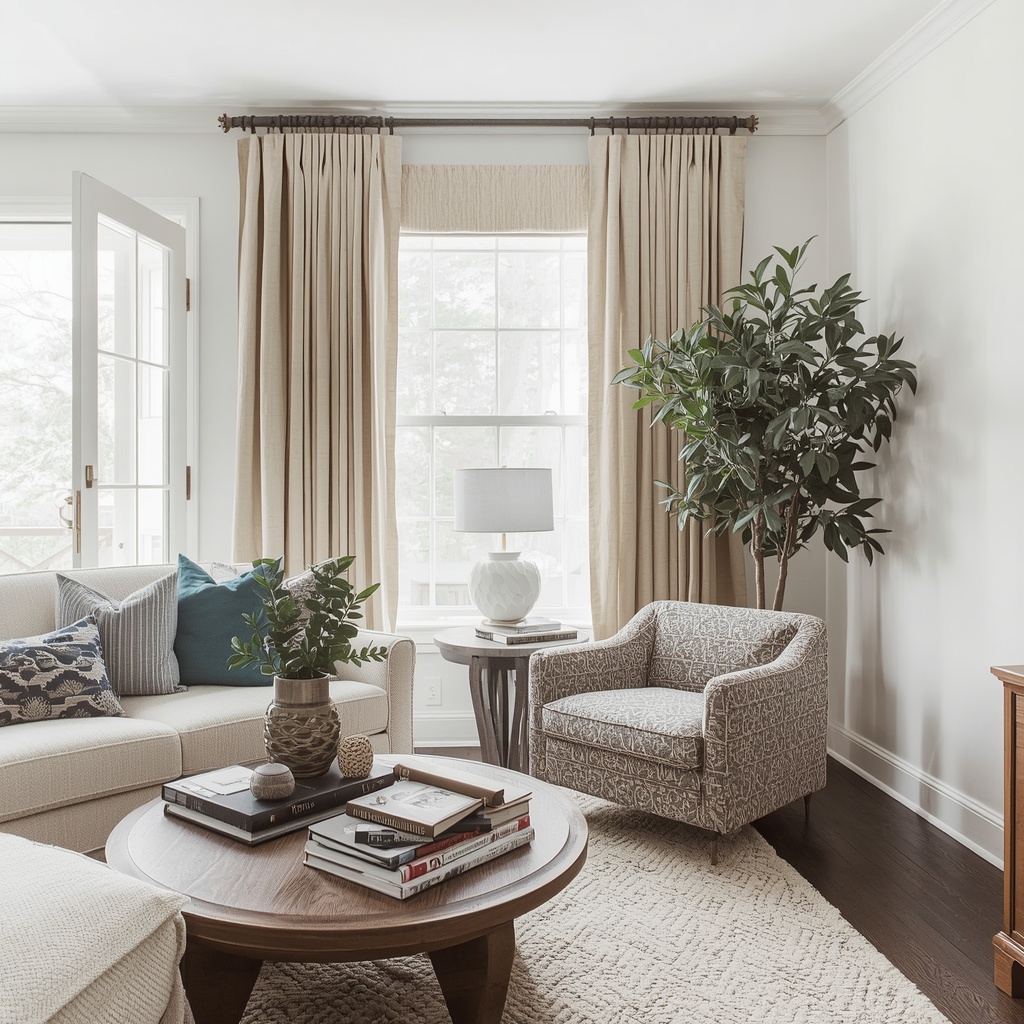
Layer natural materials like wood, rattan, and woven textiles to create warmth. A patterned area rug underfoot grounds the space and visually separates it from the rest of the room, even without walls. Don’t be afraid to introduce a bolder color or pattern here than you would elsewhere — a small nook is the perfect place to experiment.
Consider these finishing touches to add character:
| Element | Purpose |
|---|---|
| Area Rug | Anchors the space, adds warmth underfoot |
| Throw Pillows | Adds color, pattern, and comfort |
| Wall Art or Gallery Wall | Personalizes the corner |
| Potted Plant | Softens the space, adds life |
| Woven Blanket | Adds texture and coziness |
Step 6: Keep It Distraction-Free
A reading nook should feel like an escape — which means minimizing visual and digital clutter. Position your nook away from the television if possible, and resist the urge to turn the side table into a charging station. The goal is a space your brain associates with slowing down, not scrolling.
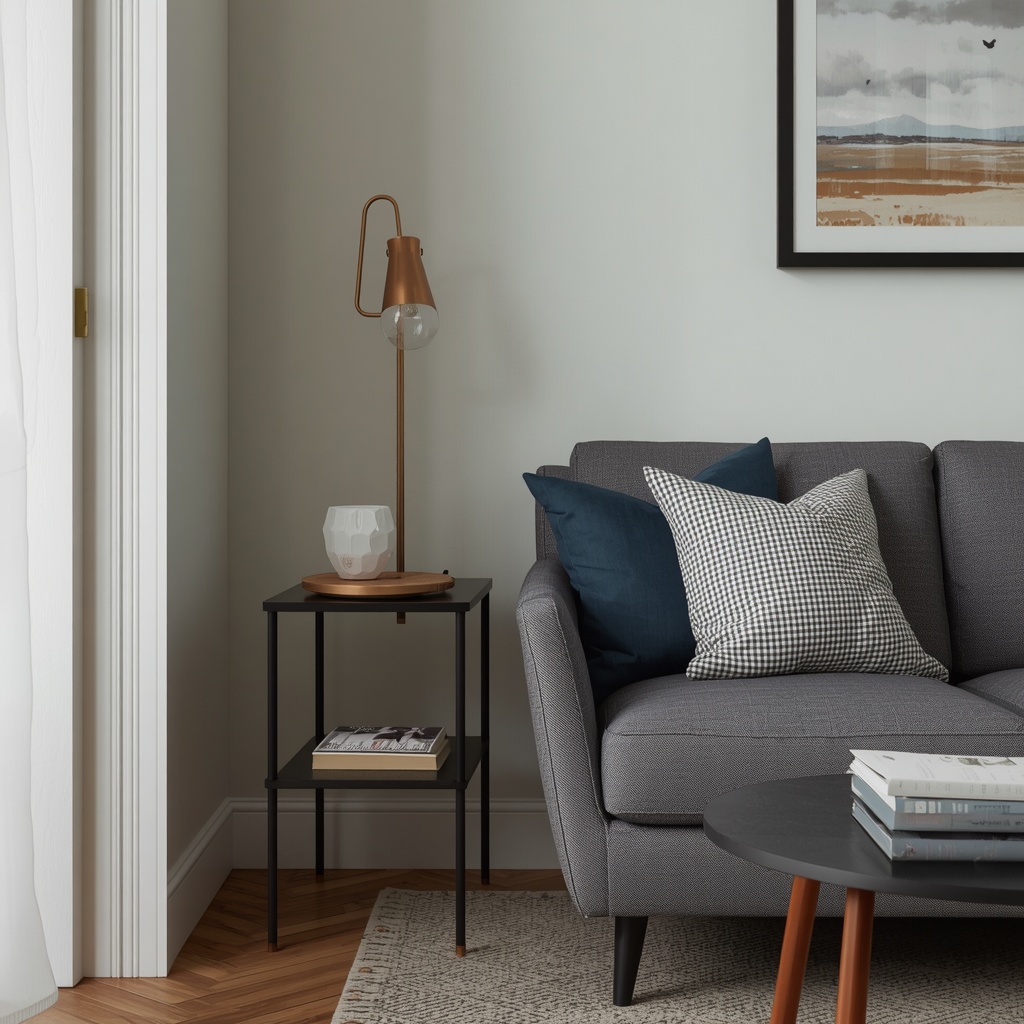
If your living room is open-concept, you can still create a sense of separation using a bookshelf, a tall plant, or a folding screen as a soft visual divider. This subtle boundary helps signal — both to you and anyone else in the house — that this corner is a quiet zone.
“The best reading nooks aren’t defined by square footage. They’re defined by how intentional the space feels the moment you sit down.”
Small Living Room? Here’s How to Make It Work
Not everyone has extra square footage to spare, and that’s completely fine — some of the coziest reading nooks exist in the smallest corners. If you’re working with a compact living room, focus on scale and multi-functional pieces rather than skipping the idea altogether.
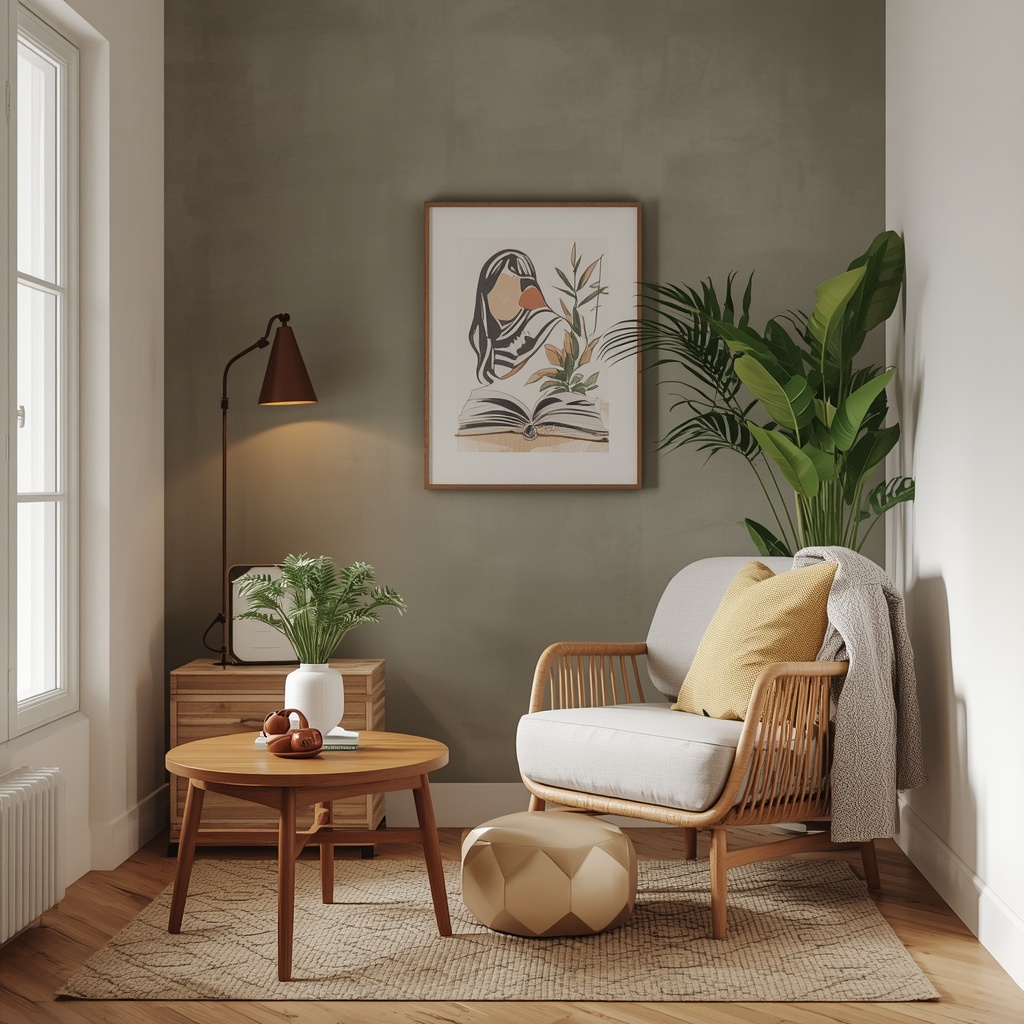
A slim armless chair, a floating shelf instead of a bulky bookcase, and a wall-mounted lamp instead of a floor lamp can all save valuable square footage. Even a well-dressed windowsill with a cushion and a small stack of books can function as a reading nook without taking up any floor space at all.
Space-saving swaps:
- Wall-mounted sconce instead of a floor lamp
- Floating shelf instead of a freestanding bookcase
- Slim accent chair instead of an armchair
- Windowsill cushion instead of a full seating setup
Sample Budget Breakdown
If you’re planning your reading nook makeover, here’s a general sense of what different budget levels can look like:
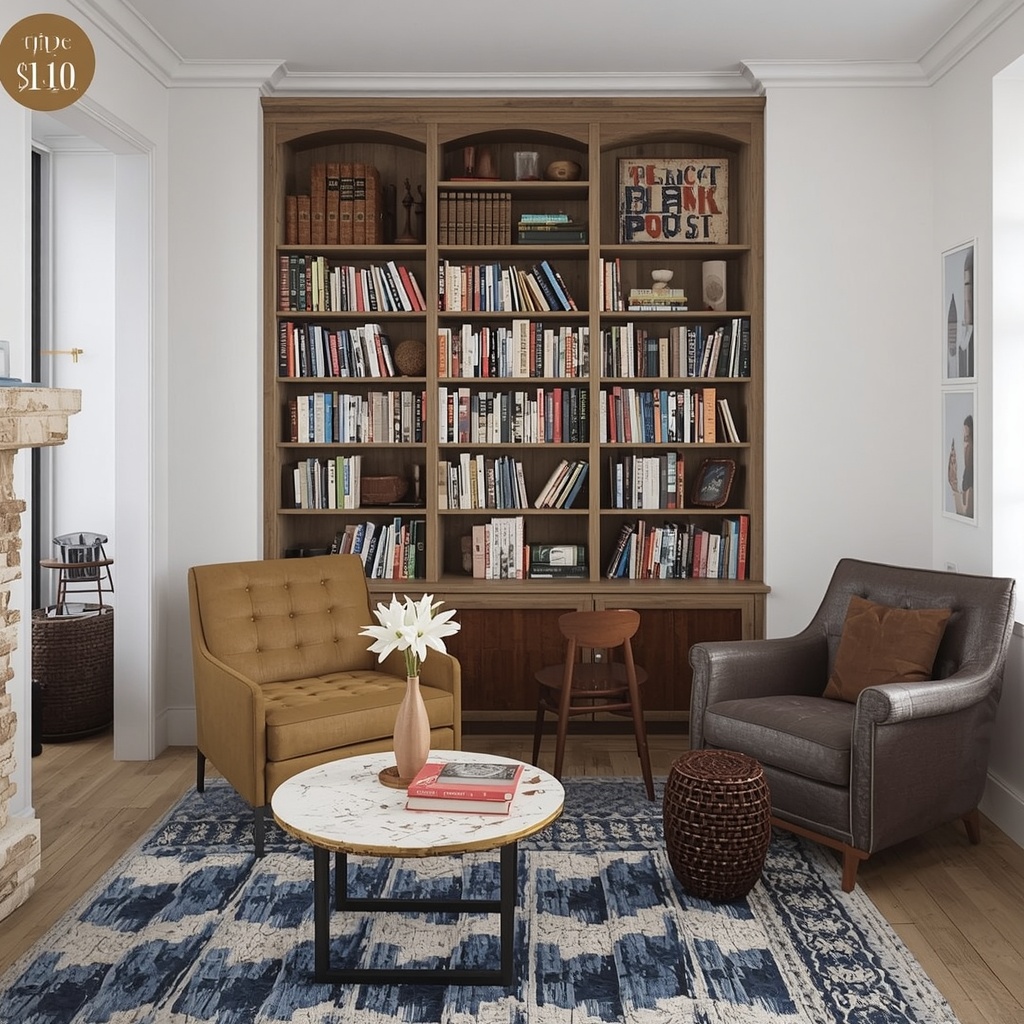
| Budget Level | What You Can Expect | Estimated Total |
|---|---|---|
| Budget-Friendly | Floor cushion, thrifted lamp, DIY shelf, throw blanket | $75–$150 |
| Mid-Range | Accent chair, floor lamp, area rug, side table, pillows | $400–$700 |
| Upscale | Designer chair, built-in shelving, custom cushions, layered lighting | $1,000+ |
There’s no single “right” budget for this project — the goal is comfort and consistency with your personal style, not spending the most money possible.
Final Thoughts
Creating a reading nook in your living room is one of the most rewarding small-scale design projects you can take on. It doesn’t require a renovation or a large investment — just a willingness to look at an overlooked corner with fresh eyes. Focus on comfortable seating, warm layered lighting, easy-to-reach storage, and personal touches that reflect your taste, and you’ll end up with a corner of your home you’ll actually want to sit in every day.
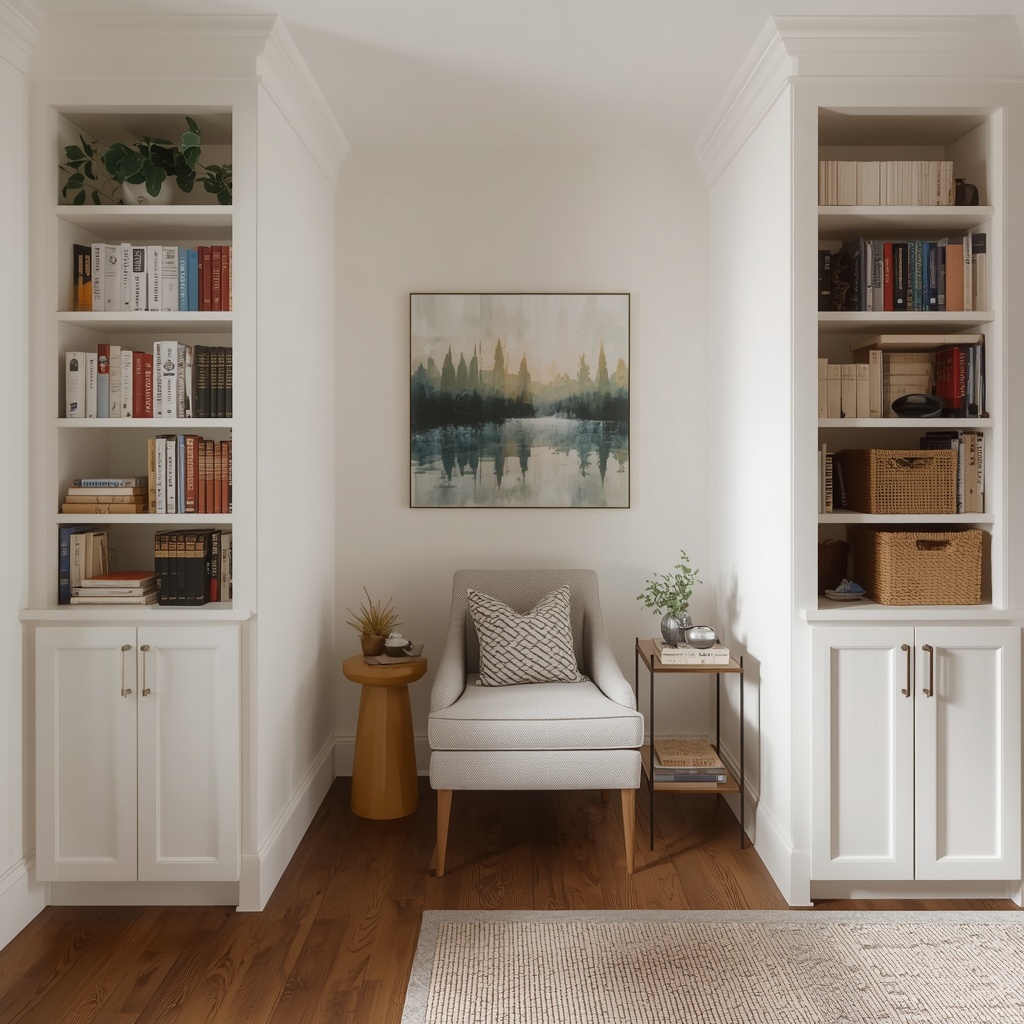
Whatever your style — minimalist, boho, traditional, or modern farmhouse — the principles stay the same: comfort first, lighting second, personality always. Start small, adjust as you go, and let the space evolve with your reading habits.