
Meta description: Learn how clear acrylic and glass furniture can make a small room feel larger, brighter, and easier to move through. Get layout rules, room-by-room ideas, and styling tips.
Primary keyword: clear acrylic and glass furniture for small rooms
Why Clear Furniture Is a Small-Room Game Changer
After years of designing compact apartments, condos, and starter homes, I can tell you the biggest complaint is rarely “I need more stuff.” It’s “my room feels cramped.” Often the culprit isn’t square footage but visual weight. A chunky wood coffee table or a solid upholstered bench blocks sightlines and chops the room into smaller zones. Your eye stops at every object, and the space reads as crowded even when it isn’t.
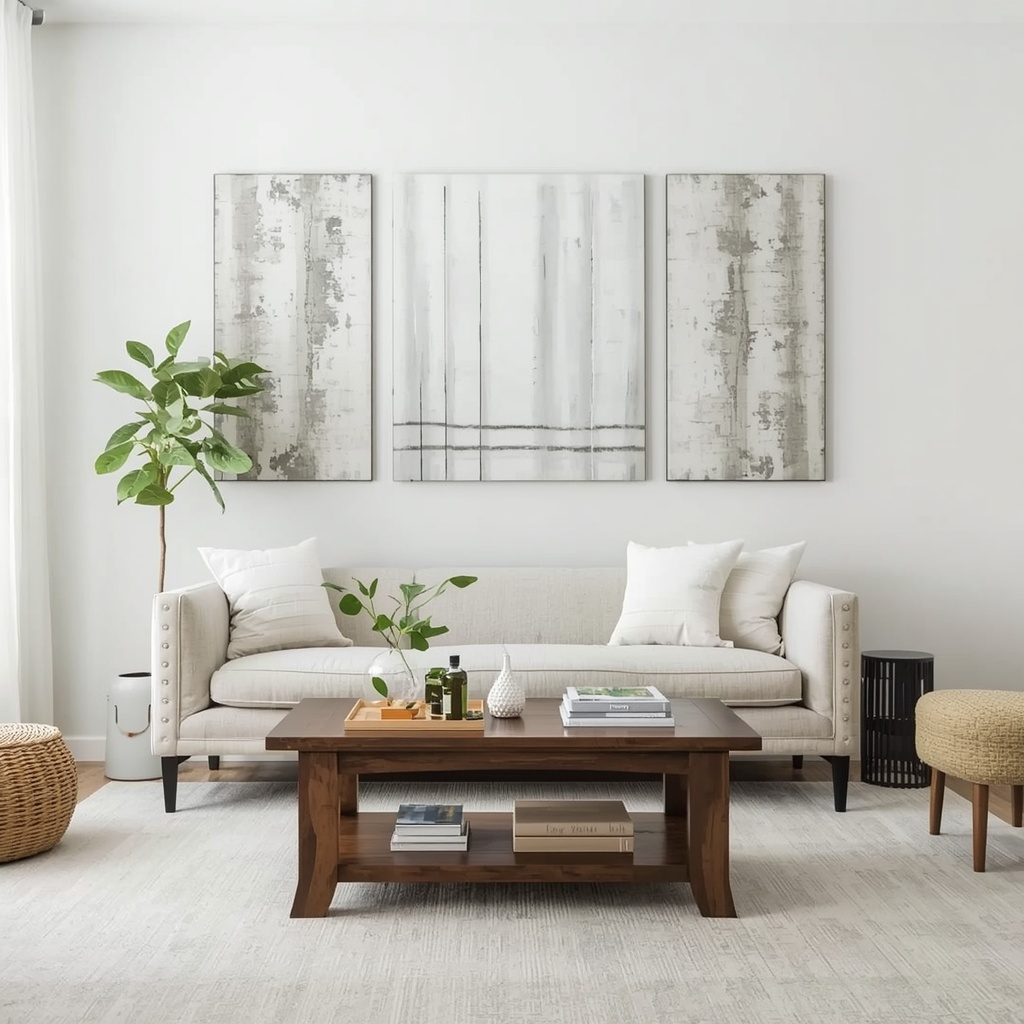
Clear acrylic and glass furniture solves this by letting the eye travel straight through each piece. Light passes, the floor stays visible, and walls appear to extend farther. You get the function of a table, chair, or console without the bulk. For anyone dealing with small space decor challenges, from a 450-square-foot studio to a narrow entryway, transparent pieces are among the most effective tools in a designer’s kit.
How Transparency Creates the Illusion of Space
The effect is partly optical and partly psychological. When you can see the rug, flooring, and wall behind a piece, your brain registers more continuous floor area. This is the same principle behind open-plan layouts and floating shelves. Fewer visual interruptions mean a calmer, larger-feeling room.
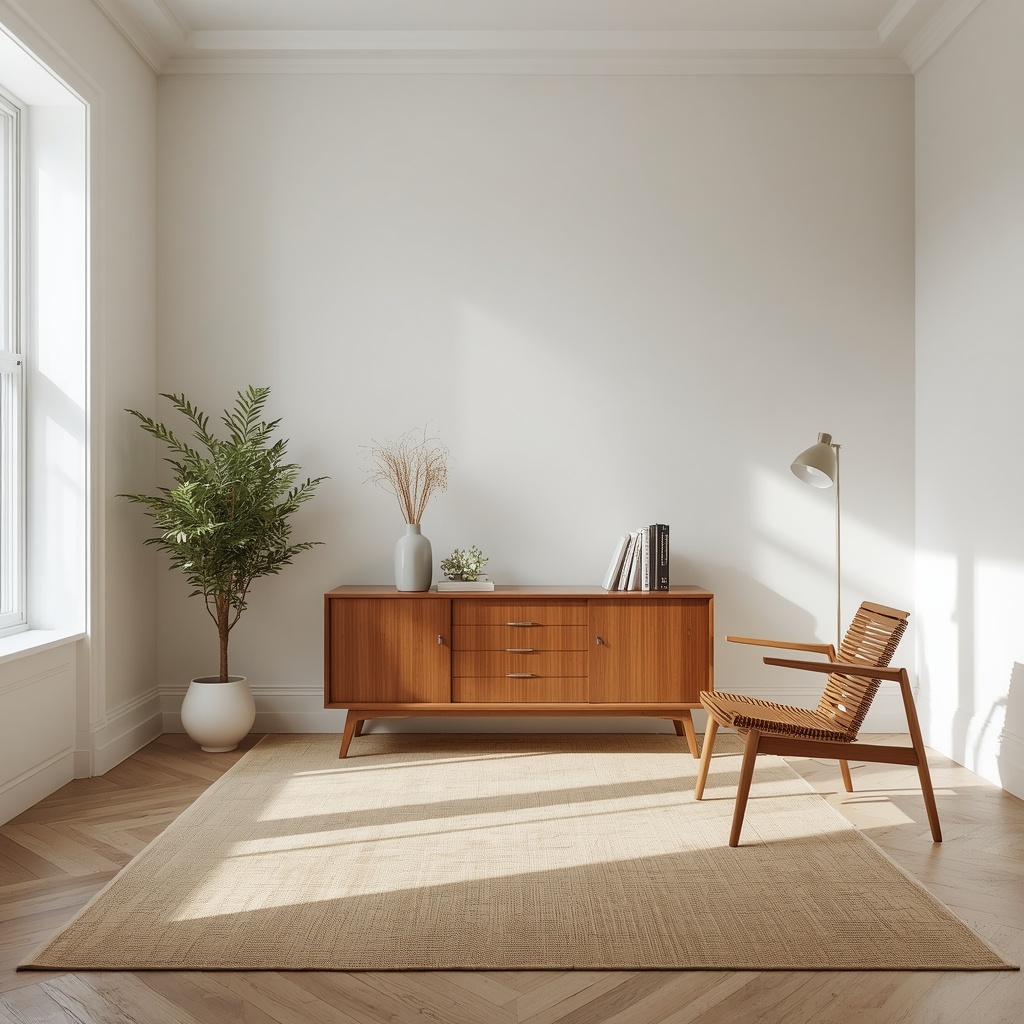
Light is the second factor. Clear surfaces bounce and refract natural light, which brightens dim corners. In north-facing rooms or apartments with a single window, that extra luminosity matters. Glass adds a subtle sparkle, while acrylic gives a softer, more diffused glow.
“Less is more.” — Ludwig Mies van der Rohe
The architect’s famous line applies neatly here. Clear furniture lets you keep function while subtracting visual clutter.
Acrylic vs. Glass: Which Material Is Right for You?
Both materials read as “see-through,” but they behave very differently day to day. Acrylic (often sold under the name Lucite) is a lightweight, shatter-resistant plastic. Glass, usually tempered for furniture, is heavier, harder, and more resistant to scratches. Your lifestyle should drive the choice more than your style preference.
| Feature | Clear Acrylic | Tempered Glass |
|---|---|---|
| Weight | Lightweight, easy to rearrange | Heavy, harder to move |
| Durability | Shatter-resistant, but scratches easily | Scratch-resistant, can chip at edges |
| Clarity | Very clear, slight warmth in thick pieces | Crisp, with a faint green tint on thick edges |
| Safety with kids/pets | Excellent: rounded edges, no shattering | Good if tempered, but heavier if tipped |
| Cleaning | Needs gentle, non-abrasive products | Tolerates standard glass cleaners |
| Price range | Moderate to high for thick pieces | Low to high depending on design |
| Best for | Chairs, shelves, rolling carts, nightstands | Coffee tables, desks, console tops |
My rule of thumb is to use acrylic for anything people sit on, lean on, or move often, and glass for flat work surfaces where scratch resistance matters. Mixing the two is perfectly fine, though keep an eye on undertones. Thick glass leans slightly green, while acrylic can look a touch warmer, so don’t be surprised if they don’t match exactly.
Understanding Room Flow Before You Buy
Room flow is how easily you move through a space: from the door to the sofa, from the sofa to the window, from the kitchen to the bedroom. In a small room, even a few inches of poor planning creates friction. Transparent furniture helps visually, but it still takes up physical space. A ghost chair doesn’t make you any less likely to bump your shin.
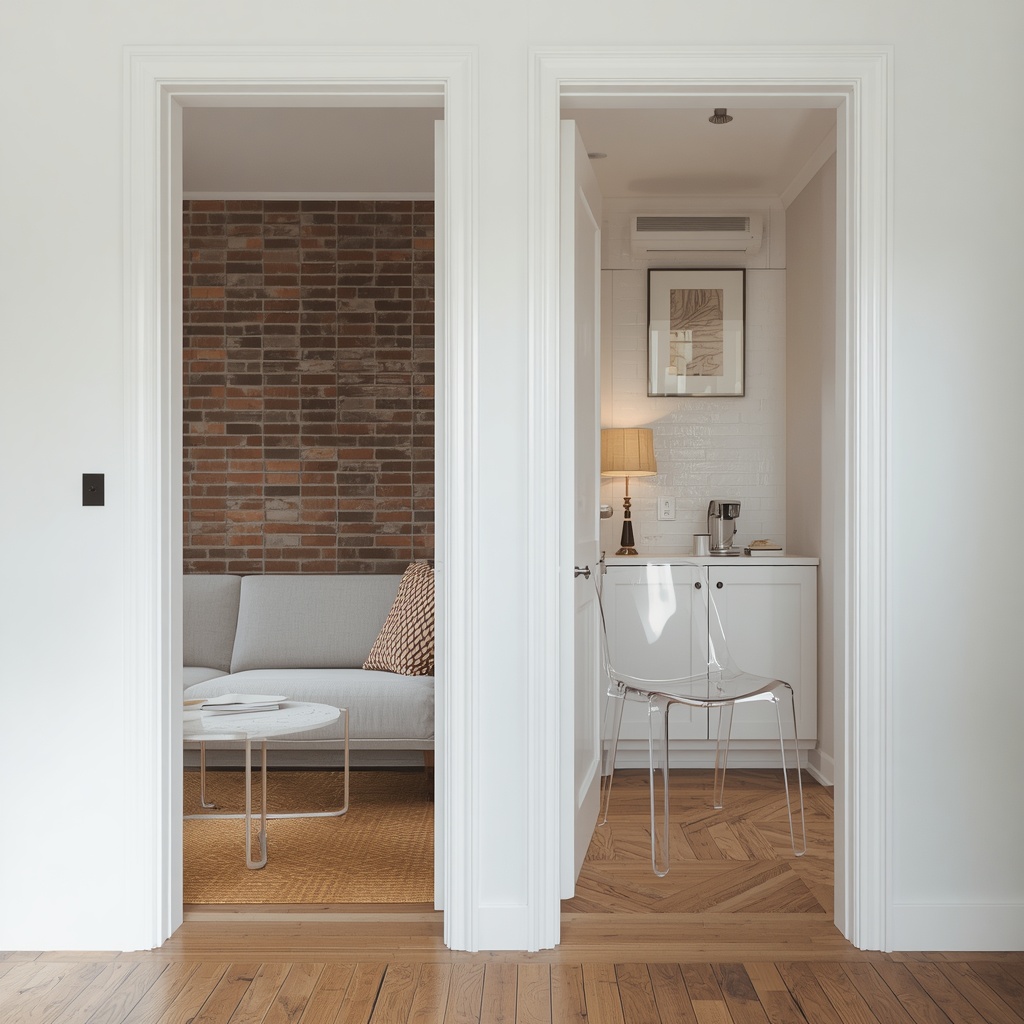
Before shopping, tape out the footprint of each piece on the floor with painter’s tape. Walk the paths you use every day. This simple exercise reveals bottlenecks that measurements alone miss, and it prevents costly returns on large items.
Key flow clearances to remember:
- 30 to 36 inches for main walkways
- 18 inches between a sofa and coffee table (ideal for legroom and reach)
- 24 inches minimum around a dining table for chair pull-out
- 24 to 30 inches at the foot or side of a bed
- 36 inches in front of entry doors and closets
Best Clear Furniture Pieces for Small Spaces
Not every transparent piece earns its footprint. These are the ones I recommend most often, based on how they perform in real homes.
Acrylic Ghost Chairs
The molded “ghost chair” silhouette has become a staple of modern minimalist design. It slides under a desk or table, seats guests without visual clutter, and works in dining areas, offices, and bedrooms. Choose a style with a slightly curved back for comfort and add a cushion for longer sits.
Glass Coffee Tables
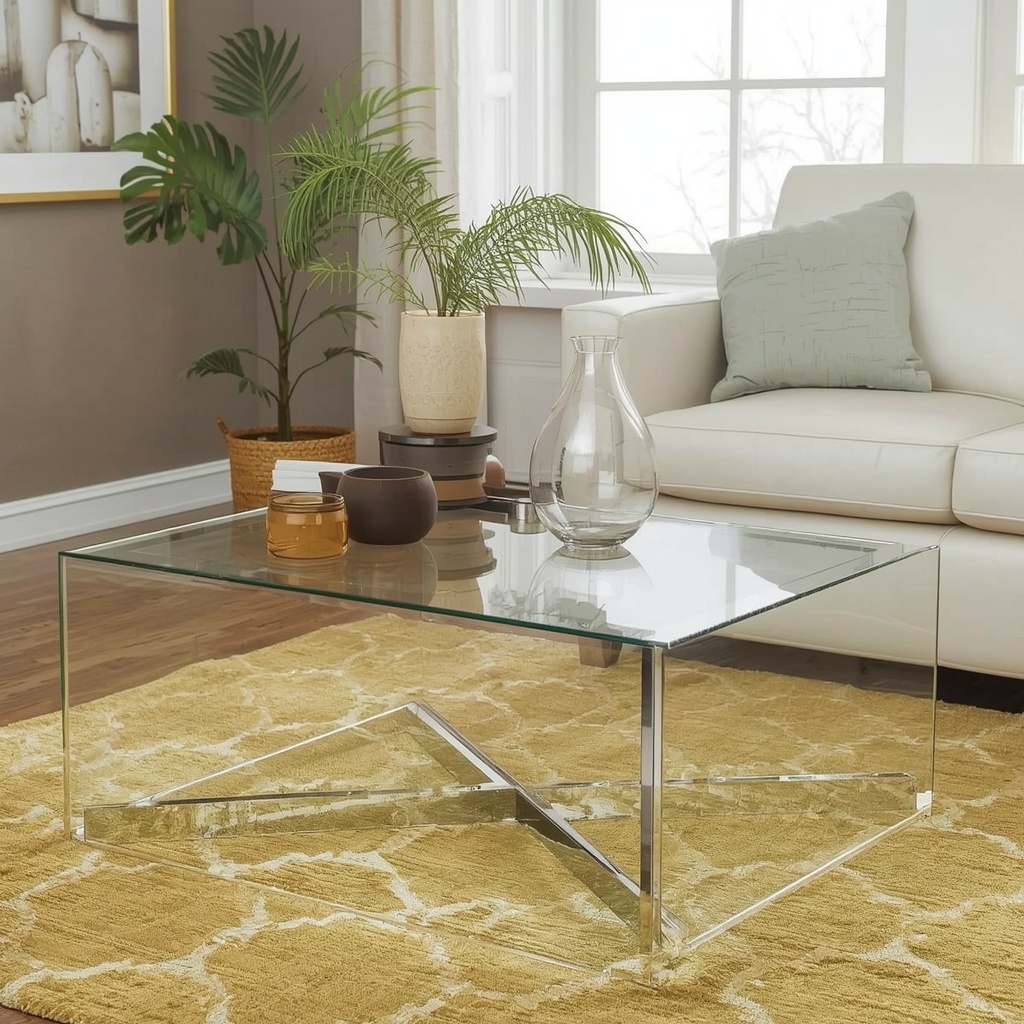
A glass coffee table is the classic answer for living rooms where a solid table would dominate. The surface lets your rug pattern show through, which keeps the room feeling open. Pick rounded corners or a slim profile if foot traffic is tight.
Acrylic Console and Entry Tables
Entryways are often the tightest spots in a home. A narrow acrylic console, around 10 to 12 inches deep, gives you a landing zone for keys and mail without narrowing the passage. Pair it with a mirror to push light deeper into the space.
Clear Nightstands and Side Tables
In a bedroom where the bed takes most of the width, a transparent nightstand lightens the look. Waterfall-style acrylic tables, where the top flows into the sides, feel sculptural without being heavy.
Glass Desks and Floating Shelves
For home offices tucked into a corner or alcove, a glass-top desk with slim metal legs reads almost invisible. Acrylic wall shelves add storage while keeping the wall surface feeling open.
Room-by-Room Ideas for Better Flow
Every room has its own traffic patterns, so the right transparent piece differs. Think about where people walk, pause, and gather, and place clear furniture where bulk would otherwise create a barrier.
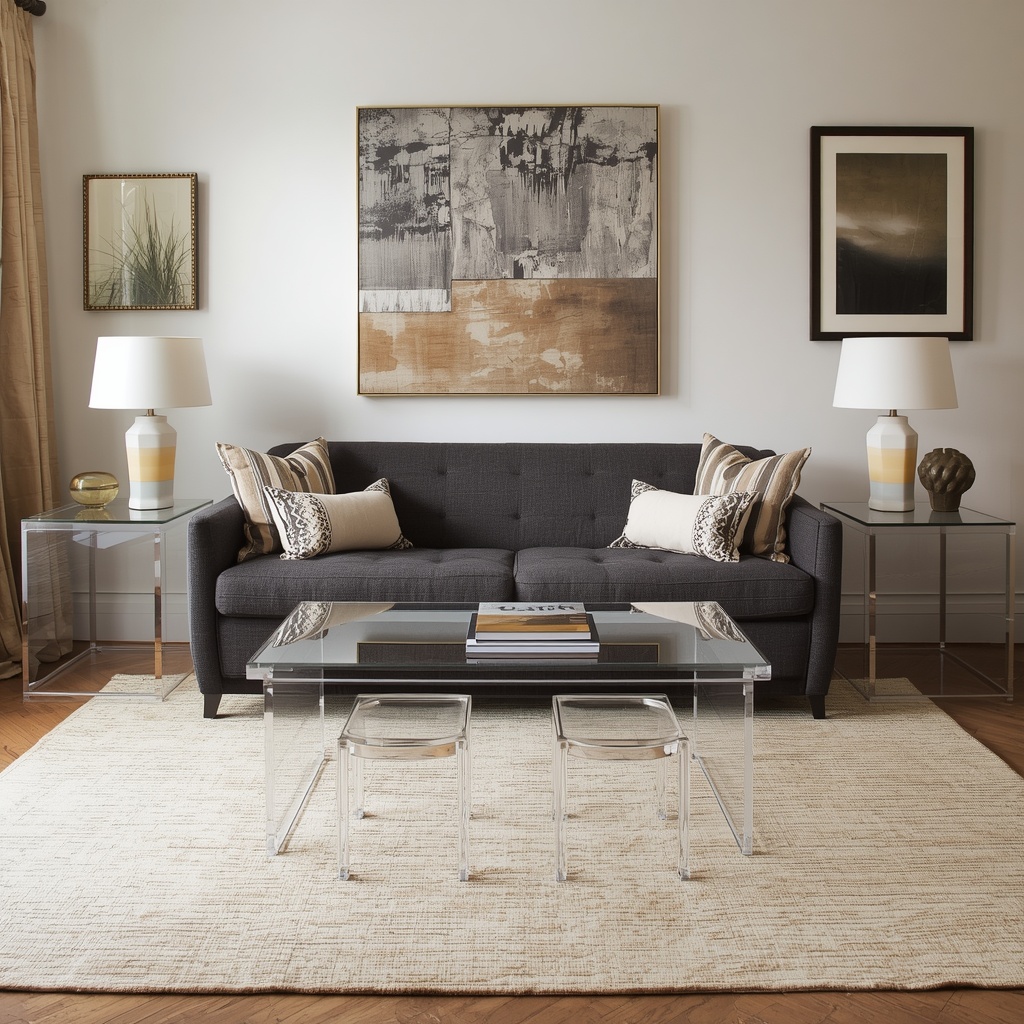
Living room: Float a glass or acrylic coffee table in front of a compact sofa, leaving 16 to 18 inches between them. If your seating is dark or heavy, a clear table prevents the group from feeling like a solid block. A pair of acrylic stools can double as extra seating and side tables.
Bedroom: Swap a bulky dresser for a clear acrylic chest or a pair of narrow acrylic drawers. Use a transparent bench at the foot of the bed only if you have at least 30 inches of clearance. Otherwise, a slim wall-mounted acrylic shelf is the better option.
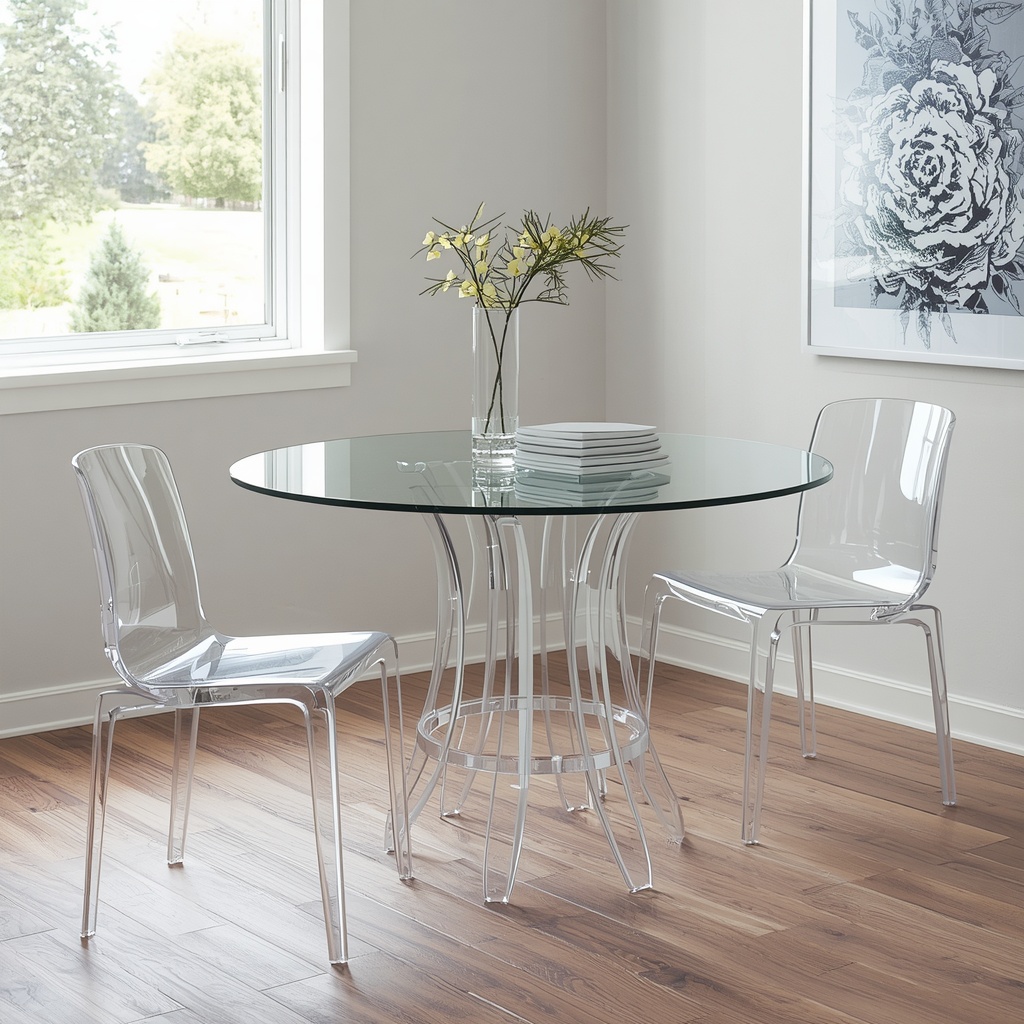
Dining nook: Combine a glass-top round table with acrylic chairs. Round tables improve flow in tight corners since there are no sharp corners to dodge. This pairing also works well in studio apartments where the dining area is visible from the sofa.
Entryway: A clear console, an acrylic wall hook rail, and a mirror create a functional landing area with almost no visual cost. Add a small tray to corral keys and sunglasses.
Home office: A glass desk and a ghost chair keep a work zone from feeling like a separate room inside your living space. Tuck the chair fully under the desk when finished to restore floor flow.
Layout Rules That Keep Small Rooms Moving
Even the best furniture fails with bad placement. These rules come from projects where a few inches changed everything.
- Anchor with one solid piece. Transparent furniture works best when balanced by at least one grounded element, like an upholstered sofa or wood bookshelf. A room made entirely of clear pieces can feel unfinished.
- Keep walkways straight. Diagonal or zigzag paths eat up space. Place furniture along natural lines from door to window.
- Float pieces off walls only when you can spare it. In very tight rooms, push tables flush to walls and let transparency do the visual work.
- Choose legs over bases. Open-leg or fully clear designs show more floor, which boosts the sense of openness.
- Use one large rug. A rug that extends under front sofa legs and the coffee table ties the room together and shows through clear surfaces.
- Limit the number of clear pieces. Two or three well-placed items make a stronger statement than six scattered ones.
Pro Tip from the Designer: Place a clear table directly on top of a patterned or textured rug, and let it be the star. The rug does the visual work while the table stays quiet. If your floor is plain, bring in pattern through a throw pillow or artwork instead, then use a transparent piece to keep the room feeling airy. Before you buy, do the “squint test”: stand in the doorway, squint, and see if the piece disappears into the room. If it does, it’s working.
Styling Clear Furniture Without Making It Look Cold
One common worry is that transparent furniture feels sterile. It doesn’t have to. Because clear pieces act as a neutral backdrop, they let you layer in warmth through everything you place on or around them.
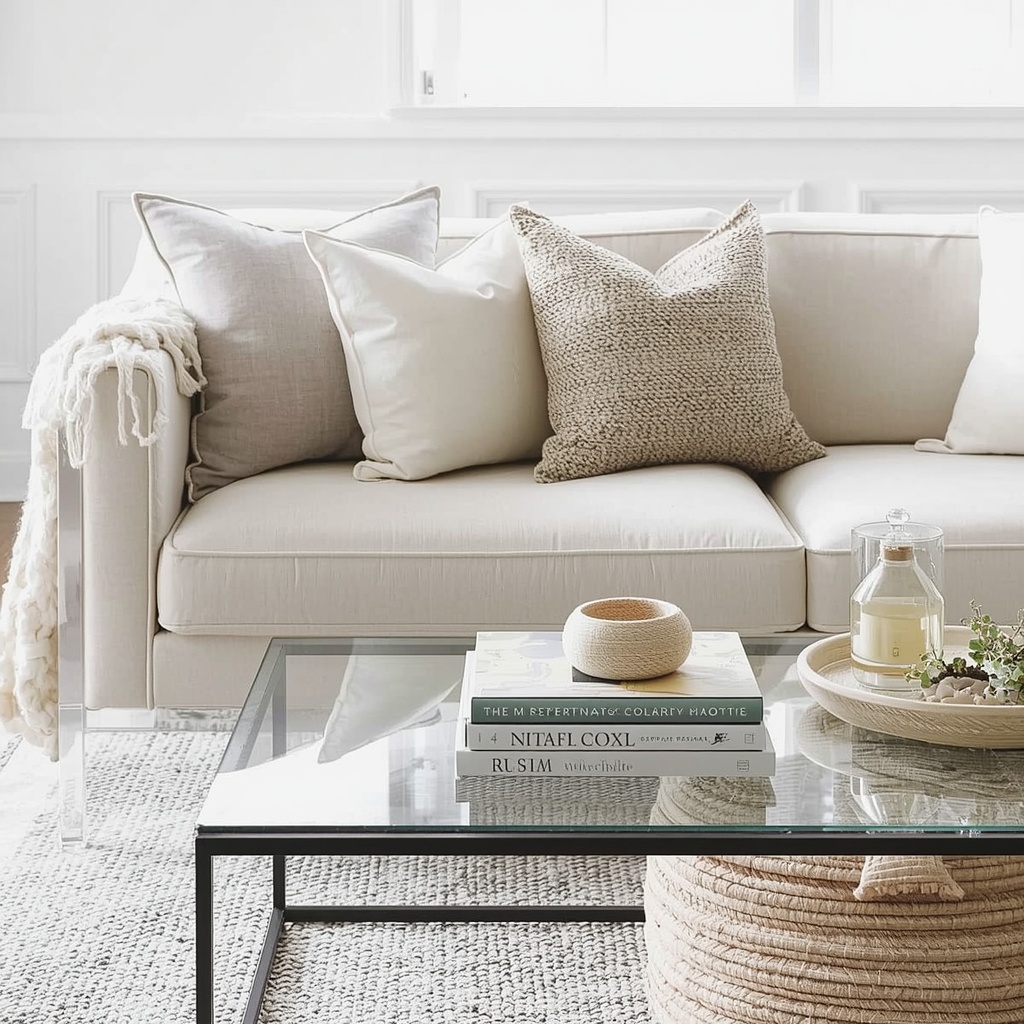
Start with textiles. A chunky knit throw over a sofa arm, linen cushions, and a wool rug add softness that balances hard, shiny surfaces. Bring in natural materials such as wood bowls, rattan trays, or ceramic vases to warm the tone. On a glass coffee table, a stack of two or three books and a small plant is plenty.
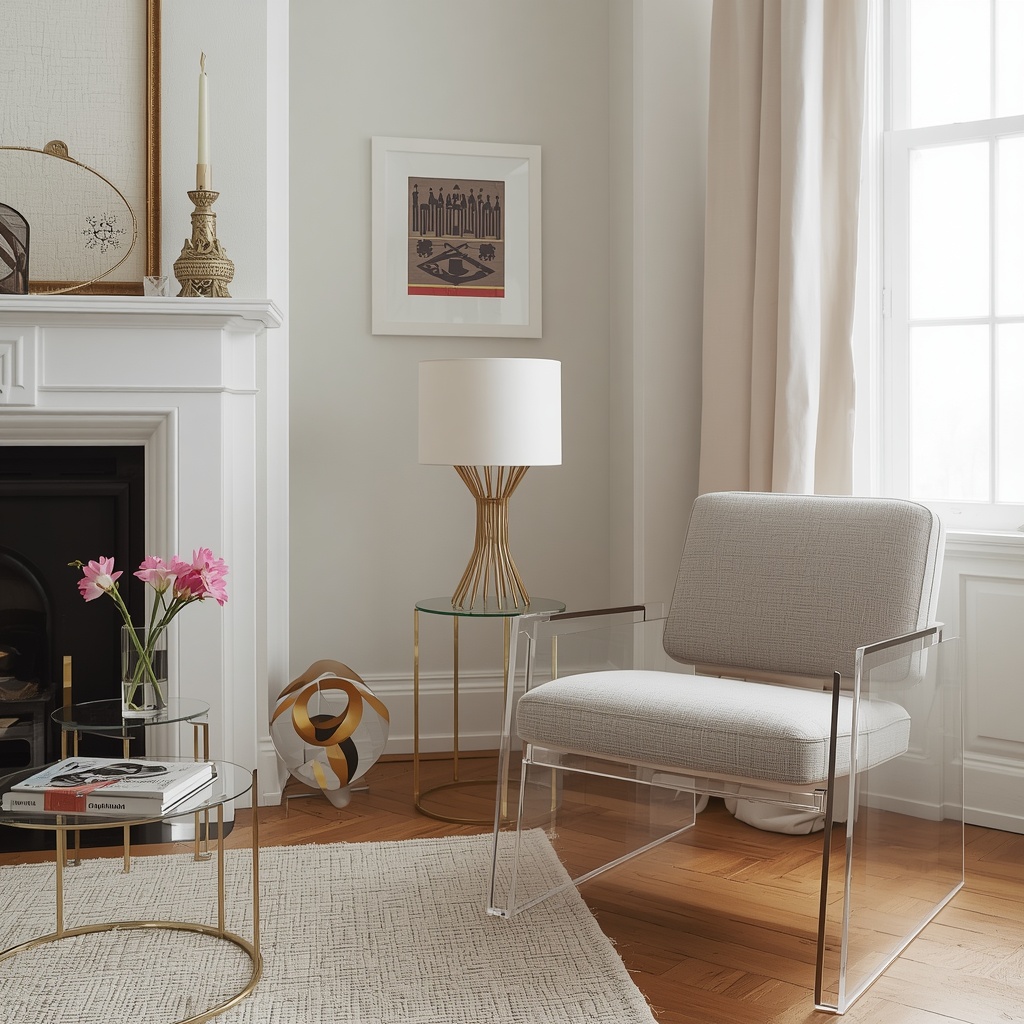
Lighting also changes how clear furniture looks. A warm lamp beside an acrylic side table creates a gentle glow, while overhead lighting can make glass feel stark. Aim for warm white bulbs around 2700K and layer light sources at different heights.
Styling checklist:
- Limit tabletop decor to three items (odd numbers look best)
- Mix at least two textures per seating area
- Add one metallic accent, like brass or matte black, to ground the look
- Use trays to group small items so surfaces don’t feel messy
- Remember that everything is visible below, so keep shelves tidy
Colors and Styles That Pair Well
Clear furniture is incredibly versatile because it adapts to nearly any palette. In a Scandinavian-inspired room with whites and soft woods, it keeps the airy mood. In a bold, maximalist space, it gives your eye a place to rest between patterns.
| Design Style | How Clear Furniture Fits | Suggested Pairings |
|---|---|---|
| Modern minimalist | Reinforces clean lines | Neutral sofa, black metal accents |
| Scandinavian | Keeps rooms bright and light | Light oak, white walls, wool throws |
| Glam / Hollywood Regency | Adds sparkle and luxury | Velvet, brass, mirrored accents |
| Boho | Balances heavy texture | Rattan, plants, layered rugs |
| Mid-century modern | Lets iconic pieces stand out | Walnut, tapered legs, bold art |
| Coastal | Echoes water and sea glass | Linen, soft blues, driftwood |
Cleaning and Maintenance Made Simple
The biggest hesitation I hear is, “Won’t it always look smudged?” Fingerprints do show on clear surfaces, but a quick routine keeps things fresh. The key is using the right products for each material, because the wrong cleaner can permanently damage acrylic.
| Task | Acrylic | Glass |
|---|---|---|
| Daily dusting | Soft microfiber cloth only | Microfiber or lint-free cloth |
| Deep clean | Mild soap and warm water | Glass cleaner or vinegar-water mix |
| Avoid | Ammonia, alcohol, paper towels | Abrasive pads on coated glass |
| Minor scratches | Plastic polish can buff them out | Rarely needed; specialty polish if so |
| Static control | Anti-static acrylic cleaner | Not typically an issue |
To limit smudges, keep a microfiber cloth in a drawer near your main clear pieces. Use coasters on glass to avoid rings, and place felt pads under decor on acrylic to prevent scratches.
Safety Considerations for Families and Pets
Safety is a legitimate concern, especially with toddlers or active dogs. Choose tempered or safety glass for any glass furniture, as it breaks into small, blunt pieces instead of sharp shards. Look for rounded or polished edges, and avoid sharp corners in rooms where kids play.
Acrylic is often the safer pick for family homes since it won’t shatter. Thick pieces are sturdy and forgiving. Just be aware that pet claws can scratch the surface over time. If you have a large dog or a cat who likes to climb, consider acrylic chairs with higher durability coatings or place a protective throw on seat areas.
Also check weight limits, particularly for acrylic benches and stools. Most quality pieces support 250 to 300 pounds, but budget options vary.
Where to Shop for Clear Furniture on Any Budget
You don’t need a luxury budget to get this look. Retailers across the US offer options at several price points, so compare thickness, edge finish, and return policies before buying.
- Budget-friendly: IKEA and Wayfair carry a wide range of glass tables and acrylic accessories.
- Mid-range: West Elm and Crate & Barrel offer well-built glass and acrylic pieces with clean designs.
- Statement pieces: CB2 is known for modern, sculptural acrylic and glass furniture.
- Inspiration: Browse real rooms on Houzz to see how other homeowners use transparent furniture in compact spaces.
Always check the product thickness. For acrylic, 3/4 inch or thicker usually signals better quality. For glass, look for 3/8 inch tempered tops on tables. Read customer photos to see how pieces look in real lighting, since studio photos can be misleading.
Common Mistakes to Avoid
Even experienced homeowners make avoidable errors with clear furniture. Here are the ones I see most.
- Going all clear. A room of only transparent pieces lacks anchors and can feel cold or confusing. Mix with solid, textured items.
- Ignoring scale. A tiny clear table in a big seating group looks lost, while an oversized one still blocks flow. Match the table length to roughly two-thirds of the sofa.
- Forgetting what’s visible below. Clutter under a glass table is on full display. Keep it tidy or use a basket.
- Poor cleaning products. Ammonia-based cleaners cloud acrylic permanently. Use only manufacturer-recommended solutions.
- Skipping the tape test. Always map the footprint before buying to confirm your flow paths.
- Overlooking cheap-looking finishes. Thin, wobbly pieces with visible seams make a room look temporary. Invest in quality for the pieces you use most.
Frequently Asked Questions
Does clear furniture really make a room look bigger?
Yes. Because you can see through it, there are fewer visual barriers, and the floor and walls appear more continuous. The effect is strongest in rooms under 200 square feet.
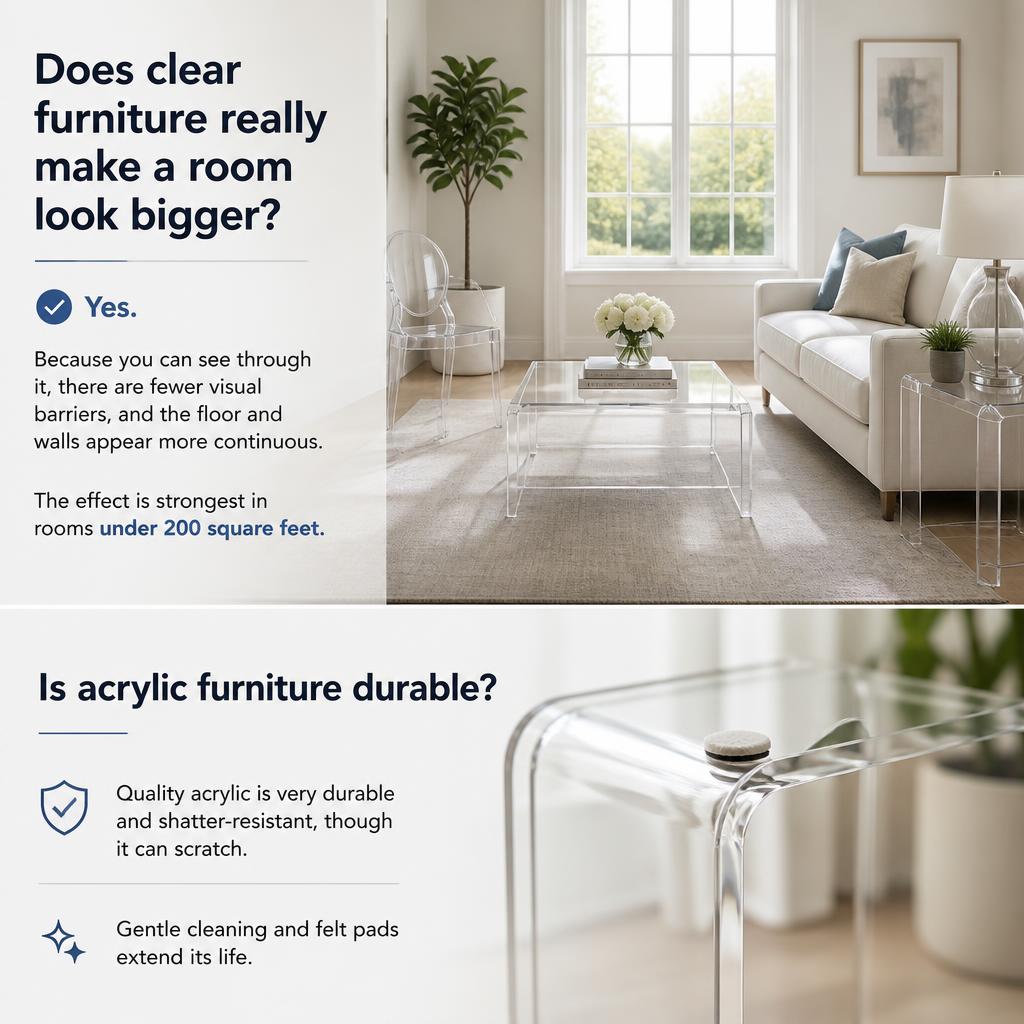
Is acrylic furniture durable?
Quality acrylic is very durable and shatter-resistant, though it can scratch. Gentle cleaning and felt pads extend its life.
Can I use glass furniture with kids?
Yes, if it’s tempered and has rounded edges. Many families choose acrylic for extra peace of mind.
What’s the best clear piece to start with?
A coffee table or pair of ghost chairs gives the biggest impact for the least commitment.
Final Thoughts: Let Your Room Breathe
Clear acrylic and glass furniture isn’t a trend that fades. It’s a practical design strategy for anyone living with limited square footage. By removing visual weight, welcoming light, and respecting real-world traffic patterns, these pieces help small rooms feel open, calm, and functional.
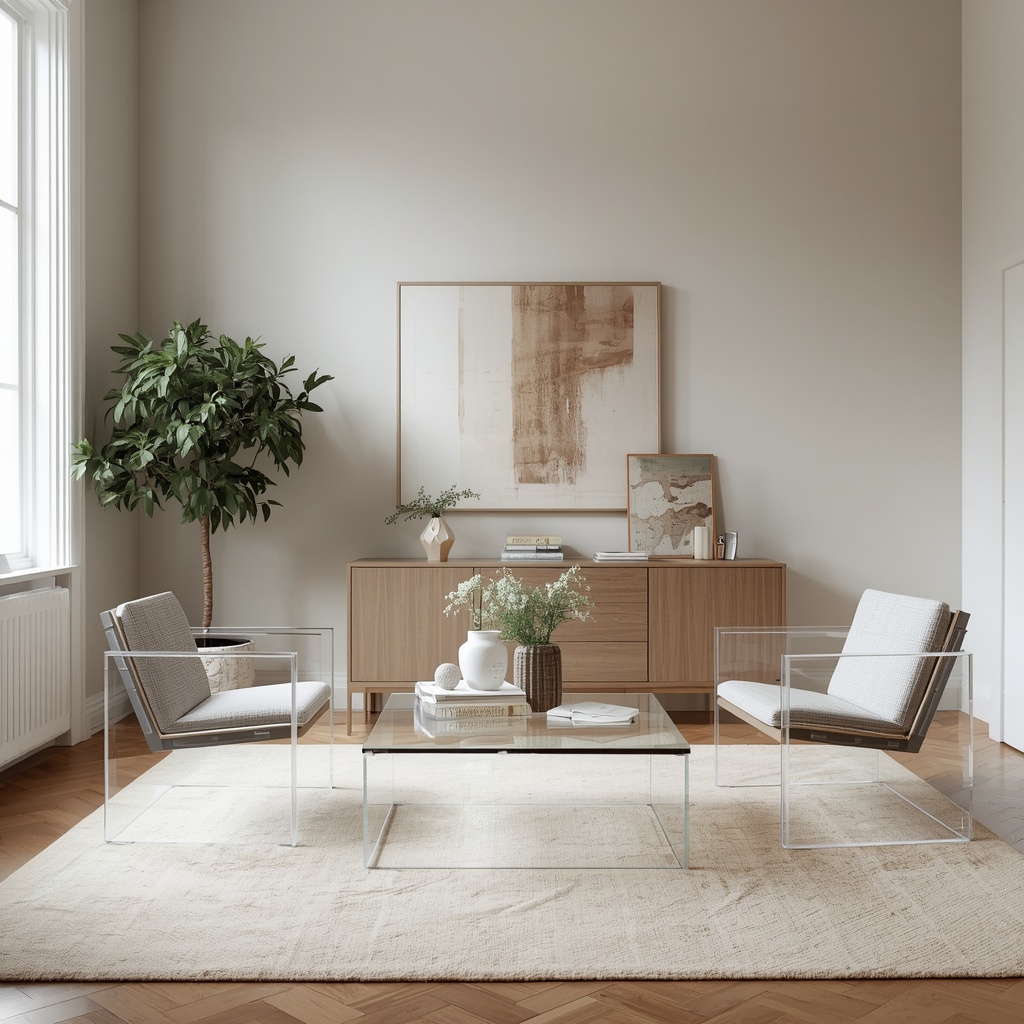
Start small. Choose one or two high-impact items, test your layout with painter’s tape, and balance transparency with warm textures and a few grounded pieces. Your room doesn’t have to get bigger to feel bigger. It just needs to breathe.