
Walk into any beautifully designed living room and you’ll notice something: it’s rarely the sofa that catches your eye first. It’s that one chair — the one with the emerald velvet upholstery, the sculptural curved arms, or the punchy geometric print — that makes the whole space feel intentional. That’s the quiet power of a bold accent chair, and it’s one of the easiest, most cost-effective ways to elevate a home’s interior design without a full renovation.
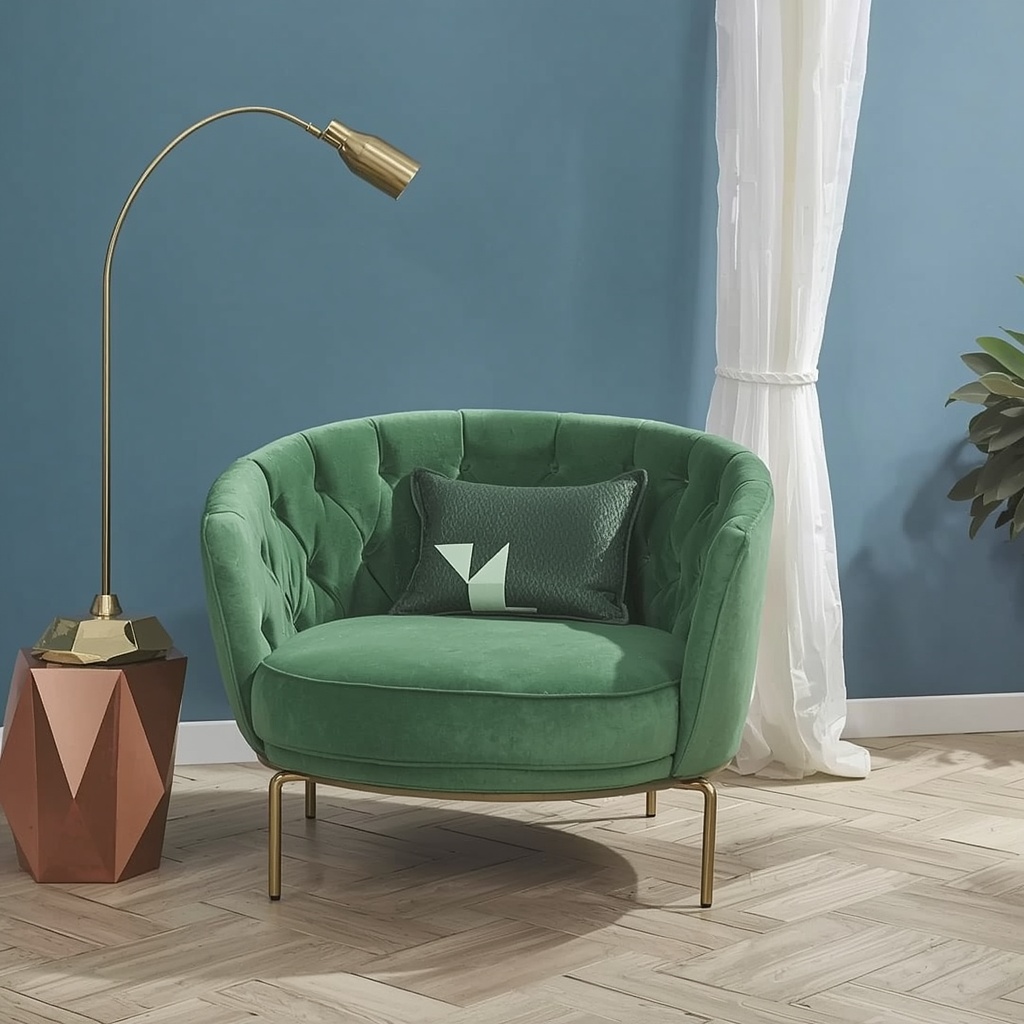
As an interior designer who works primarily with American homeowners, I can tell you that accent chairs are consistently the single furniture piece clients underestimate the most. They think of them as an afterthought — something to fill a corner — when in reality, a well-chosen accent chair can anchor your entire color palette, inject personality into a neutral room, and create the kind of visual interest that makes guests ask, “Where did you get that?”
Why Accent Chairs Are the Secret Weapon of Interior Design
An accent chair is any chair that stands apart from your main seating arrangement, whether through color, pattern, silhouette, or material. Unlike your sofa or sectional, which typically needs to blend into the room’s overall scheme, an accent chair is allowed — even encouraged — to break the rules a little.
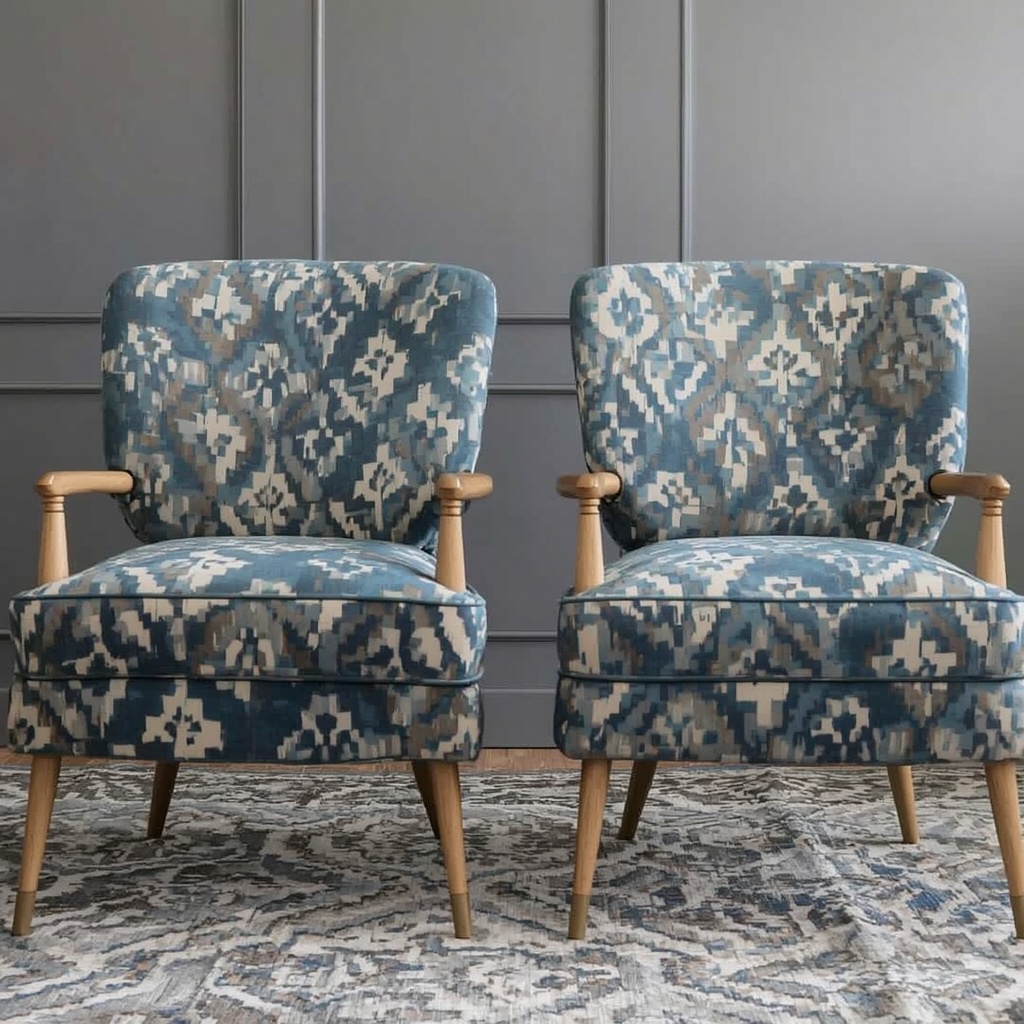
Designers often refer to this as the “80/20 rule” of furniture styling: 80% of your furniture should be neutral and functional, while the remaining 20% carries bold color, texture, or pattern. Accent chairs almost always fall into that expressive 20%, which is exactly why they punch so far above their weight in terms of visual impact.
There’s also a practical psychology behind why bold chairs work so well. The human eye is naturally drawn to contrast, and a single vibrant piece in an otherwise calm room creates a focal point that guides the entire visual flow of the space. This is the same principle used by art curators when hanging a single striking painting on a neutral gallery wall.
Choosing the Right Bold Color for Your Space
Color is the most transformative — and most intimidating — decision when selecting a statement chair. The good news is that bold doesn’t have to mean chaotic. A well-chosen accent color, paired thoughtfully with your existing palette, will look curated rather than random.
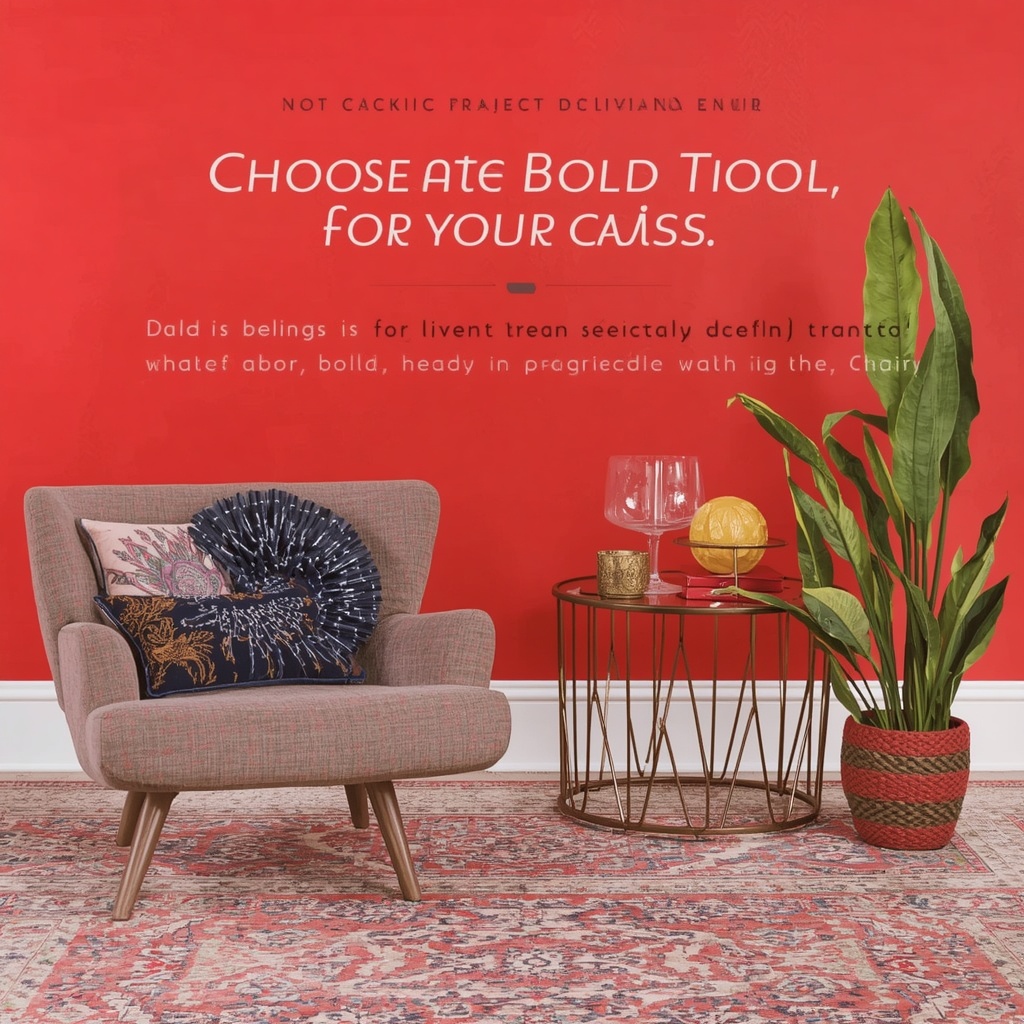
Consider these popular bold accent chair colors and the mood each one creates in a living room:
| Color | Mood It Creates | Best Paired With |
|---|---|---|
| Emerald Green | Rich, sophisticated, nature-inspired | Brass fixtures, cream walls, walnut wood |
| Mustard Yellow | Warm, retro, energizing | Charcoal gray, navy, natural linen |
| Burnt Orange | Cozy, earthy, mid-century modern | Olive green, terracotta, warm wood tones |
| Deep Navy | Classic, moody, elegant | White trim, gold accents, light oak |
| Fuchsia/Magenta | Playful, glamorous, contemporary | Black and white schemes, chrome finishes |
| Terracotta | Grounded, warm, Southwestern-inspired | Cream, sage green, rattan textures |
“Color is the quickest way to inject personality into a room, and a single accent chair is the lowest-risk way to experiment with a bold hue you might not commit to on a whole sofa.” — a principle nearly every seasoned interior designer follows when guiding first-time clients toward color confidence.
If you’re nervous about committing to a saturated color, start by pulling a shade that already exists elsewhere in the room — a throw pillow, a piece of art, or even a book cover on your coffee table. This creates cohesion even when the chair itself feels daring.
Pro Tip: If you’re worried a bold chair will clash with future decor changes, choose a color from nature’s own palette (forest green, ochre, terracotta, rust). These earth-inspired tones have remained fashionable for decades because they pair effortlessly with both warm and cool undertones, making them far more “future-proof” than trend-driven neon or pastel shades.
Pattern Play: When Print Beats Solid Color
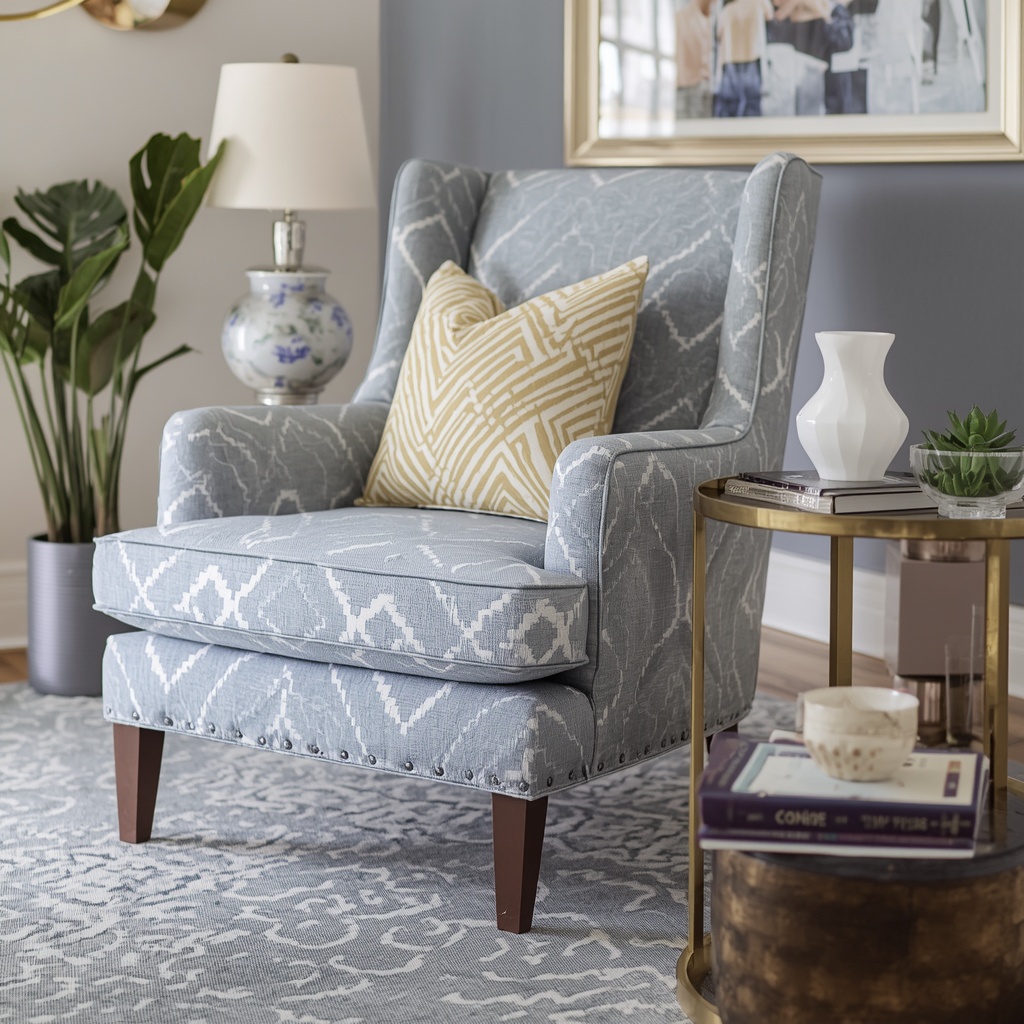
While solid-colored bold chairs are the safer entry point, patterned accent chairs offer an entirely different kind of drama. Florals, geometrics, ikat prints, and abstract designs can add texture and movement to a room in a way flat color simply cannot.
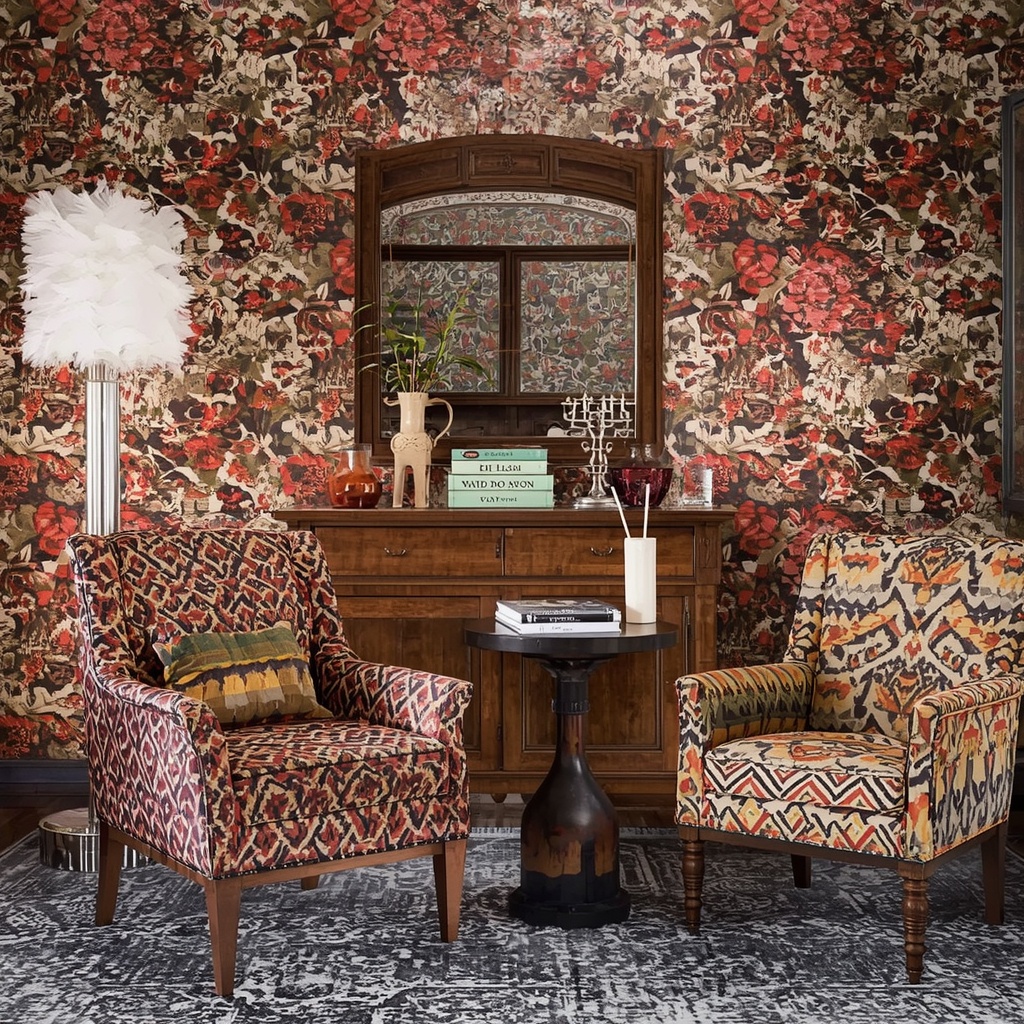
The key to successfully styling a patterned chair lies in scale and balance. A large-scale floral print works beautifully in a room with plenty of negative space and simple furnishings, while a smaller, tighter geometric pattern can hold its own even in a busier, more layered room.
Here’s a quick breakdown of pattern types and where they shine:
- Botanical and floral prints — best in traditional, cottagecore, or grandmillennial-style living rooms
- Geometric prints — ideal for mid-century modern or contemporary spaces
- Ikat and global-inspired patterns — perfect for eclectic, bohemian, or globally-influenced interiors
- Abstract watercolor prints — great for transitional spaces bridging modern and traditional styles
- Animal print accents — add glamour to art deco or maximalist rooms when used sparingly
A helpful rule of thumb: if your walls, rug, and drapery are already patterned, opt for a solid bold chair instead. If your room is largely solid and neutral, a patterned chair becomes your opportunity to bring in texture and visual complexity.
Shape and Silhouette Matter Just as Much as Color
It’s easy to focus entirely on upholstery when shopping for an accent chair, but the silhouette of the chair is equally important to the overall design impact. A chair’s shape communicates style just as loudly as its color does.
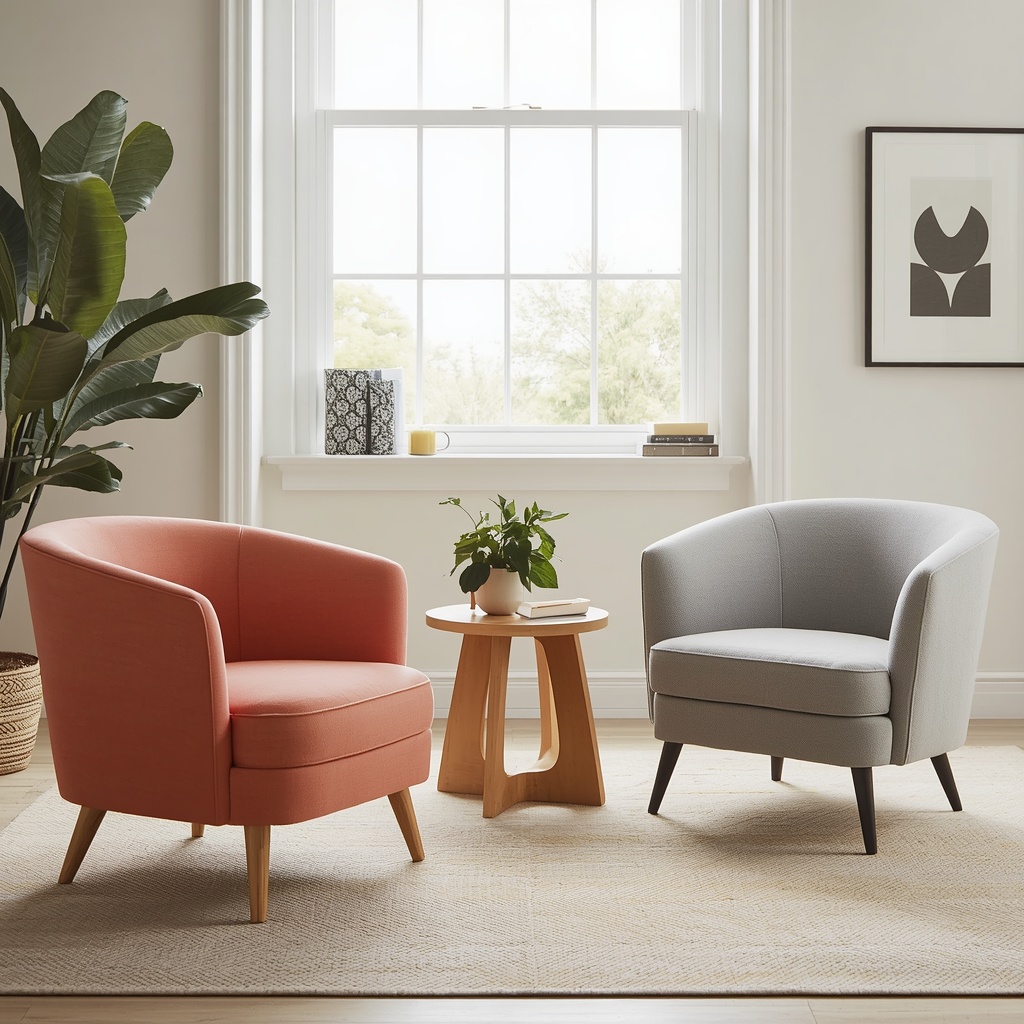
Curved, barrel-back chairs feel soft, contemporary, and inviting — they’ve become a favorite in modern American living rooms because they soften rooms filled with straight-edged sofas and rectangular coffee tables. Wingback chairs, on the other hand, lean traditional and formal, evoking classic English or colonial-inspired interiors. Mid-century designs with tapered wooden legs and low profiles bring retro warmth, while sculptural, art-forward chairs with unconventional shapes work best as true statement pieces in minimalist rooms.
Think about your existing furniture silhouettes before choosing a shape. A room full of straight lines and sharp angles benefits enormously from the visual relief of a curved accent chair, while a room with too many soft, rounded shapes may need a more structured piece to add definition.
How to Style a Bold Accent Chair Without Overwhelming the Room
This is where many homeowners get nervous, and understandably so. Once you’ve committed to a striking chair, the challenge becomes integrating it into the room without making the space feel cluttered or mismatched.
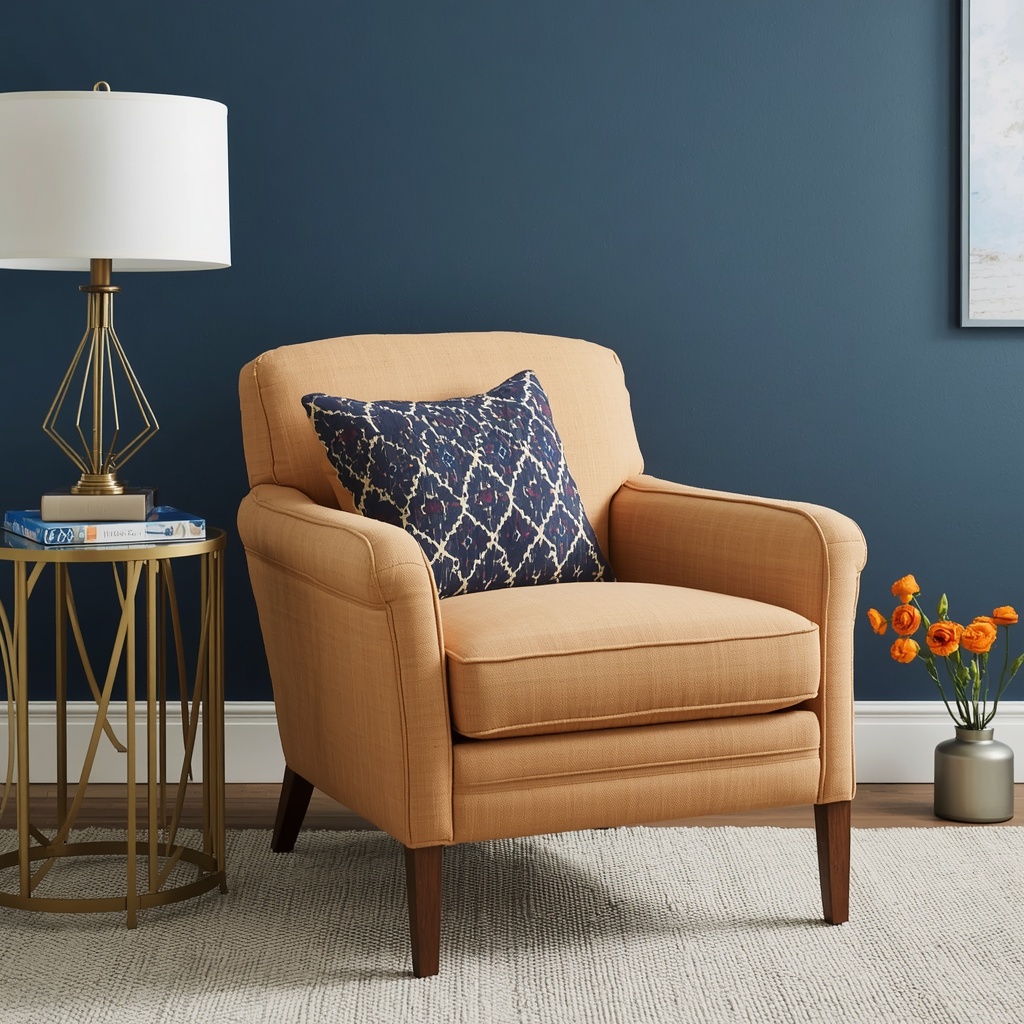
Start by treating the chair as a design anchor rather than an isolated object. Everything else in the room — your throw pillows, rug, artwork, and even smaller accessories — should reference the chair’s color or style in small, deliberate doses. This doesn’t mean matching exactly; it means creating an echo. If your chair is emerald green, a few sage-green candles or a botanical print nearby will tie the room together without looking overly coordinated.
Placement also plays a critical role. Bold chairs work best when given breathing room — positioned near a window, angled toward the sofa for conversation, or placed in an empty corner that previously felt underutilized. Avoid pushing a statement chair against a busy, heavily patterned wall or surrounding it with too many competing bold elements, as this dilutes its impact rather than enhancing it.
Pro Tip: Use the “three-point rule” when styling around your accent chair. Choose three spots in the room — a pillow, a piece of art, and a small decor object like a vase or book — to subtly repeat the chair’s color or pattern. This creates visual rhythm throughout the space without making the chair feel like a mismatched outlier.
Popular Styles of Bold Accent Chairs for Living Rooms
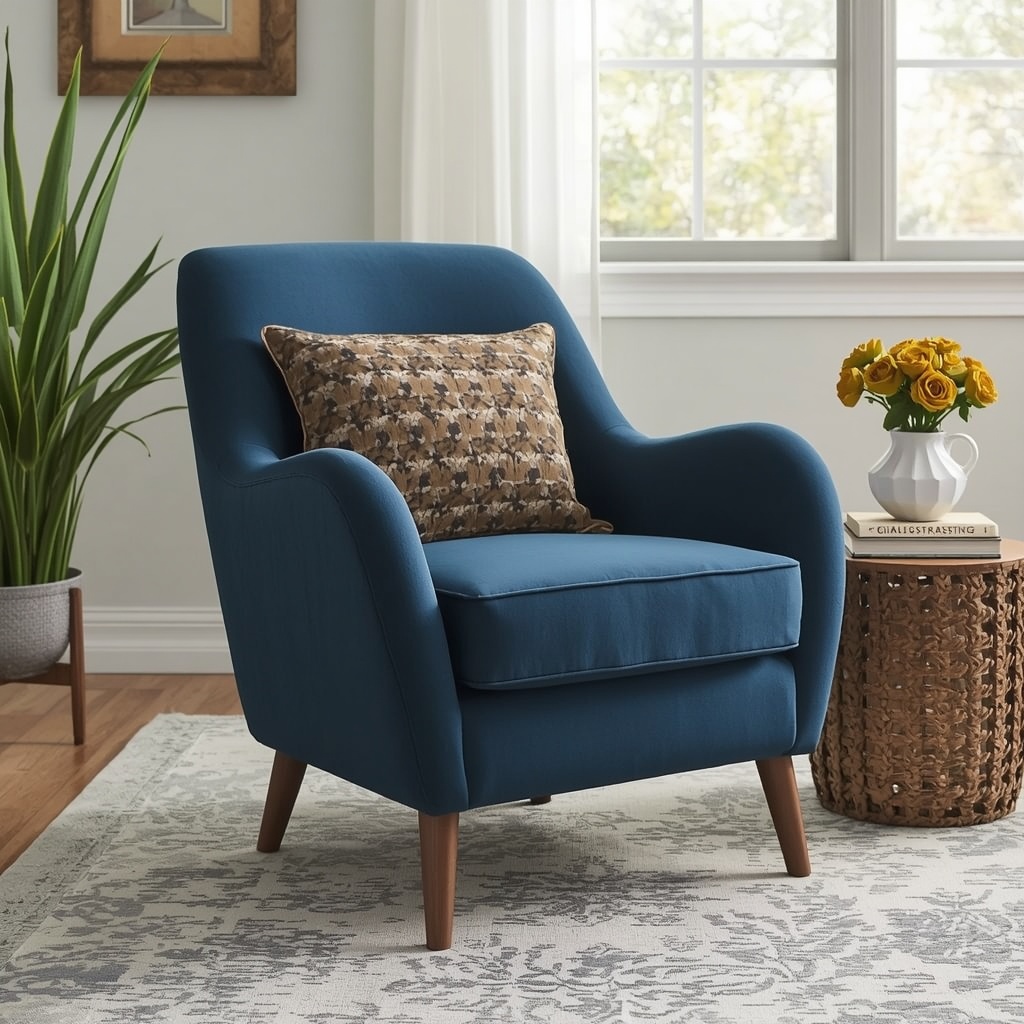
Interior design trends shift constantly, but certain accent chair styles have proven their staying power in American homes. Below is a snapshot of the most requested styles designers are working with right now:
| Style | Description | Ideal Room Aesthetic |
|---|---|---|
| Barrel Chair | Rounded back, cocoon-like shape | Modern, transitional, Scandinavian |
| Wingback Chair | Tall back with side “wings” | Traditional, classic, colonial |
| Slipper Chair | Low profile, no arms, streamlined | Small spaces, contemporary |
| Swivel Accent Chair | Rotates for flexible conversation | Open-concept, family-friendly homes |
| Bergère Chair | Upholstered sides, wooden frame | French country, transitional |
| Papasan/Sculptural Chair | Unique artistic shape | Bohemian, eclectic, maximalist |
Each of these silhouettes can be brought to life in a bold hue or pattern, but pairing the right shape with your home’s existing architecture and furnishings will make the biggest difference in how polished the final result feels.
Budget Considerations: Investment Piece vs. Statement Find
One question I hear constantly from clients is whether a bold accent chair is worth splurging on. The honest answer depends on how central the piece will be to your room’s design and how long you intend to keep it.
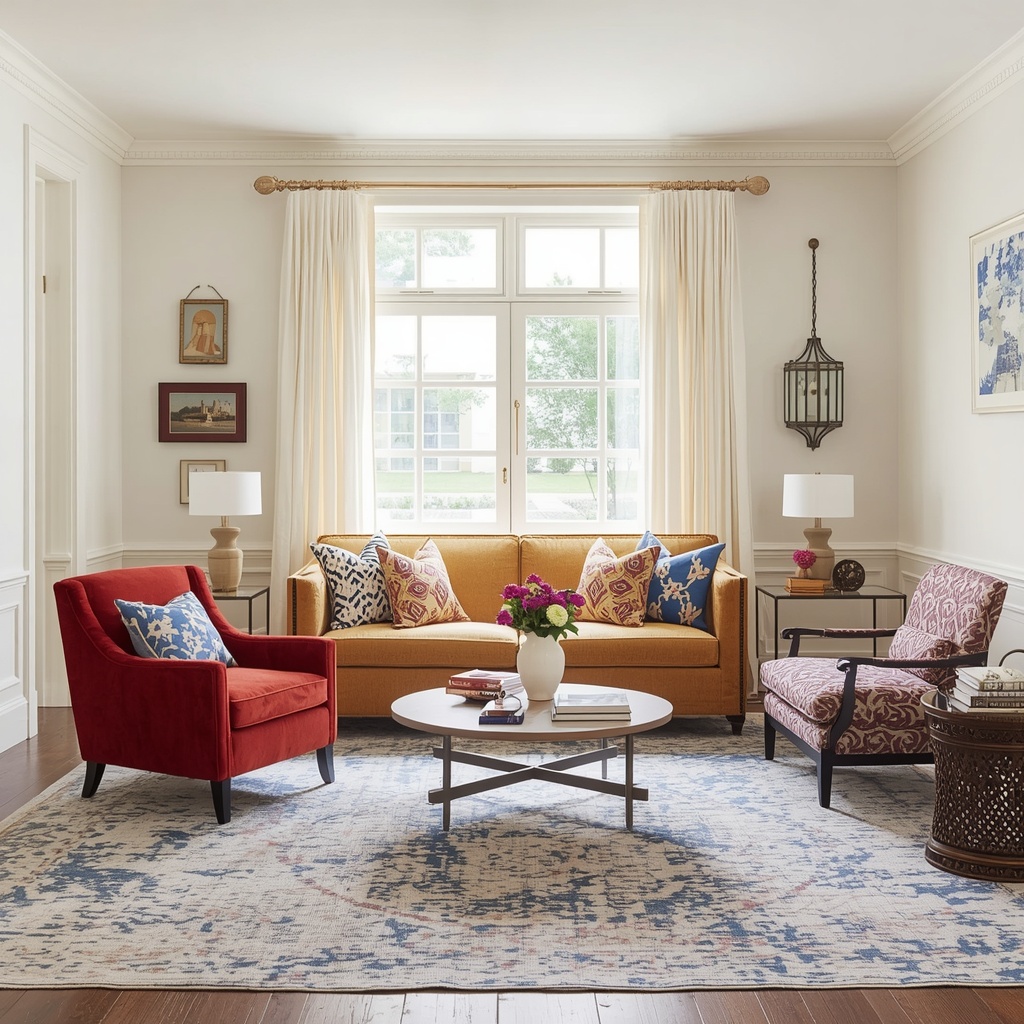
If the chair will serve as the primary focal point of a frequently used living room, investing in higher-quality construction — solid hardwood frames, kiln-dried lumber, and performance fabric upholstery — will pay off in both durability and long-term style. Performance fabrics, in particular, have become increasingly popular among American homeowners with pets or young children, since they resist stains and wear far better than traditional velvet or linen.
On the other hand, if you’re using the chair to experiment with a trend you’re not fully committed to, a more affordable option allows you the flexibility to swap it out down the road without financial regret. Many budget-friendly retailers now offer surprisingly well-made accent chairs in bold colorways, making this trend accessible regardless of your budget tier.
For those researching options, reputable retailers such as West Elm, Article, and Wayfair all carry extensive collections of statement accent chairs across a range of price points, from budget-conscious to designer-level investment pieces.
Common Mistakes to Avoid With Statement Chairs
Even with the best intentions, a few recurring mistakes can undercut the impact of an otherwise stunning accent chair. Being aware of these pitfalls ahead of time can save you from a costly redo.
- Choosing a chair that’s too large or too small for the scale of the room
- Placing the chair in a location with no clear function or sightline
- Matching the chair’s color too literally to another item, which flattens the contrast
- Overloading the room with multiple competing statement pieces at once
- Ignoring comfort in favor of aesthetics alone, especially for chairs that will see daily use
- Failing to consider natural light, which can dramatically shift how a bold color reads throughout the day
Avoiding these missteps often comes down to slowing down during the planning phase. Before purchasing, it’s worth photographing the intended spot in your room at different times of day to see how natural and artificial light interact with your chosen color.
Final Thoughts: Let One Chair Do the Talking
A bold accent chair is one of the rare design investments that delivers outsized visual impact relative to its cost and footprint. It allows homeowners to experiment with color, pattern, and personality without the commitment of repainting walls or replacing an entire furniture suite.
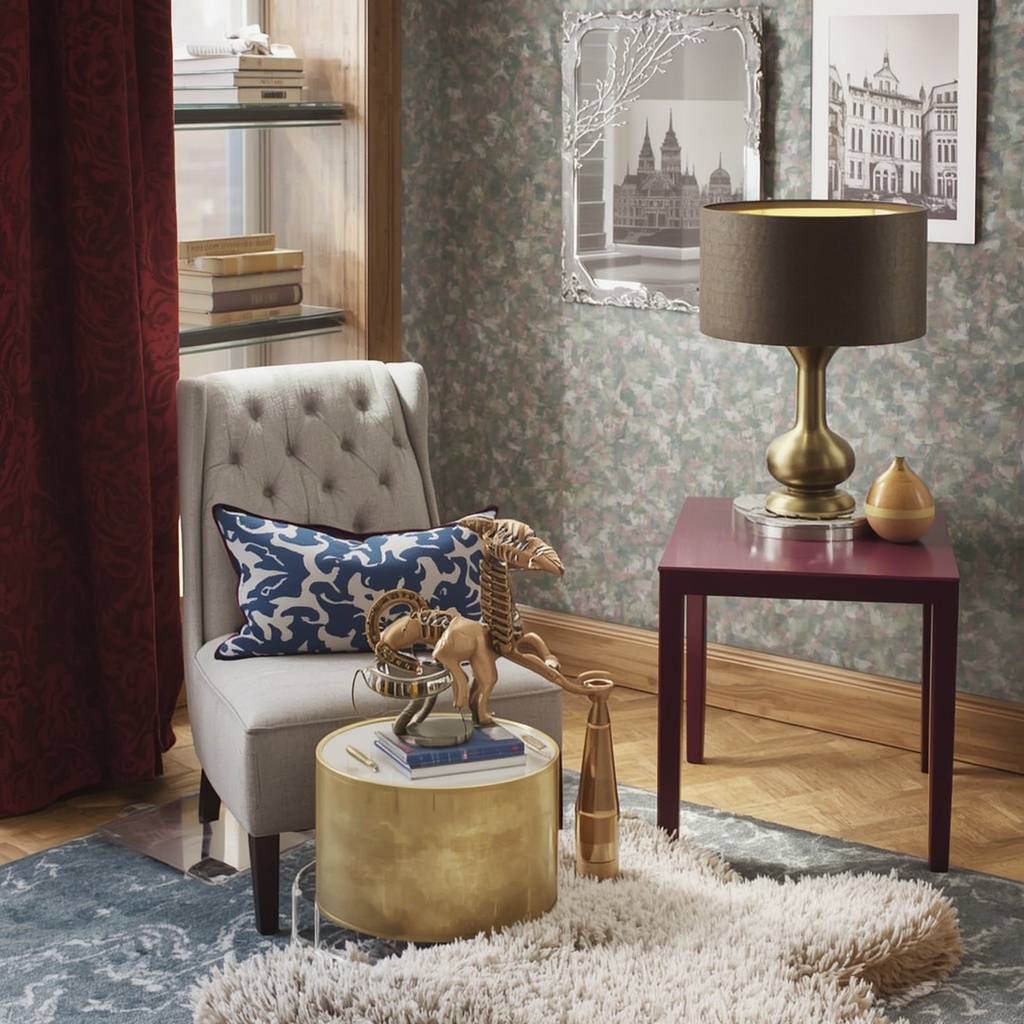
The most successful living rooms I’ve designed almost always include one piece that feels a little unexpected — a chair that doesn’t quite match anything else, yet somehow makes the whole room feel finished. That’s the magic of a well-chosen statement chair: it doesn’t just fill a corner, it gives your living room a point of view.
Whether you gravitate toward a jewel-toned velvet barrel chair, a graphic printed slipper chair, or a sculptural piece with an unforgettable silhouette, the right bold accent chair can turn an ordinary living room into a space that genuinely feels like you.