
By a home decor and interior design specialist | Meta description: Discover space-saving nursery ideas for small bedrooms, from convertible cribs to vertical storage, color tricks, and safe layouts that grow with your baby.
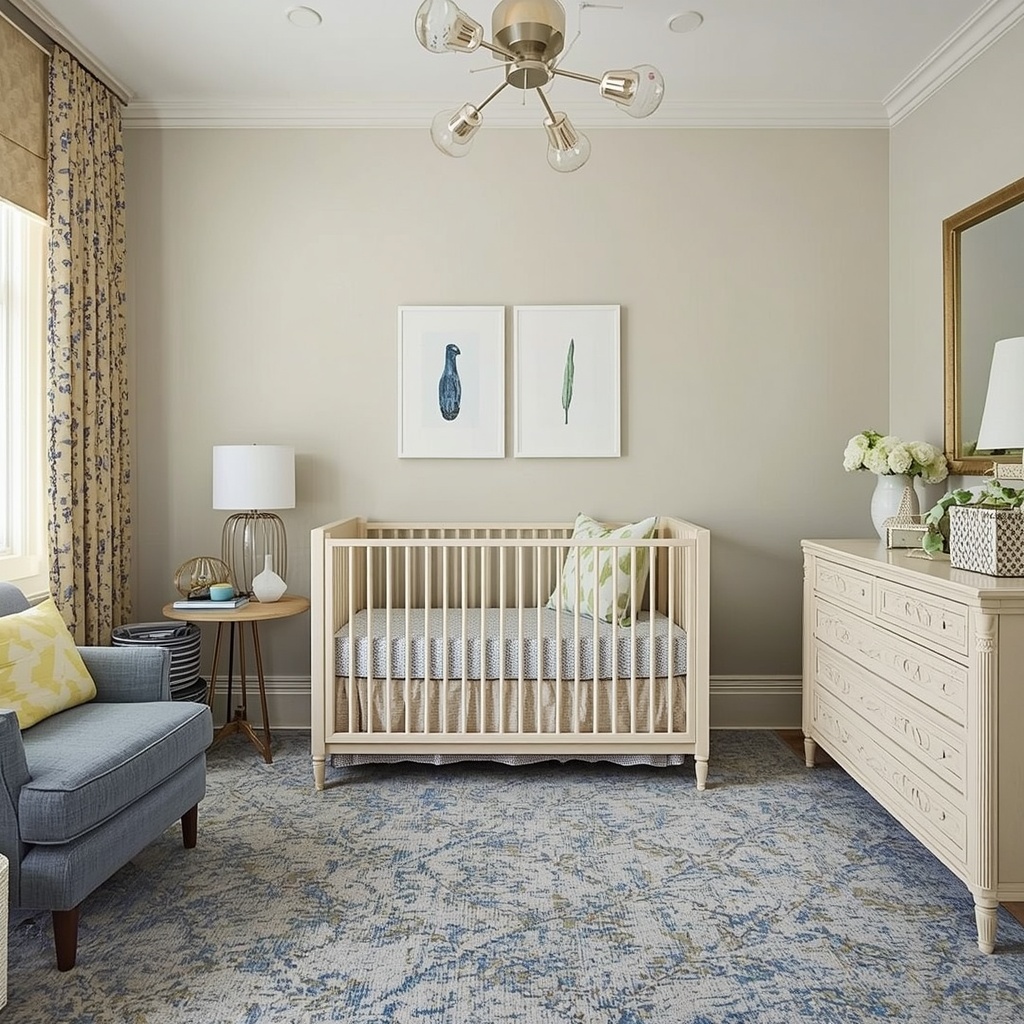
Welcome home to the most exciting design project of your life. If you are expecting and your nursery is a modest 8-by-10 room, a converted closet, or a corner of your own bedroom, take a breath. Some of the most charming, functional baby rooms I have designed for American families were also the smallest. Square footage is never the real limit; planning is.
A small nursery simply asks you to be more intentional. Every piece has to earn its spot, every wall can work harder, and every choice should still feel calm and beautiful at 3 a.m. In this guide, you will find small nursery ideas, layout formulas, storage tricks, and safety reminders to help you build a space that is cozy, clutter-free, and ready to grow with your child.
1. Start With a Smart Layout Plan
Before you buy a single item, measure the room, including the door swing, window placement, closet depth, and vents. Sketch a simple floor plan on graph paper or use a free online room planner. The golden rule of small nursery layout is to keep a clear walking path from the doorway to the crib, because you will cross that path in the dark many times.
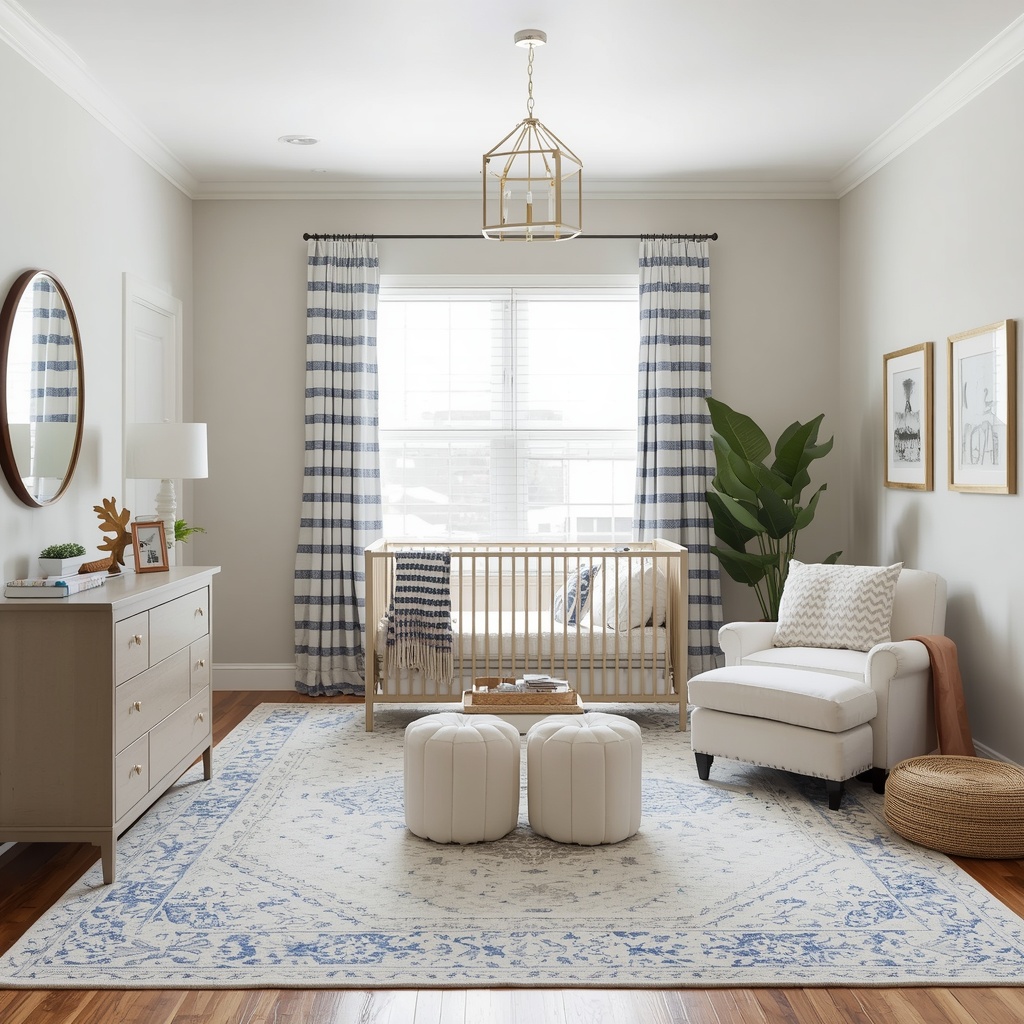
Place the crib first, since it is your largest and most important piece. Position it away from windows, heating vents, and cords, then arrange the changing area and seating around it. Keep the center of the room open, and push furniture to the perimeter so the space feels larger and calmer.
“In a small room, the floor is your most valuable real estate. Protect it, and everything else falls into place.”
Quick layout checklist:
- Measure twice, buy once (include ceiling height)
- Keep at least 24–30 inches of clearance beside the crib if possible
- Avoid blocking closet doors, outlets, and windows
- Place tall furniture on the shortest wall to avoid a boxed-in feel
2. Choose a Compact or Convertible Crib
The crib is the anchor of every nursery, so choosing the right one can save you precious inches and future dollars. Mini cribs, typically around 38 by 24 inches, are perfect for tiny bedrooms and fit easily into corners or closets. They are ideal for the first year, though most babies outgrow them around 18 to 24 months.
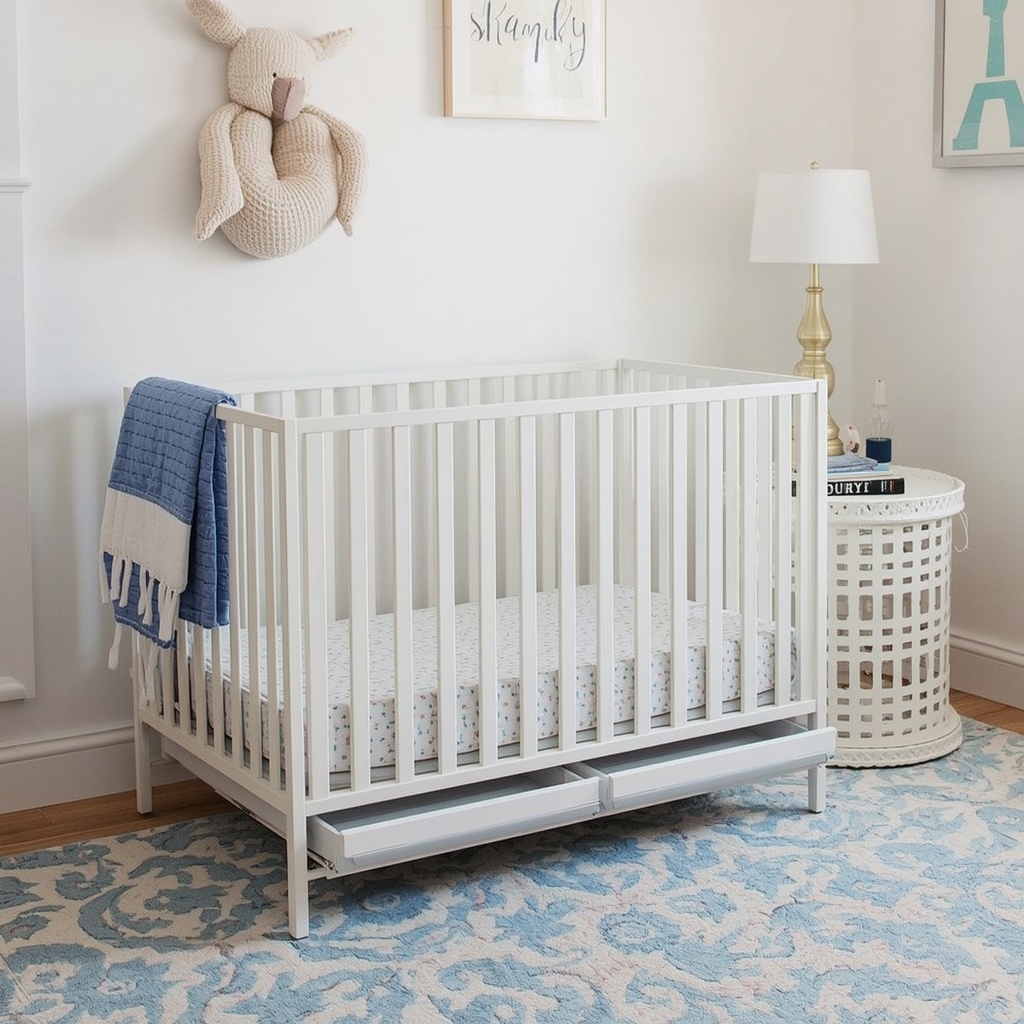
If you prefer a long-term solution, a convertible crib transforms into a toddler bed, daybed, and sometimes a full-size headboard. Look for slim silhouettes with open slats, which let light pass through and visually lighten the room. A crib with built-in storage drawers below can also replace a small dresser.
| Crib Type | Approx. Size | Best For | Pros | Cons |
|---|---|---|---|---|
| Mini crib | 38 x 24 in. | Very small rooms, closets | Compact, portable, budget-friendly | Outgrown sooner |
| Standard crib | 52 x 28 in. | Average rooms | Longer use, more options | Takes more floor space |
| Convertible crib | 52 x 30 in. | Long-term value | Grows into toddler bed | Higher upfront cost |
| Crib with storage | 54 x 30 in. | Tiny rooms, no dresser | Drawers double as storage | Heavier, less portable |
| Bedside sleeper | 30 x 20 in. | Shared parent bedroom | Easy night feeds | Short-term use only |
3. Go Vertical With Walls and Shelves
When the floor runs out, look up. Vertical space is the most underused asset in a small baby room, and it is where creative nursery storage ideas truly shine. Floating shelves, picture ledges, and wall-mounted cabinets keep books, baskets, and keepsakes off the ground while adding personality.
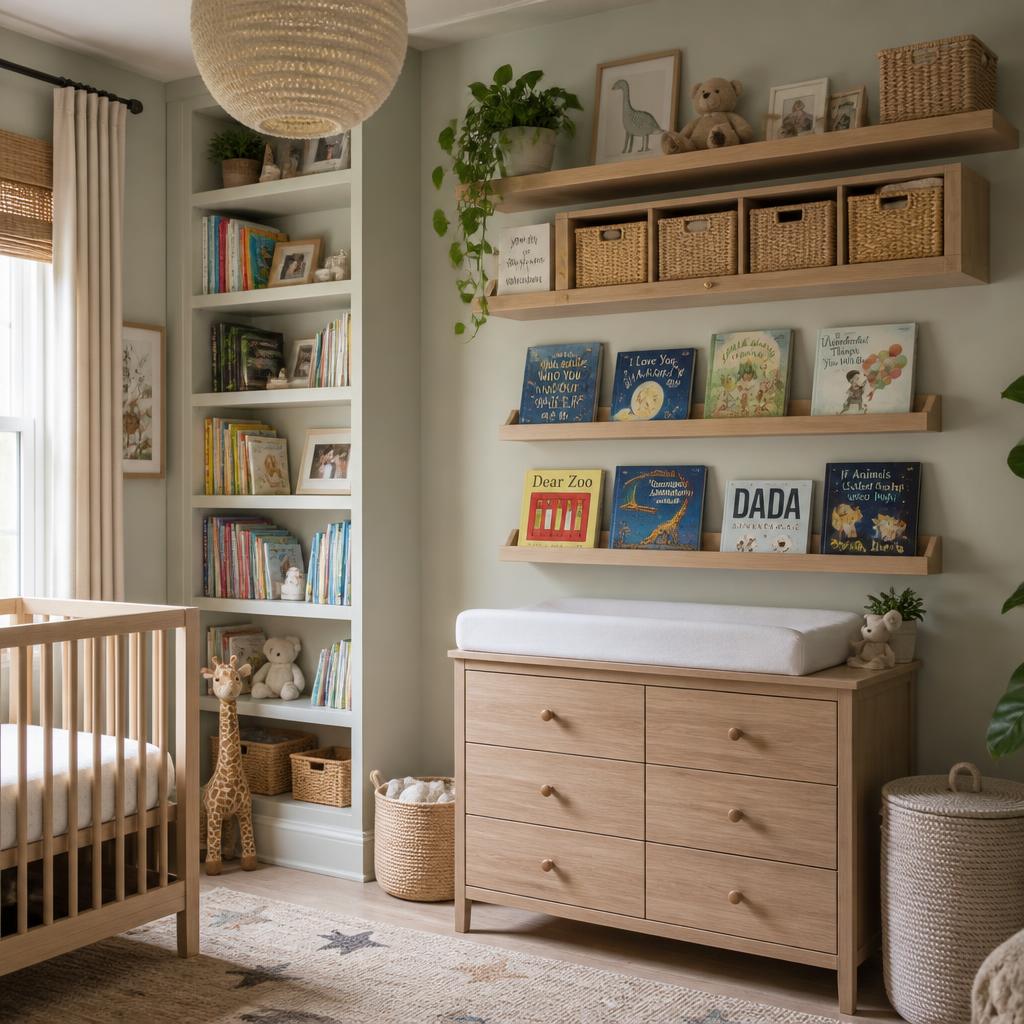
Install shelves above the changing table and well out of baby’s reach, and secure every heavy item to wall studs. Front-facing book ledges are especially charming because they double as art, showing off colorful covers instead of hiding them. Stack tall bookcases on a single wall to create a library feel without eating up floor area.
Pro Tip from the Designer: Hang curtain rods and shelving higher than you think you should. Mounting a rod just below the ceiling draws the eye upward and can make an 8-foot room feel closer to 10. Just make sure all wall-mounted items are anchored securely, and keep anything heavy away from the crib.
4. Turn a Closet Into a Nursery Nook
If your bedroom is truly tiny, a walk-in or reach-in closet can become a sweet baby space. Remove the doors, add a fresh coat of paint or removable wallpaper, and slide in a mini crib. Add a small light fixture and a shelf above for baby essentials. This works beautifully in apartments and older homes where closets are generous.
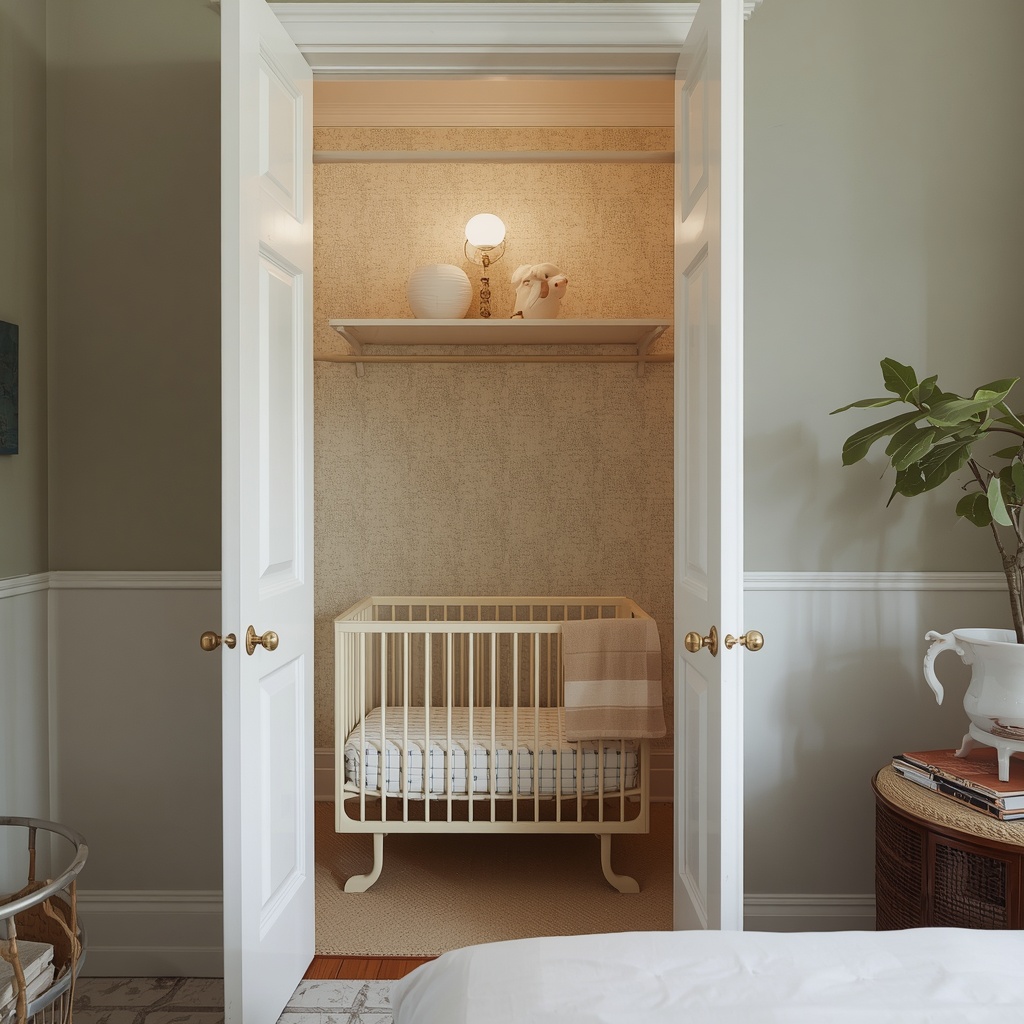
Before you commit, confirm the closet has adequate ventilation and a comfortable temperature, and that there are no hanging cords or hazards. Keep a baby monitor nearby, and plan for the room to revert to a closet once your child grows. A closet nursery is also a great budget-friendly choice since it requires minimal furniture.
- Remove or replace doors with a curtain on a ceiling-mounted track
- Install shelving above crib height for diapers and extras
- Add a soft dimmable light and a night-light
- Use wall decals or wallpaper to create a focal point
5. Embrace Multi-Functional Furniture
In a small nursery, every piece should do double duty. A dresser topped with a contoured changing pad eliminates the need for a separate changing table, and later the pad can be removed to leave a standard dresser. This single swap saves around 10 square feet and keeps the room looking polished.
A glider with a built-in storage ottoman, a bench with a hidden compartment, or a nursing chair with side pockets can hold blankets and burp cloths. Consider a loveseat-sized daybed if the room doubles as a guest space. Choose furniture with raised legs, because you can see the floor underneath and the room feels airier.
“Buy furniture for the child you will have in three years, not just the baby you will bring home.”
6. Smart Storage Solutions for Tiny Nurseries
Babies come with a surprising amount of gear, from diapers and wipes to swaddles, toys, and tiny clothes. The secret to a clutter-free nursery is giving every category a home and using every hidden inch. Start with the dead zones: the space under the crib, behind the door, and above the closet rod.
Fabric bins, labeled baskets, and over-the-door organizers keep things tidy and look pretty doing it. Use drawer dividers to separate sizes, and rotate out clothes your baby has outgrown right away. A well-edited nursery is easier to clean and far less stressful for sleep-deprived parents.
| Storage Solution | Where to Use It | Best For |
|---|---|---|
| Under-crib rolling bins | Beneath crib (check crib clearance) | Extra sheets, seasonal clothes |
| Over-the-door organizer | Back of door | Diapers, wipes, lotions |
| Floating shelves | Above changing area | Books, decor, baskets |
| Hanging closet organizer | Closet rod | Shoes, hats, folded clothes |
| Wall-mounted pockets | Any empty wall | Toys, stuffed animals |
| Dresser drawer dividers | Inside drawers | Onesies, socks, bibs |
| Storage ottoman | Seating area | Blankets, burp cloths |
7. Use Color to Make the Room Feel Bigger
Color is one of the fastest and most affordable ways to stretch a small space. Soft, light, neutral shades such as warm white, pale sage, dusty blue, blush, and creamy beige reflect light and create an open, serene mood. They also pair easily with the nursery decor trends Americans love right now, including boho, modern farmhouse, and Scandinavian minimalism.
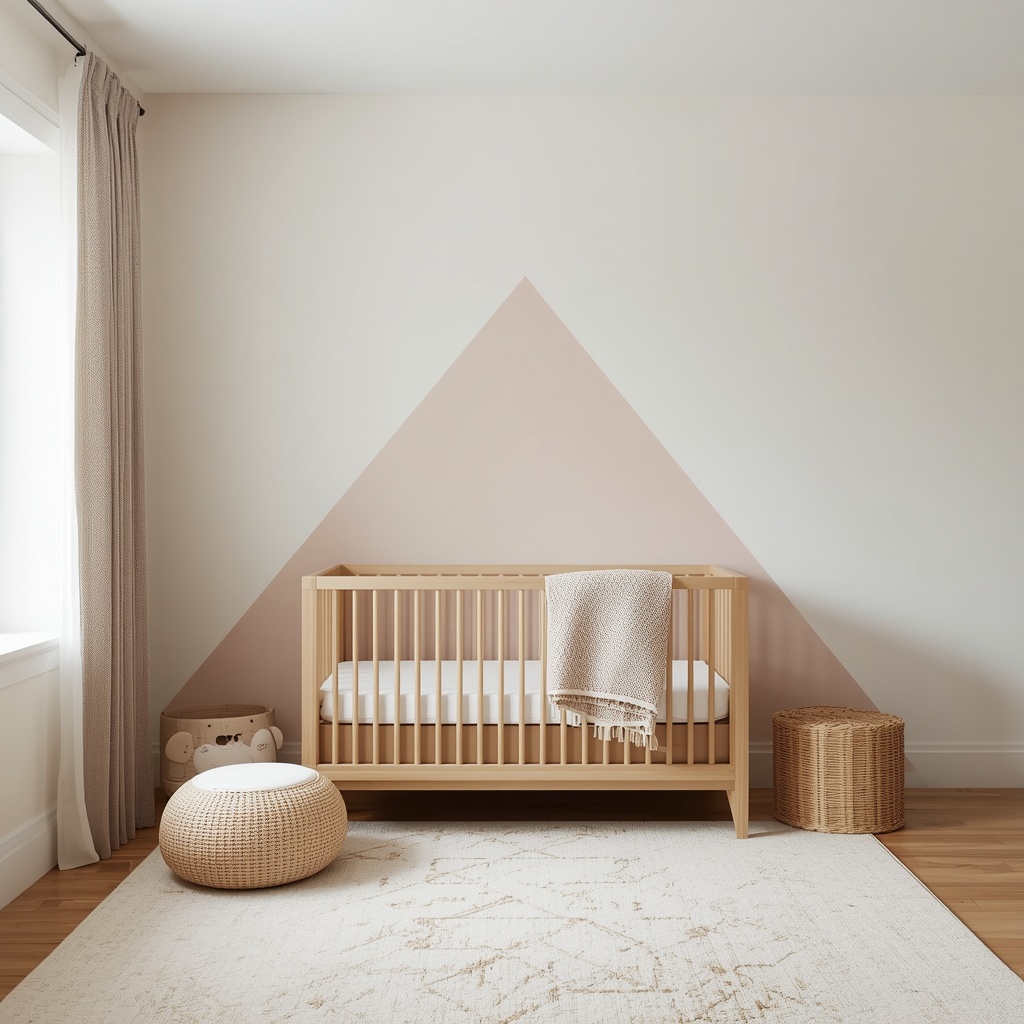
If you love bold color, apply it with intention. Paint one accent wall behind the crib, or use a patterned wallpaper on a single surface so the room feels interesting without feeling cramped. Painting the ceiling a pale tint of the wall color can also soften corners and make the room feel cohesive and taller.
Favorite small nursery color palettes:
- Warm white, soft gray, and natural wood
- Sage green, cream, and light oak
- Dusty blue, ivory, and brushed gold
- Blush pink, oatmeal, and woven rattan
- Soft terracotta, sand, and white linen
8. Layer Lighting and Window Treatments
Good lighting makes a small nursery feel warm and spacious. Maximize natural daylight by keeping windows clear and using light, airy curtains for the day. Pair them with blackout shades or cordless blackout curtains for naps, because a dark room helps your baby sleep better and your design stays functional.
Layer your artificial lighting in three levels: soft ambient light overhead, a task lamp near the glider, and a low-glow night-light for midnight feeds. Dimmer switches are a lifesaver. Wall sconces save table space, and plug-in versions work well for renters. Always choose cordless window treatments to keep your baby safe.
9. Safety Comes First in Small Spaces
Small rooms can make safety easier because there is less to monitor, but they also require careful planning around clearance. Always follow current guidance for a safe sleep environment: a firm, flat mattress, a fitted sheet, and nothing else in the crib. The American Academy of Pediatrics offers excellent safe sleep guidance at HealthyChildren.org, and the U.S. Consumer Product Safety Commission shares crib standards and recall information at CPSC.gov.
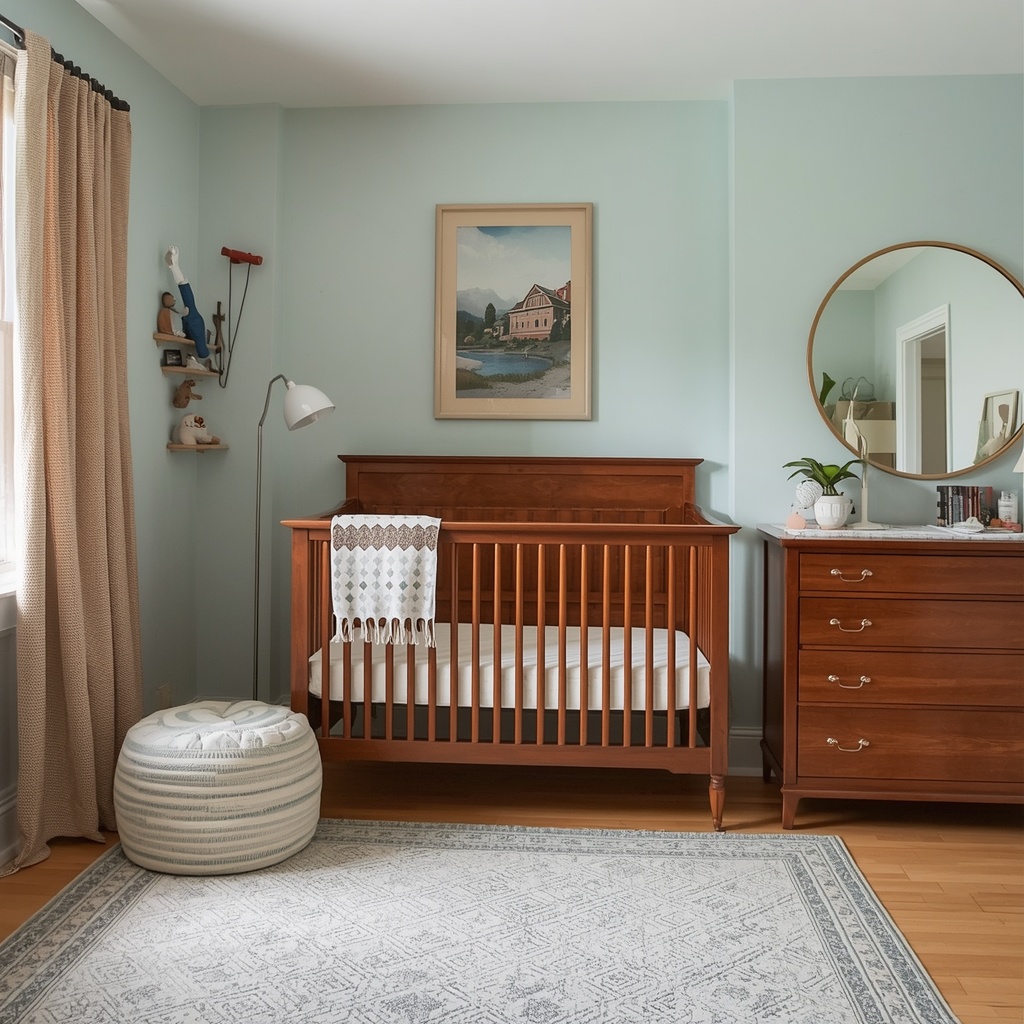
Secure every dresser, bookcase, and tall shelf to the wall with anti-tip hardware, since furniture tip-overs are a real hazard in homes with toddlers. Keep the crib away from windows, curtain cords, and wall-mounted decor. Check for recalls on every secondhand item before you bring it home.
“A beautiful nursery is wonderful, but a safe nursery is non-negotiable.”
10. Shared Bedroom Nursery Ideas
Many American families start with the baby sleeping in the parents’ room, and that is perfectly fine for the early months. The key is to define a baby zone so the space still feels like your adult retreat. A slim bassinet or bedside sleeper keeps your little one within arm’s reach while taking minimal space.
Use a bookcase, folding screen, or curtain to create a subtle visual divider. Stick to a cohesive color scheme so the baby corner blends with your bedroom decor rather than competing with it. A compact dresser at the foot of the bed can hold baby clothes and serve as the changing station, saving a whole piece of furniture.
11. Ideas for Siblings Sharing a Room
If your new arrival is joining an older child, a shared room can be a lovely bonding space with the right design. Bunk beds or loft beds for the older sibling free the floor for a crib below or beside. Choose neutral bedding that works for any age so the room feels unified.
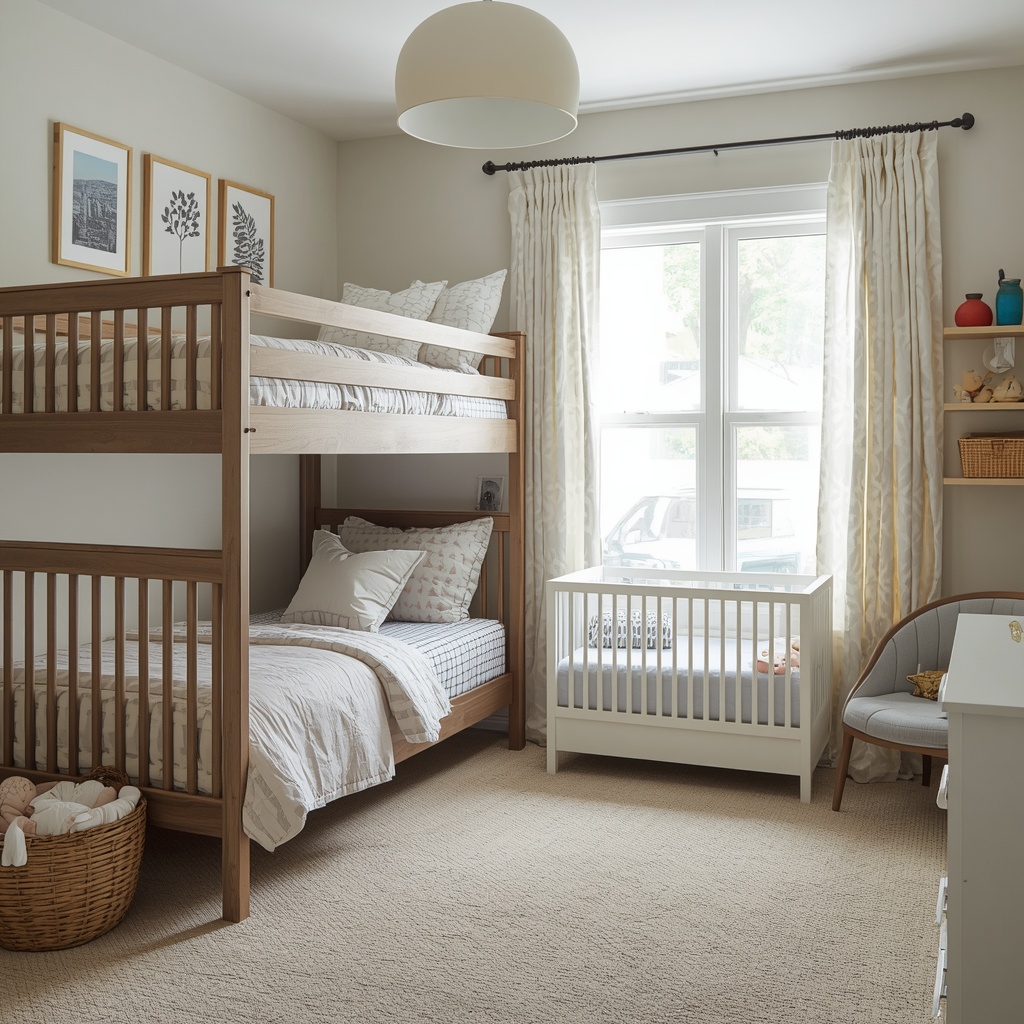
Give each child a small personal zone, such as their own shelf, basket, or wall hook, so everyone feels ownership. Use a white-noise machine and blackout curtains to protect each child’s sleep schedule. As they grow, a trundle bed or modular storage can adapt to new needs without a full redesign.
12. Decor That Adds Charm Without Clutter
Decor should feel curated rather than crowded in a small baby room. Choose a few meaningful focal points: a framed print above the crib, a woven wall hanging, or a gallery of three to five small frames. Keep pieces slightly oversized rather than many tiny items, since one large piece reads as calmer than a dozen small ones.
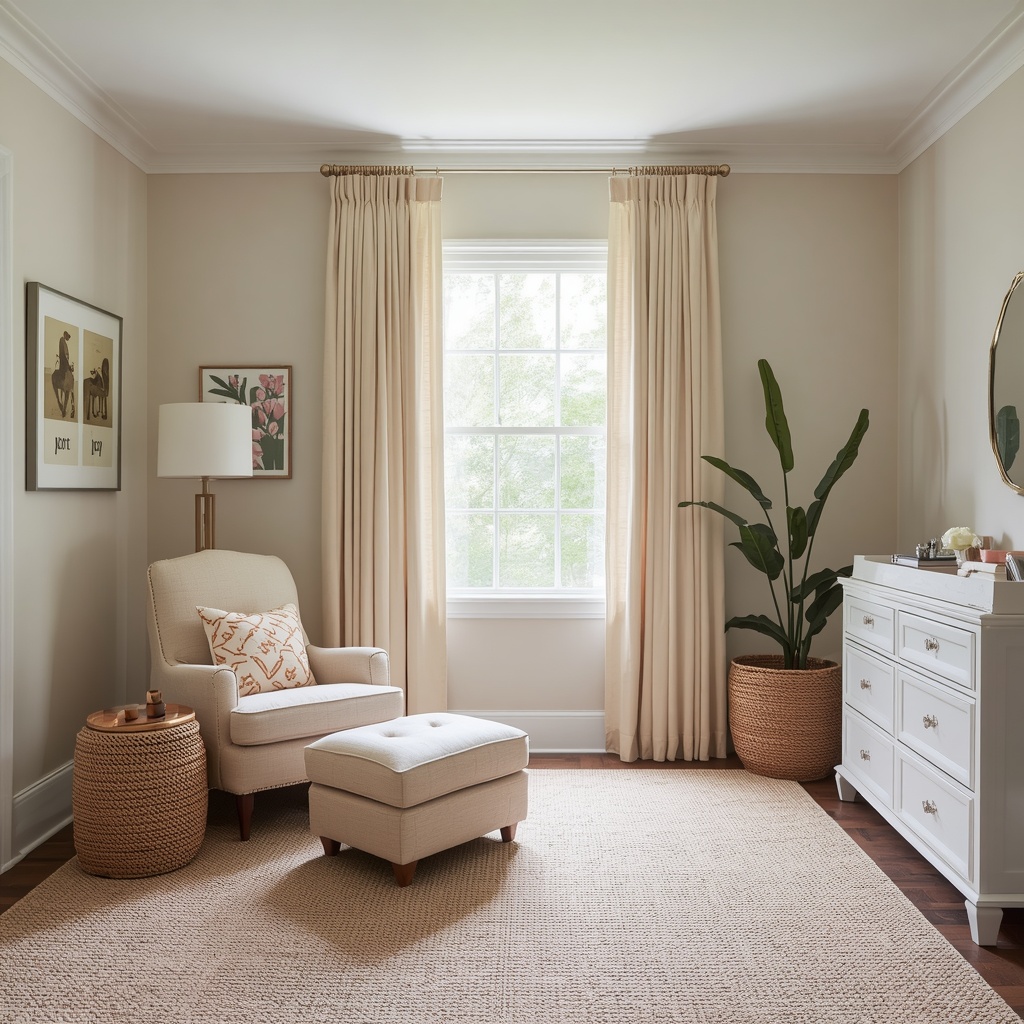
Soft textiles bring comfort and personality. Add a washable rug in a light pattern, a cozy throw over the glider, and one or two pillows (for the chair only, never in the crib). A round mirror reflects light and bounces brightness around the room, making it feel much larger.
13. Smart Budget Tips for Small Nurseries
A small nursery does not have to cost a fortune. Because you need fewer pieces, you can invest in quality items you will actually use. Prioritize a safe crib, a comfortable chair, and good storage, and save on decor with DIY projects, thrifted frames, and peel-and-stick wallpaper.
| Item | Budget Option | Splurge Option | Where to Save |
|---|---|---|---|
| Crib | Mini crib ($150–$250) | Convertible crib ($400–$800) | Skip extras like matching sets |
| Dresser | Secondhand with new pulls | Custom changing dresser | Add a changing pad topper |
| Glider | Compact armchair | Premium swivel glider | Buy gently used (check condition) |
| Wall decor | DIY art, printables | Custom wallpaper | Peel-and-stick options |
| Storage | Fabric bins, baskets | Built-in shelving | Use what you already own |
14. Common Small Nursery Mistakes to Avoid
Even experienced decorators make mistakes in tight spaces. The biggest error is buying a matching furniture set in full-size proportions, which can overwhelm a small room. Mix and match scaled-down pieces instead, and always measure before ordering online.
Another common mistake is ignoring the future. A theme-heavy nursery can feel dated within a year, while a timeless base of neutral walls, quality furniture, and swappable accents will grow with your child. Finally, avoid overbuying baby gear. You will quickly learn what you truly use, and your small space will thank you.
- Skipping measurements and ordering oversized furniture
- Blocking the path to the crib or door
- Using heavy dark colors on every wall
- Forgetting to anchor tall furniture
- Overstocking supplies that outgrow their usefulness
Frequently Asked Questions
What is the best crib for a small nursery? A mini crib or a slim convertible crib is usually best. Mini cribs fit tight spaces, while convertible models offer longer use.
Can a closet really work as a nursery? Yes, as long as it is well ventilated, safe, and free of hazards. Many families use closet nooks successfully in apartments.
How do I make a small nursery look bigger? Use light colors, hang curtains high, choose furniture with legs, add a mirror, and keep the floor clear.
What is the best way to organize baby clothes in a small room? Use drawer dividers, rotate out outgrown sizes, and store off-season items in under-crib bins or high closet shelves.
Final Thoughts: Small Space, Big Love
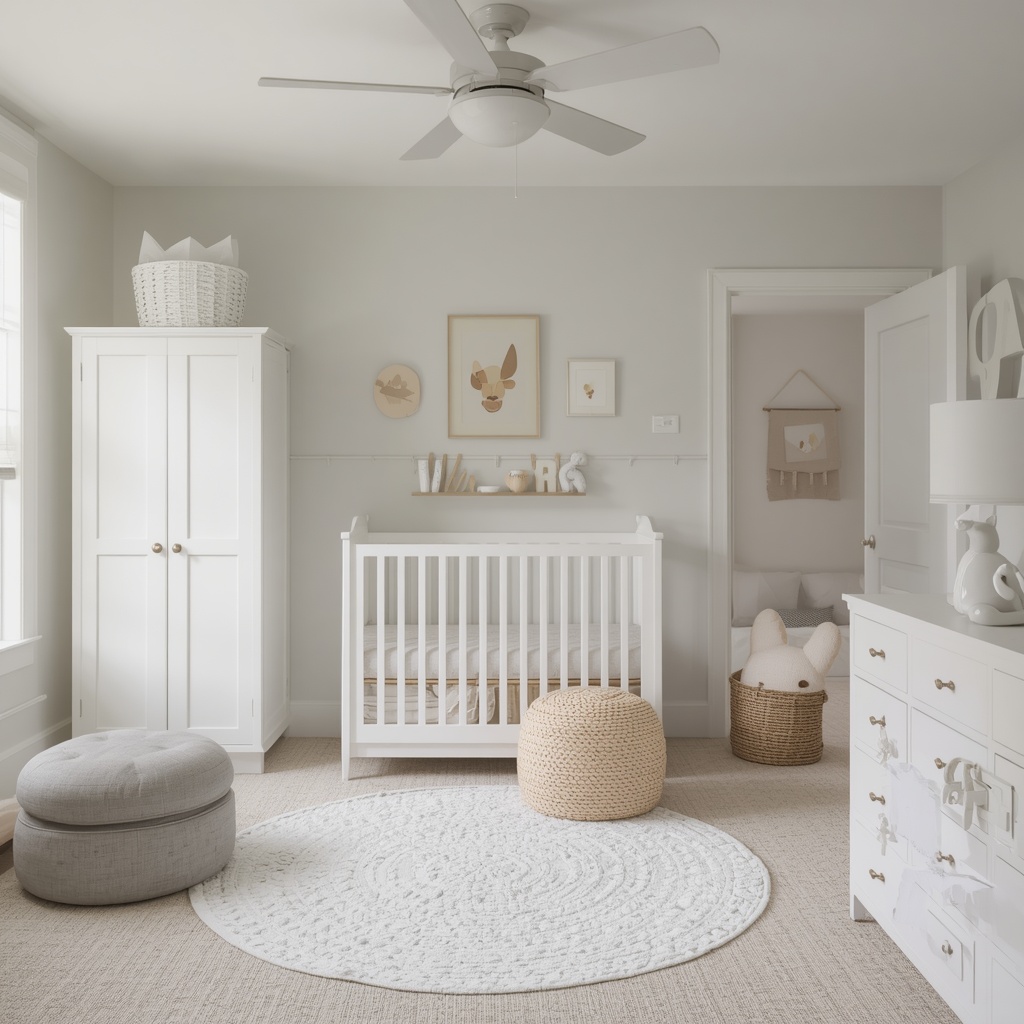
A small nursery is not a compromise; it is an opportunity to design with purpose. With a compact crib, vertical storage, multi-functional furniture, soft light colors, and a safety-first mindset, even the coziest bedroom can become a dreamy retreat for your baby. Start with your layout, edit ruthlessly, and let your personal style shine through.
Remember that the most beautiful nursery is the one that feels peaceful to you and safe for your child. Take your time, enjoy the process, and trust your instincts. For more inspiration on small-space baby rooms, browse trusted retailers like IKEA, Pottery Barn Kids, and Target’s nursery collection, then tailor each idea to your own home.