
Small windows are a design puzzle most of us face. Maybe you have a narrow bathroom window, a compact kitchen window over the sink, a basement egress, or a cozy bedroom dormer. These windows can feel awkward, and the wrong window treatment makes them look even smaller, darker, and more cluttered than they really are.
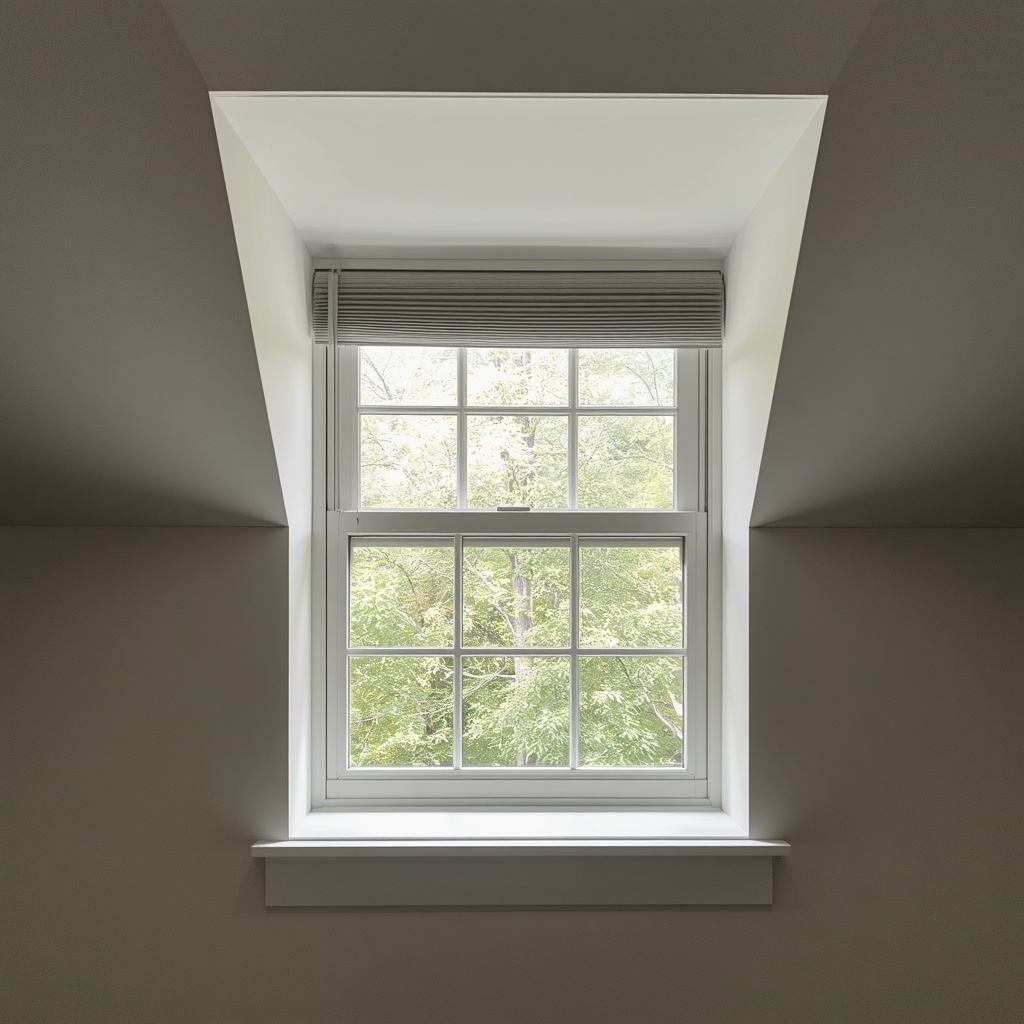
The good news is that choosing the right window blinds for small windows is easier than it seems once you know the rules. The right blind can add privacy, control light, improve energy efficiency, and make a tiny window look intentional and polished. In this guide, I will walk you through measuring, choosing styles, picking colors, and avoiding the mistakes I see most often in client homes.
“A small window is not a problem to hide. It is a feature to frame.” — A designer’s rule of thumb
Why Small Windows Need a Smarter Approach
Large windows forgive almost any treatment. Small windows do not. Heavy fabrics, bulky headrails, and oversized valances eat up precious glass and visually shrink the opening. Every inch of your window treatment matters, and so does every ray of daylight you let through.
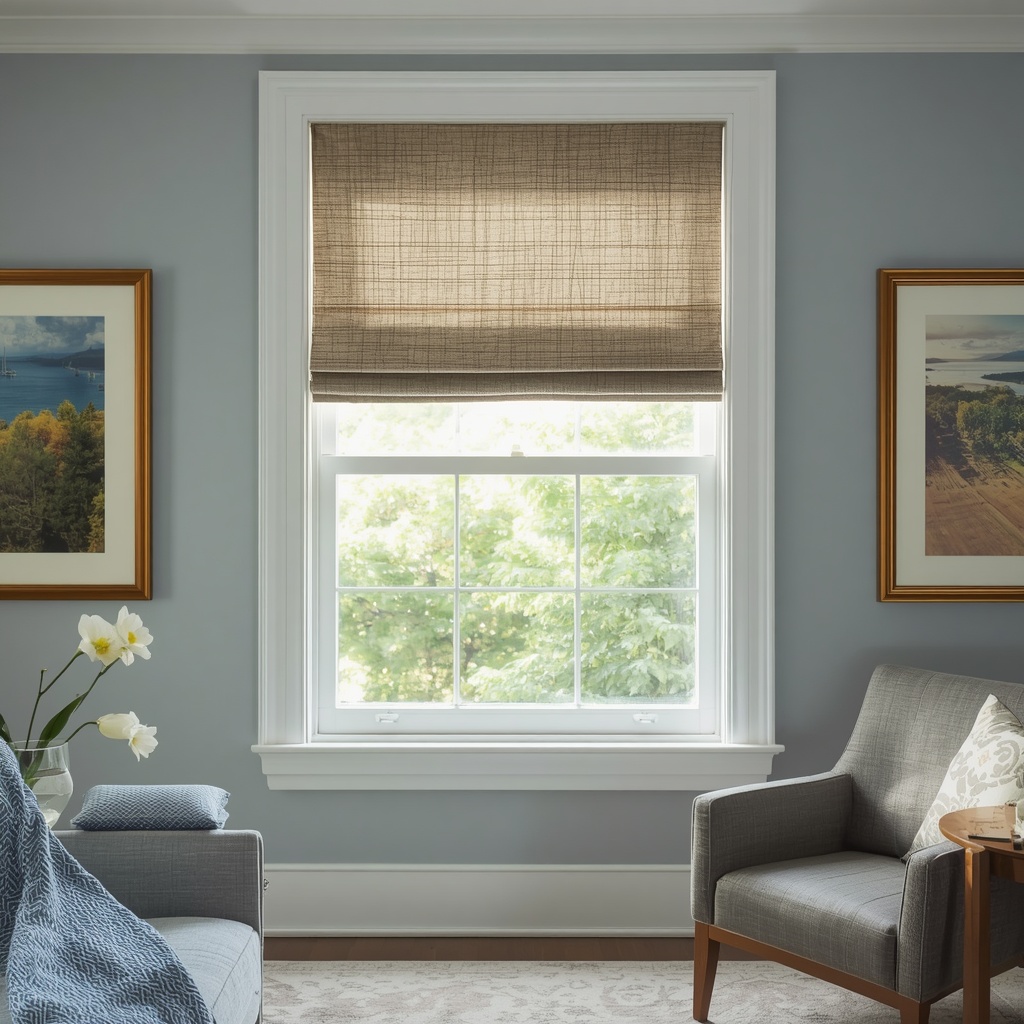
The goal with small window blinds is balance. You want enough coverage for privacy and glare control, but you also want to keep the window feeling open and bright. Think of the blind as the frame around a picture: it should enhance the view, not overpower it.
Small windows also tend to show up in high-use spaces such as bathrooms, kitchens, laundry rooms, and hallways. That means your blinds need to handle moisture, grease, and frequent use. Style matters, but function comes first.
Step One: Measure Your Small Windows Accurately
Before you fall in love with any blind, grab a steel tape measure. Custom and stock blinds both depend on precise measurements, and a quarter-inch mistake can leave gaps or cause the blind to jam. Measure in three spots (top, middle, and bottom) for width, and in three spots (left, center, right) for height.
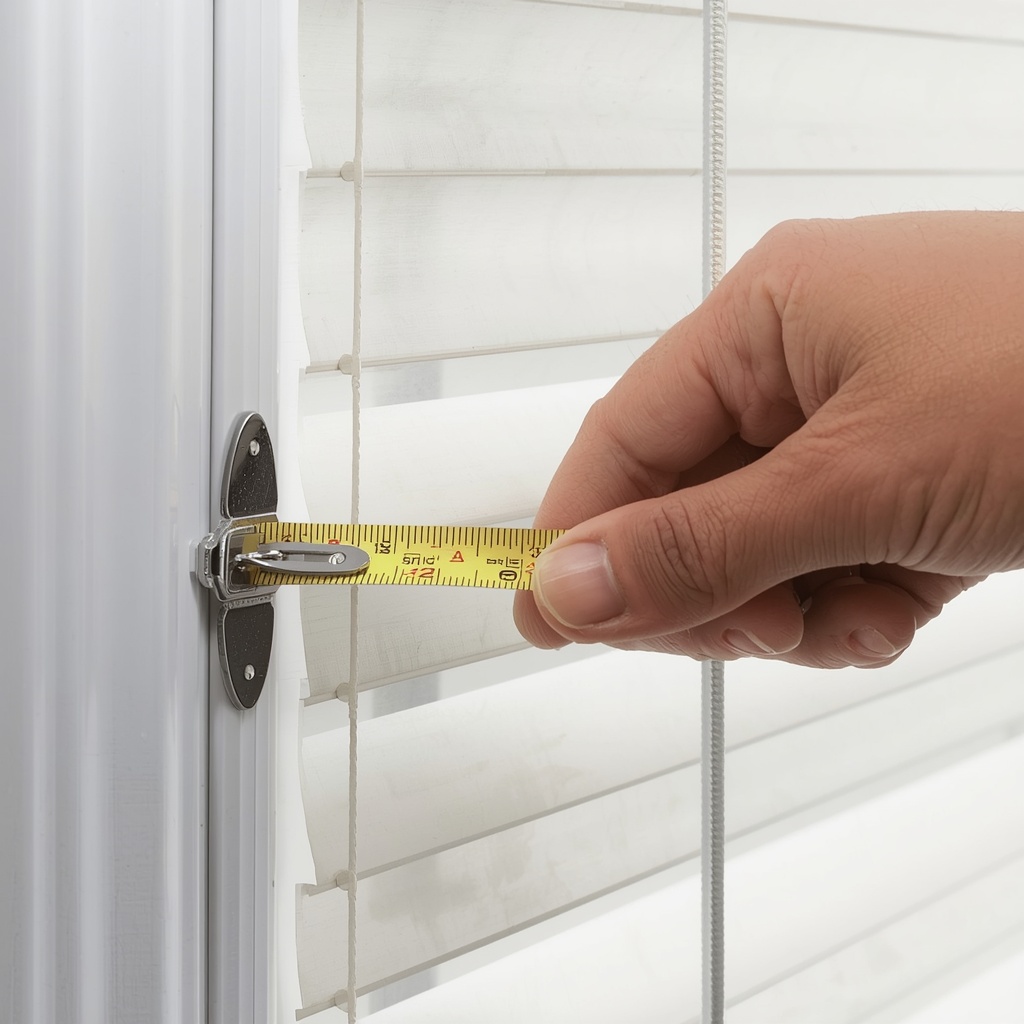
Use the narrowest width measurement for an inside mount and the widest for an outside mount. Write your numbers down to the nearest eighth of an inch, and double-check them. Most retailers will not accept returns on custom sizes, so accuracy saves money.
Inside Mount vs. Outside Mount
This choice changes how your small window looks more than almost any other decision.
| Feature | Inside Mount | Outside Mount |
|---|---|---|
| Placement | Fits within the window frame | Mounts on the wall or trim above and around the window |
| Best for | Clean, tailored look; deep window frames | Making a window look larger; shallow frames |
| Light gaps | Small gaps at the sides are common | Better light blocking and privacy |
| Visual effect | Highlights architectural trim | Adds perceived width and height |
| Minimum frame depth | Usually 1.5 to 3 inches, depending on the blind | Not required |
If you want a small window to look bigger, an outside mount is usually the better trick. Extending the blind two to four inches beyond the frame on each side makes the opening feel wider. If you love your trim or have a deep sill, an inside mount keeps things crisp and uncluttered.
The Best Types of Blinds for Small Windows
Not every blind style suits a small space. Here are the options I recommend most often, along with where they shine.
1. Cellular (Honeycomb) Shades
Cellular shades are slim, soft, and incredibly efficient. Their honeycomb pockets trap air, which helps insulate the window against heat and cold. They stack tightly when raised, so they barely cover the glass. They are a favorite for bedrooms, nurseries, and drafty older homes.
2. Roller Shades
Roller shades offer a flat, minimalist look with almost no visual bulk. Choose a sheer or light-filtering fabric to keep the window glowing, or a blackout fabric for bedrooms. They roll up into a compact tube, which keeps your small window looking clean.
3. Roman Shades
Roman shades add softness and texture, which small rooms often lack. In a flat-fold style, they look tailored and modern. Use a lightweight fabric in a solid color or subtle pattern so the shade does not overwhelm the window.
4. Faux Wood Blinds
If the window is in a bathroom or kitchen, faux wood blinds resist moisture, warping, and cracking. Choose slats of 1 inch or 1.5 inches for small windows. Two-inch slats can look chunky and leave fewer slat lines to read as elegant detail.
5. Mini Blinds (Aluminum or Vinyl)
Mini blinds with 1-inch slats are budget-friendly, lightweight, and surprisingly stylish in modern finishes. They give you precise control over light angles and work well for utility rooms, home offices, and rental spaces.
6. Woven Wood and Bamboo Shades
For warmth and organic texture, woven shades are hard to beat. Choose a lighter natural tone for small windows, since dark weaves can feel heavy. Pair them with a privacy liner when you need extra coverage.
7. Pleated Shades
Pleated shades are slim, affordable, and available in very small custom sizes. They are an excellent solution for odd-shaped or narrow windows, such as those flanking a front door.
Quick Comparison of Small Window Blinds
| Blind Type | Light Control | Insulation | Moisture Resistance | Visual Bulk | Price Level |
|---|---|---|---|---|---|
| Cellular shades | Excellent | Excellent | Moderate | Low | Mid-range |
| Roller shades | Very good | Good | Good (vinyl or polyester) | Very low | Budget to mid-range |
| Roman shades | Good | Good | Low | Medium | Mid-range to premium |
| Faux wood blinds | Excellent (tilt) | Good | Excellent | Medium | Mid-range |
| Mini blinds | Excellent (tilt) | Fair | Good | Low | Budget |
| Woven wood shades | Moderate | Moderate | Low | Medium | Mid-range to premium |
| Pleated shades | Good | Good | Moderate | Very low | Budget |
Choose Colors and Patterns That Make Windows Feel Bigger
Color is one of the most powerful tools in your small window decor toolkit. As a general rule, light and bright shades visually expand a space, while dark tones pull it inward. White, cream, soft gray, and pale neutrals reflect light and make the window blend into the wall.
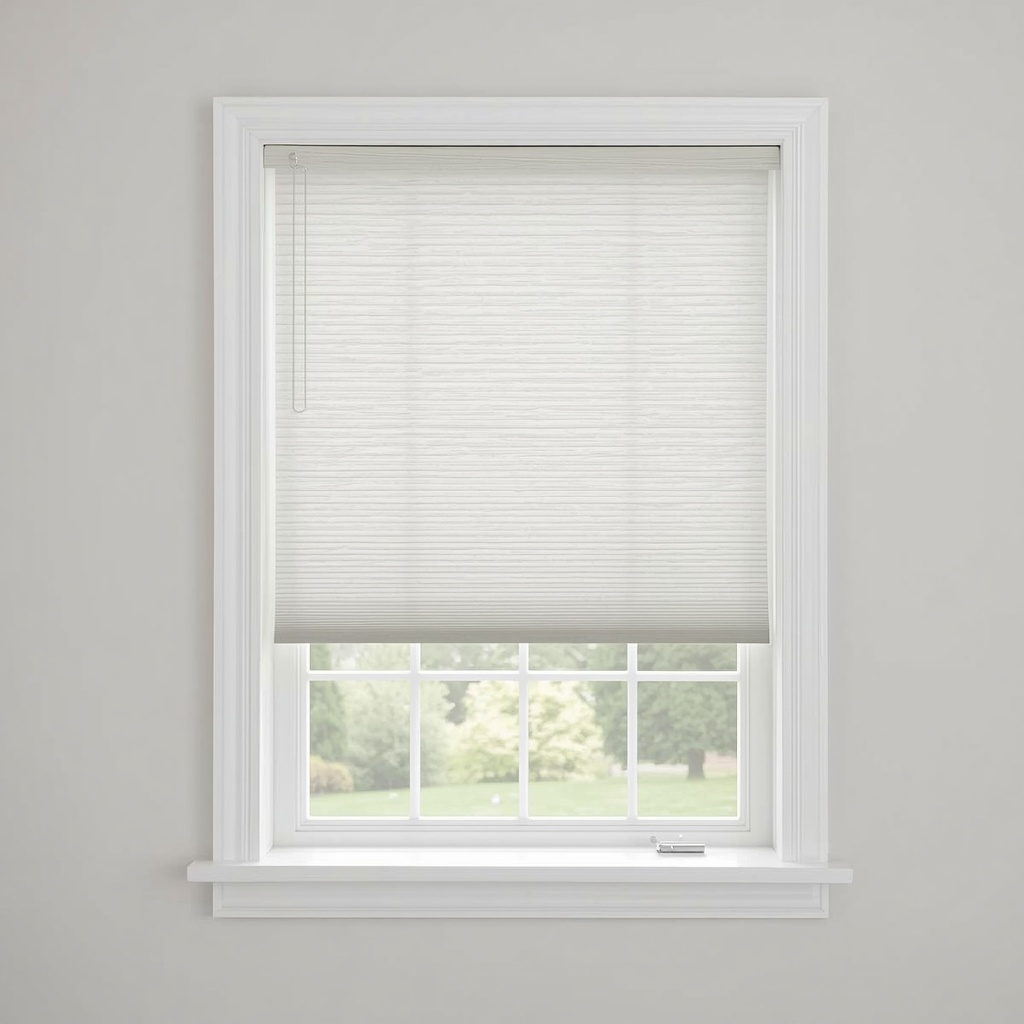
Matching your blind color to your wall color is a classic designer trick. When the blind and the wall are the same tone, the window seems to dissolve into the room and appear larger. If you prefer contrast, choose a blind that is slightly lighter than the wall rather than darker.
Color and pattern tips for small windows:
- Go light and tonal. Soft whites and warm neutrals reflect daylight.
- Pick vertical interest carefully. Subtle vertical stripes can make a short window feel taller.
- Keep patterns small and quiet. Oversized prints overwhelm tight spaces.
- Use texture instead of pattern. A linen-look fabric adds depth without visual noise.
- Save bold color for the room, not the window. Let pillows, art, and rugs carry the drama.
If you love color, a deep tone can work in a bathroom or powder room where you want a moody, jewel-box effect. Just keep the style simple and the lines clean.
Match Light Control to the Room
How much light you want to let in depends entirely on how the room is used. Window blinds typically fall into three categories: light filtering, room darkening, and blackout. Sheer options exist too, offering privacy during the day while keeping views soft and bright.
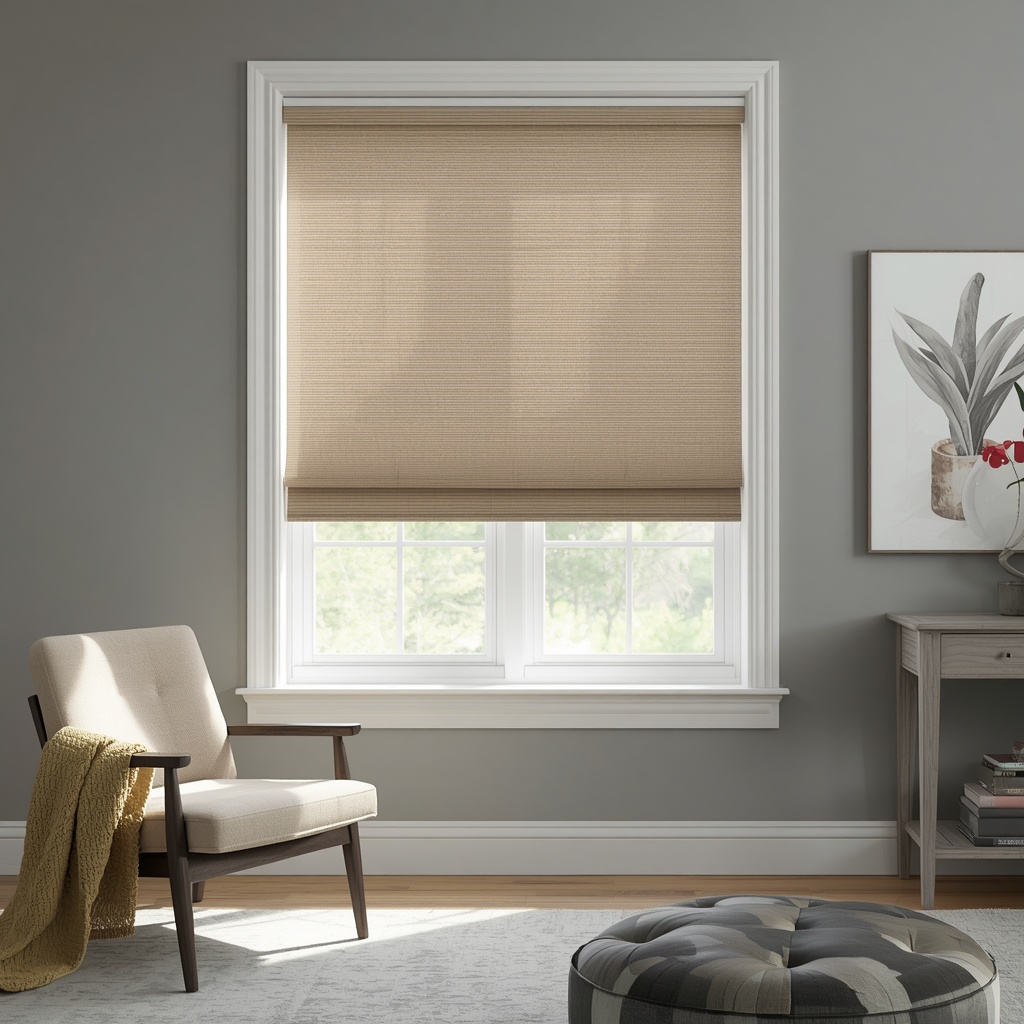
Think about the direction the window faces, too. South and west windows get intense afternoon sun, so you may want UV-blocking fabrics. North-facing windows are dimmer, so lighter and more open fabrics help you keep as much natural light as possible.
| Room | Recommended Light Control | Best Blind Styles |
|---|---|---|
| Bathroom | Light filtering with privacy | Faux wood, vinyl roller, cellular |
| Kitchen | Light filtering, easy to clean | Faux wood, roller, mini blinds |
| Bedroom | Room darkening or blackout | Blackout cellular, blackout roller |
| Nursery | Blackout, cordless | Cordless cellular, roller |
| Home office | Glare reduction | Solar roller, light-filtering cellular |
| Entryway or sidelight | Privacy with light | Pleated, sheer roller |
| Basement | Privacy and moisture resistance | Faux wood, vinyl roller |
Room-by-Room Guide to Small Window Blinds
Bathrooms
Privacy is the top priority in a bathroom, and humidity is the main enemy. Choose moisture-resistant materials like faux wood, PVC, or coated polyester. Avoid real wood and natural fibers, which can warp or mildew. A top-down, bottom-up shade is a smart option because it lets you lower the top for daylight while keeping the bottom covered.
Kitchens
A small window over the sink needs a blind that is easy to wipe clean and will not get in the way of faucets or counters. Short roller shades, mini blinds, and faux wood blinds are practical choices. Cordless operation is a real convenience when your hands are wet or full.
Bedrooms
Sleep quality depends on darkness, so look for blackout or room-darkening options. For small bedroom windows, a blackout cellular shade provides excellent light blocking and insulation in a slim profile. Consider adding side channels or an outside mount to reduce light leaks around the edges.
Living Spaces and Home Offices
In spaces where you want daylight, choose light-filtering fabrics that soften glare without blocking the view. Solar shades are a great fit for home offices because they cut screen glare while keeping the outdoors visible.
Design Tricks to Make Small Windows Look Larger
Blinds can do more than cover glass. With a few clever placement choices, you can trick the eye into seeing a bigger window.
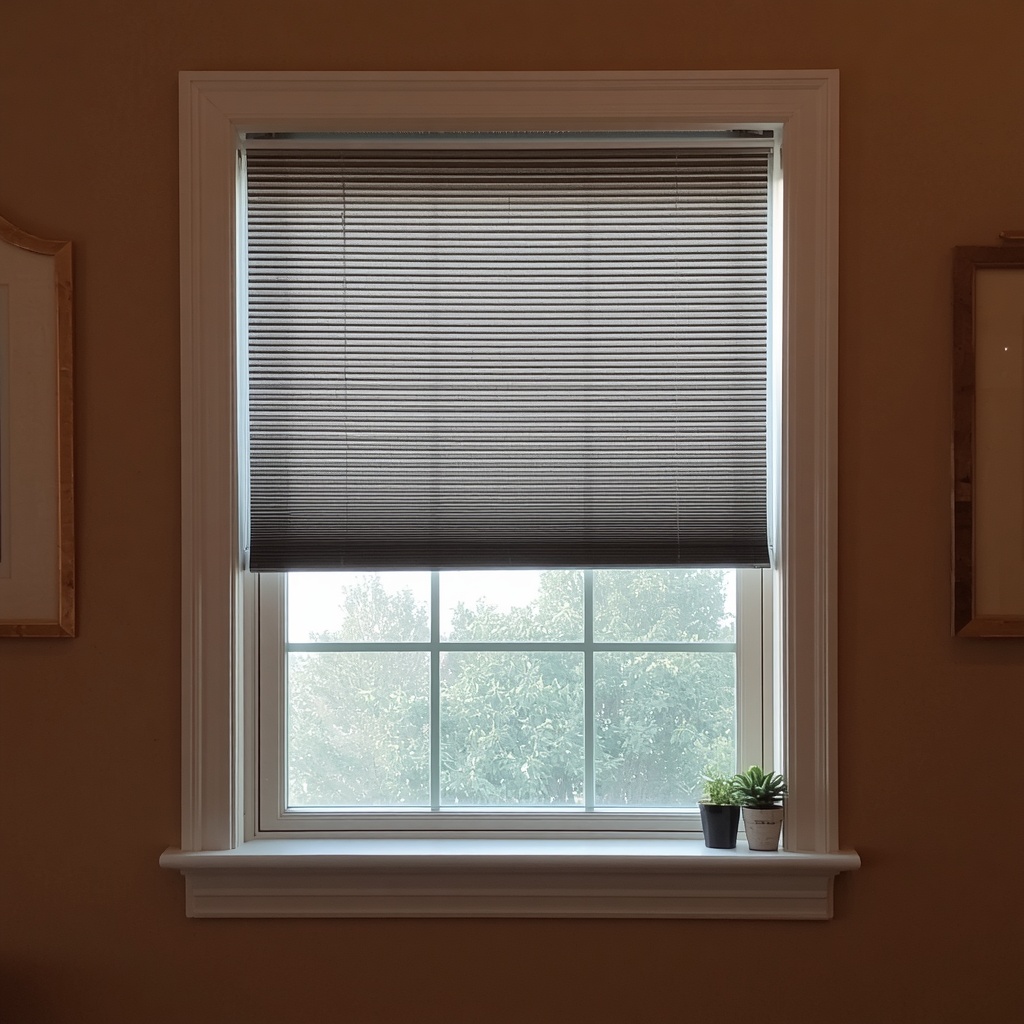
- Mount high. Install your headrail or bracket a few inches above the window frame, closer to the ceiling. This creates the illusion of height.
- Extend the width. Let the blind overlap the frame by two to four inches on each side.
- Stack tight. Choose styles that raise fully and stack compactly so they reveal as much glass as possible.
- Add layered curtains. Hang simple panels at the outer edges of the window to frame it without covering the glass.
- Skip heavy valances. A bulky valance or cornice can shrink a small window quickly.
- Keep hardware slim. Choose a narrow headrail or a fabric-wrapped cassette valance for a streamlined finish.
“Mount high, extend wide, and keep it light. That is the small window formula.”
Pro Tip From an Interior Designer
Pro Tip: Before you buy, tape the outline of your planned blind on the wall with painter’s tape. Extend the tape a few inches past the window frame and above it. Step back and look at it from across the room at different times of day. This simple test shows you exactly how mounting height and width will change the look of your window, and it costs nothing. I use this trick with nearly every client.
Prioritize Safety: Go Cordless
If you have children or pets, cordless is the smartest choice. Dangling cords are a recognized strangulation hazard, and the U.S. Consumer Product Safety Commission has worked with manufacturers to promote safer window coverings. Today, cordless and motorized options are widely available at every price point, even for small windows.
You can learn more about window covering safety guidance directly from the U.S. Consumer Product Safety Commission. Look for products labeled cordless or with inaccessible cords, and always mount any remaining cords securely out of reach.
Think About Energy Efficiency
Small windows can still leak heat in winter and let in warmth in summer. According to the U.S. Department of Energy’s guide to window coverings, well-chosen window treatments can reduce unwanted heat gain and help limit heat loss. Cellular shades are especially effective because of their insulating air pockets.
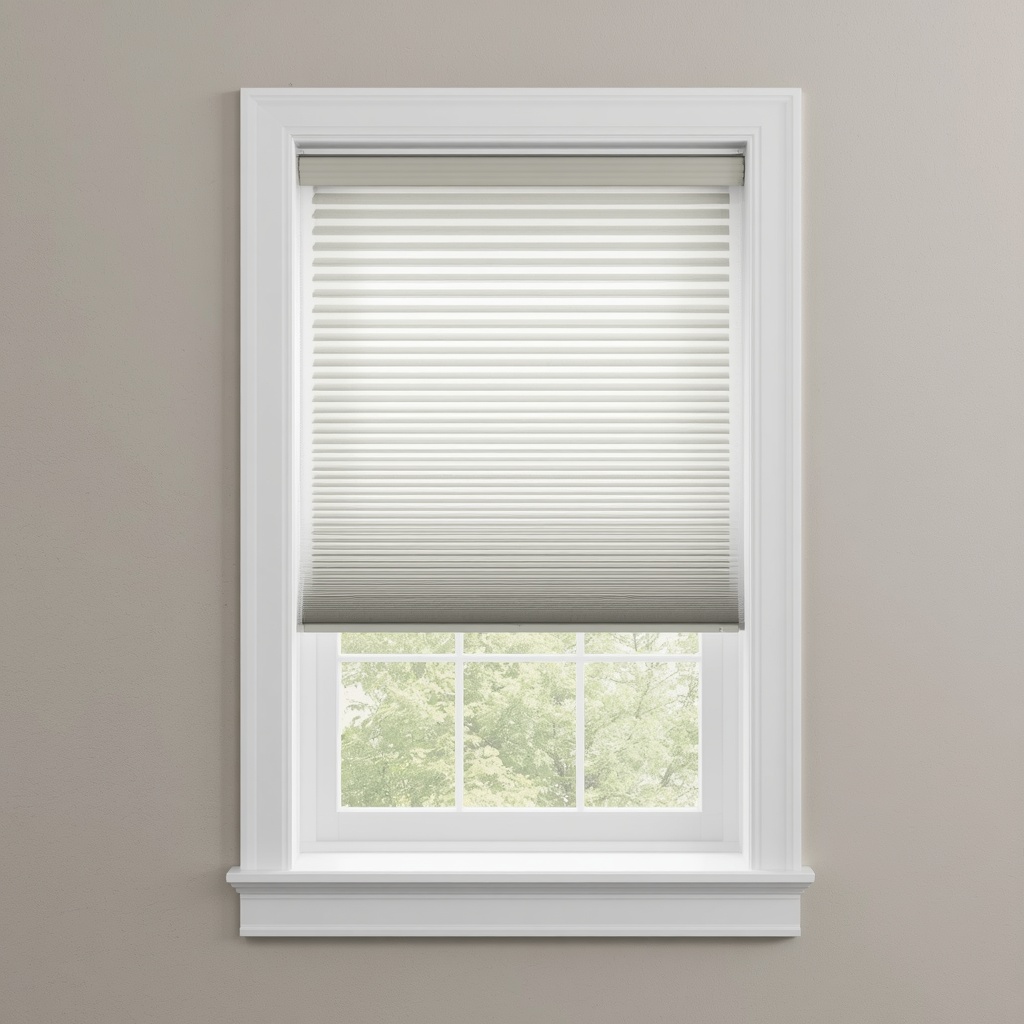
If you live in a hot climate, such as the Southwest or Florida, reflective or solar-rated fabrics help cut cooling costs. In colder regions like the Midwest and Northeast, cellular shades with a tight fit offer an extra layer of insulation. Pair your blinds with weatherstripping for the best results.
Budget Guide: What Small Window Blinds Cost
Small windows have an advantage: they require less material, so you can often afford higher-quality products. Here is a general idea of what to expect in the U.S. market, though prices vary by retailer, size, and customization.
| Budget Level | Typical Cost Per Window (USD) | What You Get |
|---|---|---|
| Budget | 15 to 40 dollars | Stock-size mini blinds or vinyl roller shades |
| Mid-range | 40 to 120 dollars | Faux wood blinds, cordless cellular shades, custom-cut roller shades |
| Premium | 120 to 350 dollars or more | Custom Roman shades, woven wood, motorized options |
If you rent, consider tension-mounted or no-drill blinds. They install in minutes, protect your deposit, and can move with you to your next home.
Common Mistakes to Avoid
After years of helping homeowners, I see the same missteps again and again. Avoid these and your small windows will look sharp.
- Skipping measurements. Guessing leads to light gaps and returns.
- Choosing slats that are too wide. Stick to 1-inch or 1.5-inch slats for tight spaces.
- Ignoring moisture. Real wood and fabric do not belong in steamy bathrooms.
- Overdressing the window. Too many layers make a small window feel crowded.
- Forgetting about cord safety. Choose cordless wherever possible.
- Picking dark colors in dim rooms. Light tones keep small spaces bright.
- Hanging blinds too low. Mounting at the frame line makes the window look shorter.
Frequently Asked Questions
What is the best blind for a very small window?
For most homes, a cordless cellular shade or a simple roller shade is the best all-around choice. Both are slim, stack compactly, and offer excellent light control without adding visual clutter.
Should small window blinds be inside or outside mount?
Choose an outside mount if you want the window to look larger or need better light blocking. Choose an inside mount for a clean, built-in look when your window frame is deep enough.
What color blinds make a small window look bigger?
Light, neutral colors that match or slightly lighten your wall color make small windows feel larger and brighter. Avoid heavy dark tones in small rooms with limited natural light.
Can I use curtains and blinds together on small windows?
Yes. Slim blinds paired with lightweight panels hung wide and high can make a small window feel grand. Keep the curtains at the sides of the frame so they do not cover glass when open.
How do I clean blinds in a small kitchen or bathroom window?
Faux wood and vinyl blinds wipe clean with a damp microfiber cloth. For cellular shades, use a handheld vacuum on a low setting or a soft duster to avoid damaging the fabric.
Final Thoughts: Small Windows, Big Style
Choosing window blinds for small windows comes down to a few smart decisions: measure carefully, pick a slim and practical style, keep colors light, and mount with the illusion of size in mind. Whether you go with cordless cellular shades, a crisp roller, or moisture-proof faux wood, the right blind will make your small window look intentional and beautiful.
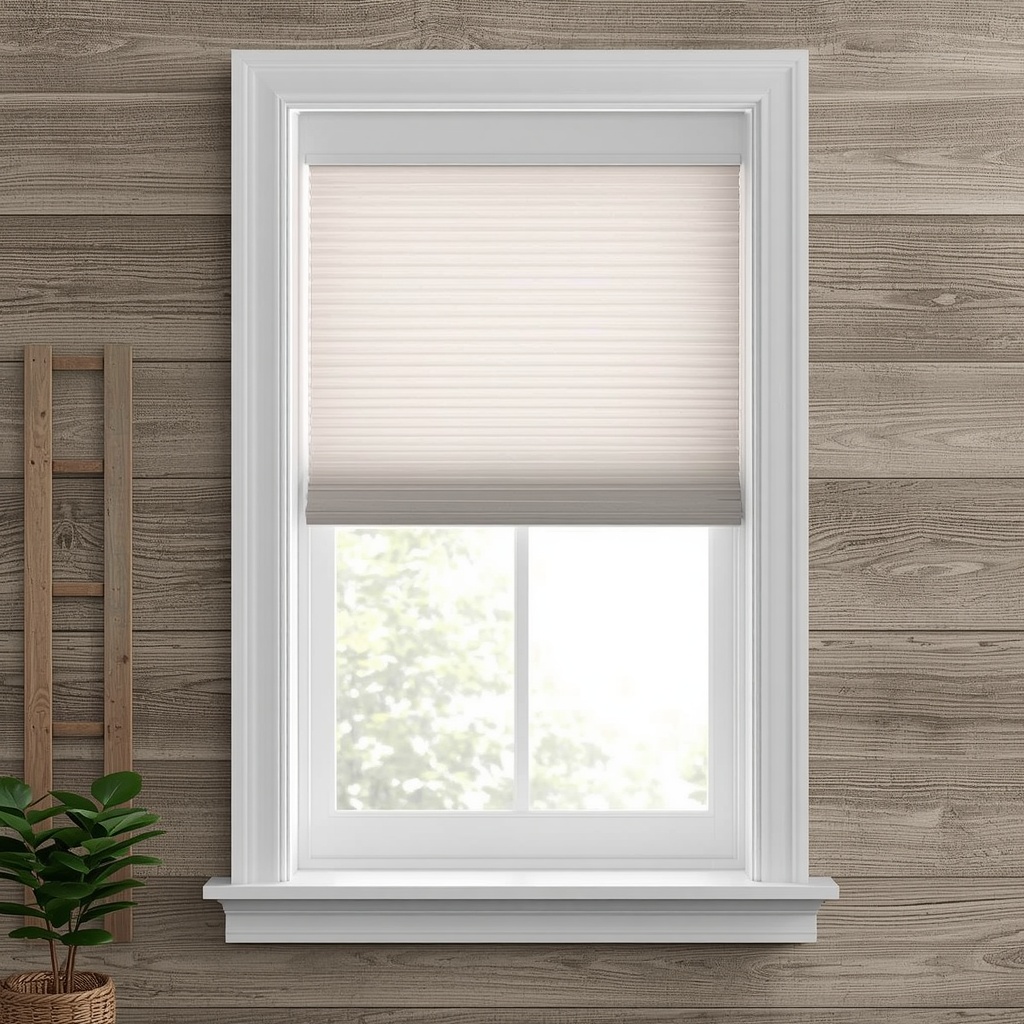
Start with the room that frustrates you the most, test your layout with painter’s tape, and build from there. With the right approach, your smallest windows can become the most charming details in your home.
Ready to refresh your space? Explore more home decor guides on window treatments, color palettes, and small-space styling to keep your design momentum going.