
A small home is not a design limitation. It is a design invitation. Across the United States, more homeowners and renters are choosing compact living, whether that means a 600-square-foot bungalow, a city studio, a cottage, or a true tiny house on wheels. Rising housing costs, a desire for simplicity, and a growing love of intentional living have made small house aesthetics one of the most searched topics in home decor.
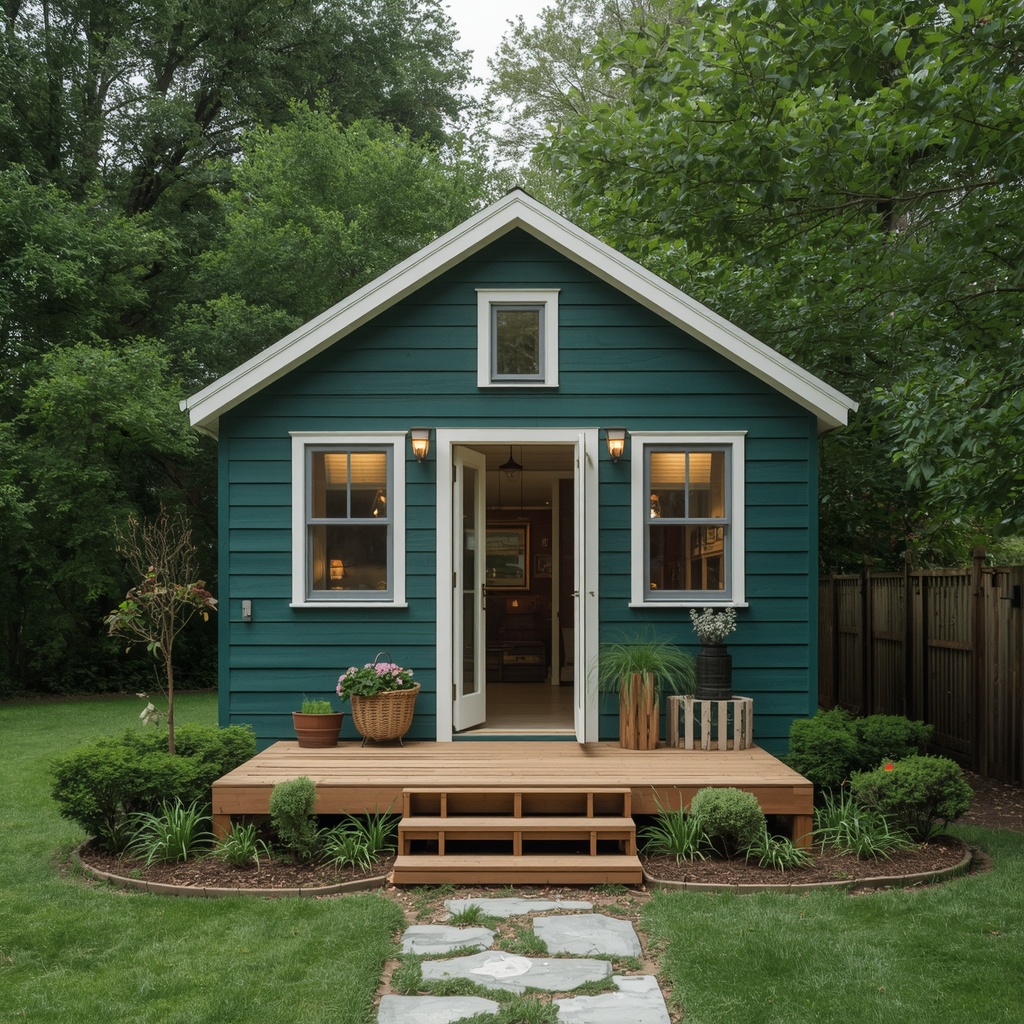
The good news is that square footage and style are not the same thing. After years of helping clients transform cramped rooms into calm, beautiful, highly functional spaces, I have learned that small homes often end up feeling more personal and more polished than large ones. In this guide, you will learn the exact strategies designers use to make tiny homes look and feel bigger, from color and lighting to smart storage, multifunctional furniture, and decor that never feels cluttered.
Why Small House Aesthetics Matter More Than Ever
In a large home, a design mistake can hide in an unused corner. In a small home, every inch is visible every day, so every choice carries weight. That is exactly why small space design rewards thoughtful planning. When each piece earns its place, the result feels curated rather than crowded.
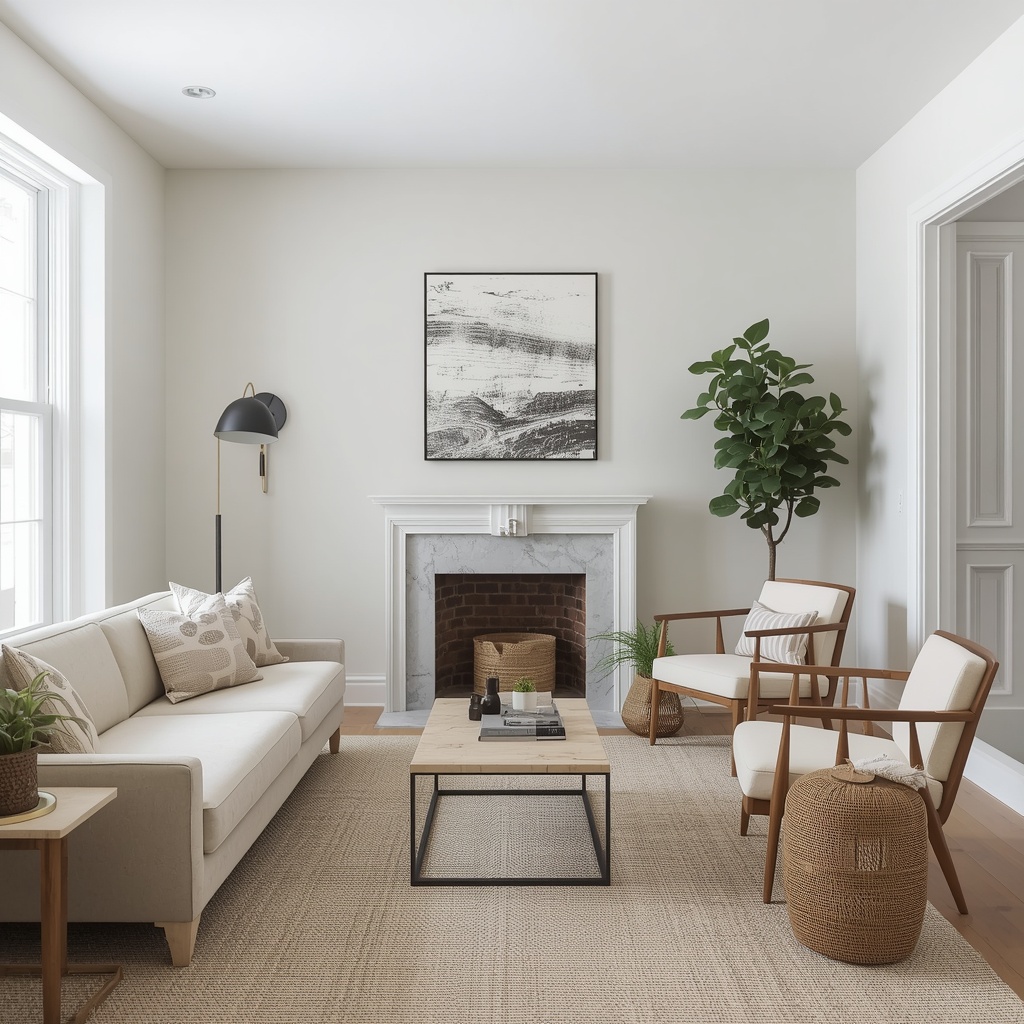
According to the U.S. Census Bureau, the average size of new single-family homes has fluctuated over the past decade, but interest in smaller footprints keeps climbing among first-time buyers, downsizing retirees, and urban renters. Compact living is no longer a compromise. It is a lifestyle with its own distinct style language: light, layered, flexible, and full of personality.
“The best small spaces don’t try to pretend they’re big. They embrace their scale and make it feel intentional.”
That mindset is the foundation of everything below. Instead of fighting your square footage, you will work with it.
Start With a Cohesive Vision, Not a Shopping List
Before buying a single throw pillow, define the mood you want. A tiny home with a clear aesthetic direction feels larger because the eye moves smoothly from one area to the next. A mix of five unrelated styles in 500 square feet creates visual noise, and visual noise shrinks a room.
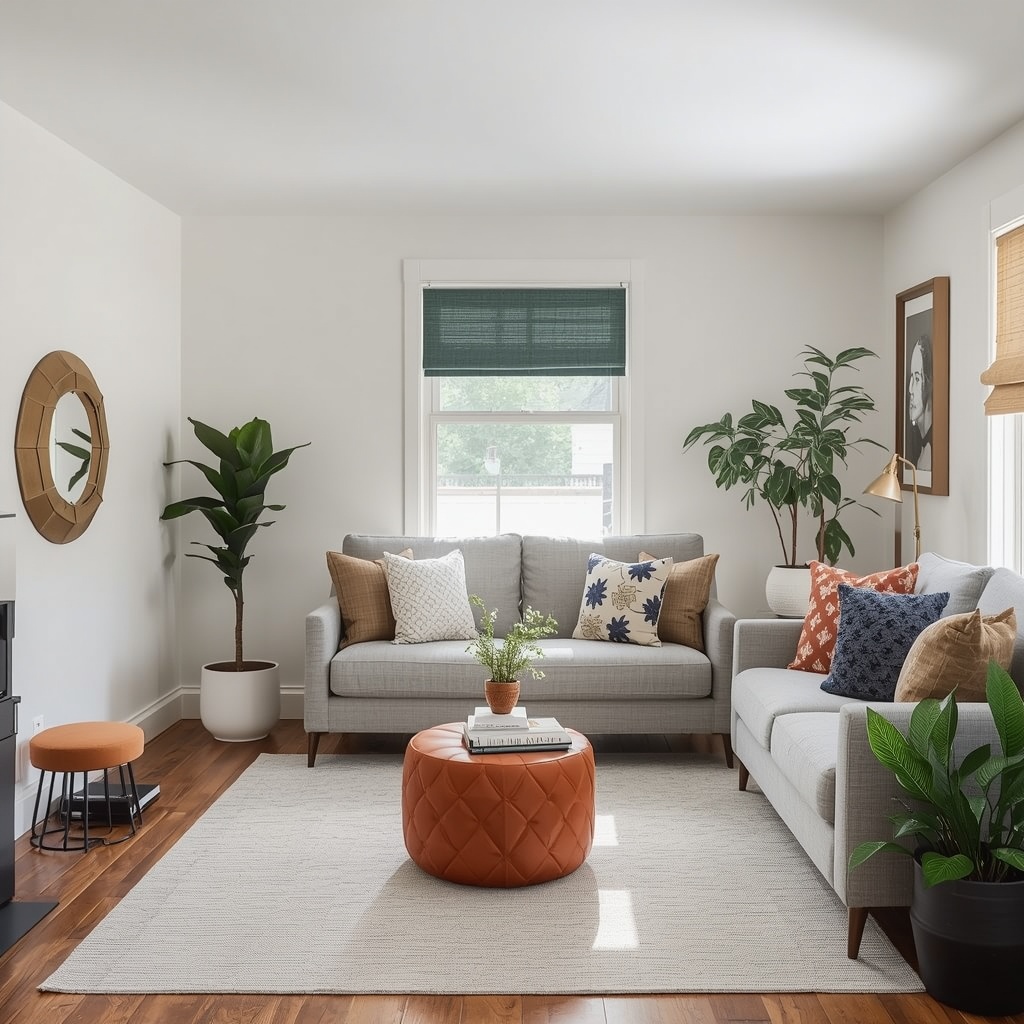
Choose one primary style and one supporting accent style. Then build a simple palette of three to four colors that repeat throughout the house. Popular small house aesthetics in the U.S. right now include:
- Modern farmhouse: warm whites, natural wood, matte black hardware
- Scandinavian minimalism: pale woods, soft neutrals, clean lines
- Japandi: a blend of Japanese restraint and Scandinavian warmth
- Coastal cottage: airy blues, linen textures, rattan accents
- Boho-modern: layered textiles, plants, and earthy tones
- Mid-century modern: tapered legs, walnut tones, and sculptural lighting
Create a simple mood board using Pinterest or a free design app. If you are curious about trending looks, browse Architectural Digest and Apartment Therapy for real small-home tours that prove style has no minimum square footage.
Color Strategy: Making Tiny Rooms Feel Open
Color is the fastest, most affordable way to change how a small room feels. The old rule says to paint everything white, but that is only half the story. White can feel stark in a room with little natural light, and dark colors can feel cozy and dramatic when used with confidence.
Light and Airy Palettes
Soft whites, creamy off-whites, pale grays, and gentle greige tones bounce light around the room and blur the edges of walls. Choose warm undertones if your home faces north, and cooler undertones if it gets strong southern sun. Paint brands such as Benjamin Moore and Sherwin-Williams offer online color tools that help you preview shades before committing.
The Monochromatic Trick
Painting your walls, trim, and even the ceiling in the same color family removes visual breaks. Without harsh lines separating surfaces, the eye reads the room as one continuous space. This is one of the most effective small space decorating techniques designers use.
When to Go Dark
A small powder room, home office nook, or bedroom painted in deep navy, forest green, or charcoal can feel like a jewel box. The key is layering lighting and using reflective surfaces so the space feels rich, not heavy.
| Color Approach | Best For | Effect on Space | Pairing Tip |
|---|---|---|---|
| Warm white | Living areas, kitchens | Bright, welcoming | Natural wood and linen |
| Soft greige | Open-plan homes | Calm, cohesive | Black or brass accents |
| Pale blue-green | Bedrooms, bathrooms | Airy, restful | White trim and woven textures |
| Deep navy or green | Nooks, powder rooms | Cozy, dramatic | Metallic lighting and mirrors |
| Monochromatic palette | Studios, tiny homes | Seamless, expansive | Vary texture, not color |
Pro Tip: Paint your ceiling a shade lighter than your walls, or use a very pale tint of the wall color. This subtly lifts the ceiling and adds perceived height, which is invaluable in low-ceilinged cottages and lofts.
Lighting: The Secret Weapon of Small House Design
If color is the fastest fix, lighting is the most transformative. A single overhead fixture flattens a room and makes corners feel dark and cramped. Layered lighting adds depth, warmth, and dimension, all of which make a small home feel bigger and more luxurious.
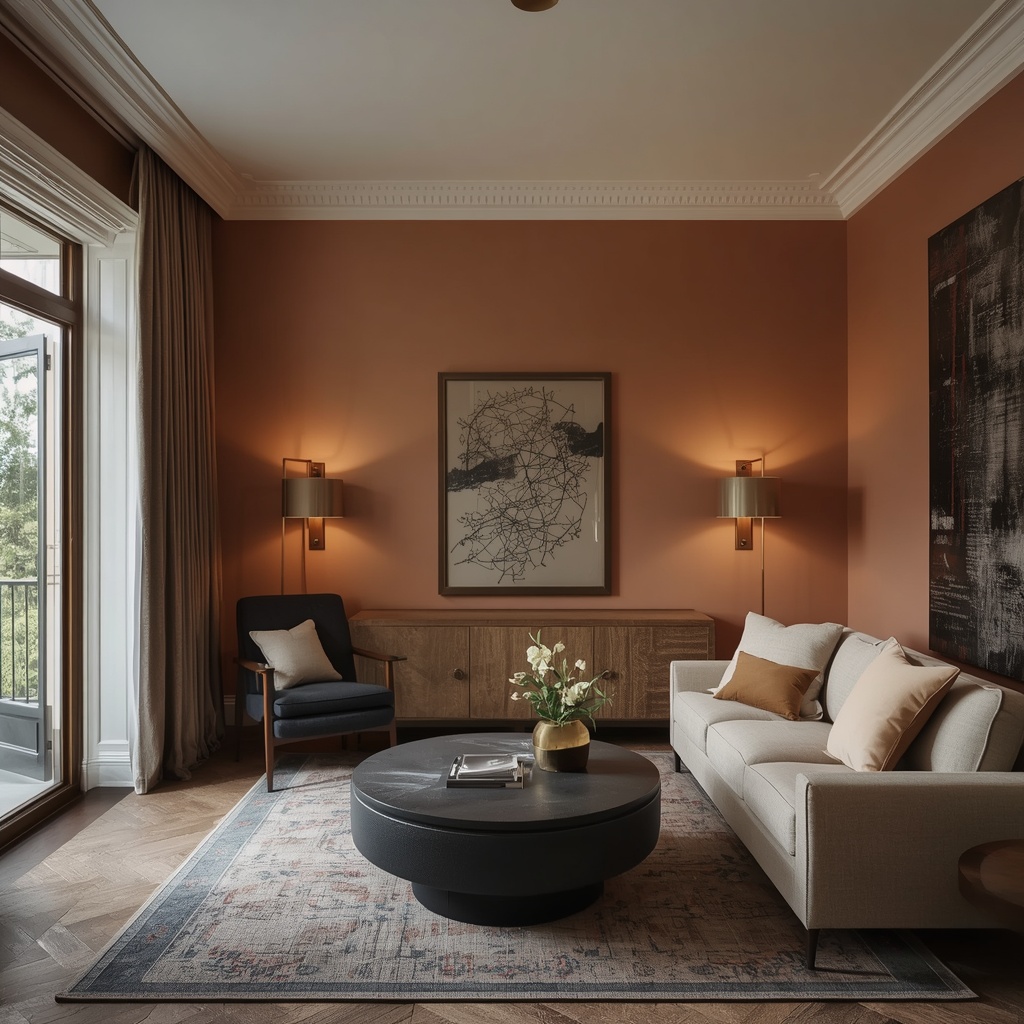
Build your lighting in three layers:
- Ambient lighting: flush mounts, recessed lights, or track lighting for overall illumination
- Task lighting: under-cabinet LEDs, desk lamps, and reading sconces for function
- Accent lighting: picture lights, LED strips, and table lamps for mood
Wall sconces and plug-in swing-arm lamps are especially smart for tiny homes because they free up precious surface and floor space. Choose bulbs between 2700K and 3000K for a warm, inviting glow that flatters wood tones and skin alike.
Maximize natural light, too. Skip heavy drapes and choose sheer linen panels, cellular shades, or simple roller blinds. Mount curtain rods close to the ceiling and extend them beyond the window frame so windows appear taller and wider.
Use Mirrors and Reflective Surfaces Strategically
Mirrors are a classic trick for a reason. They reflect light, double views, and create the illusion of another room. Place a large mirror opposite a window to bounce daylight deeper into the space, or lean an oversized floor mirror in a living room corner for a casual, designer look.
Other reflective elements that expand a small space include glass tabletops, acrylic chairs, polished brass or chrome accents, glossy tile backsplashes, and mirrored cabinet fronts. Use these in moderation. A few well-chosen shiny pieces add sparkle, but too many can feel cold.
Furniture That Works as Hard as You Do
In small house design, multifunctional furniture is non-negotiable. Every piece should either serve two purposes or be so beautiful and compact that it earns its footprint. Think of your furniture as a team of hardworking specialists.
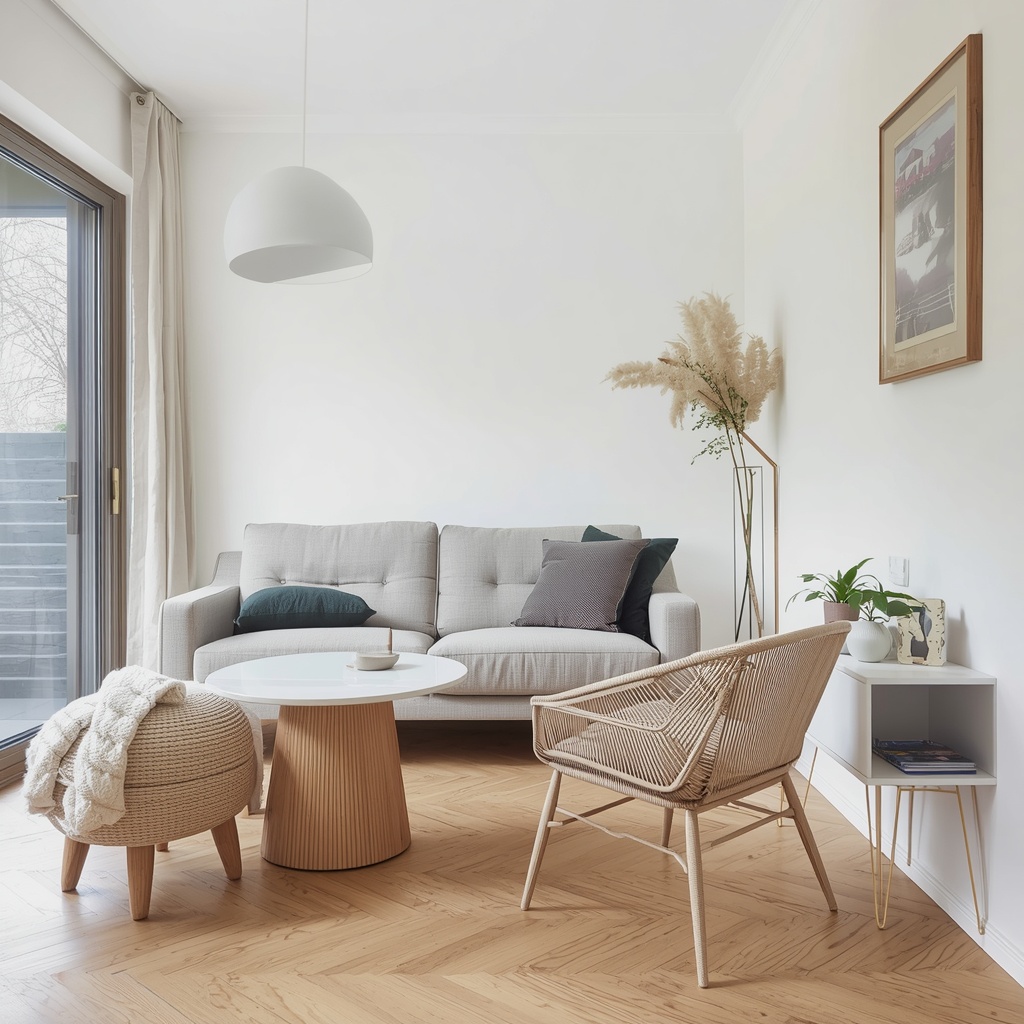
Smart choices include:
- Storage ottomans that offer seating, a footrest, and hidden blanket storage
- Sleeper sofas or daybeds for guests without a dedicated guest room
- Drop-leaf or extendable dining tables that shrink when you are not entertaining
- Nesting tables that tuck away and appear as needed
- Wall-mounted desks that fold flat after work hours
- Beds with built-in drawers to replace a bulky dresser
Pay attention to scale and leg style. Pieces with exposed legs let you see the floor beneath them, which creates an airy, open feeling. A bulky skirted sofa can swallow a room, while a sleek, apartment-sized sofa on tapered legs keeps things light. Look for furniture labeled “apartment scale” or “condo size.”
| Furniture Piece | Space-Saving Feature | Ideal Room | Style Fit |
|---|---|---|---|
| Storage ottoman | Hidden compartment | Living room | Any style |
| Murphy bed | Folds into wall | Studio, guest room | Modern, minimalist |
| Drop-leaf table | Expands on demand | Kitchen, dining nook | Farmhouse, Scandinavian |
| Floating shelves | No floor footprint | Anywhere | Boho, modern |
| Bench with storage | Seating plus shoe storage | Entryway | Cottage, farmhouse |
Pro Tip: Follow the “one in, one out” rule. Every time a new piece of furniture or decor enters your home, one existing item leaves. It protects your hard-earned space and keeps your aesthetic intentional.
Go Vertical: Use Walls and Ceilings
When floor space runs out, look up. Vertical space is the most underused real estate in a small house. Tall bookcases, floor-to-ceiling shelving, and wall-mounted storage draw the eye upward, creating a sense of height and grandeur.
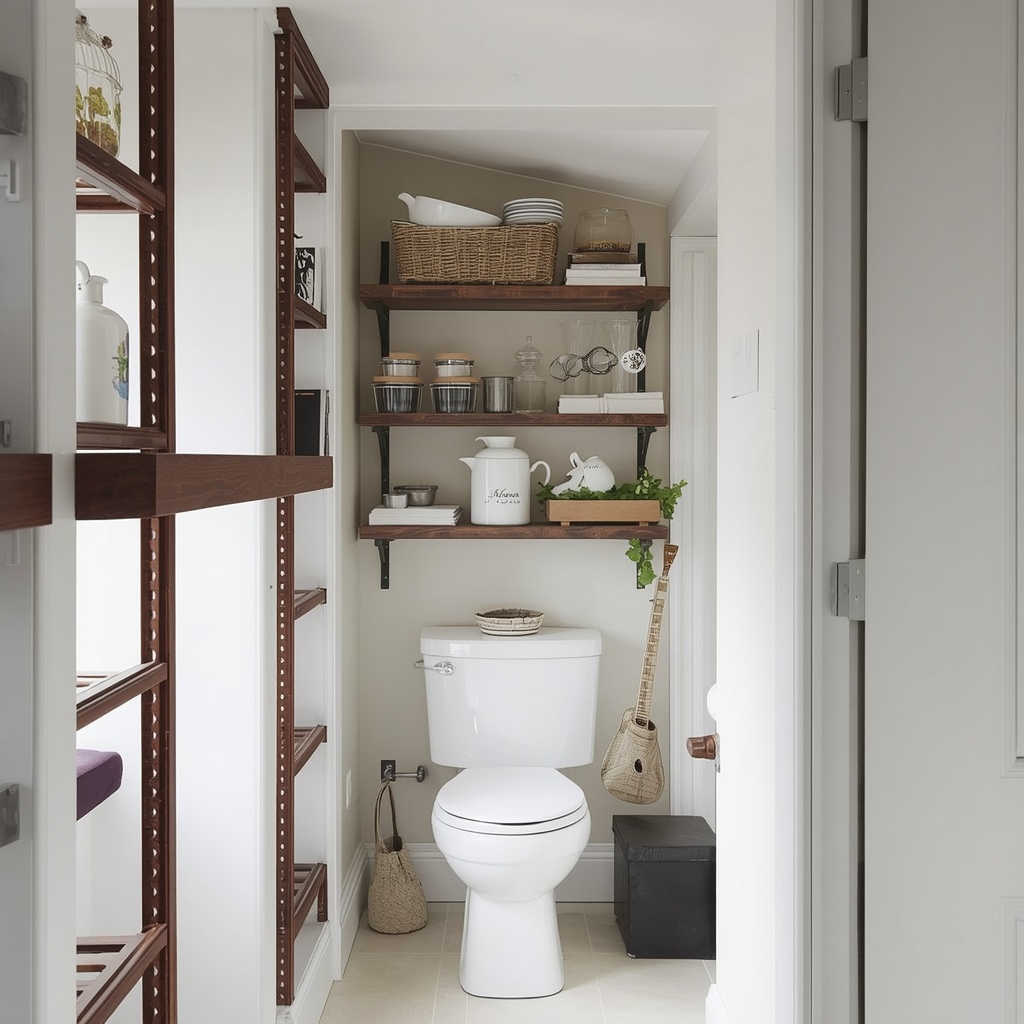
In the kitchen, hang pots on a rail, install open shelving for everyday dishes, and use magnetic strips for knives and spice tins. In the bedroom, install shelves above the headboard or use tall, narrow dressers. In the bathroom, over-the-toilet cabinets and wall-mounted baskets keep surfaces clear.
If you have a loft or high ceiling, add a statement pendant or a vertical piece of art to emphasize that height. Vertical stripes, tall plants, and long curtains all reinforce the upward visual pull.
Smart Storage That Disappears
Clutter is the number one enemy of small house aesthetics. Even the most beautiful design falls apart under piles of stuff. The solution is not owning nothing. It is building storage that blends into your decor.
Try these hidden storage ideas:
- Install built-in cabinetry that matches your wall color so it visually recedes
- Use under-bed storage bins for off-season clothing and linens
- Add toe-kick drawers beneath kitchen cabinets
- Choose stair risers with drawers if your home has a staircase
- Hang over-the-door organizers in closets and pantries
- Use decorative baskets and lidded boxes on open shelves to hide small items
Open shelving looks stunning but demands discipline. Group items in odd numbers, mix books with objects, and leave breathing room between groupings. Closed storage handles the rest. A good ratio for most small homes is roughly 70 percent closed storage and 30 percent open display.
Create Zones in Open-Plan Small Homes
Studios and tiny houses often combine sleeping, living, working, and dining into one room. The trick is to define zones without building walls. Visual boundaries tell your brain where one activity ends and another begins, which makes the space feel organized and larger.
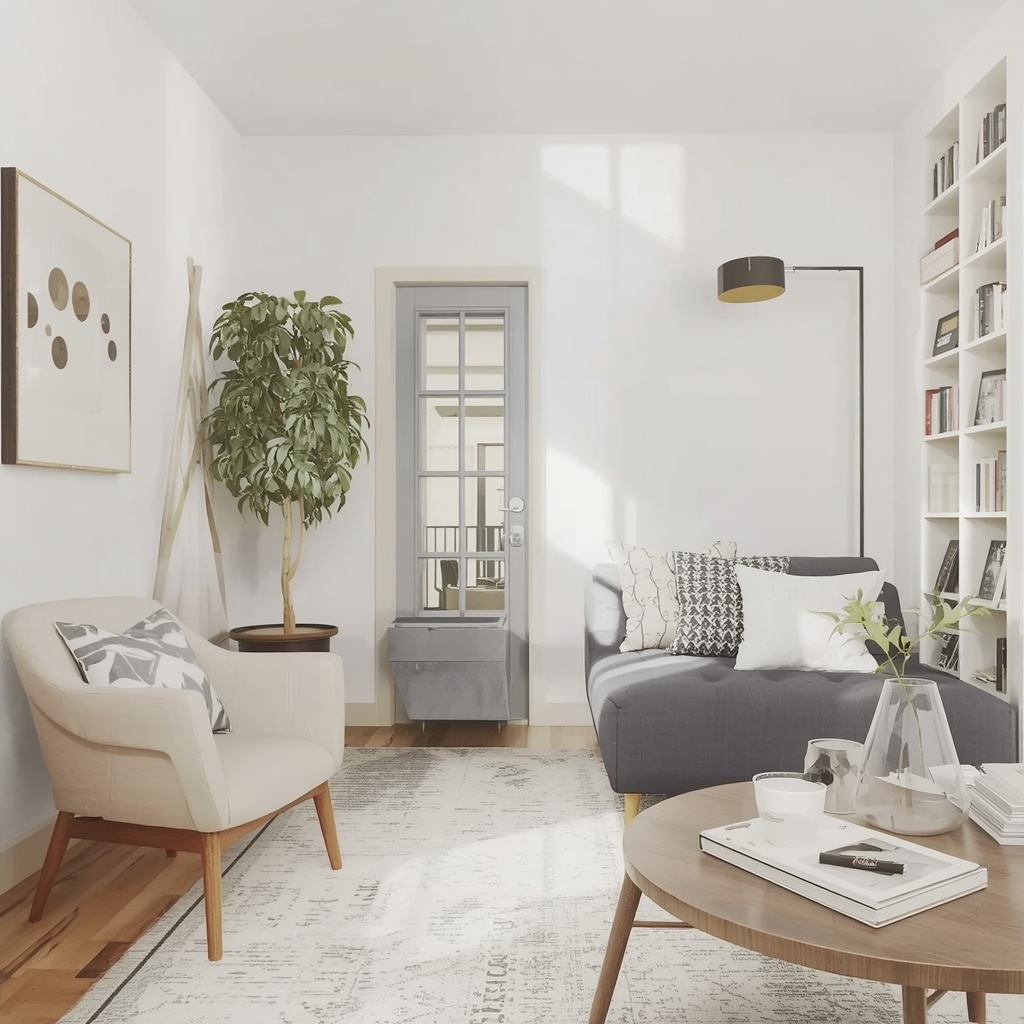
Here are my favorite ways to zone a small open-plan space:
- Area rugs: anchor the living zone and separate it from the sleeping area
- Open bookcases: act as a divider while still letting light through
- Sofa placement: float the sofa with its back to the bed or dining area
- Curtains or sliding panels: hide the bed or work zone when needed
- Lighting changes: use a pendant over the dining table and a lamp by the sofa
- Paint or wallpaper accents: mark a nook with a different color or pattern
Keep rugs large enough that at least the front legs of your furniture rest on them. A tiny rug floating in the middle of a room makes everything feel smaller, while a properly sized rug unifies the area.
Texture, Pattern, and Layering Without Clutter
A common fear is that a neutral palette will look boring. The answer is texture. Layering linen, wool, boucle, rattan, jute, velvet, and natural wood adds richness and visual interest without adding visual weight or extra stuff.
When it comes to pattern, think small doses. A striped throw, a geometric pillow, or a vintage rug introduces personality, but a full wall of bold wallpaper can overwhelm a tiny room unless it is the single star of the space. Use the 60-30-10 rule: 60 percent dominant color, 30 percent secondary color, and 10 percent accent. It is a reliable framework for harmonious, balanced decor.
“Texture is the quiet luxury of small spaces. It gives the eye something to enjoy without asking for more square footage.”
Bring the Outdoors In With Plants and Natural Materials
Greenery adds life, color, and softness to a small house. Hanging planters, trailing pothos on a high shelf, a tall fiddle-leaf fig in a corner, or a windowsill herb garden all add vertical interest while using little floor space.
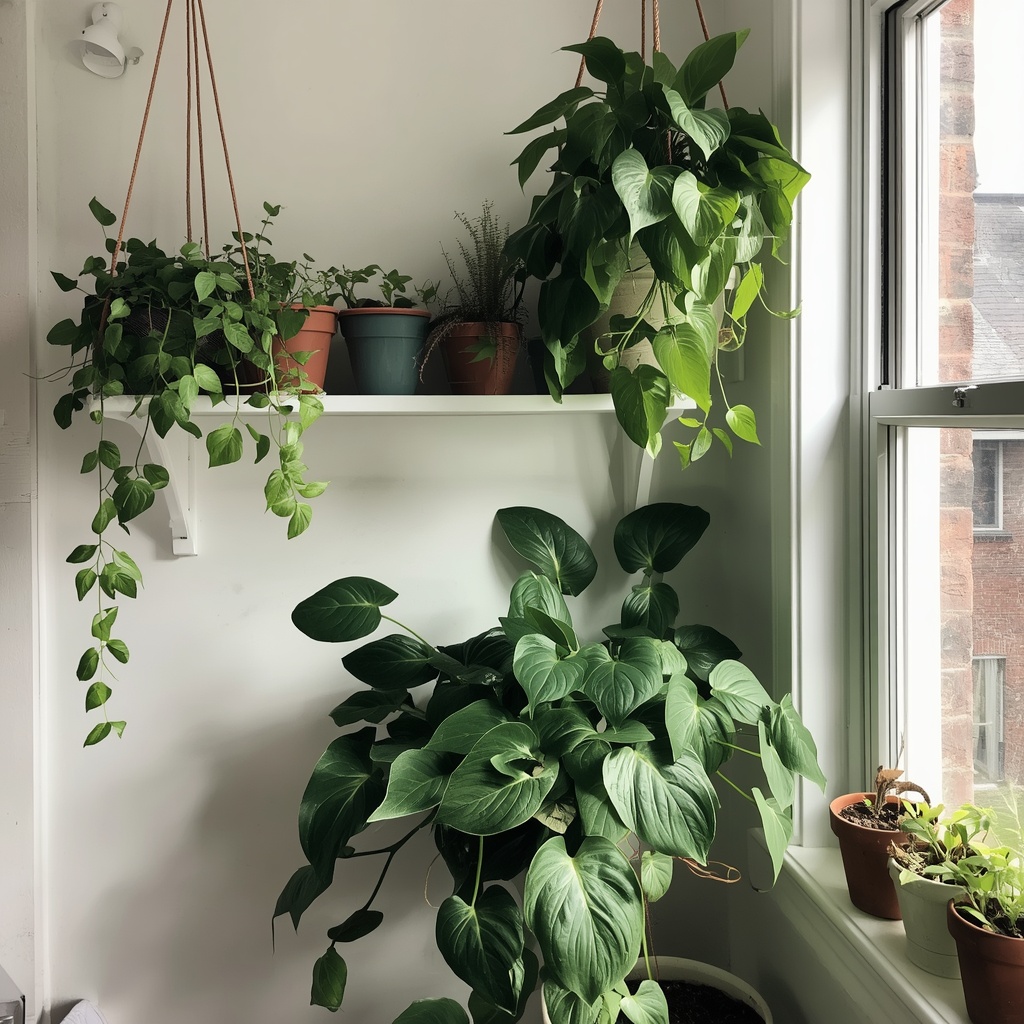
Beginner-friendly, low-light plants for small homes include:
- Snake plant
- ZZ plant
- Pothos
- Philodendron
- Peace lily
- Spider plant
Pair plants with natural materials such as jute rugs, wooden bowls, stone coasters, and woven baskets. This biophilic design approach connects the interior with the outdoors, which makes compact rooms feel more expansive and calming. Even a small balcony or porch can become an extension of your living space with a bistro set, string lights, and a few planters.
Decorate With Intention: Less but Better
Decor in a small house should be curated, not collected. Choose fewer, larger pieces over many tiny ones. One oversized piece of art makes a stronger statement than a cluttered gallery of small frames, and it reads as calmer to the eye.
Some simple decor principles to follow:
- Edit often. Rotate seasonal decor instead of displaying everything at once.
- Choose meaningful pieces. Display items with a story, such as travel finds or family heirlooms.
- Keep surfaces clear. Leave at least a third of every shelf and countertop empty.
- Repeat materials. Echo brass, wood, or black metal across rooms to create flow.
- Mind the entryway. A tidy landing zone sets the tone the moment you walk in.
For inspiration and product ideas, explore Houzz for photos of real small-space remodels and Dwell for modern tiny home design.
Room-by-Room Quick Wins
If you want fast results, tackle one room at a time. Here is a quick-reference guide you can use right away.
| Room | Top Design Move | Budget Level |
|---|---|---|
| Living room | Float a right-sized sofa and layer lighting | Medium |
| Kitchen | Add open shelving and under-cabinet lights | Low to medium |
| Bedroom | Choose a storage bed and sheer curtains | Medium |
| Bathroom | Install a floating vanity and large mirror | Medium to high |
| Entryway | Add a storage bench and wall hooks | Low |
| Home office nook | Use a wall-mounted fold-down desk | Low to medium |
Common Small House Design Mistakes to Avoid
Even experienced decorators stumble when working with limited space. Watch out for these frequent errors:
- Oversized furniture: one huge sectional can eat an entire living room
- Pushing everything against the walls: this actually emphasizes how small the room is, so try floating furniture slightly
- Ignoring scale: tiny accessories look messy, while oversized decor can overpower
- Too many colors: stick to your palette to keep the eye calm
- Skipping lighting layers: one overhead light makes any room feel flat
- Neglecting storage: beauty fades fast when clutter takes over
If you remember just one thing, remember this: restraint is a design tool. The most stylish small homes are rarely the ones with the most stuff. They are the ones with the most thoughtful choices.
Budget-Friendly Small House Decorating Ideas
You do not need a large budget to elevate a compact home. Many of the most effective changes cost very little. Swap cabinet hardware for a fresh, modern look. Replace old light shades with warm-toned fixtures. Add peel-and-stick backsplash tile in the kitchen. Thrift or secondhand shop for solid wood furniture that you can paint or refinish. Use removable wallpaper on a single accent wall.
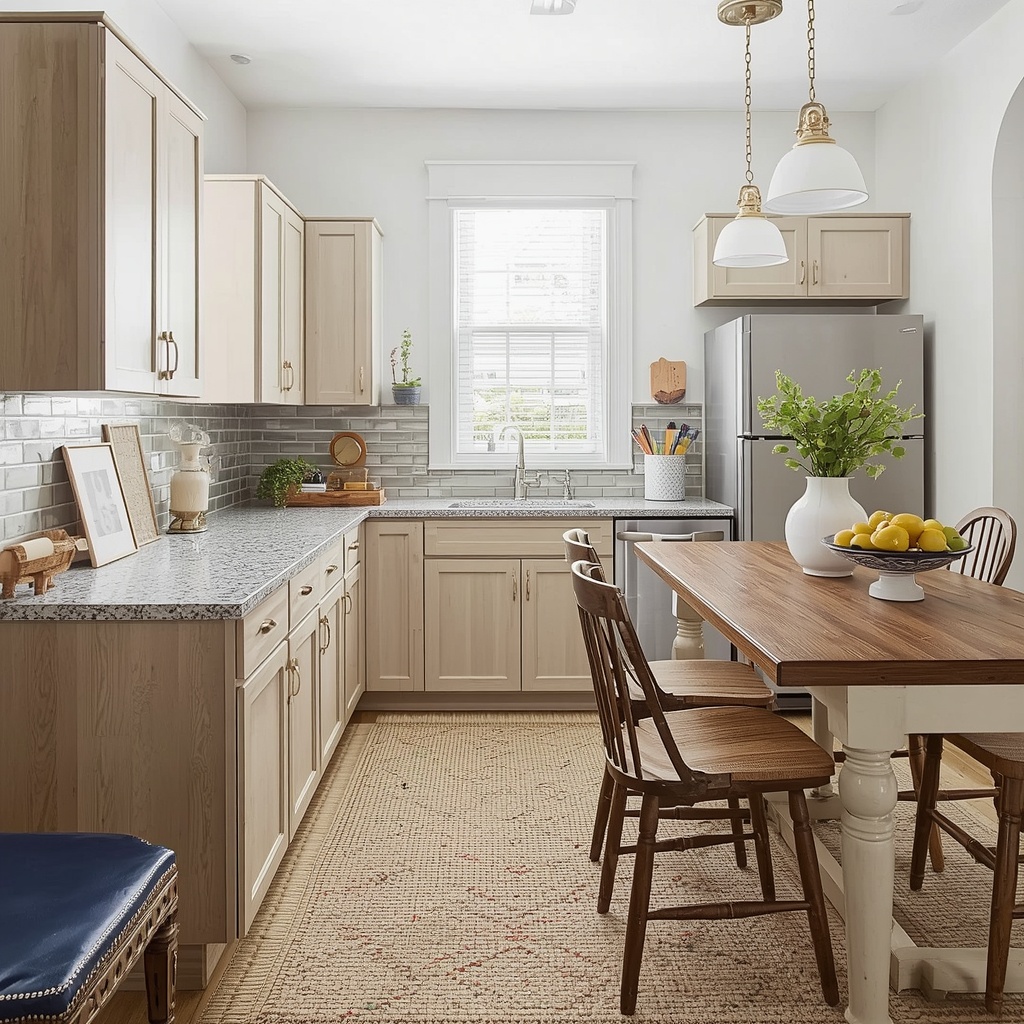
Prioritize spending on the items you touch and use every day, such as your mattress, sofa, and lighting. Save on decor and accessories, which are easy to update over time. Great design is built in layers, and layers can be added slowly.
Final Thoughts: Small Space, Big Personality
Designing a small house is a creative puzzle, and solving it is deeply satisfying. When you combine a cohesive color palette, layered lighting, multifunctional furniture, vertical storage, and carefully chosen decor, even the tiniest home can feel open, stylish, and welcoming. Small house aesthetics are not about what you give up. They are about what you gain: clarity, comfort, and a home that reflects who you truly are.
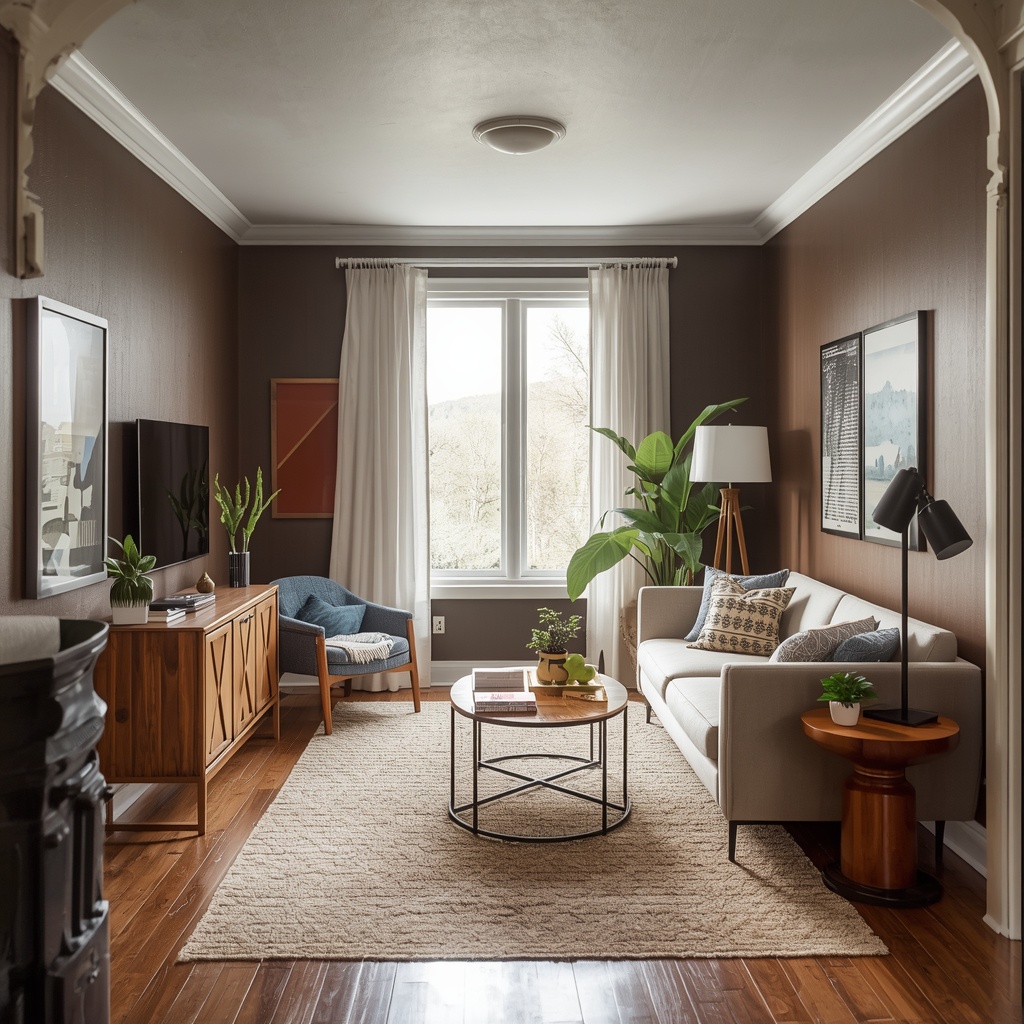
Start with one change this weekend. Repaint a wall, swap a lamp, or clear one surface completely. You will be surprised how quickly the space responds. Big style has never needed big square footage.
Frequently Asked Questions
What colors make a small house look bigger? Light neutrals such as warm white, soft greige, and pale blue-green reflect light and make rooms feel open. A monochromatic scheme also helps by removing visual breaks.
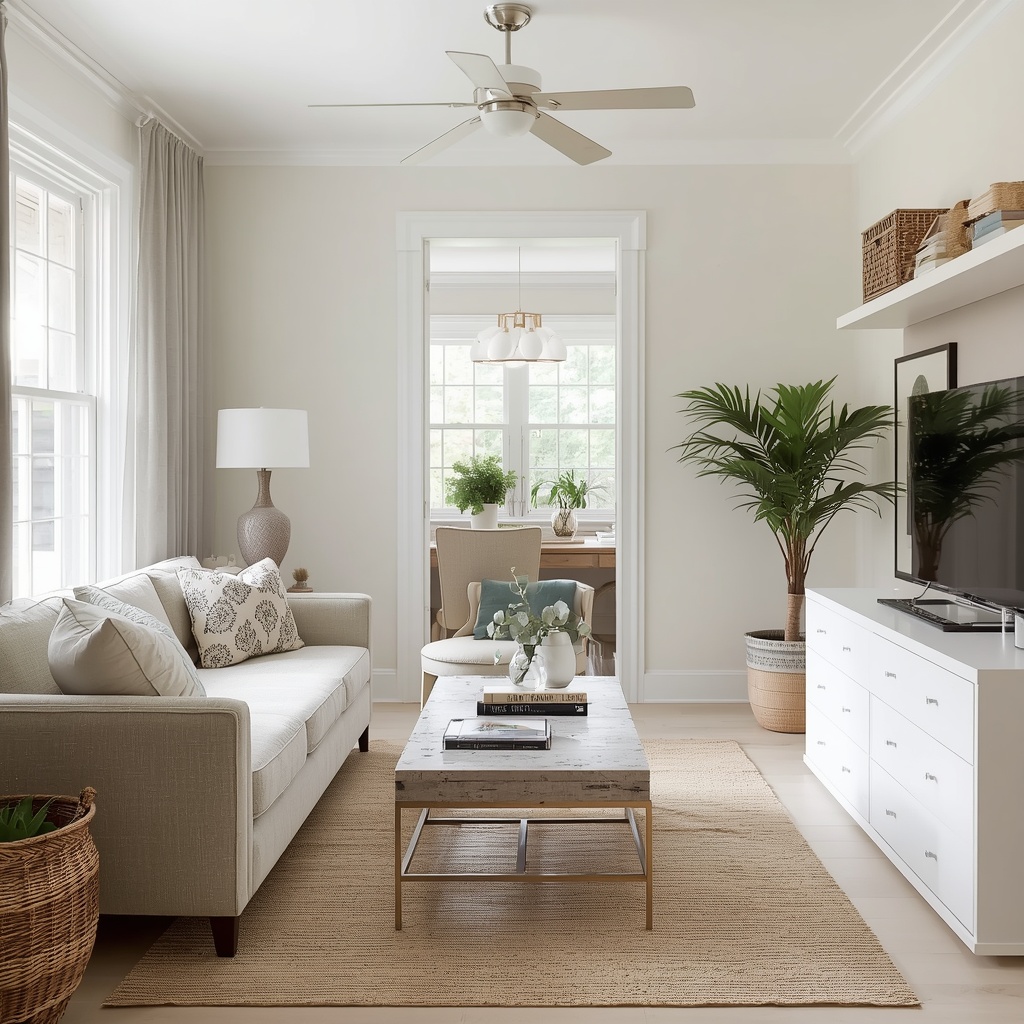
How do I decorate a tiny home without clutter? Choose multifunctional furniture, use closed storage, keep surfaces clear, and follow the one-in, one-out rule.
What is the best furniture for small spaces? Apartment-scale sofas, storage ottomans, drop-leaf tables, wall-mounted desks, and beds with built-in storage offer the best mix of function and style.
Can I use dark paint in a small house? Yes. Dark colors can look rich and cozy in small rooms when paired with layered lighting, mirrors, and light textures.