
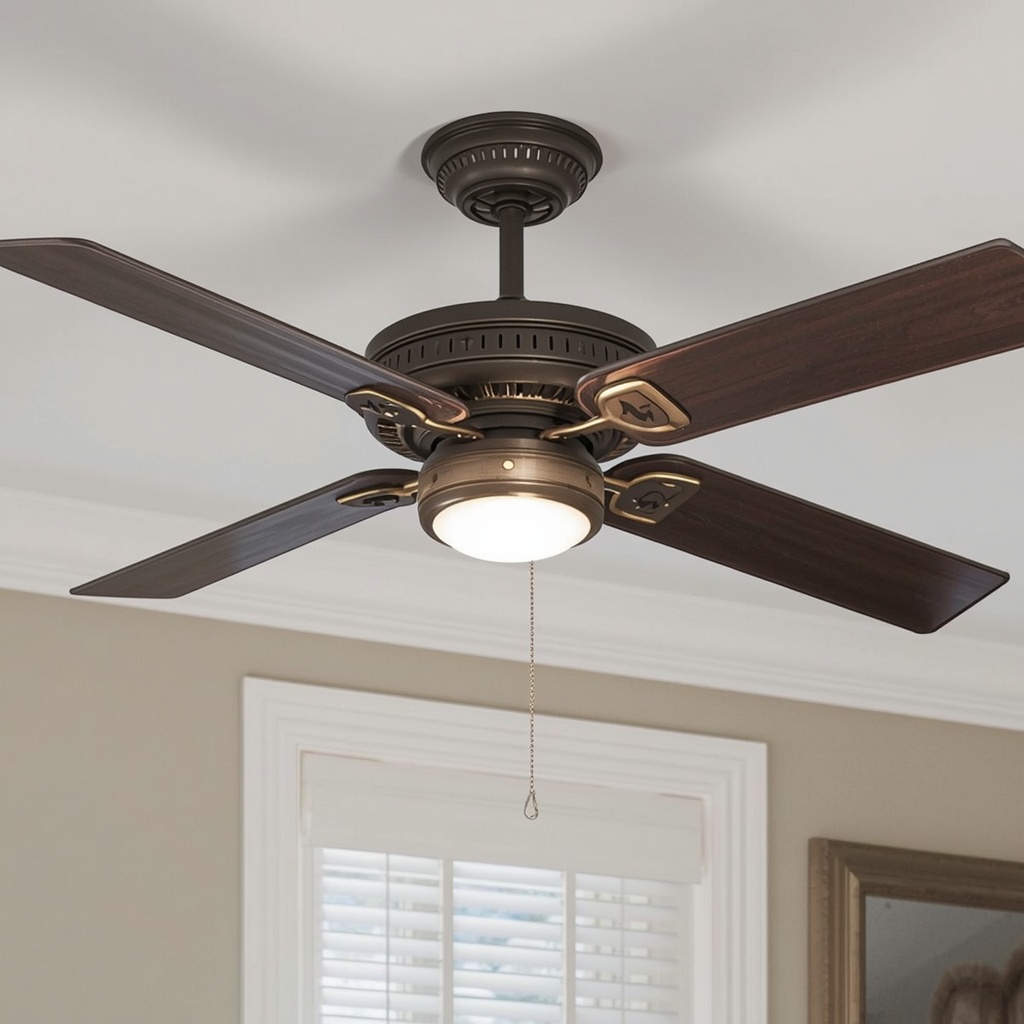
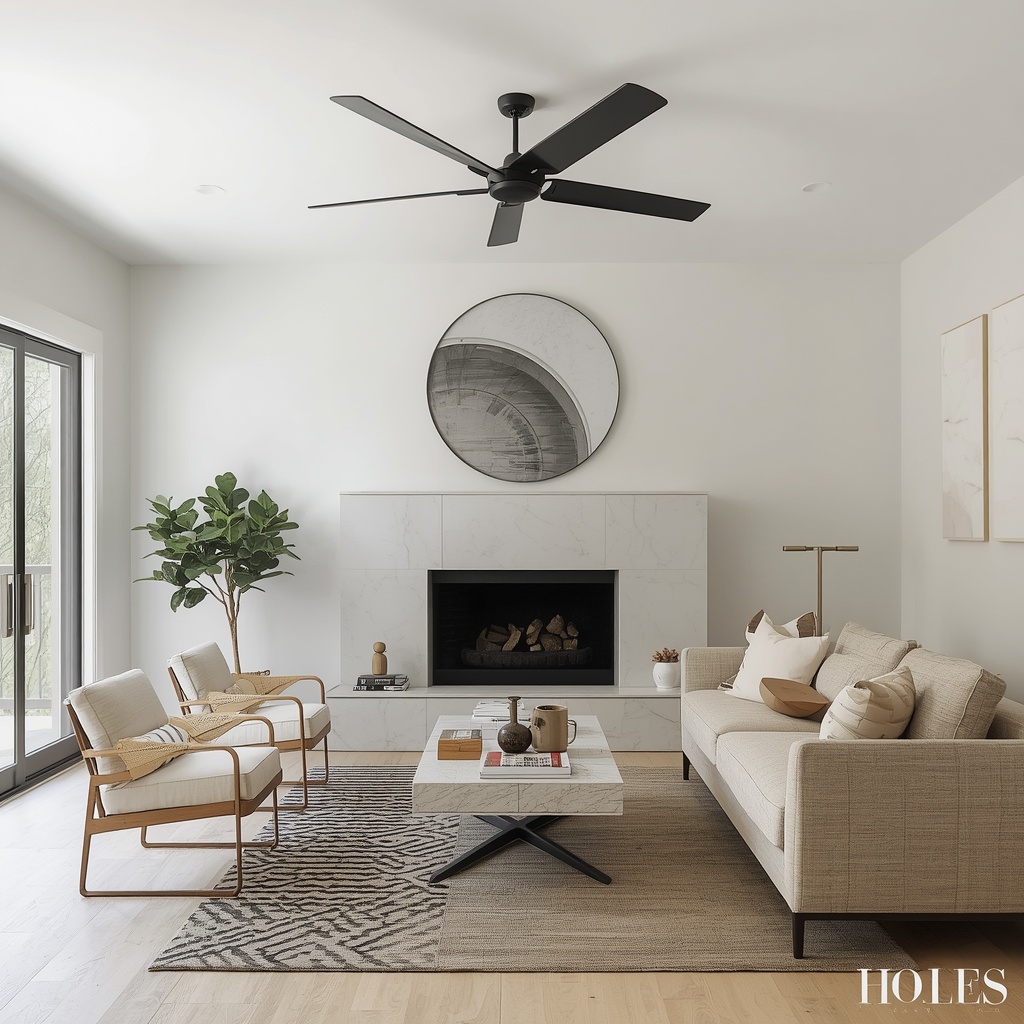
Ceiling fans have long been the default answer to “how do I keep this room comfortable?” But as an interior designer, I can tell you that a bulky fan hanging in the center of a room is often the single biggest obstacle to a polished, intentional design. Low ceilings, historic moldings, dramatic pendant lighting, and minimalist aesthetics all suffer when a spinning appliance dominates the visual center of a space.
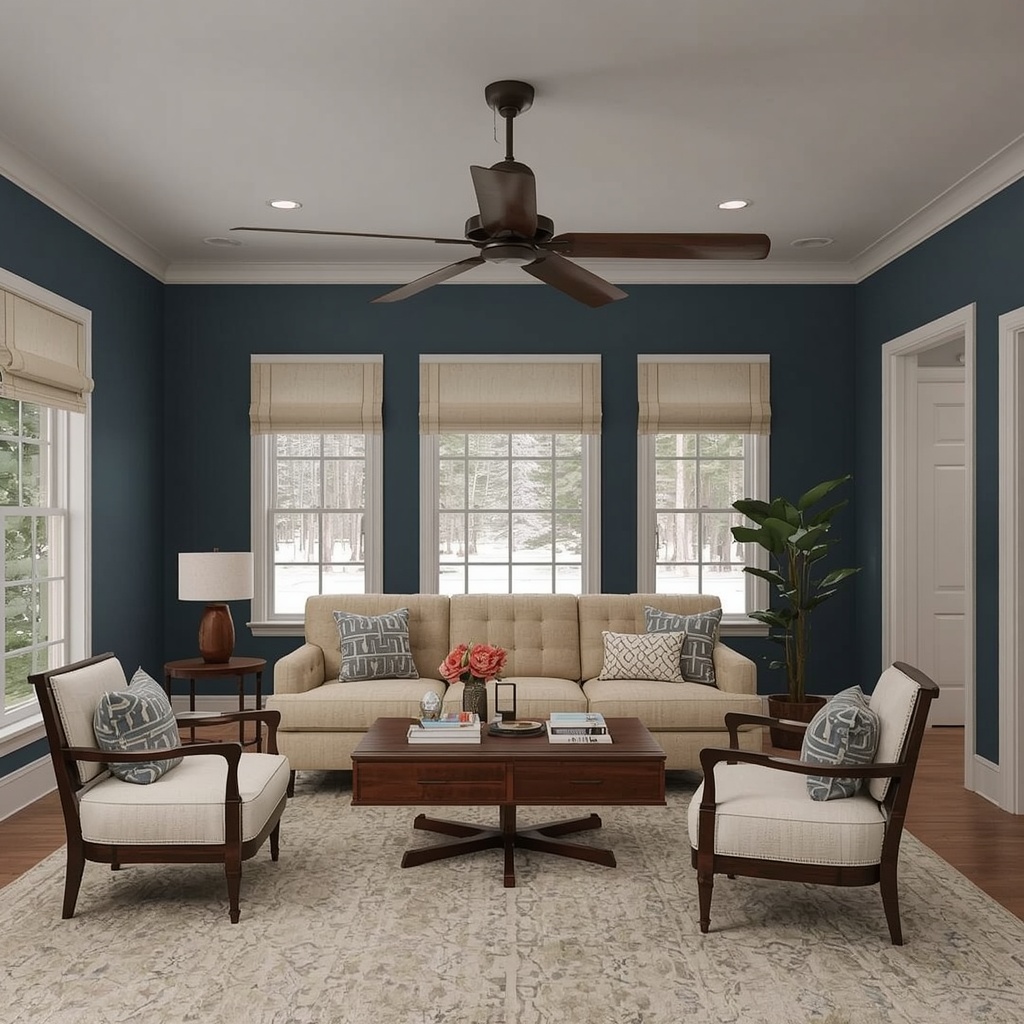
The good news? You don’t have to choose between comfort and style. Today’s homeowners have access to sleek, high-performing cooling and air-circulation solutions that blend into (or even elevate) a room’s design story. Below, I’ll walk you through the best ceiling fan alternatives, how to choose between them, and how to style each one so your living space stays cool, quiet, and unmistakably chic.
Why Look Beyond the Ceiling Fan?
Ceiling fans get the job done functionally, but they come with real design and practical trade-offs that many homeowners don’t consider until it’s too late.
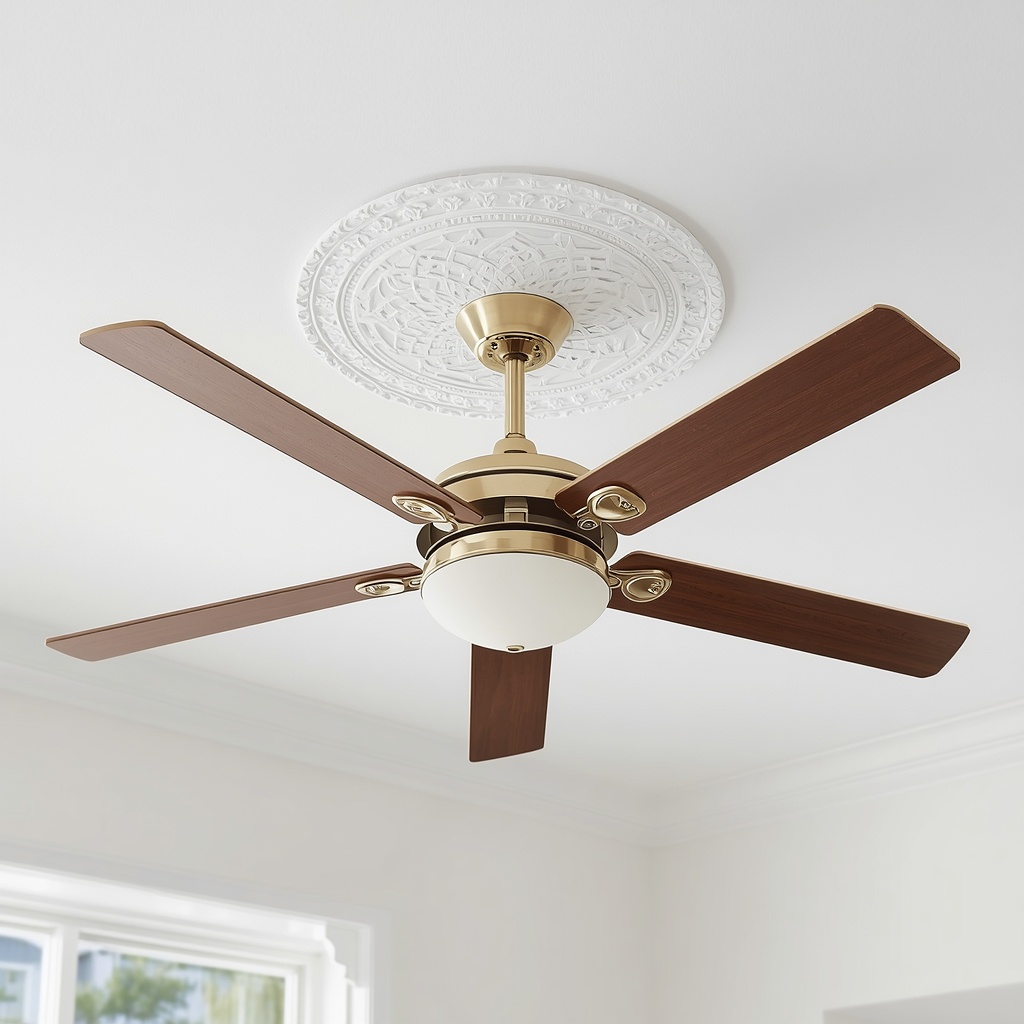
Before you default to another fan installation, it’s worth understanding what’s actually pushing people toward alternatives. Low ceilings under 8 feet make fans feel oppressive and can even pose a safety hazard. Historic or architecturally detailed ceilings — think coffered wood, ornate plaster medallions, or exposed beams — are often compromised by a mounted fixture. Open-concept homes may need more targeted airflow than one central fan can provide, and minimalist or modern interiors often prioritize clean sightlines over visible hardware.
Common reasons homeowners seek alternatives:
- Low or sloped ceilings that make fans impractical or unsafe
- A desire to preserve historic or decorative ceiling details
- Renters who can’t modify ceiling wiring or fixtures
- Open floor plans needing zone-specific cooling
- A preference for quieter, more energy-efficient cooling technology
- Modern or minimalist design goals where visible hardware feels cluttered
1. Bladeless Tower Fans and Air Circulators
Bladeless tower fans use air multiplier technology to push a smooth, continuous stream of air without visible rotating blades. They’ve become a favorite among designers for their sculptural, almost architectural silhouette.
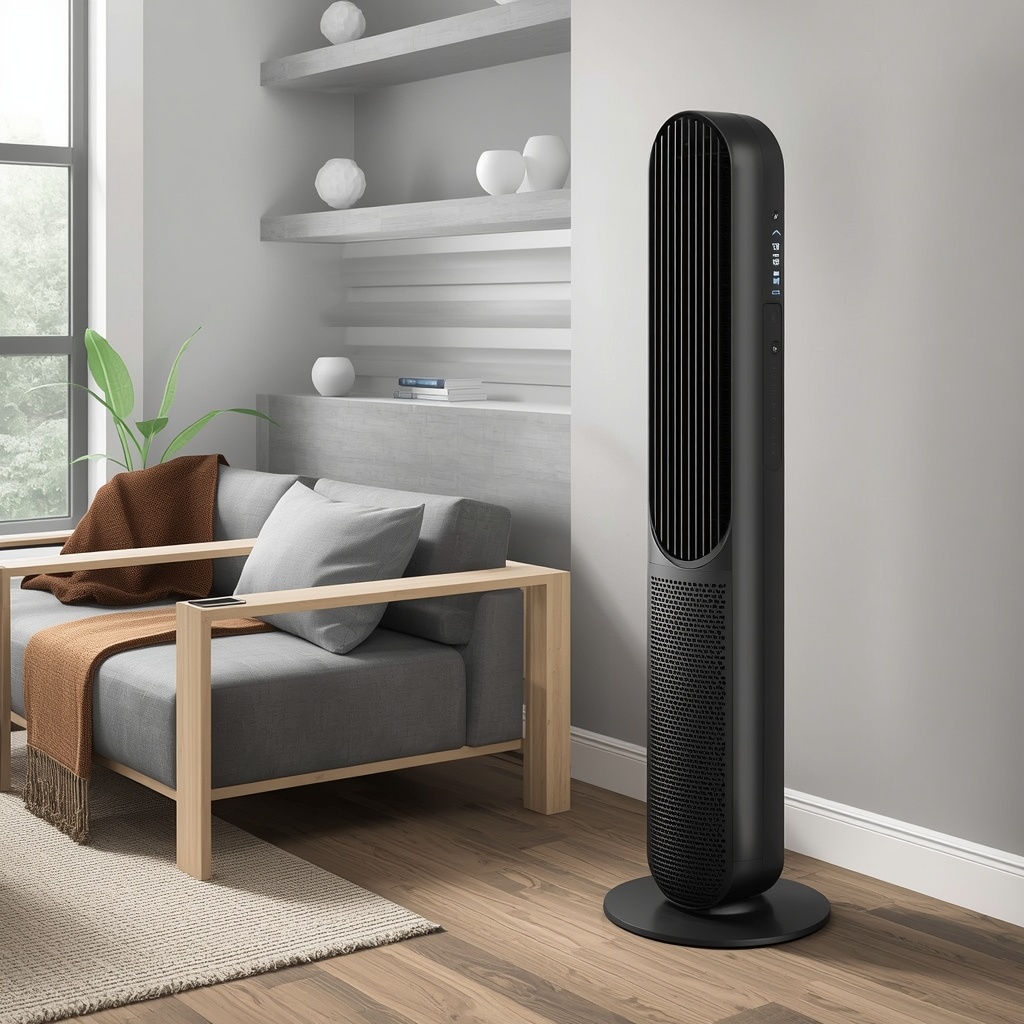
From a styling standpoint, these fans read more like a modern art object than an appliance. Many models come in matte finishes — brushed nickel, matte black, or soft white — that complement contemporary and Scandinavian interiors. They’re also freestanding, which means no electrician, no ceiling modification, and no commitment. For renters or anyone who likes to rearrange furniture seasonally, that flexibility is a genuine design advantage.
Pro Tip: Place a bladeless tower fan near a reading nook or accent chair rather than in the center of the room. Positioning it as a “functional accessory” next to a chair, plant, or side table makes it look intentional rather than utilitarian.
2. Smart Standing and Pedestal Fans
Smart standing fans have shed their dorm-room reputation. The newest generations offer app control, adjustable oscillation, whisper-quiet motors, and finishes designed to match brass, matte black, or wood-toned decor palettes.
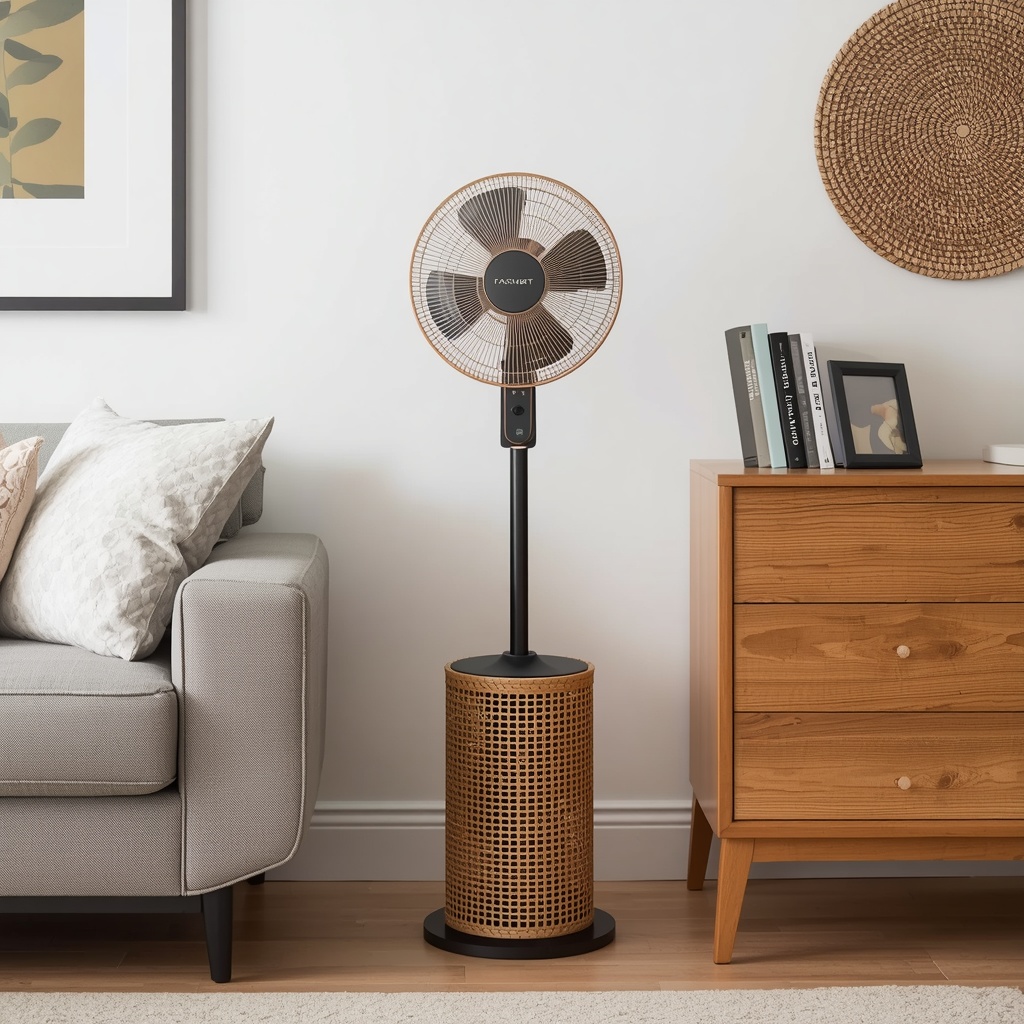
What makes these especially appealing for stylish spaces is customization. You can angle airflow exactly where you need it — toward a sofa, a home office desk, or a bed — instead of relying on a fan’s fixed downward draft. Because they’re portable, they also solve a problem ceiling fans can’t: uneven airflow in large or oddly shaped rooms. Pair one with a woven or rattan base for a warm, organic look that fits coastal, boho, or Japandi interiors.
3. Whole-House Fans and Attic Ventilation Systems
For homeowners who want serious air circulation without any visible equipment at all, a whole-house fan is one of the most underrated ceiling fan alternatives. Installed in the attic or ceiling of a central hallway, these systems pull cool outdoor air through open windows and exhaust hot air through the attic — often cooling an entire home in minutes.
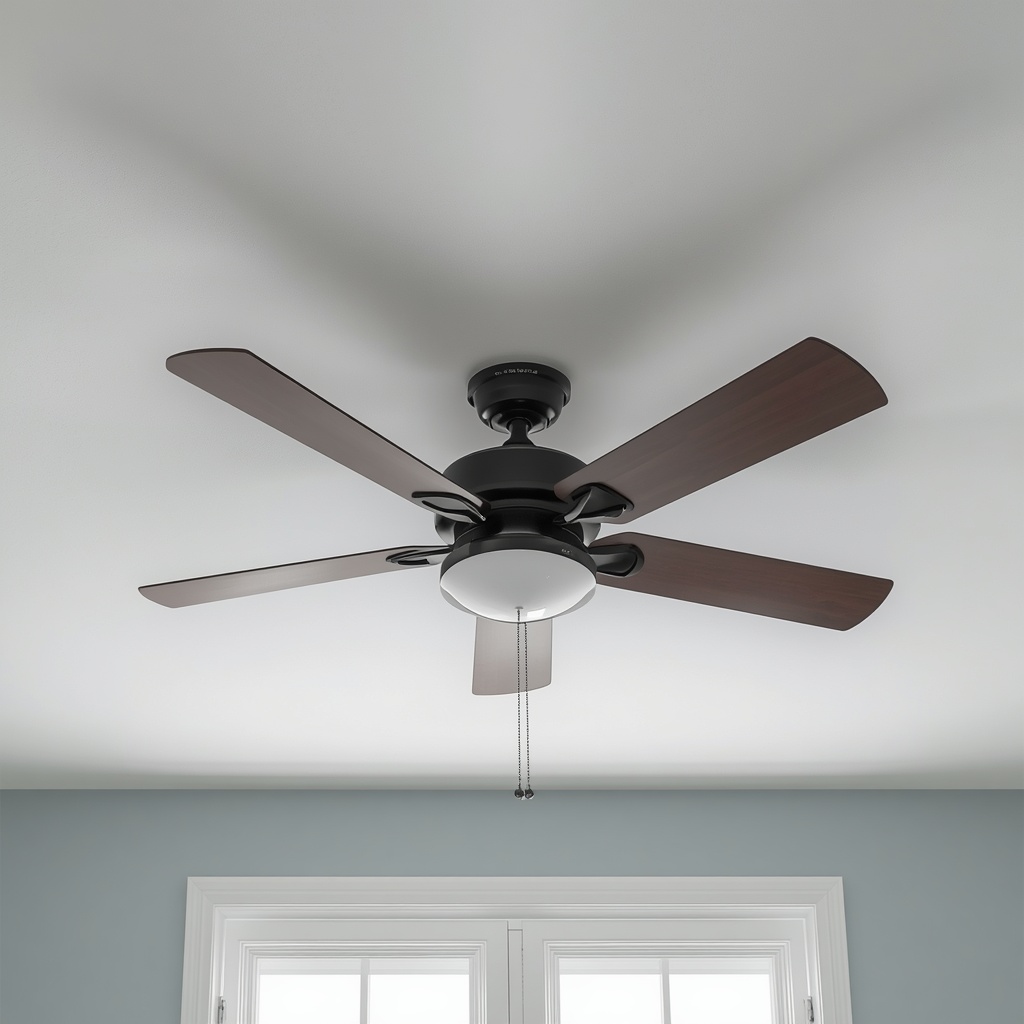
Because the fan itself is hidden behind a discreet ceiling grille, there’s virtually zero visual footprint in your living space. This makes whole-house fans ideal for design-forward homeowners who want the comfort benefit without any compromise to a curated ceiling design. They’re also remarkably energy efficient, often using a fraction of the electricity required by central air conditioning.
4. Window and Through-Wall Fans
Modern window fans have come a long way from the noisy box fans of decades past. Today’s versions feature slim profiles, reversible airflow, and quiet operation, making them a smart, low-commitment option for bedrooms, home offices, or sunrooms.
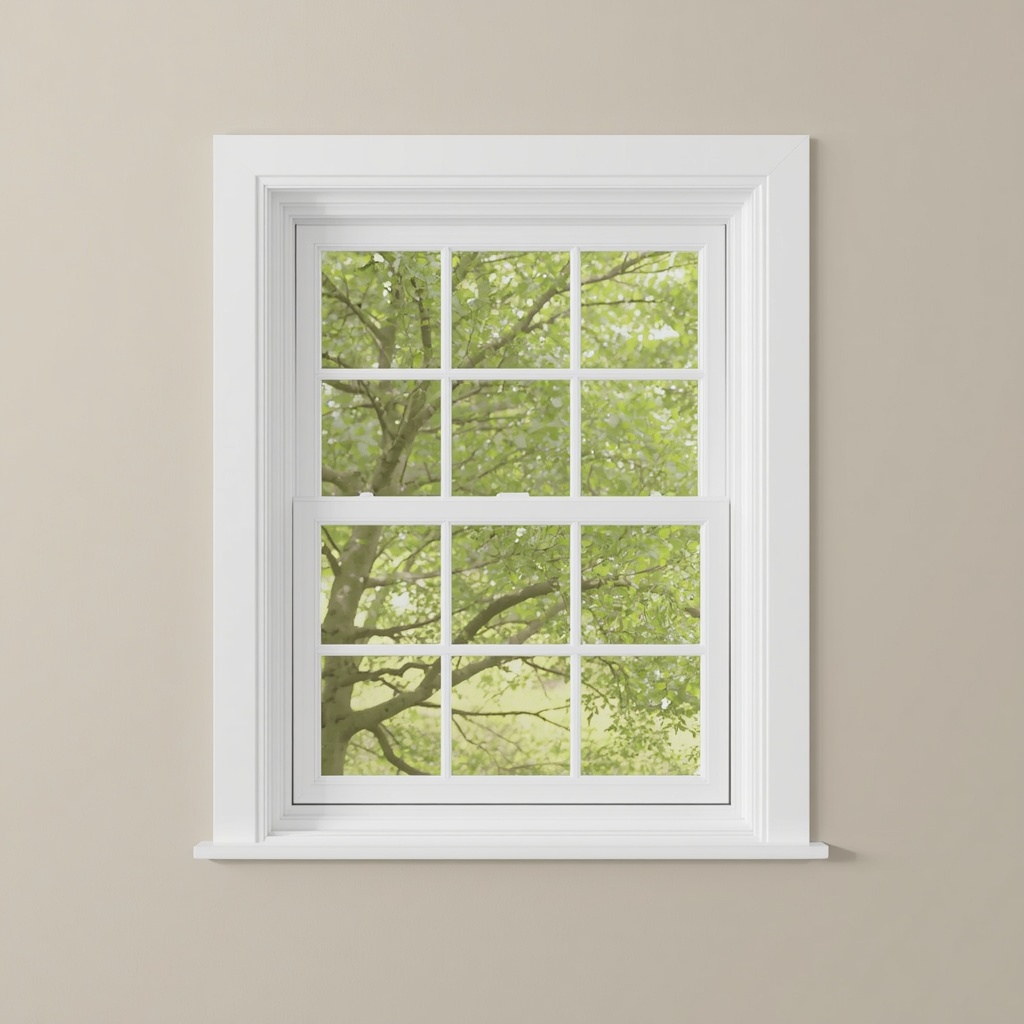
They’re particularly useful in older homes where ceiling wiring for a fan isn’t feasible, or in rental units where permanent installations are off the table. Because they sit low in the window frame, they stay out of your eyeline and don’t interfere with curtains, blinds, or window treatments — an important consideration when you’ve invested in a beautiful drapery moment.
5. Fan-Free Statement Lighting with Integrated Air Circulation
If you love the idea of a functional ceiling fixture but hate the look of exposed blades, hidden-blade ceiling fans and fan-light combination fixtures are worth a look. These designs house the blades within a drum shade or decorative housing, so from below, the fixture reads as a chandelier or pendant rather than a fan.
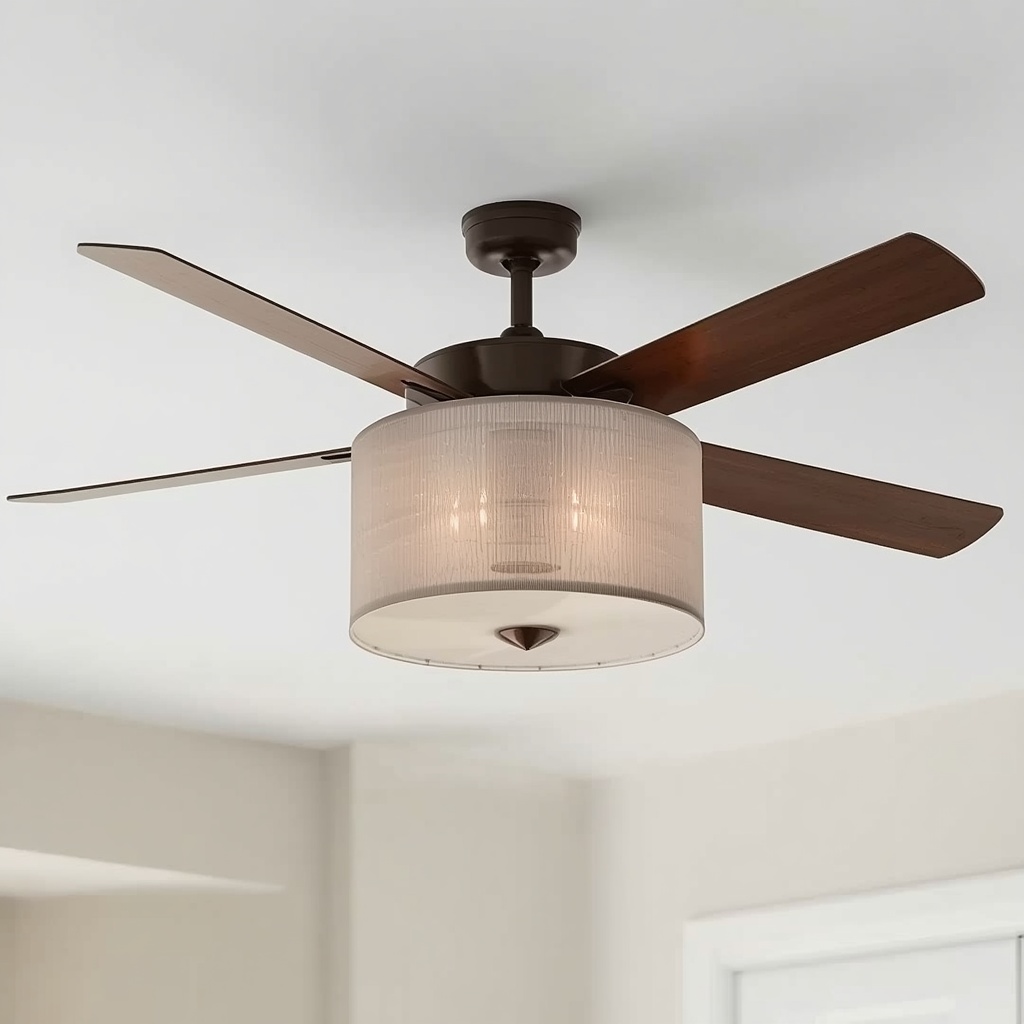
This is one of my favorite “best of both worlds” solutions for formal dining rooms and primary bedrooms, where you want a statement lighting moment but still need airflow. The key is choosing a fixture whose scale and finish match your existing lighting plan — brass and glass for traditional spaces, matte black and linen for transitional interiors.
6. Wall-Mounted Fans
Wall-mounted fans are a favorite in Mediterranean and industrial-style homes, and they’re gaining traction stateside for good reason. Mounted at head height or above, they circulate air efficiently while completely freeing up your ceiling and floor space.
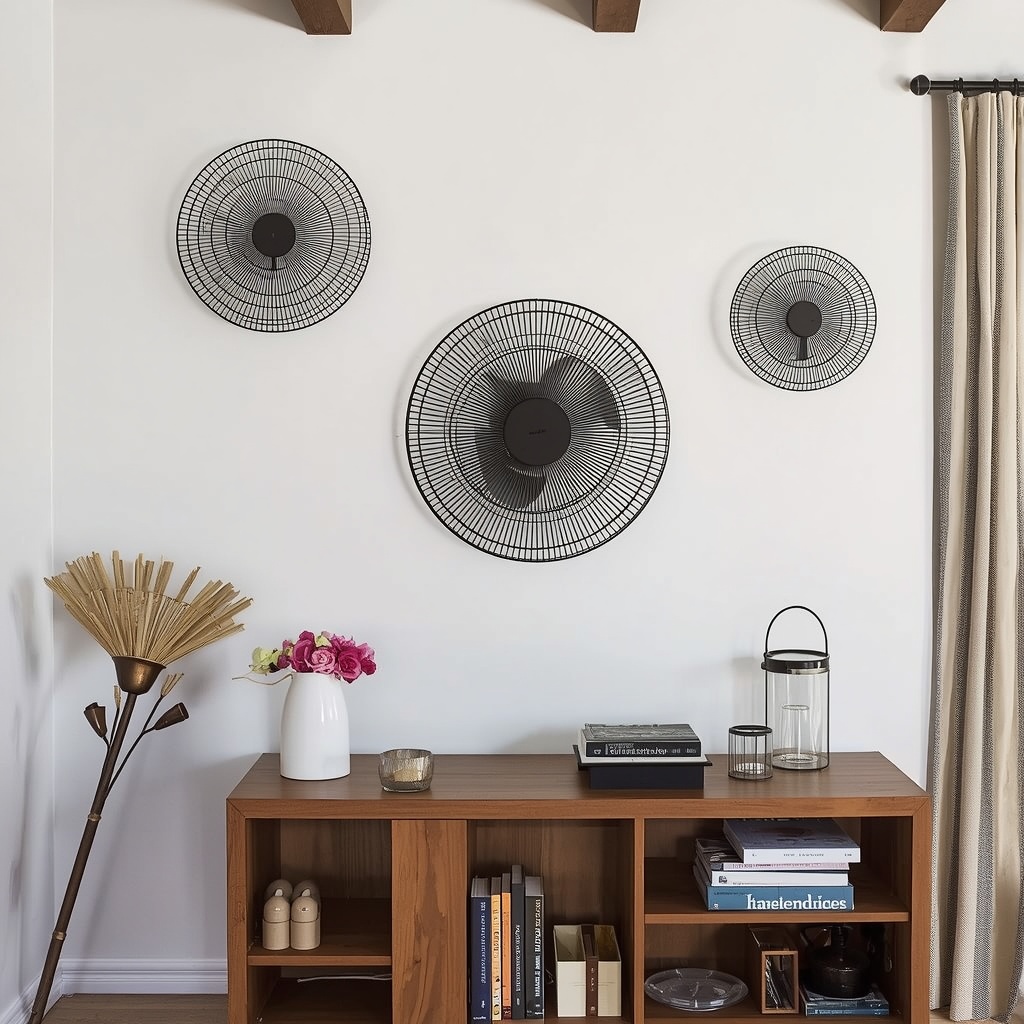
They’re an excellent choice for compact rooms, home gyms, covered patios, and kitchens where counter or floor space is already at a premium. Look for models with a metal cage design and an oscillating head — they instantly read as “designed,” not “utilitarian,” especially in exposed-brick or loft-style interiors.
7. Ductless Mini-Split Systems
For homeowners serious about both climate control and aesthetics, a ductless mini-split system is arguably the most powerful ceiling fan alternative available. These systems provide targeted heating and cooling through a small wall- or ceiling-mounted unit connected to an outdoor compressor — no ductwork required.
Unlike a fan, a mini-split actually changes the room’s temperature rather than just moving air around, making it a true HVAC upgrade. Many newer units feature slim, low-profile designs in white or neutral tones that blend into a wall the way a piece of minimalist art might. For open-concept living spaces or additions where central air doesn’t reach, this is often the single best investment for year-round comfort.
8. Skylights and Operable Windows for Passive Cooling
Sometimes the most elegant solution is architectural rather than mechanical. Operable skylights and strategically placed transom or clerestory windows create natural convection, pulling warm air up and out while drawing cooler air in from lower openings.
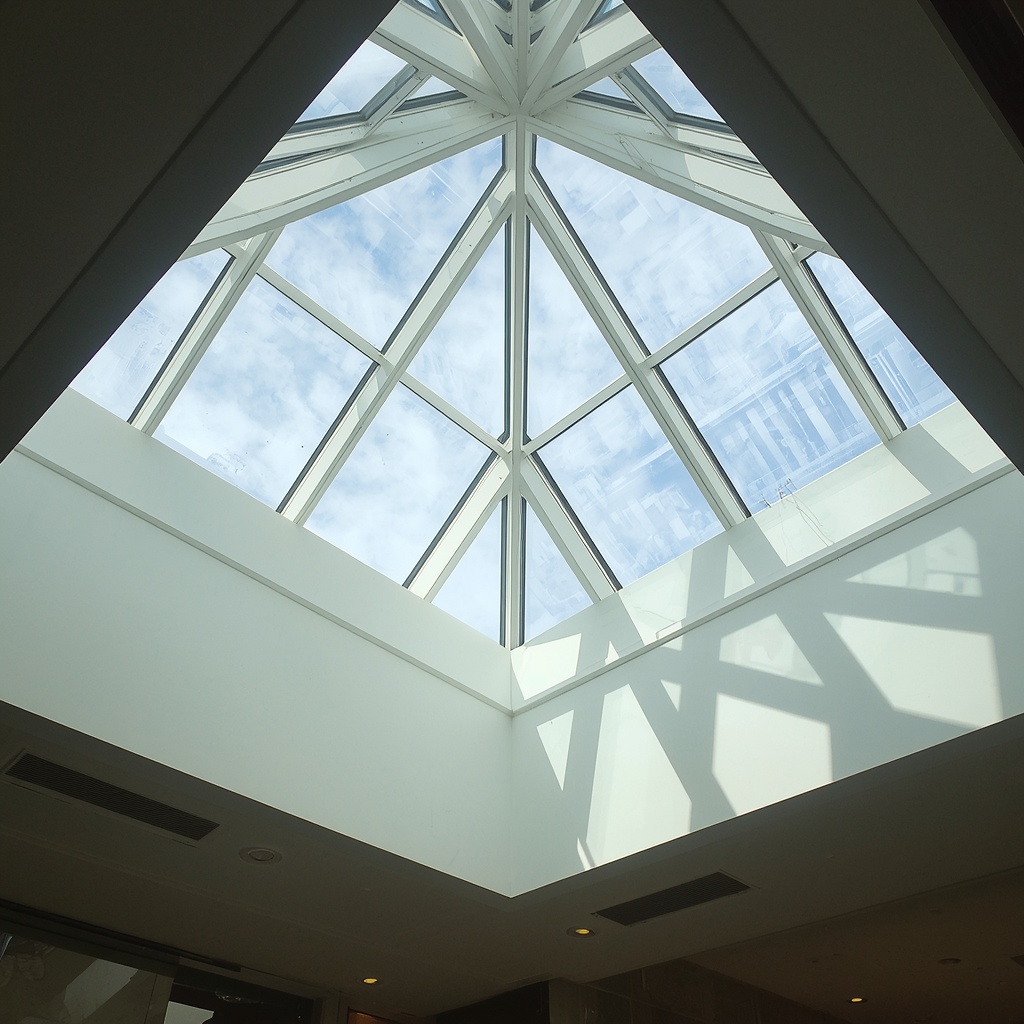
This approach pairs beautifully with biophilic design principles — think exposed wood beams, indoor plants, and abundant natural light. While it requires more upfront investment or renovation, passive ventilation adds zero visual clutter and can meaningfully reduce your reliance on mechanical cooling altogether.
9. Evaporative Coolers
In dry climates across the Southwest, evaporative (or “swamp”) coolers remain a highly efficient, eco-conscious alternative. They cool air through water evaporation rather than refrigeration, using significantly less energy than traditional air conditioning.
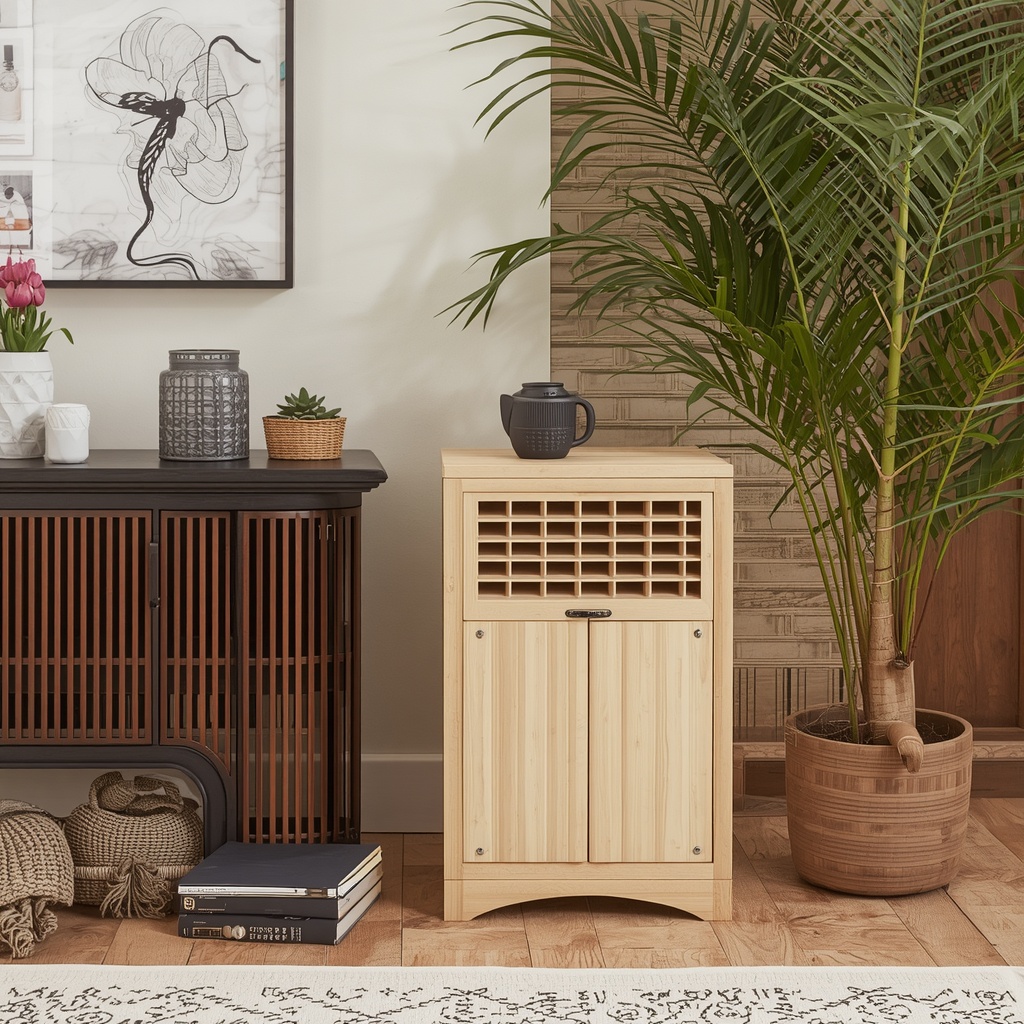
Portable evaporative coolers now come in furniture-inspired designs — wood-slat exteriors, woven textures, and neutral tones — that fit surprisingly well into farmhouse, coastal, and boho-styled homes.
Comparing Your Options at a Glance
| Alternative | Best For | Style Appeal | Approx. Cost | Energy Use |
|---|---|---|---|---|
| Bladeless tower fan | Modern, minimalist rooms | High — sculptural design | $150–$500 | Low |
| Smart pedestal fan | Flexible, multi-use spaces | Medium–High | $80–$300 | Low |
| Whole-house fan | Entire-home cooling | Invisible/hidden | $1,000–$2,500 installed | Very low |
| Window fan | Bedrooms, small rooms | Low–Medium | $40–$150 | Low |
| Hidden-blade fixture | Dining rooms, bedrooms | Very High | $200–$800 | Low–Medium |
| Wall-mounted fan | Kitchens, patios, gyms | High — industrial charm | $60–$250 | Low |
| Ductless mini-split | Whole-room climate control | High — sleek and minimal | $2,000–$5,500 installed | Medium |
| Skylight/passive vent | Architectural renovations | Very High | $500–$3,000+ | None (passive) |
| Evaporative cooler | Dry climates | Medium–High | $150–$600 | Very low |
How to Choose the Right Alternative for Your Space
Selecting the right option comes down to four core factors: your climate, ceiling height, room function, and design style. A humid coastal climate calls for genuine air movement or dehumidifying HVAC, while a dry desert climate can lean on evaporative cooling. A low-ceilinged reading nook might only need a stylish pedestal fan, while an open-concept great room may benefit most from a whole-house fan or mini-split system.
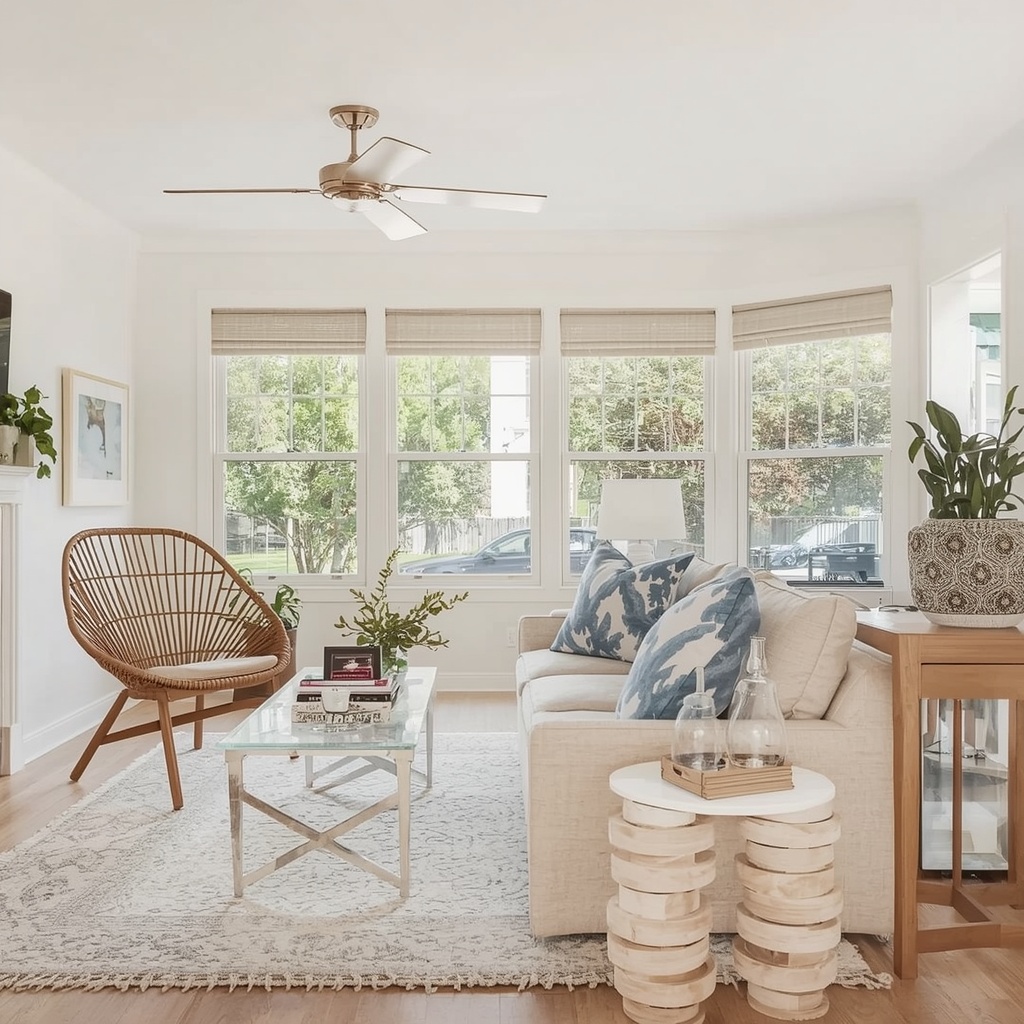
As a general rule, I encourage clients to think in terms of layered comfort rather than a single fix. Just as you’d layer ambient, task, and accent lighting, you can layer passive ventilation, spot cooling, and whole-home HVAC to create a space that feels effortlessly comfortable in every season.
“The best-designed rooms don’t just look intentional — they feel intentional, down to the way the air moves through them.”
Quick Checklist Before You Decide
- Measure your ceiling height and note any architectural details worth preserving
- Identify which rooms need spot cooling versus whole-home comfort
- Consider your climate: humid, dry, or moderate
- Decide whether you’re renting (favor portable/window options) or own long-term (consider mini-splits or whole-house fans)
- Set a budget range and factor in installation costs, not just unit price
- Choose finishes (matte black, brass, woven, glass) that align with your existing decor palette
Pro Tip: When mixing metals or finishes between your cooling solution and your lighting fixtures, keep at least one material consistent — for example, matte black fan housing with matte black window hardware — to create visual cohesion instead of a mismatched, “added later” feel.
Final Thoughts
You no longer have to sacrifice design integrity for comfort. Whether it’s a sculptural bladeless fan, a whisper-quiet mini-split, or a whole-house fan hidden neatly out of sight, today’s alternatives prove that smart climate control and beautiful interiors aren’t mutually exclusive. The key is treating airflow and cooling as part of your design plan from the start — not an afterthought bolted to the ceiling.
For more energy-efficiency guidance, resources like ENERGY STAR offer helpful benchmarks when comparing cooling appliances for your home.