
Your living room windows are more than just glass and frames — they’re the eyes of your home. As an interior designer, I’ve seen how the right window treatment can transform a flat, uninspired space into a warm, layered retreat. Yet homeowners often treat this decision as an afterthought, grabbing whatever curtains are on sale at the nearest home goods store.
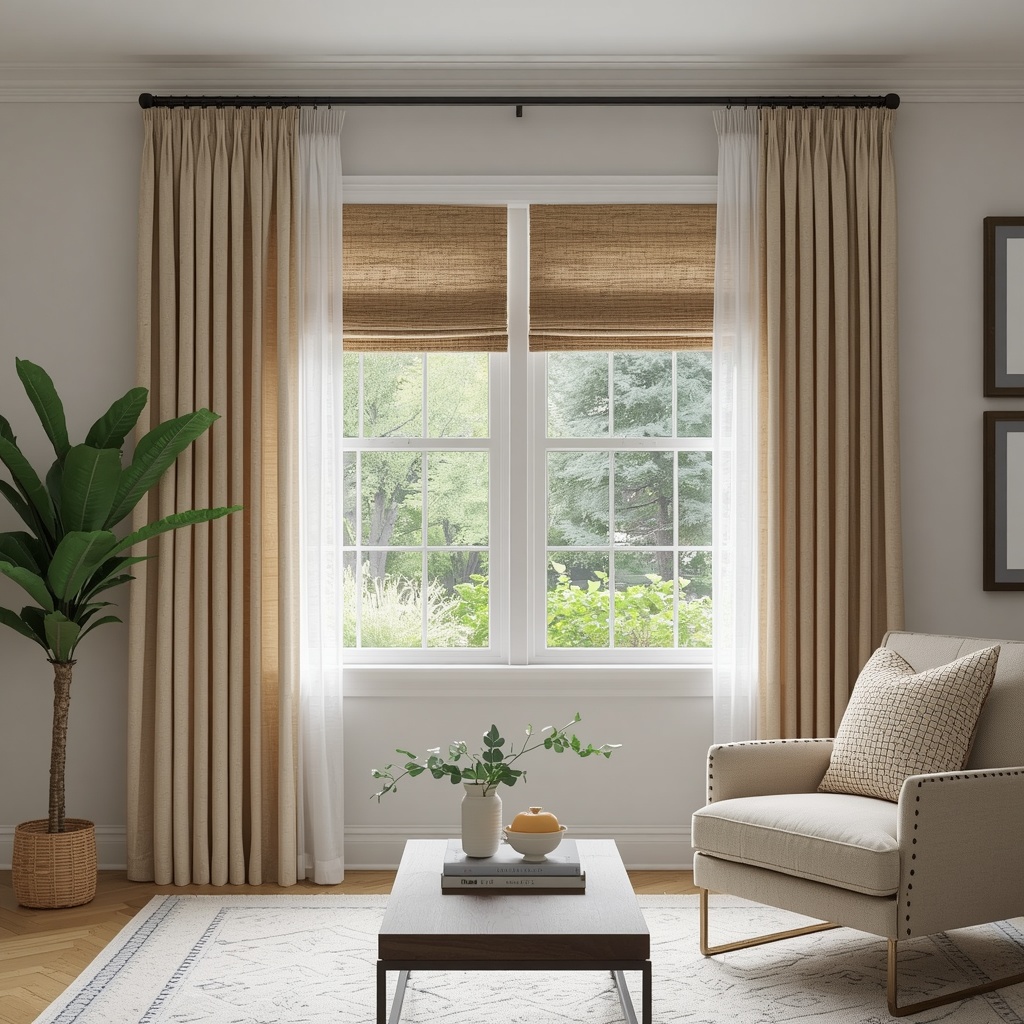
The truth is, window treatments do double duty: they control light, privacy, and temperature while also serving as a major style statement. Get them right, and your living room feels curated and intentional. Get them wrong, and even a beautifully furnished room can feel unfinished. This guide walks you through everything you need to know to choose window treatments that work for your space, your lifestyle, and your budget.
Why Window Treatments Matter More Than You Think
Window treatments aren’t just decorative — they’re functional design elements that affect how you live in a room every single day. The right curtains, blinds, or shades regulate natural light, protect furniture and flooring from UV fading, and add a crucial layer of privacy from the street or neighbors.
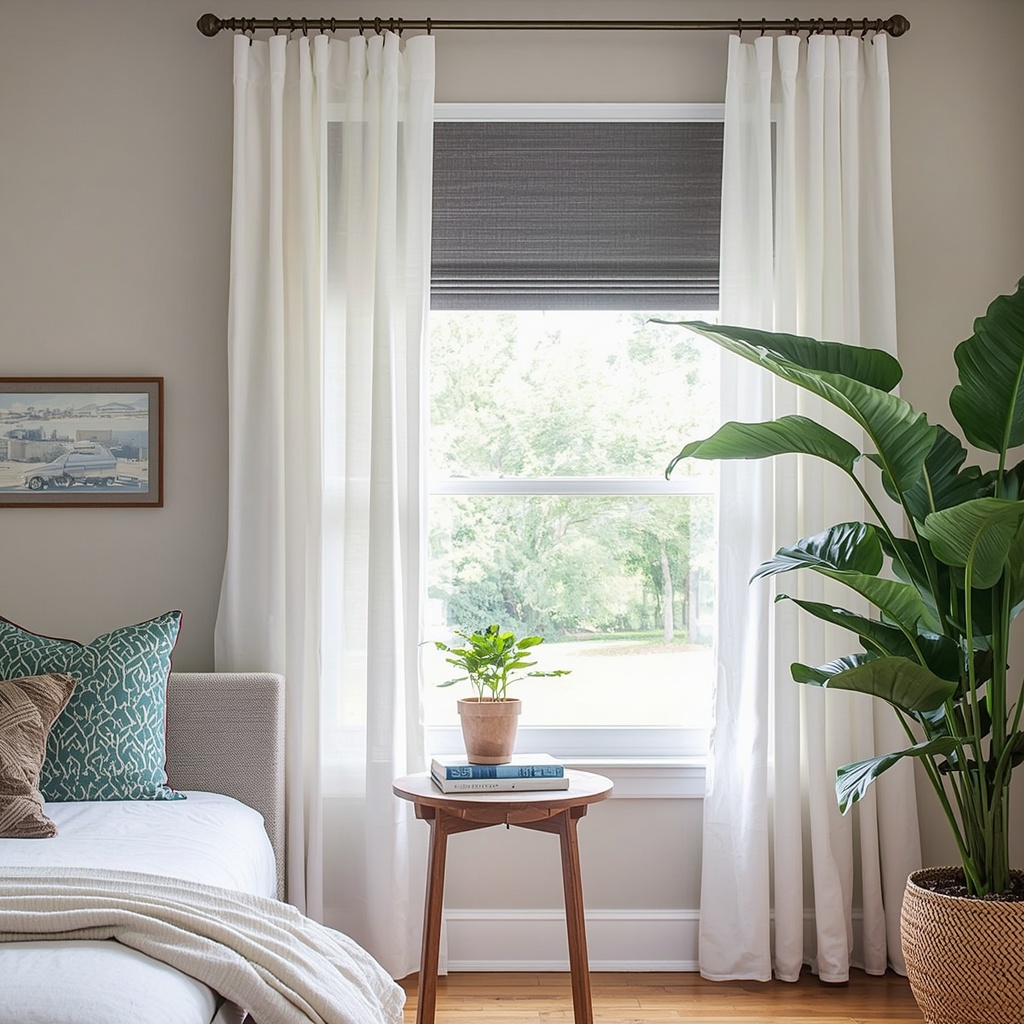
Beyond function, window treatments anchor the visual proportions of a room. Floor-length drapery panels can make ceilings appear taller, while the wrong hardware placement can make a beautiful window look cramped. Think of window treatments as the “frame” around your living room’s best feature — the natural light source itself.
Understanding Your Living Room’s Light and Layout First
Before browsing fabric swatches, take stock of your room’s orientation and window style. A south-facing living room floods with harsh afternoon sun, while a north-facing room stays cool and diffused most of the day. This single detail should guide your choice between sheer, blackout, or light-filtering fabrics.
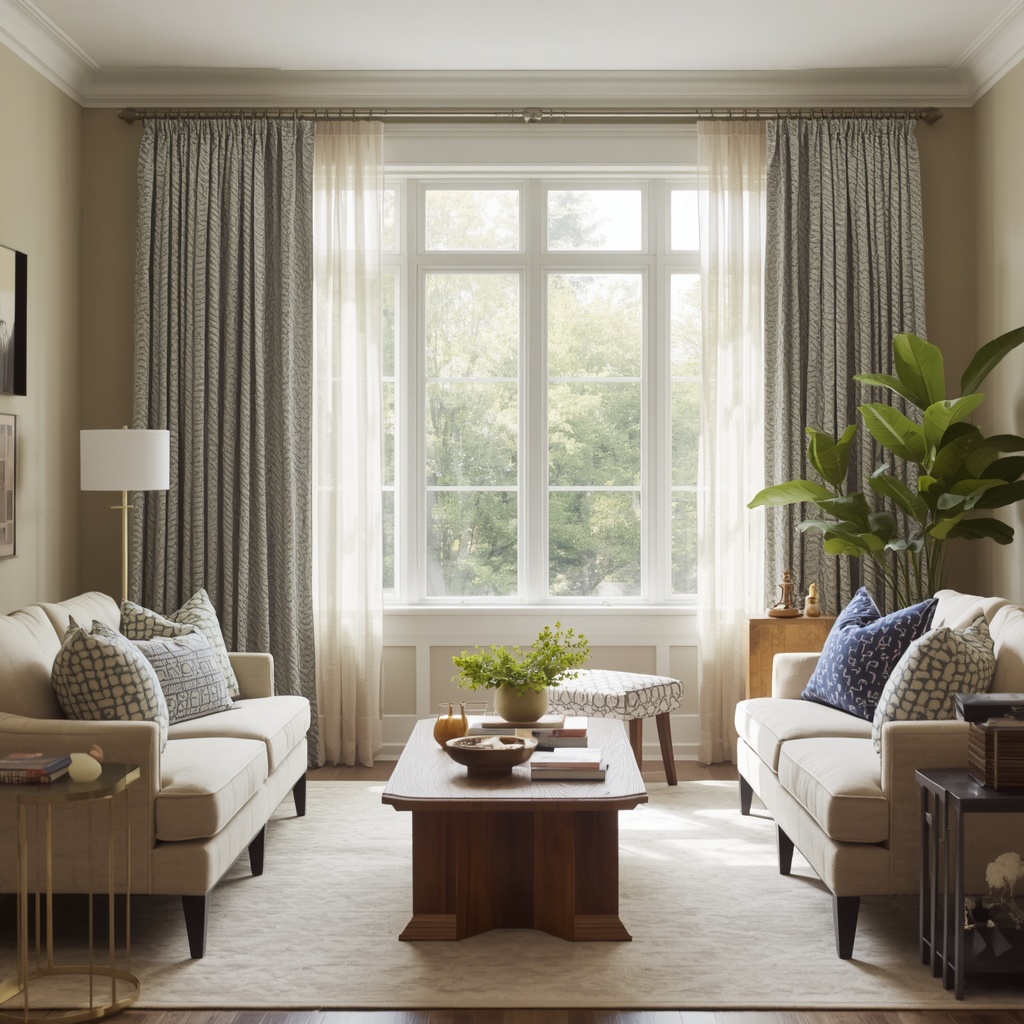
Window shape matters too. Bay windows, picture windows, and sliding glass doors each call for different hardware and treatment styles. Measuring accurately and understanding your window’s architecture prevents costly mistakes down the line — a lesson many first-time homeowners learn the hard way.
Types of Window Treatments for Living Rooms
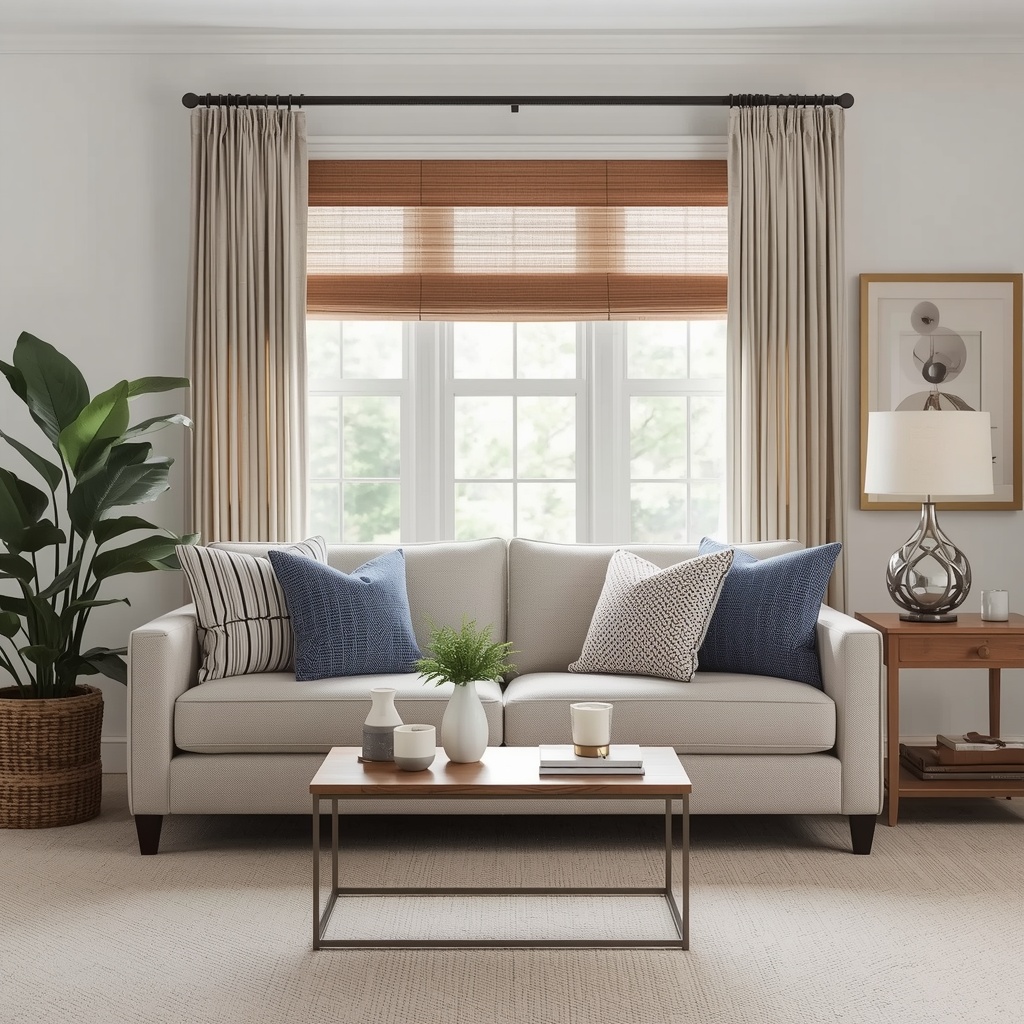
There’s no single “best” window treatment — the right choice depends on light control needs, privacy preferences, and your existing decor style. Here’s a breakdown of the most popular options for living spaces:
| Treatment Type | Best For | Light Control | Style Vibe |
|---|---|---|---|
| Curtains/Drapes | Softening large windows, adding warmth | Moderate to full (with liners) | Traditional, cozy, layered |
| Roman Shades | Clean, tailored looks | Moderate | Transitional, minimalist |
| Roller Shades | Modern, low-fuss spaces | Light to full (blackout options) | Contemporary, sleek |
| Wood Blinds | Rustic or farmhouse interiors | Adjustable | Classic, warm |
| Sheer Panels | Layering with heavier drapes | Minimal | Airy, romantic |
| Cellular/Honeycomb Shades | Energy efficiency | Excellent insulation | Practical, modern |
| Plantation Shutters | Permanent, high-end upgrades | Fully adjustable | Coastal, traditional |
Each of these can work beautifully in a living room — the key is matching the treatment to your room’s function and your household’s daily habits.
Curtains vs. Blinds vs. Shades: Which Should You Choose?
This is one of the most common questions homeowners ask when redesigning a living room. Each option has distinct pros and cons worth weighing carefully.
| Feature | Curtains | Blinds | Shades |
|---|---|---|---|
| Softness/Texture | High | Low | Medium |
| Light Control | Good with lining | Excellent, adjustable slats | Excellent (varies by type) |
| Maintenance | Requires washing | Easy dusting | Easy wiping |
| Cost Range | $$-$$$ | $-$$ | $$-$$$ |
| Best Living Room Fit | Formal, layered spaces | Casual, modern spaces | Transitional spaces |
“A window without a treatment is like a painting without a frame — it’s missing the finishing touch that pulls the whole room together.” — A principle I share with nearly every client during initial design consultations.
The Designer Secret: Layering Window Treatments
If there’s one professional trick that instantly elevates a living room, it’s layering. Pairing sheer curtains with heavier drapery panels, or combining Roman shades with side curtains, creates depth and dimension that a single treatment simply can’t achieve.
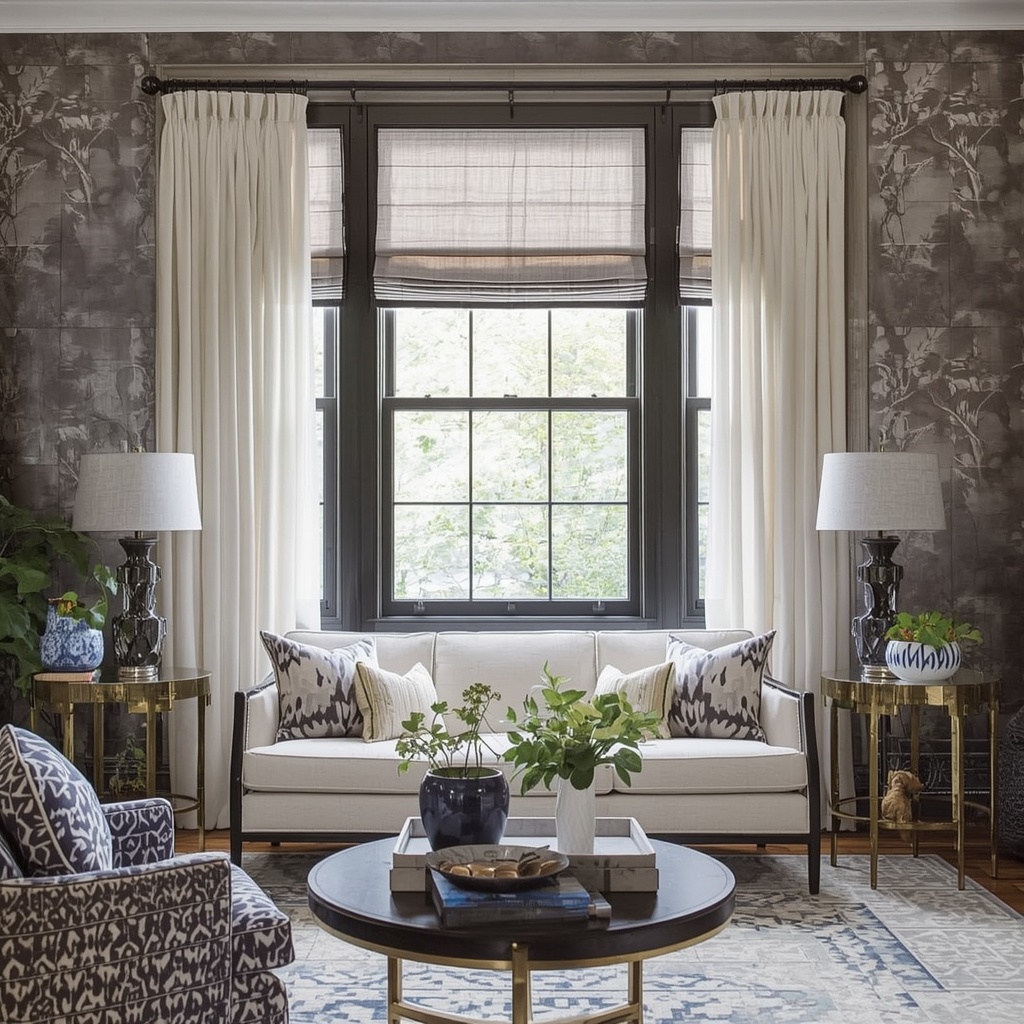
Layering also gives you flexible light control throughout the day. Keep sheers closed for privacy and soft daylight, then draw heavier drapes closed in the evening for full darkness and coziness. This approach is especially effective in living rooms that double as media rooms, where light control changes based on time of day.
💡 Pro Tip
Hang your curtain rod 4-6 inches above the window frame and extend it 8-10 inches beyond each side. This simple trick makes windows appear larger, allows full sunlight in when panels are open, and creates a more expansive, high-end look — one of the easiest ways to make a room feel bigger without any construction.
Choosing the Right Fabric and Material
Fabric choice dramatically affects both the look and function of your window treatments. Heavier fabrics like velvet or thick linen block more light and add insulation, making them ideal for colder climates or rooms facing busy streets. Lighter fabrics like linen blends or cotton voile let in soft, diffused light while maintaining privacy.
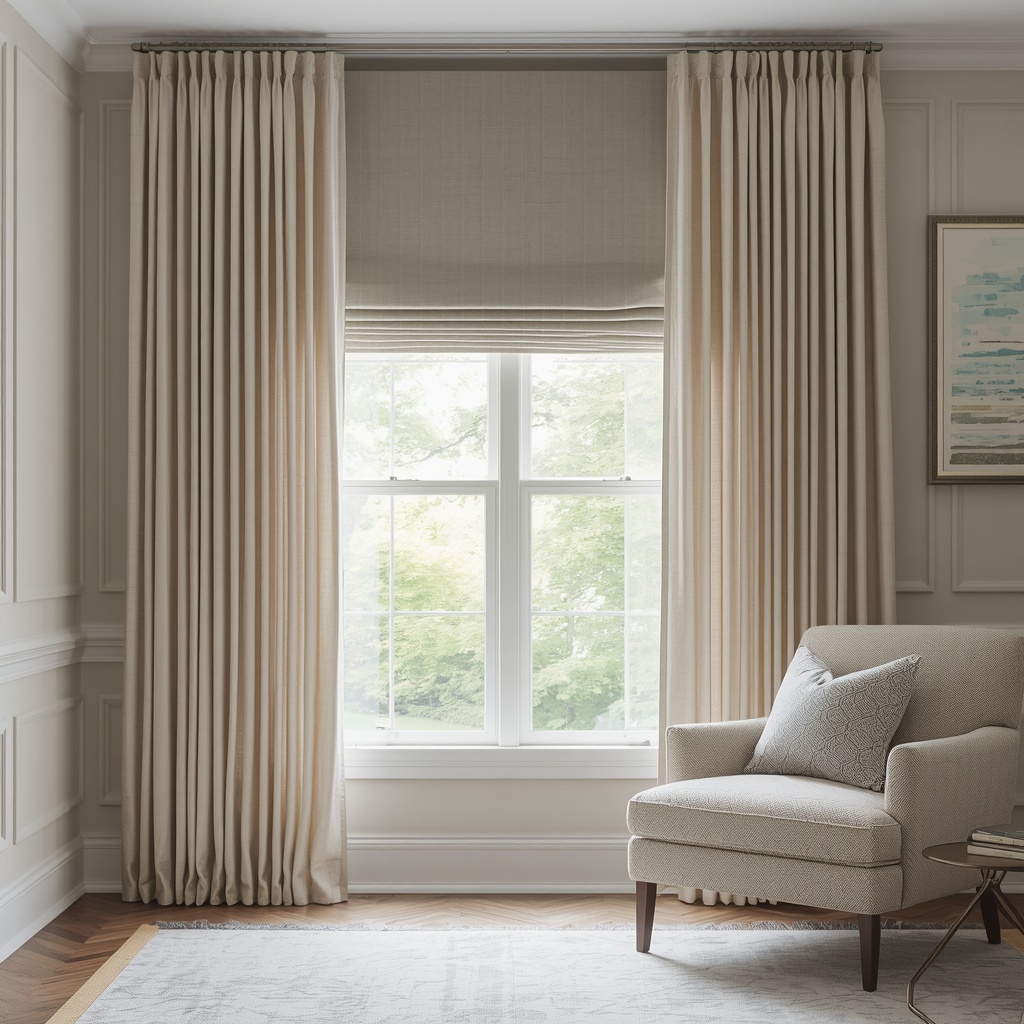
Consider your household, too. Homes with pets or young children benefit from machine-washable fabrics or durable synthetic blends that resist snags and stains. If you’re in a humid climate, look for mildew-resistant materials, especially for living rooms near sliding doors or patios.
Popular living room fabric choices include:
- Linen — breathable, casual, and relaxed
- Velvet — luxurious, ideal for formal or moody spaces
- Cotton blends — versatile and budget-friendly
- Faux silk — elegant sheen without the high maintenance
- Polyester blends — durable, fade-resistant, easy care
Color and Pattern: Making the Right Design Statement
Color is where personal style truly comes through. Neutral tones — ivory, greige, soft taupe — blend seamlessly with most furniture and allow other design elements to shine. Bolder colors or patterns, on the other hand, can serve as a focal point when your walls and furniture are more subdued.
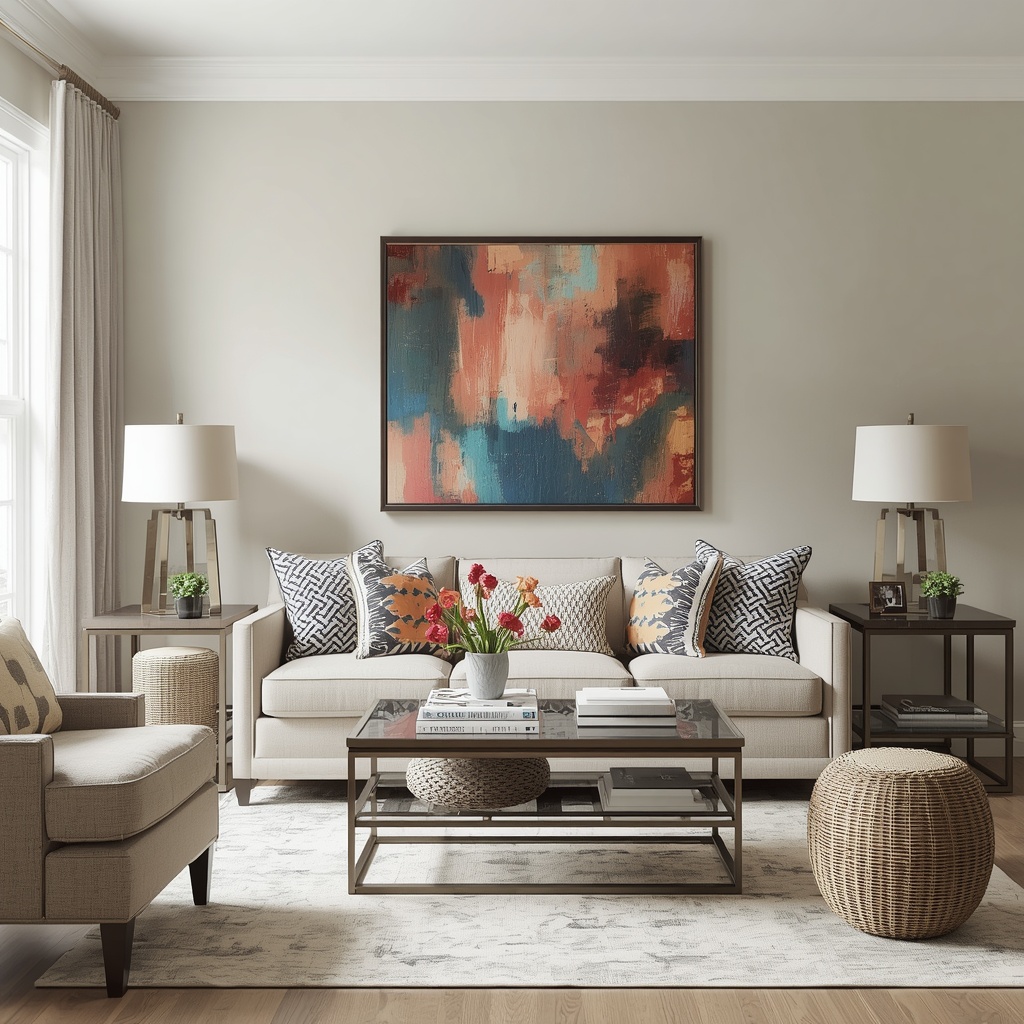
A helpful rule of thumb: if your living room already has a patterned rug or statement sofa, keep window treatments simple and solid-colored. If your furnishings are neutral, this is your opportunity to introduce pattern, texture, or a pop of color through your drapery.
Semantic Keyword Spotlight: Popular Living Room Window Treatment Styles
To help you navigate design terminology, here are related styles and concepts often searched alongside living room window treatments:
- Farmhouse curtain ideas
- Modern minimalist window treatments
- Blackout curtains for living room
- Energy-efficient window coverings
- Custom drapery vs. ready-made curtains
- Motorized window shades
- Bay window curtain ideas
- Living room curtain length guide
Understanding these related concepts helps you communicate more clearly with designers, contractors, or retailers when sourcing treatments for your space.
How to Measure Living Room Windows Correctly
Improper measurements are one of the most common (and costly) window treatment mistakes homeowners make. Follow these steps for accurate results:
- Measure the width of your window frame at three points (top, middle, bottom) and use the widest measurement.
- Measure the height from the top of the frame to where you want the treatment to end (sill, apron, or floor).
- Decide on rod placement — higher and wider rods create the illusion of larger windows.
- Account for fullness — curtain panels should typically total 2-2.5 times the width of the window for a lush, gathered look.
- Double-check floor clearance — panels should either “kiss” the floor, break slightly, or puddle intentionally, depending on your desired formality.
Budget-Friendly Window Treatment Ideas
Beautiful window treatments don’t have to break the bank. Ready-made curtain panels from retailers offer surprising quality at accessible price points, and small styling changes — like adding curtain rings or a statement rod — can make budget curtains look custom.
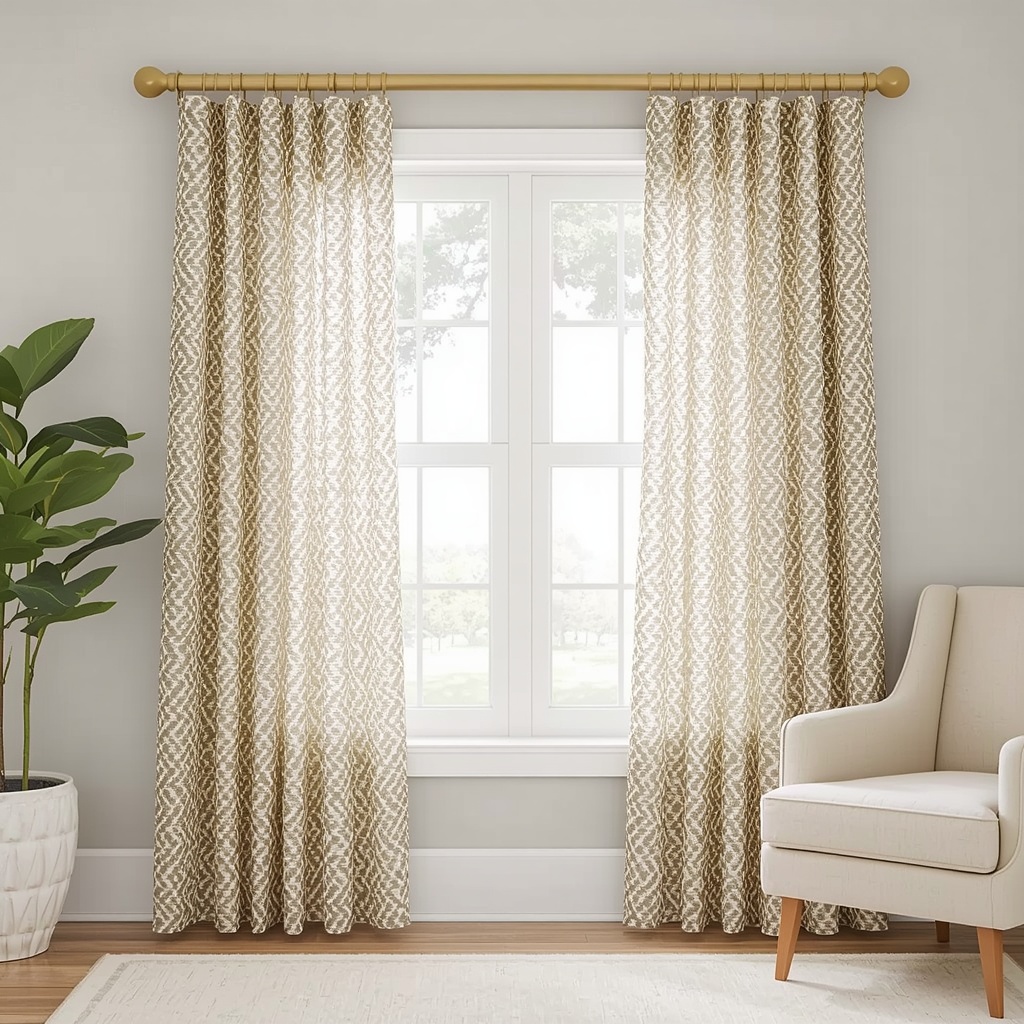
DIY no-sew curtain hemming, repurposing fabric remnants, and shopping end-of-season sales are all practical ways to stretch your decorating budget further. Even swapping basic hardware for a brushed brass or matte black rod can instantly elevate a low-cost curtain panel.
Maintenance Tips to Keep Treatments Looking Fresh
| Treatment | Cleaning Frequency | Method |
|---|---|---|
| Curtains | Every 3-6 months | Machine wash or dry clean per label |
| Blinds | Monthly | Dust with microfiber cloth or vacuum attachment |
| Roman Shades | Quarterly | Spot clean or professional cleaning |
| Sheers | Every 2-3 months | Gentle machine wash, air dry |
Regular maintenance not only keeps your living room looking polished but also extends the lifespan of your window treatments — protecting your investment for years to come.
Final Thoughts: Bringing It All Together
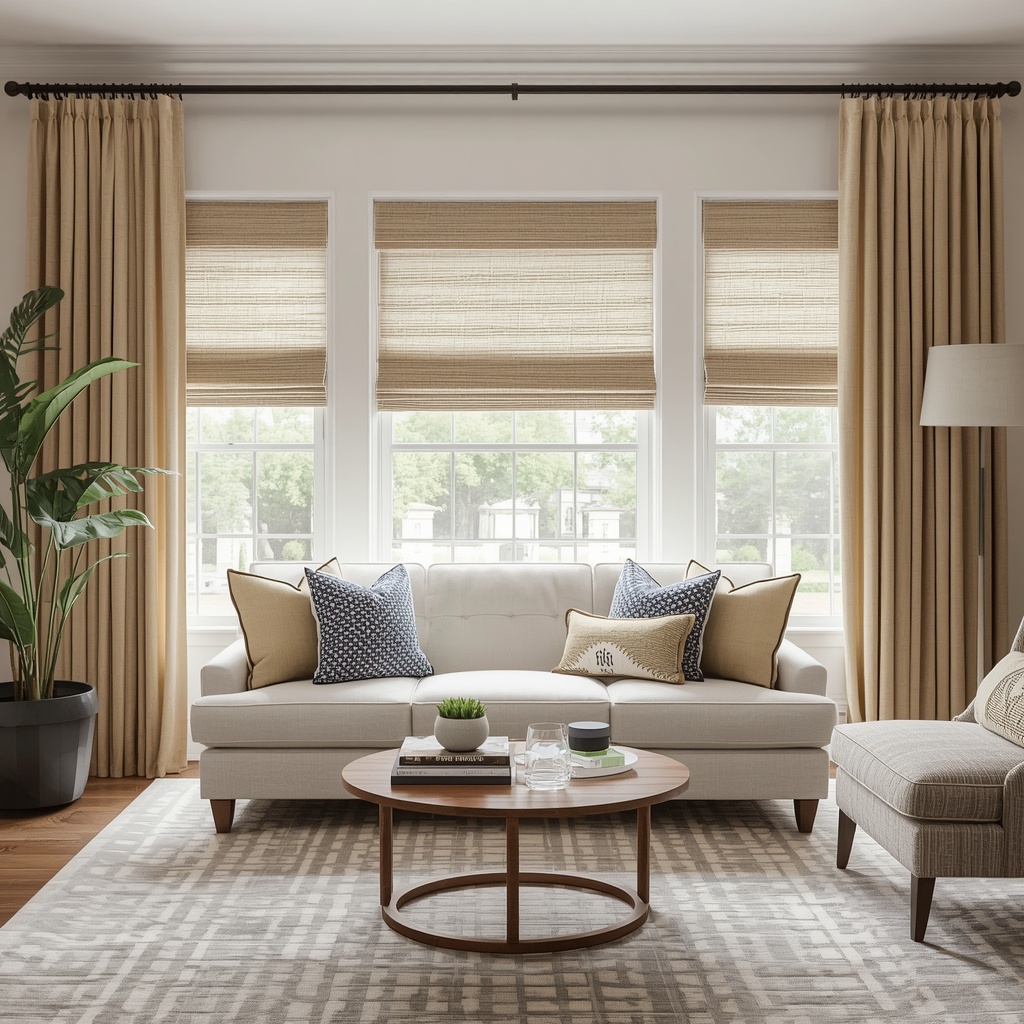
Choosing window treatments for your living room is ultimately about balancing function with personal style. Start by assessing your light needs and privacy concerns, then layer in fabric, color, and hardware choices that reflect your design aesthetic. Whether you lean toward flowing linen drapes or sleek motorized shades, the goal is the same: a living room that feels complete, comfortable, and unmistakably yours.
Take your time with this decision — window treatments are one of the few design elements that touch both form and function every single day. When chosen thoughtfully, they become one of the most impactful upgrades in your entire home.