
Minimalism used to mean stark white walls, glass tables, and rooms that felt more like art galleries than homes. That version of minimalism is fading fast. In its place, homeowners across the US are embracing warm minimalism — a softer, more livable style that keeps the clean lines and clutter-free philosophy of minimalist design but wraps it in cozy textures, sun-baked neutrals, and natural materials.
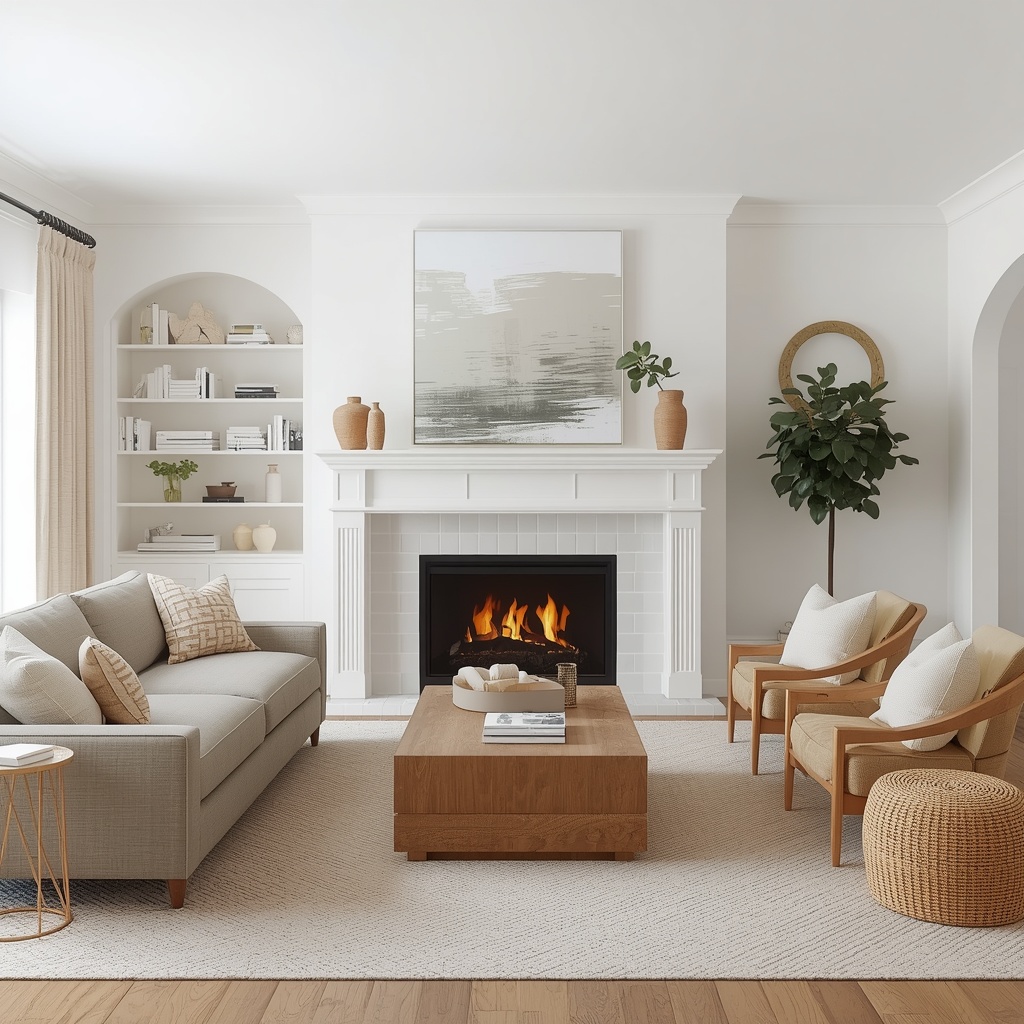
If you’ve ever scrolled through a beautifully styled living room online and felt instantly calm, chances are you were looking at warm minimalism. It’s simple without feeling cold, and stylish without feeling curated to death. This guide breaks down exactly how to bring that look into your own living room, room by room, choice by choice.
What Is Warm Minimalism, Exactly?
Warm minimalism is a design philosophy that blends the “less is more” mindset of traditional minimalism with the tactile, inviting qualities of styles like Japandi and modern farmhouse. Think oatmeal linen sofas instead of stark white leather, wood grain instead of chrome, and soft ambient lighting instead of harsh overheads.
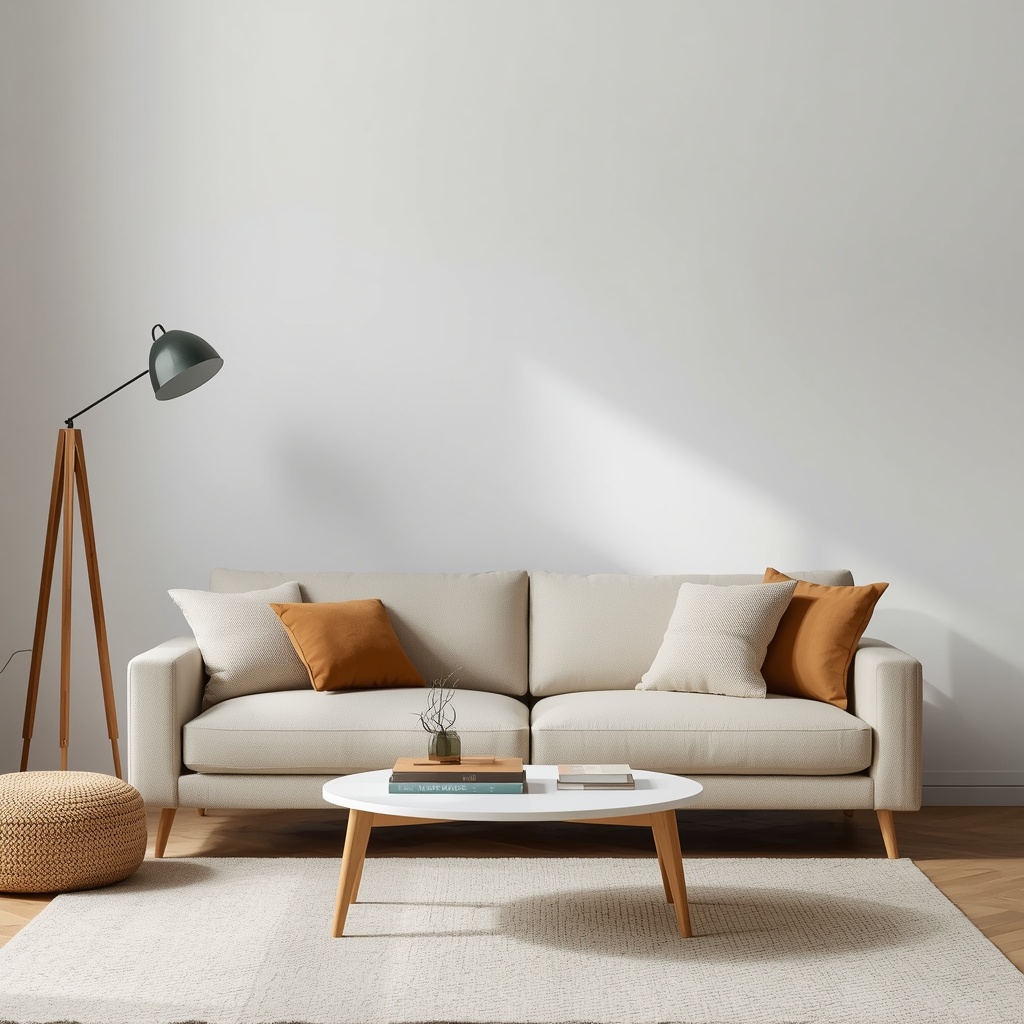
The goal isn’t to fill a room with things — it’s to fill it with the right things. Every object earns its place through function, texture, or emotional warmth. This is why warm minimalist rooms photograph beautifully but also feel genuinely comfortable to live in every day.
Why Warm Minimalist Living Rooms Are Trending in the US Right Now
A few cultural shifts are driving this trend, and understanding them helps explain why it’s more than a passing Pinterest phase.
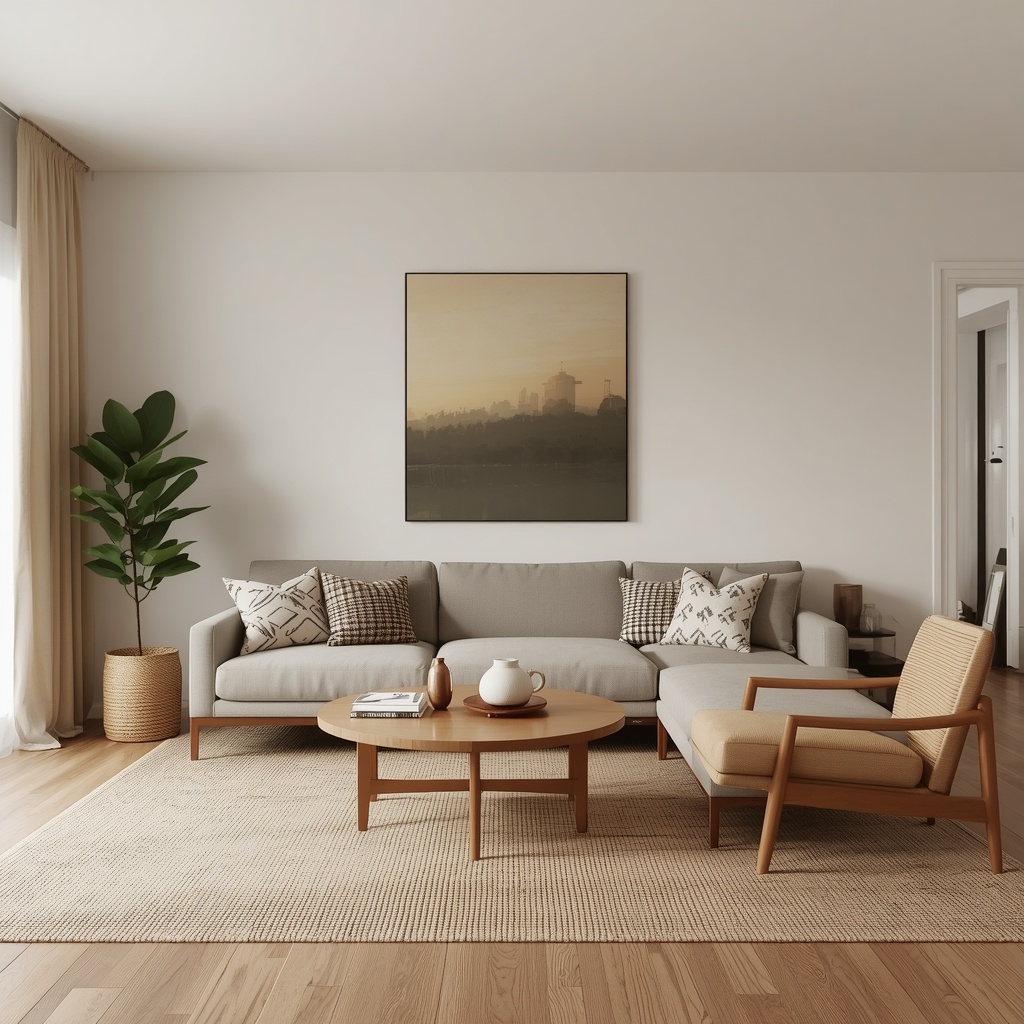
First, more people are working from home and spending extended hours in their living spaces, which has increased demand for rooms that feel restorative rather than stimulating. Second, sustainability-conscious buyers are gravitating toward natural materials like wood, wool, and stone over synthetic, mass-produced decor. Third, social media fatigue with maximalist, “more is more” interiors has pushed many homeowners toward simplicity that still feels personal.
“The best living rooms don’t shout for attention — they invite you to stay a while.” This is the quiet philosophy behind almost every warm minimalist space, whether it’s a 400-square-foot city apartment or a sprawling suburban great room.
Building a Warm Neutral Color Palette
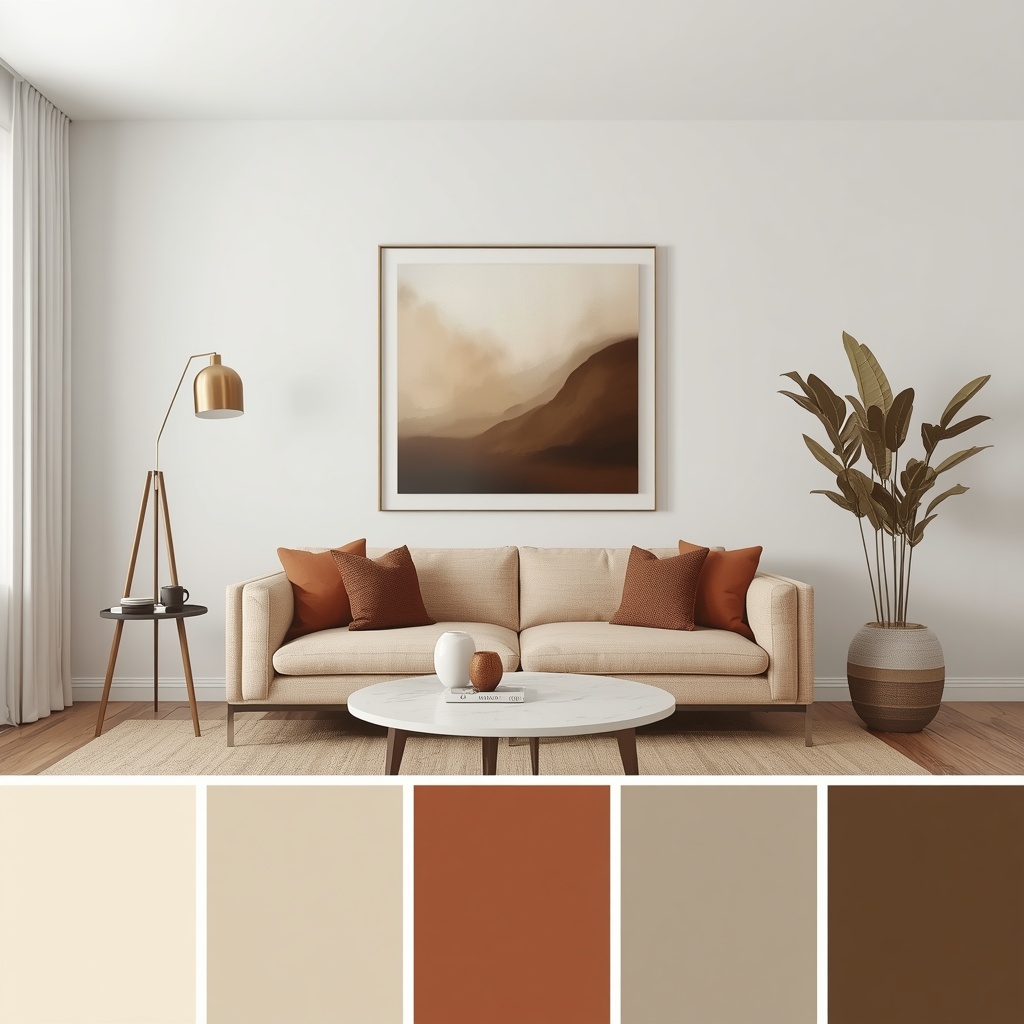
Color is where warm minimalism separates itself most clearly from traditional minimalism. Instead of pure white and gray, warm minimalist living rooms lean on a palette often called “warm neutrals” — colors that carry undertones of yellow, red, or brown rather than blue or green.
| Palette Style | Primary Colors | Best Paired With | Mood It Creates |
|---|---|---|---|
| Soft Sand | Beige, oat, ivory | Warm wood tones, rattan | Airy, calm, coastal-adjacent |
| Terracotta Warmth | Clay, rust, cream | Black metal accents, linen | Earthy, grounded, inviting |
| Greige Comfort | Warm gray, taupe, off-white | Walnut wood, boucle textures | Sophisticated, cozy, timeless |
| Milky Neutrals | Cream, warm white, tan | Light oak, woven baskets | Soft, Scandinavian-inspired |
| Deep Earth | Chocolate brown, camel, cream | Brass or gold accents | Rich, moody, intimate |
A simple rule of thumb: choose one dominant neutral for your walls and large furniture, one mid-tone neutral for secondary pieces like rugs or curtains, and one deeper accent tone for contrast through pillows, art, or a single statement piece.
Pro Tip: Before committing to a wall color, test paint swatches from brands like Benjamin Moore or Sherwin-Williams directly on your wall and observe them at three different times of day. Warm neutrals can shift dramatically between morning light and evening lamp light, and what looks perfectly warm at noon can read slightly gray or pink under artificial light at night.
Furniture Choices That Define the Warm Minimalist Look
Furniture in a warm minimalist living room does double duty: it needs to be functional and visually quiet, letting texture and craftsmanship speak instead of bold shapes or busy patterns.
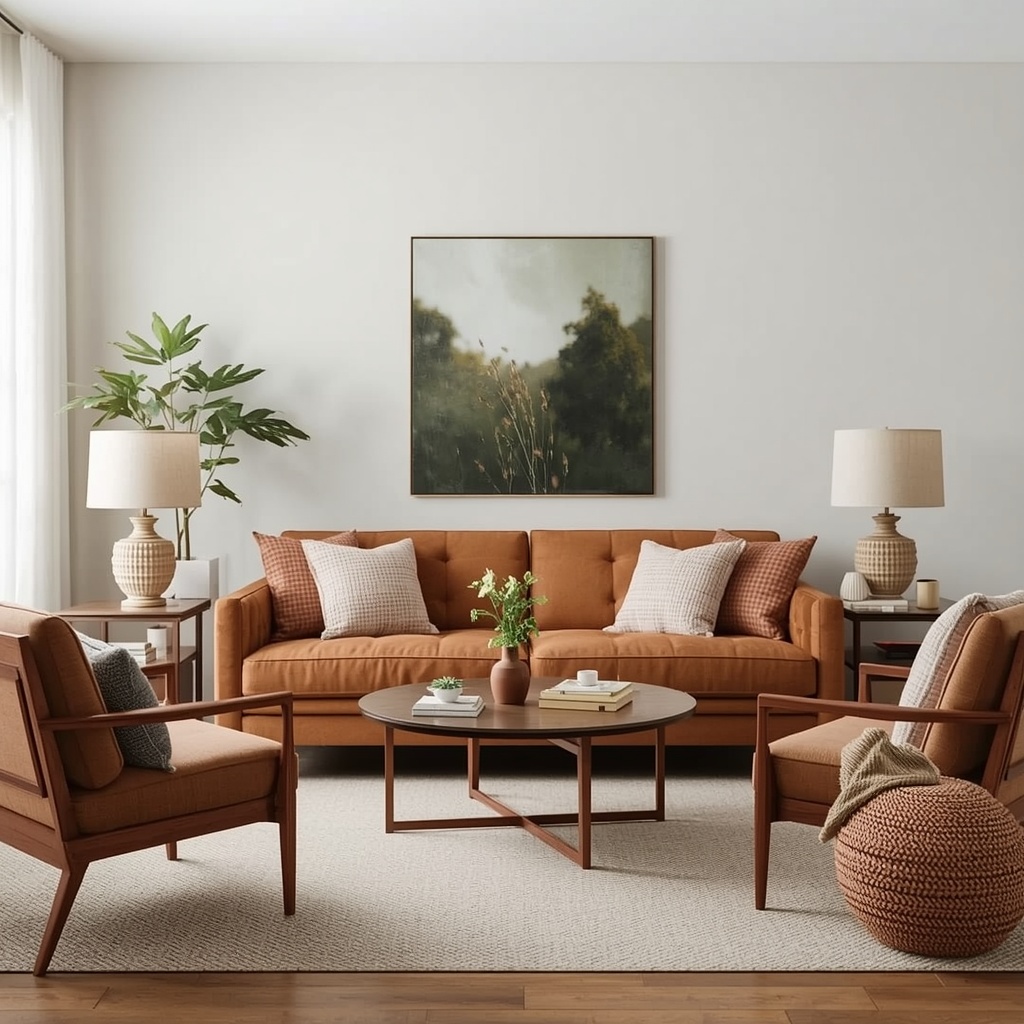
Key furniture characteristics to look for include:
- Low-profile silhouettes — sofas and chairs with clean, gently rounded lines rather than ornate carving
- Natural upholstery fabrics — boucle, linen, and heavyweight cotton in place of shiny synthetic blends
- Solid or lightly grained wood — oak, ash, and walnut are staples, often left in a natural or lightly whitewashed finish
- Rounded coffee tables — softer edges support the cozy, approachable feel central to the style
- Multi-functional pieces — a storage ottoman or a console with hidden compartments keeps clutter out of sight without adding visual bulk
Avoid furniture with heavy ornamentation, high-gloss finishes, or overly saturated colors, since these tend to pull a room back toward either traditional maximalism or cold, sterile minimalism.
Layering Textures and Natural Materials
If color sets the mood, texture is what makes a warm minimalist room feel finished rather than empty. This is the single most important design principle to master, and it’s also the one people skip most often when trying to recreate the look.
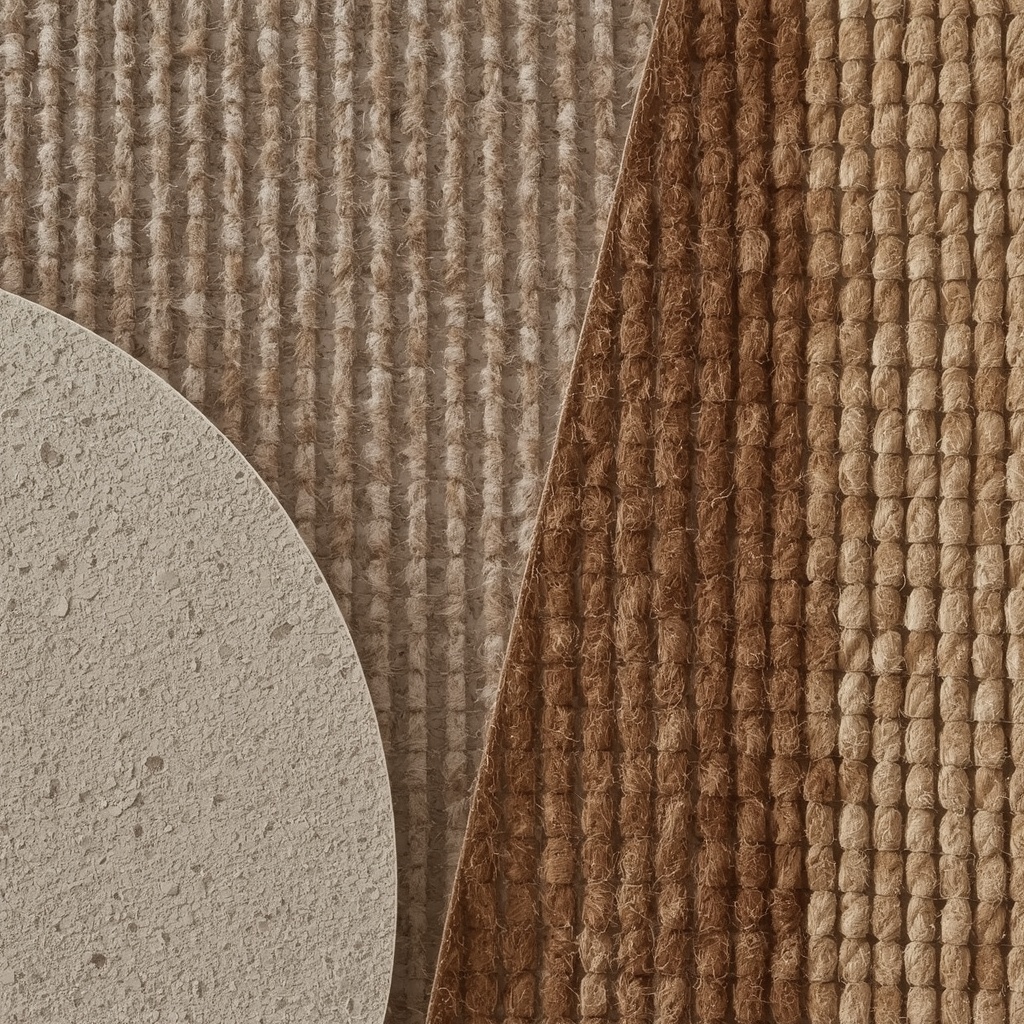
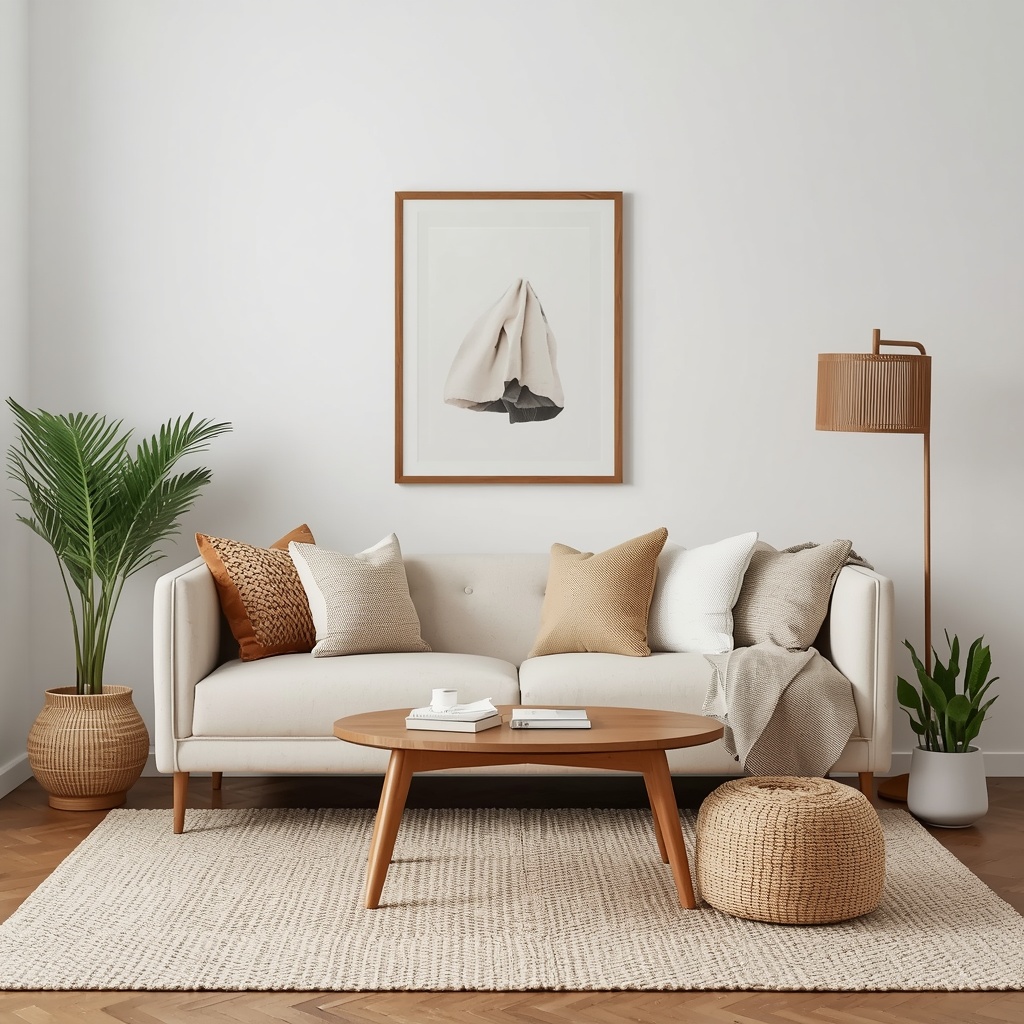
Layering texture means combining at least three to four different tactile materials in a single space — for example, a nubby wool rug, a smooth ceramic vase, a woven jute basket, and a soft linen throw. The contrast between rough and smooth, matte and slightly reflective, keeps a neutral room from feeling flat or one-dimensional.
Natural materials also reinforce the “warm” half of warm minimalism. Rattan, cane, unfinished wood, stone, linen, and wool all carry inherent texture and organic imperfection that synthetic materials simply can’t replicate. Even small touches, like a woven lampshade or a stoneware planter, contribute meaningfully to the overall feel of the room.
Lighting: The Secret Ingredient Most People Overlook
Lighting can make or break a warm minimalist living room faster than almost any other design element. Cool, bright, overhead lighting instantly kills the cozy atmosphere this style depends on, no matter how well the furniture and color palette are chosen.
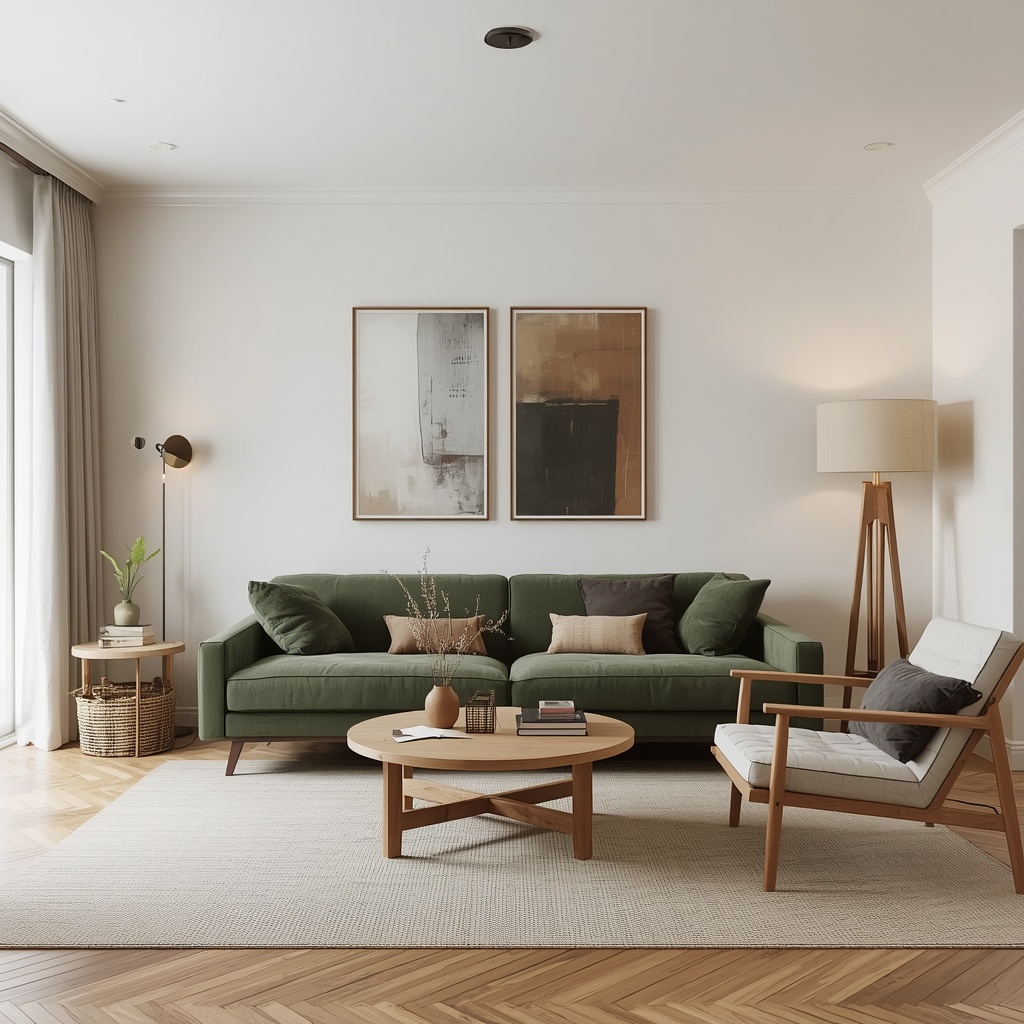
Effective warm minimalist lighting typically includes:
- A layered lighting plan with at least three light sources per room (ambient, task, and accent)
- Warm-toned bulbs in the 2700K–3000K range rather than cool white or daylight bulbs
- Floor and table lamps with linen, rattan, or paper shades to soften and diffuse light
- Dimmer switches on overhead fixtures to adjust intensity throughout the day
- Candles or LED flameless candles as a low-cost way to add flickering warmth in the evening
Decor Accents That Add Warmth Without Clutter
Warm minimalism doesn’t mean bare walls and empty shelves — it means intentional decor. Every accessory should either serve a function or create a specific emotional or visual effect.
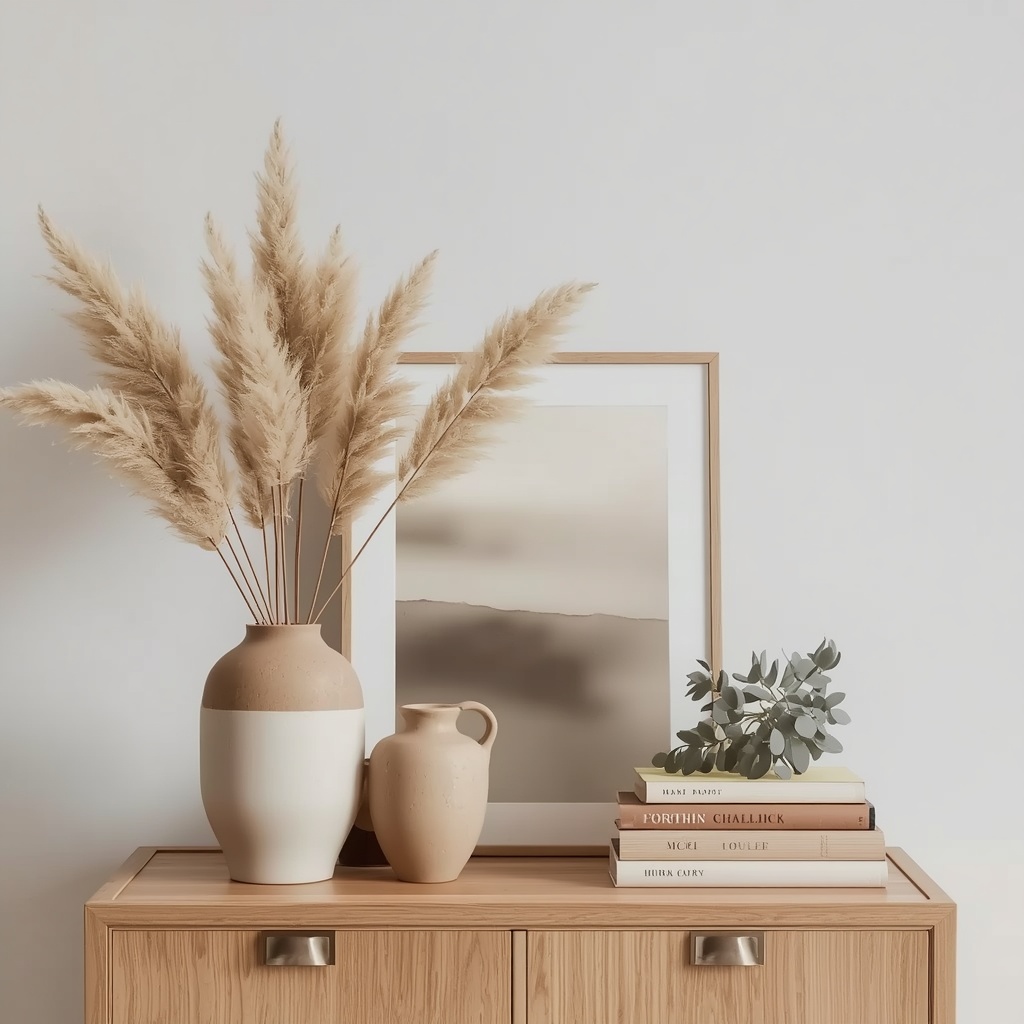
Consider a curated mix of the following: a small collection of ceramic or stoneware vases in varying heights, one or two pieces of framed art with muted, earthy tones, a stack of hardcover books used as a side table accent, dried botanicals like pampas grass or eucalyptus, and a single sculptural object that draws the eye without competing with everything else in the room.
A helpful test before adding any new decor item is to ask whether it would survive being the only object on a shelf. If a piece only looks good surrounded by ten other things, it’s probably adding clutter rather than warmth.
Layout and Furniture Arrangement Tips
Even the most beautifully chosen furniture and palette will fall flat if the room’s layout feels cramped or disconnected. Warm minimalist rooms rely heavily on breathing room — negative space is treated as a design element in itself, not wasted square footage.
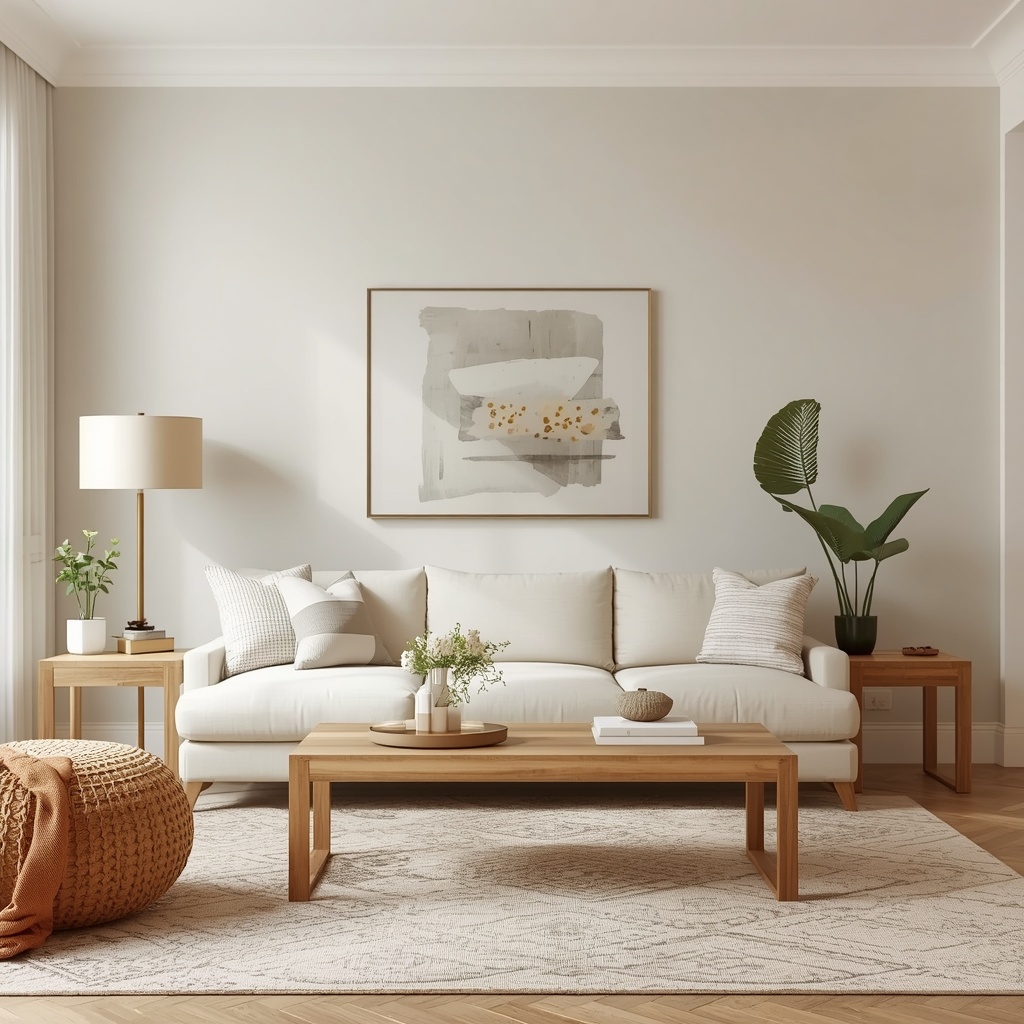
Aim to keep clear walking paths of at least 30 inches between major furniture pieces, and resist the urge to push every piece against the wall, which can make a room feel like a waiting area rather than a lived-in space. Floating a sofa slightly away from the wall, anchored by a well-placed rug, often creates a more intentional, gallery-like flow.
Common Mistakes to Avoid
| Mistake | Why It Hurts the Look | Quick Fix |
|---|---|---|
| Using only cool grays and whites | Reads as cold, not warm minimalist | Swap in beige, taupe, or greige tones |
| Skipping texture layering | Room feels flat and unfinished | Add rugs, throws, and woven baskets |
| Overhead lighting only | Creates harsh, clinical ambiance | Add lamps and dimmable fixtures |
| Too much matching furniture | Feels showroom-like, not lived-in | Mix wood tones and slightly varied shapes |
| Empty walls with no art | Feels unfinished or unpersonalized | Add one or two muted-tone art pieces |
Small Living Room vs. Large Living Room: Adjusting the Style
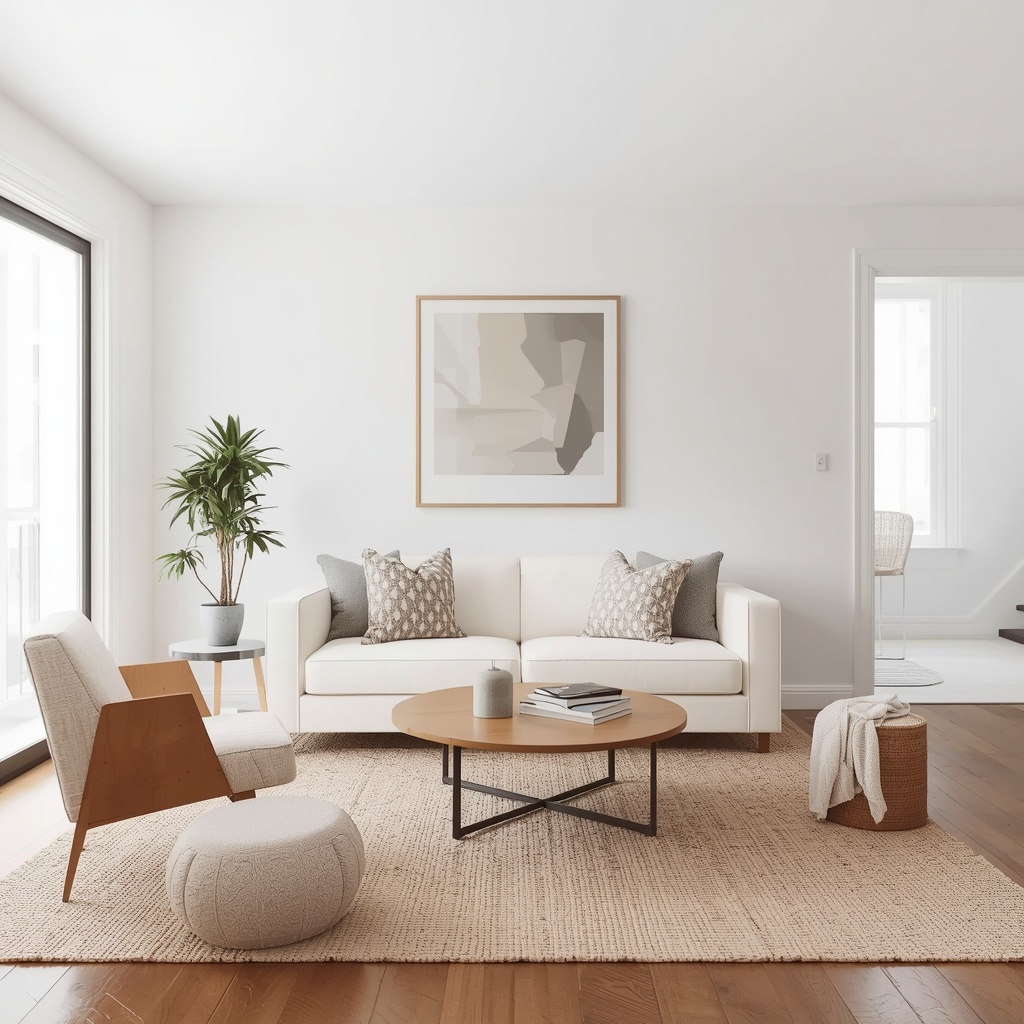
Warm minimalism scales differently depending on square footage, and knowing how to adapt it prevents a small space from feeling cramped or a large space from feeling sparse and cold.
| Room Size | Furniture Approach | Color Strategy | Texture Tip |
|---|---|---|---|
| Small (under 200 sq ft) | Multi-functional, lower-profile pieces | Lighter neutrals to expand visual space | Limit textures to 2–3 to avoid busyness |
| Medium (200–350 sq ft) | Balanced mix of seating and open floor | Mid-tone neutrals with one accent color | 3–4 layered textures |
| Large (350+ sq ft) | Anchor pieces plus a secondary seating zone | Deeper earth tones can be introduced | 4–5 textures, plus a statement rug |
Frequently Asked Questions
Is warm minimalism the same as Japandi style?
They overlap significantly but aren’t identical. Japandi specifically blends Japanese and Scandinavian design principles, while warm minimalism is a broader umbrella that can also borrow from modern farmhouse, coastal, or organic modern styles.
What’s the easiest way to start if I already have a lot of furniture?
Begin by editing rather than replacing. Remove anything purely decorative that doesn’t serve a function or bring texture, then reassess what color and material gaps remain before buying anything new.
Do warm minimalist living rooms work with pets and kids?
Yes, and often better than traditional minimalism, since the fabrics and materials favored (boucle, performance linen, stain-resistant weaves) tend to be more forgiving than stark white leather or glass-heavy setups.
Final Thoughts
Warm minimalist living rooms succeed because they solve a problem both traditional minimalism and full maximalism struggle with: they feel calm without feeling cold, and personal without feeling cluttered. By focusing on a warm neutral palette, layered natural textures, soft ambient lighting, and a handful of intentional decor pieces, almost any living room — regardless of size or budget — can take on this inviting, editorial-worthy look.
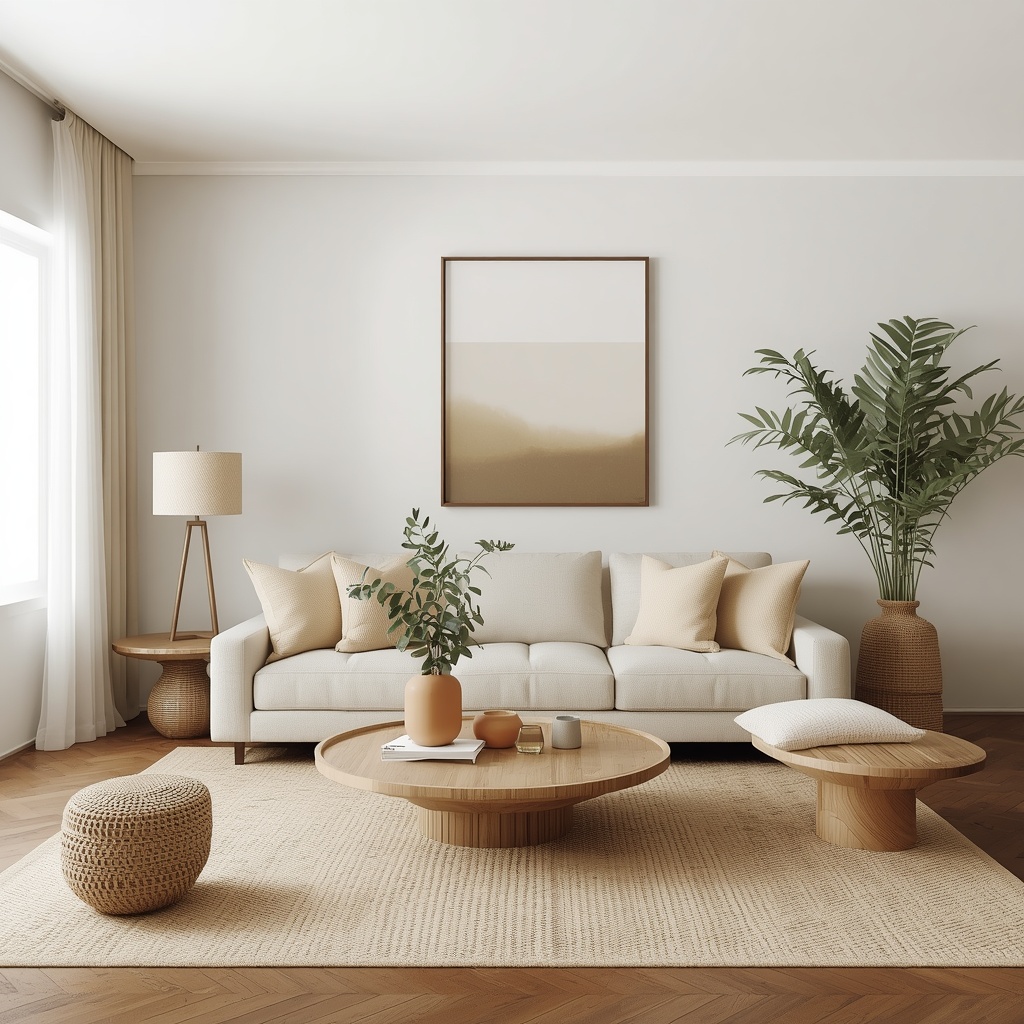
The style rewards patience over impulse purchases. Start with the biggest, most expensive pieces like the sofa and rug, get the color palette locked in, and layer texture and lighting gradually. Done well, a warm minimalist living room doesn’t just look good in photos — it becomes the room your household actually wants to spend time in.