
Walk into any home showroom today, and you’ll see it everywhere: the “contemporary” label slapped onto furniture that will look dated in five years. That’s the paradox at the heart of modern interior design — trends promise freshness but often deliver a short shelf life. Real contemporary design isn’t about chasing the latest color drop or viral furniture shape. It’s about creating a living room that feels current now and still feels right a decade from now.
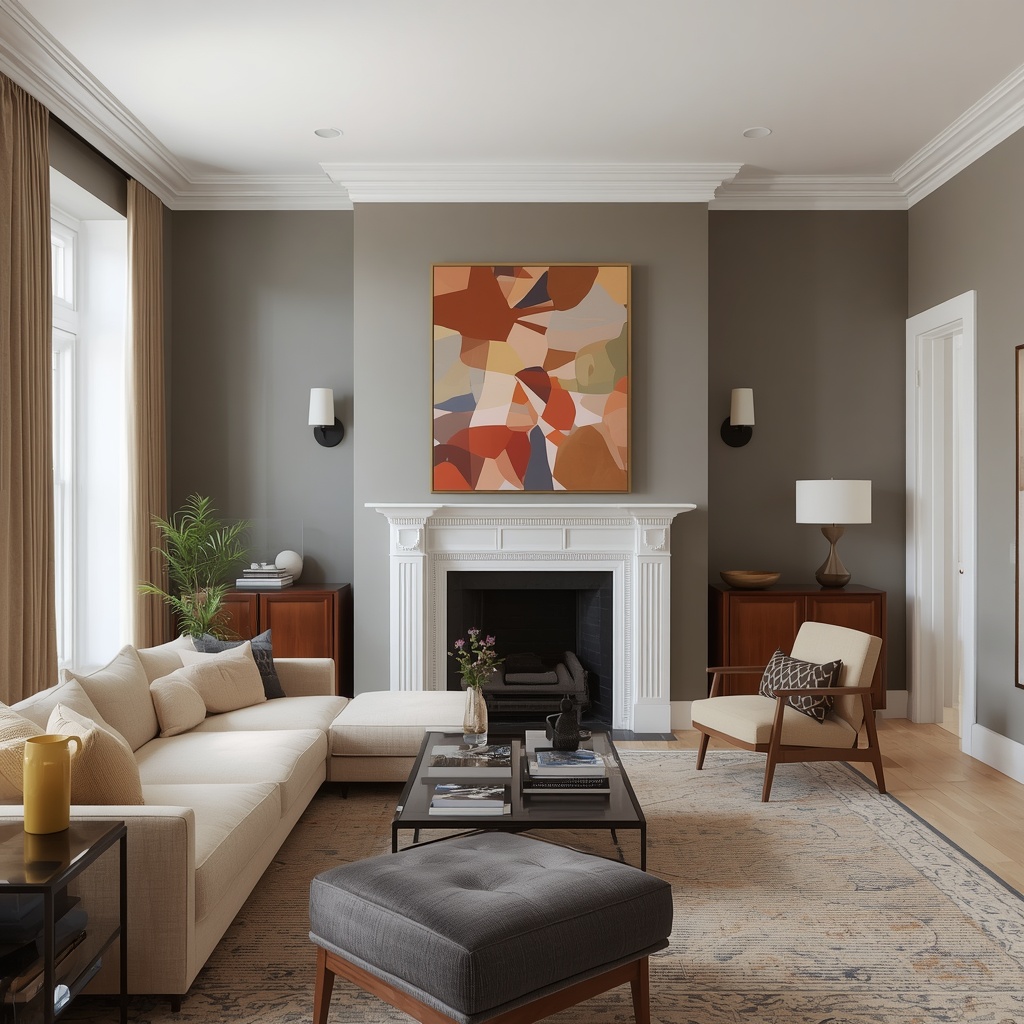
As someone who has spent years helping American homeowners transform their living rooms, I can tell you the secret isn’t a secret at all. It’s restraint, quality, and an understanding of timeless design principles that flex with your lifestyle. This guide walks you through exactly how to build a contemporary living room that won’t need a redo every time a new trend cycle hits Pinterest.
What “Contemporary” Actually Means in Interior Design
Many homeowners confuse “contemporary” with “modern,” and while the two overlap, they aren’t the same thing. Modern design refers to a specific historical movement rooted in the early-to-mid 20th century, with clean lines and minimal ornamentation. Contemporary design, by contrast, is fluid — it reflects whatever is current, blending elements of modern, minimalist, industrial, and even traditional styles into something cohesive and now.
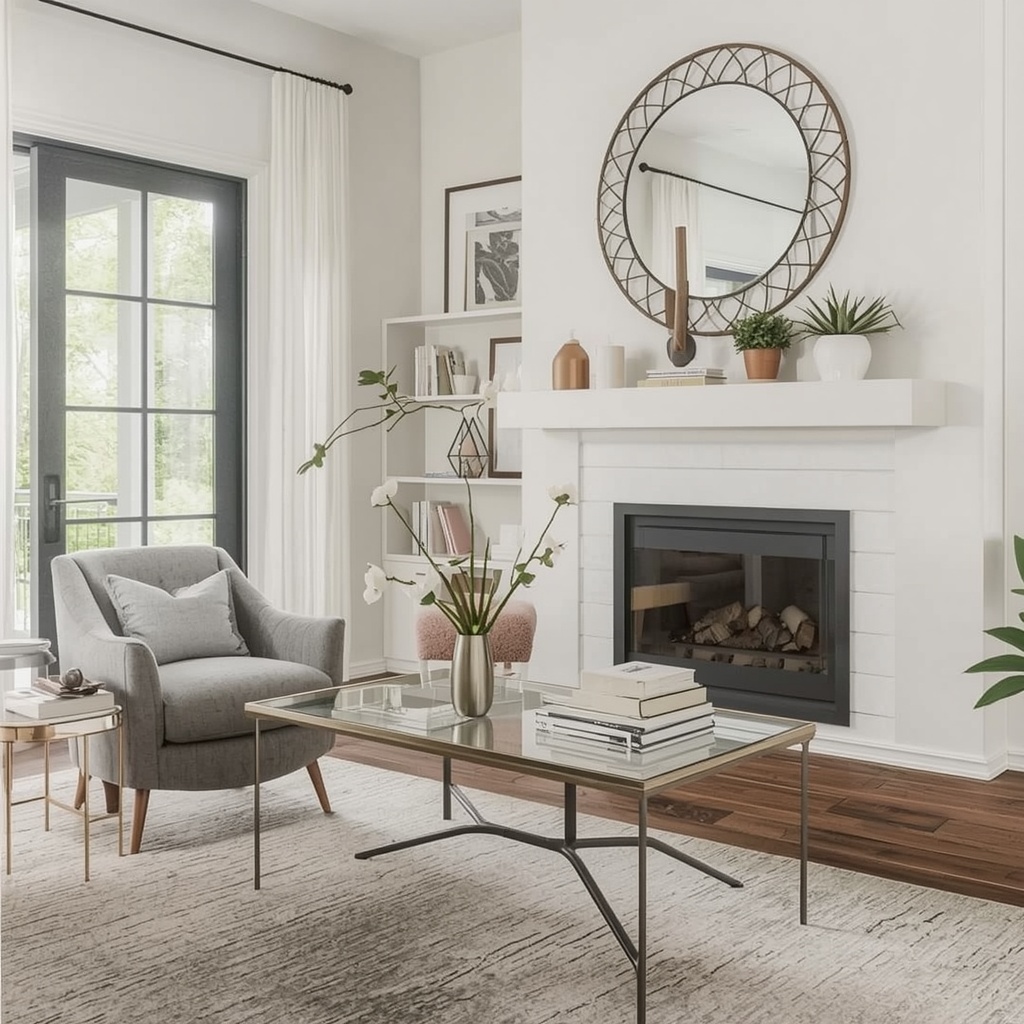
This distinction matters because it changes how you should shop and plan. A contemporary living room doesn’t lock you into one strict rulebook. Instead, it asks you to focus on balance: neutral foundations, purposeful color, natural materials, and furniture that serves real life. When you design with these principles instead of chasing a specific look, your space ages gracefully instead of screaming “circa 2020s.”
“Good design is timeless because it solves a problem elegantly — not because it looks a certain way. When homeowners focus on function and proportion first, style naturally follows.” — a principle every seasoned interior designer learns early in their career
Core Elements of a Timeless Contemporary Living Room
Before you buy a single throw pillow, it helps to understand the foundational pillars that make contemporary design endure. These elements act like the grammar of the room — get them right, and everything else falls into place naturally.
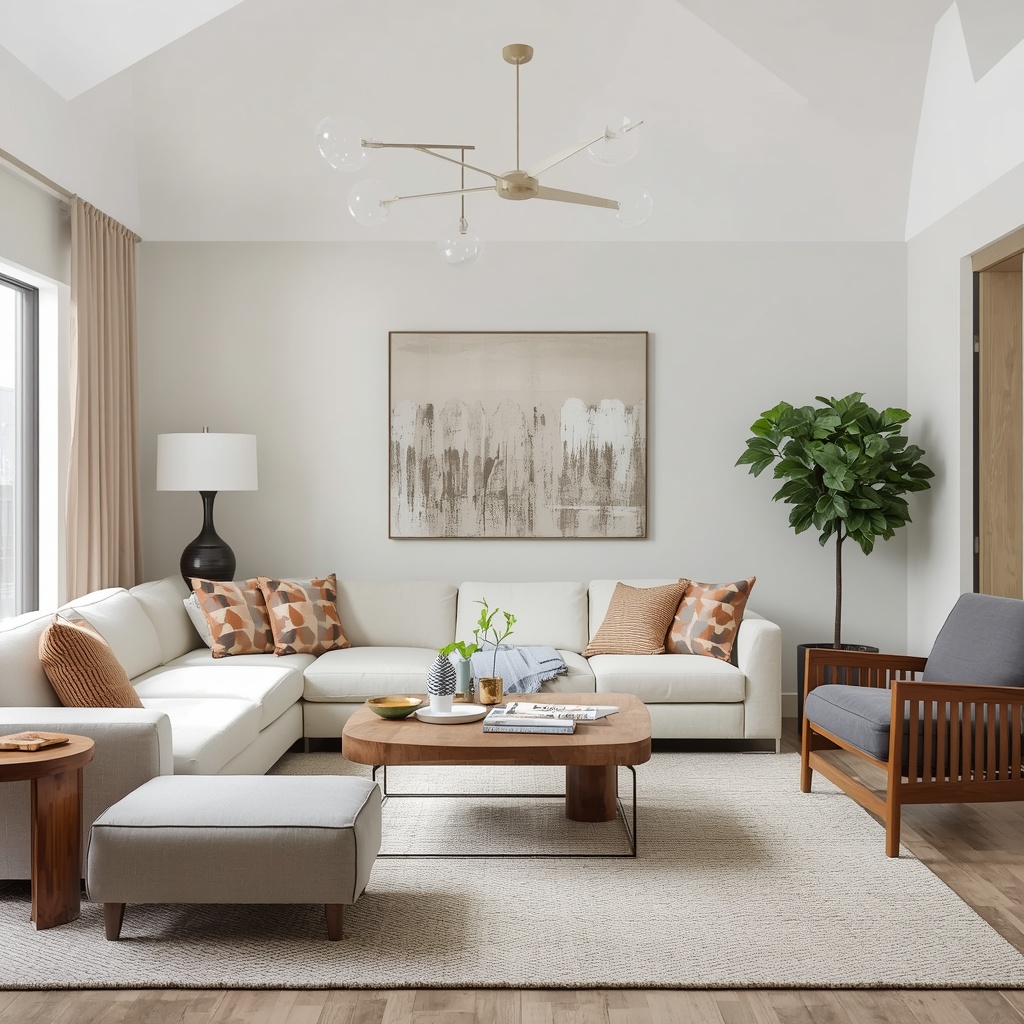
Neutral, warm color palettes anchor the space without dating it, while layered textures keep things from feeling sterile or cold. Natural materials like wood, stone, and linen bring warmth that synthetic finishes simply can’t replicate over time. Finally, intentional negative space — the empty areas between furniture — gives a room room to breathe, which is something busier, trend-driven designs often forget.
| Design Element | Why It Lasts | Common Mistake to Avoid |
|---|---|---|
| Neutral color base | Adapts to accent trends without a full repaint | Choosing stark white over warm off-white |
| Natural materials | Ages beautifully, patinas add character | Overusing high-gloss synthetic finishes |
| Layered textures | Prevents a flat, showroom look | Sticking to one fabric type throughout |
| Statement lighting | Functions as art and utility | Relying only on overhead lighting |
| Multi-functional furniture | Adapts as your life changes | Buying purely for looks, not function |
Pro Tip
Before buying new furniture, live with your current layout for two weeks and note what genuinely annoys you — not what looks outdated, but what doesn’t function. Timeless design starts with solving real friction points, not aesthetic ones.
Choosing a Color Palette That Won’t Feel Dated
Color is often where living rooms go wrong first. A trendy accent wall in “millennial pink” or “Pantone color of the year” can feel exciting for a season, then instantly tie your room to a specific moment in time. The fix isn’t avoiding color altogether — it’s understanding how to use it strategically.
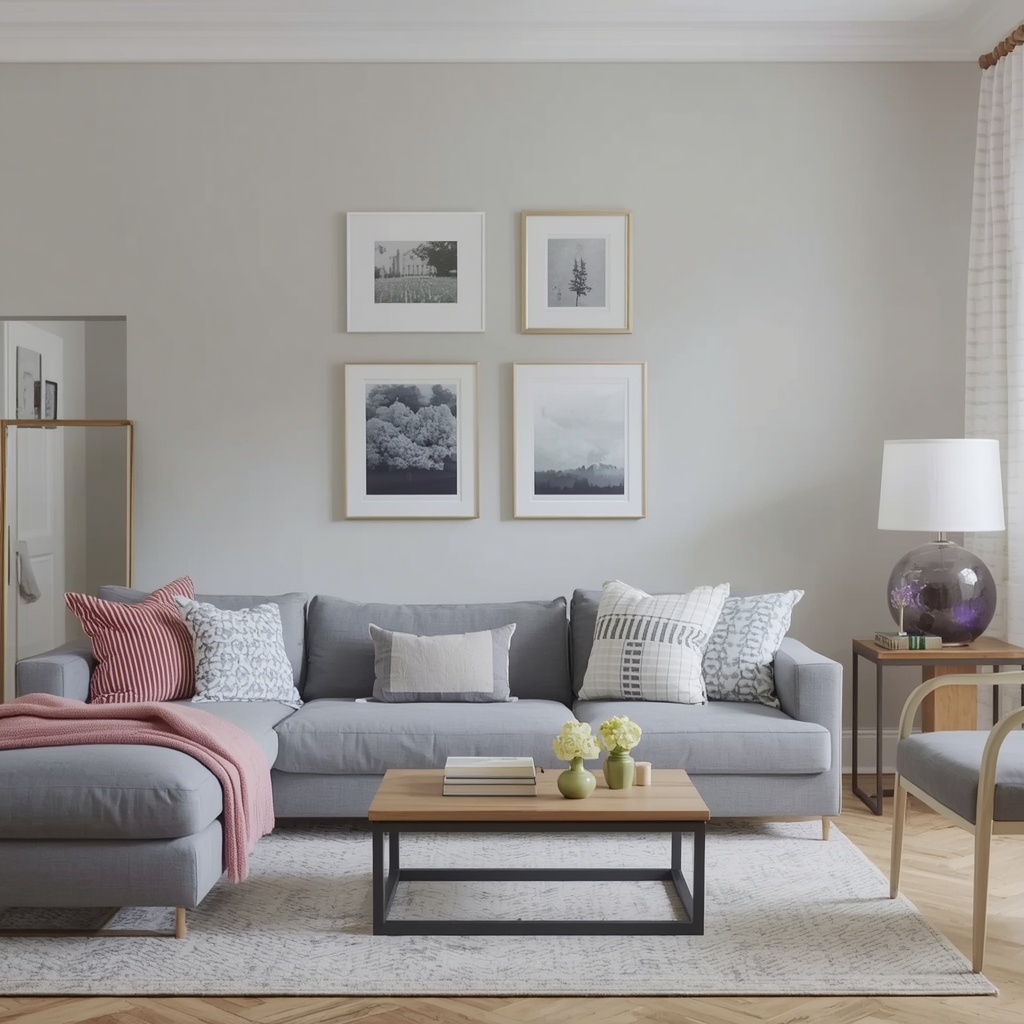
Start with a neutral base of 60% of your room: think warm grays, greige, soft taupe, or creamy whites. Layer in 30% of a secondary tone through furniture and rugs, then reserve just 10% for bold accent colors through pillows, art, or accessories. This 60-30-10 rule, borrowed from classic design theory, keeps your palette flexible so you can swap accent colors seasonally without touching your walls or sofa.
Semantic keywords worth noting here for anyone researching this topic further: neutral color schemes, warm minimalism, earthy living room tones, and biophilic color palettes are all closely related concepts gaining traction alongside timeless contemporary design.
Popular timeless color combinations for 2026 living rooms:
- Warm white walls with walnut wood accents and terracotta textiles
- Soft sage green paired with cream upholstery and brass fixtures
- Greige walls with deep navy accents and natural linen drapery
- Warm taupe with black matte hardware and olive green accessories
Furniture Selection: Quality Over Quantity
If there’s one lesson every interior designer wishes clients understood sooner, it’s this: buying fewer, better pieces almost always beats filling a room with budget furniture that needs replacing in three years. A well-made sofa with a hardwood frame and high-density foam will outlast three cheaper versions — and it will look better doing it.
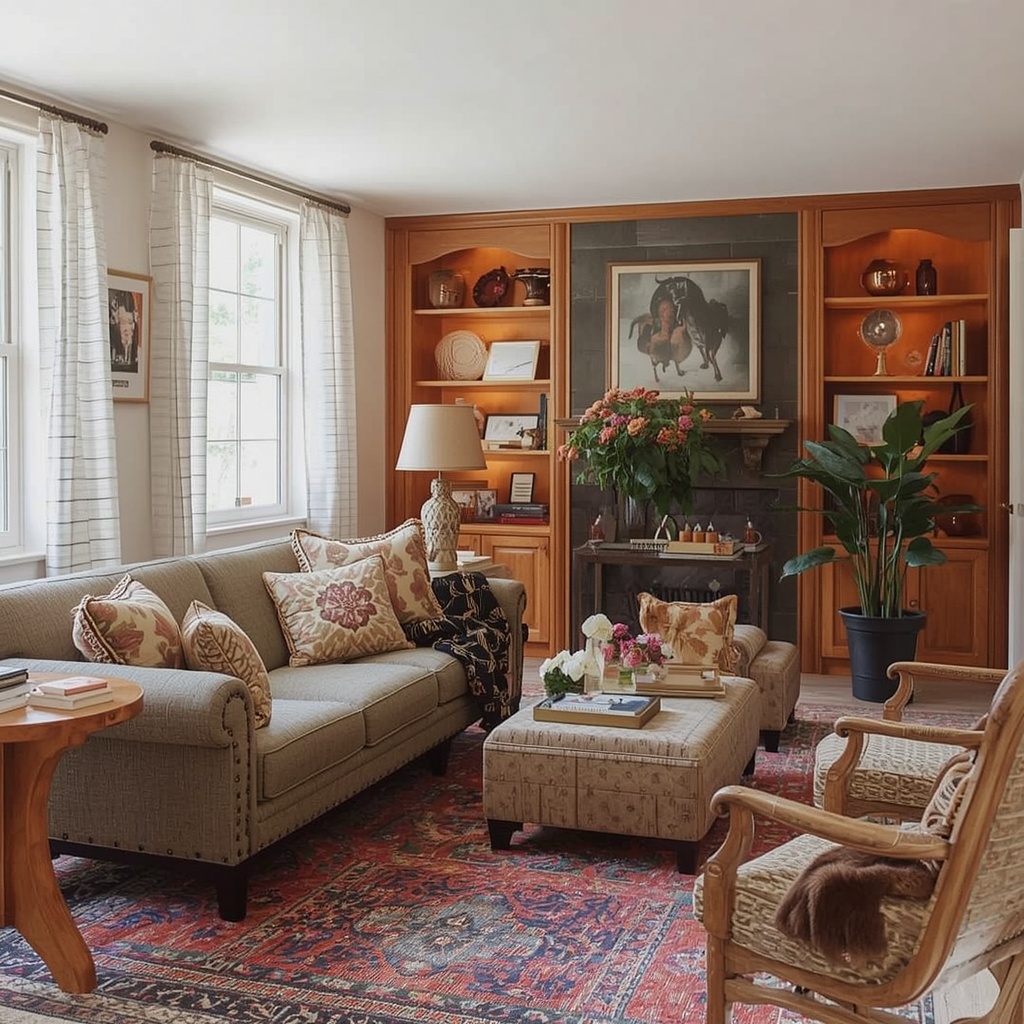
Contemporary living rooms favor clean-lined silhouettes without excessive ornamentation, but that doesn’t mean cold or uncomfortable. Look for sofas with slightly rounded arms, tapered wood legs, and deep seating for comfort. Pair them with a coffee table that has visual weight but doesn’t overwhelm the floor plan, and consider modular seating if you frequently rearrange your space for entertaining or family movie nights.
“Investment furniture isn’t about spending the most money — it’s about spending money on the pieces you touch every single day.” — a common refrain among veteran furniture designers
Furniture Checklist for a Timeless Living Room
- A neutral-toned sofa in a durable, easy-to-clean fabric (performance velvet or tightly woven linen blends work well)
- A wood or stone coffee table with organic or gently geometric lines
- At least one accent chair with a distinct but subtle silhouette
- Open shelving or a low media console instead of a bulky wall unit
- A rug large enough that all furniture legs sit on it (or at least the front legs)
Lighting: The Most Underrated Design Layer
Lighting is where many otherwise beautiful living rooms fall flat. Relying solely on a single overhead fixture creates harsh, flat lighting that makes even well-designed rooms feel unfinished. Contemporary spaces use layered lighting — a mix of ambient, task, and accent sources — to create depth and mood throughout the day.
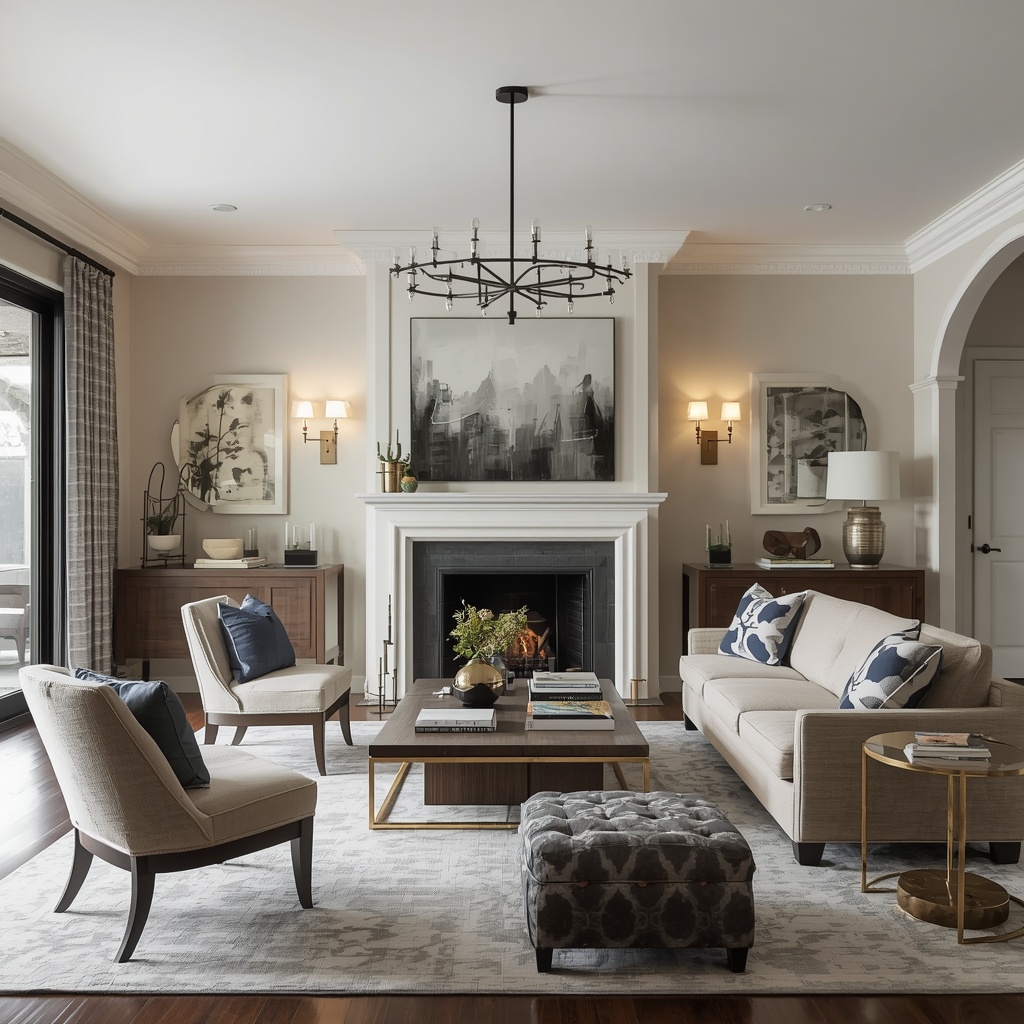
Think of lighting in three tiers: general ambient light from ceiling fixtures or recessed lighting, task lighting from floor or table lamps near reading nooks, and accent lighting that highlights art, plants, or architectural features. Warm-toned bulbs (around 2700K-3000K) create the inviting glow associated with high-end contemporary interiors, while cooler tones can feel clinical in a residential space.
| Lighting Type | Best Use Case | Recommended Bulb Temperature |
|---|---|---|
| Ambient (ceiling/recessed) | Overall room brightness | 2700K–3000K |
| Task (floor/table lamps) | Reading nooks, work corners | 3000K–3500K |
| Accent (picture lights, LED strips) | Art, shelves, architectural detail | 2700K |
Pro Tip
Install a dimmer switch on your main overhead lighting. This single $20-30 upgrade does more to make a room feel high-end and adaptable than almost any other single change you can make.
Texture and Layering: Avoiding the “Showroom” Look
One common complaint about contemporary design is that it can feel cold or impersonal — all hard surfaces and sharp lines. The antidote is texture. A room with visual and tactile variety feels lived-in and warm, even with a restrained color palette.
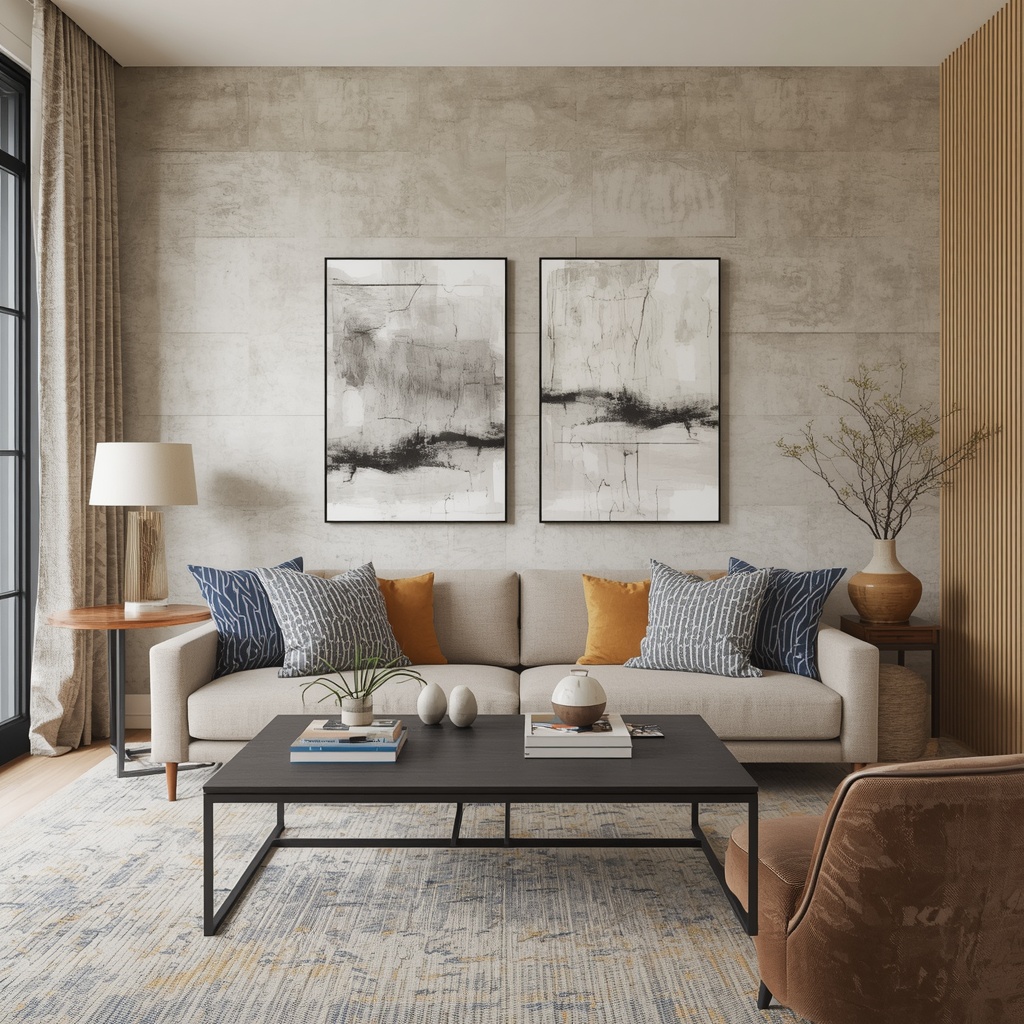
Combine materials deliberately: a smooth leather chair next to a chunky knit throw, a glass coffee table balanced by a jute or wool rug, matte ceramic vases against glossy painted walls. This contrast is what separates a curated, designer-feeling room from one that looks like it was ordered as a matching furniture set. Layering also extends to soft furnishings — mixing pillow sizes, fabrics, and patterns (while staying within your chosen color family) adds richness without visual chaos.
Texture pairing ideas that work well together:
- Boucle or velvet upholstery with a woven jute rug
- Matte black metal fixtures with warm wood tones
- Linen drapery paired with a leather accent chair
- Smooth ceramic accessories against a nubby wool throw blanket
Sustainable and Multi-Functional Design Choices
Today’s homeowners increasingly want their living rooms to reflect not just style, but values — sustainability, longevity, and adaptability. This shift is part of why timeless design and eco-conscious design increasingly overlap. Choosing solid wood over particleboard, natural fiber textiles over synthetic blends, and pieces built with repairable joinery all contribute to a living room that lasts physically as well as stylistically.
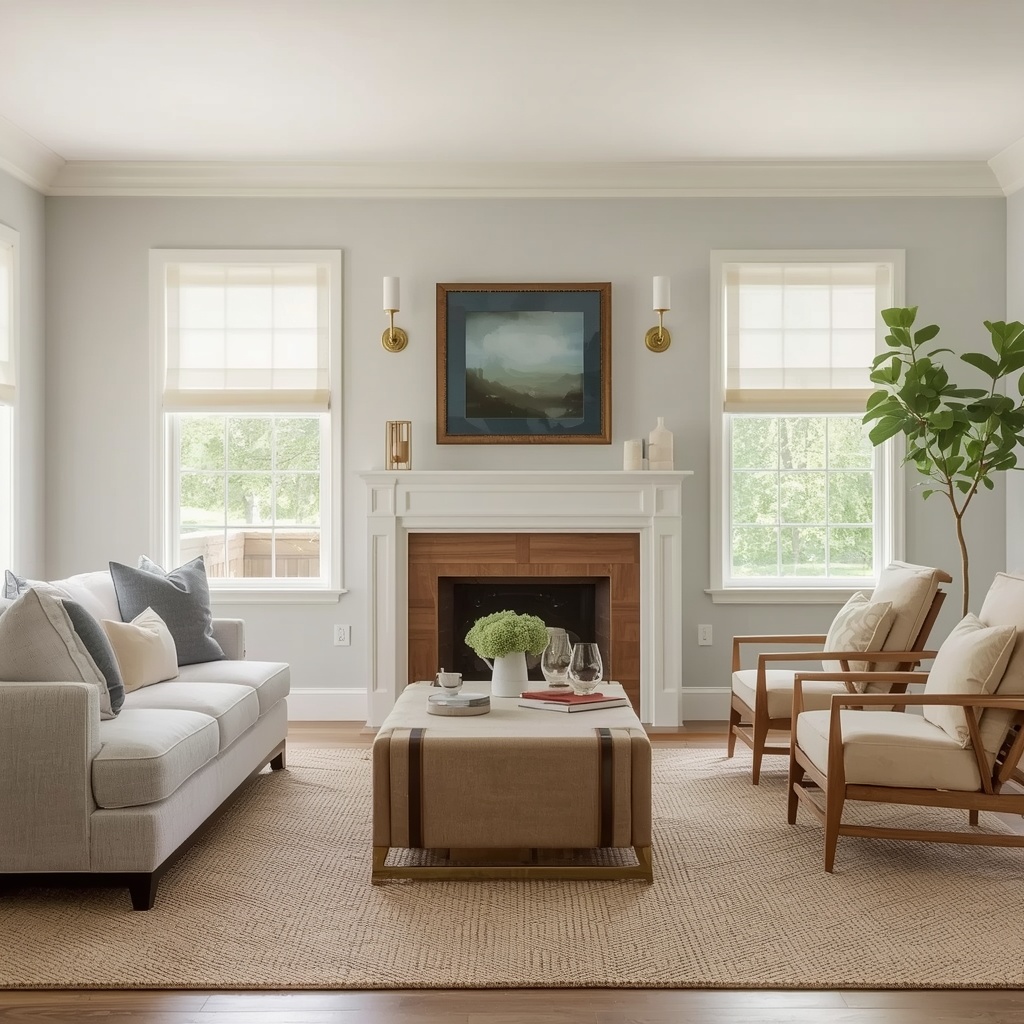
Multi-functionality is equally important, especially in smaller American homes where the living room often doubles as a home office, playroom, or guest space. Ottomans with hidden storage, extendable console tables, and modular sectionals that can be reconfigured all support a room that adapts to your life rather than restricting it. This adaptability is, in many ways, the truest form of “timeless” — a room that can evolve without needing to be torn apart and redone.
Related concepts worth exploring on your own design journey include sustainable interior design, multi-functional furniture, slow decorating, and heirloom-quality furnishings — all closely tied to the philosophy behind lasting contemporary interiors.
Common Mistakes That Date a Living Room Fast
Even well-intentioned homeowners fall into traps that undercut an otherwise solid design. Recognizing these mistakes early can save you from a costly redo down the line.
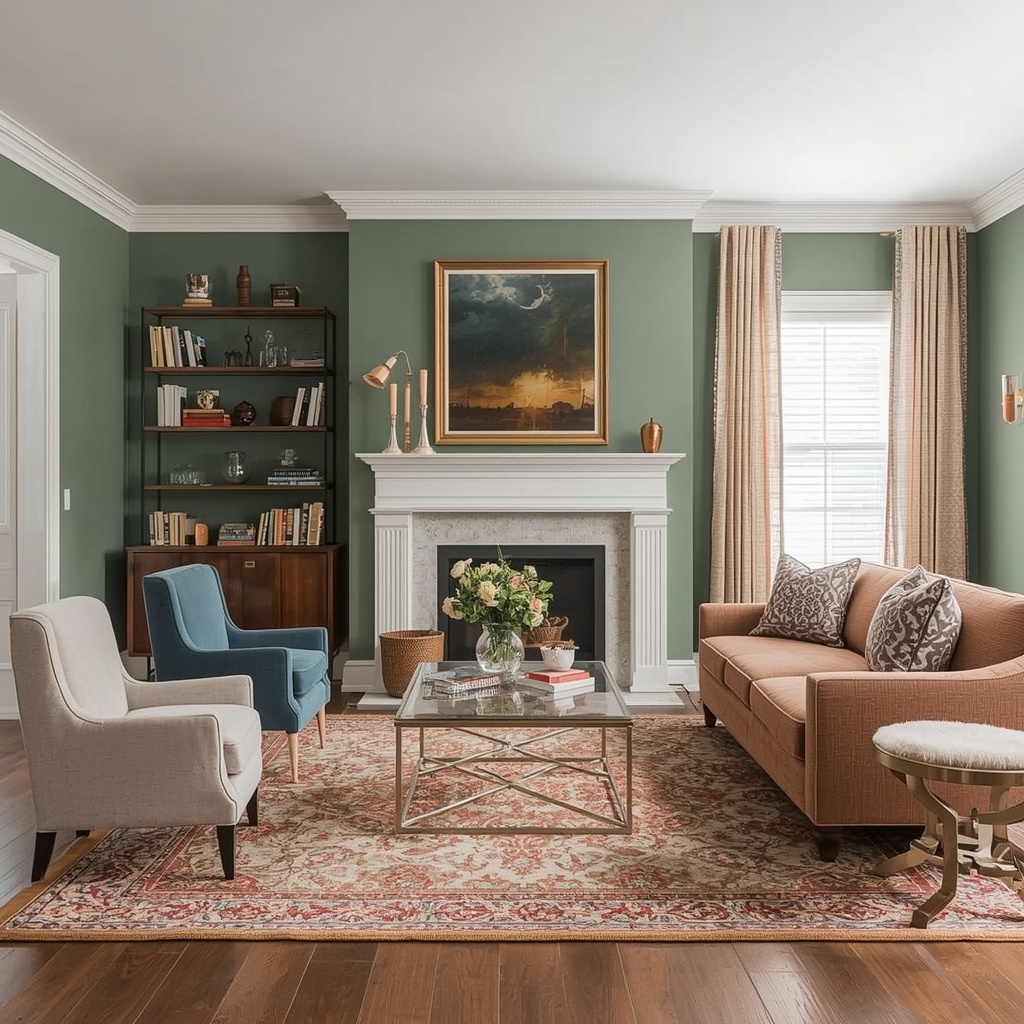
Over-committing to a single trend — like an entire room built around one viral color or pattern — tends to backfire once that trend fades from cultural relevance. Similarly, matching furniture sets bought as a single package often look flat and impersonal compared to intentionally curated pieces collected over time.
Mistakes to avoid:
- Buying an entire matching furniture set instead of curating complementary pieces
- Choosing furniture trends over furniture function and comfort
- Ignoring scale — furniture that’s too large or small for the room’s proportions
- Skipping window treatments, which leaves a room feeling unfinished
- Overlooking plants or greenery, which add life and softness to hard-lined spaces
Bringing It All Together: A Sample Room Plan
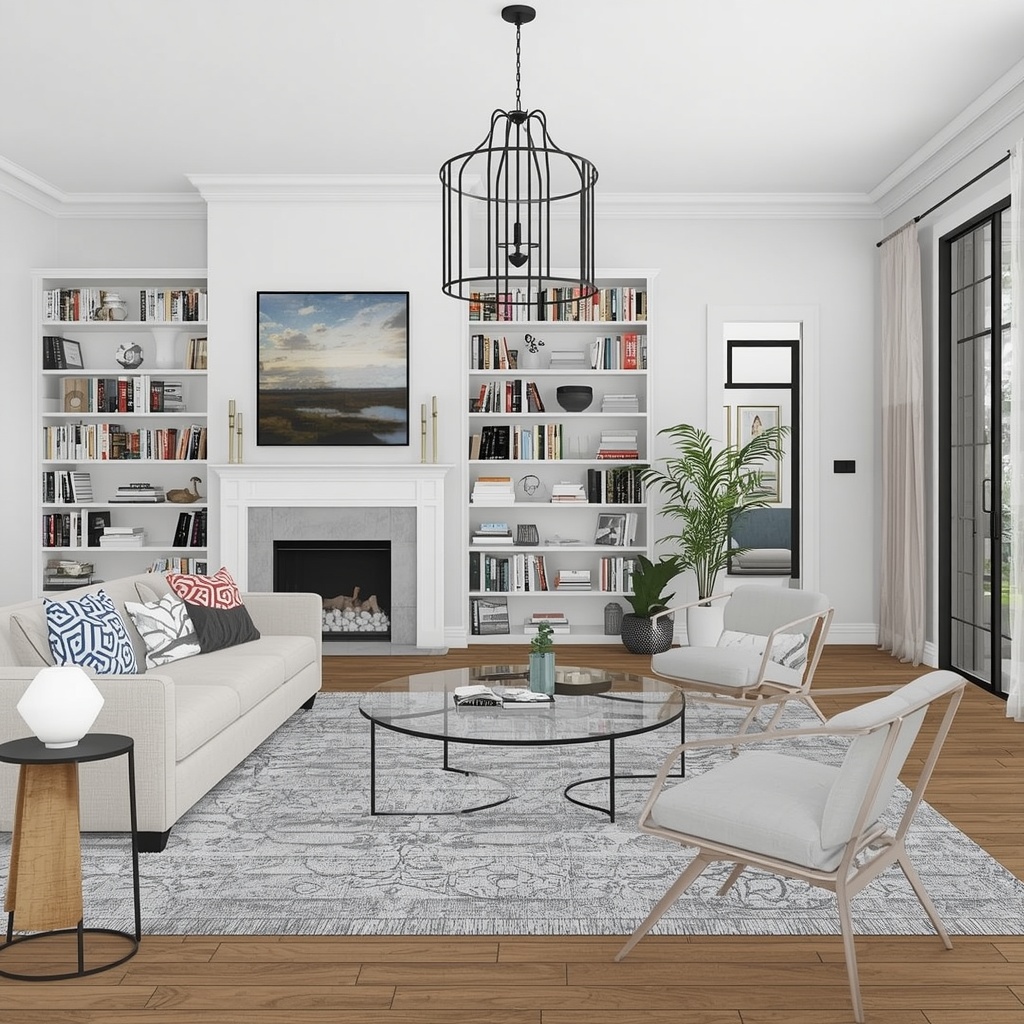
To see how these principles work in practice, here’s a sample approach for a mid-sized contemporary living room (roughly 15×18 feet), designed to feel current for years to come.
| Zone | Recommended Approach |
|---|---|
| Walls | Warm white or soft greige paint |
| Sofa | Neutral linen-blend, tapered wood legs |
| Accent chair | Boucle or leather in a contrasting warm tone |
| Coffee table | Round wood or stone, organic shape |
| Rug | Natural jute or wool, large enough for full furniture grouping |
| Lighting | Recessed ambient + one statement floor lamp + dimmer switch |
| Accents | Ceramic vases, woven baskets, one or two live plants |
This kind of layout gives you a foundation that can shift with the seasons — swap pillow covers, rotate artwork, or introduce a new accent color — without ever requiring you to replace major furniture pieces.
Final Thoughts: Designing for the Long Run
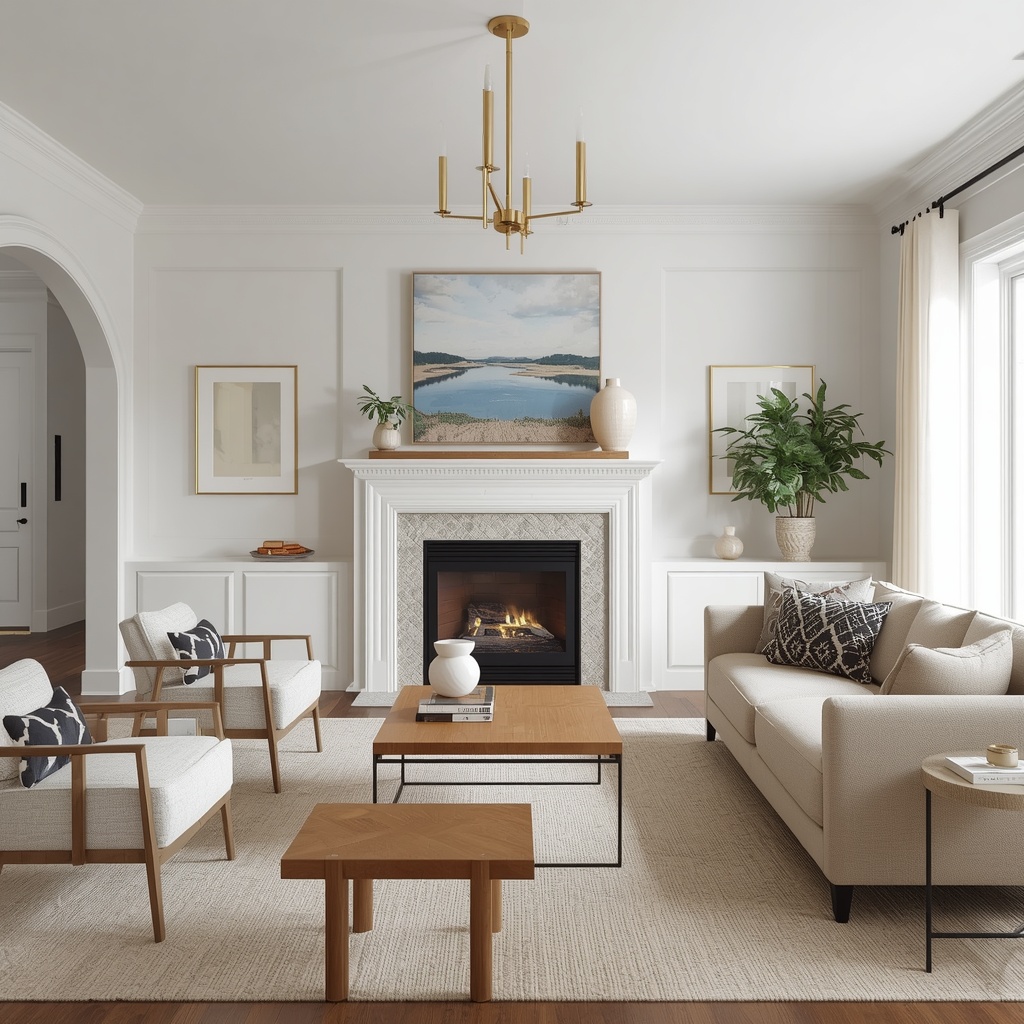
A truly contemporary living room isn’t defined by how closely it matches this year’s design trends — it’s defined by how well it serves your life while remaining visually cohesive for years afterward. Focus on quality materials, layered textures, intentional lighting, and a flexible neutral palette, and you’ll build a space that feels effortlessly current no matter what year it is.
If you’re just starting your redesign journey, consider bookmarking related resources like [How to Choose the Right Area Rug Size for Your Living Room] or [A Beginner’s Guide to Layered Lighting at Home] as helpful next steps in building out your space room by room.
Design trends will always come and go — but a well-considered, thoughtfully built living room will always feel like home.