
Walk into any beautifully styled living room and you’ll notice something subtle happening underfoot. It’s not just one rug doing all the work — it’s two, sometimes three, working together in quiet harmony. Rug layering has quietly become one of the most requested techniques in modern home decor, and for good reason.
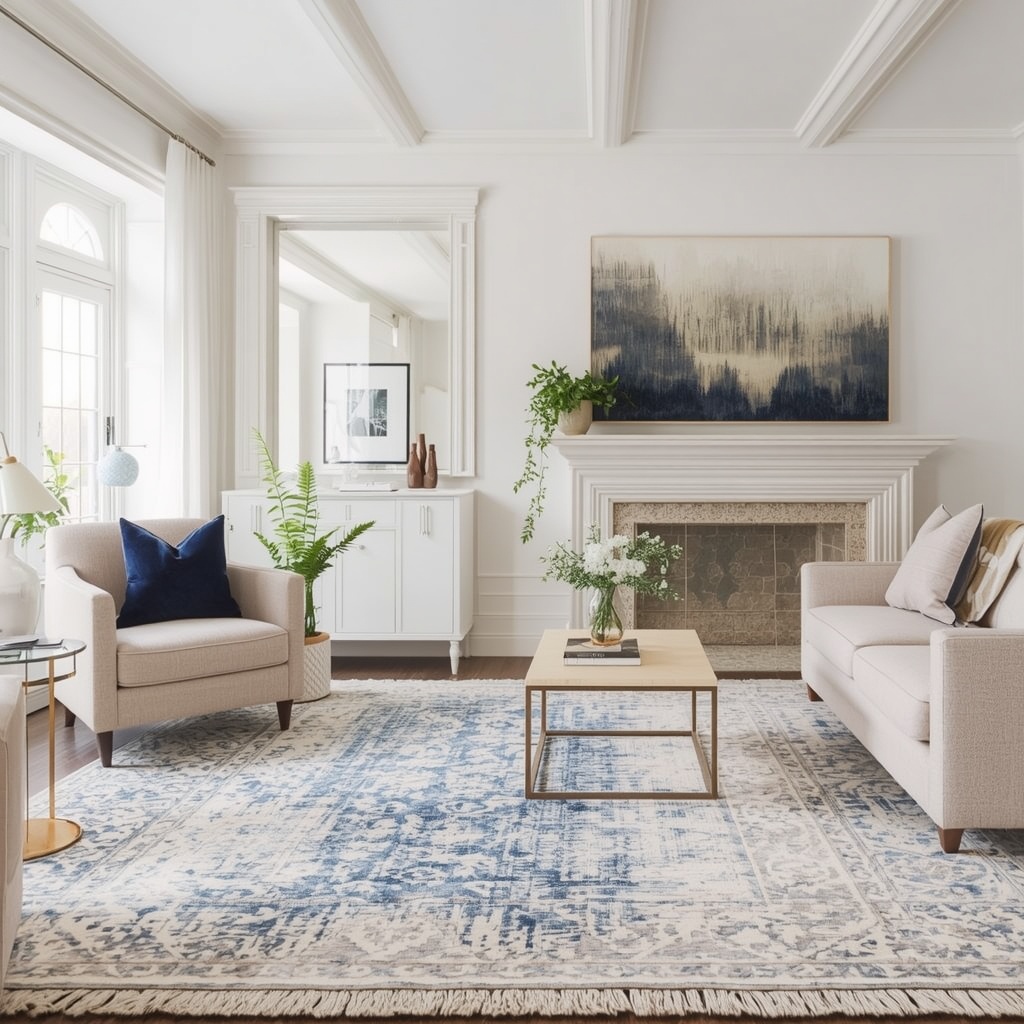
As an interior designer, I get asked constantly how to make a living room feel “finished” without overspending on new furniture. My answer is almost always the same: start with the floor. Layering rugs adds depth, warmth, and texture to a space in a way that a single flat rug simply cannot achieve, and it’s one of the most affordable, high-impact upgrades you can make this year.
What Is Rug Layering, and Why Does It Work?
Rug layering is exactly what it sounds like — placing one rug on top of, or alongside, another to build visual and physical texture in a room. Instead of relying on a single large area rug, you combine a base layer (usually a neutral, larger rug like a jute or sisal weave) with a smaller accent rug (often patterned, plush, or brightly colored) placed on top.
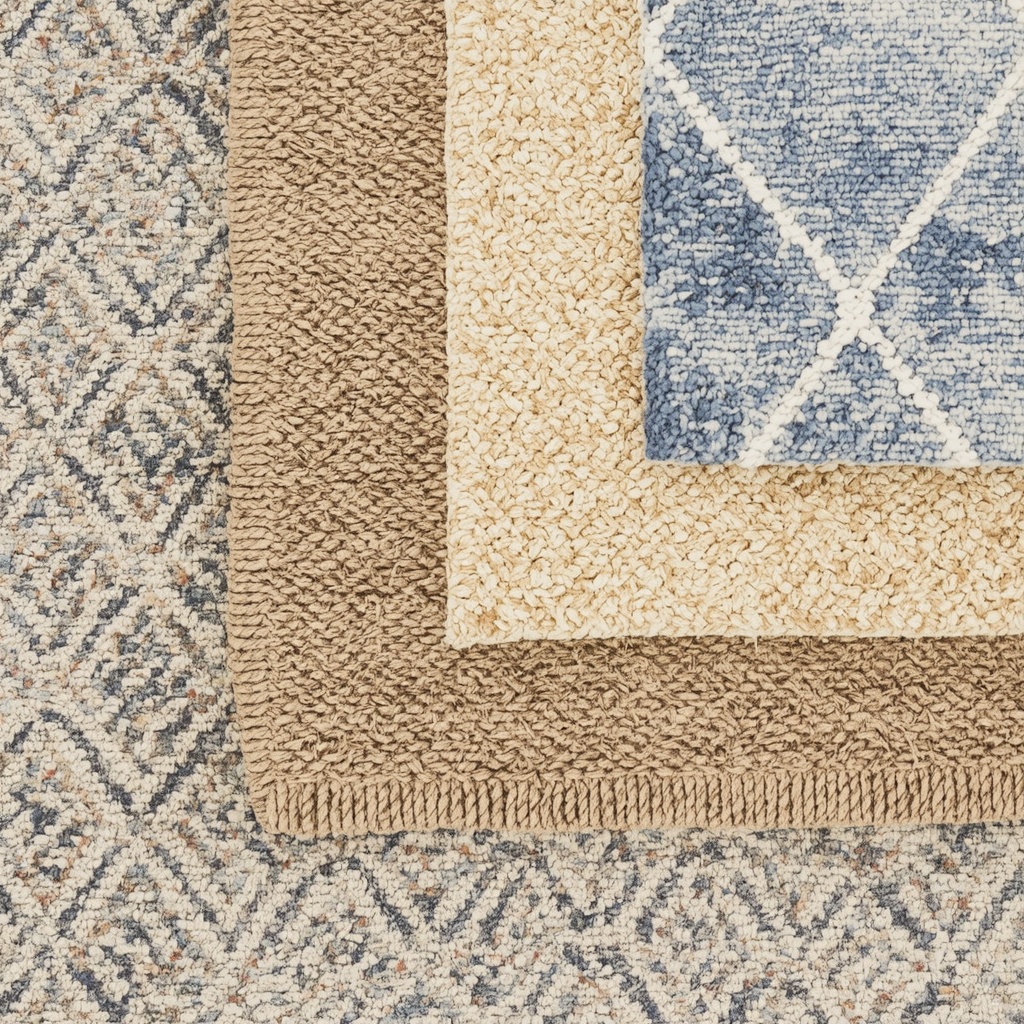
This technique works because it mimics how texture naturally occurs in well-designed interiors: through contrast. A flat-weave rug paired with a shaggy wool accent creates tactile interest. A muted neutral base paired with a bold Persian-style overlay creates visual interest. Together, they make a living room feel curated rather than furnished, layered rather than flat, and lived-in rather than staged.
“Texture is the difference between a room that looks good in photos and a room that feels good to live in. Rugs are the fastest way to add that texture without touching your walls or furniture.” — Design philosophy shared by textile stylists across the home decor industry
The Core Benefits of Layering Rugs in Your Living Room
Before diving into the how-to, it helps to understand why this trend has staying power in American home design. It isn’t just an aesthetic fad — it solves real functional problems too.
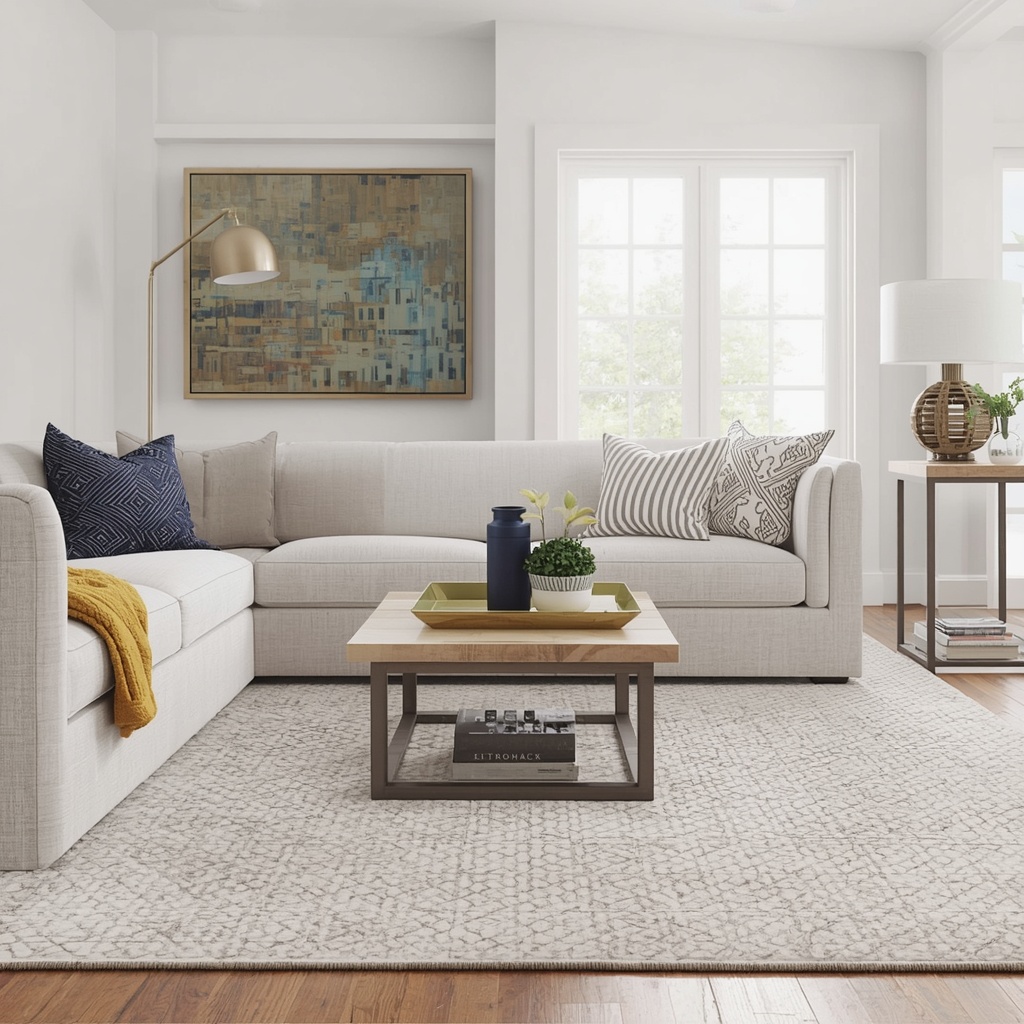
Layered rugs anchor furniture groupings, define zones in open-concept spaces, and soften hard flooring underfoot. They also protect delicate natural-fiber rugs from heavy foot traffic by placing a more durable rug beneath high-use areas. Beyond function, layering introduces color depth, pattern mixing, and a sense of intentional design that elevates the entire room instantly.
| Benefit | Why It Matters |
|---|---|
| Adds visual depth | Breaks up a flat floor and draws the eye naturally through the room |
| Defines zones | Separates a seating area from a dining nook in open floor plans |
| Introduces texture | Combines flat-weave, shag, wool, and jute for tactile contrast |
| Protects investment rugs | A durable base layer shields delicate vintage or wool rugs |
| Budget-friendly styling | Cheaper than replacing furniture or flooring to refresh a room |
| Hides imperfections | Covers worn flooring, mismatched boards, or stains |
Choosing the Right Base Rug
Every great layered look starts with a strong foundation. The base rug should be larger, neutral in tone, and made from a durable, texture-forward material. Think jute, sisal, seagrass, or a low-pile flat weave in beige, ivory, or soft gray. This layer should extend under your main furniture pieces — sofa legs, coffee table, and accent chairs — to visually anchor the seating arrangement.
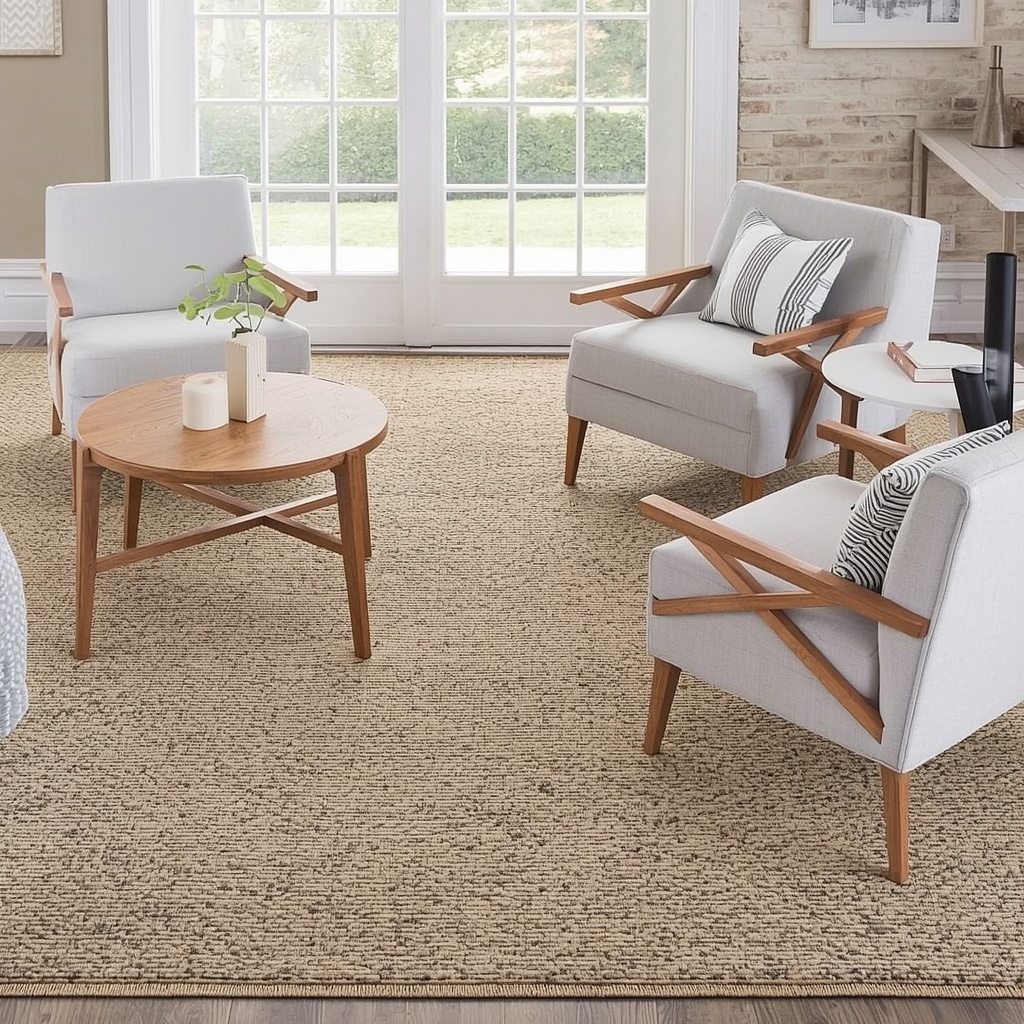
Size matters more than most homeowners realize. A base rug that’s too small will make furniture look like it’s floating awkwardly, undermining the entire layered effect. As a general sizing rule, your base rug should be large enough that at least the front legs of every major piece of furniture sit on it.
Popular base rug materials to consider:
- Jute — affordable, durable, adds natural texture
- Sisal — slightly coarser, excellent for high-traffic zones
- Seagrass — smooth texture with a subtle sheen
- Low-pile wool flat weave — softer underfoot, still neutral
- Cotton dhurrie — lightweight and easy to layer over
Selecting the Perfect Accent Rug
Once your base is in place, the accent rug is where personality enters the room. This is typically a smaller rug (roughly two-thirds the size of the base or smaller) placed centrally, often directly in front of the sofa or under the coffee table. This is your opportunity to introduce color, pattern, or plush texture.
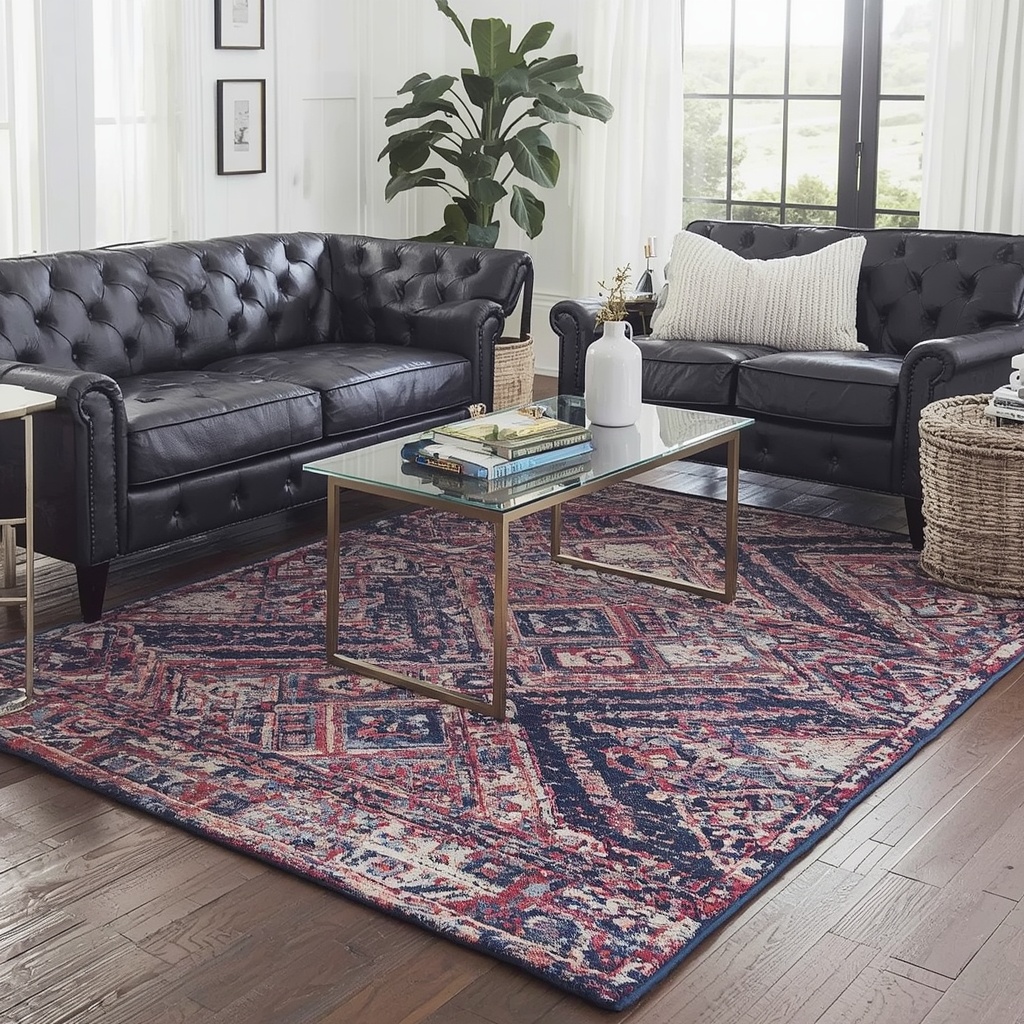
Vintage-style Persian or Turkish rugs are a designer favorite for accent layering because their faded, muted tones pair beautifully with almost any base. Moroccan Beni Ourain rugs, with their thick pile and geometric patterns, add cozy texture that contrasts perfectly against a flat-weave jute base. If your living room already has bold patterns elsewhere, a solid-colored shag rug can add texture without visual competition.
Step-by-Step: How to Layer Rugs Like a Pro
Layering rugs isn’t complicated, but doing it well requires a bit of intentional planning. Follow this sequence to get a designer-approved result every time.
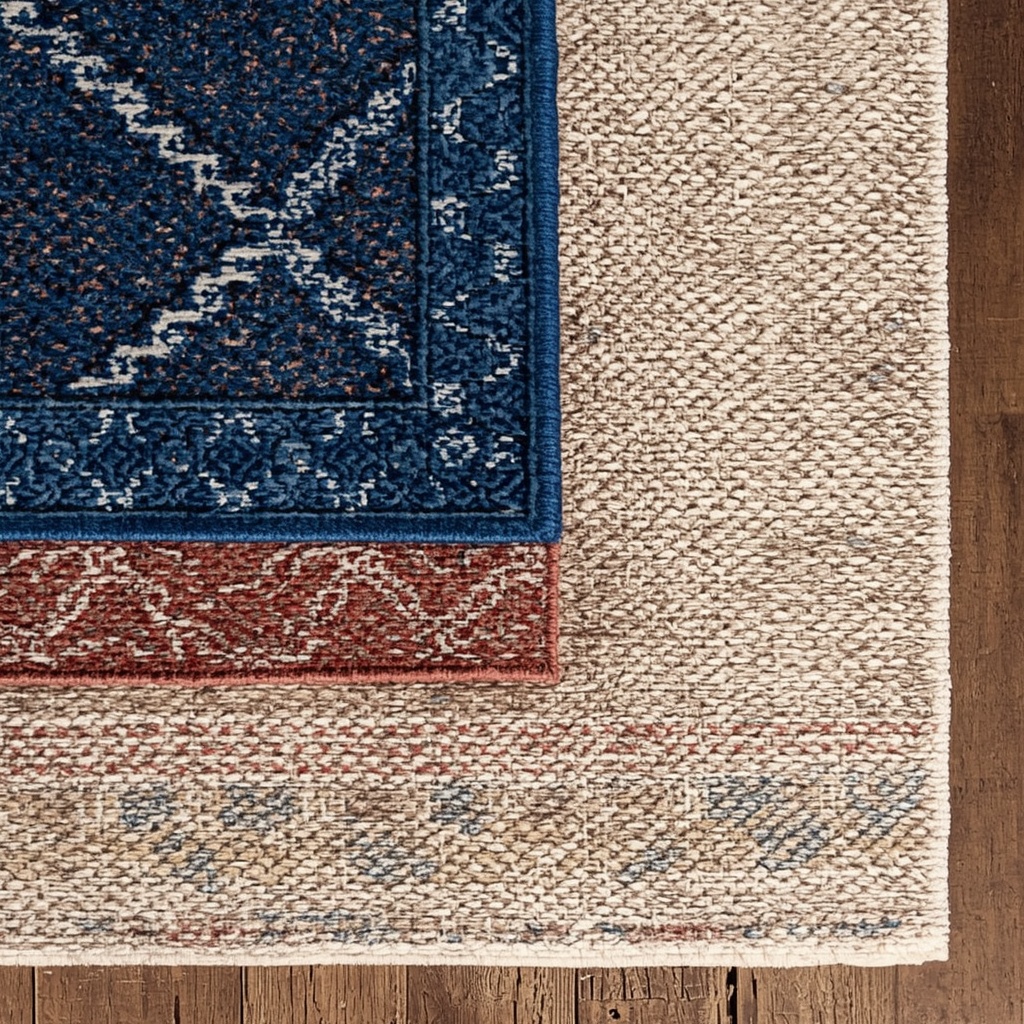
- Measure your seating area first. Know the dimensions of your furniture grouping before buying either rug.
- Choose your base rug in a neutral, textured material sized to fit under all furniture legs.
- Lay the base rug down and arrange furniture on top as usual.
- Select an accent rug roughly 60–70% the size of your base rug.
- Position the accent rug off-center or centered under the coffee table, leaving an even border of base rug visible on all sides.
- Use a rug pad or grippers between layers to prevent shifting and bunching.
- Step back and adjust — live with the layout for a few days before making it permanent.
Pro Tip
Pro Tip: When layering rugs, use the “one solid, one pattern” rule. If your base rug has texture but no strong pattern, your accent rug can be as bold as you like. If both rugs are patterned, keep them in the same color family so the room doesn’t feel visually chaotic.
Best Rug Combinations for Different Living Room Styles
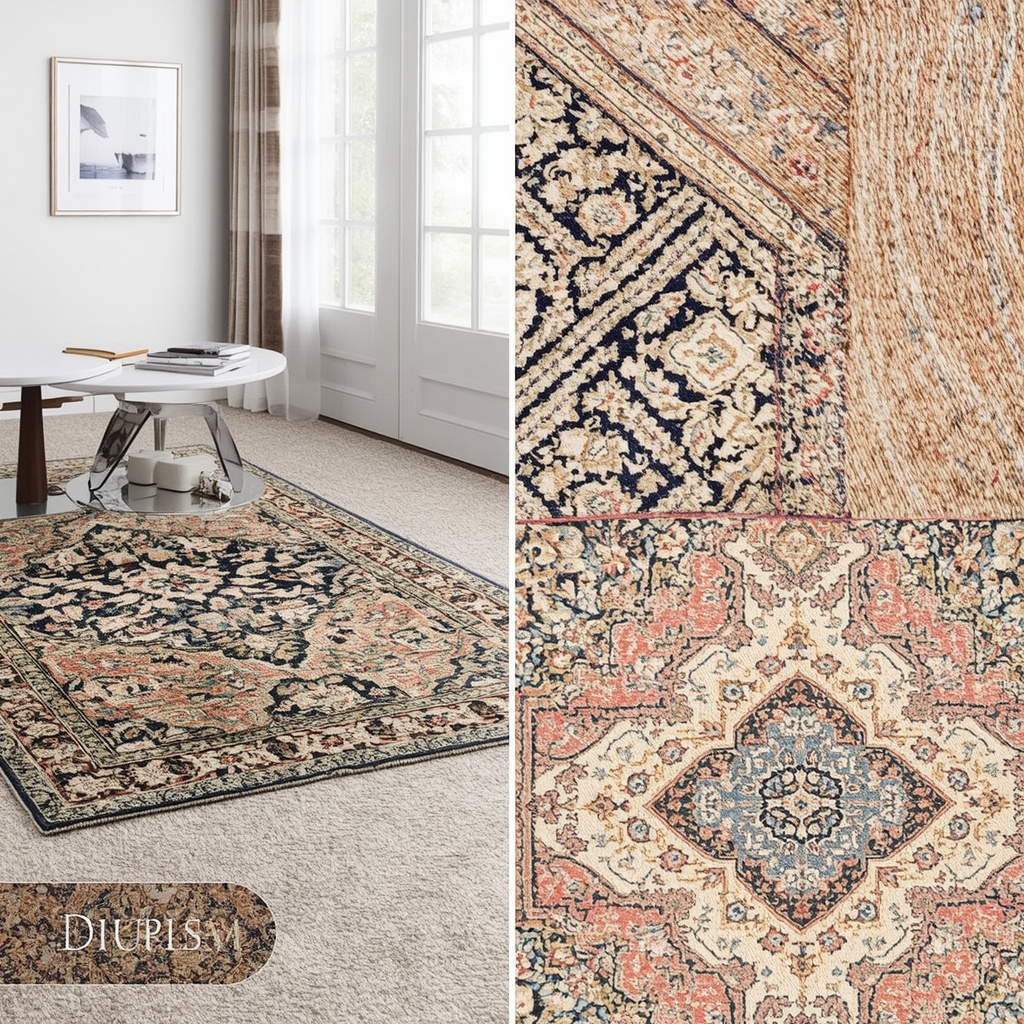
Not every layering combination suits every home. The right pairing depends heavily on your existing decor style, wall colors, and furniture finishes. Here’s a quick-reference table to help you match rug textures and materials to your living room’s aesthetic.
| Living Room Style | Base Rug | Accent Rug | Color Palette |
|---|---|---|---|
| Bohemian | Jute or sisal | Vintage Turkish or Moroccan | Rust, terracotta, mustard |
| Scandinavian | Ivory flat weave | Solid gray or black shag | Neutral, monochrome |
| Farmhouse | Cotton dhurrie | Striped or plaid wool rug | Cream, navy, soft red |
| Modern Minimalist | Low-pile wool | Solid geometric accent | Black, white, gray |
| Coastal | Natural seagrass | Light blue or striped cotton | Sandy beige, seafoam |
| Traditional | Wool flat weave | Persian or Oushak pattern | Deep red, gold, navy |
Common Rug Layering Mistakes to Avoid
Even experienced homeowners can get this technique wrong. Avoiding a few key pitfalls will make the difference between a polished living room and one that feels cluttered or mismatched.
- Skipping the rug pad, which causes slipping, bunching, and premature wear
- Choosing an accent rug that’s too close in size to the base rug, eliminating visual contrast
- Layering two busy patterns together without a shared color thread
- Placing the accent rug off-balance instead of centered with the seating area
- Ignoring scale — a tiny accent rug in a large room looks like an afterthought
- Mixing too many textures at once, which can overwhelm rather than enhance the space
Maintenance Tips for Layered Rugs
Layered rugs require slightly more upkeep than a single rug, mostly because dust and debris can collect between layers. Vacuum both rugs regularly, lifting the accent rug occasionally to clean underneath. Rotate both rugs every few months to ensure even wear, especially in sun-exposed rooms where fading can occur unevenly across layers.
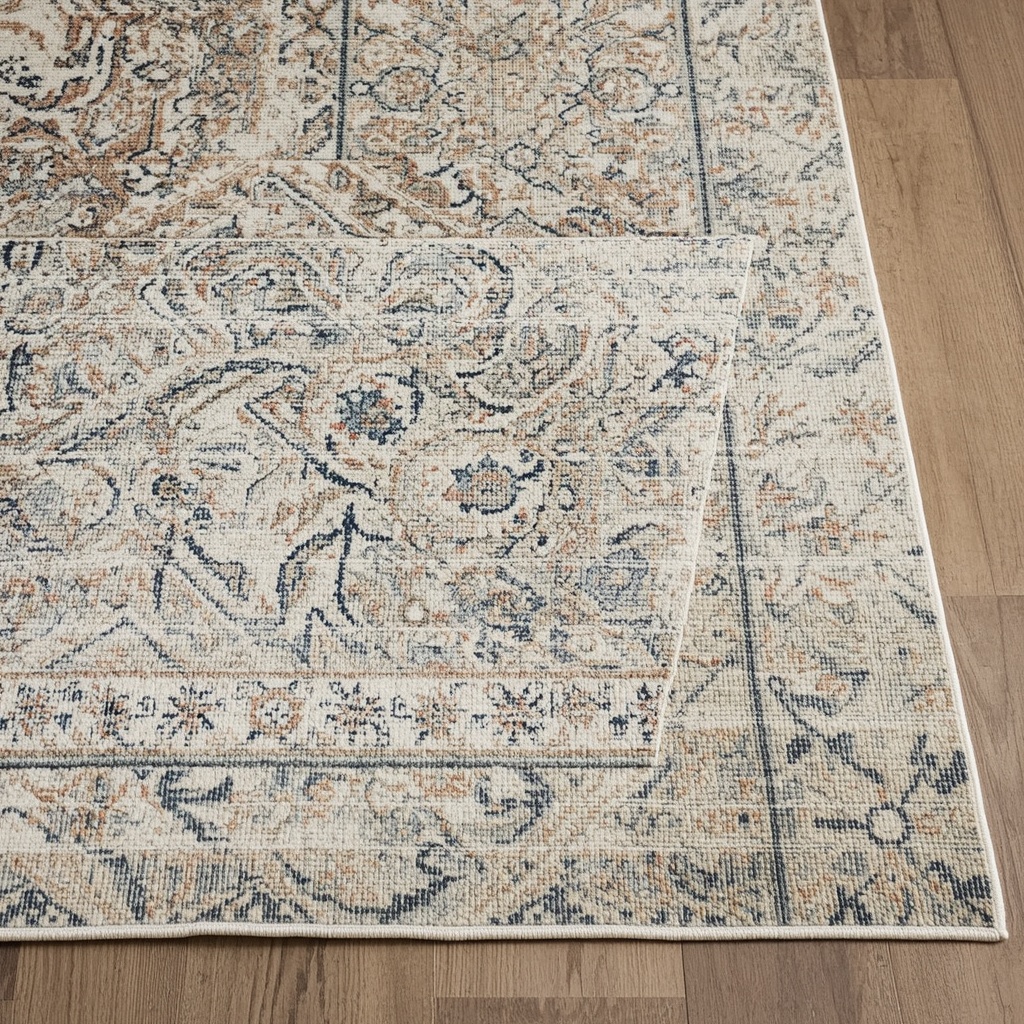
For natural-fiber base rugs like jute or sisal, avoid excessive moisture, as these materials can be prone to water stains and mildew. Spot-clean spills immediately with a dry cloth, and consider professional cleaning once a year if your living room sees heavy foot traffic.
Frequently Asked Questions
Can I layer two rugs of the same material? Yes, though contrast in texture typically produces a more polished result. If you prefer a monochromatic look, vary the pile height instead — for example, a low-pile base with a slightly higher-pile accent.
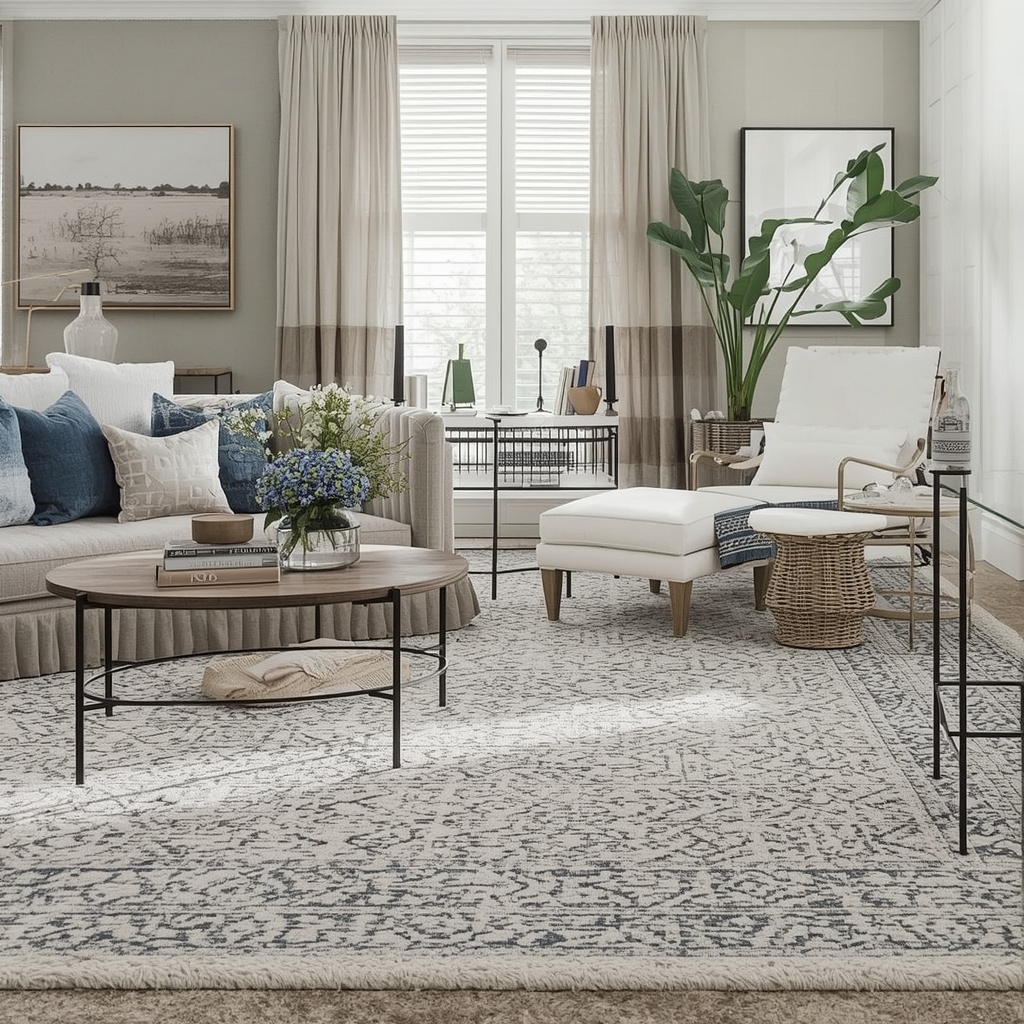
Do layered rugs work in small living rooms? Absolutely. In smaller spaces, use a compact base rug and a proportionally smaller accent rug placed centrally to avoid visually shrinking the room further.
What size should my accent rug be compared to the base? A common designer ratio is 60–70%. This leaves enough base rug visible around the edges to create a clear “frame” effect.
Should both rugs match my curtains or furniture upholstery? They don’t need to match exactly, but pulling one or two shared colors between your rugs and other soft furnishings — like throw pillows or curtains — ties the whole room together.
Final Thoughts on Layering Rugs for Texture
Layering rugs is one of the simplest, most cost-effective ways to transform a living room from flat and predictable into warm, textured, and intentionally designed. By starting with a durable neutral base and building up with a patterned or plush accent rug, you create depth that furniture and paint alone can’t achieve. Whether your style leans bohemian, Scandinavian, farmhouse, or modern minimalist, there’s a rug-layering combination that will elevate your space.
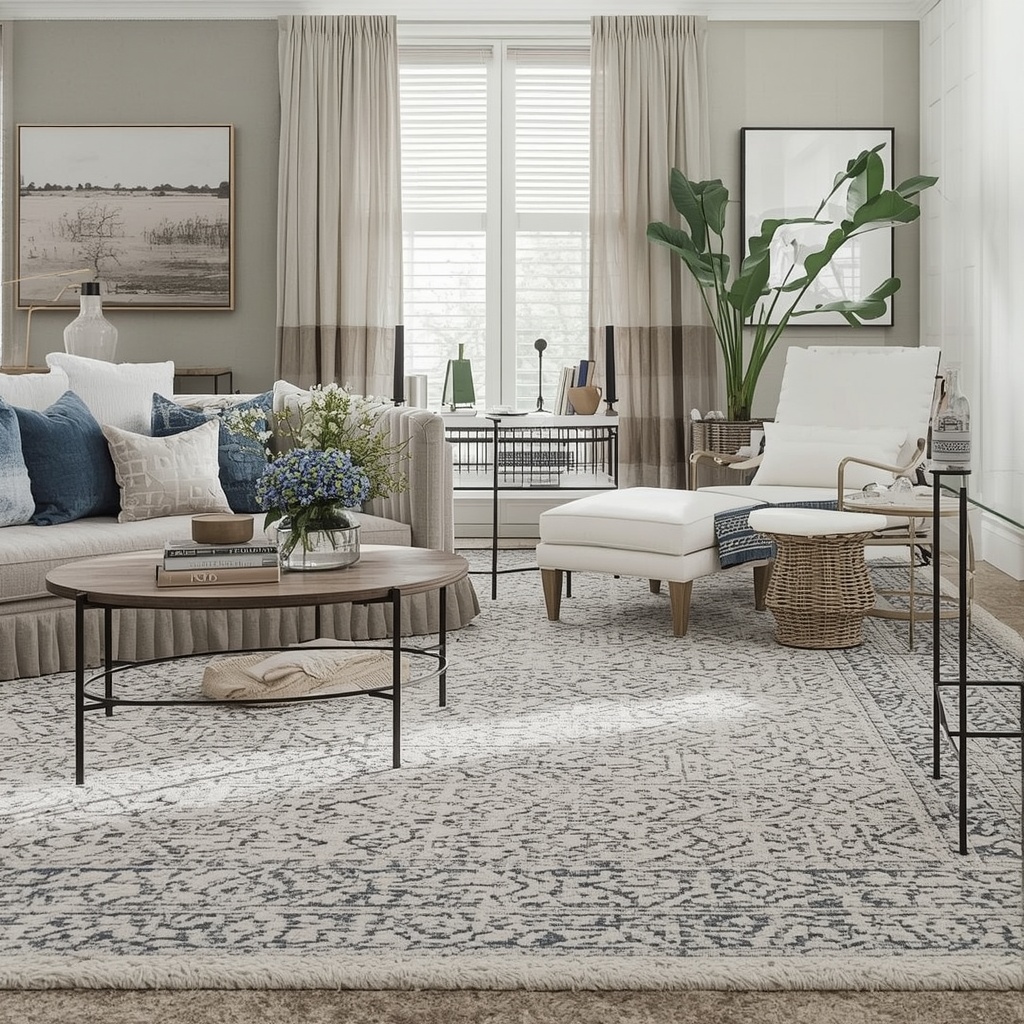
Start small, choose quality natural fibers where possible, and don’t be afraid to experiment with pattern and texture. Your living room floor has more design potential than you might think — and layering rugs is the easiest way to unlock it.
For more inspiration on textiles and natural-fiber rugs, organizations like the American Society of Interior Designers and publications such as Architectural Digest and Better Homes & Gardens offer additional design resources worth exploring.