
Walking into a living room with low ceilings can feel a little like wearing a coat that’s one size too small — everything works, but nothing quite breathes. The good news? You don’t need to knock down drywall or hire a contractor to fix that boxed-in feeling. As an interior designer who has spent years helping homeowners across the U.S. transform cramped rooms into airy retreats, I can tell you that curtains are one of the most underrated tools for visually raising a ceiling.
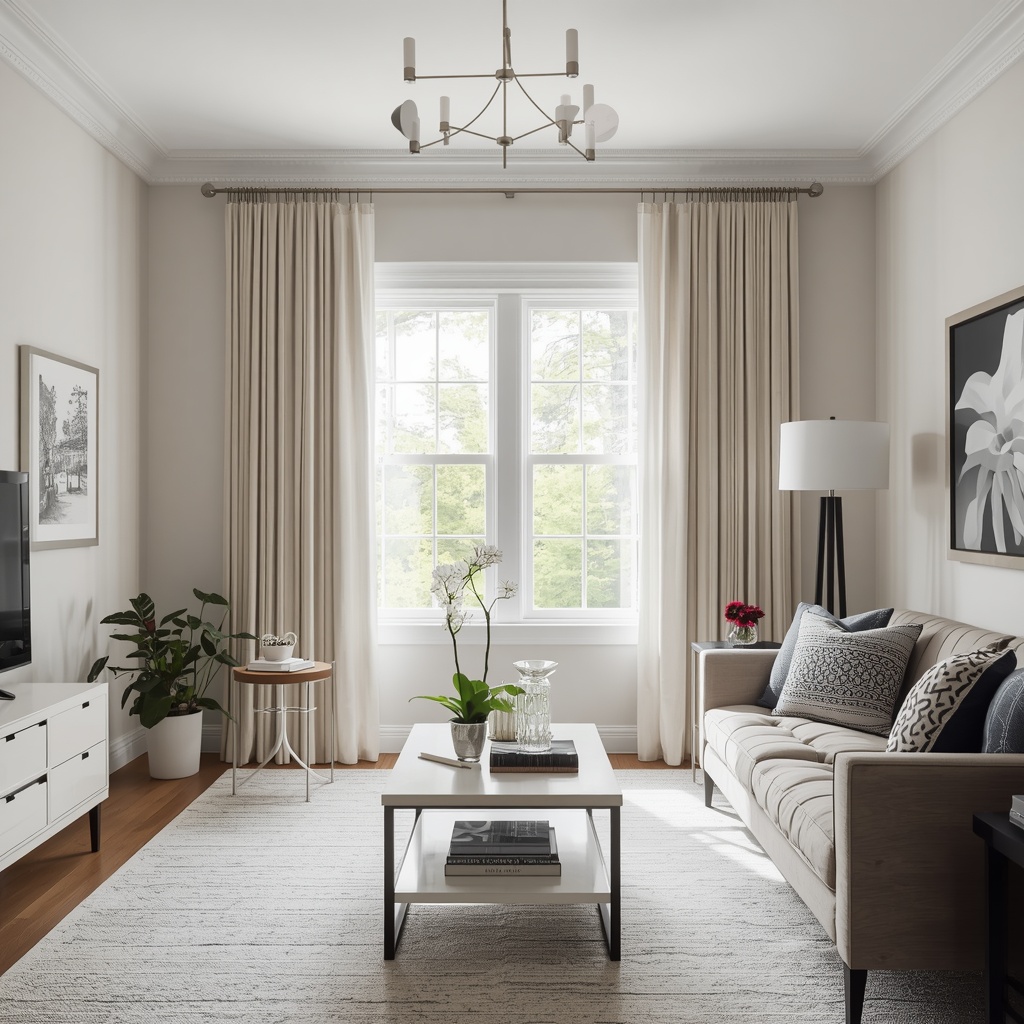
The right window treatment doesn’t just block light or add privacy — it manipulates the eye. Curtain hanging height, fabric choice, rod placement, and drapery style all work together to create vertical lines that trick the brain into perceiving more height than actually exists. Below, I’m sharing my favorite curtain hanging hacks, backed by real design principles, that will make your living room ceiling look taller almost overnight.
Why Curtain Placement Affects Perceived Ceiling Height
Before diving into the hacks, it helps to understand the psychology behind this trick. Our eyes naturally follow vertical lines upward, and when those lines extend close to the ceiling, the brain assumes the wall — and therefore the room — is taller than it is. This is the same principle behind vertical stripes in fashion or tall bookshelves in a library.
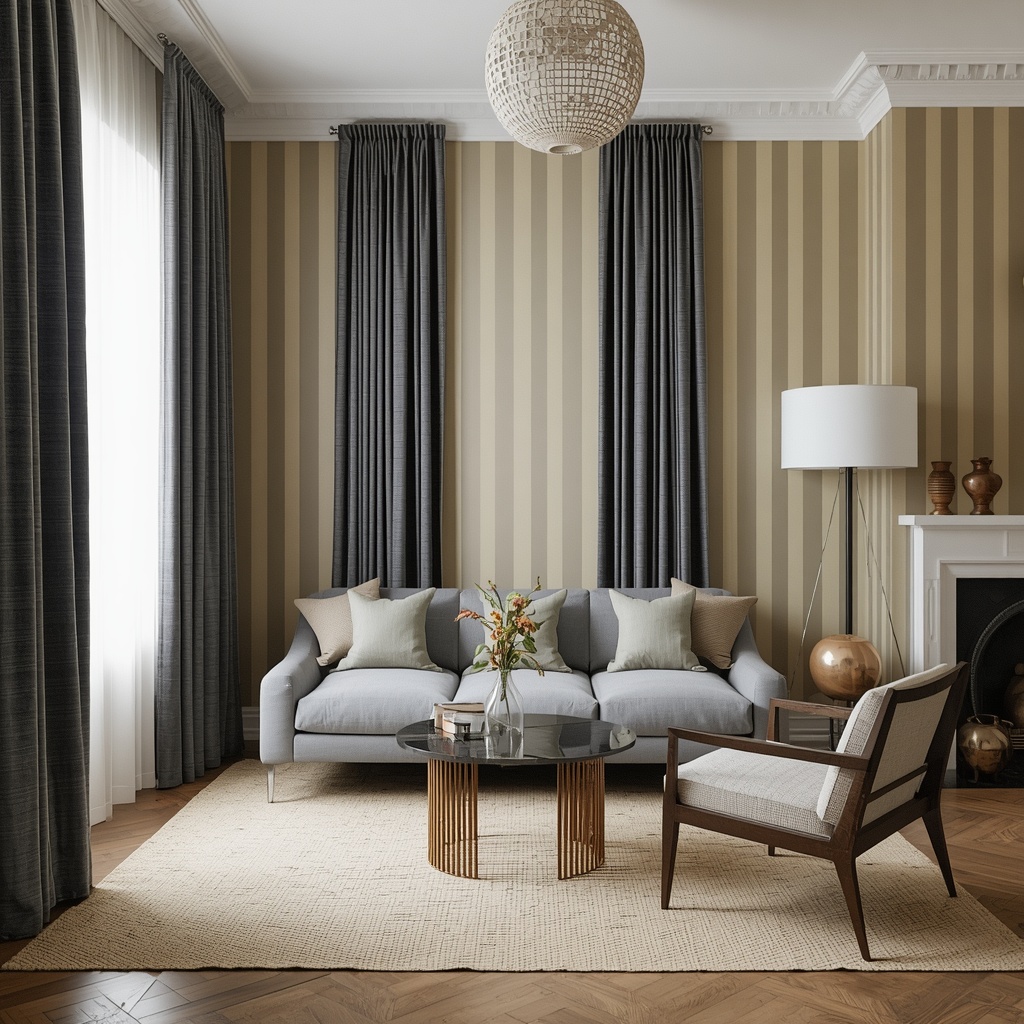
Curtains hung at standard window height (just above the window frame) create a visual “stop” that draws attention to where the window ends, not where the ceiling begins. When you hang drapery panels closer to the ceiling line instead, you extend that vertical sightline, making the entire wall — and the room — feel more expansive. This is one of the simplest ceiling height illusion tricks in interior design, and it costs little more than a longer curtain rod.
Hack #1: Mount Your Curtain Rod Close to the Ceiling
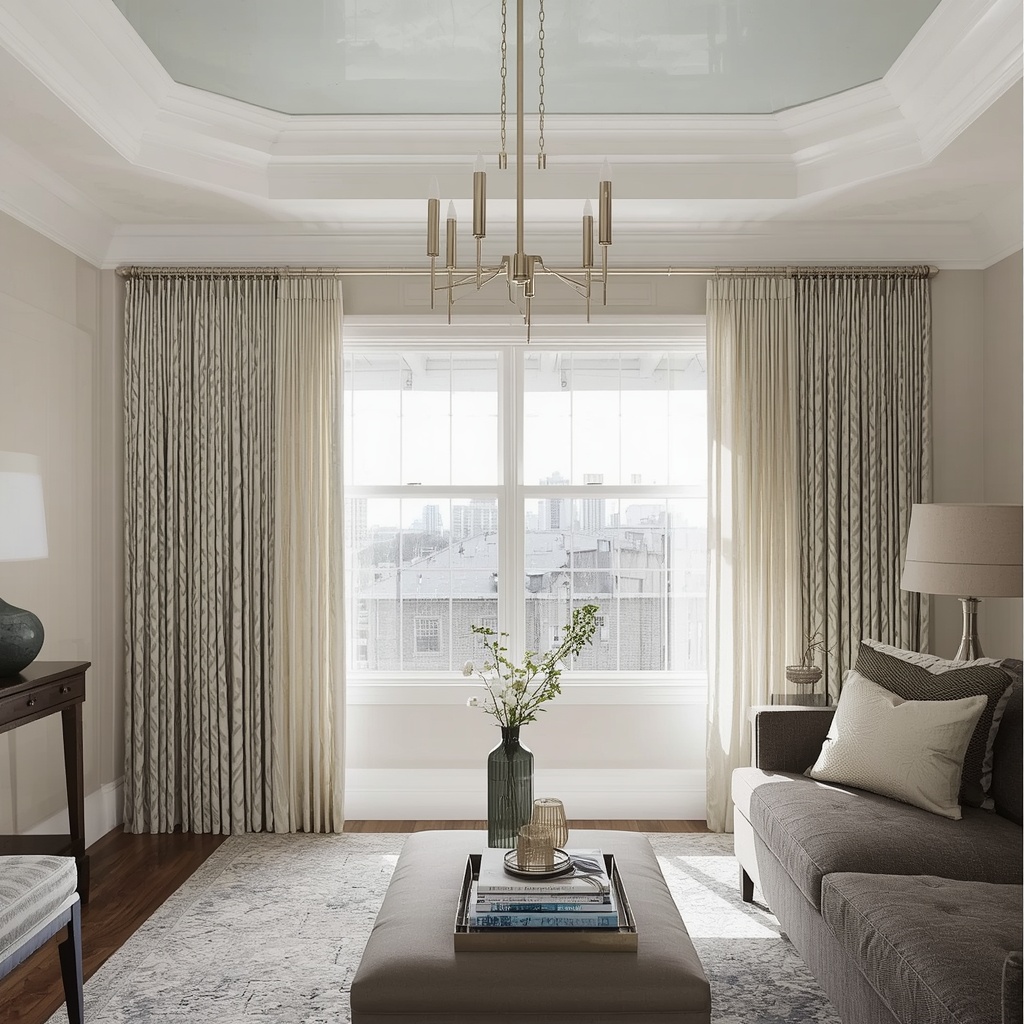
This is the golden rule of curtain hanging for high-ceiling illusions, and it’s the one change that delivers the biggest visual impact. Instead of mounting your rod directly above the window frame, install it four to six inches below the ceiling line, or even ceiling-mounted if your layout allows.
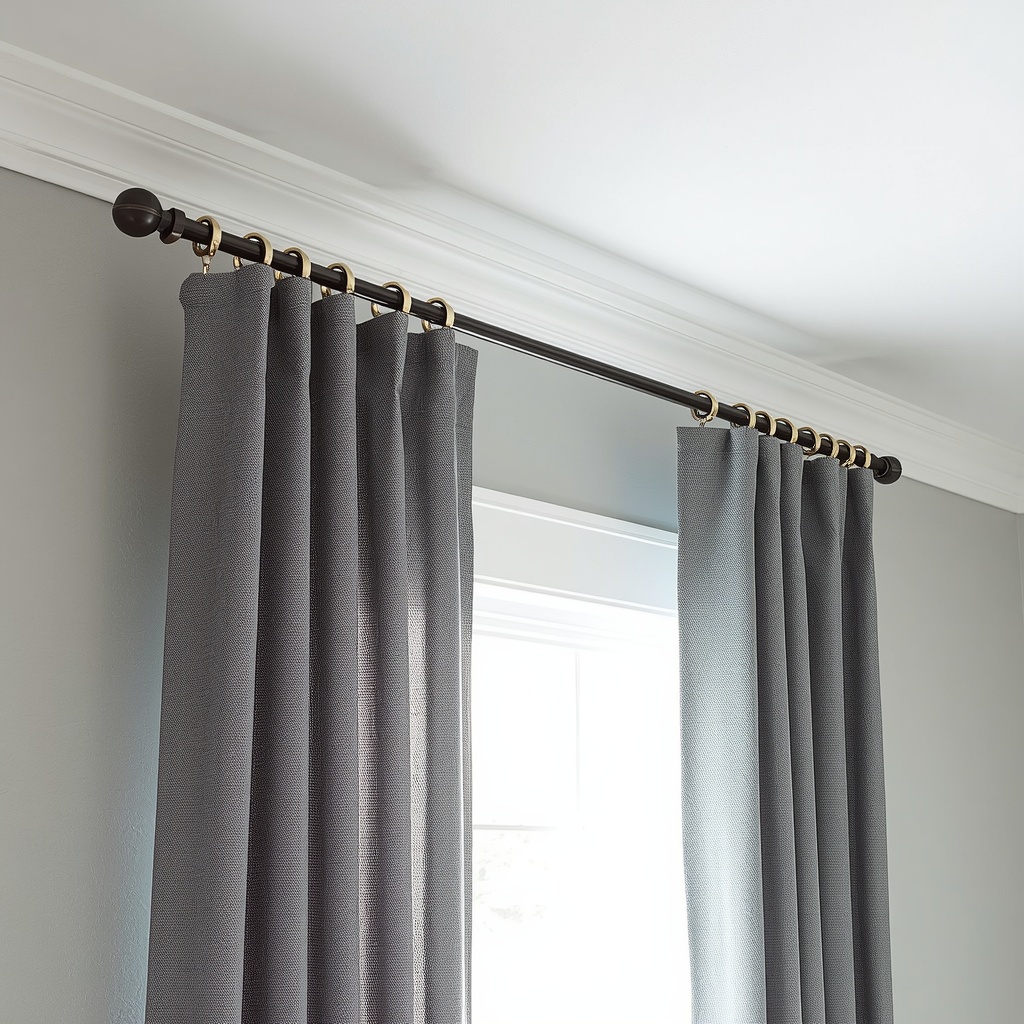
This single adjustment stretches the curtain panel vertically, pulling the eye upward and minimizing the visible gap between the window and the ceiling. Designers often call this the “high and wide” rule — hang the rod high, and extend it wide beyond the window frame on both sides. The wider mount also lets curtains fully clear the glass when opened, allowing more natural light into the room, which independently makes a space feel larger and taller.
“The biggest mistake homeowners make is hanging curtains that hug the window frame too closely. Height and width both matter — give your windows room to breathe, and the whole room feels taller.” — a principle echoed by many professional stagers and interior decorators.
Hack #2: Choose Floor-Length or Puddle-Style Curtains
Short curtains that stop at the windowsill or apron create a visual break partway down the wall, which shortens the perceived height of the room. Floor-length curtains, on the other hand, create one continuous vertical line from ceiling to floor.
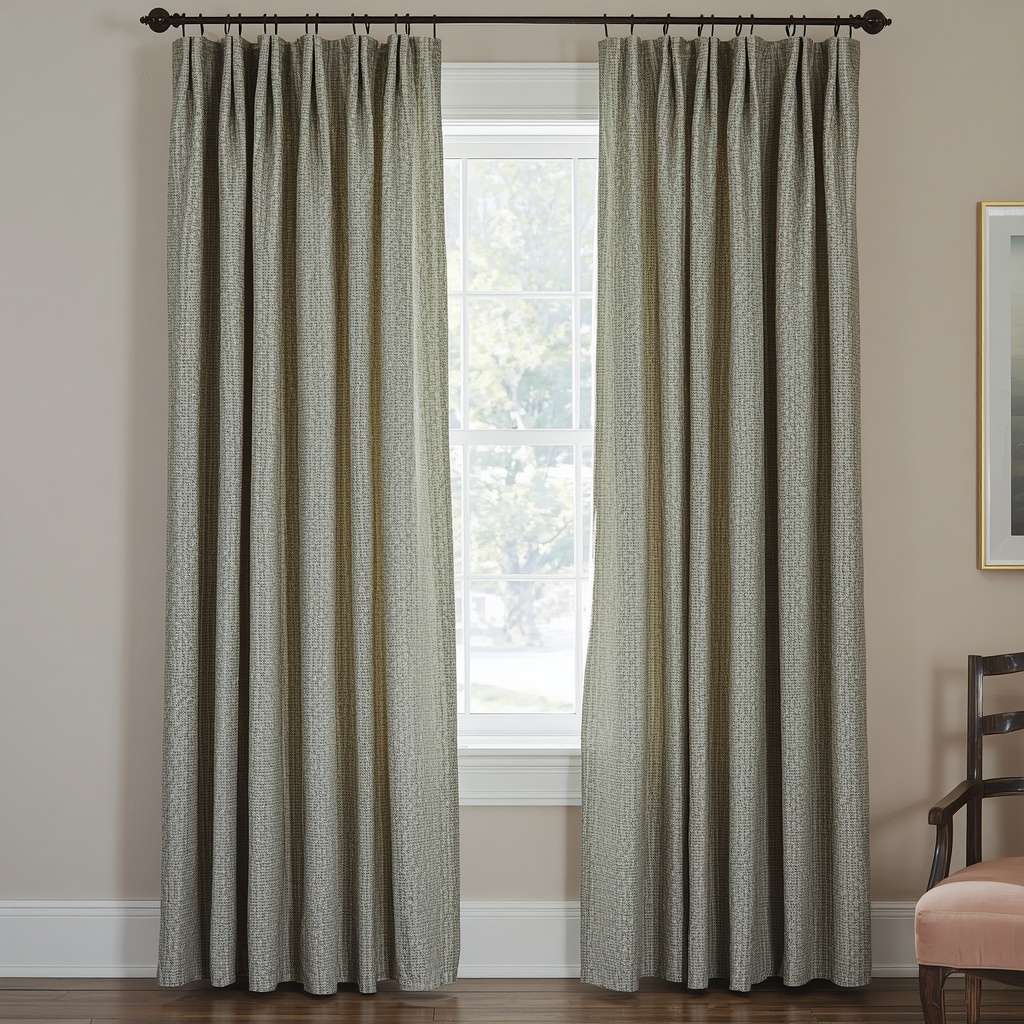
For a true ceiling-to-floor curtain effect, aim for panels that either just skim the floor (a half-inch above ground) or break slightly with a soft puddle for a more luxurious, layered look. This uninterrupted line is a classic technique used in high-end home staging because it eliminates any visual “cut-off” point that draws the eye downward instead of up.
Curtain Length Guide for a Taller Room Look
| Curtain Style | Length From Floor | Best For | Visual Effect |
|---|---|---|---|
| Floor-skimming | 0.5 inch above floor | Everyday living rooms | Clean, tall, tailored look |
| Slight break | 1–2 inches puddled | Traditional or formal spaces | Soft, elegant, elongated |
| Full puddle | 3+ inches pooled | Glam or romantic styles | Luxurious but can look dated |
| Above ankle (avoid) | 4+ inches short | Not recommended | Shrinks room, dated appearance |
Hack #3: Use Vertical Stripes or Textured Fabric Patterns
Fabric choice plays a bigger role in ceiling height illusion than most homeowners realize. Vertical stripes, ribbed textures, and pleated header styles all reinforce the upward visual movement that curtain hanging placement starts.
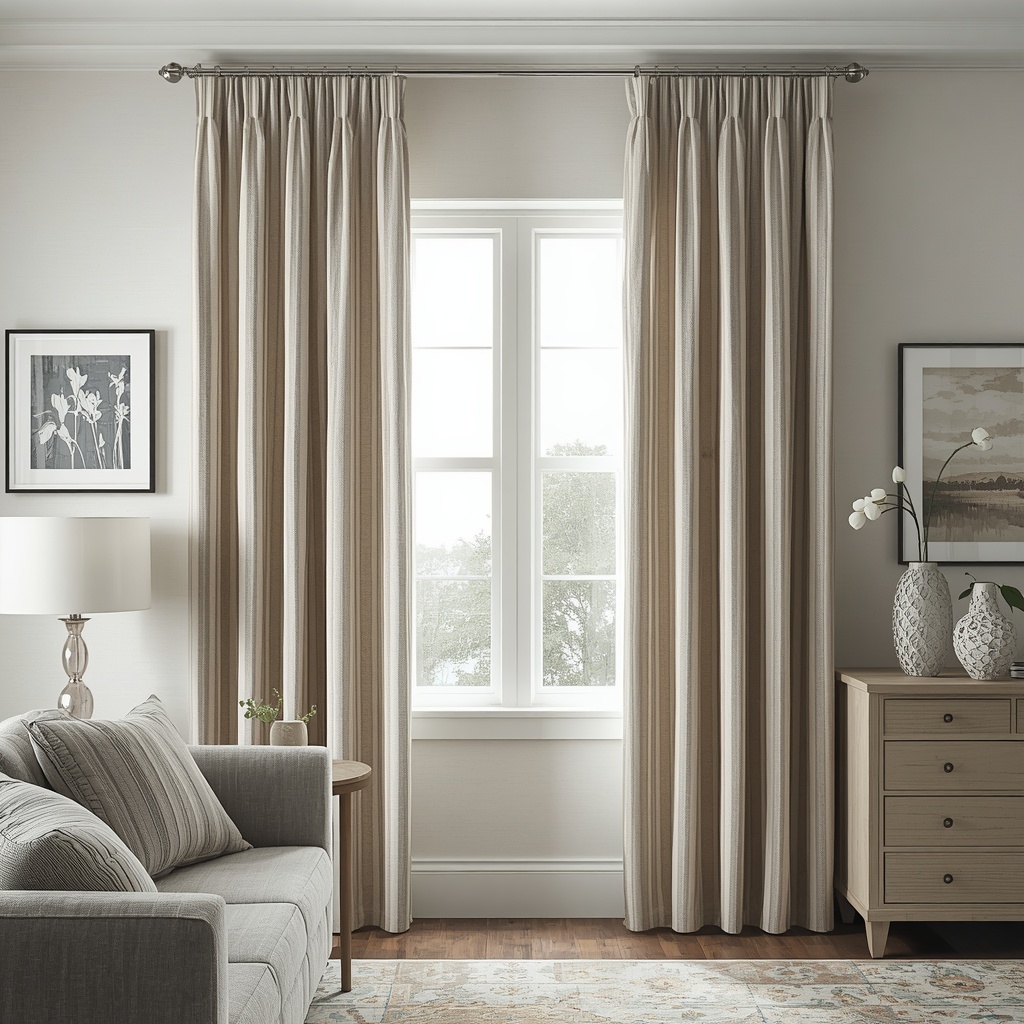
Pinch-pleat, goblet-pleat, and ripple-fold headers create structured vertical lines along the top of the curtain panel, which continues the eye’s upward journey even before it reaches the fabric itself. Solid, lightweight fabrics in soft, airy colors also reflect more light, which pairs beautifully with the vertical lines to open up the entire wall.
Pro Tip: If your living room has 8-foot ceilings or lower, avoid horizontal stripes, large busy prints, or heavy valances at the top of the curtain. These visually chop the vertical line and work directly against the taller-ceiling illusion you’re trying to create.
Hack #4: Match Curtain Color to Your Wall Color
One trick professional decorators swear by is choosing curtains that closely match — or only slightly contrast — the wall color behind them. When there’s minimal color break between the wall and the drapery, the eye reads the curtain and wall as one continuous surface, extending the vertical plane even further.
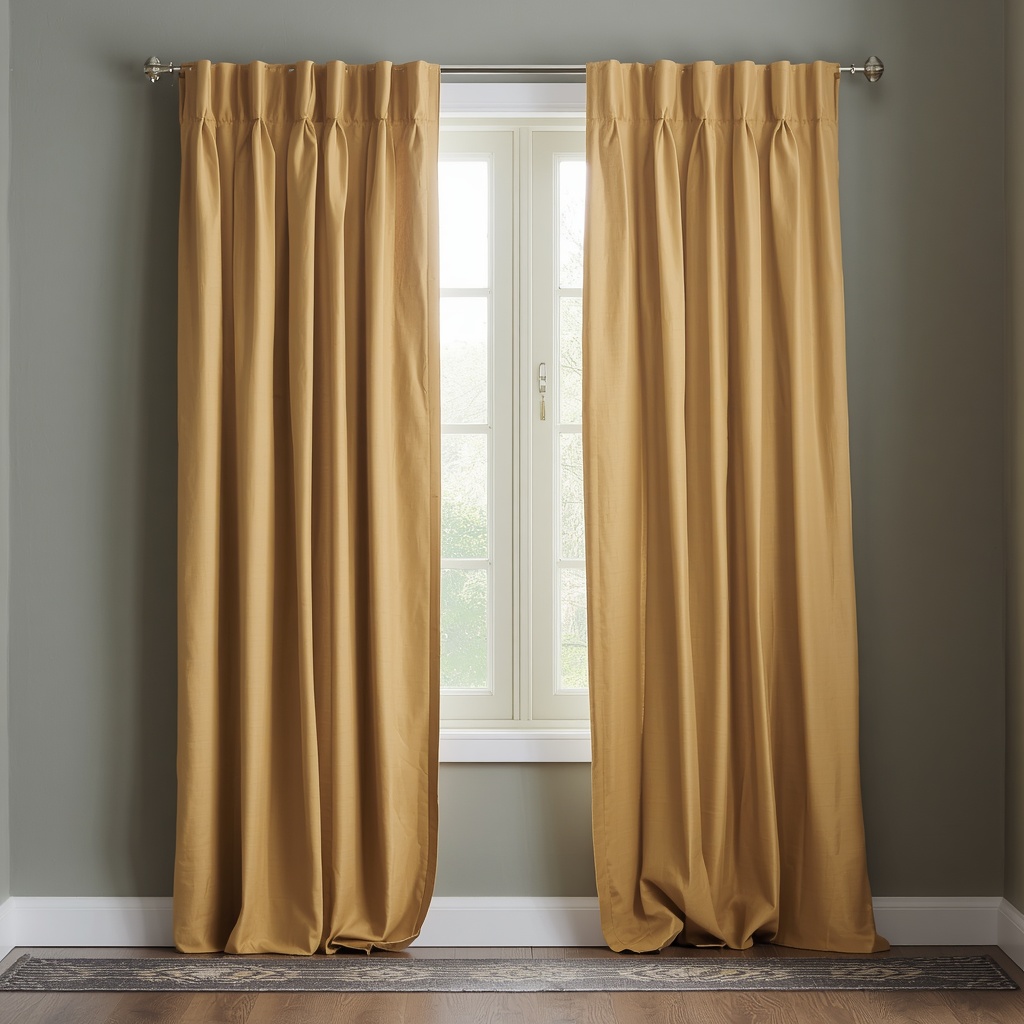
This doesn’t mean your curtains have to be invisible or boring. A tone-on-tone approach, such as soft ivory curtains against a warm white wall, or sage green drapery against a slightly deeper sage accent wall, keeps visual interest while still preserving the illusion of height. Bold color blocking between wall and curtain, while stylish in other contexts, tends to visually shorten a room by creating a strong horizontal-feeling boundary.
Here’s a quick comparison of color strategies and their effect on perceived ceiling height:
- Tone-on-tone curtains and walls: Best for maximizing height illusion
- Curtains slightly lighter than walls: Good middle ground, still elongating
- High-contrast curtains vs. walls: Adds drama but can shorten visual height
- Dark curtains on light walls (or vice versa): Use sparingly, only with ceiling-mounted rods to offset the contrast
Hack #5: Install Curtains Outside the Window Frame — Both Vertically and Horizontally
We touched on width earlier, but it deserves its own spotlight because so many homeowners get this wrong. Curtains mounted directly on the window frame make the window — and by extension the wall — look smaller and squatter. Extending the rod six to twelve inches beyond each side of the window frame does two things: it makes the window appear larger, and it gives the curtain panels room to stack neatly to the side without blocking glass.
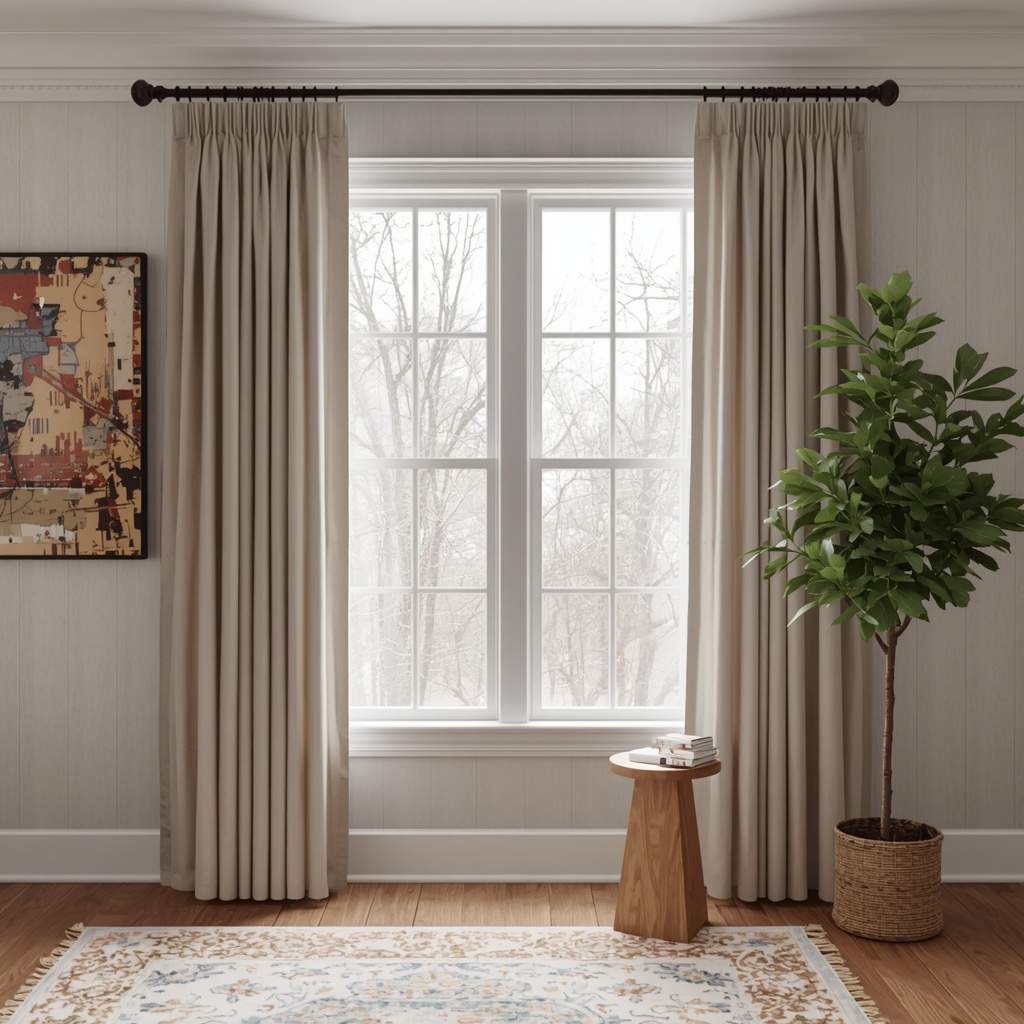
Combined with a ceiling-height rod mount, this “high and wide” hanging method is the single most effective layout change you can make in a living room with low ceilings. It’s a favorite technique in home staging because it requires no renovation, yet consistently makes rooms photograph and feel significantly larger.
Pro Tip: Use double or triple curtain rods to layer sheer panels with heavier drapery. The sheer layer closest to the window softens light, while the outer layer extends the vertical line — a designer trick that adds depth without adding visual clutter.
Hack #6: Choose the Right Curtain Rings and Hardware
Small hardware details influence the overall silhouette more than people expect. Thin, minimalist curtain rods in matte black, brushed brass, or a color matching your ceiling trim tend to disappear visually, letting the fabric’s vertical lines do the work. Bulky, ornate rods with large finials can visually interrupt the line where the eye should be moving upward.
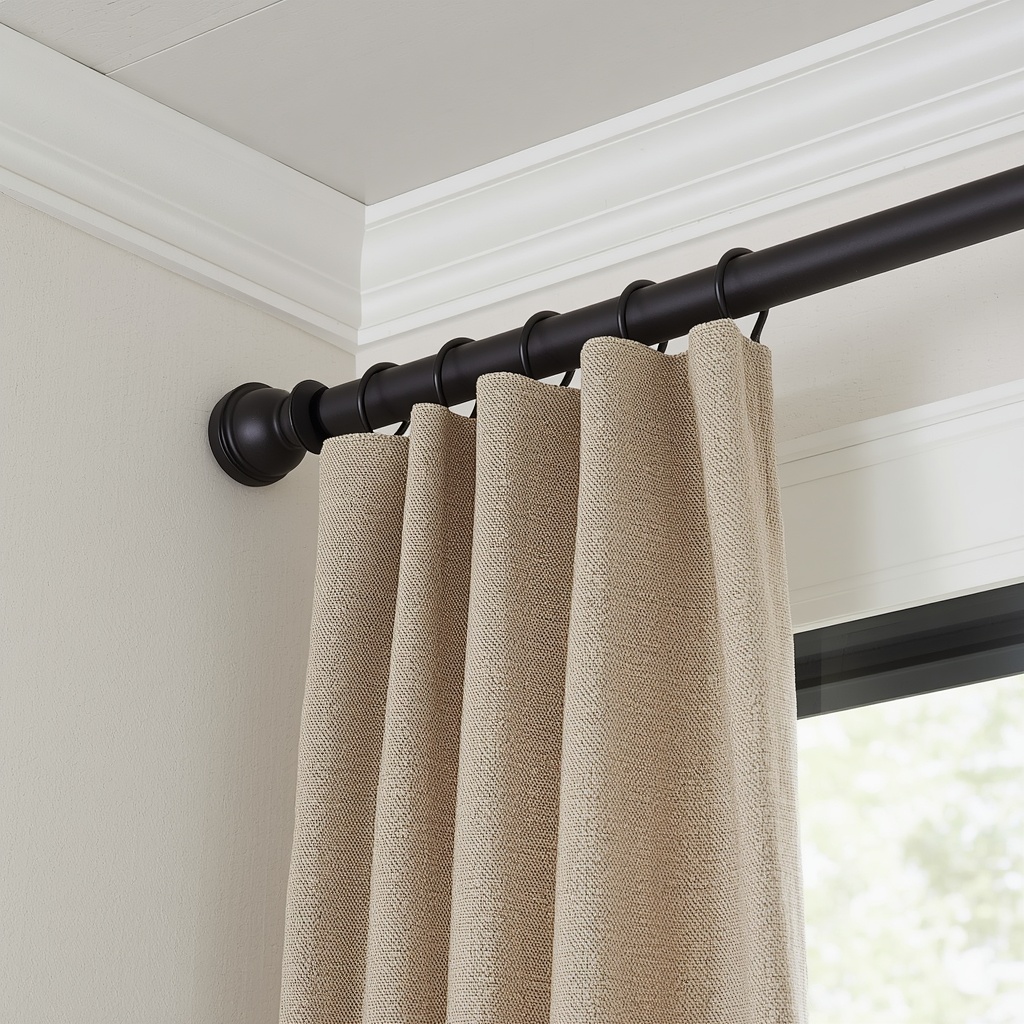
Curtain rings also matter: rings that sit flush against the rod (rather than large decorative rings with big gaps) create a tighter, cleaner vertical line. If you’re using rod pockets or tab-top curtains, make sure the header sits smoothly at the top rather than bunching, since bunched fabric creates a visual “cap” that can shorten the perceived height of the window.
Common Curtain Hanging Mistakes That Shrink a Room
Even well-decorated living rooms can fall into ceiling-shrinking traps. Here are the mistakes I see most often during home consultations:
- Hanging curtains directly on top of the window frame instead of near the ceiling
- Choosing curtains that stop short of the floor, breaking the vertical line
- Using heavy valances or swags that visually cap the top of the window
- Selecting horizontal-patterned fabric in a room that already feels short
- Mounting rods that are narrower than the window, blocking natural light
- Using curtain colors that strongly contrast with wall color without a ceiling-mount offset
- Skipping curtains altogether in favor of blinds only, which removes the vertical softness curtains provide
Quick Reference: Curtain Hanging Checklist for Taller-Looking Ceilings
| Element | Recommended Approach |
|---|---|
| Rod height | 4–6 inches below ceiling, or ceiling-mounted |
| Rod width | 6–12 inches beyond window frame on each side |
| Curtain length | Floor-skimming or slight puddle |
| Fabric pattern | Vertical stripes, solids, or subtle texture |
| Color strategy | Tone-on-tone with walls |
| Header style | Pinch pleat, goblet pleat, or ripple fold |
| Hardware | Slim, low-profile rods and flush rings |
Bringing It All Together
Making a living room ceiling look taller isn’t about a single dramatic change — it’s about layering small, intentional decisions that all point the eye upward. Mounting your rod higher, extending it wider, choosing floor-length panels, and coordinating color and fabric texture all work together as a system. Skip one element, like using a short curtain with a high-mounted rod, and you lose part of the illusion.
The beauty of these curtain hanging hacks is that they’re accessible to almost any budget and don’t require permanent changes to your home. A new curtain rod and a well-chosen pair of drapery panels can transform how a room feels within an afternoon. For homeowners renting or hesitant to commit to structural updates, this is one of the most effective, reversible ways to elevate a living room’s sense of scale.
If you’re planning a broader living room refresh, pair these curtain techniques with complementary tricks like vertical wall paneling, tall bookshelves, or up-lighting to reinforce the same visual language throughout the space. Done well, your ceiling will feel like it grew several inches — without a single structural change.
For further design inspiration, reputable resources like HGTV and the American Society of Interior Designers regularly publish window treatment and small-space design guides worth bookmarking.