
If there’s one design style that has held America’s heart for over a decade, it’s modern farmhouse. Warm, welcoming, and endlessly livable, this aesthetic blends rustic charm with clean, contemporary lines to create rooms that feel both stylish and stress-free. As an interior designer, I’ve styled dozens of modern farmhouse living rooms, and I can tell you the secret isn’t shiplap alone.
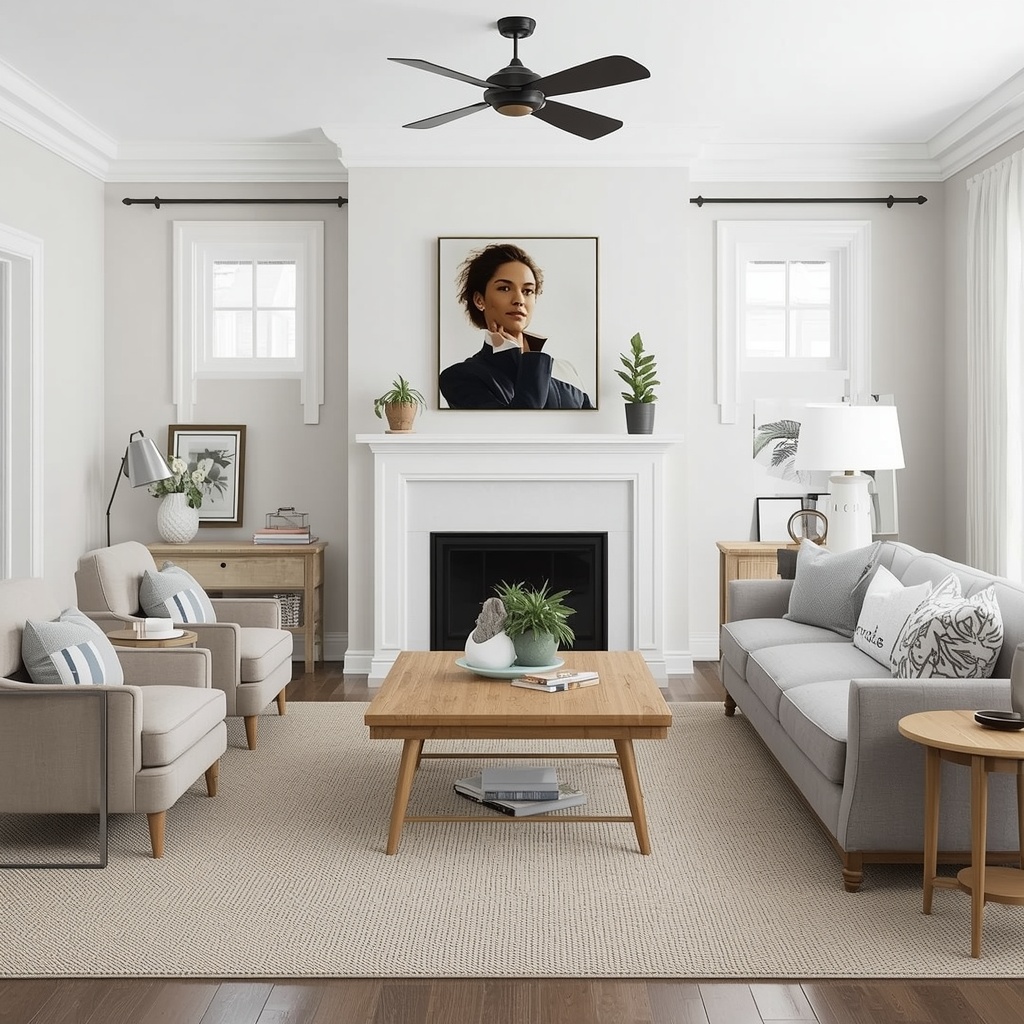
Modern farmhouse design succeeds because it balances opposites: rough and refined, old and new, cozy and open. Done well, it creates a living room that feels like a warm hug after a long day, yet still photographs like a magazine spread. In this guide, I’ll walk you through every layer of styling a modern farmhouse living room, from color palettes to lighting, so you can create a space that feels authentically yours.
What Exactly Is Modern Farmhouse Style?
Modern farmhouse style emerged as a fusion of traditional farmhouse decor and minimalist modern design. Think reclaimed wood beams paired with sleek black hardware, or a plush neutral sofa sitting beneath a rustic wood-beam ceiling. It’s a style that respects craftsmanship and history while staying functional for real, everyday family life.
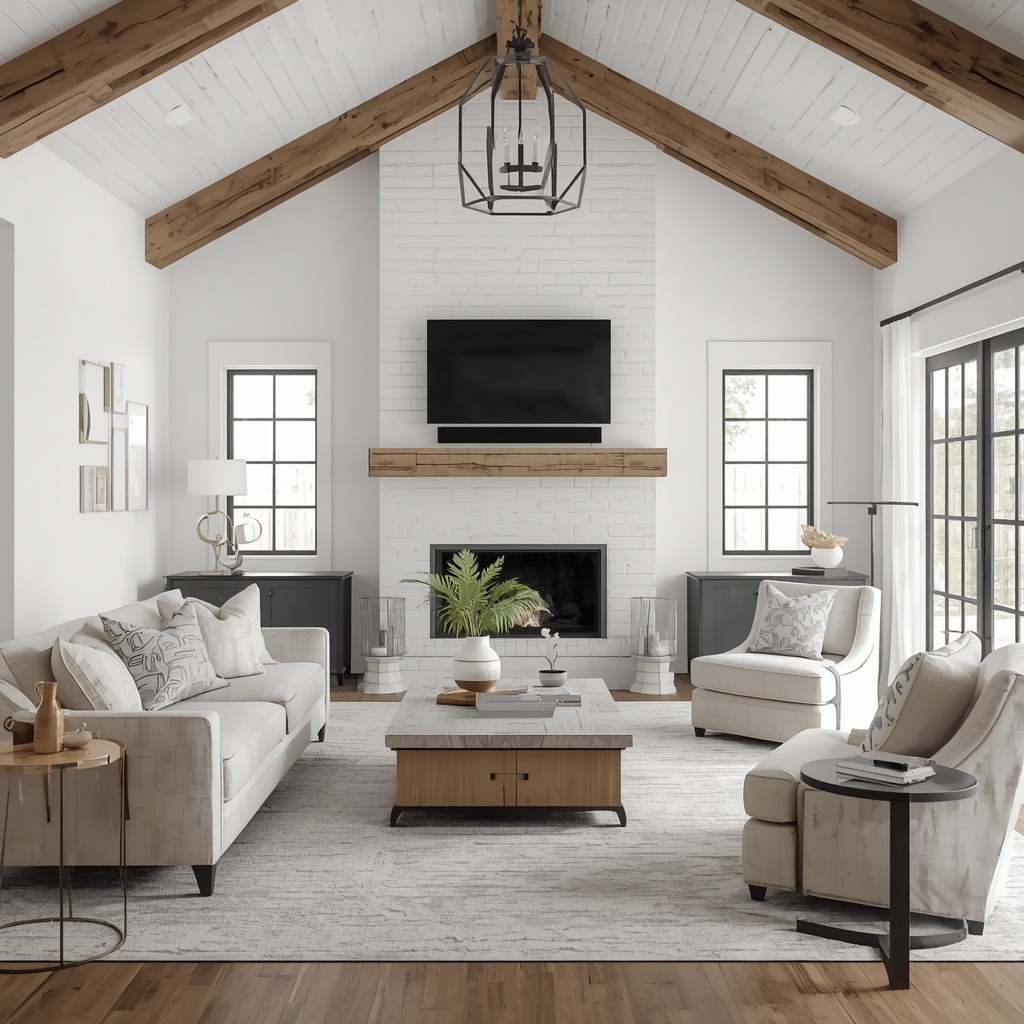
The look draws heavily from rural American architecture — barns, farmhouses, and homesteads — but strips away anything overly ornate or fussy. What remains is a curated mix of natural textures, soft neutral colors, and vintage-inspired accents layered over clean, modern furniture silhouettes. It’s comfort-driven design with just enough polish to feel intentional.
“Farmhouse style isn’t about filling a room with antiques — it’s about creating a space that feels lived-in, loved, and effortlessly comfortable.” This is the guiding principle behind every successful modern farmhouse living room.
Building the Perfect Modern Farmhouse Color Palette
Color is the foundation of any farmhouse living room design. The modern farmhouse palette leans heavily on warm neutrals, soft whites, and muted earth tones, with black or dark bronze used sparingly as an accent to ground the space.
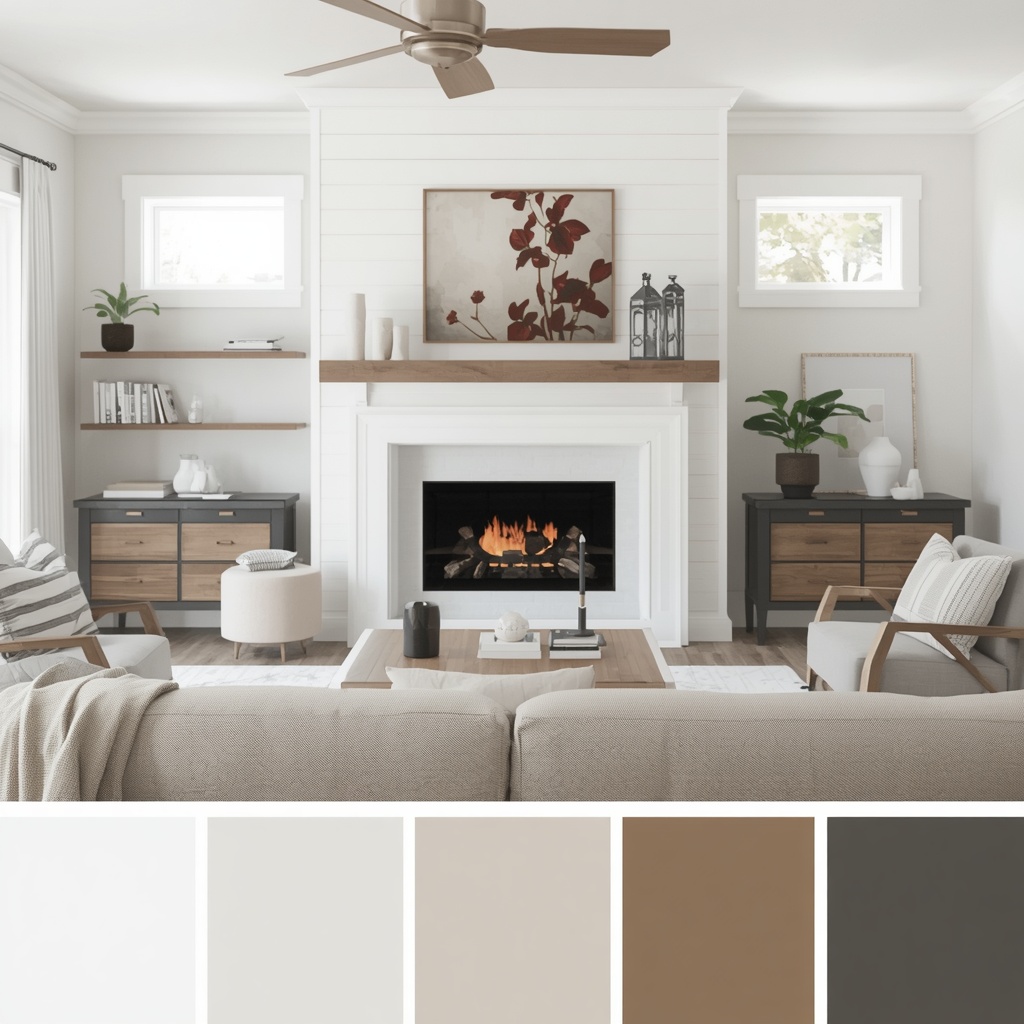
Here’s a breakdown of the most popular modern farmhouse paint colors and where to use them:
| Color Category | Popular Shades | Best Used For |
|---|---|---|
| Warm Whites | Alabaster, Simply White, Chantilly Lace | Walls, trim, ceilings |
| Soft Grays | Repose Gray, Agreeable Gray, Mindful Gray | Accent walls, built-ins |
| Greige Tones | Balanced Beige, Perfect Greige | Living room walls |
| Deep Neutrals | Iron Ore, Tricorn Black, Kendall Charcoal | Window frames, doors, accents |
| Earthy Accents | Sage green, terracotta, mustard | Throw pillows, textiles |
Pro Tip: Before committing to a wall color, paint large swatches (at least 2×2 feet) on multiple walls and observe them at different times of day. Farmhouse neutrals shift dramatically under natural versus artificial light, and a color that looks warm and inviting in the morning can read cold and flat by evening. Testing swatches in real lighting conditions is the single most reliable way to avoid a costly repaint.
For an authoritative, up-to-date look at trending neutral palettes, brands like Sherwin-Williams and Benjamin Moore publish seasonal color forecasts worth reviewing before you shop.
Choosing Farmhouse Furniture That Feels Modern
The furniture in a modern farmhouse living room should feel substantial, comfortable, and slightly relaxed — never too formal or too precious. Overstuffed slipcovered sofas, reclaimed wood coffee tables, and woven accent chairs are staples of this look.
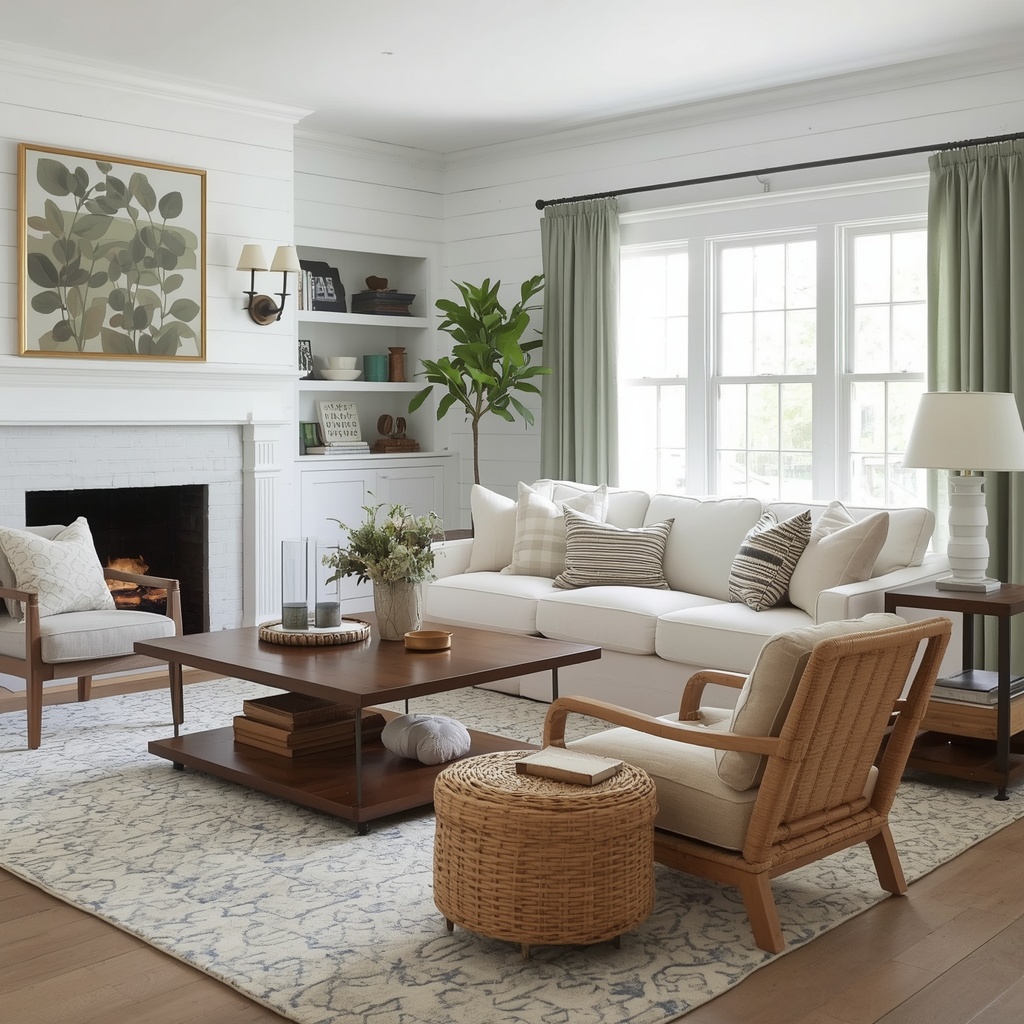
When selecting furniture, prioritize pieces with clean lines rather than heavily carved or ornate details, which lean more traditional-country than modern-farmhouse. Mixing materials is key: pair a linen sofa with a metal-and-wood coffee table, or a leather accent chair with a jute rug. This contrast of textures is what keeps the room from feeling flat or one-note.
Key furniture pieces to anchor your living room:
- A slipcovered or linen sofa in a warm white, oatmeal, or soft gray
- A reclaimed or distressed wood coffee table with visible grain and character
- Woven or rattan accent chairs for texture and visual lightness
- Open wood shelving or a farmhouse console for storage with rustic charm
- A vintage or vintage-inspired area rug to soften hard flooring
- Black metal accents (lamps, shelf brackets, picture frames) for contrast
Pro Tip: When mixing wood tones, stick to two or three finishes maximum in one room, and unify them with a shared undertone (either warm or cool). A living room with five different wood finishes competing for attention will feel chaotic rather than curated, no matter how beautiful each individual piece is.
Layering Textiles for Cozy, Lived-In Warmth
Texture is what transforms a farmhouse living room from sparse to soulful. Because the color palette is intentionally muted, texture does the heavy lifting when it comes to visual interest and warmth.
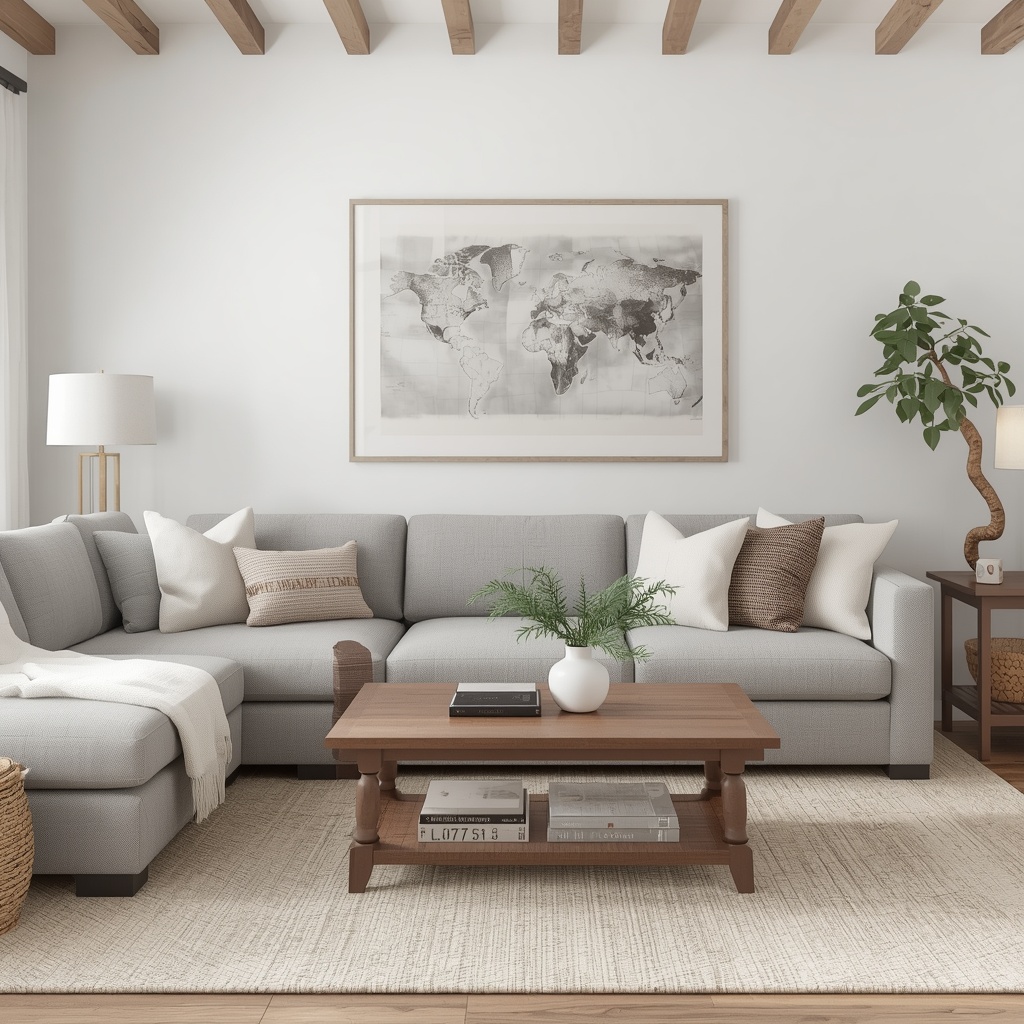
Layer in natural fibers wherever possible: chunky knit throws, linen or cotton slipcovers, jute or wool rugs, and woven baskets for storage. Mixing textures at different scales — a nubby wool pillow next to a smooth ceramic lamp, or a rough-hewn wood beam above a soft velvet ottoman — creates depth without adding clutter or color.
Textile checklist for a well-layered farmhouse living room:
| Textile Element | Material Suggestions | Placement |
|---|---|---|
| Throw pillows | Linen, cotton canvas, wool | Sofa, accent chairs |
| Throw blankets | Chunky knit, sherpa, waffle-weave | Draped on sofa arm or ottoman |
| Area rug | Jute, wool, vintage Persian-style | Anchoring the seating area |
| Window treatments | Linen or cotton drapes | Floor-to-ceiling for height |
| Upholstery | Slipcovered linen, distressed leather | Sofa, chairs |
Quality textiles also tend to age beautifully, developing a soft patina that only enhances the farmhouse aesthetic over time — unlike synthetic fabrics, which can look tired quickly.
Lighting: The Detail That Ties It All Together
Lighting fixtures are one of the fastest ways to signal “modern farmhouse” in a living room. Look for fixtures that combine matte black or aged bronze metal with natural materials like wood, rattan, or linen shades.
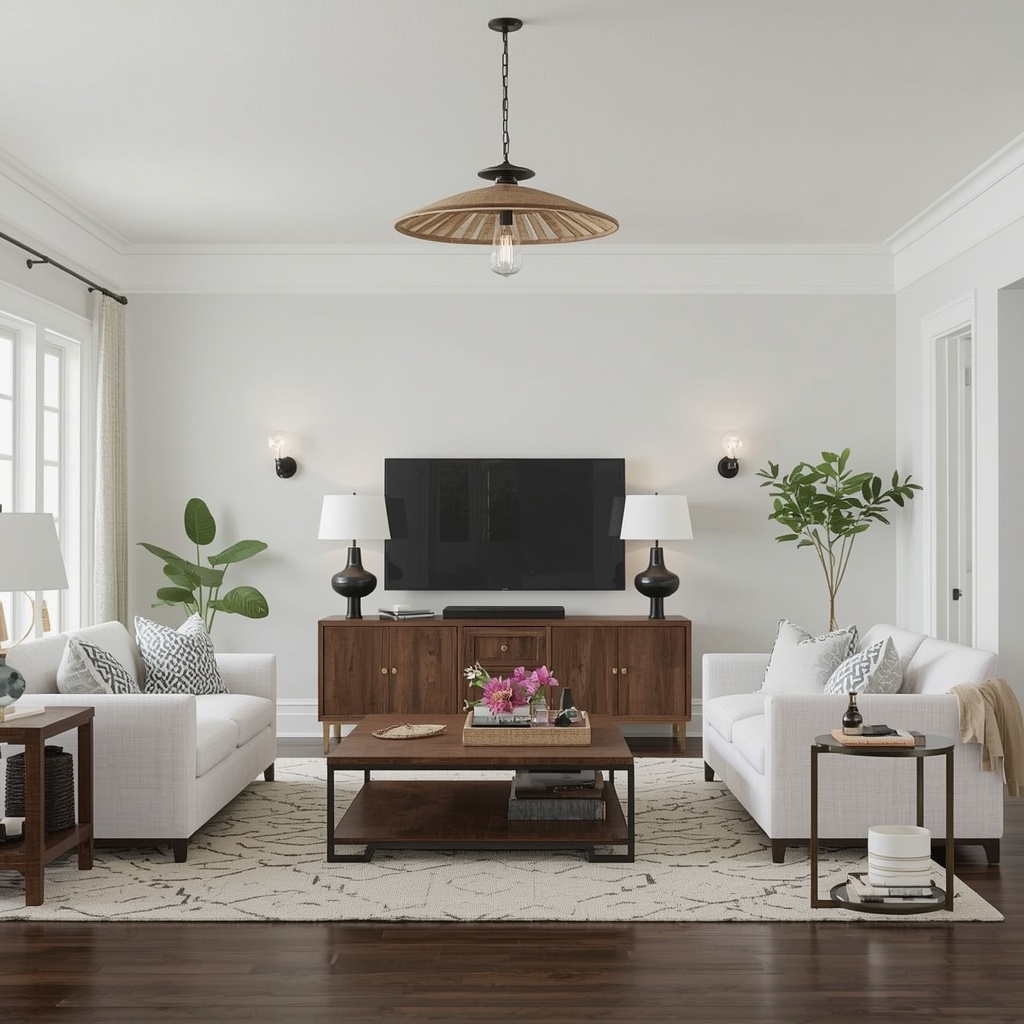
A statement pendant or a pair of sconces flanking a media console instantly elevates the room without requiring a full furniture overhaul. Layer your lighting across three levels — ambient (overhead), task (reading lamps), and accent (picture lights or string lighting) — to create warmth and dimension after dark, rather than relying on a single harsh overhead source.
Popular modern farmhouse lighting styles include:
- Wagon-wheel or ring chandeliers in blackened metal
- Woven rattan or wicker pendant shades
- Exposed-bulb sconces with an Edison-style filament bulb
- Lantern-style flush mounts for lower ceilings
- Table lamps with ceramic or wood bases and linen drum shades
Pro Tip: Warm-toned bulbs (2700K–3000K) are essential for farmhouse lighting. Cool white bulbs (4000K and above) clash with the warm neutral palette and can make even the most beautifully styled room feel sterile and clinical instead of cozy.
Wall Decor and Accessories That Add Character
This is where personality enters the room. Modern farmhouse wall decor tends to favor black-and-white photography, vintage-inspired artwork, woven wall hangings, and open shelving styled with a mix of books, ceramics, and greenery.
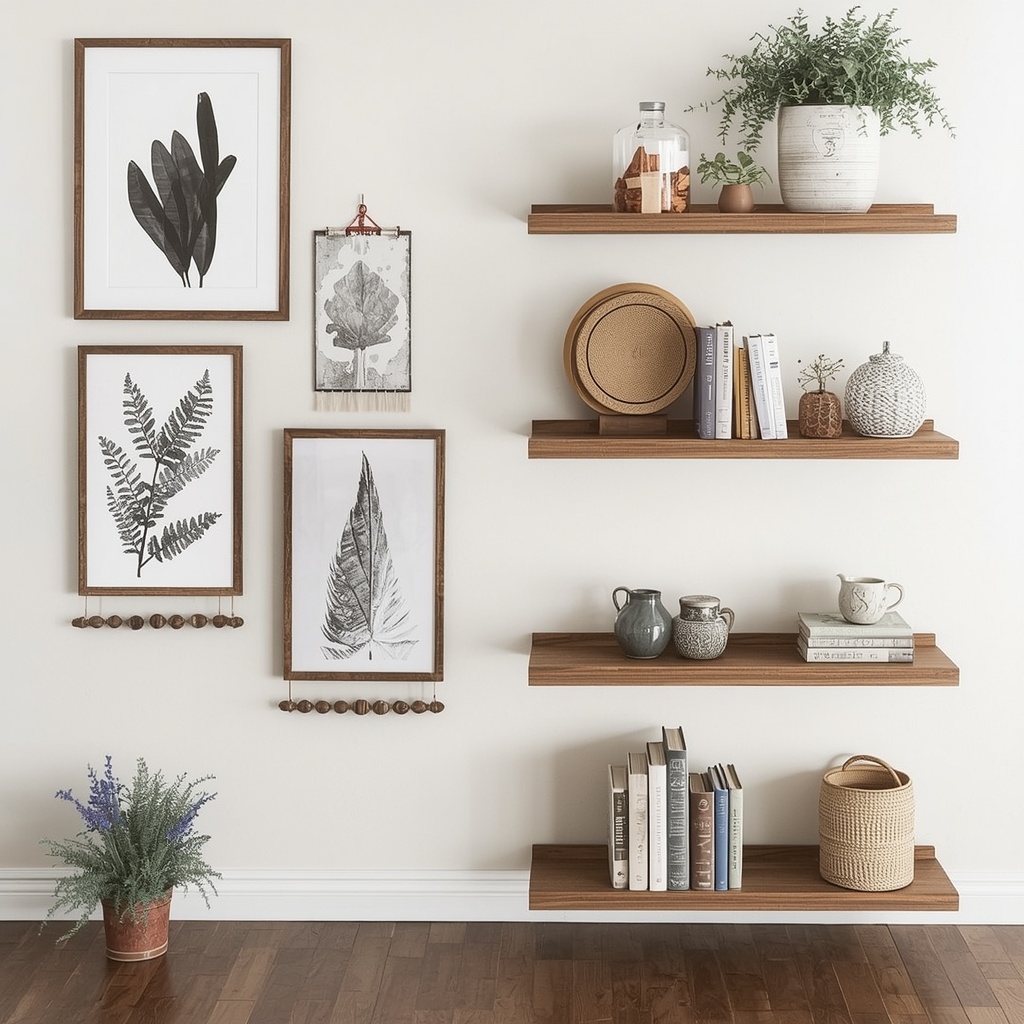
Avoid overcrowding walls — the modern half of “modern farmhouse” calls for restraint. Choose a few meaningful, well-scaled pieces rather than a dense gallery wall of mismatched frames. Mirrors with black metal or wood frames are especially effective, as they reflect light and add depth without introducing clutter.
Accessory ideas that read as authentically farmhouse without feeling like a theme park:
- Ceramic vases with dried or faux florals (pampas grass, eucalyptus)
- Woven wall baskets arranged in an asymmetrical cluster
- A vintage ladder used as a leaning blanket rack
- Stoneware or crockery displayed on open shelving
- A single reclaimed wood mantel or beam as an architectural focal point
Flooring Foundations for a Farmhouse Living Room
Flooring sets the tone before any furniture even enters the room. Wide-plank white oak or hickory hardwood is the gold standard for modern farmhouse living rooms, prized for its warm tone and visible wood grain.
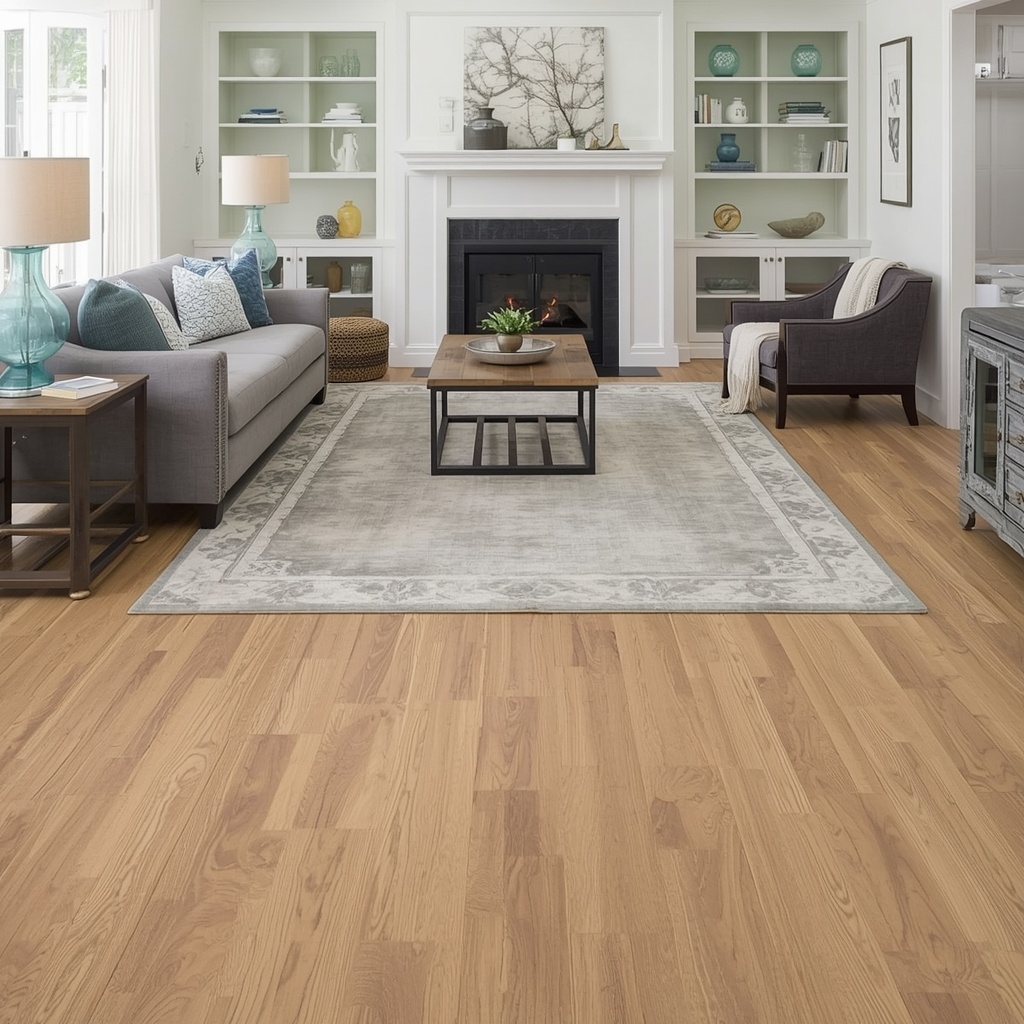
If hardwood isn’t in your budget or your space calls for something more practical, luxury vinyl plank (LVP) has become a popular, budget-friendly alternative that convincingly mimics reclaimed wood at a fraction of the cost and with far greater durability against pets and kids.
| Flooring Option | Approximate Cost per Sq. Ft. | Best For |
|---|---|---|
| Wide-plank white oak | $8–$15 (material only) | Long-term investment, resale value |
| Engineered hardwood | $5–$10 | Homes with moisture concerns |
| Luxury vinyl plank (LVP) | $2–$5 | High-traffic, budget-conscious homes |
| Reclaimed barnwood | $10–$20+ | Statement floors, accent areas |
Whatever flooring you choose, layer a natural-fiber area rug on top to add softness underfoot and help define the living room’s seating zone, especially in open-concept layouts.
Common Modern Farmhouse Styling Mistakes to Avoid
Even well-intentioned homeowners can tip a farmhouse living room into “theme decor” territory. A few mistakes I see most often as a designer:
- Overusing shiplap. One accent wall is charming; shiplap on every surface starts to feel like a stage set rather than a home.
- Too much rustic, not enough modern. Balance distressed wood with sleek, contemporary pieces so the room doesn’t skew purely rustic-country.
- Ignoring scale. Farmhouse rooms often feature oversized furniture; a too-small sofa or coffee table can make the room feel disjointed.
- Skipping greenery. Live or high-quality faux plants add essential life and softness to an otherwise neutral palette.
- Matching everything too perfectly. Farmhouse style thrives on curated imperfection — a few pieces should feel collected rather than purchased as a set.
Frequently Asked Questions
Is modern farmhouse style going out of trend in 2026? While the peak of shiplap-everywhere farmhouse decor has cooled, the core principles — warm neutrals, natural textures, and comfortable furniture — remain firmly popular, having evolved into softer, more sophisticated iterations sometimes called “modern rustic” or “new traditional.”
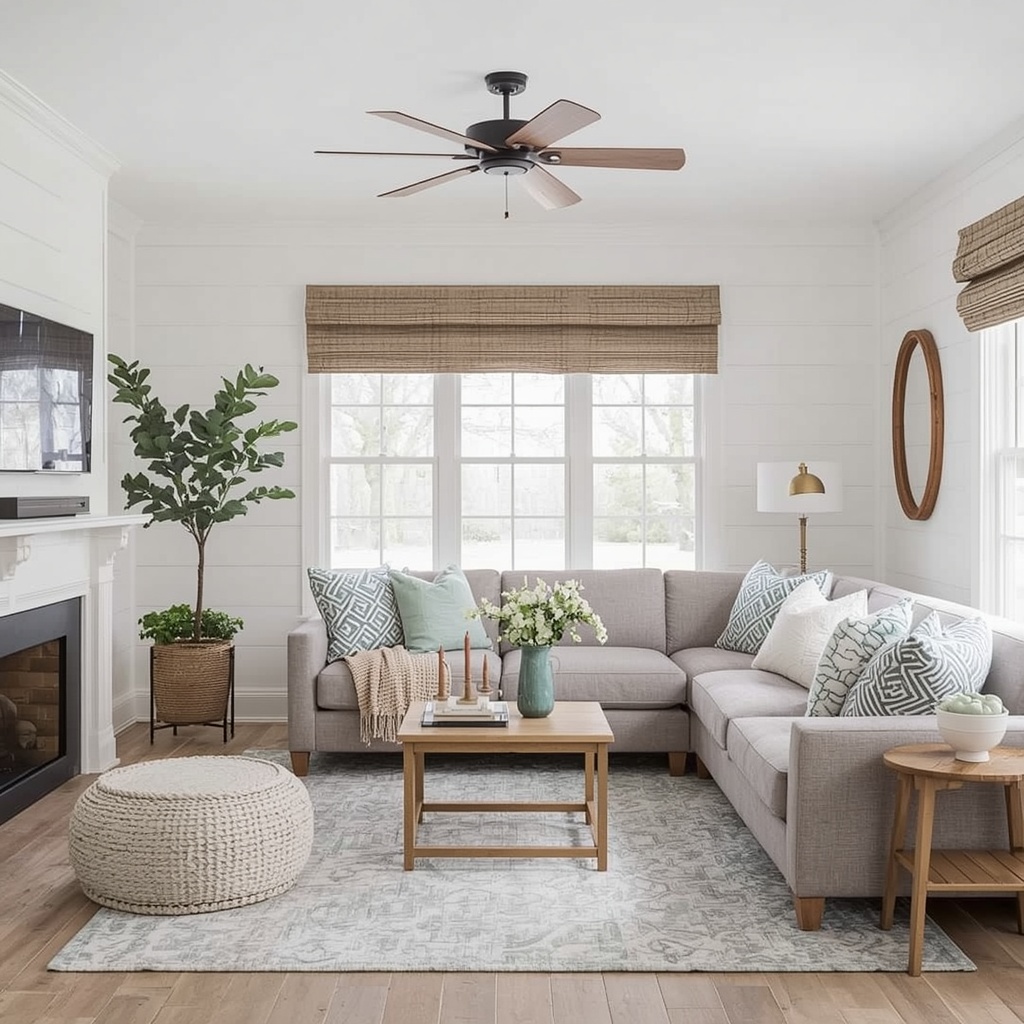
What’s the difference between farmhouse and modern farmhouse? Traditional farmhouse decor leans heavily into rustic, vintage, and country-inspired details, while modern farmhouse tempers those elements with clean lines, minimal clutter, and a more neutral, refined color palette.
Can I do modern farmhouse style in a small living room? Absolutely. Stick to a light, warm neutral palette to keep the space feeling airy, choose furniture with visible legs to maintain sightlines, and use vertical shelving rather than bulky floor storage to maximize square footage.
Bringing It All Together
A truly successful modern farmhouse living room isn’t built from a single shopping trip or a checklist of trendy items — it’s built in layers, over time, with attention to texture, color, and scale. Start with your foundational elements (paint color, sofa, flooring), then slowly add texture and personality through textiles, lighting, and accessories.
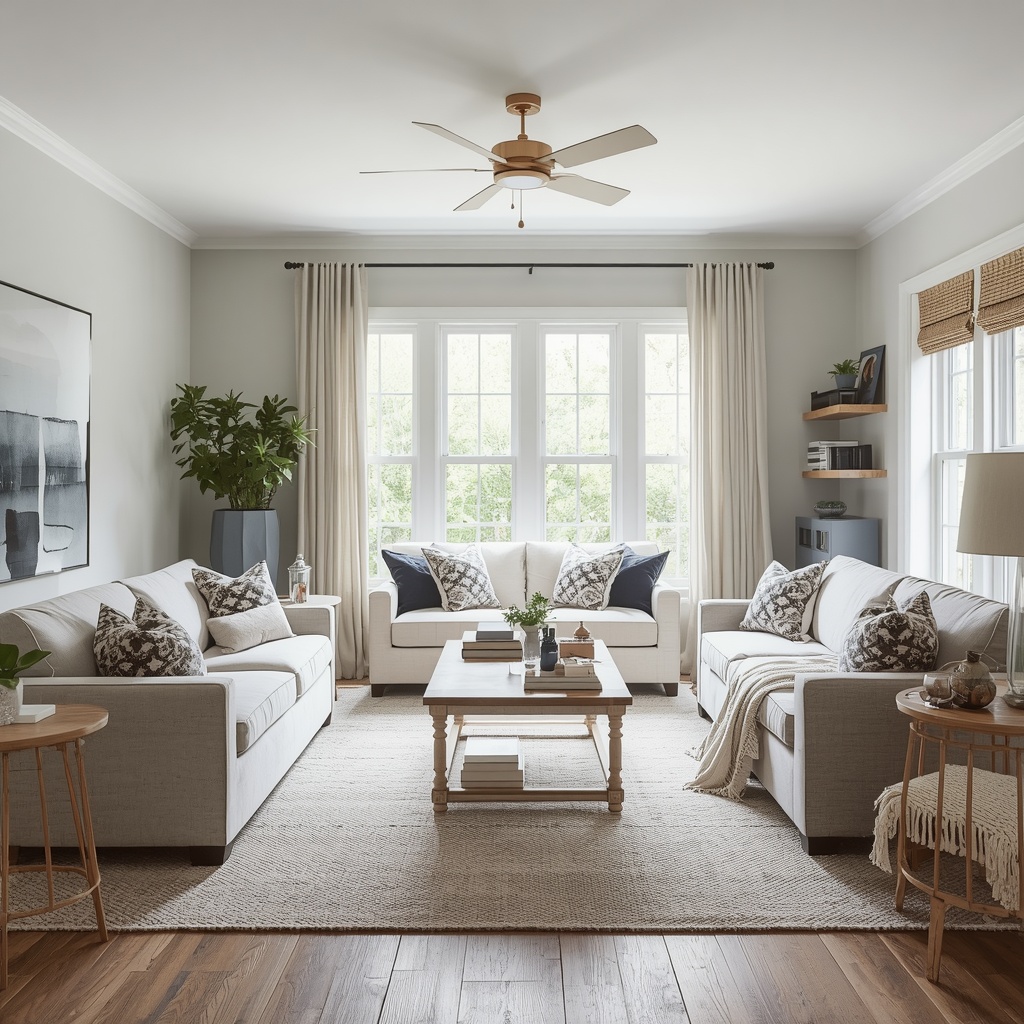
The most beautiful farmhouse living rooms feel collected rather than curated overnight, blending function and comfort with just enough rustic charm to feel warm without tipping into costume. Take your time, trust your instincts, and let the space evolve as your family and lifestyle do the same.
For more inspiration and current product sourcing, HGTV and Pottery Barn both offer regularly updated farmhouse-style living room collections worth browsing as you shop.