
There’s a reason real estate agents light a candle before an open house — scent sells a feeling before anyone reads a single design detail. As an interior designer, I treat fragrance the same way I treat lighting or texture: it’s a layer that shapes how a room feels the moment someone walks in. But home fragrance has a trust problem. Between viral warnings about “toxic candles” and diffuser oils that trigger headaches, a lot of homeowners have started avoiding scent altogether.
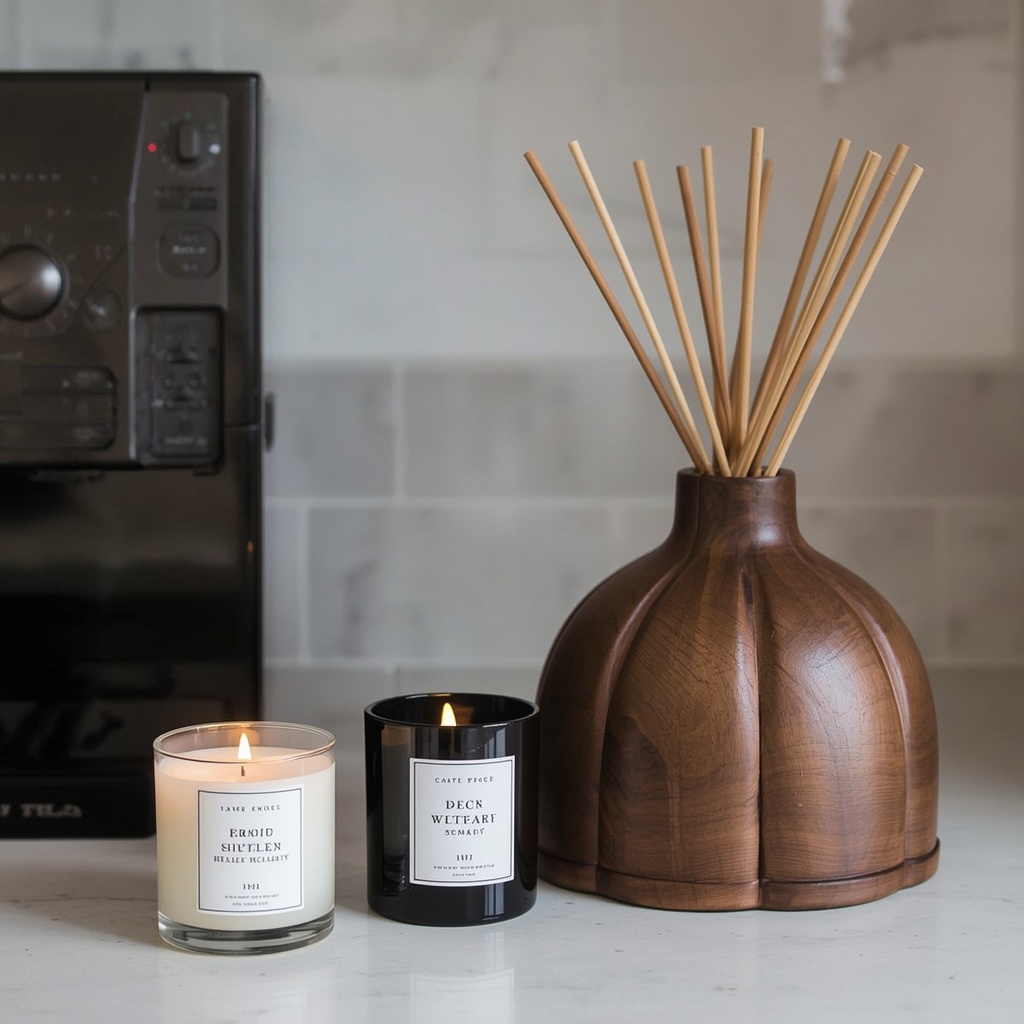
You don’t have to. The goal isn’t to eliminate fragrance from your home — it’s to choose the right fragrance delivery method, use it correctly, and understand what’s actually going into your indoor air quality. Below, I’ll walk through candles, diffusers, and simmer pots as a designer who has staged hundreds of homes, with the safety details a chemist-brained friend would insist on.
Why Home Fragrance Matters More Than You Think
Scent is the fastest sense tied to memory and emotion, which is exactly why designers treat it as a finishing touch, not an afterthought. A well-scented living room reads as “cared for” in the same instinctive way a made bed does. Fragrance also does functional work — it masks cooking odors, pet smells, and the mustiness that builds up in closed rooms, especially in humid climates across the American South.

The flip side is that fragrance products are a real source of indoor air pollutants if you’re not paying attention. Many conventional candles and sprays release volatile organic compounds (VOCs), and synthetic fragrance oils can be irritating for people with asthma, allergies, or chemical sensitivities. The fix isn’t fear — it’s informed choices about wax, wicks, oils, and ventilation.
“Fragrance is the invisible layer of good design — it should feel like an extension of the room, not something that announces itself from the doorway.” — a principle I share with every client during a home styling consultation.
Candles: The Classic Choice, Done Right
Candles remain the most popular way to scent a home, and for good reason — they add ambient light, a cozy visual focal point, and fragrance all at once. But not all candles are created equal, and the differences matter for both safety and scent throw.
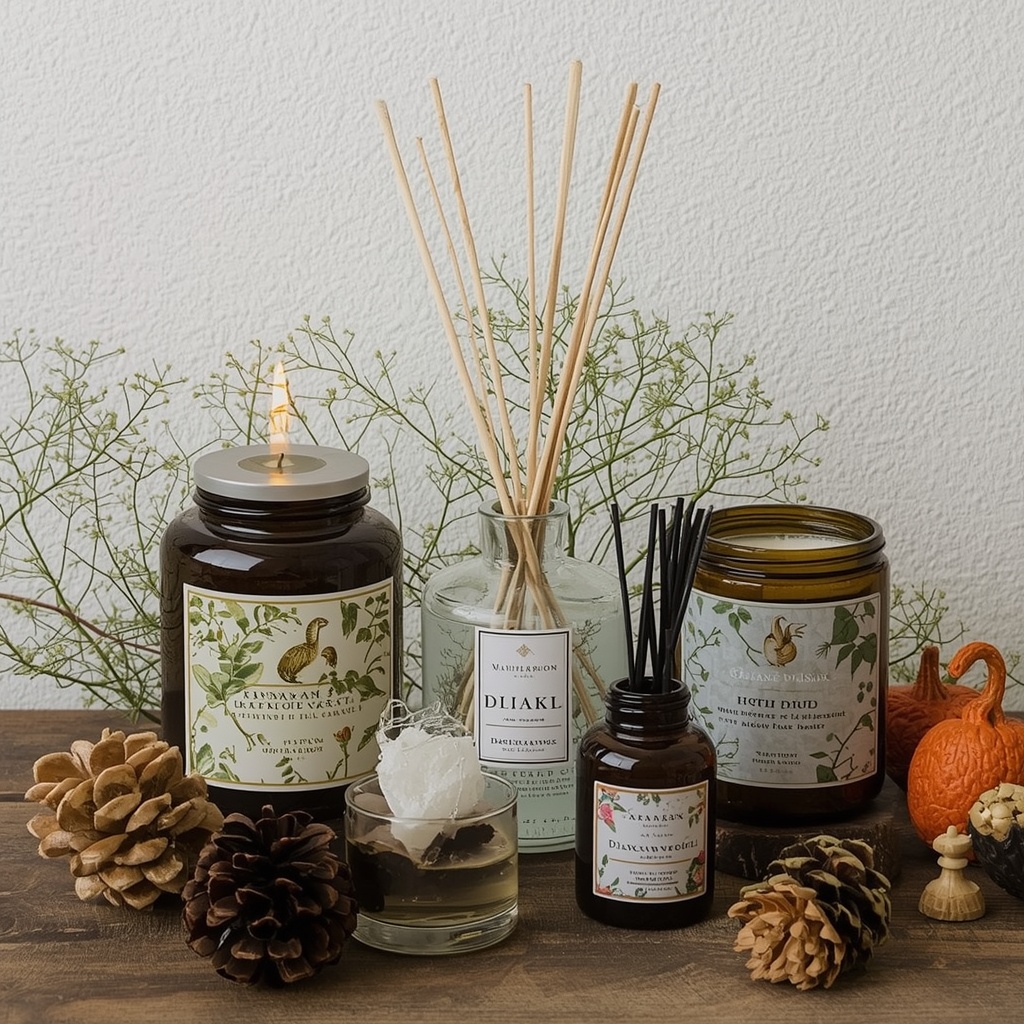
Here’s what separates a high-quality, safer candle from a problematic one:
| Feature | Safer Choice | Use Caution |
|---|---|---|
| Wax type | Soy, coconut, or beeswax | Paraffin (petroleum-derived) |
| Wick | Cotton or wood wick | Metal-core wicks (may contain lead in older/imported candles) |
| Fragrance | Phthalate-free fragrance oils or essential oils | Undisclosed “fragrance” blends |
| Container | Ventilated glass or ceramic | Poorly ventilated, decorative-only holders |
| Burn time | 3–4 hours per session | Burning for 6+ hours straight |
Quick candle-safety checklist:
- Trim the wick to ¼ inch before every burn to reduce soot and control the flame
- Burn on a heat-safe, flat surface away from drafts, curtains, and foot traffic
- Let the candle form a full “melt pool” across the top on the first burn to prevent tunneling
- Never leave a burning candle unattended, even for a quick errand
- Keep candles out of reach of pets and children, and away from bookshelves or fabric
Soy and coconut wax candles burn cleaner and cooler than paraffin, which means less soot residue on walls and ceilings — a detail that matters if you’ve just repainted a room. If you’re shopping for candles, look for a fragrance disclosure on the label; reputable brands will tell you whether they use essential oils, synthetic fragrance oils, or a blend, and whether phthalates are excluded.
Diffusers: Ambient Scent Without an Open Flame
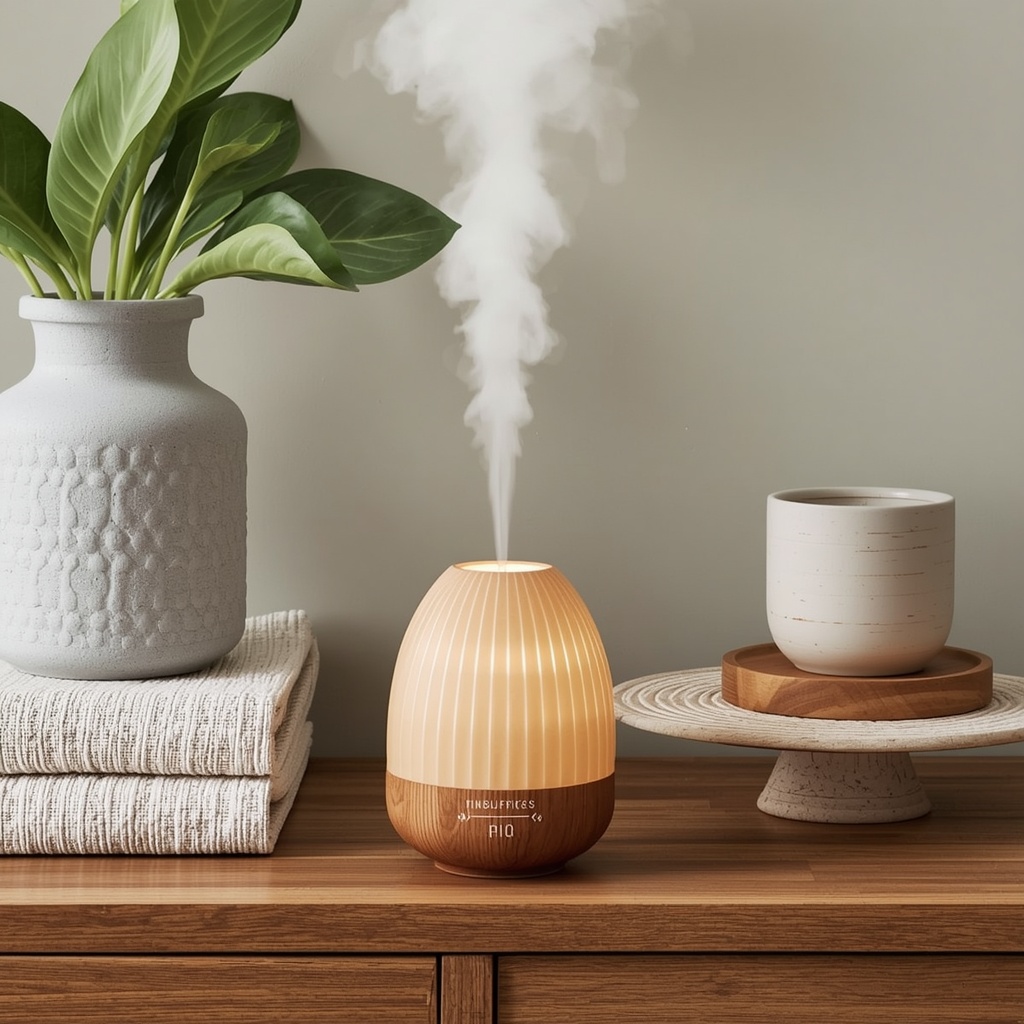
For homeowners who want fragrance without fire, diffusers are the natural next step — and design-wise, they’re incredibly versatile since ultrasonic models double as small decor objects on a console table or bathroom counter.
There are two main types worth knowing:
- Ultrasonic diffusers — use water and vibration to disperse a fine mist of essential oil into the air. Great for smaller rooms and add gentle humidity, which is a nice bonus in dry winter climates.
- Nebulizing diffusers — disperse pure, undiluted essential oil without water, producing a stronger scent throw. Best for larger open-concept spaces, but they use oil faster and can be overpowering in small rooms.
Both are generally considered a gentler option than candles because there’s no combustion involved — no soot, no open flame, and no smoke byproducts. That said, “essential oil” doesn’t automatically mean “harmless.” Oils like eucalyptus, tea tree, and wintergreen can be irritating in high concentrations, and several are documented as unsafe around cats specifically, since felines process certain compounds very differently than humans or dogs.
| Diffuser Type | Best For | Watch Out For |
|---|---|---|
| Ultrasonic | Bedrooms, small living rooms | Overuse can raise humidity/mold risk |
| Nebulizing | Open floor plans, entryways | Stronger scent, faster oil use, less pet-friendly |
| Reed diffuser | Bathrooms, closets | No adjustable intensity, oils can be synthetic |
| Heat diffuser | Occasional use | Heat can alter oil composition, avoid unattended use |
A few placement and usage rules I give every client:
- Run diffusers in 15–30 minute intervals rather than continuously; your nose adjusts within minutes anyway, so more isn’t more
- Keep diffusers out of rooms where pets sleep, especially with cats, birds, or small mammals
- Use distilled or filtered water in ultrasonic models to prevent mineral buildup and mold in the reservoir
- Clean the diffuser weekly with a diluted vinegar rinse to prevent bacterial growth in standing water
- Position diffusers away from direct airflow (vents, fans) so scent circulates rather than dissipates instantly
Simmer Pots: The Budget-Friendly, No-Product Option
Simmer pots are the most old-fashioned method on this list, and honestly, one of the safest — you’re working with kitchen ingredients, not manufactured fragrance products. A simmer pot is simply a pot of water with aromatics (citrus peels, cinnamon sticks, cloves, vanilla, herbs) kept at a low simmer, releasing steam-carried scent through the kitchen and beyond.
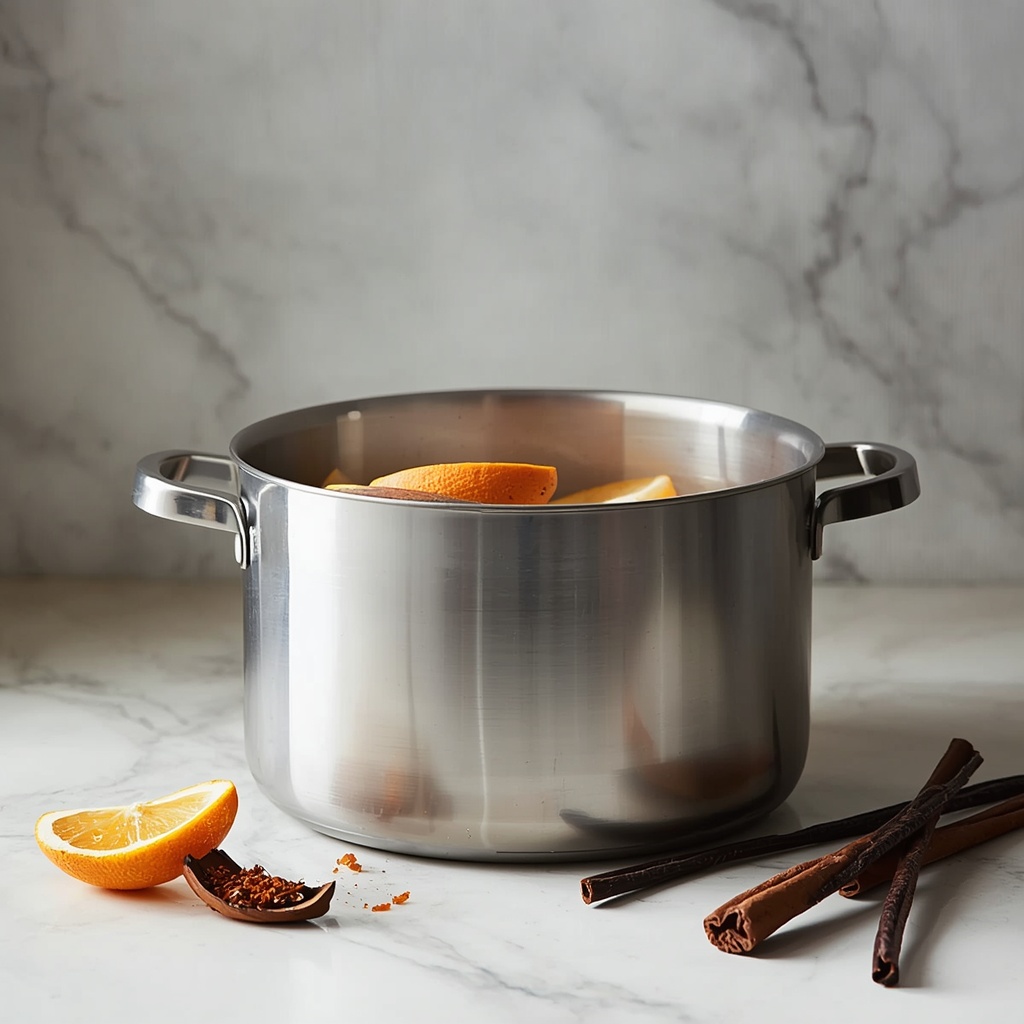
This method has quietly become a fall and holiday staple across social media, and it’s easy to see why: it’s inexpensive, customizable, and doubles as a humidifier for dry indoor air in winter.
A few reliable simmer pot combinations:
- Orange peel, cinnamon stick, and a few whole cloves — a warm, autumnal blend
- Lemon slices, rosemary sprigs, and vanilla extract — a bright, fresh combination
- Apple slices, cinnamon, and star anise — cozy and holiday-appropriate
- Pine needles or a few drops of pine essential oil with orange peel — a winter evergreen scent
The main safety consideration with simmer pots isn’t toxicity — it’s fire and water. You’re leaving a stove burner on low heat, often for an hour or more, so the same unattended-flame rules for candles apply here, arguably even more strictly since a pot can boil dry.
Simmer pot safety essentials:
- Use the lowest simmer setting; you want gentle steam, not a rolling boil
- Check water levels every 20–30 minutes and top off with hot water as needed
- Never leave the stove unattended, and turn it off before leaving the house or going to sleep
- Use a heavy-bottomed pot to reduce the risk of scorching once water runs low
- Consider a slow cooker on the “warm” setting as a safer, lower-maintenance alternative to a stovetop
Comparing All Three Methods at a Glance
If you’re deciding which method fits your household, here’s how they stack up across the factors that actually matter day to day.
| Factor | Candles | Diffusers | Simmer Pots |
|---|---|---|---|
| Open flame risk | Yes | No | Yes (stovetop) |
| Ambient light/decor value | High | Moderate | Low |
| Ongoing cost | Moderate | Low–moderate (oil refills) | Very low (pantry items) |
| Pet safety | Moderate risk (heat, wax) | Depends on oil used | Generally safe |
| Scent customization | Fixed once purchased | Highly customizable | Fully customizable |
| Added humidity | None | Yes (ultrasonic) | Yes |
| Best room | Living room, bedroom | Bedroom, bathroom, office | Kitchen, open-plan living areas |
Building a Whole-Home Scenting Strategy
The most polished-feeling homes don’t rely on one product blasting the whole house with the same scent. Instead, think in terms of scent zoning — the same way you’d layer lighting or textiles room by room.

A simple approach I recommend to clients:
- Entryway — a lighter, welcoming scent (citrus, light florals) that doesn’t overwhelm guests the moment they walk in
- Living/family room — warmer, cozier notes (wood, vanilla, amber) since this is where people linger longest
- Kitchen — reserve for simmer pots or leave scent-neutral, since cooking already contributes its own aromas
- Bedrooms — calming, low-intensity scents (lavender, chamomile) via diffuser rather than candle, for safety overnight
- Bathroom — reed diffusers or small candles work well in a smaller, well-ventilated space
Layering different intensities by room also helps with what fragrance experts call “nose fatigue” — the reason a candle that smelled strong in the store barely registers after ten minutes in your living room. Rotating scents and methods keeps your home feeling intentionally fragranced rather than saturated.
Ingredients and Terms Worth Knowing
Reading a candle or diffuser oil label is a lot like reading a nutrition label — the terms matter. Here’s a quick glossary that’s genuinely useful when shopping:

- VOCs (Volatile Organic Compounds): Gases released from certain waxes, synthetic fragrances, and finishes; better ventilation reduces buildup
- Phthalates: Chemicals sometimes used to stabilize fragrance oils, increasingly phased out due to health concerns; look for “phthalate-free” labeling
- Flash point: The temperature at which an oil can ignite; relevant when choosing carrier oils for DIY blends
- Fragrance load: The percentage of fragrance oil in a candle’s wax; higher isn’t always better for a clean burn
- Carrier oil: A neutral oil (like fractionated coconut oil) used to dilute essential oils for topical or some diffuser use
- Cold-pressed vs. distilled: Two extraction methods for essential oils that affect purity and potency
Final Thoughts: Scent as a Design Decision, Not an Afterthought
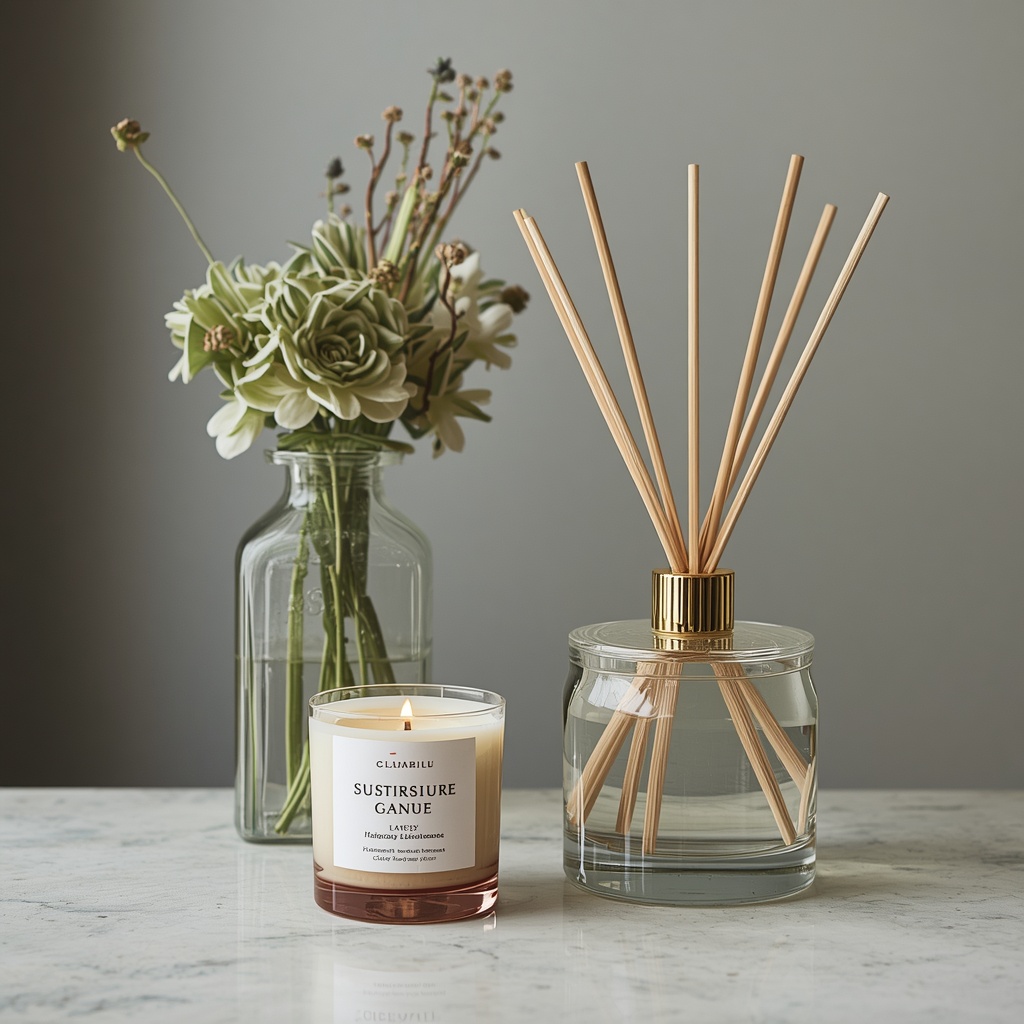
Fragrance is one of the few design choices that engages a sense most of your décor doesn’t touch, and it deserves the same intentionality you’d give to a paint color or a light fixture. Whether you gravitate toward the ritual of a soy candle, the low-maintenance hum of a diffuser, or the nostalgic simplicity of a stovetop simmer pot, safety and moderation are what separate a home that smells good from one that smells overwhelming — or worse, one that’s quietly compromising your air quality.