
Walk into most American living rooms today and you’ll notice the same thing: a television commanding the wall, phones charging within arm’s reach, and tablets tucked into couch cushions. It’s not anyone’s fault — this is simply how modern homes evolved. But as a residential interior designer who has spent over a decade helping families reimagine their spaces, I’ve seen firsthand how a single intentional room (or even a cozy corner) can shift the entire rhythm of a household.
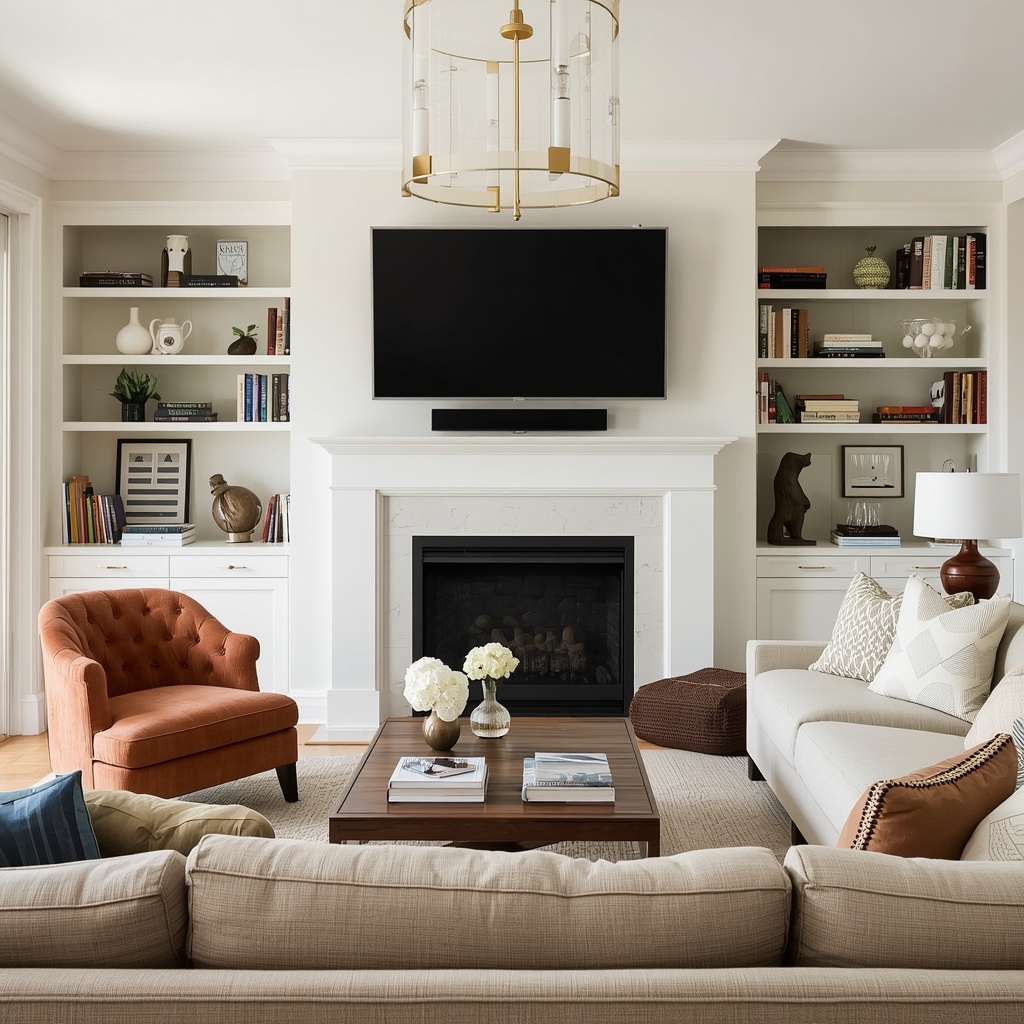
A screen-free zone isn’t about banning technology or turning your home into a digital detox retreat. It’s about carving out one dedicated space where reading, conversation, board games, and quiet togetherness are the default activity — not the exception. In this guide, I’ll walk you through exactly how to design a screen-free reading nook or family connection zone that your household will actually want to use, backed by real design principles, layout strategies, and product recommendations for the American home.
Why Every Home Needs a Screen-Free Zone
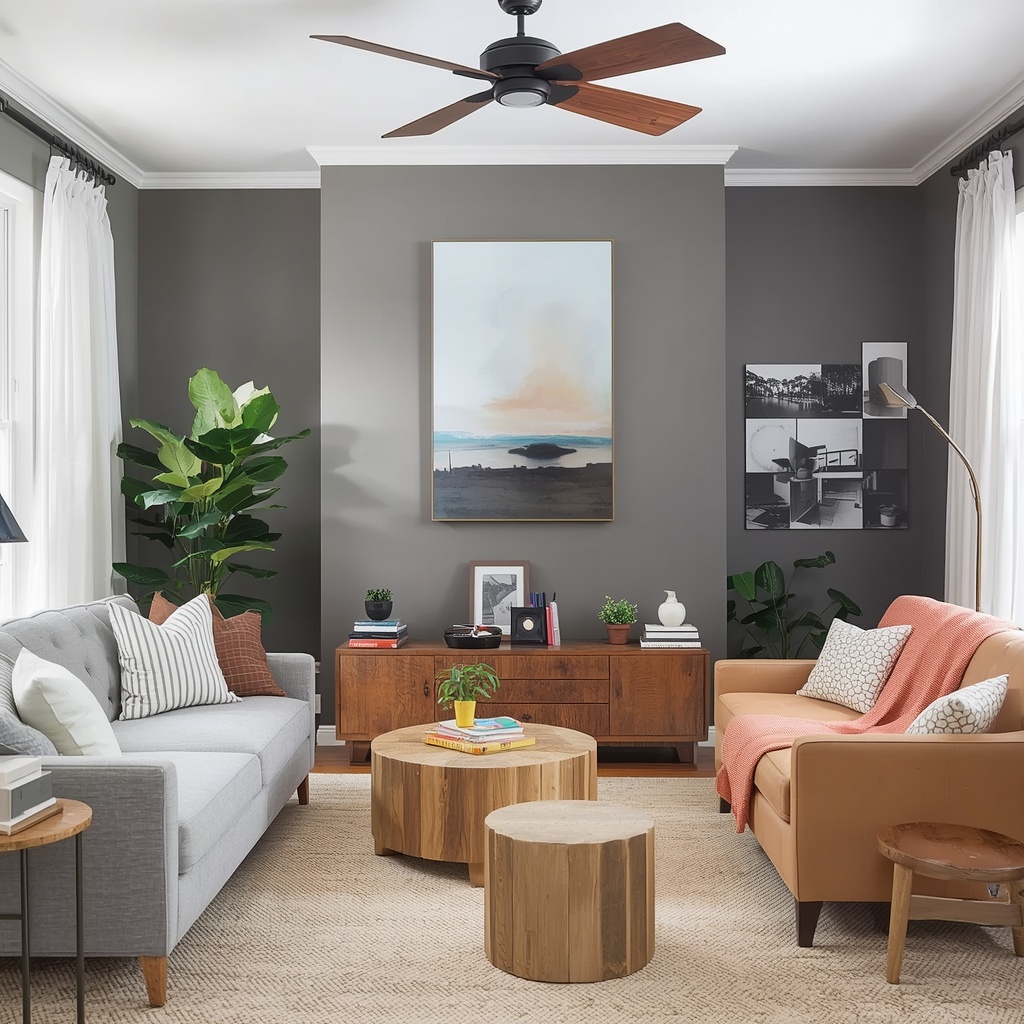
Before we get into paint swatches and furniture layouts, let’s talk about why this matters. Screen time in American households has climbed steadily, and it’s not just kids who are affected — adults average several hours a day on personal devices, often during time that used to be reserved for family interaction. Designing a physical space that signals “this is a no-screens area” removes the friction of willpower. You don’t have to decide to put your phone down every time; the room does the deciding for you.
This is a design psychology concept called environmental cueing — our brains associate certain spaces with certain behaviors. A kitchen table cues eating. A bed cues sleep. When you create a room stocked with books, soft seating, warm lighting, and zero outlets pointed at a TV, you’re training the household to associate that space with reading and connection. Over time, family members gravitate there naturally, the same way you’d gravitate to a kitchen when hungry.
“The rooms we design shape the habits we keep. A home isn’t just where we live — it’s the quiet architecture of our daily choices.” — a philosophy I share with every client who wants to raise readers, not just occupants of a house.
Quick Snapshot Before We Begin
- A screen-free zone can be a full room, a converted closet, a window nook, or a corner of an existing room
- The goal is comfort, warmth, and low-stimulation design — think “reading cafe,” not “minimalist showroom”
- Lighting, seating, and storage are the three pillars that make or break the space
- Small, consistent family rituals (15 minutes of reading before bed, Sunday morning coffee and books) matter more than square footage
Step 1: Choose the Right Location in Your Home
Not every home has a spare room to dedicate, and that’s perfectly fine. The best screen-free zones I’ve designed for clients have been repurposed hallway alcoves, sunroom corners, converted closets (“cloffices” turned into reading nooks), and even a widened stair landing with a built-in window seat.
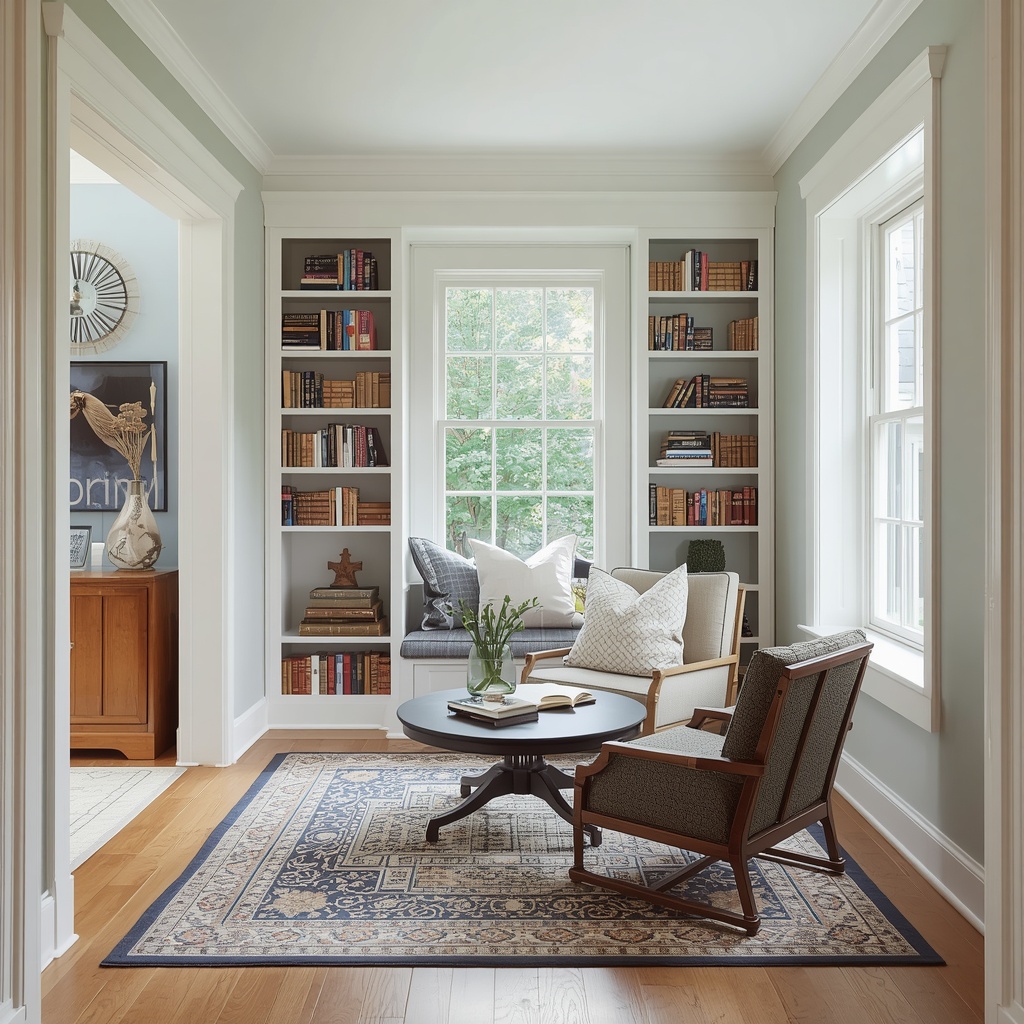
When scouting a location, prioritize natural light. A spot near a window does double duty: it reduces the need for harsh overhead lighting during the day, and natural light is proven to improve mood and reduce eye strain — ideal for long reading sessions. Avoid placing the zone directly across from the main television or in a high-traffic path between the kitchen and garage, since foot traffic disrupts the calm atmosphere you’re building.
Good candidates for a screen-free zone include:
- A bay window or window seat area
- An underused guest bedroom corner
- A finished basement nook away from the media room
- A converted closet (a popular and budget-friendly 2026 trend among American homeowners)
- A quiet corner of the primary bedroom for adult reading time
- A sunporch or three-season room
Step 2: Ground the Space With Layered, Warm Lighting
Lighting is arguably the single most influential design element in a reading and connection space. Harsh, cool-toned overhead lighting (anything above 3000K) tends to feel clinical and doesn’t encourage lingering. Instead, layer three types of light:
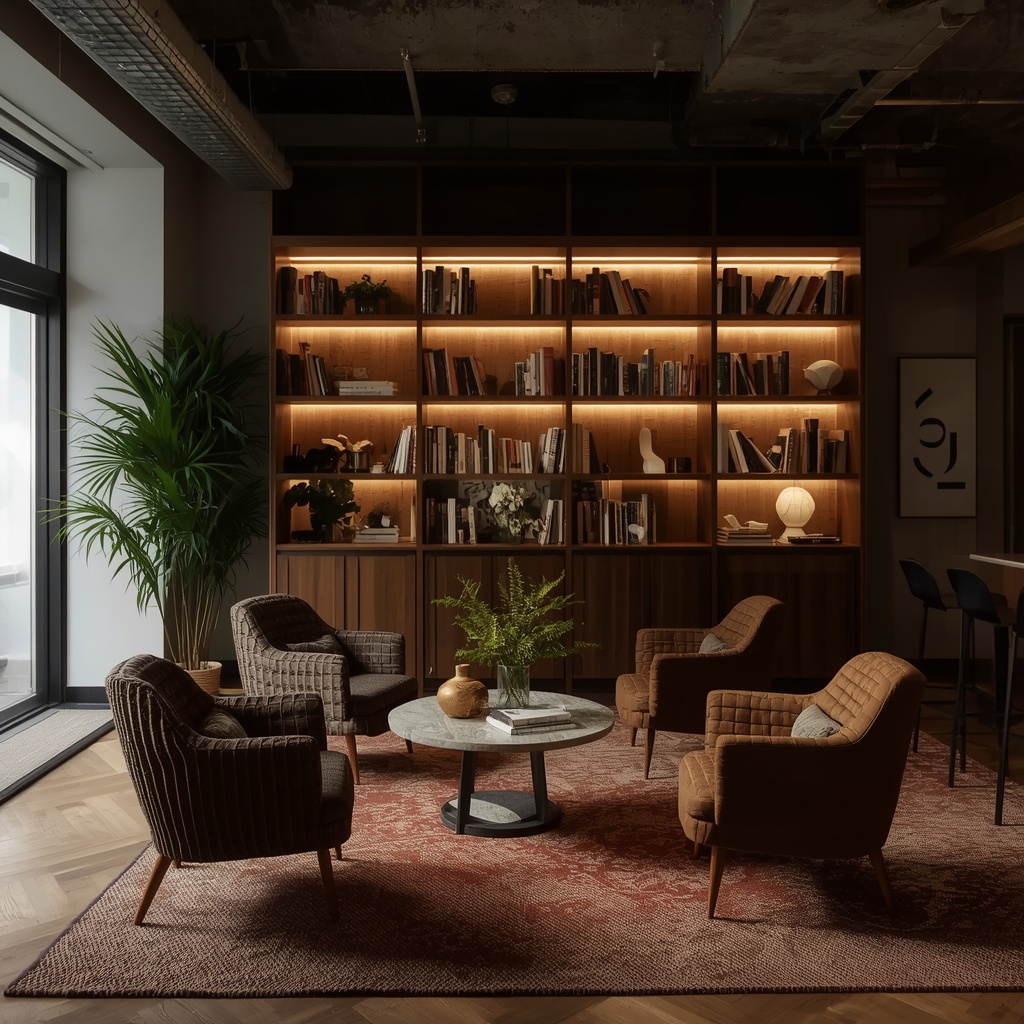
- Ambient light — a floor lamp or wall sconce with a warm 2700K–2200K bulb for overall softness
- Task light — an adjustable reading lamp positioned beside each seat, angled to fall directly on the page without glare
- Accent light — string lights, a small table lamp, or even a battery-operated candle to add coziness after sunset
Dimmer switches are a worthwhile investment here. Being able to lower the light in the evening cues the body that it’s time to slow down, which pairs perfectly with a wind-down reading ritual before bed.
Pro Tip: Skip the single overhead fixture entirely if you can. A room lit only by lamps automatically feels calmer and more intimate — it’s a trick professional stagers and hospitality designers use in hotel libraries and boutique lounges to make guests want to stay longer.
Step 3: Select Seating That Invites You to Stay Awhile
Seating is where families often get it wrong by choosing style over comfort. A screen-free zone needs seating that supports at least 20–30 minutes of sitting comfortably, with good back and neck support, since that’s roughly the sweet spot for a satisfying reading session.
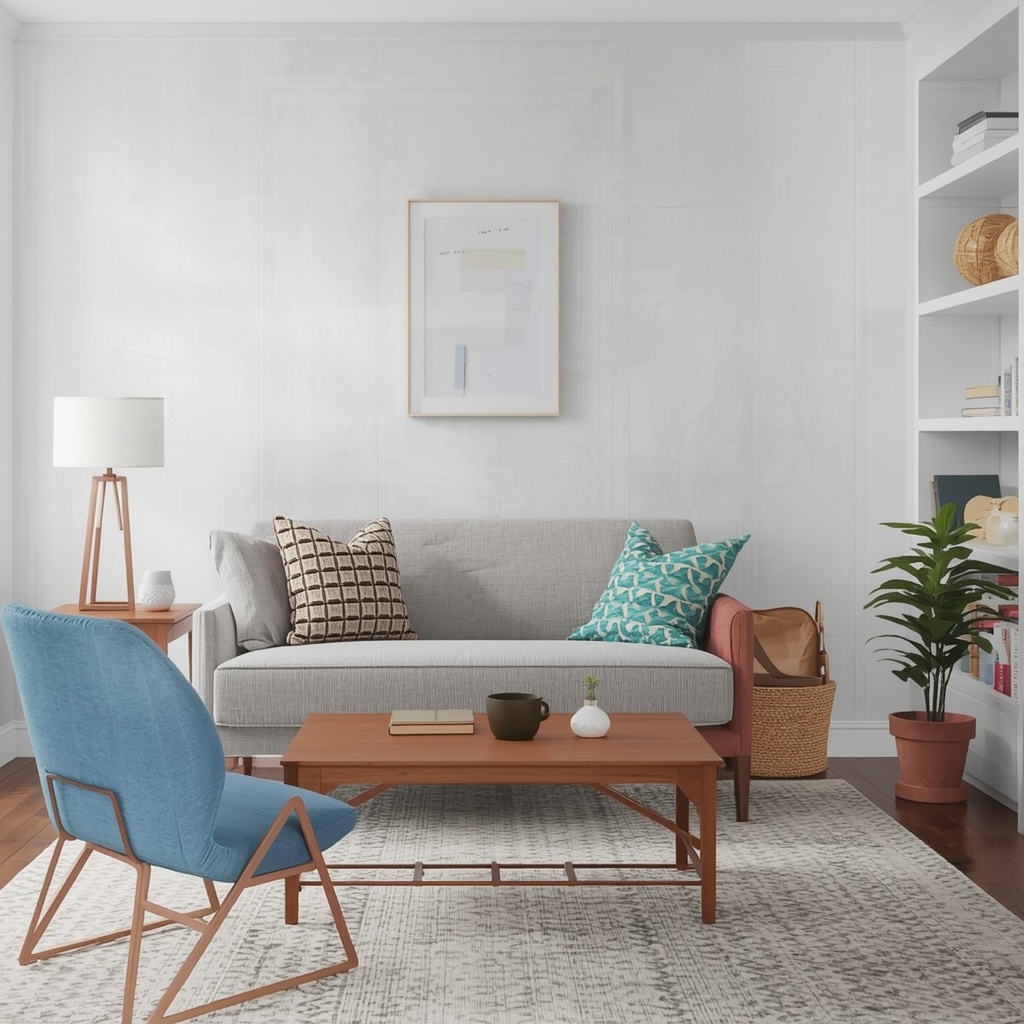
Here’s a quick comparison table to help you choose seating based on your space and family size:
| Seating Type | Best For | Approx. Cost (USD) | Comfort Level |
|---|---|---|---|
| Oversized armchair with ottoman | Solo reading, small nooks | $400–$900 | High |
| Window seat with cushions | Window alcoves, kids’ reading spots | $150–$600 (DIY) | Medium-High |
| Loveseat or small sofa | Two people, parent-child reading | $500–$1,200 | High |
| Floor cushions and poufs | Kids’ zones, flexible seating | $30–$150 each | Medium |
| Hanging or bean bag chair | Teens, casual lounging | $100–$350 | Medium |
| Built-in bench with storage | Multi-purpose family rooms | $600–$2,000 | High |
For families with young children, I always recommend including at least one low floor cushion or bean bag — kids often prefer sprawling on the ground over sitting upright, and giving them permission to do so (literally, with dedicated floor seating) increases the odds they’ll choose the reading nook over a screen.
Step 4: Build a Book Display That Sparks Curiosity
A screen-free zone lives or dies by its book accessibility. If books are stored spine-in on a high shelf, they’re invisible. If they’re displayed face-out at a child’s eye level, they become irresistible. This is a principle borrowed directly from library science and early literacy research: visibility drives engagement far more than quantity.
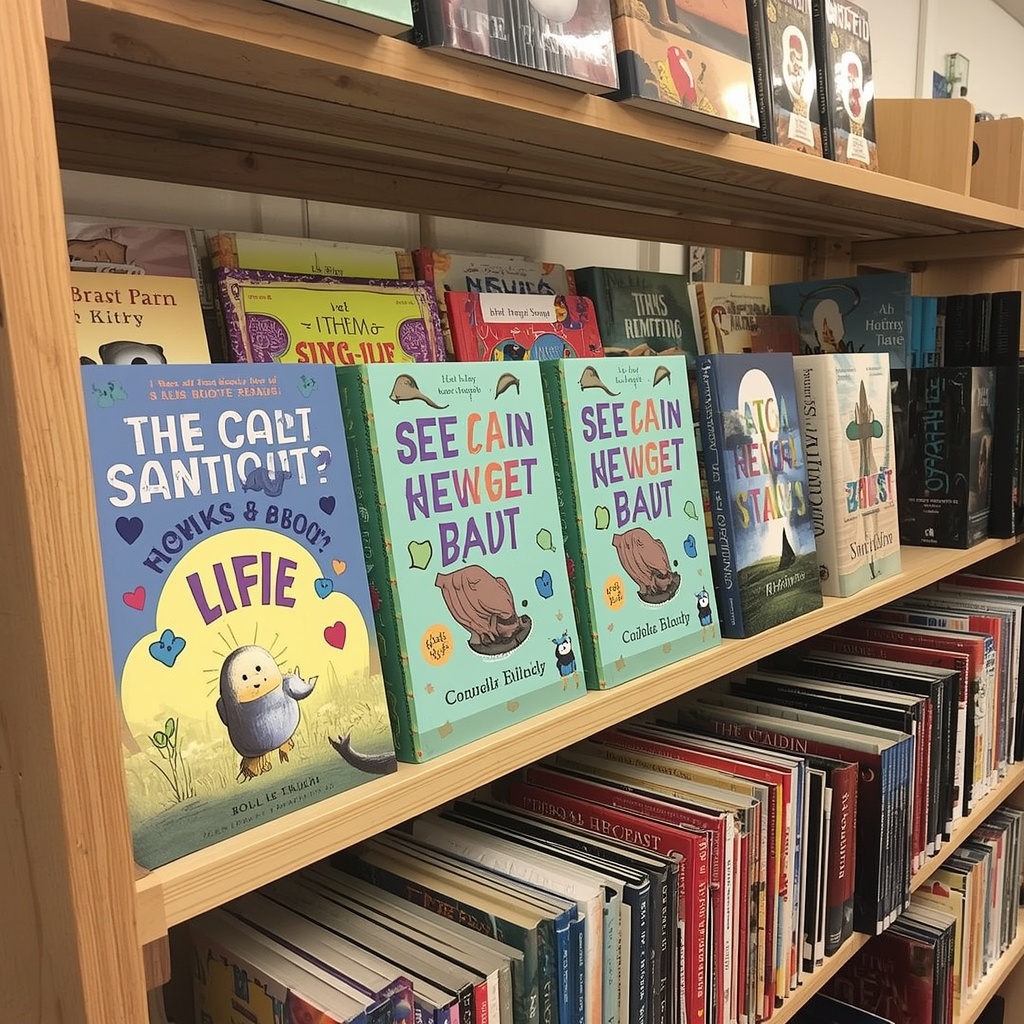
Consider a mix of storage types:
- Front-facing shelves at children’s eye level (24–36 inches from the floor) to display 8–10 rotating titles
- A basket or bin system sorted by genre, reading level, or “current favorites” for easy browsing
- A small bookcase for the family’s core collection, organized however feels most natural to your household
- A rotating “book of the week” stand near the entrance to the zone, refreshed every Sunday
Pro Tip: Rotate your book display every two to three weeks, even if you’re only pulling from books you already own. Novelty is a powerful motivator — a book that’s been sitting in the same spot for six months becomes furniture, but the same book displayed freshly feels like a new discovery.
Step 5: Layer in Texture, Color, and Sensory Comfort
Interior design isn’t only visual — it’s tactile. The most successful screen-free zones I’ve designed appeal to touch as much as sight. Soft, textured materials (bouclé, chunky knit throws, sheepskin rugs, velvet cushions) invite the body to relax, which is exactly the physiological state you want for reading and conversation.
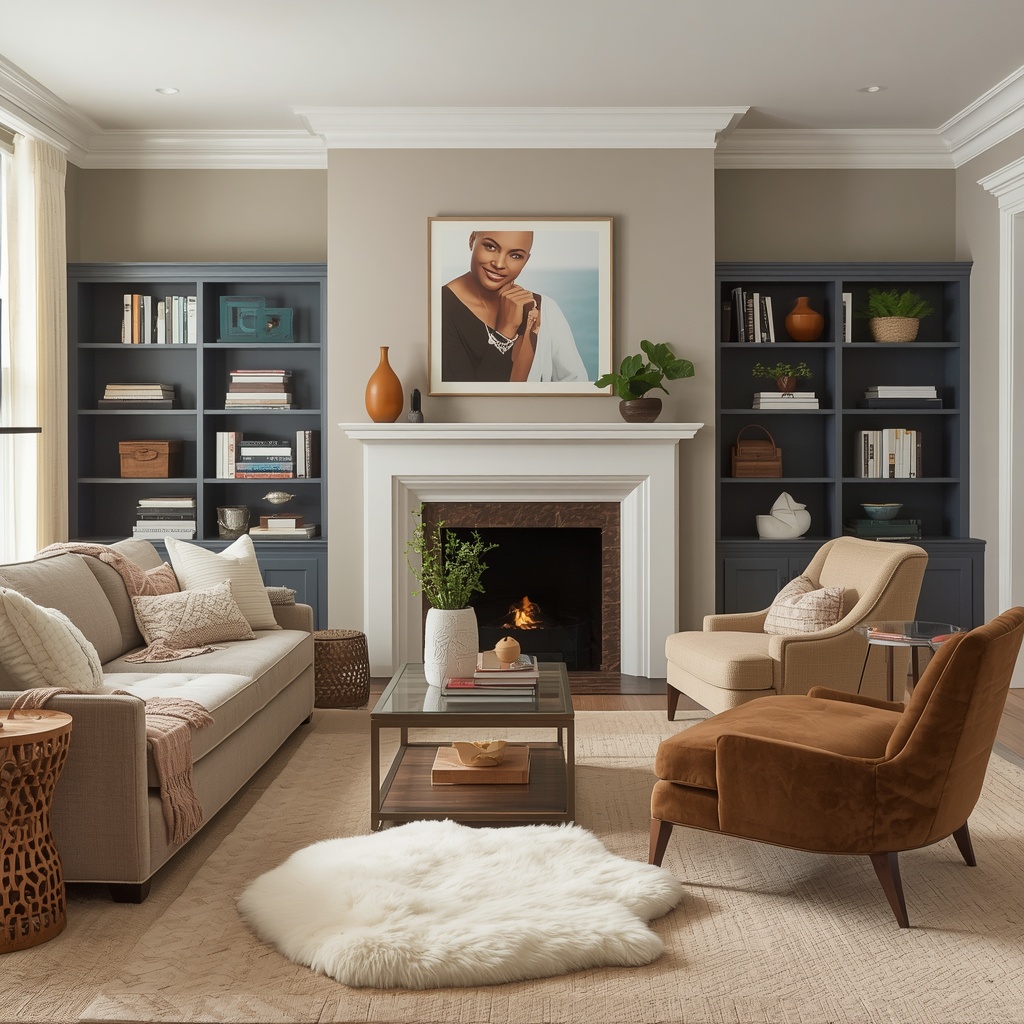
Color psychology also plays a role. Warm neutrals, sage greens, muted terracottas, and soft blues tend to lower cortisol and support focus, while high-saturation, high-contrast colors (think bright red or neon) tend to stimulate alertness — the opposite of what you want here. Stick to a calming, cohesive palette across walls, textiles, and accessories.
Don’t forget scent and sound. A small essential oil diffuser with lavender or cedarwood, or a simple white-noise machine, can subtly reinforce the “this is a calm zone” signal without saying a word.
Step 6: Set Physical and Household Boundaries Around Screens
Design alone won’t fully solve the screen-time challenge — it needs to be paired with a few simple household norms. The good news is that a well-designed space makes these norms far easier to enforce, because the room itself is doing half the persuading.
Practical boundary ideas that pair well with the physical space:
- Install a charging station outside the screen-free zone (a decorative basket or wall-mounted dock in the hallway works well) so phones physically stay behind
- Use a visual cue like a small sign, a woven basket labeled “devices rest here,” or a simple wooden bowl by the door
- Set a consistent daily or weekly ritual — 20 minutes after dinner, Saturday mornings, or right before bedtime
- Involve kids in choosing the room’s decor and book selection so they feel ownership over the space, not restriction
“Children don’t resist rules; they resist rules imposed without involvement. Give them a say in the space, and the space becomes theirs to protect.” — a principle every parent-client of mine eventually discovers on their own.
Step 7: Personalize the Room So It Reflects Your Family
The final and most important design step is personalization. A screen-free zone that looks like a hotel lobby won’t get used; one filled with your family’s actual personality will. Frame a few of your kids’ drawings, display a growing collection of “books we’ve finished together,” or dedicate a small corkboard to a family reading challenge chart.

Consider adding a simple reading log or a “books we loved” jar where each family member drops in a note about a favorite book. Over months, this becomes a keepsake as much as a design object — proof that the room is doing exactly what it was built for.
A Sample Weekly Screen-Free Ritual
To help the space earn its keep, here’s a simple weekly rhythm many of my clients have adopted successfully:
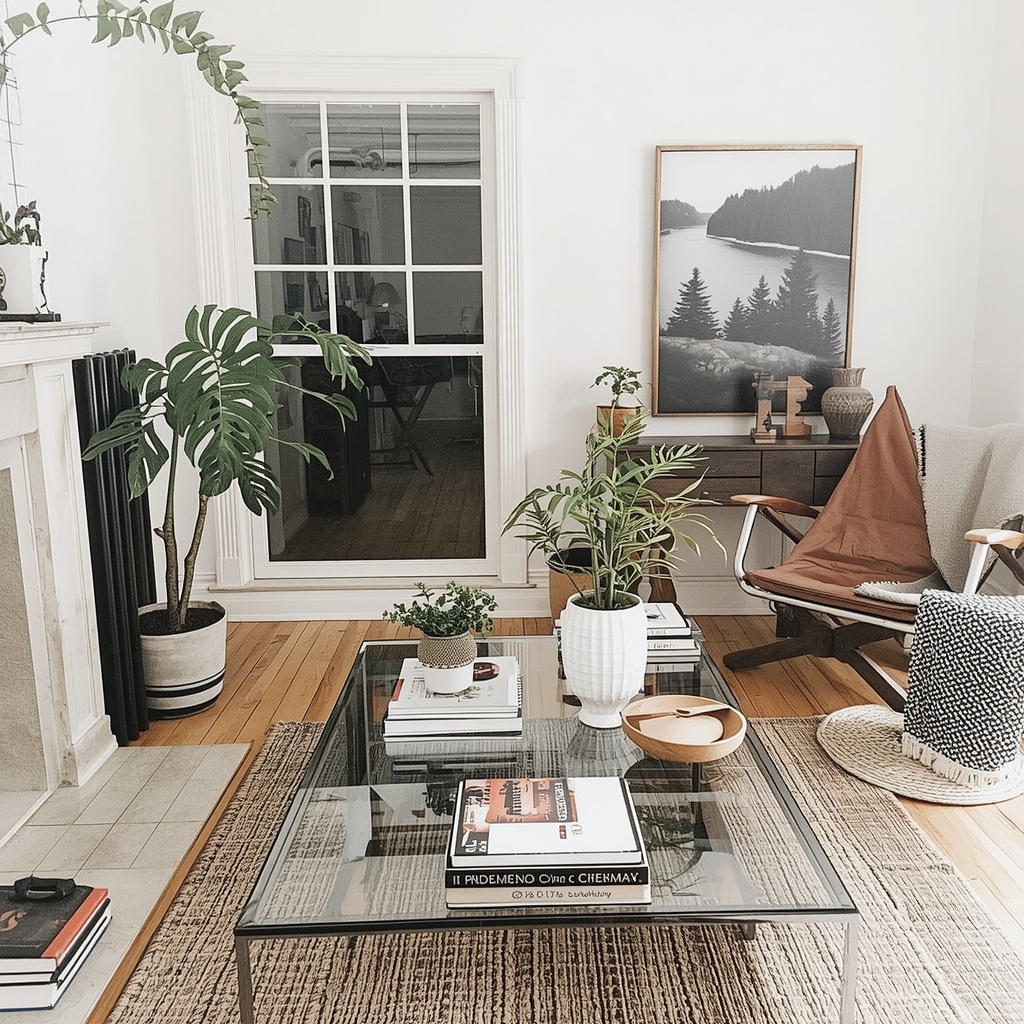
| Day | Ritual | Duration |
|---|---|---|
| Monday | Solo quiet reading after school | 15–20 min |
| Wednesday | Parent-child read-aloud | 15 min |
| Friday | “New book” unboxing or library pick reveal | 10 min |
| Saturday | Family reading + hot chocolate morning | 30–45 min |
| Sunday | Book swap and shelf refresh | 15 min |
You don’t need to follow this exactly — the goal is consistency, not perfection. Even one reliable ritual per week is enough to build lasting habits.
Final Thoughts: Small Space, Lasting Impact
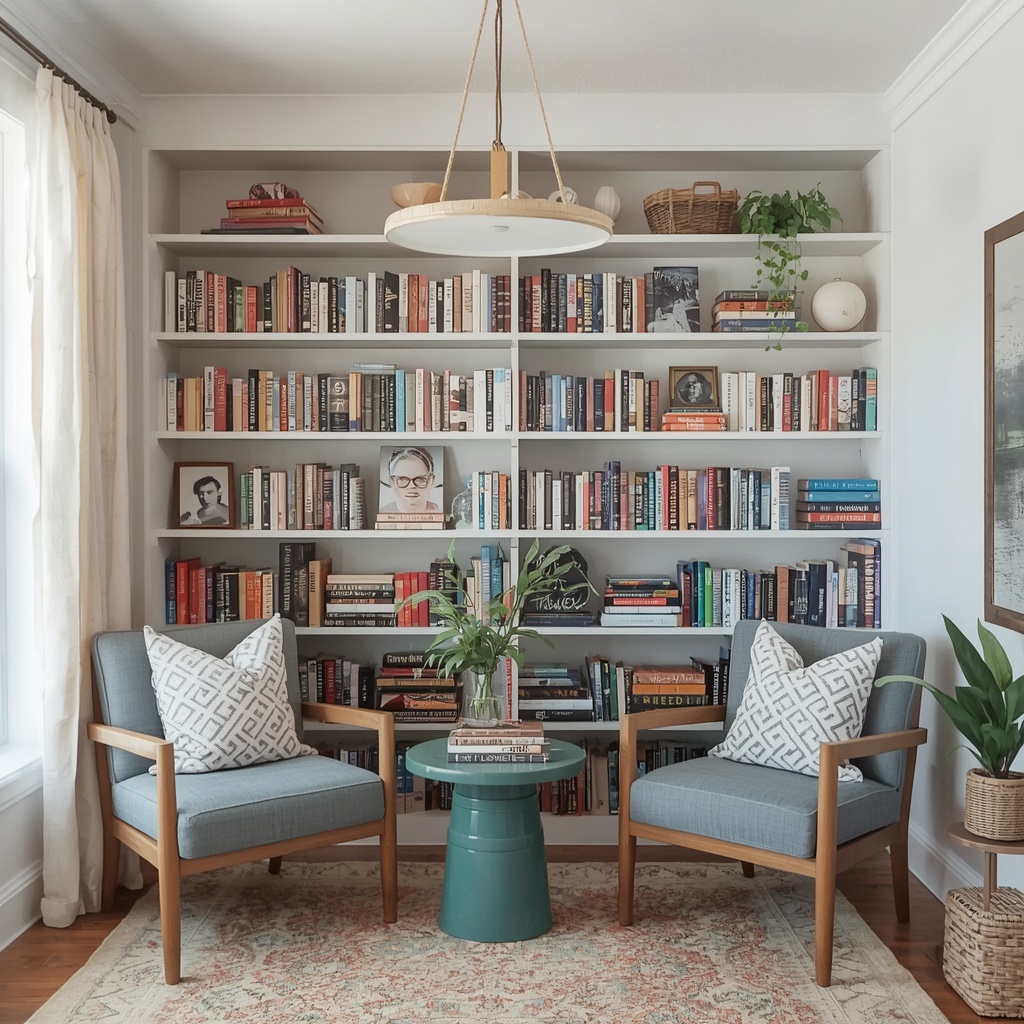
You don’t need a dedicated library or a Pinterest-perfect renovation budget to create a meaningful screen-free zone. What you need is intention: a well-lit corner, comfortable seating, visible books, and a household agreement that this space is protected from screens. Over months and years, that small corner often becomes one of the most emotionally significant rooms in the house — the place where bedtime stories happened, where a teenager finally opened up during a quiet Sunday afternoon, where a family’s love of reading took root.
As both a designer and a parent myself, I can say with confidence: the return on investment for a screen-free reading nook is rarely measured in resale value. It’s measured in connection — and that’s a design outcome worth prioritizing in every American home.