
There’s a particular kind of quiet joy in sinking into a well-designed reading chair at the end of a long day, book in hand, a soft throw over your knees, and just the right pool of warm light spilling across the page. It’s a small ritual, but it’s one that can transform an ordinary corner of your home into your favorite room in the house.
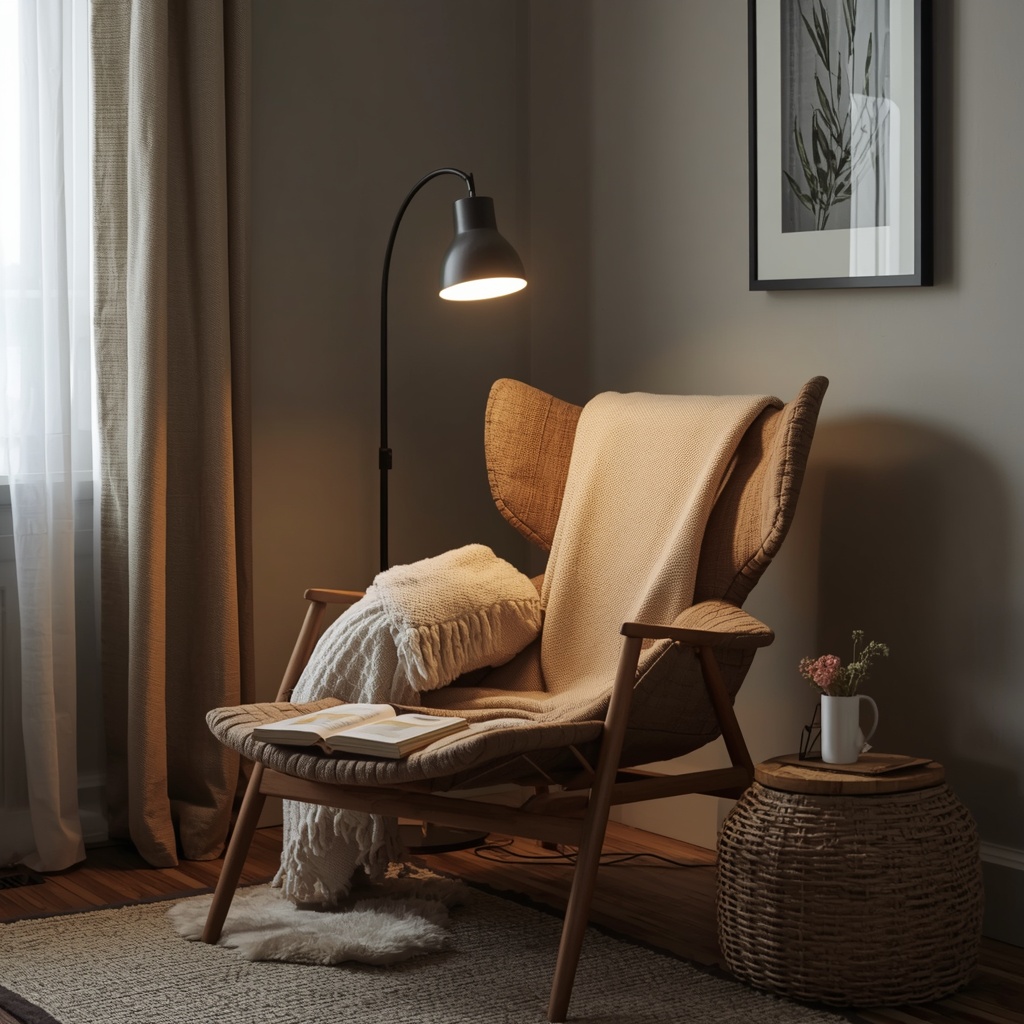
As an interior designer, I’m asked constantly how to recreate that “magazine spread” reading nook feeling without a full renovation. The truth is, a cozy reading corner comes down to just three ingredients working together: the right chair, layered lighting, and soft textiles. Get those three elements in sync, and you’ve built a retreat that earns its square footage every single day.
Why Every Home Deserves a Dedicated Reading Nook
A reading nook is more than a decorating trend — it’s a designated space for slowing down. In a home filled with screens, notifications, and shared living areas, having one chair that exists purely for reading sends a subtle signal to your brain: this spot is for rest.
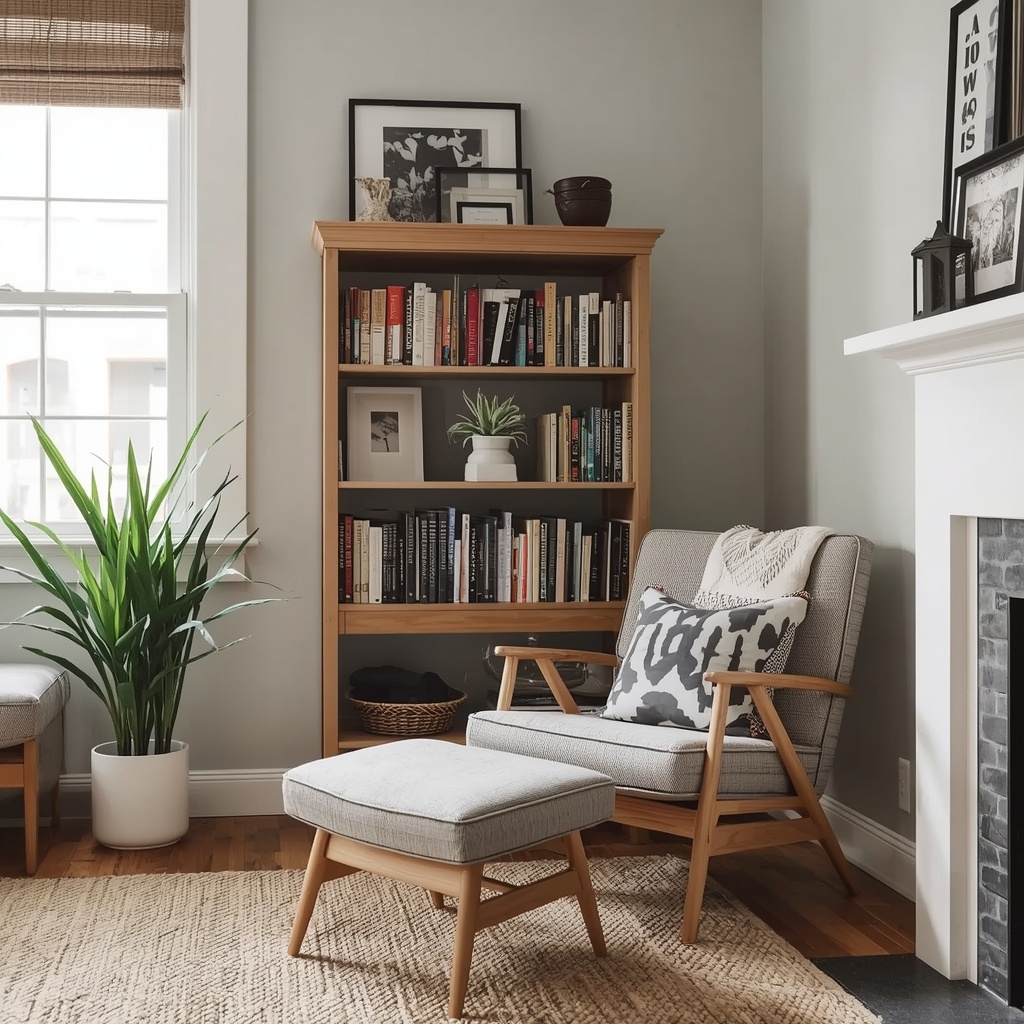
From a design standpoint, a reading corner is also one of the most cost-effective ways to add personality to a home. You don’t need to touch the layout of your living room or spend a renovation budget. A single unused corner, an underutilized bay window, or even a quiet spot beside a bookshelf can become a functional, beautiful focal point with the right chair, lighting, and textiles.
“A room feels finished not when every surface is decorated, but when it has at least one spot that invites you to stay.” — a principle I share with nearly every client who wants their home to feel more livable, not just more photographable.
Step 1: Choosing the Right Reading Chair
The chair is the anchor of the whole setup, so it’s worth spending the most time — and often the most budget — here. Comfort should always outrank looks, but the good news is that today’s furniture market makes it easy to find both in the same piece.
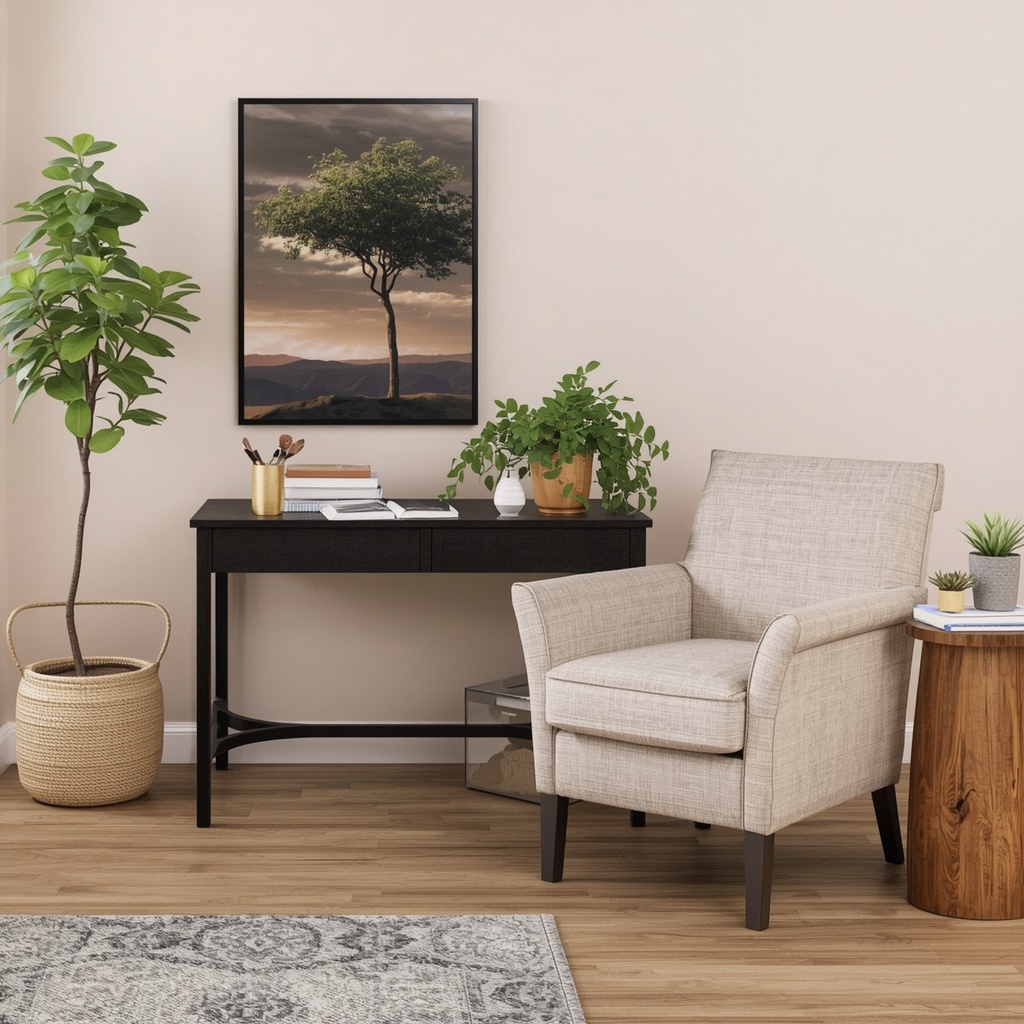
When evaluating a chair, sit in it for at least ten minutes before buying, if possible. Pay attention to how your lower back, neck, and arms feel, not just how the silhouette looks in a showroom.
Key features to look for in a reading chair:
- Deep seat with a slight recline for extended sitting comfort
- High back or wingback design to support your neck and shoulders
- Supportive but plush cushioning (high-density foam holds up better long-term)
- Wide, sturdy arms for resting a book, tablet, or mug of tea
- A swivel or glider base if you want flexibility to follow natural light
- Breathable, durable upholstery like performance velvet, linen blend, or bouclé
<div class=”pro-tip”>
Pro Tip: If your favorite chair doesn’t quite have the ergonomic support you need, add a lumbar pillow and a footstool before you write it off. A $40 accessory can often fix what would otherwise require a full chair swap — and it adds another layer of texture to your reading corner in the process.
Popular Reading Chair Styles Compared
| Chair Style | Best For | Comfort Level | Design Vibe |
|---|---|---|---|
| Wingback chair | Traditional, formal spaces | High (great neck support) | Classic, cozy, library-inspired |
| Accent armchair | Small to medium rooms | Medium-High | Versatile, modern or transitional |
| Swivel glider | Nurseries, multitasking spaces | High | Casual, family-friendly |
| Chaise lounge | Larger rooms, full-body relaxation | Very High | Elegant, spacious |
| Papasan or egg chair | Bohemian, eclectic interiors | Medium | Playful, laid-back |
Step 2: Layering Lighting for a Warm, Eye-Friendly Glow
Lighting is where most reading nooks fall short — either the room is too dim to read comfortably, or the overhead lighting is so harsh it kills the cozy mood entirely. The fix is the same trick professional designers use in every room: layered lighting rather than a single overhead source.
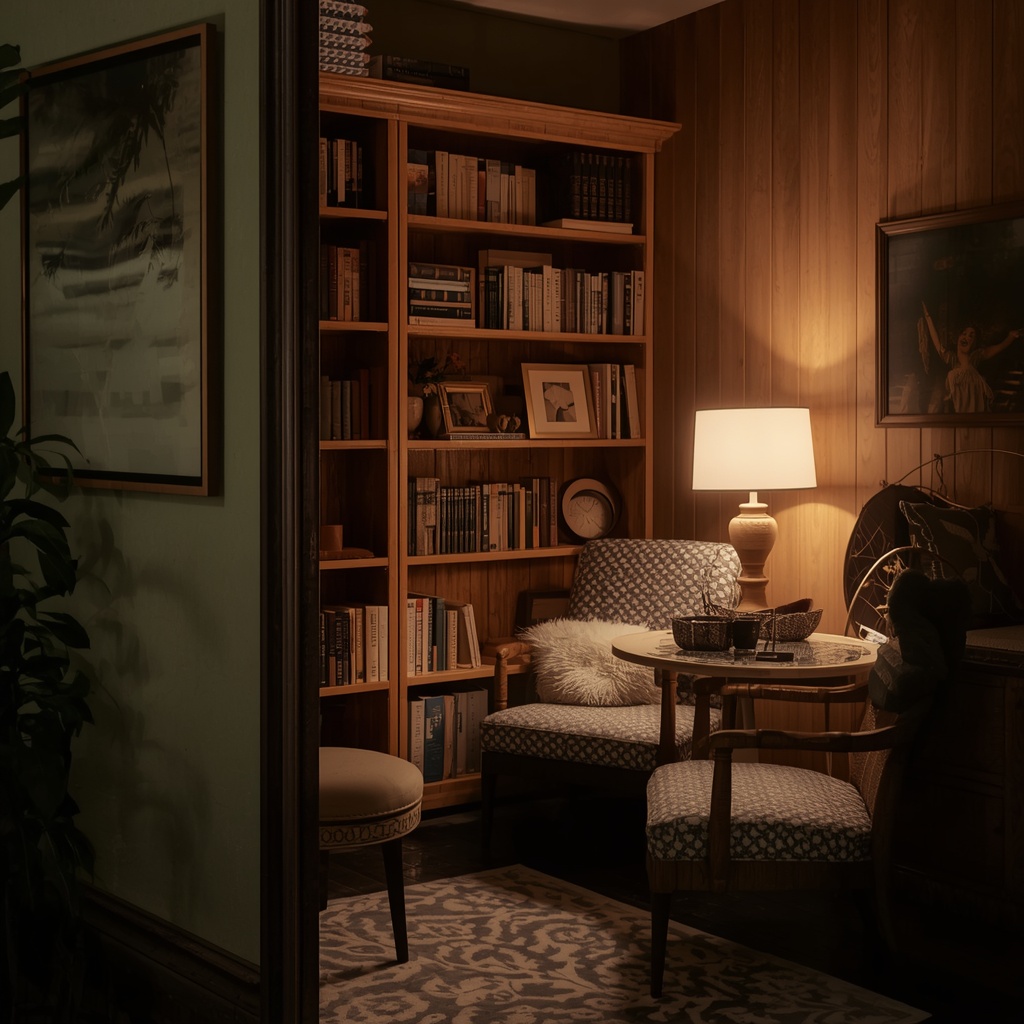
Good reading light should be warm, glare-free, and positioned so it falls directly onto the page rather than into your eyes. Ambient light sets the mood; task lighting does the actual work of illuminating your book.
The three lighting layers every reading nook needs:
- Ambient lighting – general room lighting (a dimmable overhead fixture or wall sconces) that keeps the space from feeling like a spotlighted stage.
- Task lighting – a dedicated reading lamp positioned at shoulder height, slightly behind or beside the chair, so light falls onto the page without casting a shadow from your own hand.
- Accent lighting – a small lamp, string lights, or a candle nearby purely for warmth and atmosphere once the sun goes down.
Choosing the Right Bulb Temperature
Color temperature, measured in Kelvin (K), matters more than most people realize. Warmer color temperatures reduce visual strain during reading because they emit less blue light — the same component linked to eye fatigue and disrupted sleep. For most cozy reading setups, aim for the warm end of the spectrum rather than a cool, office-style white.
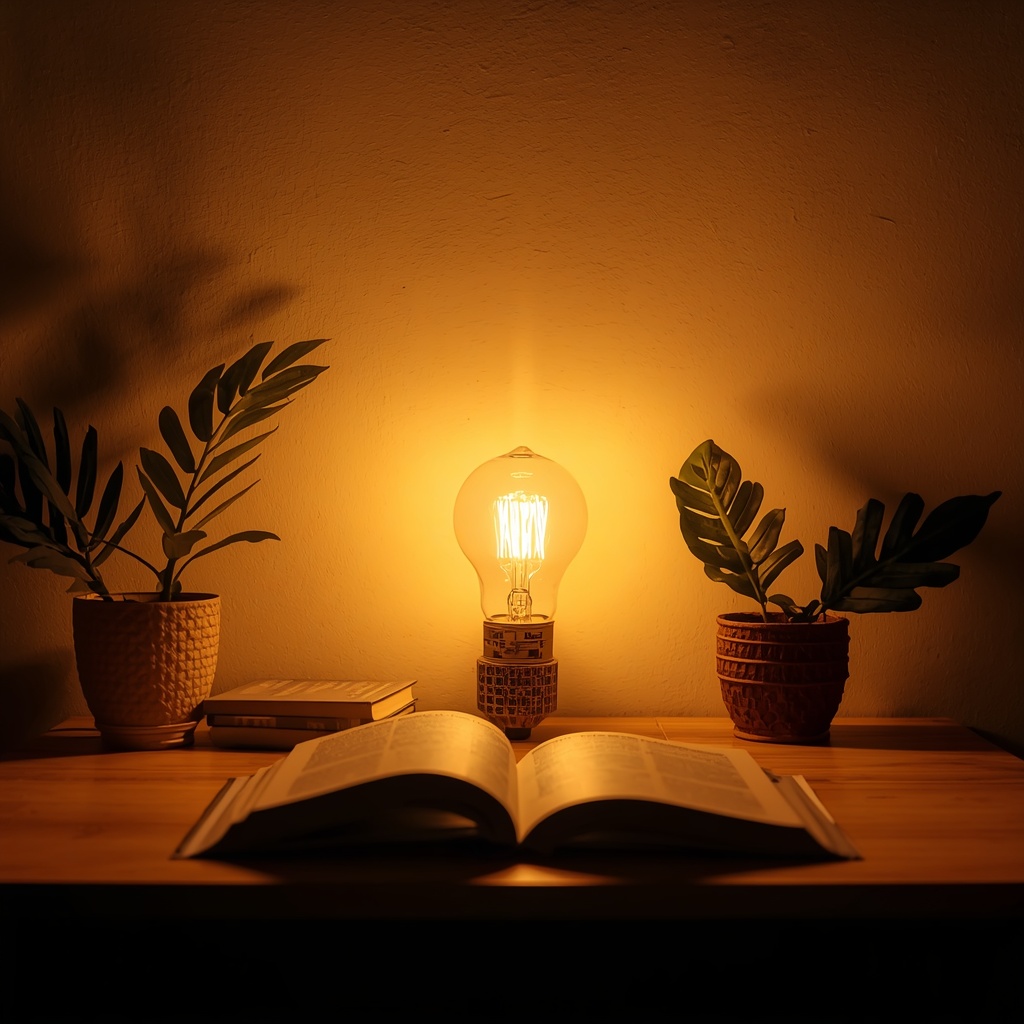
| Light Type | Kelvin Range | Best Use |
|---|---|---|
| Warm white | 2700K–3000K | Evening reading, cozy ambiance |
| Soft white | 3000K–3500K | All-day reading nooks, general comfort |
| Neutral/cool white | 4000K–5000K | Daytime task lighting, home offices |
| Daylight | 5000K+ | Not recommended for relaxed reading; better for workspaces |
Pro Tip: Look for a floor or table lamp with a built-in dimmer, or add a smart bulb that lets you adjust brightness and warmth by time of day. A lamp that shifts from a brighter 3000K in the afternoon to a softer 2700K glow at night mimics natural daylight patterns and makes the transition into evening feel effortless.
Beyond color temperature, think about placement and shade design. An arc floor lamp positioned just behind the shoulder avoids glare on glossy pages or e-reader screens, while a lamp shade in linen or fabric (rather than bare metal or glass) diffuses light more softly across the room.
Step 3: Layering Soft Textiles for Warmth and Texture
If lighting sets the mood, textiles are what make a reading chair feel like an invitation rather than just a piece of furniture sitting in a corner. This is the layer most people skip, and it’s usually the difference between a nook that looks staged and one that looks lived-in and loved.
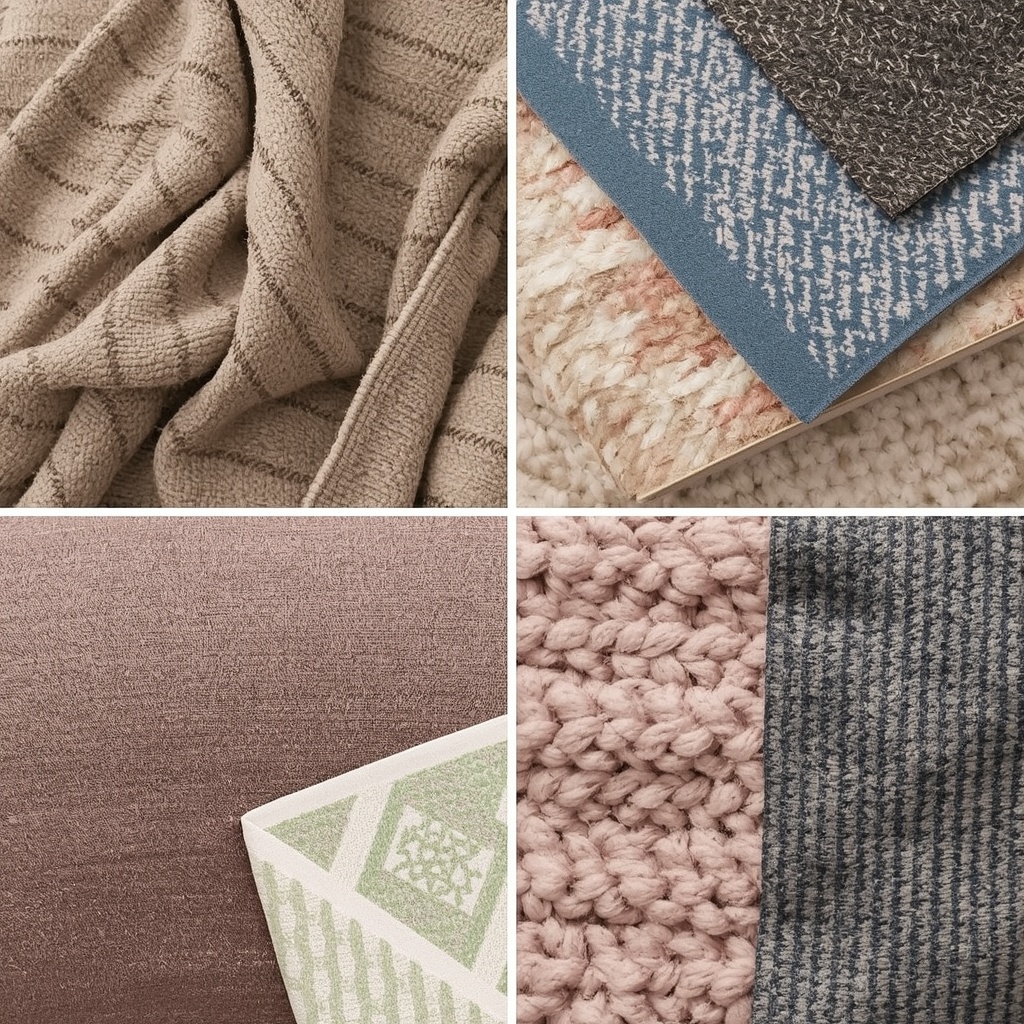
Texture also does real design work: it softens hard lines, adds visual depth, and keeps a single-chair setup from looking sparse or unfinished, especially in a smaller space.
Essential soft textiles for a cozy reading corner:
- A chunky knit or faux fur throw blanket draped over the arm or back of the chair
- Two to three accent pillows in mixed textures (velvet, linen, bouclé, or wool)
- A plush area rug underfoot, even in a small nook, to anchor the space
- A cushioned ottoman or pouf for feet and added seating texture
- Curtains or a woven blind nearby to soften window light and add privacy
Mixing Textures Without Overdoing It
A common mistake is over-decorating the chair itself. As a rule of thumb, stick to a maximum of three pillows and one throw blanket per chair, and vary the textures rather than the colors. A neutral palette in linen, bouclé, and chunky knit will read as far more sophisticated than five patterned pillows competing for attention.
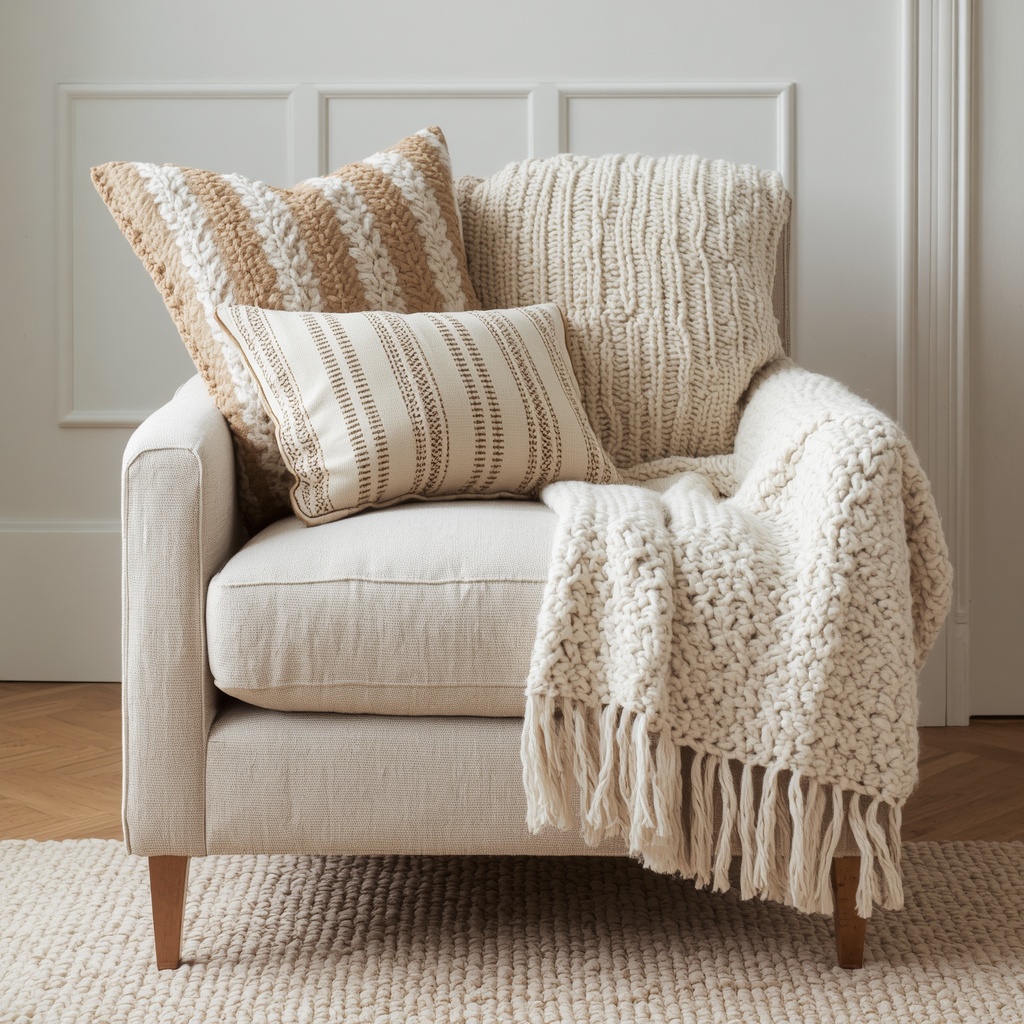
| Textile Element | Recommended Material | Design Effect |
|---|---|---|
| Throw blanket | Chunky knit, faux fur, mohair | Adds warmth and visual weight |
| Accent pillows | Velvet, bouclé, linen blend | Softens the silhouette, adds texture |
| Area rug | Wool, jute, or plush shag | Grounds the space, adds comfort underfoot |
| Ottoman cover | Performance fabric or leather | Durable texture contrast |
| Window treatment | Linen or cotton sheers | Softens natural light, adds privacy |
Pro Tip: Wash or fluff your throw blankets and pillow inserts every couple of weeks. Flattened, compressed textiles are one of the fastest ways a cozy corner starts to look tired — a five-minute fluff-up keeps everything looking as inviting as the day you styled it. </div>
Step 4: Finishing Touches That Complete the Nook
Once the chair, lighting, and textiles are in place, a few small additions round out the space and make it genuinely functional for daily use.
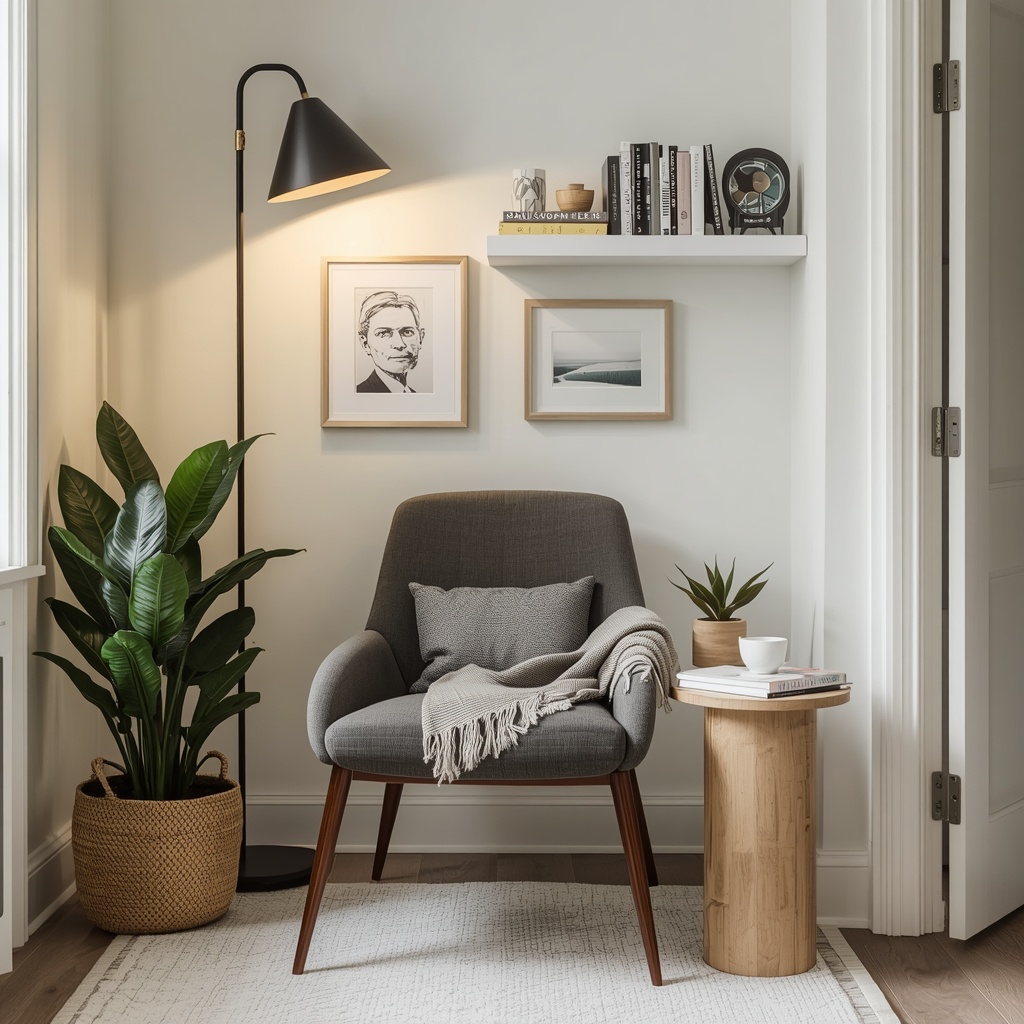
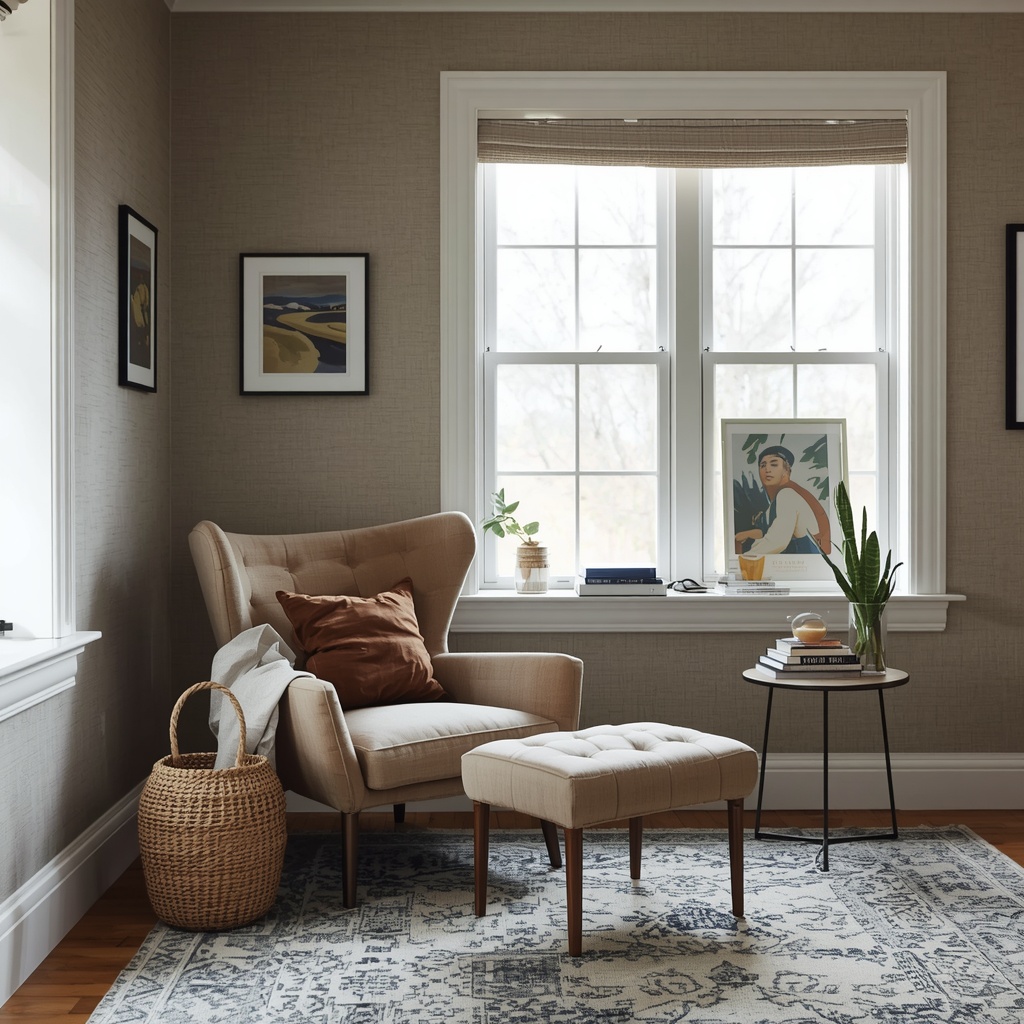
Consider adding a side table within easy reach for your book, glasses, and a mug of tea or coffee. A small bookshelf or floating shelf nearby keeps your current reads accessible without cluttering the floor. If space allows, a potted plant such as a snake plant or pothos adds a calming, natural element that pairs beautifully with warm lighting and soft textiles.
A quick checklist for your reading nook essentials:
- [ ] Comfortable chair with good back and neck support
- [ ] Dimmable task lamp with a warm bulb (2700K–3000K)
- [ ] Ambient light source for the surrounding room
- [ ] Throw blanket and 2–3 accent pillows
- [ ] Area rug or footstool for underfoot comfort
- [ ] Side table for books, glasses, and drinks
- [ ] A small shelf or basket for current reads
Budget vs. Splurge: Where to Spend
Not every element of a reading nook needs a designer price tag. Knowing where to invest and where to save can help you create a high-impact space on almost any budget.
| Element | Budget-Friendly Option | Worth the Splurge |
|---|---|---|
| Chair | Secondhand or vintage find reupholstered | High-density foam performance-fabric armchair |
| Lighting | Adjustable smart bulb in an existing lamp | Designer floor lamp with dimmable warm/cool settings |
| Textiles | Machine-washable throw and pillow covers | Genuine wool rug or mohair throw |
| Side table | Repurposed stool or crate | Solid wood or marble-top table |
Common Mistakes to Avoid
Even well-intentioned reading nooks can miss the mark. A few frequent missteps I see in client homes:
- Relying only on an overhead ceiling light, which flattens the room and creates glare on glossy pages.
- Choosing style over ergonomics, leading to a chair that looks great but is abandoned within a week.
- Overcrowding the chair with too many mismatched pillows, which can make a small nook feel cluttered rather than cozy.
- Skipping a rug or footstool, leaving the space feeling incomplete even when the chair and lighting are right.
Seasonal Styling: Keeping Your Reading Nook Fresh Year-Round
One of the easiest ways to keep a reading corner feeling special is to rotate a few soft-good accents with the seasons, without touching the chair or the lighting setup at all. This is a favorite trick among designers because it delivers a big visual refresh for very little cost or effort.

In cooler months, lean into heavier textures — mohair throws, sherpa pillow covers, and a wool rug layered underfoot instantly make the space feel warmer, even before the lamp is switched on. Come spring and summer, swap in lighter linen or cotton pillow covers and a woven jute rug to keep the same chair from feeling too heavy or wintery. The chair and the lamp stay exactly the same; only the textiles shift.
Quick seasonal swap ideas:
- Fall/Winter: chunky knit throw, faux fur pillow, warm terracotta or deep green tones
- Spring/Summer: linen throw, woven or rattan accents, soft sage or cream tones
- Holidays: a single accent pillow in a festive pattern, kept subtle so the space still feels cohesive
Frequently Asked Questions
How much space do I need for a reading nook? You need less than most people assume. A single armchair, a small side table, and a floor lamp can fit comfortably in as little as 25–35 square feet, making even a bedroom corner or landing at the top of the stairs a viable spot.
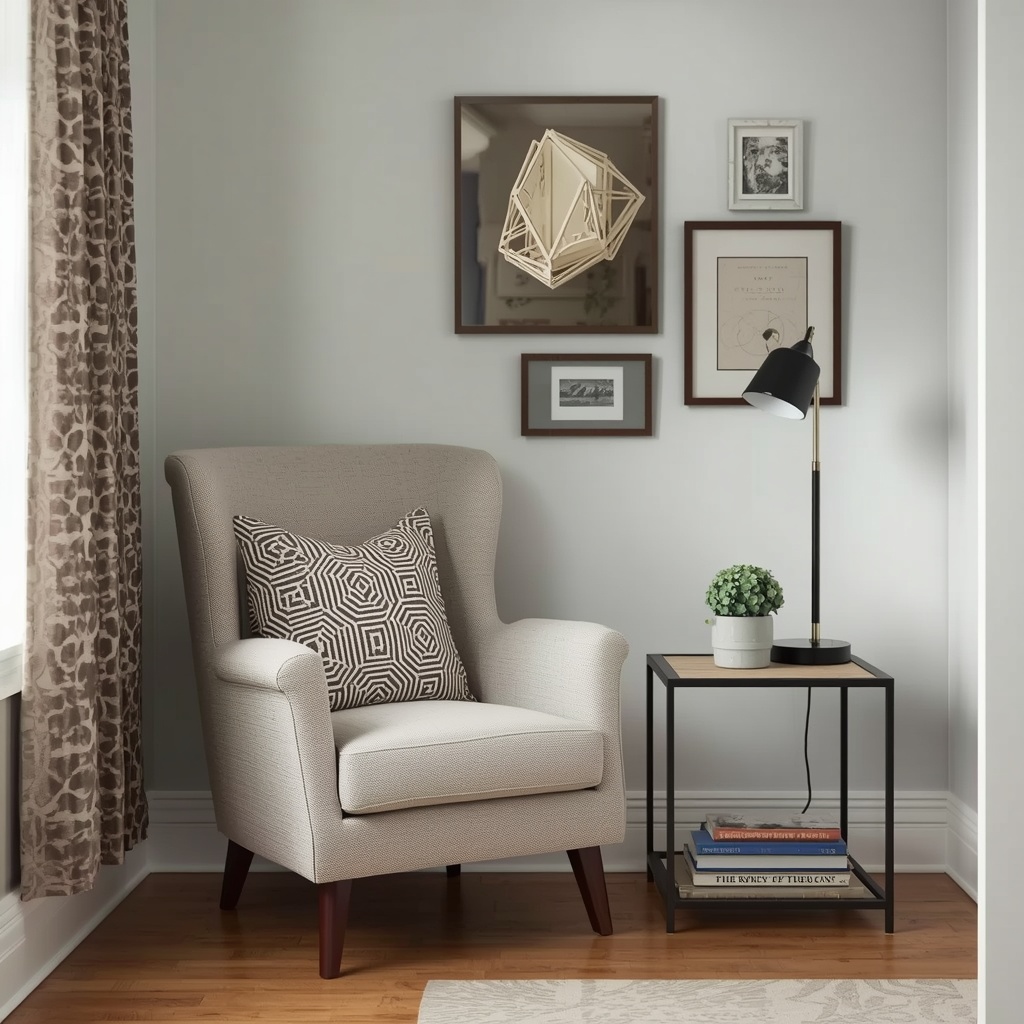
What’s the best lamp placement for reading without glare? Position the lamp slightly behind your shoulder rather than directly in front of you or overhead. This angle lights the page evenly without casting a shadow from your hand or creating harsh glare on glossy paper or screens.
Can I create a cozy reading nook in a small apartment? Absolutely. A corner chair paired with a slim floor lamp and a folded throw takes up minimal floor space, and a wall-mounted or clip-on reading light can free up a side table entirely if space is tight.
Do I need natural light for a reading nook to work? Natural light is a nice bonus for daytime reading, but it’s not required. A well-chosen warm-toned lamp (2700K–3000K) with a dimmer can make any interior corner just as comfortable for reading after dark or on overcast days.
Final Thoughts
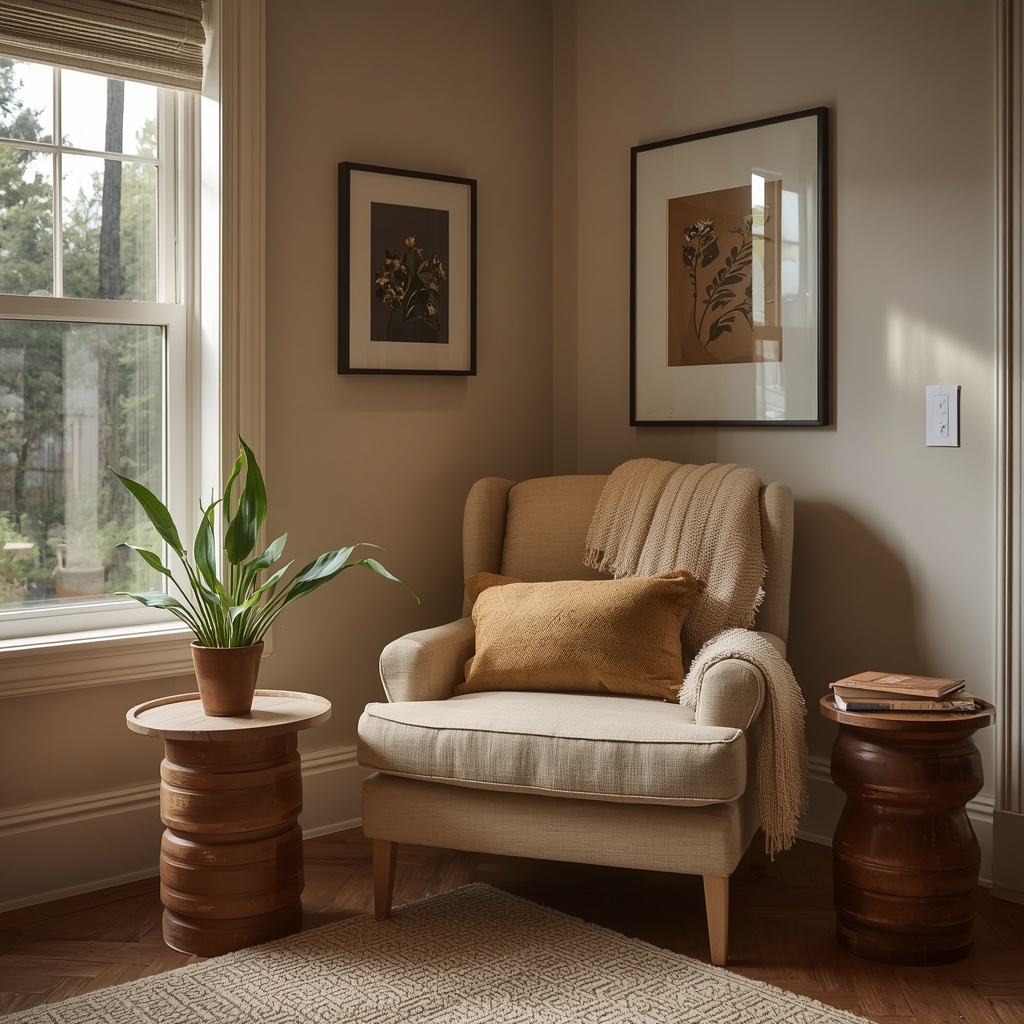
A cozy reading chair setup doesn’t require a big budget or a spare room — it requires intention. Choose a chair built for real comfort, layer your lighting so it’s warm and glare-free, and finish the space with textiles that invite you to stay a little longer. Do those three things well, and you’ll have a corner of your home that quietly earns its keep every single evening.
Whether you’re working with a full sunroom or a single unused corner beside a window, the same principles apply: comfort first, warm layered light second, and soft, textured layers to finish. Once it’s done, don’t be surprised if it becomes the most-used seat in the house.