
If you’ve ever walked into a living room that felt instantly warm, collected, and “designed” without looking try-hard, chances are you were standing in a layered space. Layering is the single most transformative — and most affordable — technique in residential interior design, and it all comes down to three humble textiles: rugs, throw pillows, and throws.
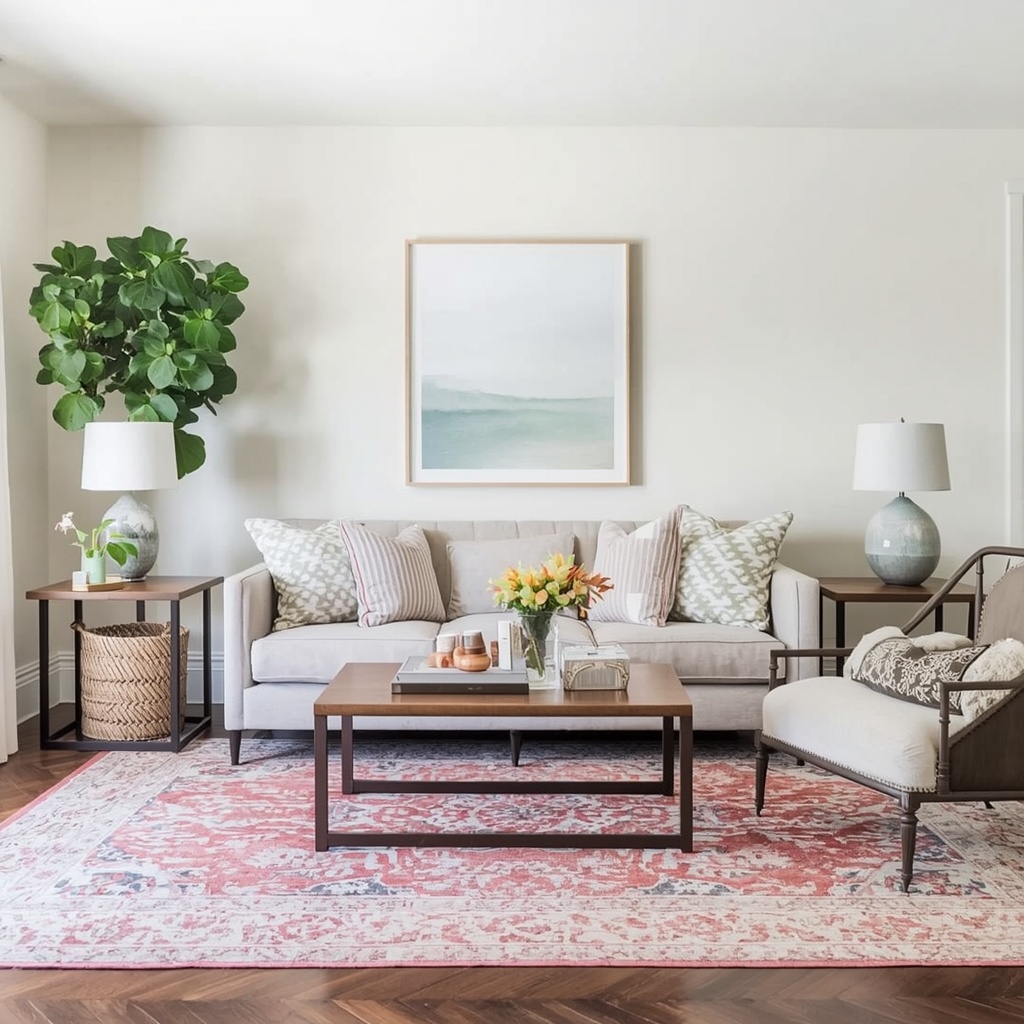
As an interior designer who specializes in home decor for everyday American homes, I can tell you that clients rarely ask for “layering” by name. They ask for a living room that feels cozy, expensive, and like them. The answer, almost every time, starts on the floor and ends on the sofa. This guide breaks down exactly how to layer textiles like a professional, with real ratios, real fabric choices, and a few mistakes I see in nearly every first consultation.
Why Layering Matters in Modern Living Room Design
A living room without layers reads as flat, no matter how expensive the sofa is. Layering adds depth, dimension, and a sense of intentionality that a single rug or one set of throw pillows simply cannot achieve. It’s the difference between a furniture showroom and a home.
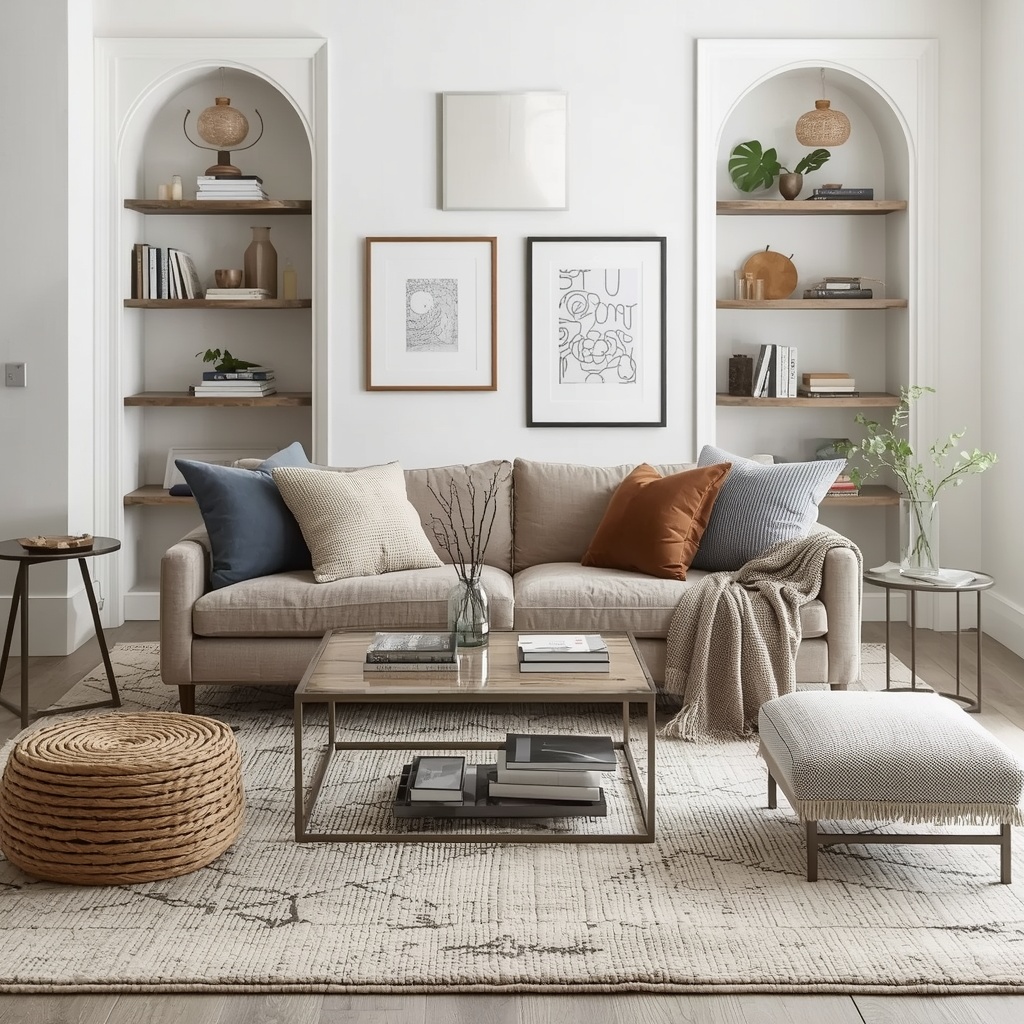
Texture is doing the heavy lifting here. When you combine a flat-weave rug with a plush wool throw and a mix of linen and velvet pillows, your eye moves around the room instead of stopping at one focal point. This is why designer living rooms photograph so well — there’s always something new to notice, from the fringe on a Moroccan rug to the boucle texture on an accent pillow.
“A room without texture is a room without conversation.” This is something I tell every client during a styling consultation, and it’s the foundation of every layered living room I design.
Pro Tip: Before buying a single pillow, take a photo of your living room in black and white. If the space looks flat and undefined, you need more textural contrast — not necessarily more color.
Starting With the Foundation: Layering Area Rugs
Rugs are the literal foundation of a layered living room, and rug layering (stacking a smaller patterned or textured rug atop a larger neutral one) is the trick most home decor magazines never fully explain. The bottom rug, usually a jute, sisal, or low-pile neutral, anchors the seating area and covers most of the floor. The top rug — often vintage-style, Persian-inspired, or a bold geometric — adds personality and warmth right where people sit.
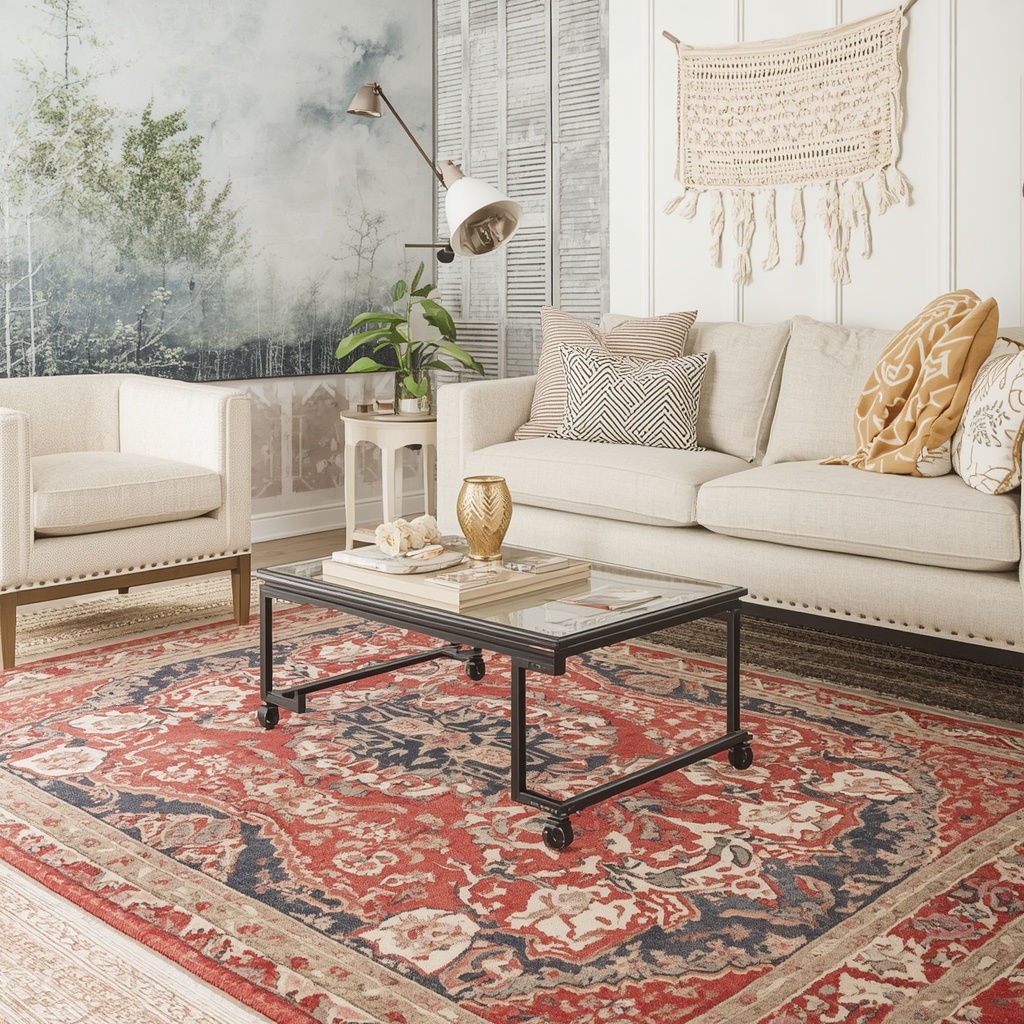
Sizing is everything. A bottom rug should extend at least 6 to 12 inches beyond your sofa and chairs on all sides, while the top rug should cover roughly one-third to one-half of the bottom layer, typically centered under the coffee table. Getting this ratio wrong is the number one reason layered rugs look accidental instead of intentional.
| Rug Layer | Common Materials | Typical Size (for a 12×15 ft. living room) | Purpose |
|---|---|---|---|
| Base Layer | Jute, sisal, seagrass, low-pile wool | 9×12 ft. or 10×14 ft. | Anchors furniture, adds neutral texture |
| Accent Layer | Vintage wool, Persian, kilim, geometric flat-weave | 5×7 ft. or 6×9 ft. | Adds color, pattern, and focal interest |
| Optional Runner | Cotton, flat-weave | 2×8 ft. | Bridges rug to hallway or adjacent zone |
A few rug-layering rules I share with every client:
- Keep the base layer neutral (jute, oatmeal, cream, or charcoal) so it can support any pattern on top.
- Choose a top rug with at least one color that already exists in your sofa, pillows, or art.
- Avoid two busy patterns stacked together — let one rug carry the pattern and the other carry texture.
- Vacuum-rated rug pads are non-negotiable; they prevent slipping and protect hardwood underneath.
- If your room is small, skip the double-rug look and invest in one well-sized, textured rug instead.
If you want a deeper dive into sizing every rug in your home correctly, our companion guide, How to Choose the Right Area Rug Size for Every Room, walks through room-by-room measurements.
The Power of Pillows: Texture, Color, and Pattern Play
Throw pillows are where most homeowners either nail layering or completely miss it, and the difference almost always comes down to quantity and proportion rather than taste. A sofa needs an odd number of pillows on each side (three or five tends to work best), arranged from largest to smallest as you move toward the armrest.
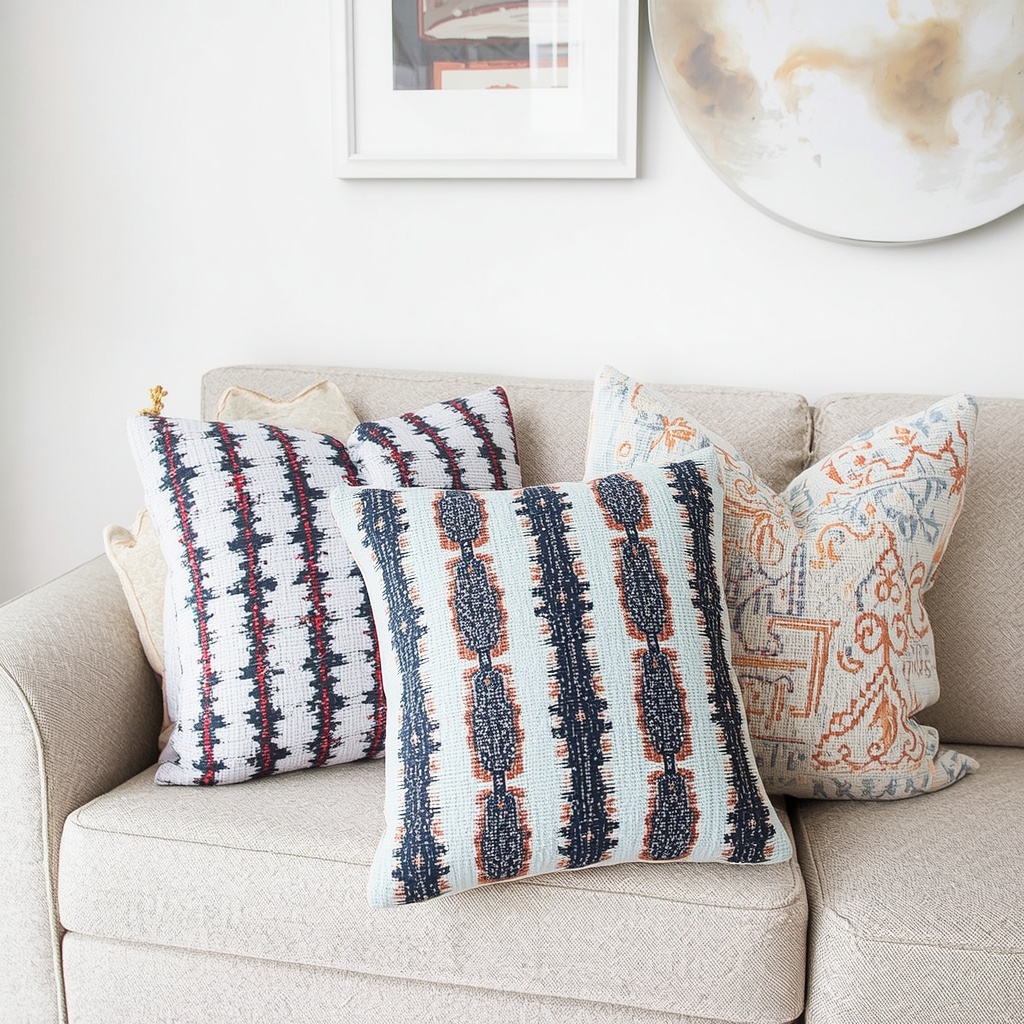
Mixing fabrics is what separates a styled sofa from a store display. I typically build a pillow combination using one solid linen or cotton, one patterned or printed pillow, and one textured pillow like boucle, velvet, or knit. This “one solid, one pattern, one texture” formula is foolproof, and it scales whether you’re decorating a studio apartment sofa or a sprawling sectional.
| Pillow Position | Recommended Size | Fabric Suggestion |
|---|---|---|
| Back corner (largest) | 22″–24″ square | Solid linen or cotton |
| Middle accent | 20″ square or lumbar 14″x20″ | Printed or patterned |
| Front (smallest) | 18″ square | Velvet, boucle, or knit texture |
Quick pillow-arranging checklist:
- Start with your largest pillows in the back corners, propped at a slight angle.
- Layer a patterned pillow in front of or beside the solid pillow.
- Finish with a smaller textured pillow tilted forward for visual depth.
- Repeat the sequence on a sectional, but mirror it rather than duplicating it exactly.
- Step back ten feet and check that no two adjacent pillows share the exact same color and pattern.
Pro Tip: Buy your pillow inserts one size larger than the cover (a 20″ cover stuffed with a 22″ insert, for example). Overstuffing is what gives high-end, designer sofas that plush, expensive look instead of a flat, deflated appearance.
Throws That Tell a Story: Texture and Warmth
A throw blanket is the easiest, lowest-commitment way to layer a living room, yet it’s the layer most people skip entirely or use incorrectly. The goal is to drape it casually — never folded into a perfect rectangle — so it looks like it was actually used last night, not staged for a photo.
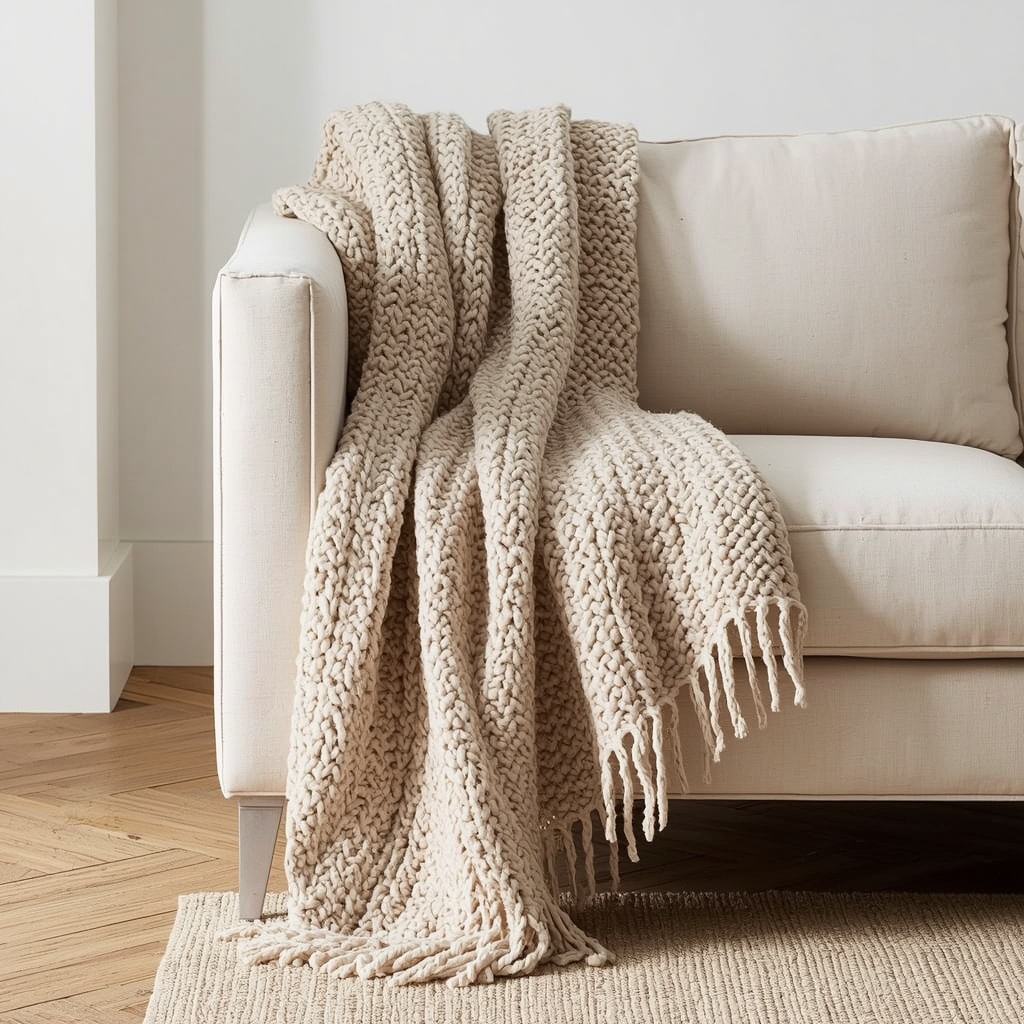
Material matters enormously here. Chunky knit throws in wool or cotton add a cozy, cabin-like feel and work beautifully over the arm of a leather or linen sofa. Lightweight cotton or linen throws, on the other hand, suit warmer climates and lighter color palettes, draping with a softer, more relaxed fold than their wool counterparts.
Common throw-draping techniques designers actually use:
- The Diagonal Drape: Fold the throw in half lengthwise and lay it diagonally across one arm of the sofa, letting one end pool slightly onto the cushion.
- The Basket Stack: Fold two or three throws of different textures (knit, sherpa, woven cotton) and stack them in a basket beside the sofa or armchair.
- The Ottoman Fold: Drape a single throw over the corner of an ottoman or bench, allowing it to cascade onto the floor for a relaxed, lived-in look.
- The Chair-Back Cascade: Hang a throw over the back of an accent chair so roughly two-thirds drapes down the front.
If you’re sourcing materials, the American Society of Interior Designers offers consumer resources on textile durability and care that are worth bookmarking before you invest in higher-end wool or alpaca throws.
The 60-30-10 Rule for Layered Textiles
Professional decorators rely on the classic 60-30-10 color rule when layering rugs, pillows, and throws, and it works just as well for textiles as it does for paint. Sixty percent of your textile color should be a dominant neutral (often your base rug and largest pillows), thirty percent a secondary color (your accent rug or patterned pillows), and ten percent a punchy accent color (a single throw or lumbar pillow).
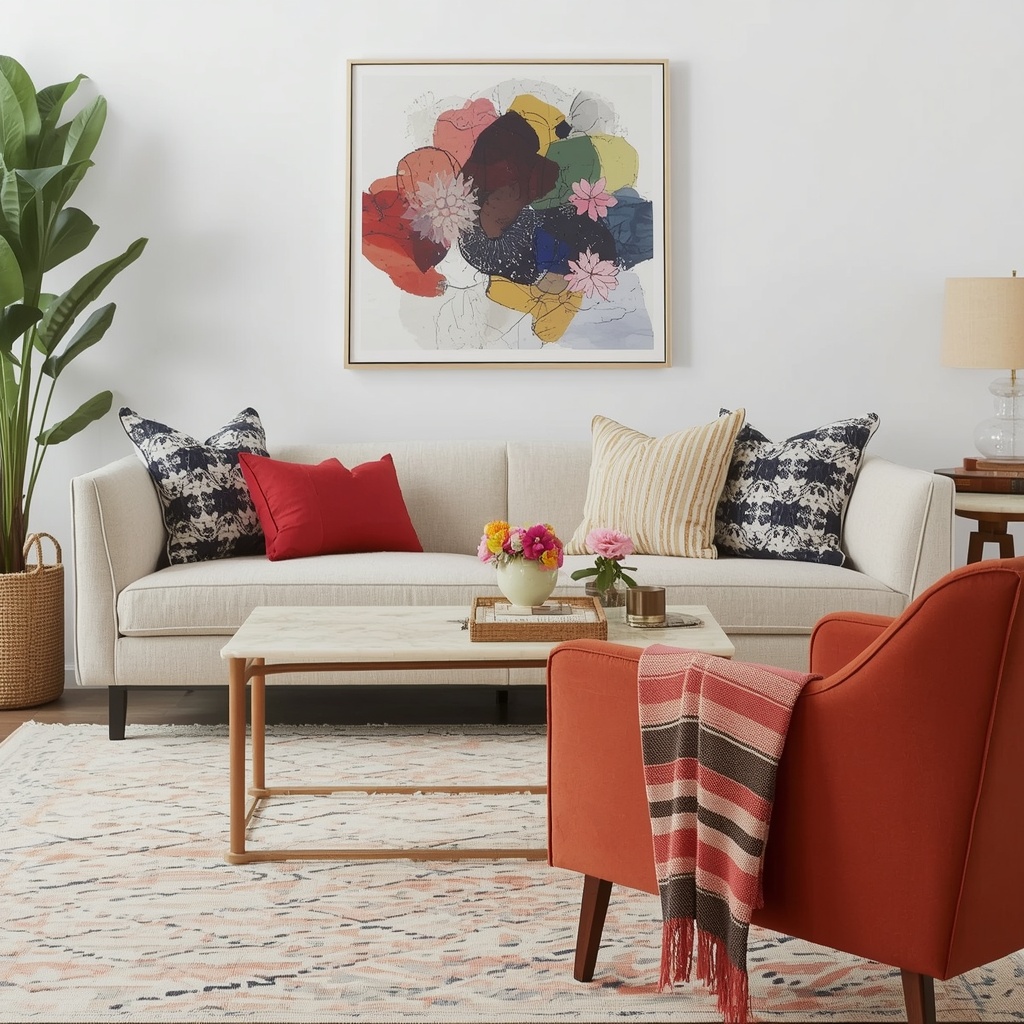
This ratio prevents the two most common layering mistakes: a room that’s too matchy-matchy (everything the same two colors) or a room that feels chaotic (every textile fighting for attention). Once you assign each textile a percentage role, choosing new pieces becomes almost automatic.
| Color Role | Percentage | Example Textiles |
|---|---|---|
| Dominant Neutral | 60% | Base rug, largest sofa pillows, neutral throw |
| Secondary Color | 30% | Accent rug, patterned mid-size pillows |
| Accent / Pop Color | 10% | Lumbar pillow, vibrant throw, single statement object |
Common Layering Mistakes to Avoid
Even design-savvy homeowners fall into a few predictable traps when layering textiles for the first time. Recognizing these early can save you several rounds of returns and a lot of second-guessing in front of the sofa.
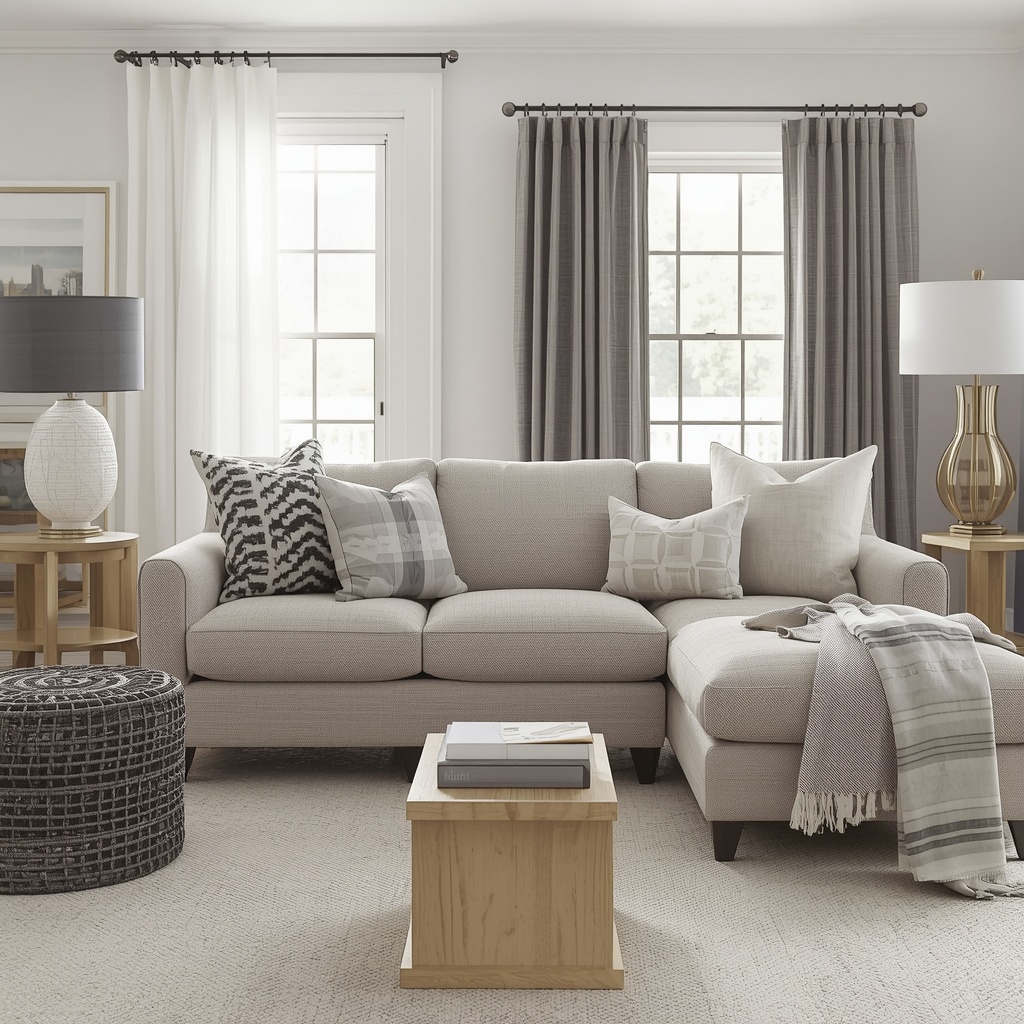
Most mistakes come down to matching too literally or buying in sets, both of which flatten the very depth you’re trying to create. A handful of intentional choices will always outperform a perfectly coordinated five-piece pillow set from a single retailer.
- Buying matching sets: A pillow set from one collection often lacks the contrast that makes layering work. Mix brands and materials instead.
- Ignoring scale: A tiny 3×5 rug under a large sectional, or oversized pillows on a petite loveseat, throws off the entire room’s proportion.
- Too many patterns at once: Cap it at two to three patterns total across rugs, pillows, and throws.
- Skipping the rug pad: Beyond safety, a good pad extends the life of your rug and keeps layered rugs from bunching.
- Forgetting the seasons: A heavy faux-fur throw in July or a linen throw in January both feel slightly “off” to guests, even subconsciously.
Seasonal Layering: Refreshing Your Living Room Year-Round
One of the best-kept secrets of professional home stylists is that layering isn’t a one-time project — it’s a seasonal rotation. Swapping just two or three textiles can completely refresh a living room’s mood without touching the furniture or the rug underneath.
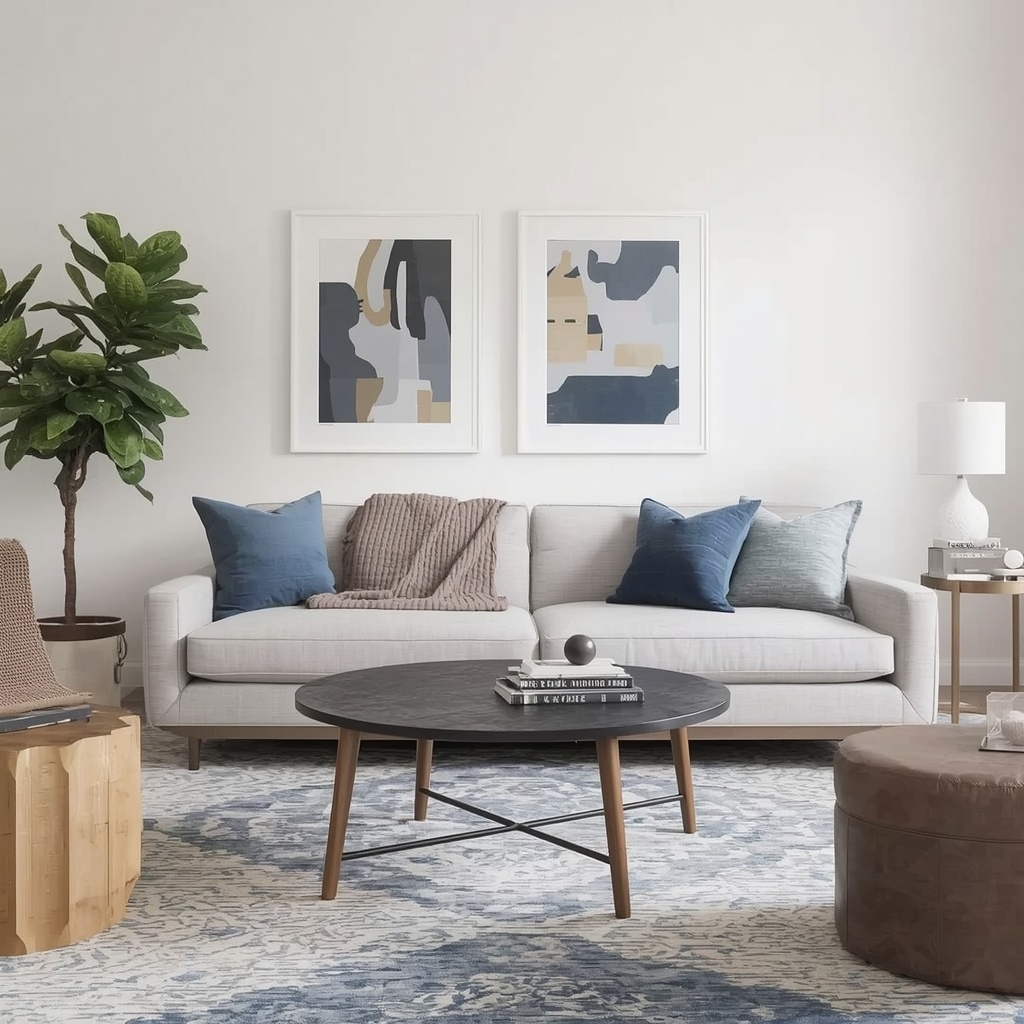
This is also one of the most budget-friendly ways to keep a space feeling current. A single new throw or a refreshed pair of pillow covers, timed to the season, does more for a room’s atmosphere than most people expect from such a small investment.
| Season | Rug Adjustment | Pillow Fabric | Throw Material |
|---|---|---|---|
| Spring | Lighter accent rug, brighter tones | Linen, cotton | Lightweight cotton |
| Summer | Jute or sisal base only | Light linen, woven cotton | Breathable cotton gauze |
| Fall | Layer in a warm-toned wool accent rug | Corduroy, velvet | Chunky knit wool |
| Winter | Deep-toned wool or shag accent rug | Velvet, faux fur | Sherpa, alpaca, faux fur |
Putting It All Together: A Simple Layering Formula
If you take nothing else away from this guide, remember this formula: one neutral base rug, one patterned accent rug, five mixed-texture pillows in a 60-30-10 color split, and one casually draped throw. That combination, repeated room after room, is essentially the backbone of professional residential styling.
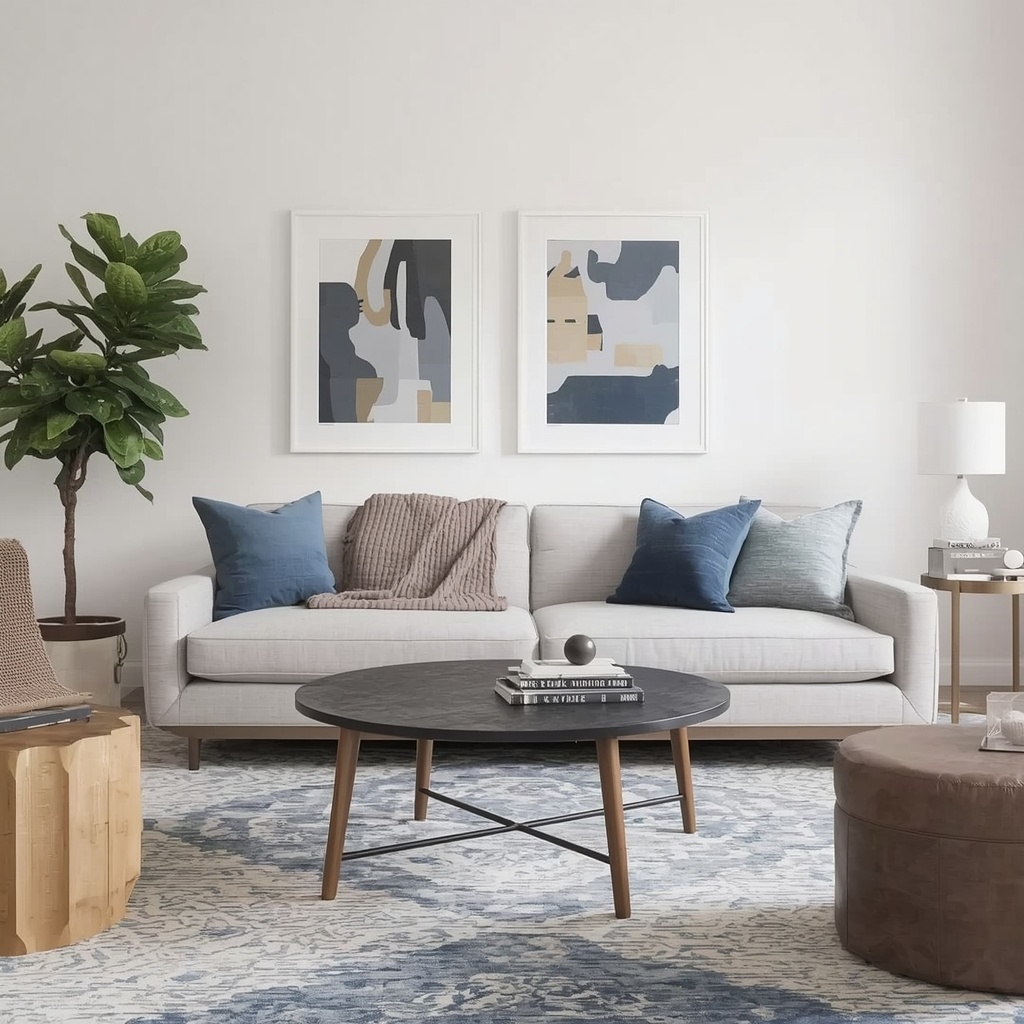
It’s also forgiving. You can swap any single element — a new throw for fall, a bolder accent rug after a few years — without disrupting the whole system, because the underlying ratios stay the same. That’s what makes layering sustainable as both a design strategy and a long-term decor budget.
Pro Tip: When in doubt, layer in this order and stop as soon as the room feels “enough”: base rug → accent rug → large pillows → small pillows → throw. Most living rooms reach their best version before all five steps are finished, and overdoing the layers is just as common a mistake as underdoing them.
Final Thoughts
The art of the layered living room isn’t about buying more — it’s about buying intentionally and combining textiles with a clear sense of texture, scale, and color ratio. A well-layered rug, a thoughtfully mixed set of throw pillows, and one well-draped throw can do more for a room’s warmth and personality than an entirely new furniture set.
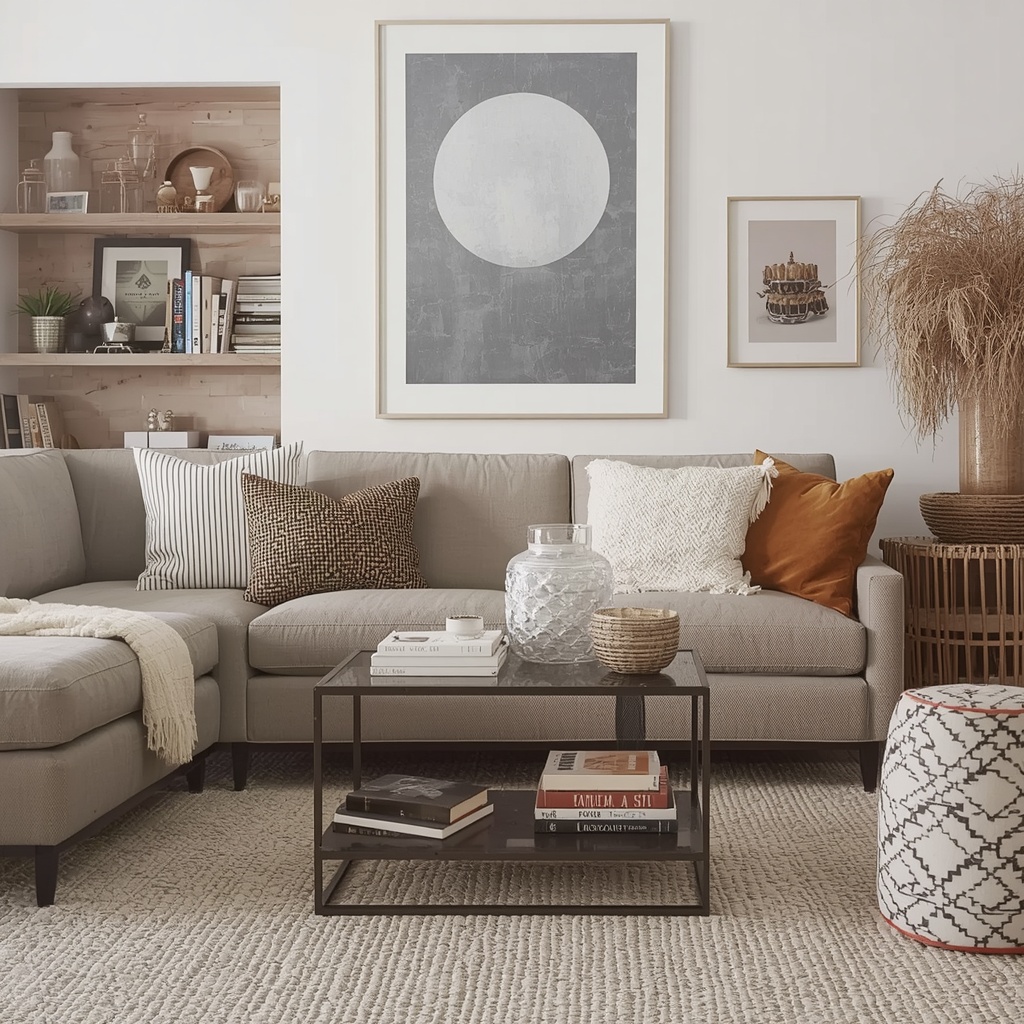
Start small: pick one section of this guide, whether it’s resizing your rug layers or rebuilding your pillow combination with the one-solid, one-pattern, one-texture rule, and build from there. Layering rewards patience, and the most beloved living rooms are almost always the ones built one textile at a time. For more room-by-room styling breakdowns, browse our full living room design guide for additional inspiration.