
If your home feels cold, sterile, or just plain soulless, you’re not alone. Millions of American homeowners are turning away from the all-white minimalist look and gravitating toward something that feels far more grounded — the modern organic aesthetic. Think warm terracotta walls, chunky linen sofas, raw wood coffee tables, and handwoven baskets tucked into every corner. It’s cozy without being cluttered, natural without being rustic, and sophisticated without feeling stiff.

This design philosophy is more than a trend. It’s a full-on lifestyle shift toward spaces that feel alive, breathable, and deeply human. Whether you’re redesigning your entire living room or just refreshing a single bedroom, this guide will walk you through everything you need to create a warm, earthy interior that looks like it was pulled straight from your Pinterest board — and actually works in real life.
What Is the Modern Organic Aesthetic?
The modern organic aesthetic blends biophilic design principles with contemporary sensibility. It draws from nature’s palette — creamy whites, burnt sienna, sage green, warm beige, clay, and rust — and pairs them with natural textures like jute, linen, rattan, reclaimed wood, and unglazed ceramic. The result is a home environment that feels calm, intentional, and deeply connected to the natural world.
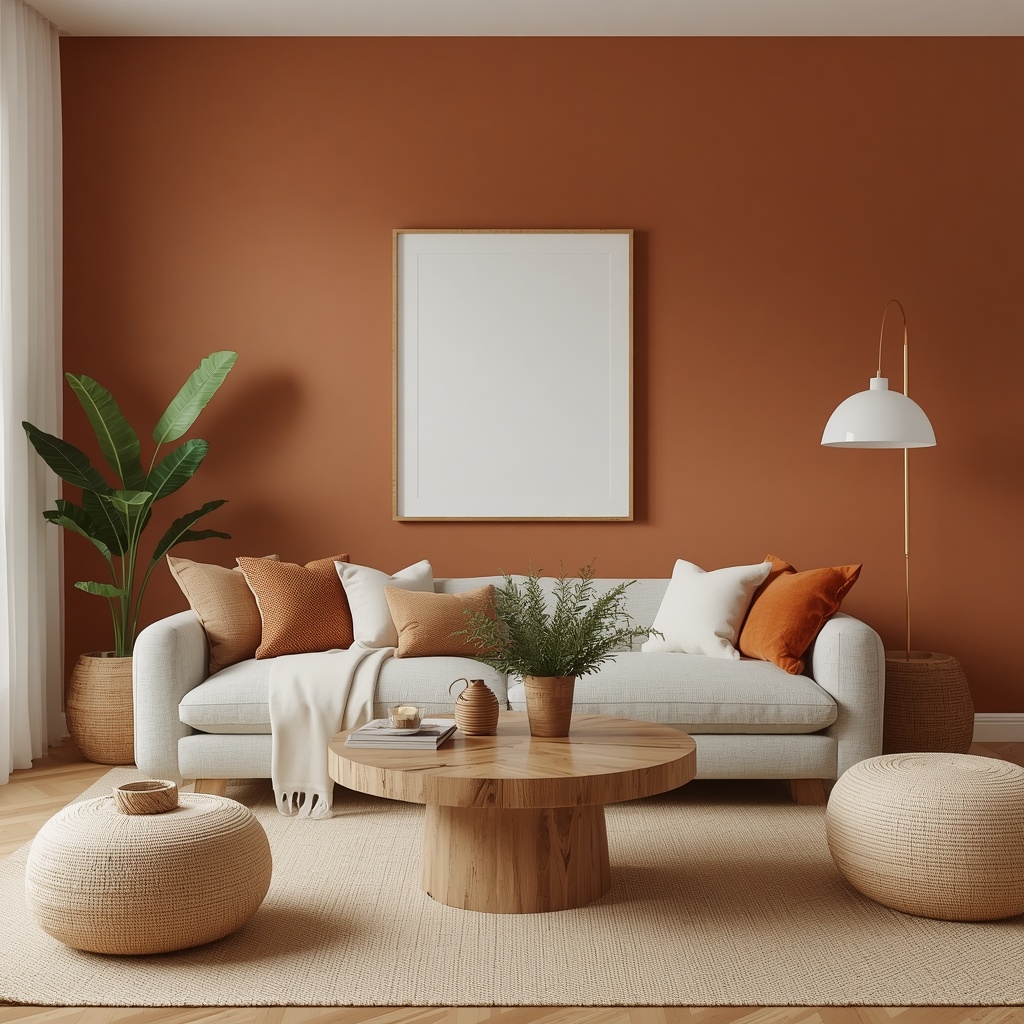
Unlike traditional “farmhouse” or “bohemian” styles, the modern organic look is edited and deliberate. Every piece has a purpose. Clutter is the enemy. But warmth? Warmth is everything.
“The best interiors feel like they grew there — like the home evolved with the people who live in it, shaped by nature and time rather than a catalog.” — Interior Design Philosophy, often attributed to organic design advocates
This style pairs beautifully with slow living, wellness-forward spaces, and the growing American desire to bring the outdoors in — a concept known in design circles as biophilic design.
The Core Color Palette: Earth Tones That Actually Work Together
Choosing the right colors is the foundation of any organic interior. The mistake most homeowners make is playing it too safe with flat beige or veering too far into muddy brown territory. The modern organic palette is warm but layered.
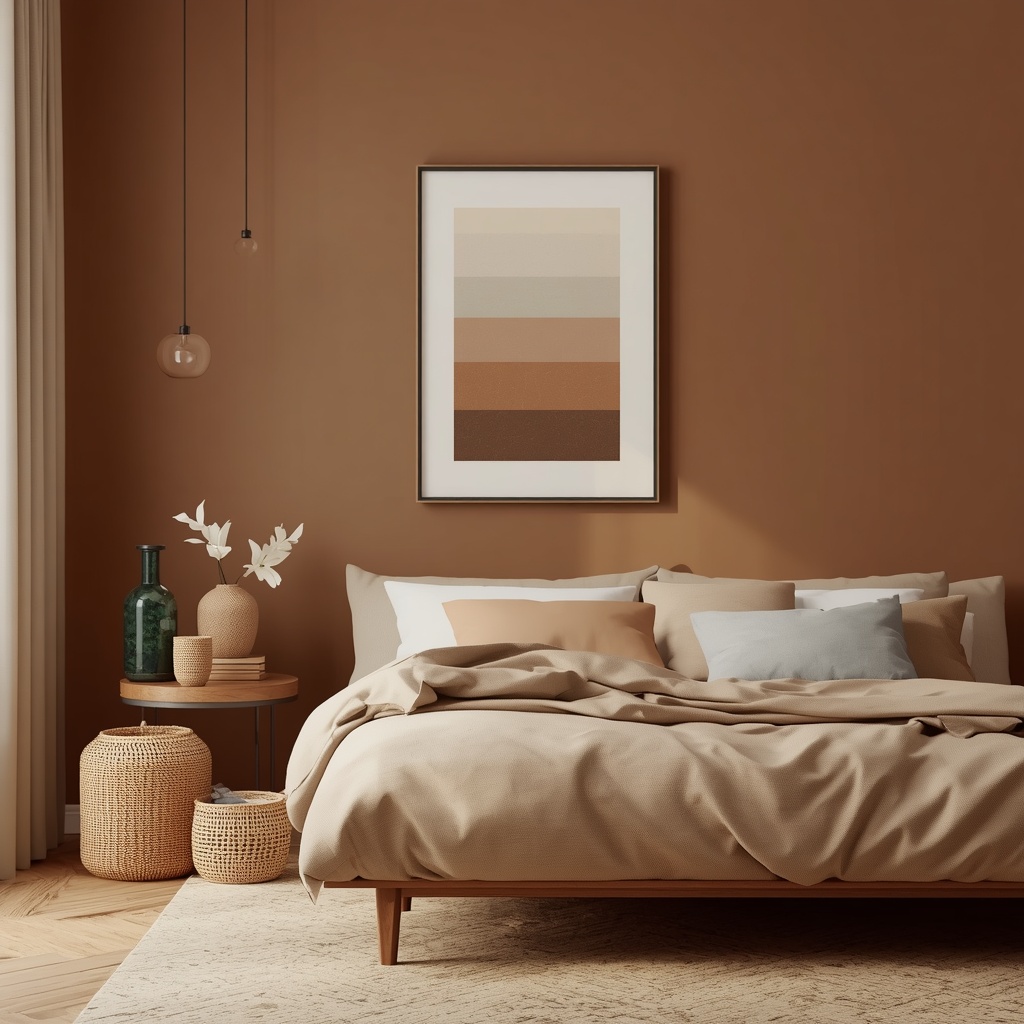
Here’s a breakdown of the most popular earthy color combinations used by interior designers across the U.S.:
| Color Family | Key Shades | Best Used For |
|---|---|---|
| Warm Neutrals | Linen, Cream, Warm White | Walls, large upholstery |
| Terracotta & Clay | Burnt Sienna, Rust, Copper | Accent walls, pottery, pillows |
| Earthy Greens | Sage, Olive, Moss | Plants, textiles, cabinetry |
| Warm Browns | Caramel, Walnut, Chestnut | Wood furniture, floors |
| Dusty Pastels | Blush, Dusty Rose, Muted Mauve | Layered textiles, art |
Pro tip: Paint your walls in a warm white like Benjamin Moore’s White Dove or Sherwin-Williams’ Accessible Beige, then layer in deeper earth tones through textiles, ceramics, and furniture. This gives you flexibility to evolve the look seasonally without repainting.
When combining these colors, follow the 60-30-10 rule: 60% dominant neutral (walls, large sofa), 30% secondary tone (rugs, curtains, chairs), and 10% accent (throw pillows, vases, artwork). This time-tested formula keeps organic interiors feeling balanced rather than overwhelming.
Natural Materials: The Building Blocks of Organic Interiors
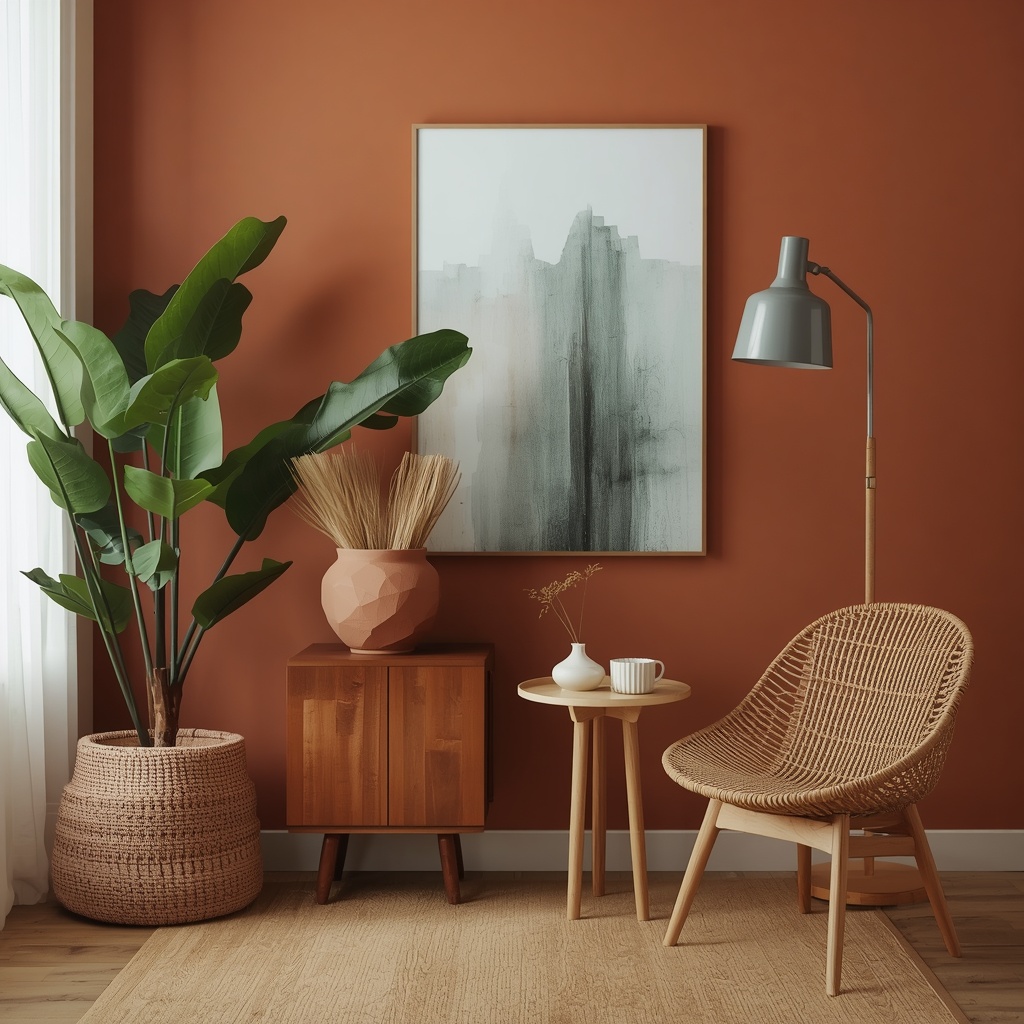
You can paint your walls terracotta all day, but if your furniture is all plastic laminate and synthetic fabric, the organic look simply won’t land. Natural, sustainable materials are non-negotiable in this design style.
Wood
Raw, reclaimed, or live-edge wood is the backbone of the modern organic interior. Look for furniture with visible grain, knots, and variation — imperfection is the point. Mango wood, walnut, white oak, and acacia are among the most popular choices in American home decor right now.
- Coffee tables: live-edge slabs or turned-leg designs in warm walnut
- Shelving: floating white oak or raw pine with visible grain
- Flooring: wide-plank hardwood in warm honey or natural gray tones
Rattan, Cane & Wicker
These woven natural materials add visual texture and a handcrafted quality that no mass-produced piece can replicate. A rattan pendant light over a dining table or a cane-front dresser in a bedroom instantly communicates “organic” without screaming it.
Linen, Cotton & Wool
Synthetic fabrics are the kryptonite of organic interiors. Swap your polyester throw pillows for stonewashed linen, your microfiber couch for a cotton slipcover sofa, and your acrylic area rug for a hand-knotted wool or jute rug. The tactile difference alone will transform how your space feels.
Ceramic & Stone
Unglazed ceramic vessels, stone coasters, travertine trays, and marble side tables bring in the mineral world. These materials age beautifully and add a sense of permanence and craft to the space.
“Touch is the forgotten sense in interior design. When every surface invites you to reach out and feel it, you know the room is working.”
Furniture Selection: How to Choose Organic-Inspired Pieces
Furniture in a modern organic interior tends to follow a few key principles: low profiles, soft curves, and natural finishes. Think of the visual weight of each piece — organic rooms breathe, so overstuffed sectionals and heavy, dark furniture can kill the lightness you’re trying to achieve.
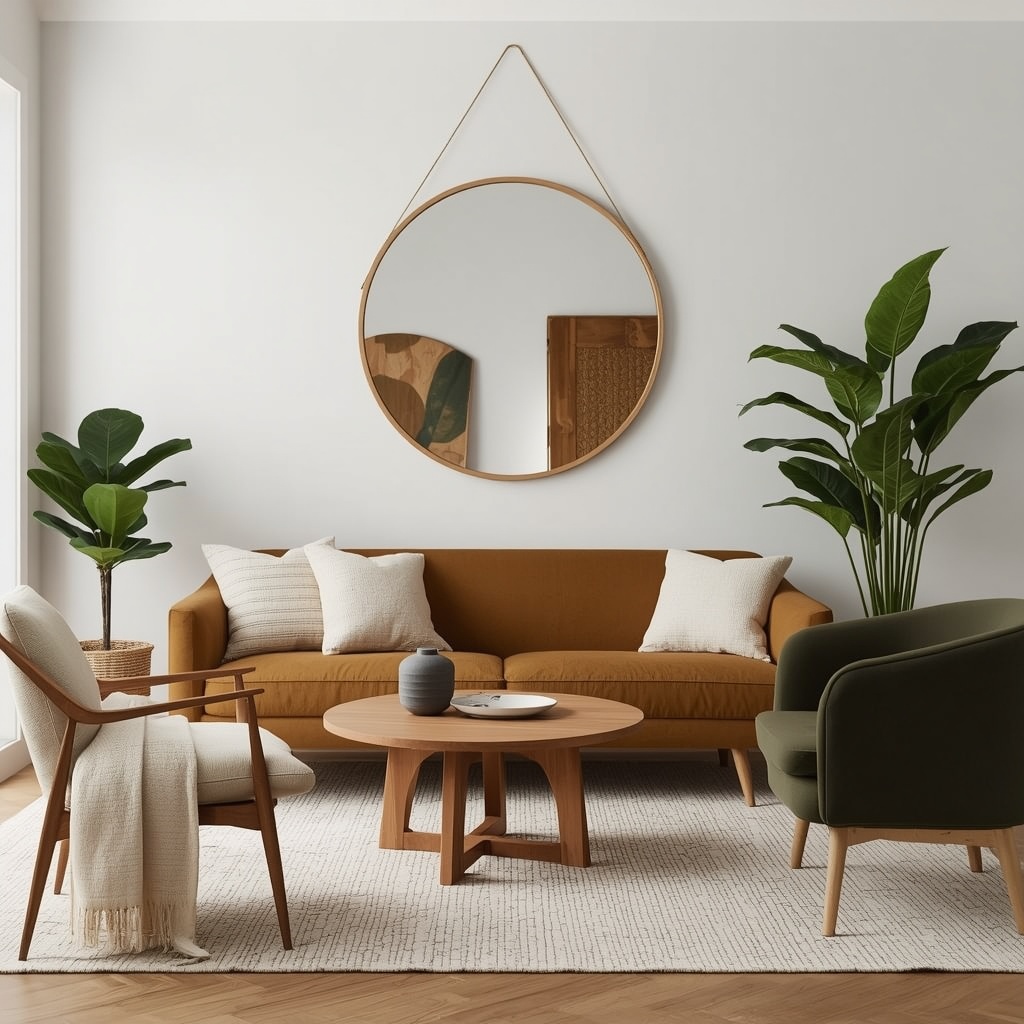
Here’s what to look for when shopping for furniture that fits the modern organic aesthetic:
Silhouette: Rounded edges over sharp corners. Curved sofas, bouclé armchairs, and arched mirrors are having a major moment — and for good reason. Curves mimic nature; straight lines mimic factories.
Finish: Matte over glossy. Brushed brass or blackened iron hardware over chrome. Raw over lacquered.
Scale: Choose furniture that’s appropriately sized for your room. In the organic aesthetic, a few well-chosen, well-made pieces trump a room stuffed with cheaper alternatives.
Color: Stay within your earth tone palette. A warm camel leather sofa, a flax-colored linen sectional, or a deep olive velvet chair all work beautifully.
Where to shop: Retailers like Article, Crate & Barrel, West Elm, and Arhaus carry strong organic-leaning collections. For vintage and one-of-a-kind finds, Chairish and local estate sales are goldmines.
Layering Textures: The Secret to a Cozy, Lived-In Look
If there’s one skill that separates a professionally designed organic interior from a DIY attempt, it’s texture layering. This is the art of combining multiple materials and finishes within the same space so that the eye travels comfortably around the room and lands on something interesting at every stop.
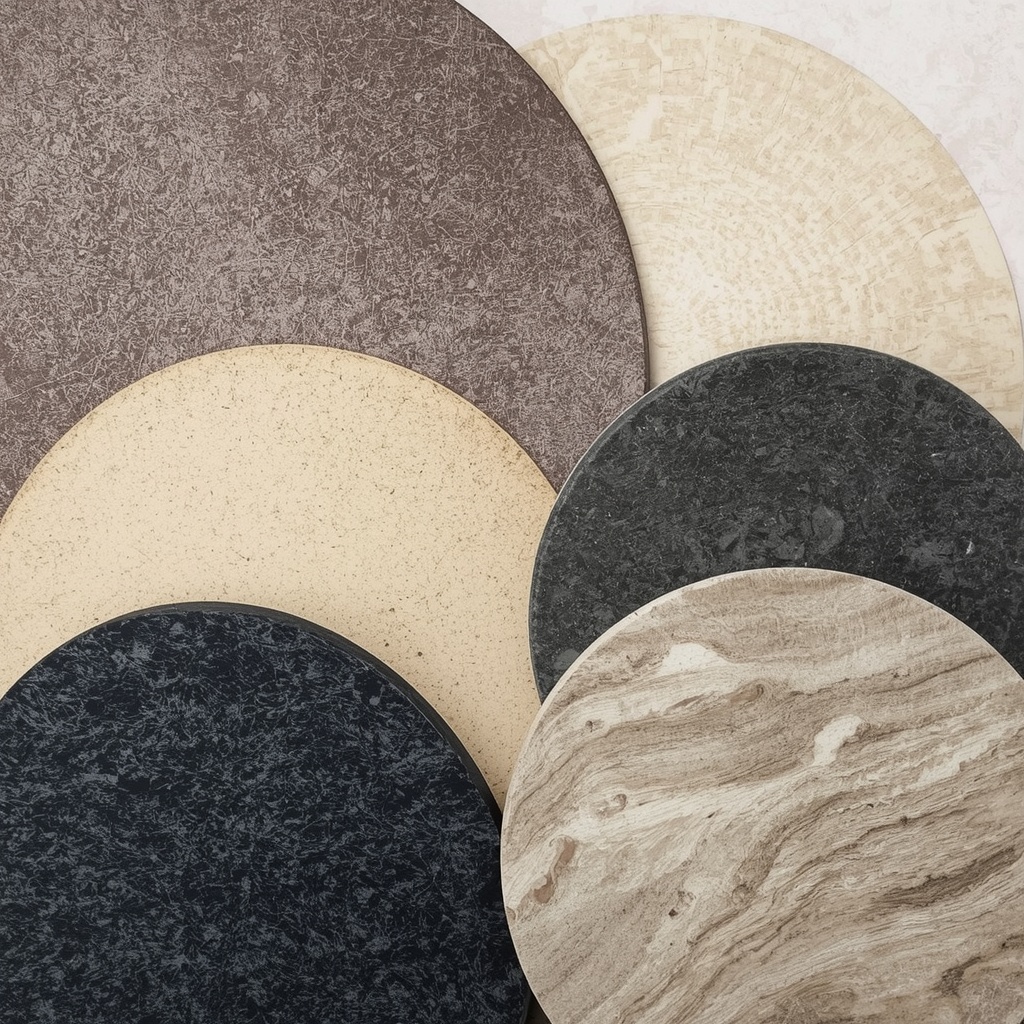
Here’s a simple texture-layering formula for a living room:
- Foundation layer — A large jute or wool area rug anchors the space
- Seating layer — A linen sofa with a chunky knit throw draped over one arm
- Surface layer — A raw wood coffee table with a stone tray, ceramic candle holders, and a stack of hardcover books
- Wall layer — Textured wall art, a macramé hanging, or a large woven tapestry
- Ceiling layer — A rattan or linen pendant light that adds warmth overhead
- Plant layer — Live greenery in unglazed ceramic or terracotta pots
Each layer adds depth without adding chaos. The key is to vary the scale and weight of textures — pair something heavy (chunky rug) with something delicate (linen curtains), and something rough (raw wood) with something soft (bouclé pillow).
💡 Pro Tip: Don’t underestimate the power of scent in organic interiors. Candles made with beeswax or soy, essential oil diffusers with cedarwood or eucalyptus, and even a bowl of dried botanicals reinforce the sensory experience of your space. The best rooms appeal to all five senses, not just sight.
Biophilic Design: Bringing Nature Indoors
No modern organic interior is complete without living plants. Biophilic design — the practice of connecting indoor spaces to the natural world — has been shown in multiple studies to reduce stress, improve air quality, and increase feelings of well-being. For American homeowners, it’s also become one of the most accessible and affordable ways to elevate a space instantly.
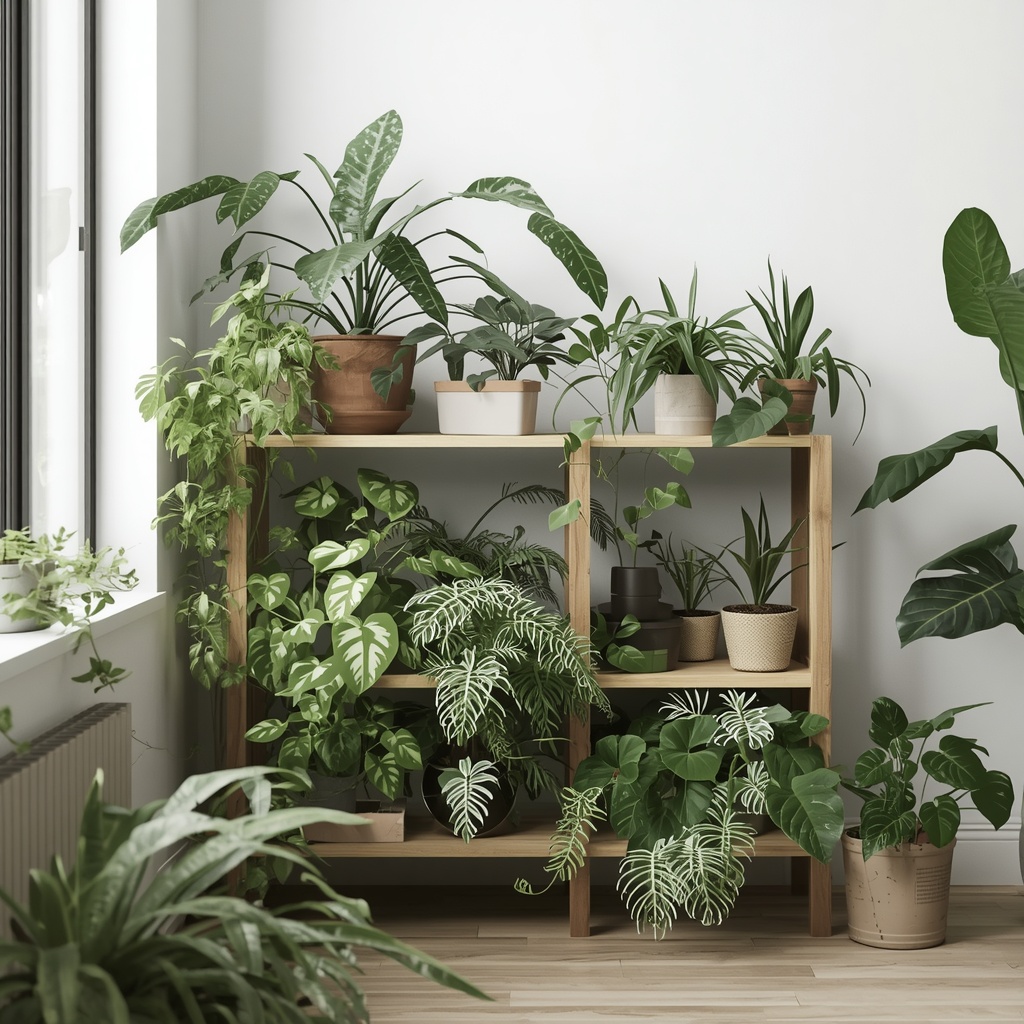
Best Plants for an Organic Interior Aesthetic
| Plant | Light Requirement | Why It Works |
|---|---|---|
| Fiddle Leaf Fig | Bright indirect | Dramatic silhouette, sculptural quality |
| Olive Tree | Full sun | Mediterranean warmth, silvery-green foliage |
| Pothos | Low to medium | Trailing vines, extremely low maintenance |
| Snake Plant | Low to bright | Architectural form, air purifying |
| Pampas Grass (dried) | N/A (dried) | Texture, movement, zero maintenance |
| Monstera Deliciosa | Medium indirect | Bold tropical leaves, design-forward |
Beyond potted plants, dried botanicals like pampas grass, dried cotton branches, and eucalyptus bundles have become staples of the organic interior — they require zero upkeep and add incredible texture.
Natural light is equally important. Remove heavy drapes and replace them with linen or cotton curtains in warm white or oatmeal tones that let light filter through while maintaining privacy. Consider adding mirrors with organic frames — arched, oval, or irregular-shaped — to bounce natural light around the room.
Room-by-Room Application: Bringing the Organic Look to Every Space
Living Room
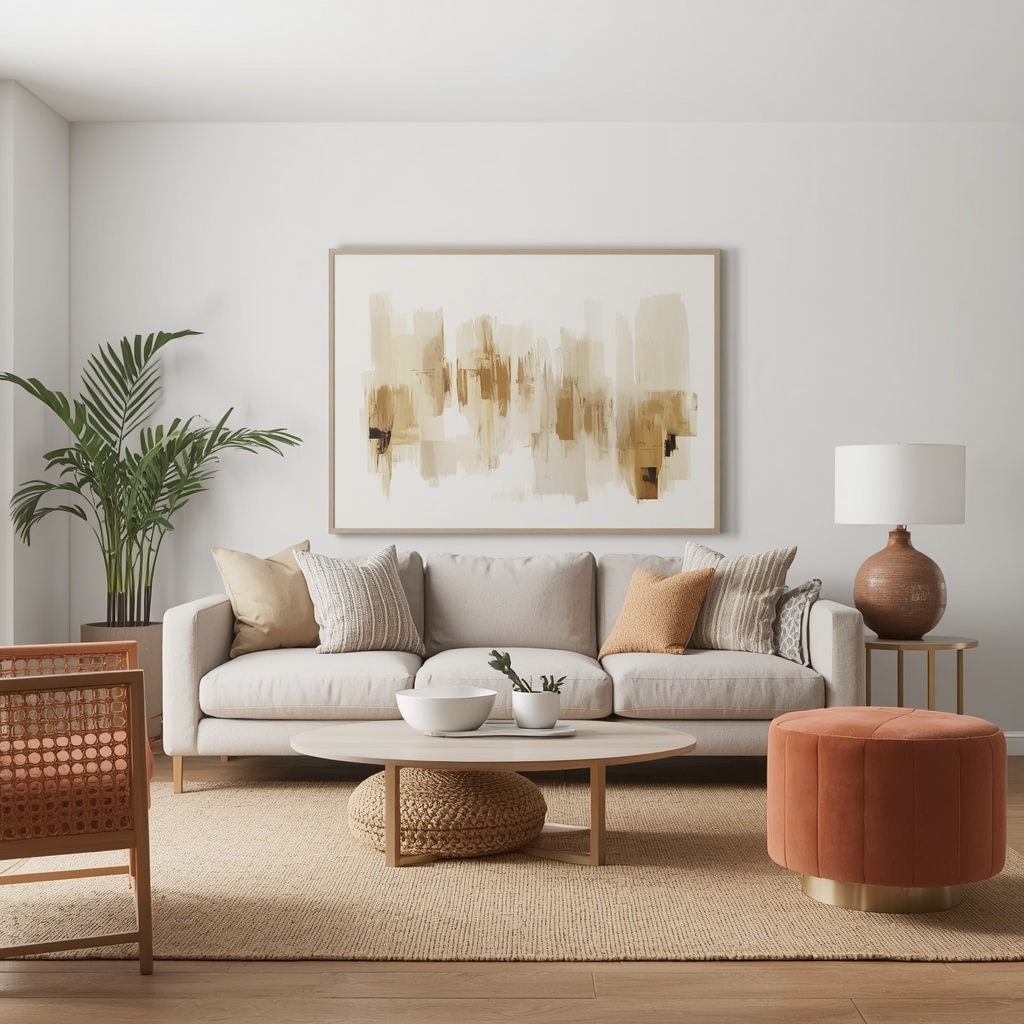
The living room is where the modern organic aesthetic shines brightest. Anchor the space with a large, neutral-toned sofa — linen, cotton canvas, or bouclé — and build outward from there. Add a low-profile coffee table in raw wood or travertine, layer in a jute rug, and hang an oversized piece of abstract or nature-inspired artwork on the main wall.
Avoid matching furniture sets. Instead, curate pieces from different sources that share a color story and material DNA. Mix a cane armchair with a curved velvet loveseat. Pair a brass floor lamp with an aged terracotta vase. The slight mismatch is what makes it feel curated rather than catalog-bought.
Bedroom
The bedroom should be your most calming organic space. Start with linen bedding in warm white, oatmeal, or dusty blush. Add a wooden headboard with visible grain, layer in a chunky knit throw at the foot of the bed, and place matching ceramic lamps on nightstands made of natural wood or stone.
Keep the color palette soft and quiet. Deep terracotta or sage green works beautifully as an accent wall behind the bed — it creates a cocooning effect that makes the room feel like a sanctuary.
Kitchen & Dining
In the kitchen, embrace open shelving in raw wood or white oak to display your ceramics, glassware, and cookware as decor. Choose hardware in brushed brass or matte black over chrome. Add a large bowl of seasonal fruit or a bundle of fresh herbs on the counter — functional and beautiful.
For the dining room, a live-edge wood dining table is the ultimate statement piece. Pair it with rattan or linen-upholstered chairs and hang a sculptural rattan or linen pendant light above. A simple centerpiece of candles, a ceramic bowl, and a few stems of dried botanicals completes the look.
Common Mistakes to Avoid
Even with the best intentions, the modern organic aesthetic can go sideways. Here are the most common pitfalls American homeowners make — and how to sidestep them:
- Going too beige: Earth tones need contrast. Without depth, a room looks washed out. Add darker accents — deep olive, warm espresso, or charcoal — to ground the palette.
- Buying everything from one store: Organic interiors look collected, not purchased. Mix vintage with new, high-end with affordable.
- Ignoring lighting: Warm-toned bulbs (2700K–3000K) are essential. Cool daylight bulbs will destroy your earth tone palette.
- Over-planting: A few well-placed, healthy plants beat 20 struggling ones. Quality over quantity always.
- Skipping window treatments: Bare windows make even the warmest room feel unfinished. Always add soft, natural fabric curtains.
Final Thoughts: Designing a Home That Feels Like You
The modern organic aesthetic isn’t about buying a set of matching furniture or following a rigid formula. It’s about creating a home that feels grounded, intentional, and alive. It’s about choosing materials that were made by hand, colors that echo the landscape, and objects that carry meaning.
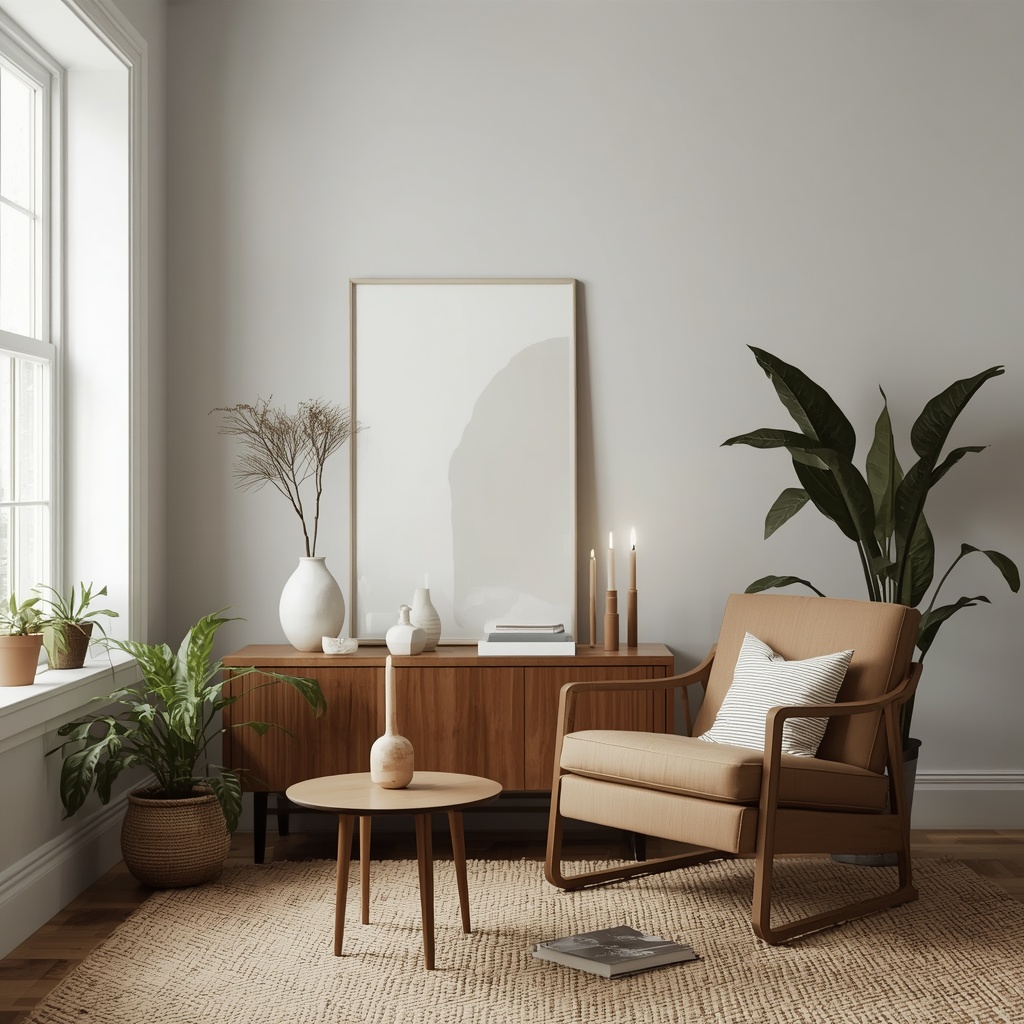
Start small if you need to. Swap one synthetic throw pillow for linen. Add a terracotta pot with a trailing pothos to your windowsill. Replace a cool-toned overhead bulb with a warm one. These micro-changes compound quickly, and before long, your home will feel completely transformed — warmer, calmer, and unmistakably yours.
The best organic interiors aren’t designed in a single weekend shopping spree. They evolve — one intentional piece at a time. And that, more than any specific product or color, is the true spirit of the modern organic aesthetic.