
Curtains are often the last thing homeowners think about — and the first thing guests notice. As an interior designer who has walked hundreds of clients through the world of window treatments, I can tell you that fabric choice makes or breaks a room faster than paint color, furniture layout, or even lighting. The wrong curtain fabric can make a sun-drenched living room feel flat and lifeless, while the right one can transform a plain window into the focal point of the entire space.
Choosing curtain fabric isn’t just about picking a pretty pattern off a swatch book. It’s about understanding light control, room function, fabric weight, maintenance, and how everything works together with your existing decor. In this guide, I’ll walk you through the essential dos and don’ts of selecting curtain fabric, so you can avoid costly mistakes and create a home that feels curated, not chaotic.
Why Curtain Fabric Matters More Than You Think
Window treatments account for a huge portion of the visual real estate in any room. Curtains frame your windows, filter natural light, insulate against temperature swings, and add texture to an otherwise flat wall. When you get the fabric right, curtains do quiet, powerful work — softening hard architectural lines, absorbing sound, and tying together your color palette.
Get it wrong, though, and you’ll notice it every single day. A heavy velvet in a humid sunroom will feel out of place. A flimsy sheer in a north-facing bedroom won’t block enough light for a good night’s sleep. Fabric selection is functional design as much as it is aesthetic design, and that’s exactly why it deserves more attention than a five-minute online order.
“Curtains are the jewelry of a room. They don’t need to shout, but they absolutely need to fit the outfit.” — a philosophy I share with nearly every client during a design consultation.
The Dos of Choosing Curtain Fabric
Do Consider the Room’s Function First
Before you fall in love with a fabric swatch, think about how the room is actually used. A home office needs light control for screen glare. A nursery needs blackout capability for nap time. A dining room might prioritize elegance over privacy. Matching fabric function to room function is the single most important step in the entire process.
Here’s a quick breakdown I share with clients when they’re stuck deciding where to start:
| Room | Primary Need | Recommended Fabric Weight |
|---|---|---|
| Living Room | Light diffusion, texture | Medium-weight linen or cotton blend |
| Bedroom | Privacy, light blocking | Heavy blackout-lined fabric |
| Kitchen | Easy cleaning, moisture resistance | Lightweight cotton or polyester blend |
| Home Office | Glare reduction | Medium-weight linen or woven blend |
| Nursery | Blackout, safety | Blackout-lined cotton |
| Dining Room | Elegance, drape | Silk, velvet, or heavyweight linen |
Pro Tip: Always bring home a fabric sample and observe it at different times of day — morning light and evening light reveal completely different undertones and levels of transparency.
Do Factor in Natural Light and Orientation
South- and west-facing windows receive intense, prolonged sunlight, which can fade cheap fabrics within a year or two. If your room gets significant sun exposure, invest in fade-resistant, UV-treated fabrics like solution-dyed acrylic or high-quality cotton blends. North-facing rooms, on the other hand, benefit from lighter, brighter fabrics that bounce available light around rather than absorbing it.
Think of your curtain fabric as sunscreen for your interior. Just as you wouldn’t skip sunscreen on a beach day, you shouldn’t skip fade-resistance in a sun-soaked living room. A little research into fiber content now saves you from replacing dull, discolored curtains in eighteen months. Natural fibers like linen and cotton are beautiful but degrade faster in direct UV exposure unless they’ve been specially treated.
Do Match Fabric Weight to Curtain Style
Fabric weight determines how curtains hang, fold, and move. Lightweight fabrics like voile, chiffon, and linen sheers create a soft, airy drape that flutters gently and lets in filtered light. Medium-weight fabrics like cotton, cotton-linen blends, and lightweight jacquards offer a classic, tailored look. Heavyweight fabrics like velvet, wool blends, and thick brocades provide dramatic, structured folds and excellent insulation.
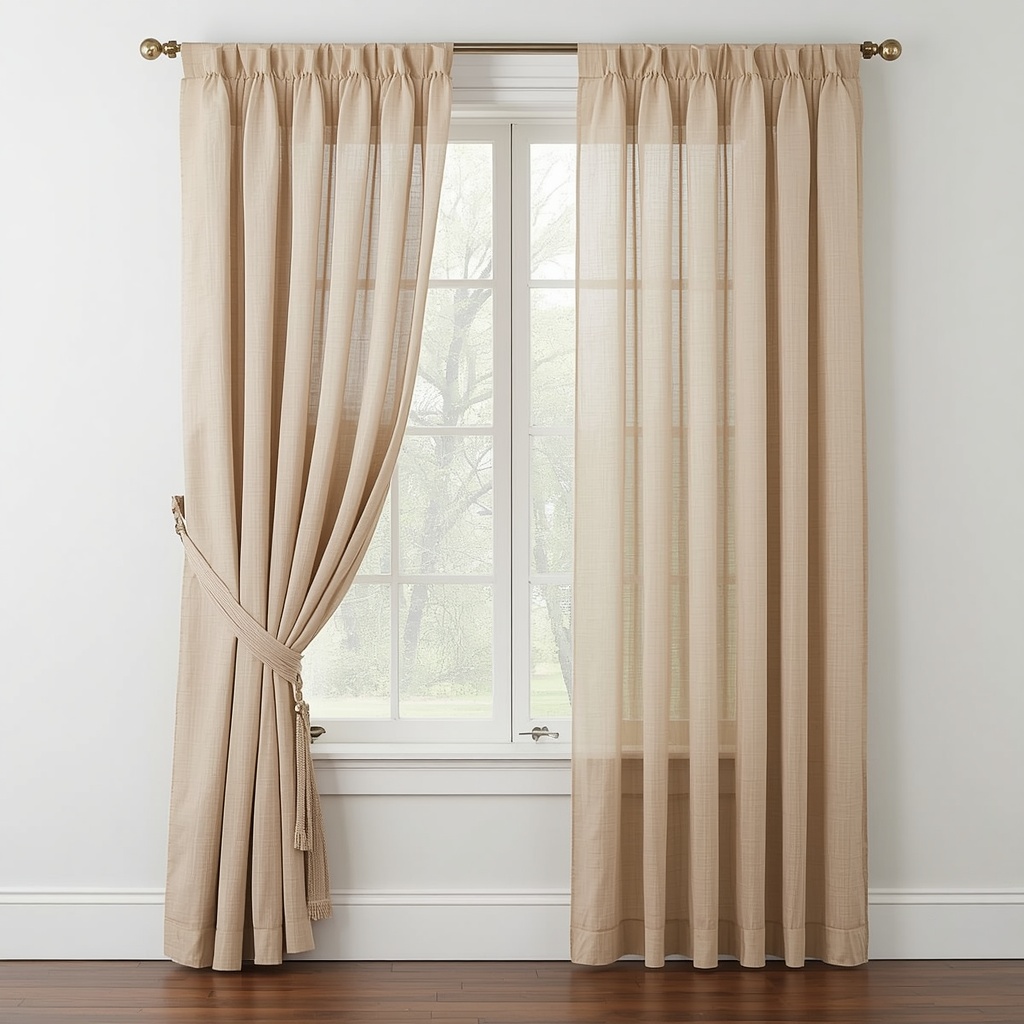
- Lightweight (sheers, voile, chiffon): Best for layering, adding softness, and maximizing light
- Medium-weight (cotton, linen blends): Best for everyday living spaces and versatile styling
- Heavyweight (velvet, wool, brocade): Best for formal rooms, bedrooms, and noise/temperature control
- Blackout-lined (any base fabric with lining): Best for bedrooms, media rooms, and nurseries
Do Test for Drape and Movement
A fabric’s “hand” — how it feels and moves when handled — tells you almost everything about how it will perform once hung. Stiff fabrics hold structured pleats beautifully but can look rigid in a casual space. Fluid fabrics like linen and silk blends drape gracefully and pool elegantly at the floor, but they may need more yardage to achieve that effect.

Before committing, take a fabric sample and literally scrunch it in your hand, then let it fall. Does it bounce back into soft folds, or does it wrinkle and stay creased? This simple test predicts exactly how your finished curtains will behave once they’re hemmed, hung, and left to move with the breeze from an open window or HVAC vent.
Do Coordinate With Existing Decor — Without Matching Everything
Curtains should feel connected to your room, not identical to it. Instead of matching your curtains exactly to your sofa or wallpaper, pull one secondary color or texture from the room and let the curtains echo it subtly. This creates cohesion without looking like a matchy-matchy showroom display.
The Don’ts of Choosing Curtain Fabric
Don’t Ignore Maintenance Requirements
Silk and velvet look luxurious, but many require dry cleaning, which adds ongoing cost and hassle. If you have kids, pets, or a kitchen window, prioritize machine-washable cotton or polyester blends instead. Ask yourself honestly: will I actually take these curtains to the dry cleaner twice a year, or will they sit dusty and forgotten?
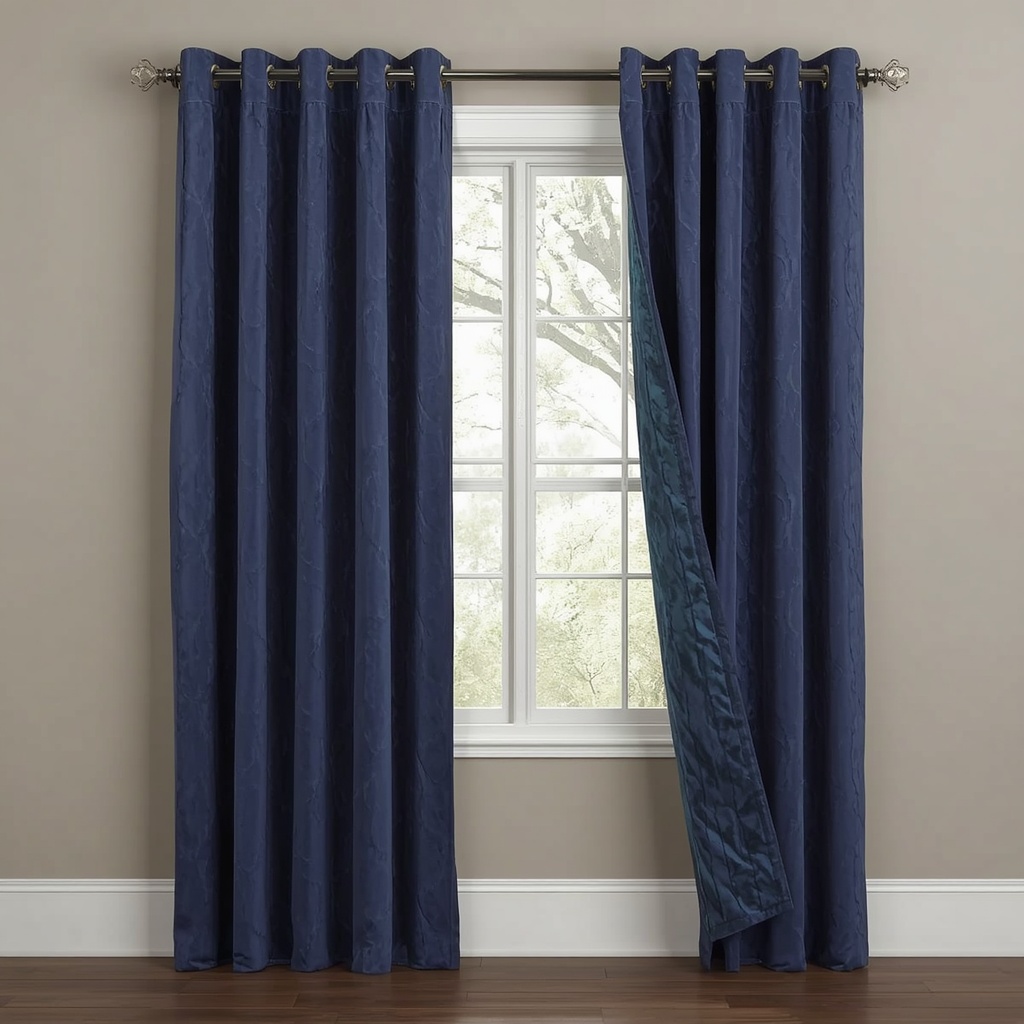
Practicality doesn’t mean sacrificing style. Many performance fabrics today mimic the look of natural silk or linen while offering machine-washable, stain-resistant, and fade-resistant properties. Before falling for a fabric purely on appearance, always check the care label and be realistic about your household’s lifestyle and cleaning habits.
Don’t Choose Fabric Before Measuring Your Windows
One of the most common and costly mistakes is falling in love with a fabric before knowing exactly how much yardage the project requires. Heavier fabrics and floor-length curtains with generous fullness can require significantly more yardage than lightweight, café-length panels — and premium fabrics are priced per yard.
Pro Tip: As a general rule, aim for fullness ratios of 2 to 2.5 times the width of your window for a rich, tailored look. Skimping on fullness is one of the fastest ways to make expensive fabric look cheap.
Don’t Overlook Lining
Unlined curtains might save money upfront, but they fade faster, hang thinner, and offer minimal insulation or light control. A quality lining protects the face fabric from sun damage, adds body and structure to the drape, and can double as blackout or thermal insulation depending on the type you choose.
| Lining Type | Main Benefit | Best For |
|---|---|---|
| Standard cotton lining | Adds body, protects fabric | Most living spaces |
| Blackout lining | Blocks light almost completely | Bedrooms, nurseries, media rooms |
| Thermal/insulated lining | Reduces energy loss | Cold climates, drafty windows |
| Interlining (fabric layer between face and lining) | Adds luxurious weight and drape | Formal rooms, high-end projects |
Don’t Choose Busy Patterns for Small Rooms
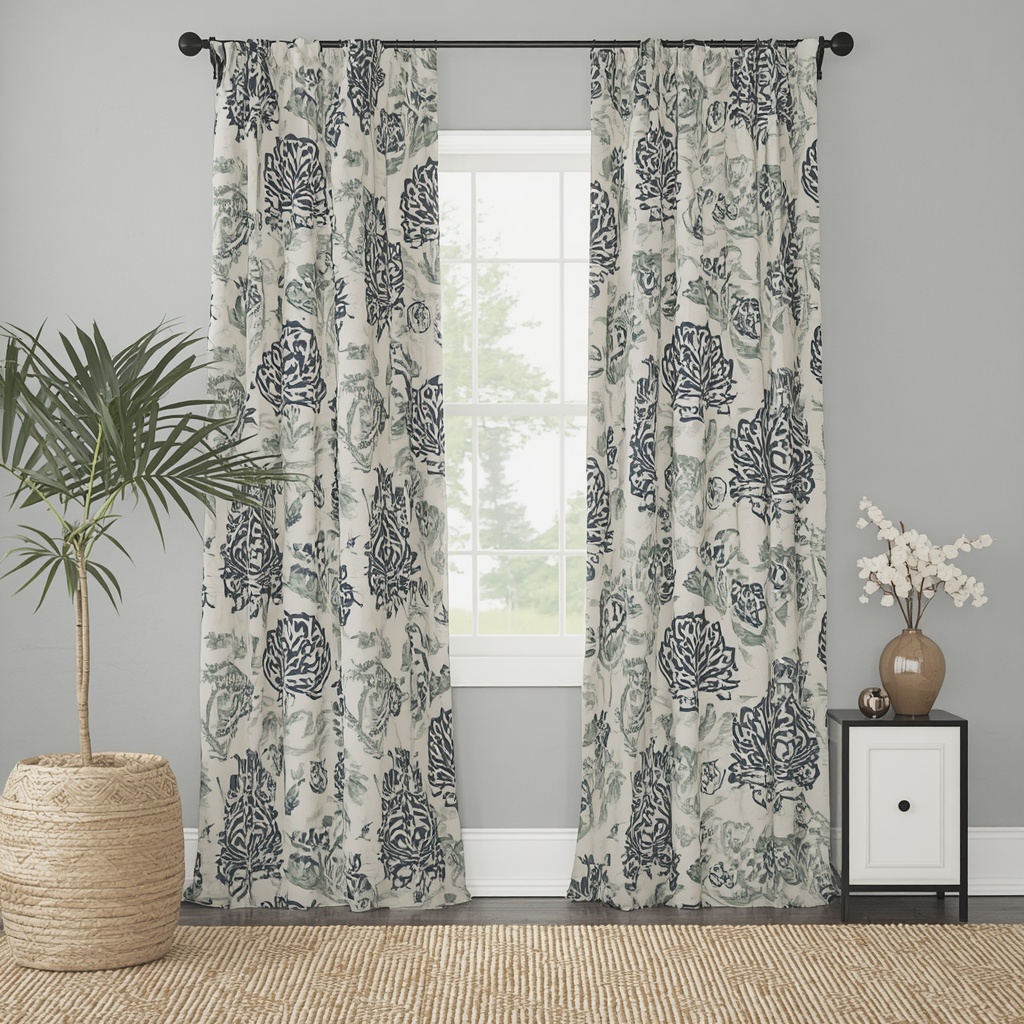
Large, high-contrast prints can visually shrink a small room and compete with other patterned elements like rugs or upholstery. If your space is compact, lean toward solids, subtle textures, or small-scale prints instead. Save the bold botanical or geometric statement fabric for larger rooms where it has space to breathe.
Don’t Forget About Sound and Insulation Needs
Fabric isn’t just visual — it’s acoustic and thermal, too. Thin, lightweight curtains do little to dampen outside noise or prevent drafts near older windows. If you live on a busy street or in an older home with single-pane windows, prioritize heavier, tightly woven fabrics or add an insulated lining to improve both comfort and energy efficiency.

Common Curtain Fabric Types at a Glance
| Fabric | Light Filtration | Durability | Maintenance | Best Use |
|---|---|---|---|---|
| Linen | Moderate | Medium | Moderate | Living rooms, casual elegance |
| Cotton | Moderate to High | High | Easy (washable) | Kitchens, bedrooms, everyday rooms |
| Velvet | Low (great blackout) | High | Dry clean/vacuum | Bedrooms, formal spaces, winter homes |
| Silk | Low to Moderate | Medium (delicate) | Dry clean only | Dining rooms, formal living spaces |
| Polyester Blend | Varies | High | Easy (washable) | High-traffic, budget-friendly rooms |
| Voile/Sheer | High | Low to Medium | Easy (washable) | Layering, sunrooms, soft light diffusion |
A Quick Decision Checklist
Before you buy a single yard of fabric, run through this list:
- What is the primary function of this room — privacy, light control, or aesthetics?
- How much direct sunlight does the window receive daily?
- Do I need blackout or thermal lining for comfort and energy savings?
- What’s my realistic maintenance tolerance — washable or dry-clean only?
- Have I measured for proper fullness (2 to 2.5 times the window width)?
- Does this fabric complement, rather than compete with, my existing decor?
- Is the pattern scale appropriate for the size of the room?
Final Thoughts From a Designer’s Perspective
Choosing curtain fabric is a balance of art and function. It’s tempting to shop by color alone, but the fabrics that stand the test of time are the ones chosen with light exposure, room purpose, and lifestyle in mind. When in doubt, always request a sample swatch and live with it in your space for a few days before committing to yardage — fabric behaves differently under your specific lighting than it does under a showroom’s carefully curated bulbs.
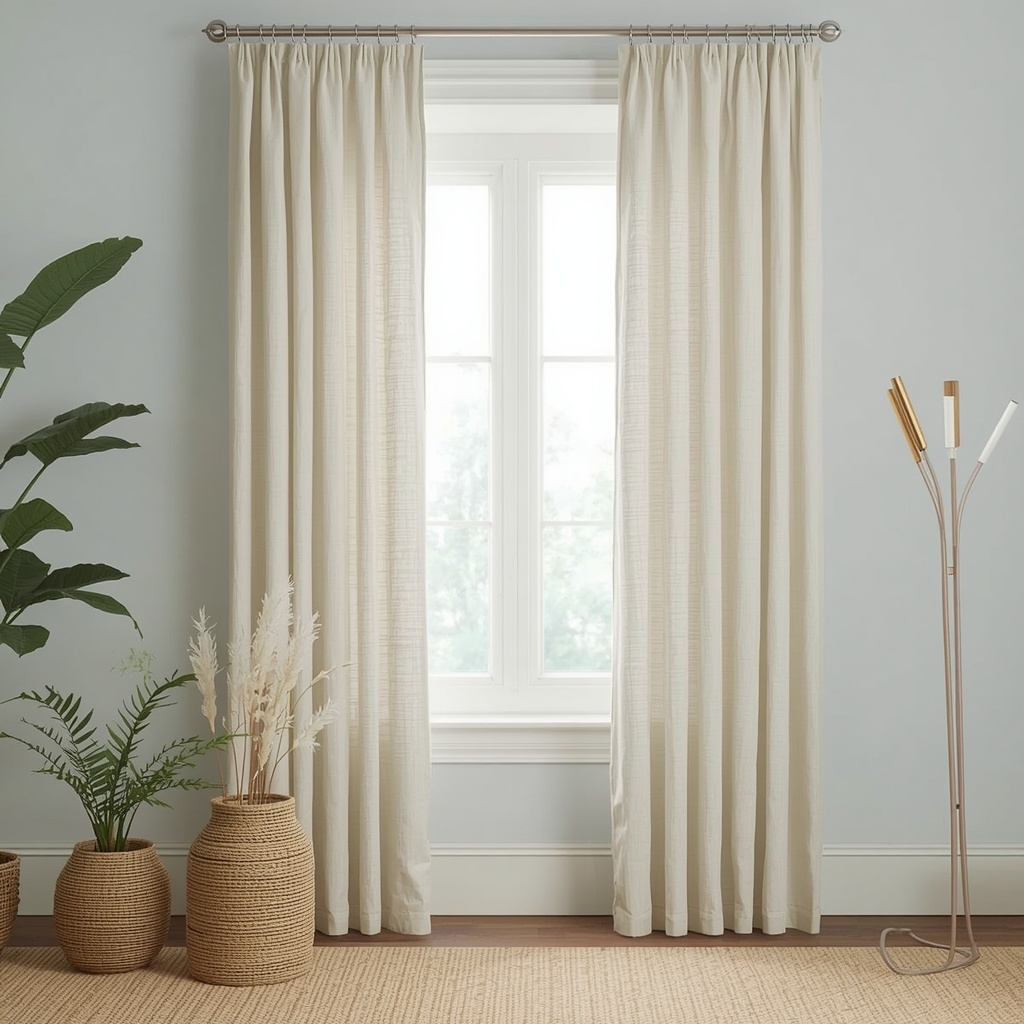
At the end of the day, your curtains should feel like a natural extension of your home’s personality, not an afterthought bolted onto the window at the last minute. Take the time to consider weight, weave, lining, and maintenance alongside color and pattern, and you’ll end up with window treatments that look intentional, function beautifully, and stand up to years of daily life.