
There’s a quiet kind of joy that comes from opening your front door to a beautiful wreath — but let’s be honest, most of us dread the ladder-climbing, storage-bin-digging ritual of swapping it out every few weeks. As an interior designer who spends half her year styling entryways for clients across the country, I can tell you the secret the design world doesn’t advertise enough: you don’t have to take your wreath down.
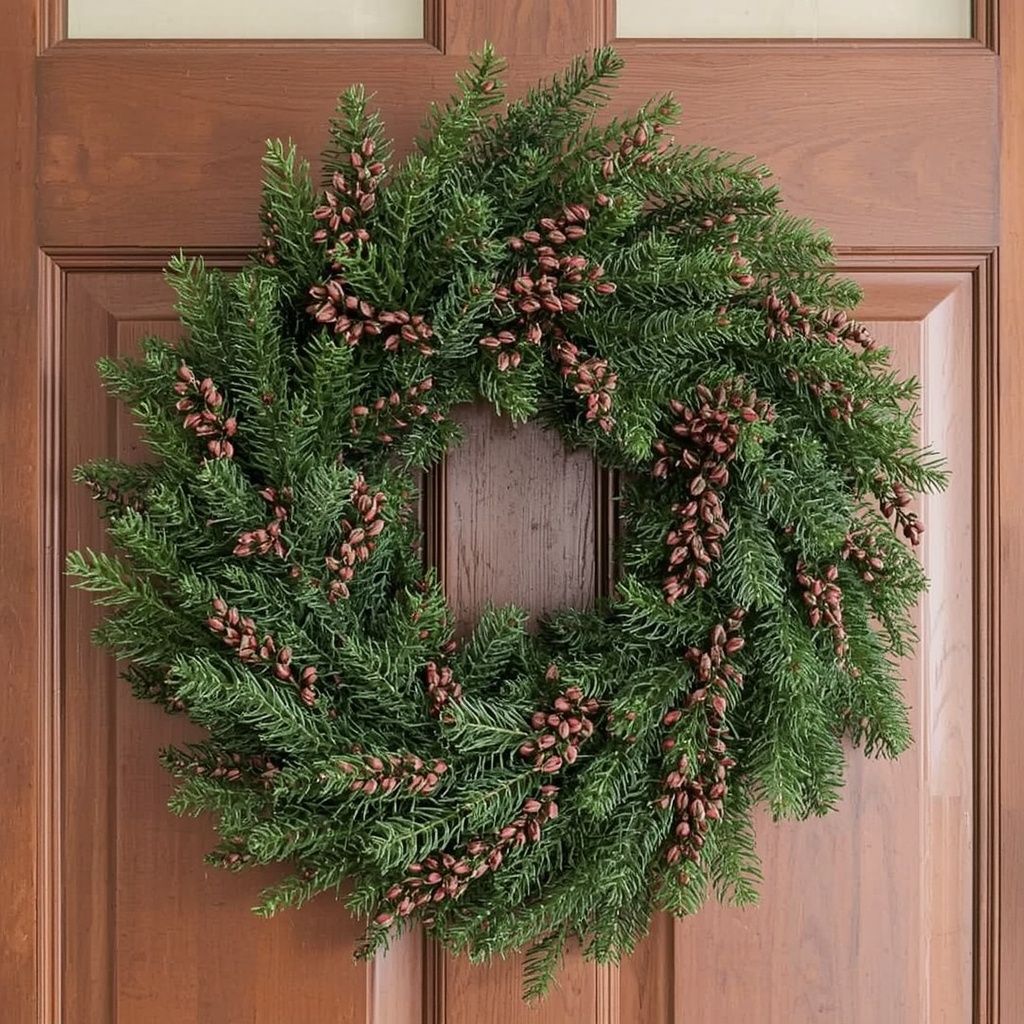
The right wreath, chosen with a little intention, can move from December’s twinkle lights straight through spring blooms, summer sun, and autumn leaves without ever looking out of place. In this guide, I’ll walk you through exactly which wreath styles, materials, and colors have the staying power to become a true year-round fixture — plus how to refresh them seasonally with small, low-effort touches instead of a full replacement.
Why a Year-Round Wreath Is a Smarter Design Choice
Seasonal wreaths are lovely, but they’re also a recurring expense, a storage headache, and — if you’re using fresh greenery — a source of dropped needles and faded ribbon by February. A well-chosen evergreen or neutral-toned wreath solves all three problems at once, giving your entryway a polished, “curated” look instead of a rotating cast of holiday clichés.
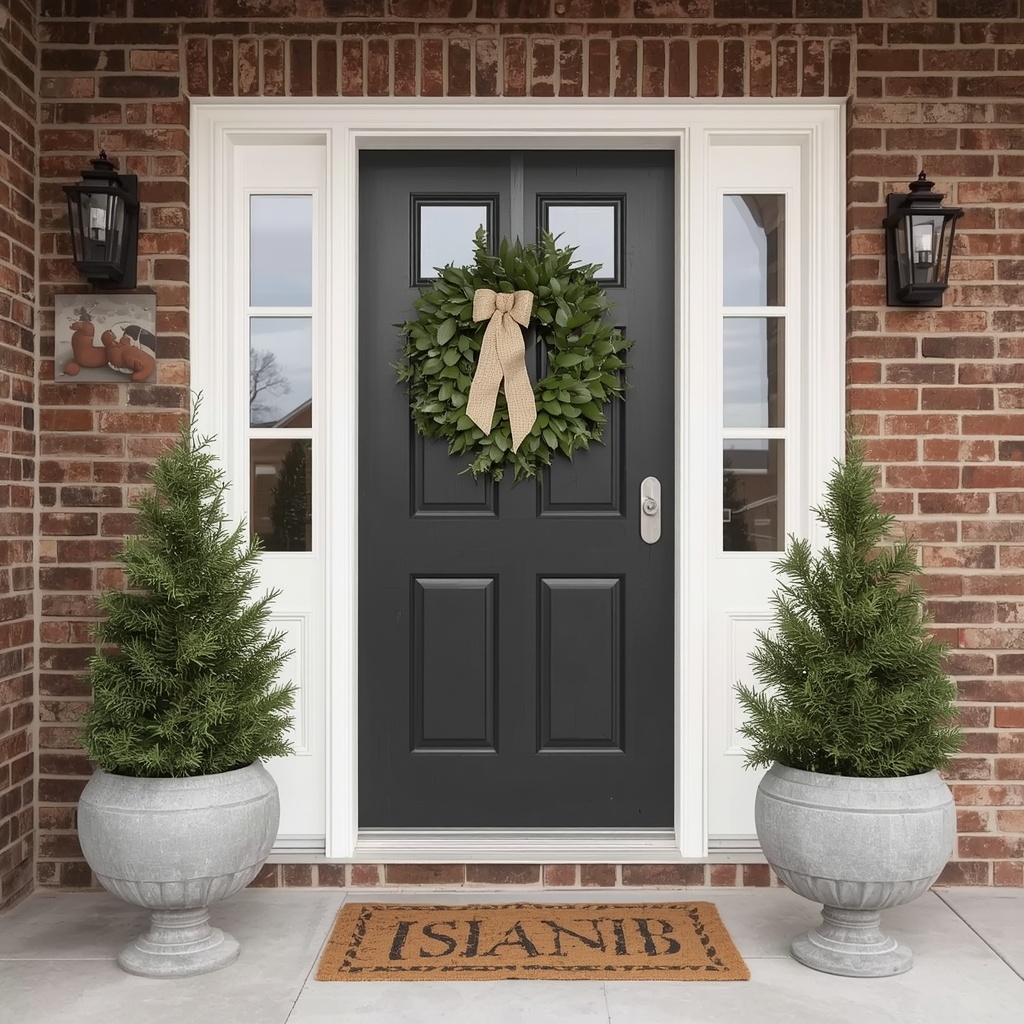
There’s also a design principle at play here: consistency builds visual anchoring. When your front door wreath stays put year-round, it becomes a dependable focal point that lets you experiment more freely with your porch furniture, seasonal planters, and doormats without the whole look feeling chaotic. It’s the decorating equivalent of a great denim jacket — it works with everything, so you never have to think twice.
What Makes a Wreath “All-Season” Ready
Not every wreath can handle twelve months of sun, rain, and temperature swings. Before you commit, look for these characteristics:
- UV-resistant materials that won’t fade or yellow in direct sunlight
- Weatherproof or “all-weather” faux foliage rated for outdoor use
- Neutral or evergreen color palettes (olive, boxwood, eucalyptus, or dried-look tones) that don’t read as “Christmas” or “spring only”
- A sturdy grapevine, twig, or wire base that holds its shape instead of sagging
- Removable accents (bows, picks, sashes) so you can refresh the look without replacing the whole wreath
“The more minimal and natural a wreath looks, the more versatile it is throughout the year,” notes design blog The House of Hood, which recommends keeping the base neutral and updating it seasonally rather than buying something new. (thehouseofhoodblog.com)
Pro Tip: Buy one size up from what you think you need. Designers generally recommend a wreath at least 24–30 inches in diameter for a standard front door — anything smaller tends to look lost once it’s framed by trim and hardware, especially on taller entry doors.
The Best Year-Round Wreath Styles
Here’s how the most popular “keep-it-up-all-year” wreath styles stack up against each other:
| Wreath Style | Best For | Seasonal Flexibility | Maintenance |
|---|---|---|---|
| Boxwood | Traditional & farmhouse homes | Excellent — reads elegant in every season | Low; occasional dusting |
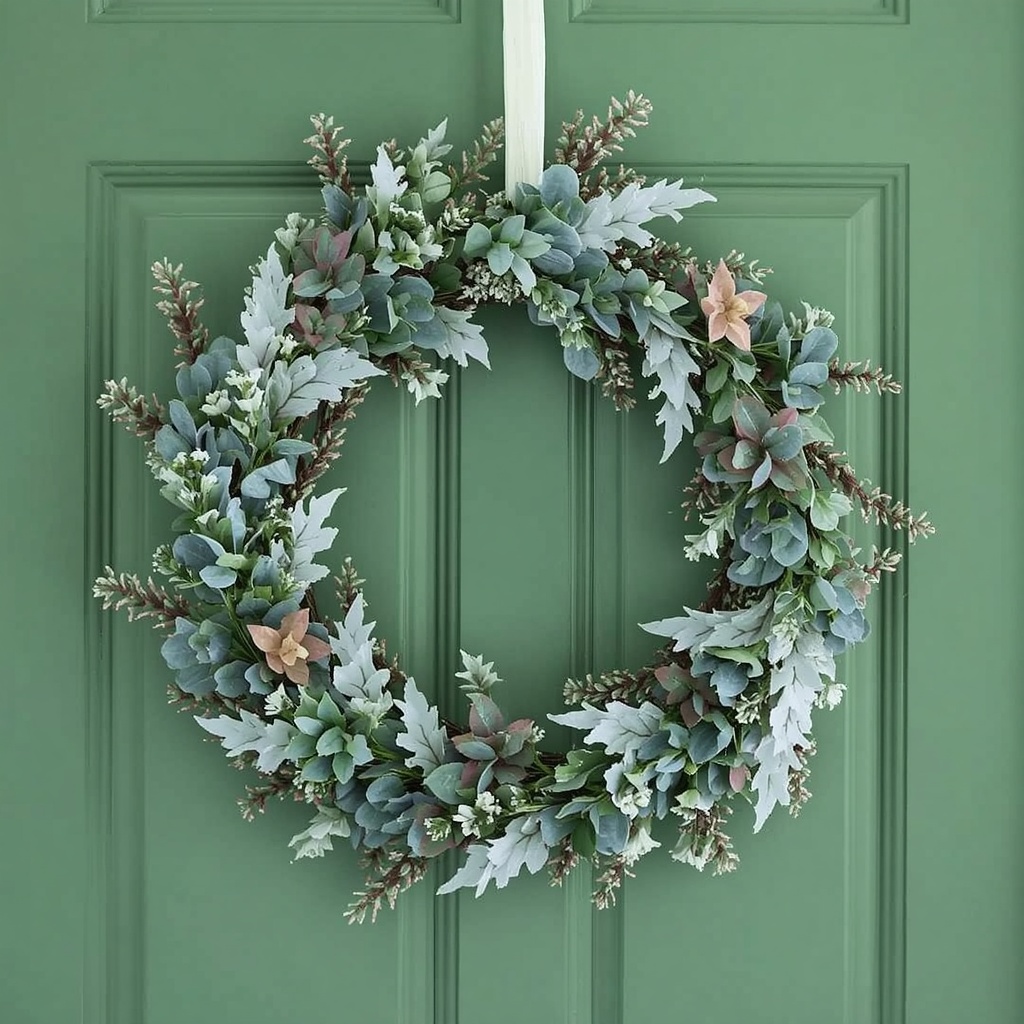
| Eucalyptus | Modern, coastal, and transitional styles | Excellent — soft and airy year-round | Low; wipe with a dry cloth |
| Olive Branch | Mediterranean, modern farmhouse | Very good — muted tone suits darker doors | Low |
| Dried Floral / Pampas | Boho, neutral, minimalist interiors | Good — swap sash for seasonal pops | Medium; avoid heavy rain exposure |
| Grapevine (undressed) | Rustic, cottage, coastal | Excellent — blank canvas for any season | Low |
| Magnolia Leaf | Southern traditional, classic | Very good — glossy leaves feel wintery and warm alike | Low |
Each of these works because the base material itself is seasonally neutral. Instead of screaming “holiday,” it simply says “welcome” — and that’s a message your front door can send in July just as easily as December.
Choosing the Right Wreath for Your Home’s Style
A wreath should feel like it belongs to your house, not like it was grabbed off a big-box shelf. Consider:
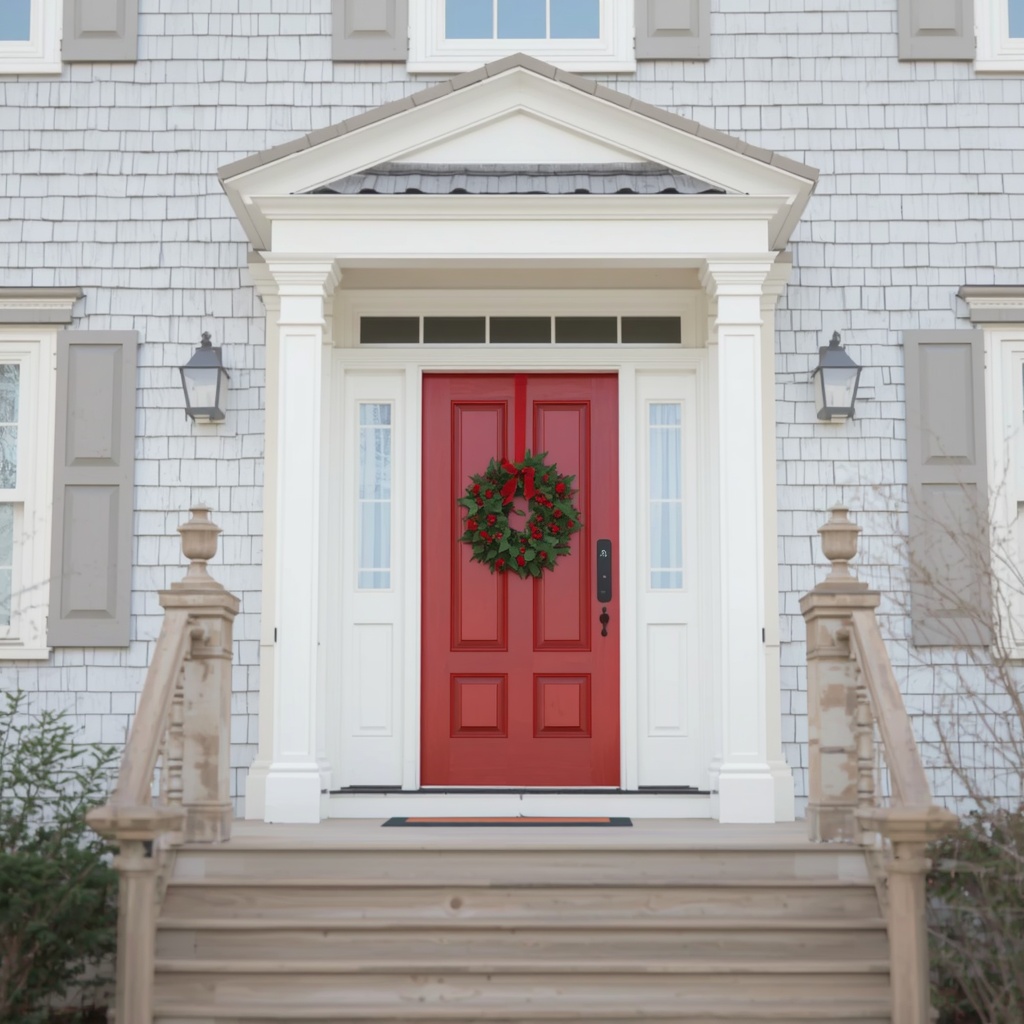
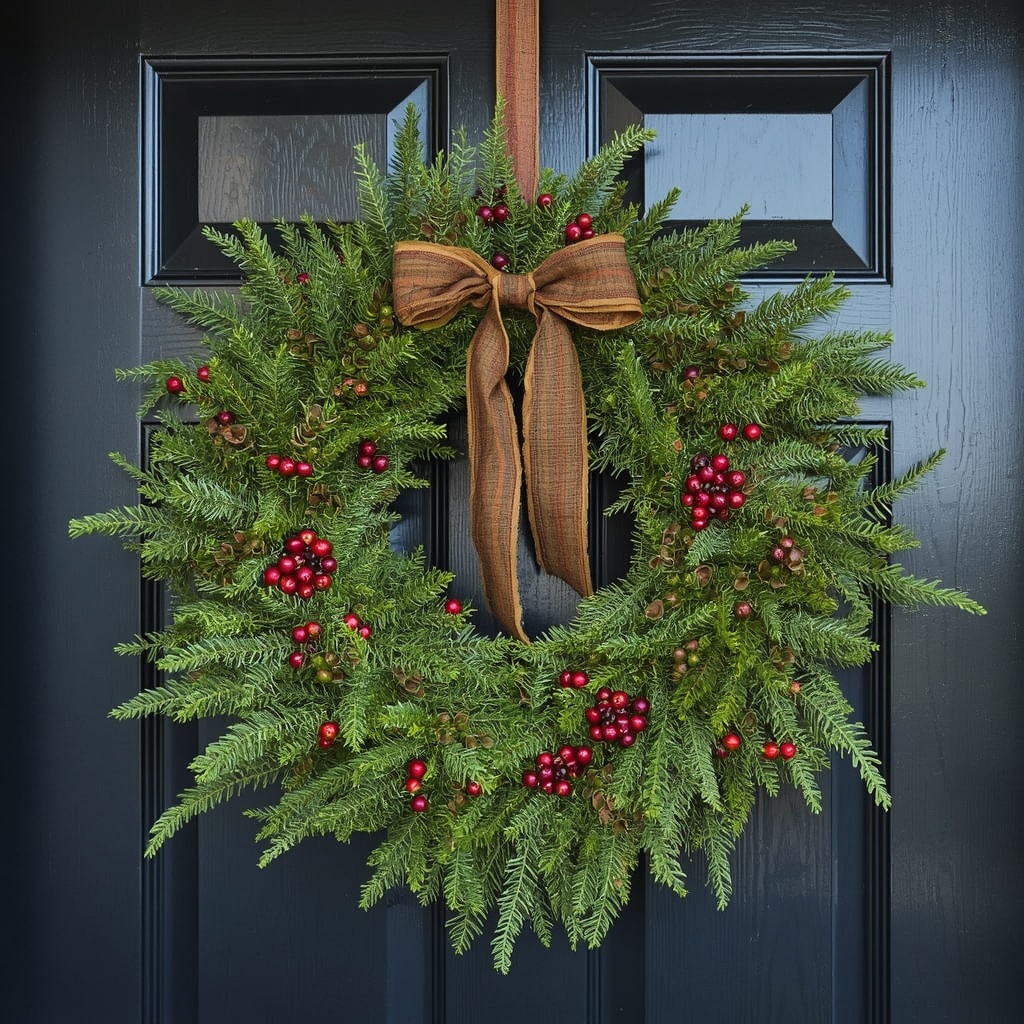
- Door color — Darker doors (navy, black, forest green) make lighter greenery like eucalyptus or olive pop; lighter doors pair beautifully with deeper boxwood or magnolia.
- Architectural style — Craftsman and farmhouse homes lean into texture-rich grapevine or olive; modern homes often look best with clean, symmetrical boxwood.
- Climate — If your porch gets full sun, prioritize UV-treated faux materials over anything labeled “indoor only.”
- Existing hardware — Match your wreath hanger finish (matte black, brass, bronze) to your door hardware for a cohesive, intentional look.
Even industry publications echo this approach — a recent HGTV feature on seasonal wreaths advised homeowners to think beyond favorite colors and instead choose pieces that complement their home’s exterior palette and architectural character. (hgtv.com)
How to “Re-Season” a Year-Round Wreath
This is where the real magic happens. Instead of buying four wreaths a year, buy one great base and refresh it with small, inexpensive accents.
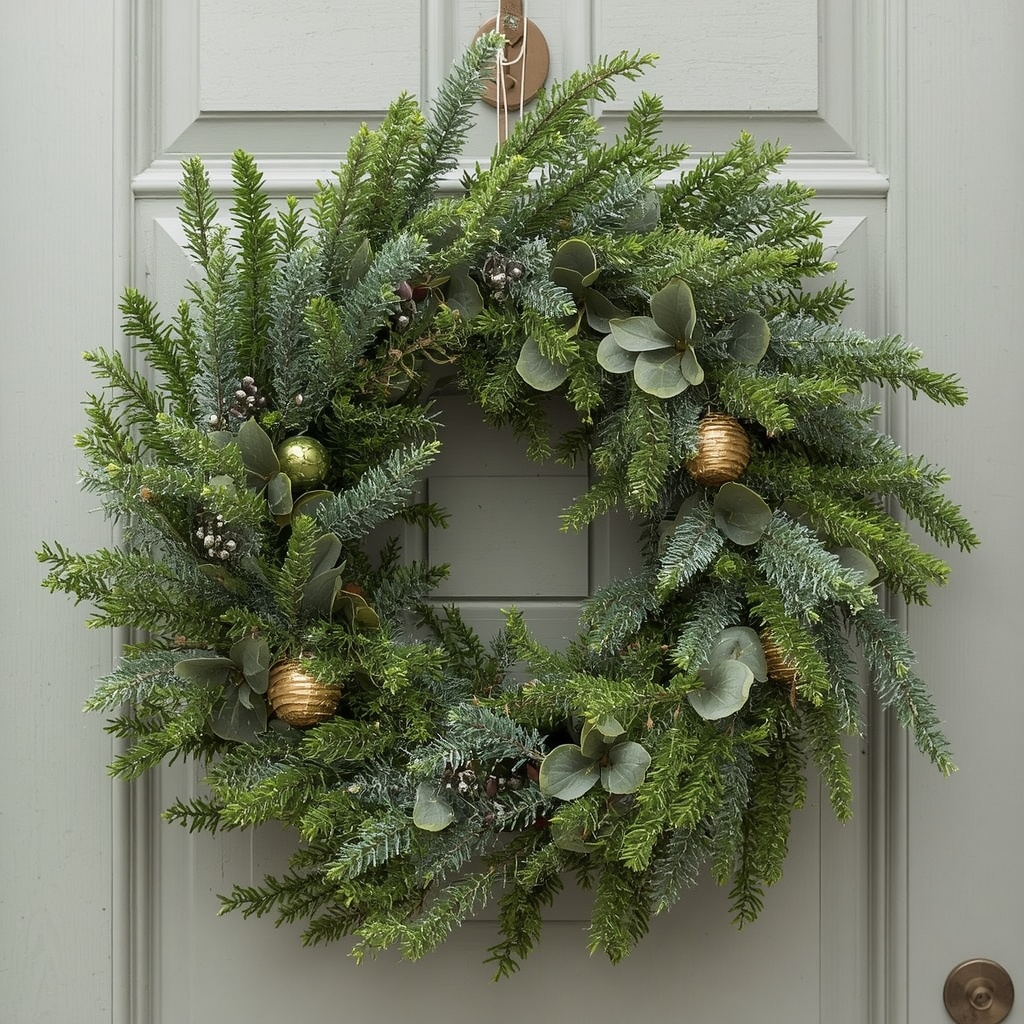
Here’s a simple seasonal rotation using one boxwood or eucalyptus base wreath:
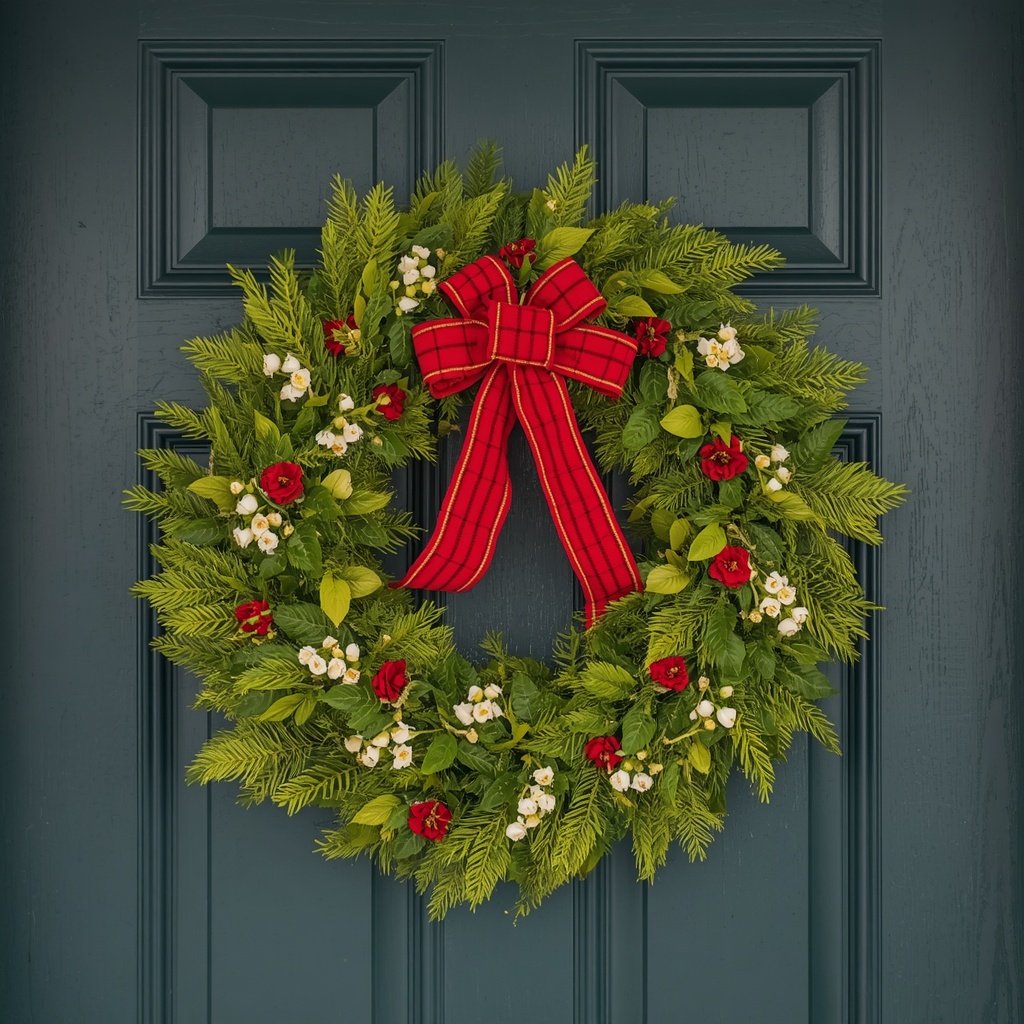
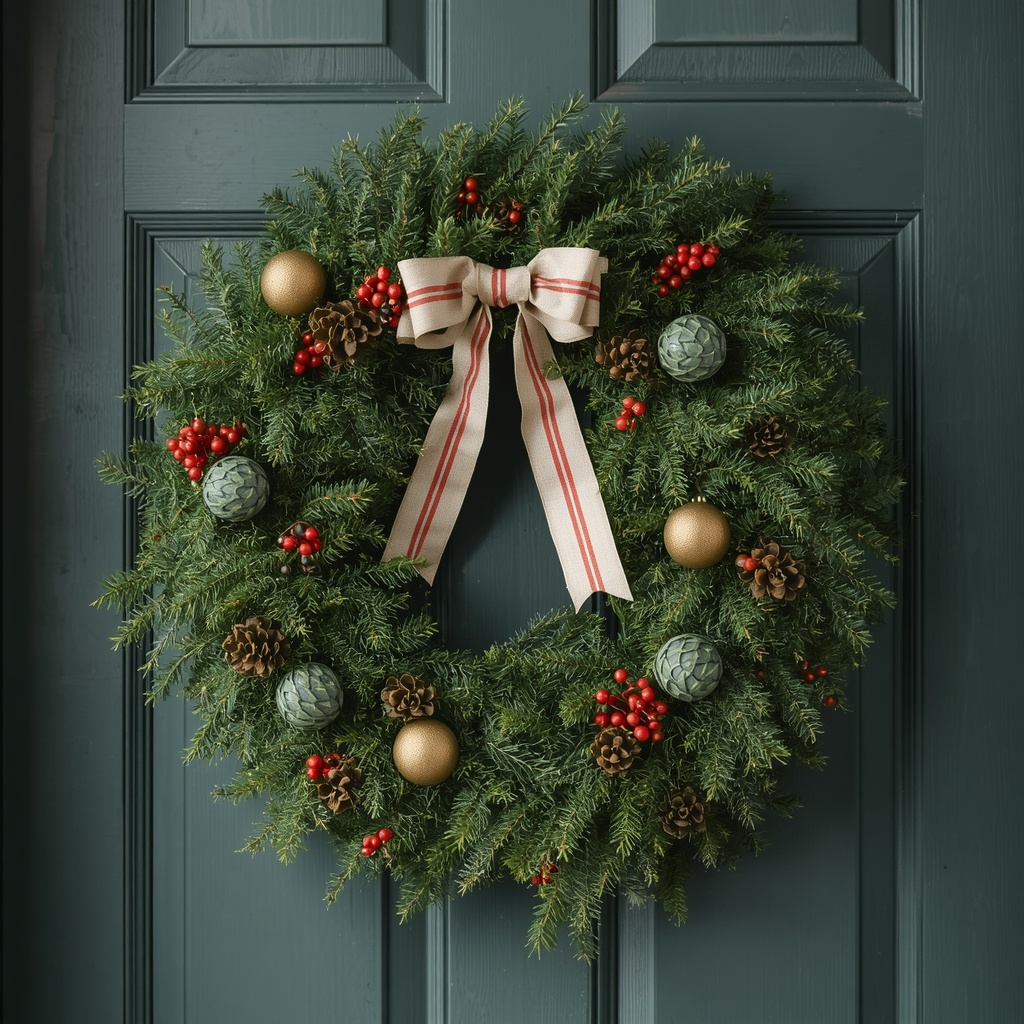
- Winter: Add a velvet or plaid ribbon, a few dried orange slices, and a sprig of faux pine
- Spring: Tuck in faux tulips, ranunculus, or a pastel gingham bow
- Summer: Layer in dried lavender, wheat stalks, or a raffia bow for texture
- Fall: Add mini pumpkins, wheat, or a burnt-orange velvet sash
A removable wreath sash or ribbon is the single best investment you can make here — most attach with a simple hook-and-loop closure or bow tie, so changing the whole mood of your entryway takes under two minutes.
Where to Hang a Year-Round Wreath Beyond the Front Door
Your favorite all-season wreath doesn’t have to stop at the door. Consider these spots for extra impact:
- Above a fireplace mantel, mounted on a decorative hook
- On the inside of a pantry or closet door
- Centered on a dining room accent wall
- Hung from a ribbon on a kitchen window
- Layered over a bathroom mirror for a spa-like touch
A Realistic Budget Guide
Pricing varies widely depending on materials, size, and craftsmanship. Here’s a general breakdown to help you plan:
| Budget Tier | Price Range | What to Expect |
|---|---|---|
| Entry-Level | $25–$50 | Smaller faux wreaths, basic materials, may fade faster outdoors |
| Mid-Range | $50–$120 | UV-resistant faux greenery, sturdier bases, good detailing |
| Investment | $120–$300+ | Premium lifelike foliage, real dried botanicals, designer-level detail |
Pro Tip: If you’re investing in a year-round piece, spend a little more on the base wreath and save on the seasonal accents. A $150 quality boxwood wreath with a $10 ribbon swap every season will outlast and outlook four separate $40 seasonal wreaths — and it’s easier on your storage space, too.
DIY or Store-Bought?
Both routes can work beautifully, and the right choice really comes down to your time, budget, and how hands-on you want to be.
A DIY approach lets you fully customize proportions, color, and texture to your exact doorway and taste, and it’s often more budget-friendly if you already have some craft supplies on hand. A store-bought option, on the other hand, saves you time, typically comes pre-shaped and balanced for a professional look, and is a safer bet if you’re not confident about floral arranging.
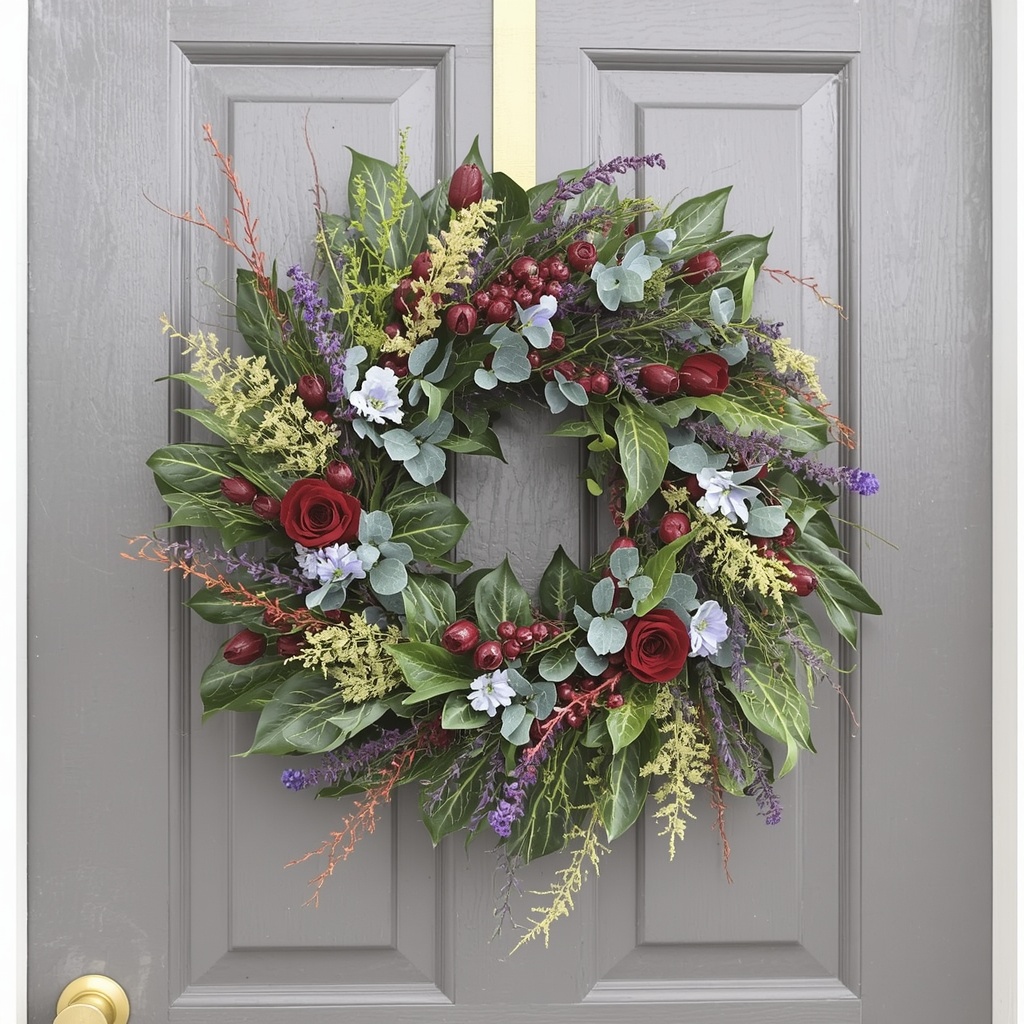
If you go the DIY route, start with a plain grapevine or foam base, layer in faux greenery with floral wire, and resist the urge to overfill — the most elegant wreaths have visible negative space, not wall-to-wall foliage.
Common Mistakes to Avoid
- Going too small. A wreath under 22 inches often gets visually swallowed by the door.
- Ignoring sun exposure. Non-UV-treated wreaths fade fast on south-facing porches.
- Overloading with seasonal accents. Too many picks and ribbons can make even a great base wreath look cluttered.
- Mismatched hardware finishes. A brass hook on black hardware is a small detail that quietly throws off the whole look.
- Skipping the sash swap. The whole point of a year-round wreath is refreshing it — don’t let it go stale for twelve months straight.
Frequently Asked Questions
Do year-round wreaths look bad during the holidays? Not if you choose a versatile base. A neutral boxwood or evergreen wreath actually reads as festive the moment you add a plaid bow or string of lights, without needing to be swapped out entirely.

How often should I clean an outdoor wreath? A quick shake and wipe-down every one to two months keeps dust, pollen, and cobwebs at bay. For faux foliage, a handheld duster or blow-dryer on a cool, low setting works well.
Will a faux wreath survive rain and snow? Most “all-weather” or UV-rated wreaths are designed to handle rain, but for heavy snow or ice, consider a covered porch placement or a wreath with a weather-resistant sealant.
Final Thoughts
A great wreath isn’t a decoration you think about once a season — it’s a design decision, the same as your paint color or your porch light fixture. Choose a neutral, well-made base in a material that suits your climate, invest in a couple of swappable accents, and you’ll have an entryway that feels intentional in every month of the year, not just during the holidays.
Your front door is the first thing your guests see and the last thing you see before heading out the door each morning. Make it one less thing on your seasonal to-do list — and one more thing you genuinely love looking at.