
The Ultimate Interior Designer’s Guide for a Cozy, High-End Home
The living room is no longer just a place to sit—it’s the emotional heart of the home. In 2026, interior design is shifting away from cold minimalism and embracing layered textures, a trend that prioritizes comfort, depth, and sensory richness.
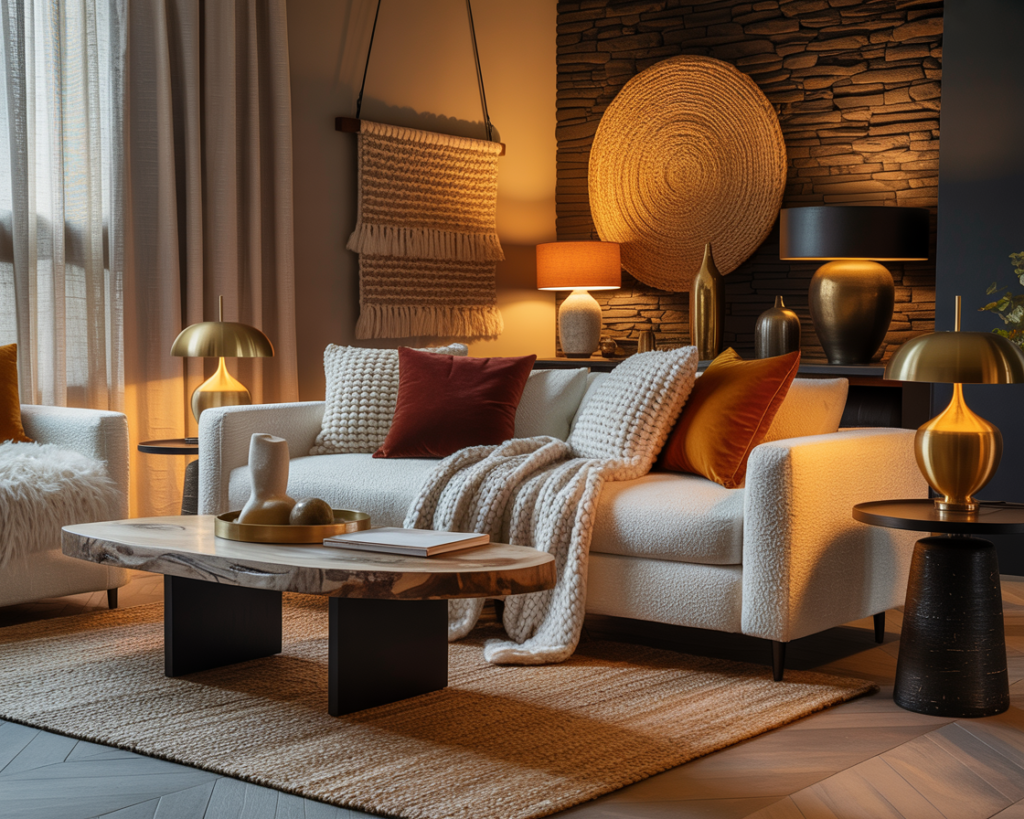
Designers across the U.S. are calling this movement “texture-maxxing”—a concept where fabrics, finishes, and materials work together to create a space that feels as good as it looks. (Homes and Gardens)
What Are Layered Textures in Interior Design?
Layered textures refer to the intentional combination of different materials—soft, rough, smooth, and organic—to create a visually rich and tactile living room.
Instead of relying on bold colors alone, 2026 interiors focus on depth through touch and contrast. Think velvet sofas paired with linen cushions, wool rugs layered over hardwood, and woven baskets against sleek surfaces. (Sierra Living Concepts)
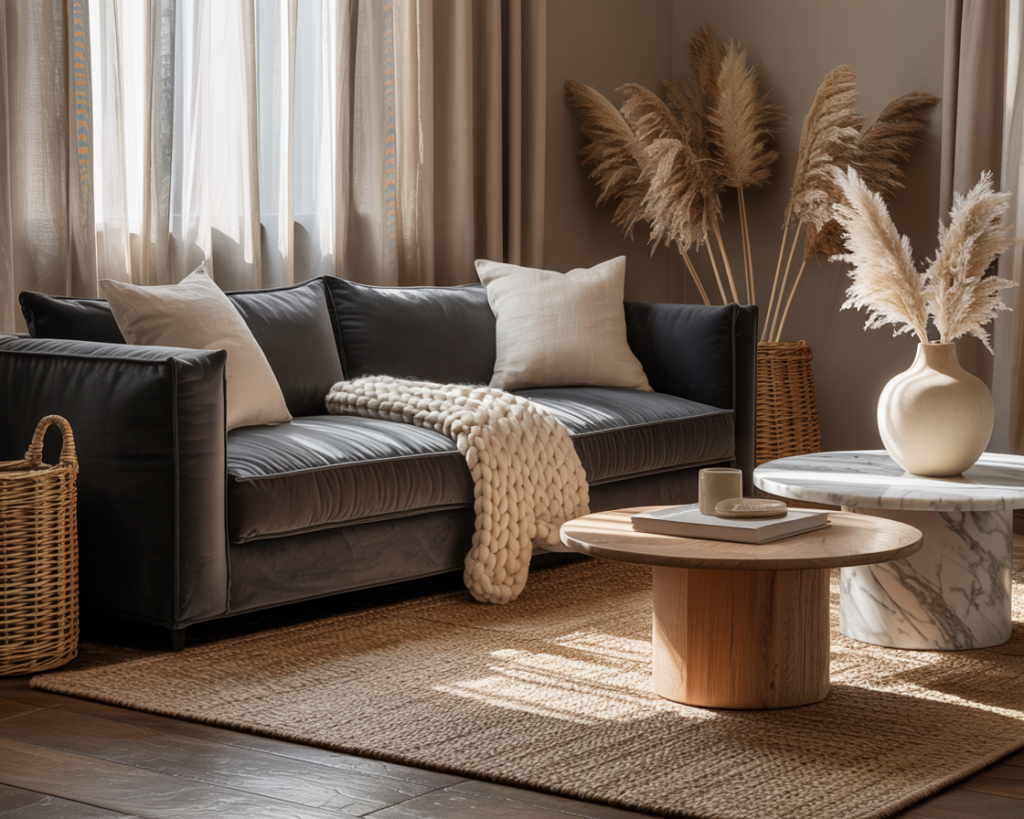
“Texture is the new luxury in 2026 interiors.” (Sierra Living Concepts)
This design approach transforms even simple spaces into cozy, high-end environments.
Why Layered Textures Are Dominating 2026 Living Rooms
The rise of layered textures is not just aesthetic—it reflects a lifestyle shift. Homeowners are prioritizing comfort, personalization, and warmth over sterile perfection.
Key Reasons Behind the Trend
- Post-minimalism movement: Moving away from all-white, flat interiors
- Emotional design: Spaces that feel comforting and lived-in
- Sustainability: Use of natural, tactile materials
- Multi-sensory living: Designing for touch, not just sight
According to experts, layered interiors create a sense of calm, character, and authenticity, making homes feel curated rather than staged. (The Scout Guide)
Core Elements of Layered Textures in 2026
1. Mixed Fabrics for Depth
Combining different textiles is the foundation of this trend.
Popular fabric combinations:
- Velvet + linen
- Wool + cotton
- Bouclé + leather
- Knit + silk
These contrasts create balance between softness and structure.
2. Layered Rugs (The New Must-Have)
Rugs are no longer a single statement piece—they’re layered for dimension and zoning.
How to layer rugs:
- Start with a large neutral base rug
- Add a smaller patterned or textured rug on top
- Mix materials (e.g., jute + wool)
Layered rugs add warmth, define spaces, and enhance visual interest. (Homes and Gardens)
3. Textured Walls and Finishes
Flat walls are out. In 2026, walls become part of the tactile experience.
Trending wall textures:
- Limewash and plaster finishes
- Wood paneling
- Fabric-inspired textures
- Subtle textured wallpaper
These finishes add dimension without overwhelming the space. (JK Cement)
4. Natural Materials Take Center Stage
Organic textures bring authenticity and warmth.
Top natural elements:
- Wood (oak, walnut, reclaimed)
- Stone (travertine, marble)
- Rattan and wicker
- Linen and cotton
These materials ground the space and connect interiors with nature.
The 3-Layer Texture Formula (Designer Secret)
Here’s a simple formula used by interior designers to achieve a perfectly layered living room:
| Layer | Purpose | Examples |
|---|---|---|
| Base Layer | Foundation | Rugs, flooring |
| Soft Layer | Comfort | Throws, cushions |
| Natural Layer | Warmth | Wood, plants, stone |
This approach ensures balance without clutter. (eriktaylor.ca)
Trending Texture Combinations for 2026
Cozy Modern Mix
- Bouclé chair
- Chunky knit throw
- Linen curtains
Earthy Luxe
- Velvet sofa
- Marble coffee table
- Wool rug
Organic Minimalist
- Neutral linen seating
- Jute rug
- Wooden accents
These combinations create effortless sophistication while staying functional.
Color + Texture: The Perfect Pairing
In 2026, color trends are evolving alongside textures.
Trending Color Palettes
- Warm browns and mocha tones
- Dusty rose and earthy pinks
- Deep burgundy and berry shades
- Soft, calming blues
These colors enhance the richness of textures and create a cozy atmosphere. (Ideal Home)
How to Layer Textures Without Overcrowding
Layering textures doesn’t mean adding everything at once—it’s about balance.
Follow These Rules:
- Stick to 3–5 textures per space
- Mix rough + smooth surfaces
- Keep a consistent color palette
- Use negative space to avoid clutter
Quick Styling Checklist
✔ Add at least 2 types of fabric
✔ Include 1 natural material
✔ Layer lighting (ambient + accent)
✔ Use texture in small decor items
Furniture Trends That Enhance Texture
Furniture in 2026 is designed with texture in mind.
Popular Choices:
- Curved sofas with soft upholstery
- Bouclé accent chairs
- Wooden coffee tables with natural grain
- Upholstered ottomans
These pieces act as both functional and tactile elements.
Lighting: The Hidden Texture Layer
Lighting plays a huge role in enhancing textures.
Best Lighting Ideas:
- Warm LED lighting
- Linen or fabric lampshades
- Layered lighting (floor + table + ceiling)
- Soft, diffused light sources
Lighting highlights textures and creates depth.
Small Decor Details That Make a Big Impact
Sometimes, it’s the smallest elements that elevate a room.
Must-Have Decor Items:
- Textured throw pillows
- Woven baskets
- Ceramic vases
- Layered curtains
- Candles for ambiance
These details add personality and warmth.
Common Mistakes to Avoid
Even though layered textures look effortless, there are pitfalls to avoid:
❌ Overloading with too many textures
❌ Ignoring color harmony
❌ Using only one texture type
❌ Forgetting functionality
Balance is key—your space should feel inviting, not chaotic.
Pro Tip (Interior Designer Secret)
💡 Ad Pro Tip:
Always start with a neutral base and build textures gradually. This allows flexibility and prevents costly redesigns.
Layer textures in stages—begin with large elements (rugs, furniture), then add smaller accents (pillows, decor).
Real-Life Inspiration (What Designers Are Saying)
From industry experts:
“Homes in 2026 feel layered, lived-in, and deeply personal.” (The Scout Guide)
And even community trends echo this shift:
“Texture is more important than ever…mix soft and rough surfaces.” (Reddit)
This proves that layered textures aren’t just a trend—they’re becoming the new standard.
Benefits of Layered Textures in Living Rooms
1. Creates Visual Depth
A textured room feels dynamic and interesting.
2. Enhances Comfort
Soft materials make spaces more inviting.
3. Adds Luxury Without High Cost
Texture can elevate affordable decor.
4. Reflects Personal Style
Layering allows customization and creativity.
Step-by-Step: How to Style Your Living Room
Step 1: Start with a Base
Choose a neutral sofa and rug.
Step 2: Add Soft Layers
Incorporate throws, pillows, and curtains.
Step 3: Introduce Natural Elements
Add wood, plants, or stone decor.
Step 4: Finish with Accents
Use lighting and small decor items.
Final Thoughts
Layered textures are redefining living room design in 2026. This trend moves beyond aesthetics—it’s about creating spaces that feel warm, personal, and deeply comfortable.
By combining fabrics, natural materials, and thoughtful design, you can transform your living room into a cozy sanctuary that reflects modern luxury.
Whether you’re redesigning your entire space or simply updating a few elements, embracing texture is the easiest way to stay ahead of interior design trends.