
If you’ve ever walked into your living room to find your cat gnawing on a fern or your dog sniffing suspiciously at a fallen leaf, you know the low-grade anxiety that comes with mixing houseplants and pets. As an interior designer who works with plant-loving, pet-owning clients across the country, I hear the same question constantly: “I want my home to feel alive and green, but I’m terrified of poisoning my dog or cat. What can I actually buy?”

The good news is that you don’t have to choose between a lush, styled interior and a safe home for your animals. There is a whole world of non-toxic, pet-safe indoor plants that bring texture, color, and that coveted “urban jungle” aesthetic without putting your furry companions at risk. In this guide, we’ll walk through ten designer-approved, pet-friendly houseplants, how to style them into your space, and the safety habits every pet parent should adopt.
Why Pet-Safe Houseplants Matter More Than You Think
Cats and dogs are naturally curious, and for many pets, chewing on greenery is simply instinctive behavior, not a sign of a behavioral problem. Unfortunately, some of the most popular houseplants on the market — pothos, philodendron, sago palm, and lilies among them — are toxic to cats and dogs, sometimes seriously so. Symptoms of plant toxicity in pets can range from mild drooling and vomiting to kidney failure or worse, depending on the species involved.

As a designer, I approach every pet-owning client’s project with a simple rule: if a plant isn’t confirmed safe by the ASPCA’s toxic and non-toxic plant list, it doesn’t make it into the shopping cart, no exceptions. This single habit prevents emergency vet visits and lets you decorate with confidence.
“The safest houseplant is one you’ve actually verified — never assume a plant is pet-friendly just because it’s common in home decor stores.” — a rule I repeat to every client with a curious cat or a chewy puppy.
Quick Reference: Toxic vs. Non-Toxic Popular Houseplants
| Common Toxic Plants (Avoid) | Common Non-Toxic Plants (Safe) |
|---|---|
| Pothos | Spider Plant |
| Peace Lily | Boston Fern |
| Sago Palm | Areca Palm |
| Aloe Vera | Calathea |
| Snake Plant | Parlor Palm |
| ZZ Plant | Prayer Plant |
Now let’s get into the design-forward, pet-friendly picks that deserve real estate in your home.
1. Spider Plant (Chlorophytum comosum)
Spider plants are the unofficial mascot of pet-friendly decor, and for good reason. Their arching, variegated leaves add movement to shelves and hanging planters, and they’re famously resilient even for beginner plant parents. Cats especially seem drawn to their grassy texture, but the ASPCA confirms this plant is non-toxic to both cats and dogs.
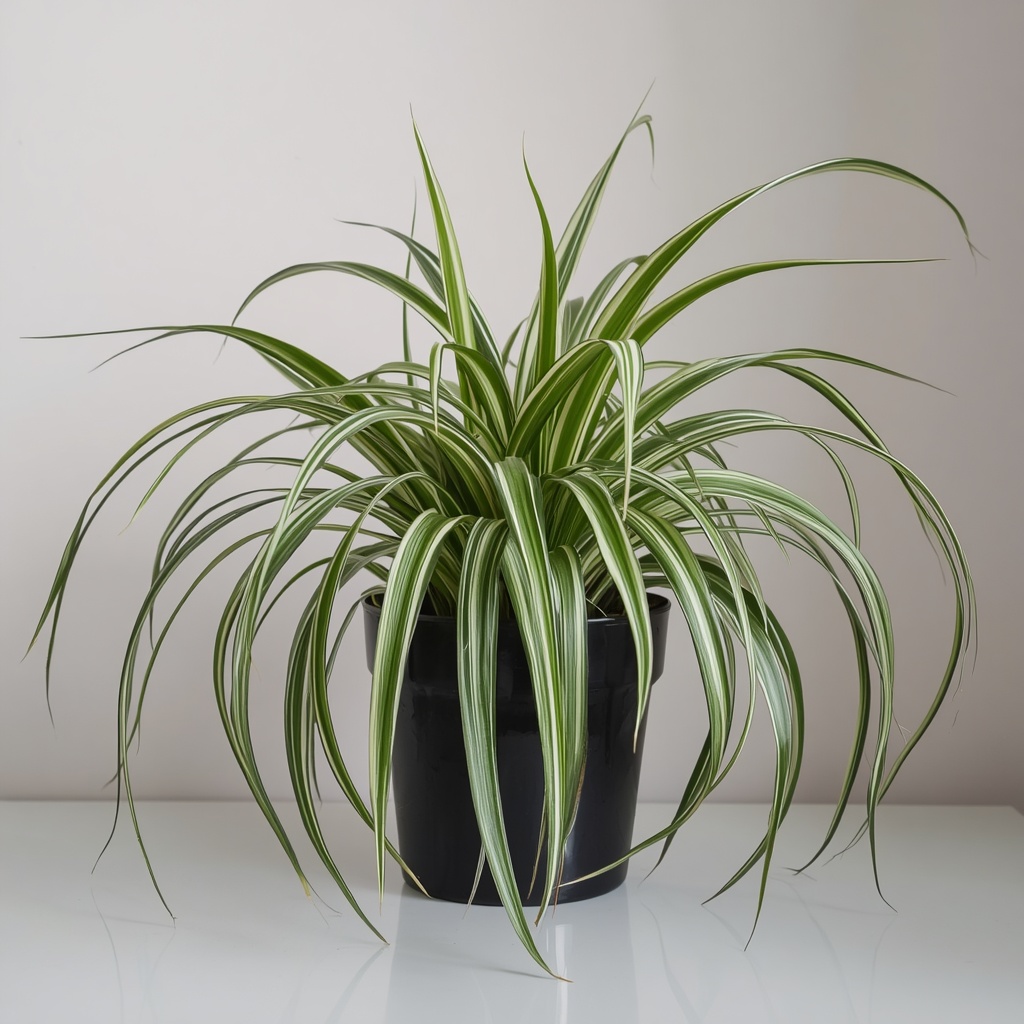
Beyond safety, spider plants are a design workhorse: they thrive in indirect light, tolerate inconsistent watering, and propagate easily via their signature “babies,” or plantlets, that dangle from long stems. For a mid-century or boho living room, hang one in a macramé holder near a bright window and let those leaves cascade freely.
Pro Tip: Rotate your spider plant a quarter turn every time you water it. This encourages even, symmetrical growth so the plant doesn’t lean or grow lopsided toward the light source.
2. Areca Palm (Dypsis lutescens)
If you’re after that lush, tropical resort feel, the areca palm is your answer. Its feathery, arching fronds instantly soften a room’s hard lines and pair beautifully with rattan furniture, woven textiles, and warm wood tones. It’s a favorite among interior designers for filling awkward corners or flanking a sofa.

Areca palms are non-toxic to cats and dogs, making them one of the few large statement plants pet owners can use without hesitation. They do best in bright, indirect light and appreciate occasional misting, which also helps recreate their natural humid habitat. Because they grow tall, they make an excellent floor plant in entryways, home offices, or sunrooms.
3. Boston Fern (Nephrolepis exaltata)
Boston ferns bring old-world charm and soft, romantic texture to a space, whether displayed on a plant stand, in a hanging basket on a covered porch, or clustered with other greenery on a console table. Their frilly, arching fronds are non-toxic to both cats and dogs, so they’re a safe pick even in homes with plant-nibbling pets.
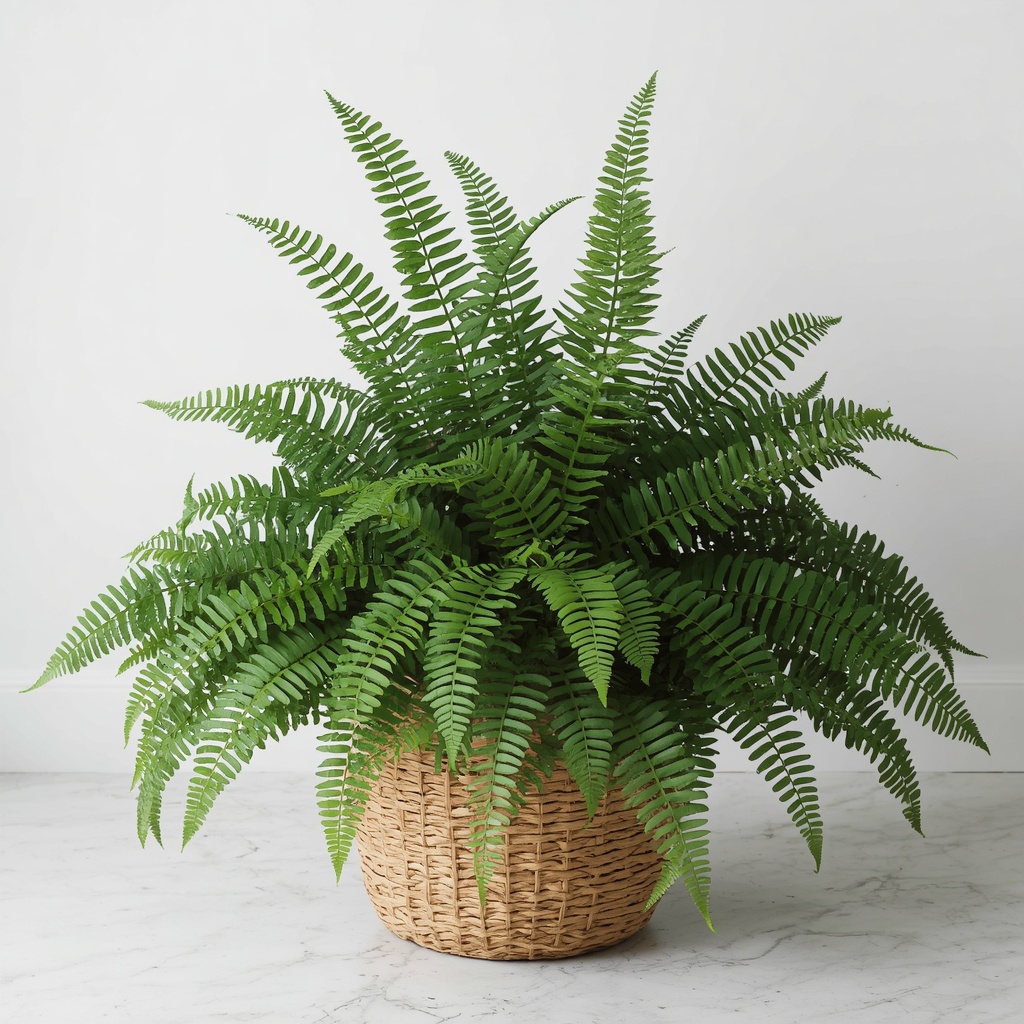
These ferns love humidity, which makes them a natural fit for bathrooms with good natural light or kitchens near a sunny window. Keep the soil consistently moist but never soggy, and mist the fronds a few times a week if your home runs dry, especially during winter heating season.
4. Calathea (Calathea spp.)
Calathea, sometimes called the “prayer plant’s cousin,” is beloved in interior design circles for its dramatic, patterned foliage that looks almost hand-painted. Varieties like the Calathea orbifolia or Calathea medallion bring an artistic, gallery-like quality to shelves and side tables. Best of all, calathea is non-toxic to cats and dogs.
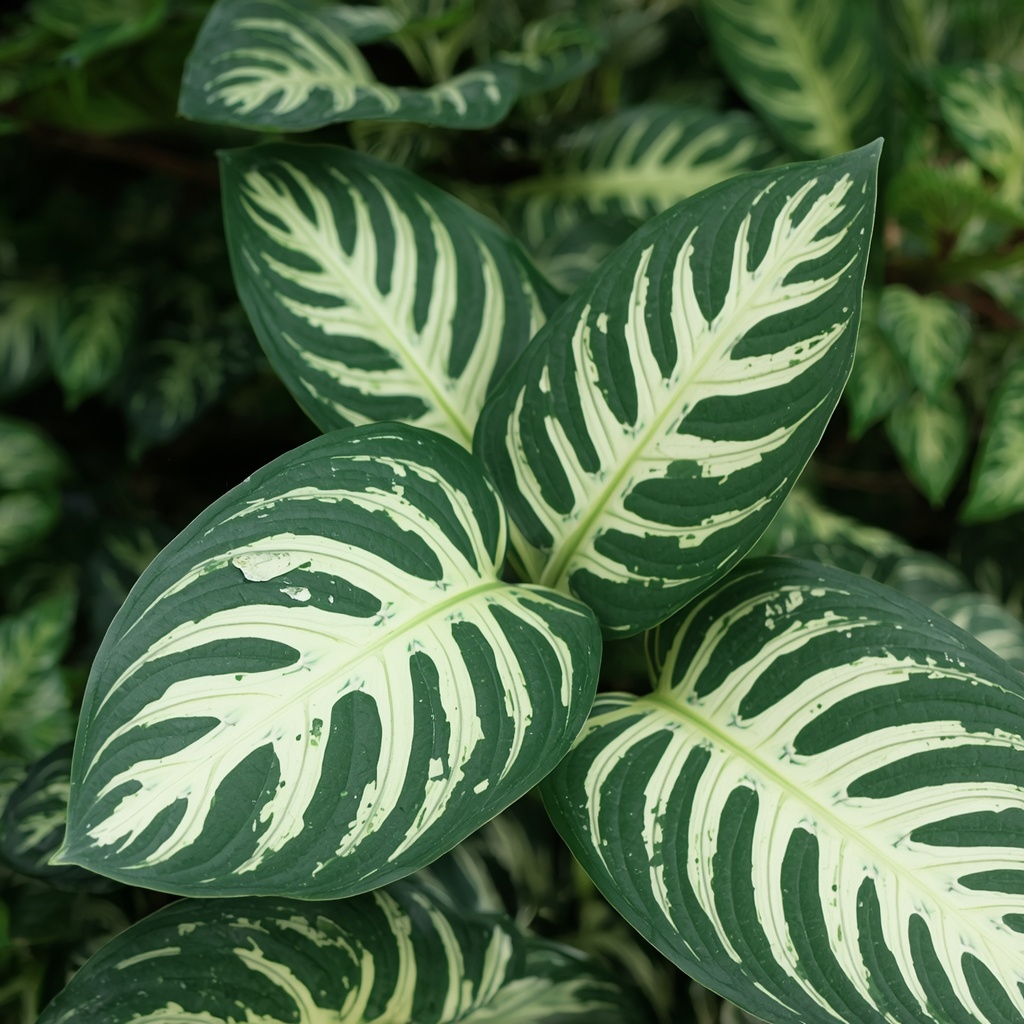
This plant does have a reputation for being a bit dramatic itself, curling its leaves at night and unfurling them by day, a movement pattern that’s genuinely fun to watch. Calathea prefers medium to bright indirect light, high humidity, and filtered or distilled water, since tap water minerals can cause leaf tip browning over time.
5. Parlor Palm (Chamaedorea elegans)
The parlor palm has been a staple of Victorian-era interiors and is having a serious comeback in modern, minimalist, and Scandinavian-inspired homes alike. Its slender, upright fronds add height and vertical interest without overwhelming a small room, and it’s one of the most forgiving palms for low-light conditions like offices or hallways.
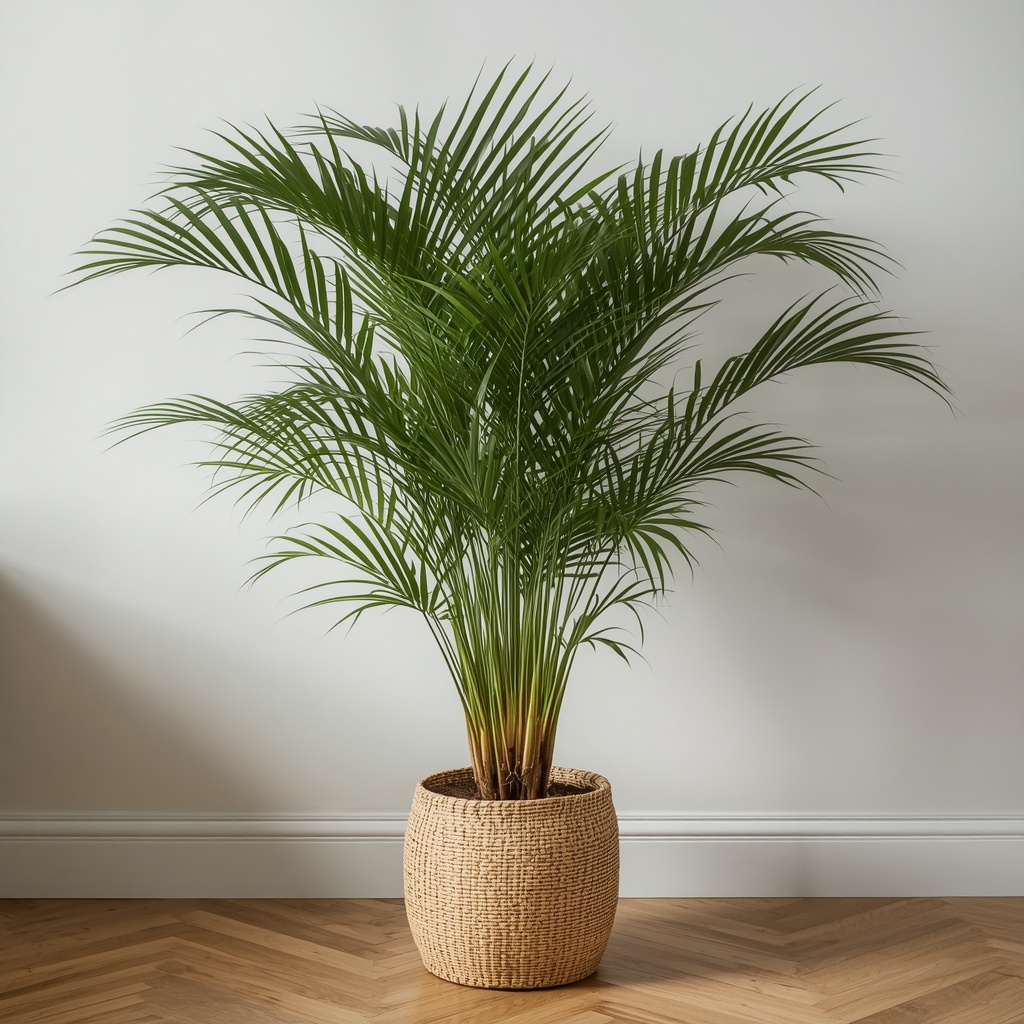
This palm is non-toxic to cats and dogs, and it also happens to be one of NASA’s recognized air-purifying plants, filtering out common household toxins. For pet owners with limited natural light, the parlor palm is often the single best “big plant energy” option available.
6. Prayer Plant (Maranta leuconeura)
Named for the way its leaves fold upward at night as if in prayer, this plant is a showstopper thanks to its bold, contrasting leaf patterns in shades of green, red, and cream. It’s a favorite for eclectic and maximalist interiors where pattern-on-pattern styling is embraced. Like its calathea cousin, the prayer plant is non-toxic to cats and dogs.
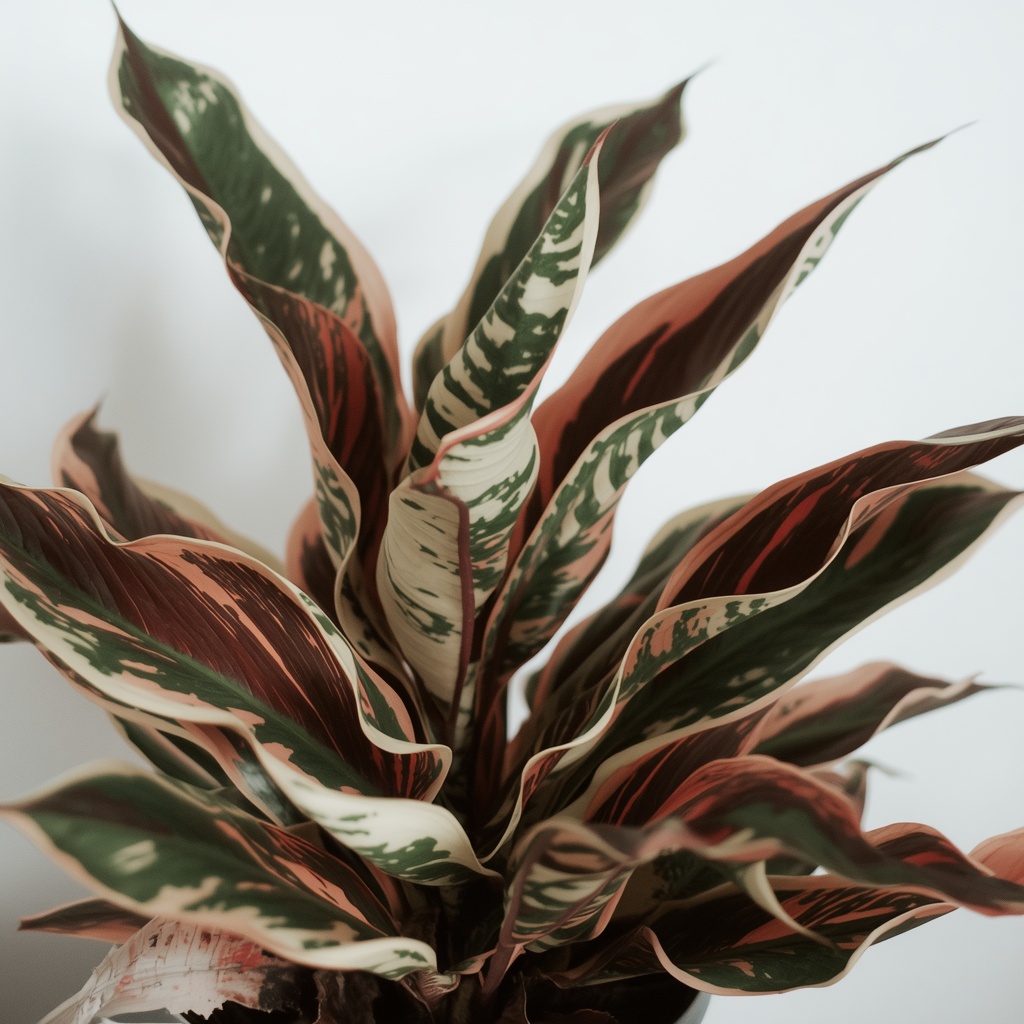
Prayer plants prefer consistent moisture, warm temperatures, and indirect light, making them well-suited to kitchens or living rooms away from drafty windows. Because they stay relatively compact, they work beautifully in grouped plant displays on a windowsill or bookshelf.
7. Peperomia (Peperomia spp.)
Peperomias are a designer’s secret weapon for adding texture without taking up much space. With varieties ranging from the crinkly-leafed “Emerald Ripple” to the nearly succulent “Watermelon Peperomia,” there’s a style to match almost any interior aesthetic. All common peperomia varieties are considered non-toxic to cats and dogs.
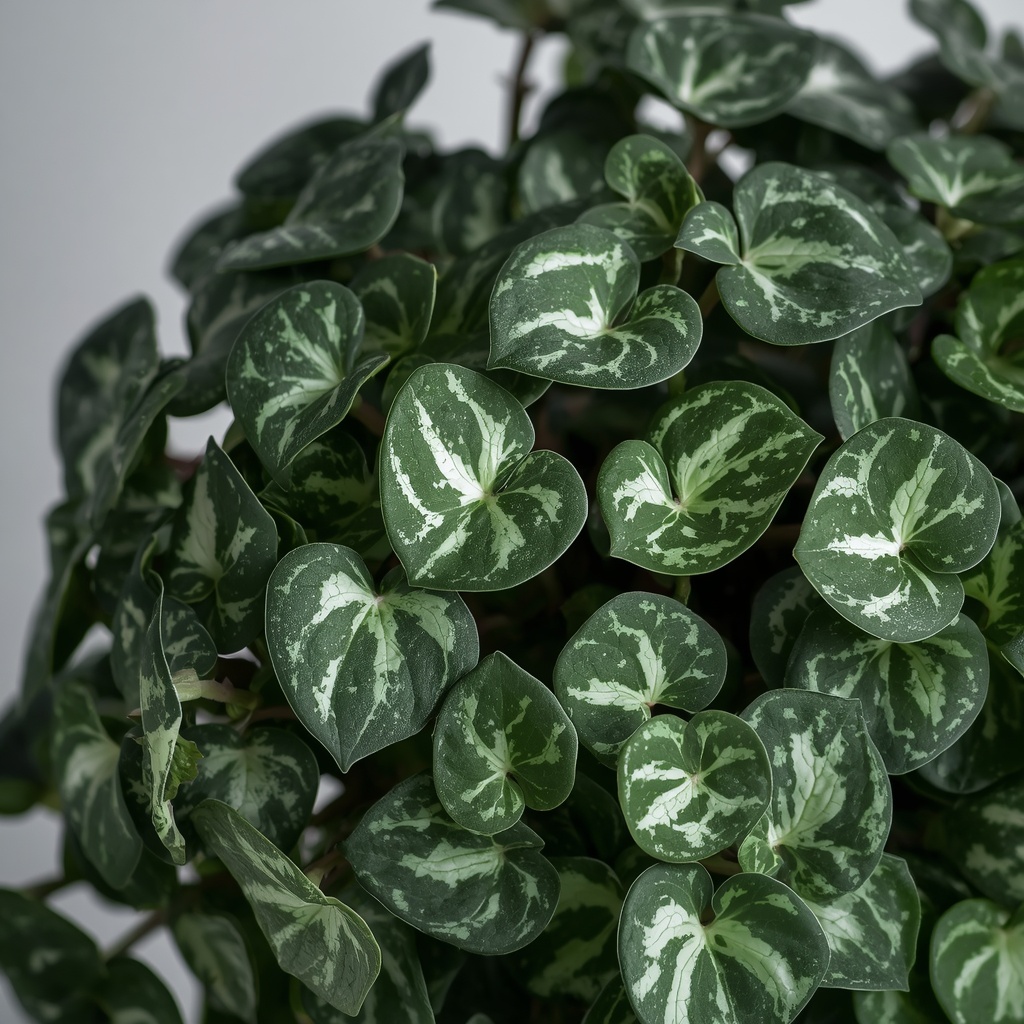
These compact plants are ideal for desks, bathroom vanities, and floating shelves where a full-size plant would feel out of scale. They tolerate lower light and infrequent watering, making them a low-maintenance, high-impact choice for busy households.
8. Friendship Plant (Pilea involucrata)
Not to be confused with the trendy Pilea peperomioides (Chinese money plant), the friendship plant has quilted, deeply textured leaves with a metallic sheen that catches the light beautifully. It earns its name because it’s traditionally shared as cuttings between friends, a lovely detail for anyone who loves the story behind their decor.
The friendship plant is non-toxic to cats and dogs and thrives in warm, humid environments with indirect light. It’s a wonderful choice for a bathroom shelf or a kitchen windowsill where it can catch ambient moisture from daily activities.
9. Ponytail Palm (Beaucarnea recurvata)
Despite its name, the ponytail palm isn’t a true palm at all, it’s actually a succulent, which explains why it’s remarkably drought-tolerant and low-maintenance. Its bulbous trunk and cascading, hair-like leaves make it a striking sculptural piece for modern or Southwest-inspired interiors. It’s non-toxic to both cats and dogs.
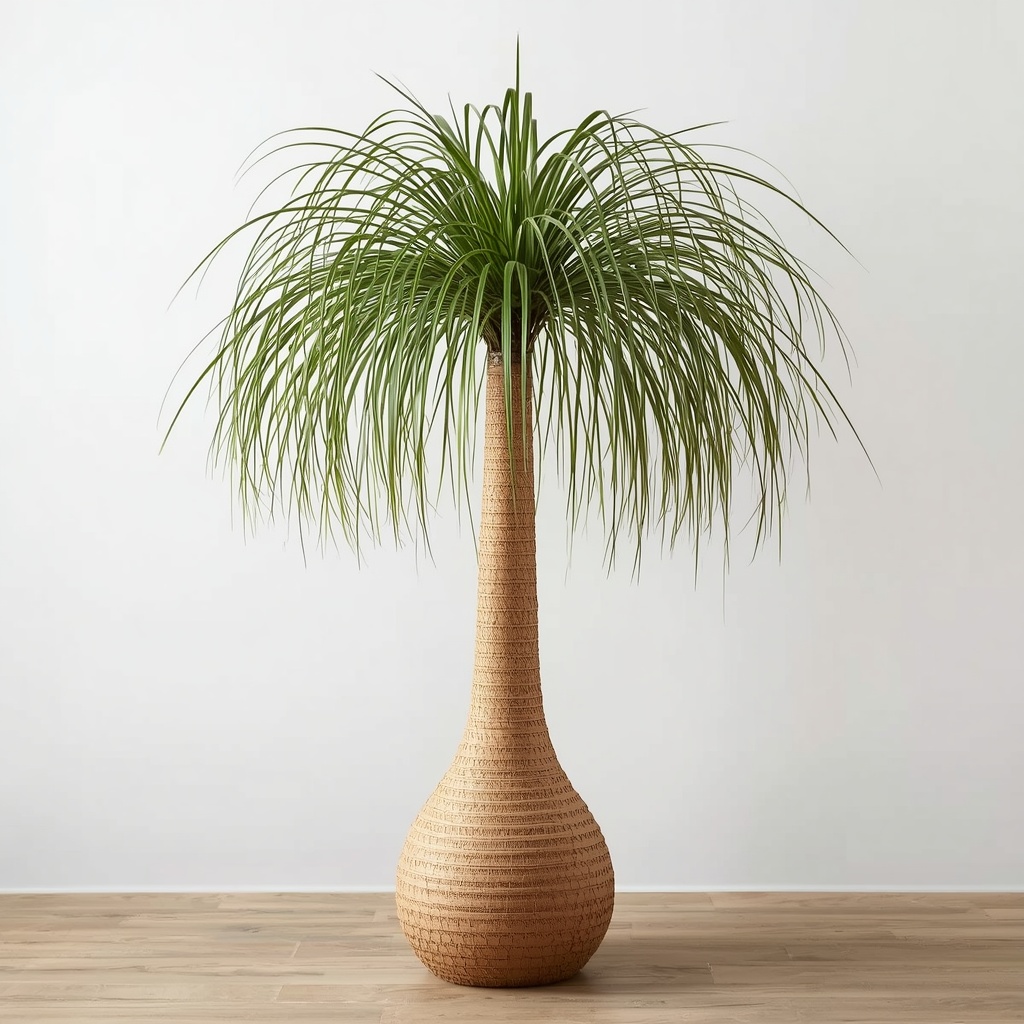
Because it stores water in its trunk, the ponytail palm is nearly impossible to overwater into stress and is a fantastic option for forgetful plant parents or frequent travelers. Place it in bright light for best results, and let it become a genuine conversation piece in your entryway or living room.
10. Orchids (Phalaenopsis spp.)
Orchids have a reputation for being fussy, but Phalaenopsis, the classic “moth orchid,” is actually quite approachable for beginners and adds an undeniable air of elegance to any tablescape or shelf styling. Orchids are non-toxic to cats and dogs, making them a safe choice for that sophisticated pop of color pet owners often assume is off-limits.
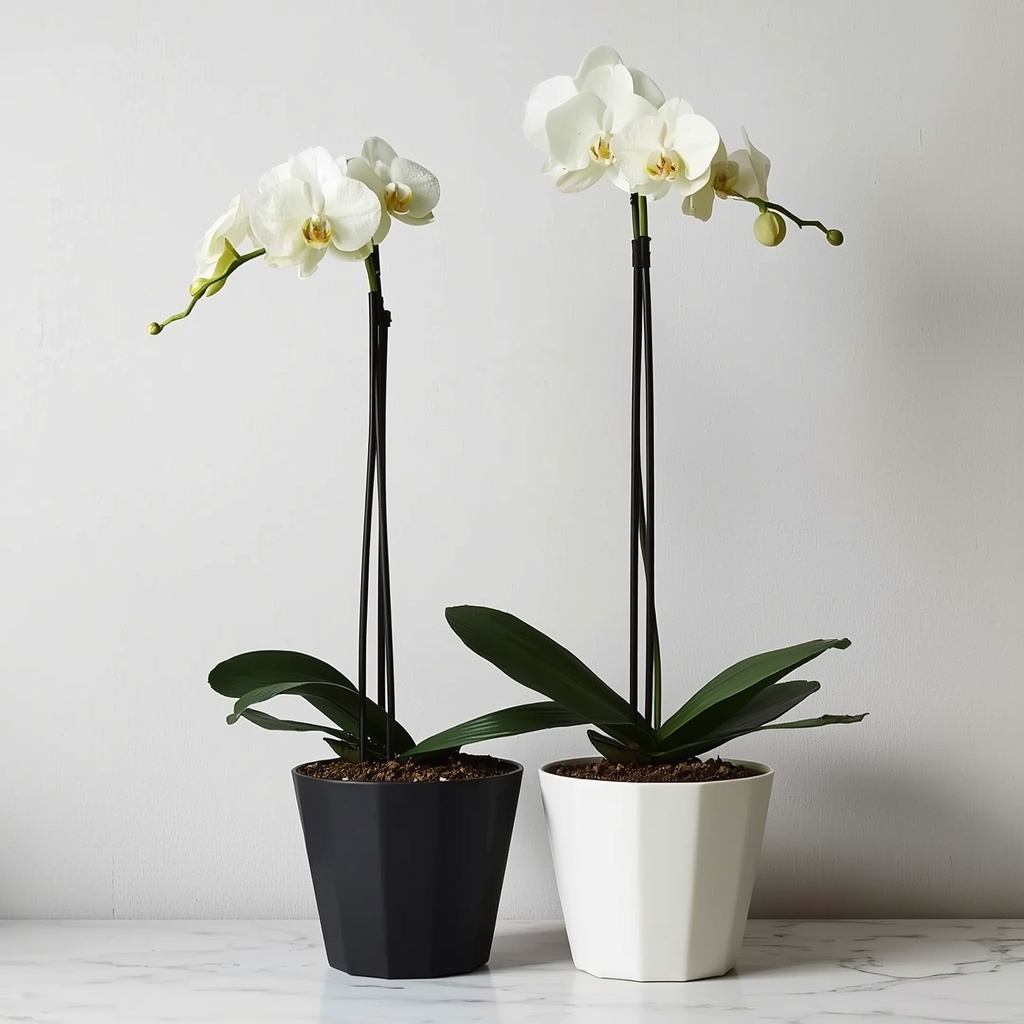
Orchids typically need watering only once a week and prefer bright, indirect light without direct sun exposure, which can scorch their delicate blooms. For a designer touch, display orchids in clear glass vessels that show off their roots, a styling trend that’s both beautiful and functional since it helps you monitor moisture levels.
Styling Tips: How to Decorate With Pet-Safe Plants Like a Pro
Choosing safe plants is only half the equation. How you place and style them determines whether your space feels cohesive or cluttered, and whether your pets are tempted to investigate in the first place.
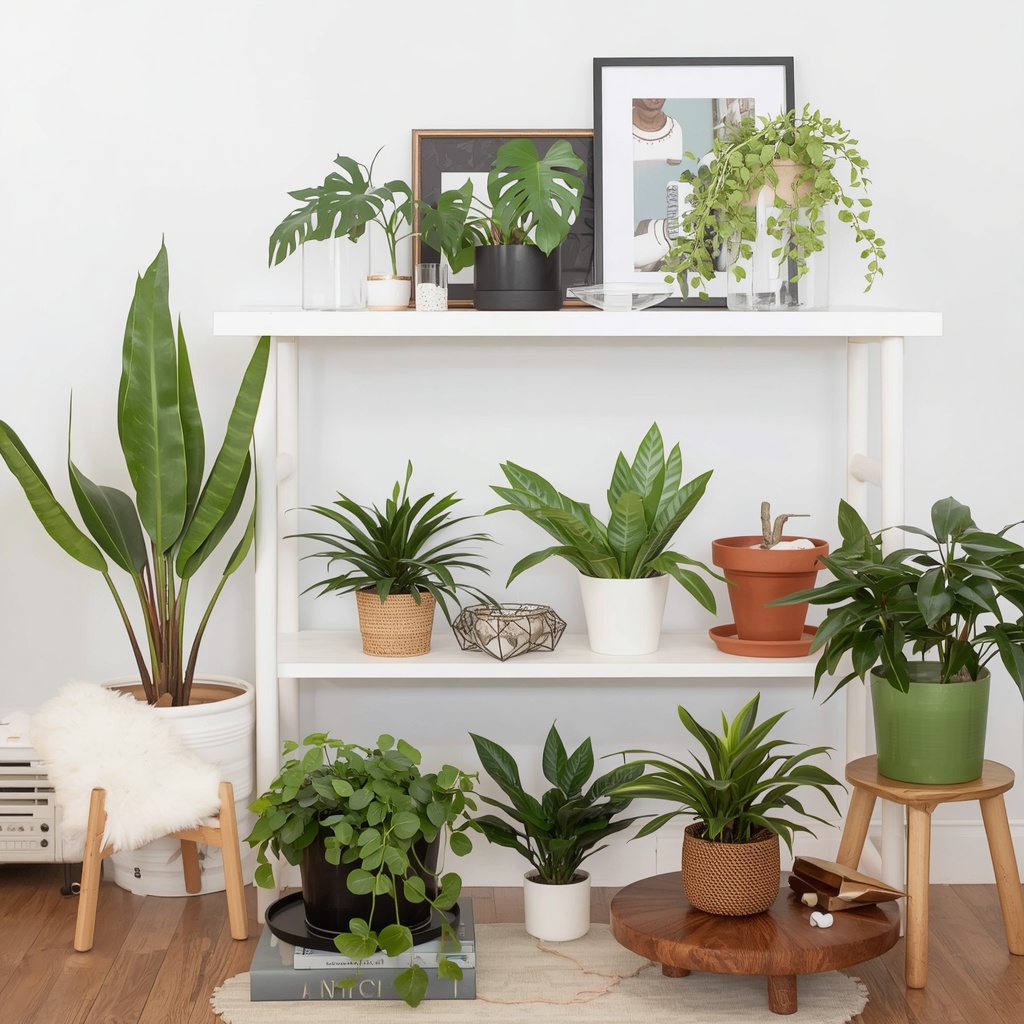
- Group by texture, not just species. Pair broad-leafed plants like calathea with feathery ones like Boston fern for visual contrast.
- Use elevated planters and stands. Even non-toxic plants benefit from being out of constant paw’s reach to prevent soil digging and spilled dirt.
- Choose weighted or wall-mounted pots. Cats in particular love to knock things over, so ceramic or concrete planters with a low center of gravity reduce accidents.
- Layer plant sizes. Combine a tall floor plant (areca or parlor palm) with mid-height tabletop plants and trailing options for a professionally layered look.
- Match pots to your existing palette. Terracotta and matte ceramic pots work in nearly every design style, from farmhouse to modern minimalist.
Pro Tip: If your pet is an enthusiastic digger, top the soil with decorative stones, moss, or pinecones. This adds a finished, boutique-nursery look while discouraging pets from treating the pot like a sandbox.
A Simple Safety Checklist for Pet Parents
Even with non-toxic plants, a few household habits go a long way toward keeping both your greenery and your pets healthy and stress-free.
- Always verify a plant against the ASPCA’s official non-toxic plant list before purchasing, even if a store label says “pet-friendly.”
- Keep the name tag or purchase receipt so you can quickly identify the plant species in case of an emergency.
- Avoid pesticides and leaf-shine sprays that aren’t labeled pet-safe, since pets can absorb residue through grooming.
- Introduce new plants gradually and observe your pet’s behavior around them for the first few days.
- Keep your veterinarian’s number and the ASPCA Animal Poison Control hotline saved in your phone, just in case.
Final Thoughts: Green, Stylish, and Safe
You don’t have to sacrifice your design vision to keep your pets safe. With thoughtful plant choices like spider plants, areca palms, and calathea, you can build a warm, editorial-worthy interior that welcomes both your love of greenery and your love for your four-legged family members. As with any design decision, the details matter: verify toxicity before you buy, style with intention, and place plants in ways that satisfy your pet’s curiosity without putting them in harm’s way.
A truly well-designed home considers everyone who lives in it, paws included. With this list of ten pet-friendly houseplants as your starting point, you’re ready to build a space that feels lush, layered, and completely worry-free.