
There’s a particular kind of magic that happens when a chipped ceramic pitcher or a lonely, lidless teapot gets a second life on your windowsill. As an interior designer who works almost exclusively in home decor for American clients, I can tell you that some of the most talked-about corners in a home aren’t the ones filled with brand-new furniture — they’re the ones built around a single, soulful thrifted find. A vintage pitcher planter or upcycled teapot planter brings texture, story, and character that a big-box ceramic pot simply cannot replicate.
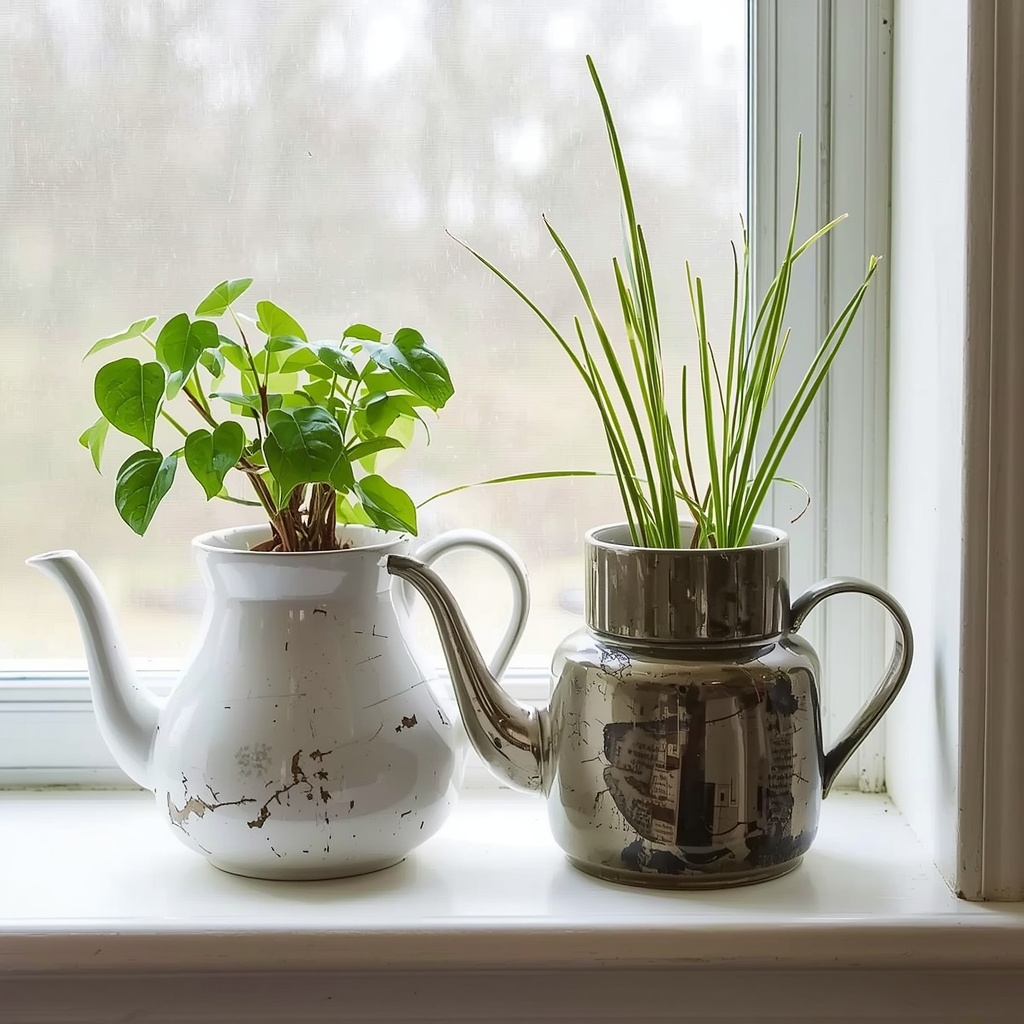
This guide walks you through everything you need to know to turn thrifted pitchers and teapots into stunning, functional plant pots: which vessels to look for, how to solve the drainage problem the right way, which plants thrive in these unconventional containers, and how to style the finished piece so it looks intentional rather than accidental. Whether you’re chasing a cottagecore aesthetic, a grandmillennial dining room, or simply want a sustainable, budget-friendly way to add greenery to your home, this is your complete roadmap.
Why Thrifted Pitchers and Teapots Make Beautiful Planters
Repurposing vintage vessels into planters sits at the intersection of two design trends that aren’t going anywhere: sustainable home decor and one-of-a-kind statement pieces. Unlike mass-produced terracotta or plastic pots, a thrifted ceramic pitcher or antique teapot already carries glaze patterns, hand-painted florals, or a patina that no factory can reproduce. That built-in personality is exactly what makes upcycled planters feel curated rather than cluttered.
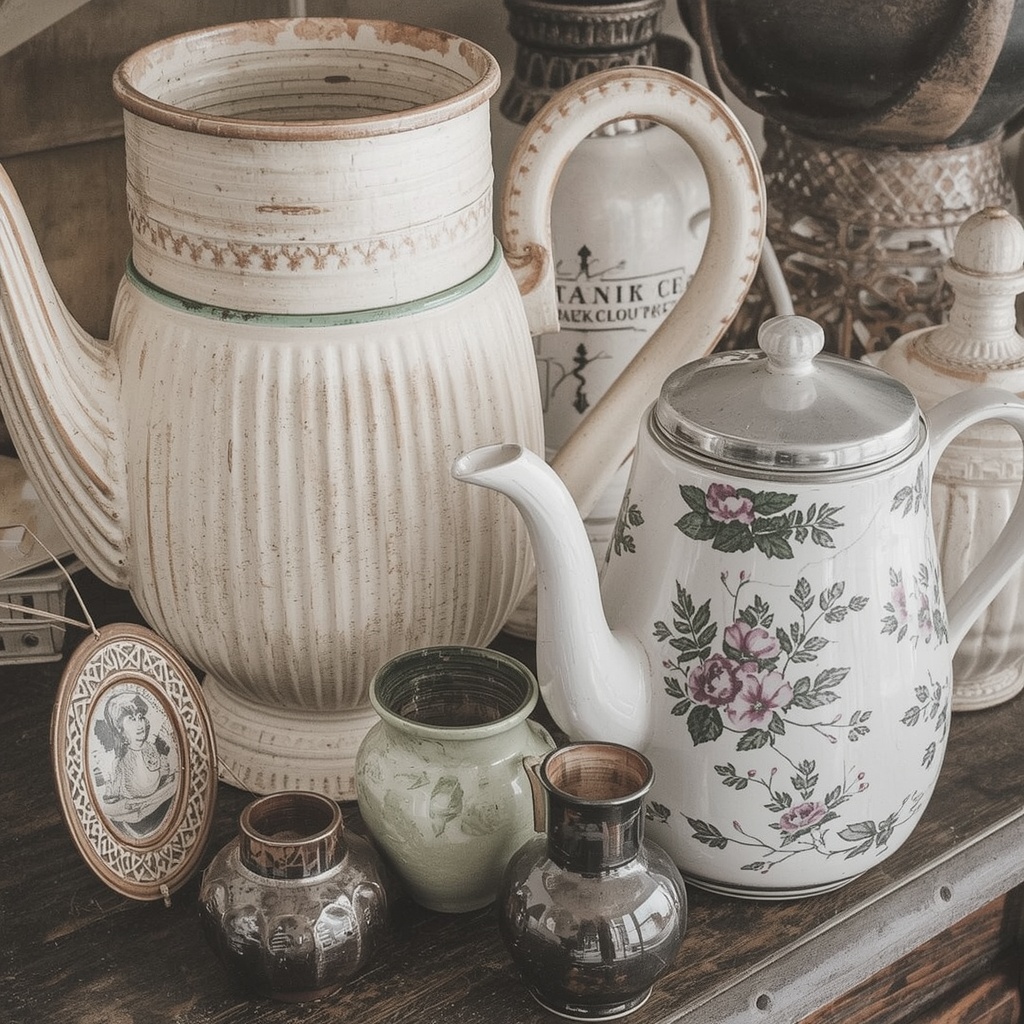
There’s also a practical argument for this DIY plant pot trend. Thrift store containers typically cost a fraction of what you’d pay for a designer ceramic planter, yet they often outperform new pieces in craftsmanship and material quality. Older ironstone pitchers, stoneware jugs, and porcelain teapots were frequently built to last, with thicker walls and glazes that hold up beautifully to soil, moisture, and years of use on a plant stand or windowsill.
“Good design isn’t about buying more — it’s about seeing the potential in what already exists.” That philosophy is at the heart of every successful upcycled planter project, and it’s why thrifted vessels have become a favorite among home decor enthusiasts and sustainable design bloggers alike.
What to Look for When Thrift Shopping for Plant Pots
Not every pitcher or teapot at your local Goodwill or estate sale is destined for planter greatness. Before you check out, run each candidate through a quick mental checklist so you bring home pieces that will actually work once you get them home and start planting.
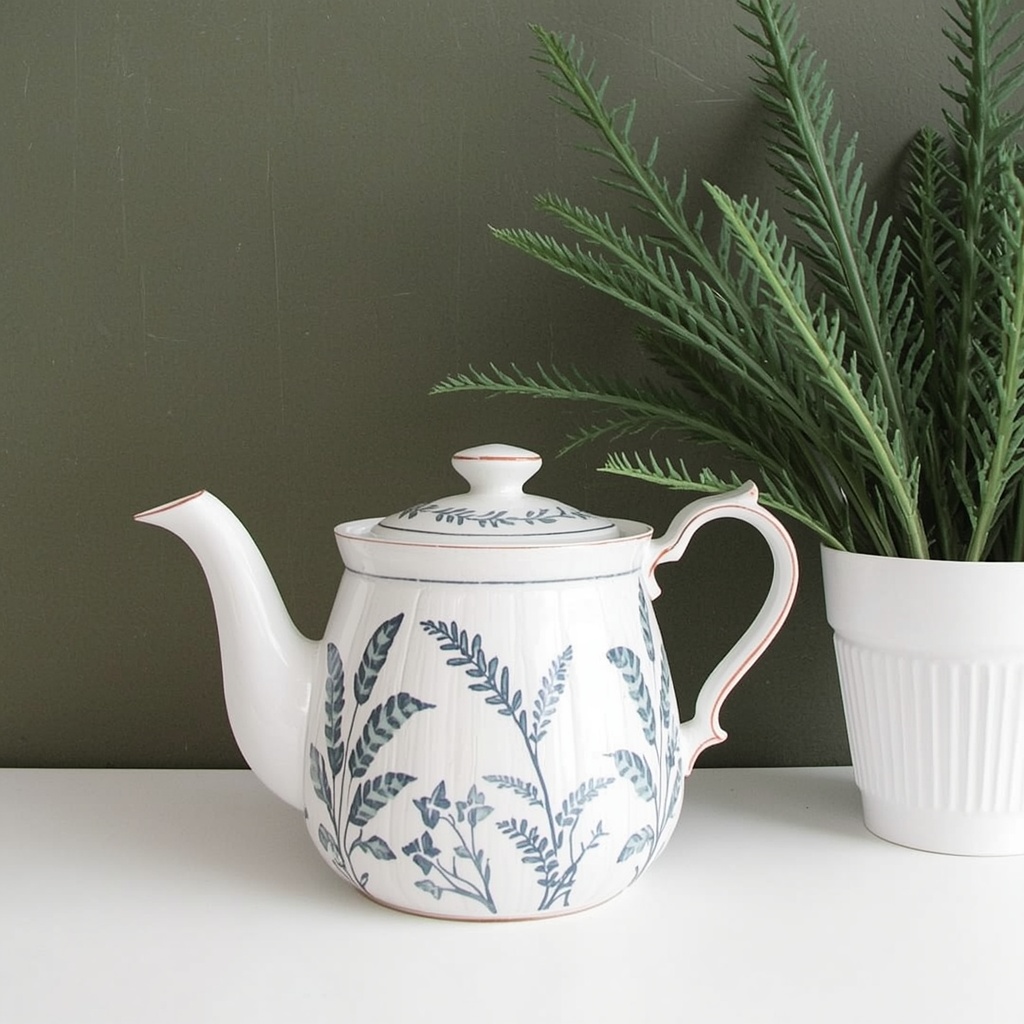
Look for a wide mouth and a relatively squat, stable body, since these proportions make it far easier to add soil, position root balls, and keep the plant from toppling over. Avoid anything with hairline cracks running through the base, since these will worsen once you drill or once moisture seeps in over time. Check that the glaze on the interior is intact and free of major chips, which helps protect the ceramic from prolonged water exposure. Finally, give the piece a gentle tap — a clear, ringing sound usually indicates solid, undamaged ceramic or stoneware.
Here’s a quick reference table to help you evaluate potential finds while you’re browsing the thrift store aisles:
| Feature | Look For | Avoid |
|---|---|---|
| Material | Stoneware, ironstone, glazed ceramic, ceramic pitchers | Thin, unglazed earthenware that’s prone to cracking |
| Shape | Wide mouth, squat or medium body | Extremely narrow-necked vessels (hard to plant) |
| Condition | Solid base, intact glaze, minor surface wear | Deep cracks, chips near the base, missing large chunks |
| Size | 4–10 inches tall for most houseplants | Oversized pieces unless planting a floor plant |
| Style | Interesting pattern, color, or vintage shape | Overly plain pieces you could buy new for less |
Gathering Your Supplies
Once you’ve found your thrifted treasure, gather a small set of supplies before you start. Most of these items are inexpensive and many you may already have around the house, which keeps this DIY plant pot project firmly in budget-friendly territory.
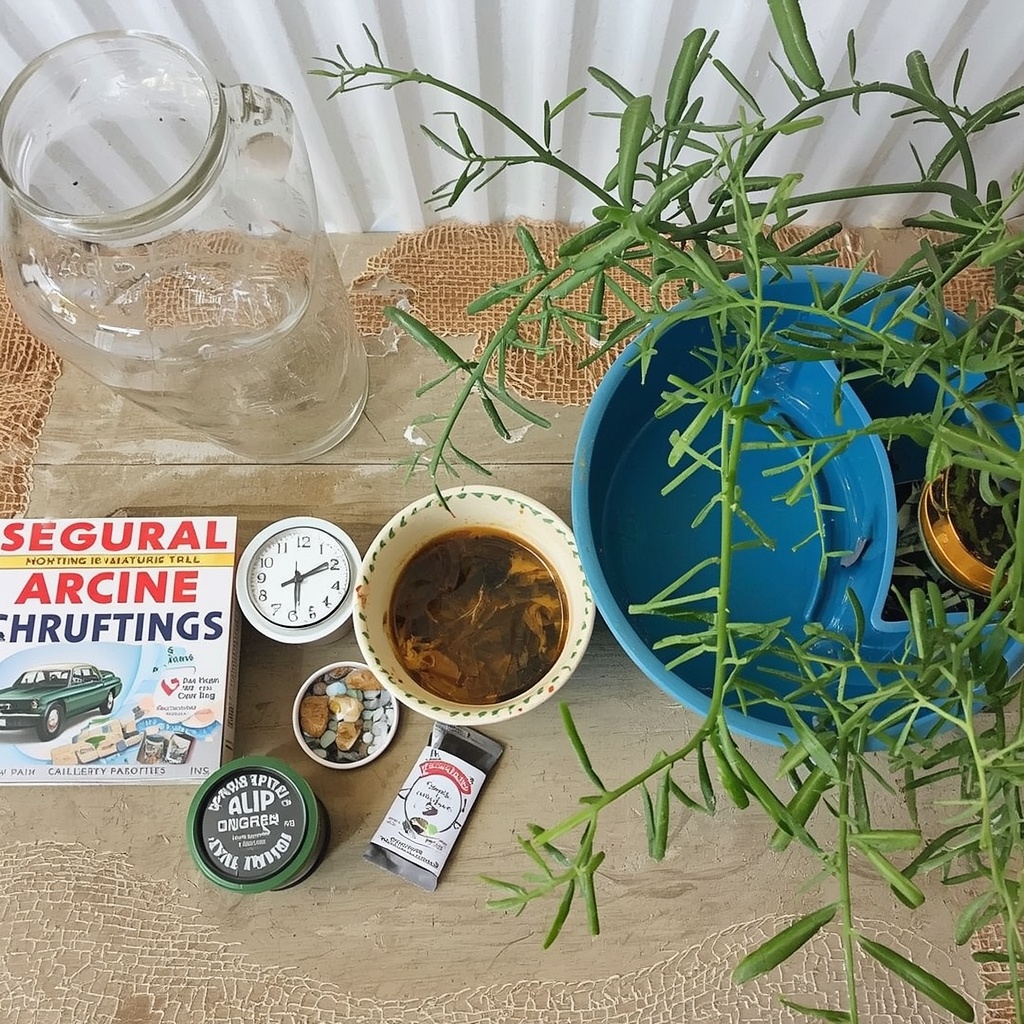
You’ll want a diamond-tipped masonry or glass-and-tile drill bit if you plan to add a drainage hole, a variable-speed drill, and a bowl of water to keep the bit cool while working. Beyond the drilling tools, stock up on potting soil suited to your chosen plant, a layer material like pebbles or lava rock for drainage, and a soft cloth for cleaning the vessel thoroughly before use. A basic assembly list looks like this:
- Diamond-tipped drill bit (6mm works well for most ceramics)
- Cordless or corded drill with variable speed
- Painter’s tape (to prevent the bit from slipping)
- Small bowl of water for cooling the bit
- Pebbles, lava rock, or broken pottery shards for a drainage layer
- Activated charcoal (optional, helps control odor and bacteria)
- Well-draining potting mix appropriate for your plant
- Soft cloth and mild soap for cleaning
Step-by-Step: Turning a Pitcher or Teapot Into a Planter
Transforming your vessel into a proper planter comes down to two main paths: drilling an actual drainage hole, or using a “cachepot” method where the piece stays a decorative liner-holder rather than a direct planting vessel. Both approaches work well, and your choice mostly depends on how attached you are to keeping the original piece pristine.
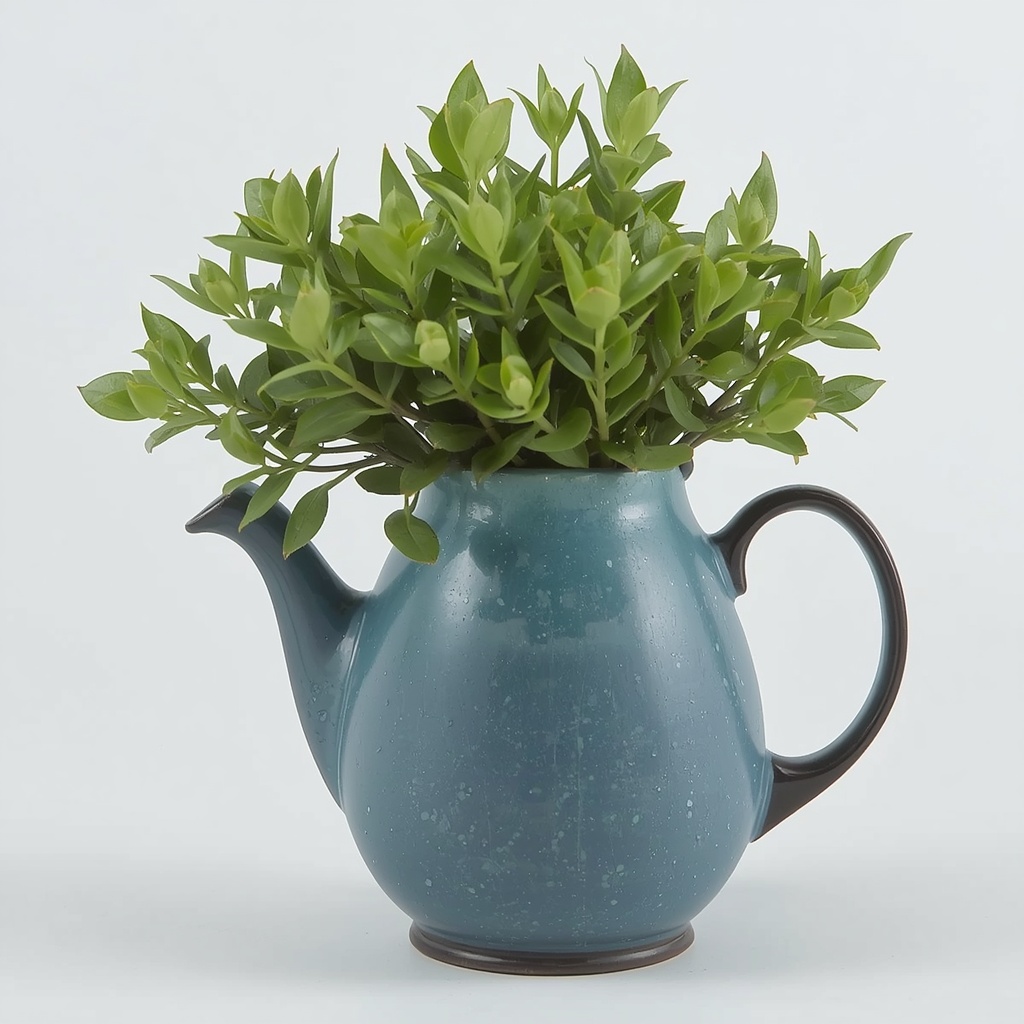
If you’re comfortable drilling, start by placing painter’s tape over the spot on the underside where the hole will go, which keeps the bit from wandering across the glaze. Turn the vessel upside down on a stable, non-slip surface, and drill at a low speed, pausing frequently to cool the bit in water and clear away ceramic dust. Once the hole is through, gently smooth any sharp edges, then add a base layer of pebbles before filling with potting mix and settling in your plant.
Prefer not to drill at all? Simply nest a plastic grow pot with its own drainage holes inside the pitcher or teapot, and use the vessel purely as a decorative cover. This “pot within a pot” approach is especially useful for very old or sentimental pieces, chipped porcelain teapots, or antique finds you’d rather not risk damaging. It also makes it far easier to swap plants seasonally without disturbing the vintage container itself.
Pro Tip
Before you drill anything, test the ceramic’s density with a quick scratch test using the tip of a metal key on an inconspicuous spot. If the glaze scratches easily or feels chalky, the piece may be earthenware rather than stoneware or porcelain, and it’s safer to use the no-drill, nested-pot method instead of risking a full crack under the pressure of a drill bit.
Best Plants for Pitchers and Teapots
The right plant choice makes or breaks an upcycled planter. Because most thrifted pitchers and teapots are on the smaller side, you’ll generally have the best luck with compact, slow-growing, or shallow-rooted plants rather than anything that needs to spread out aggressively.
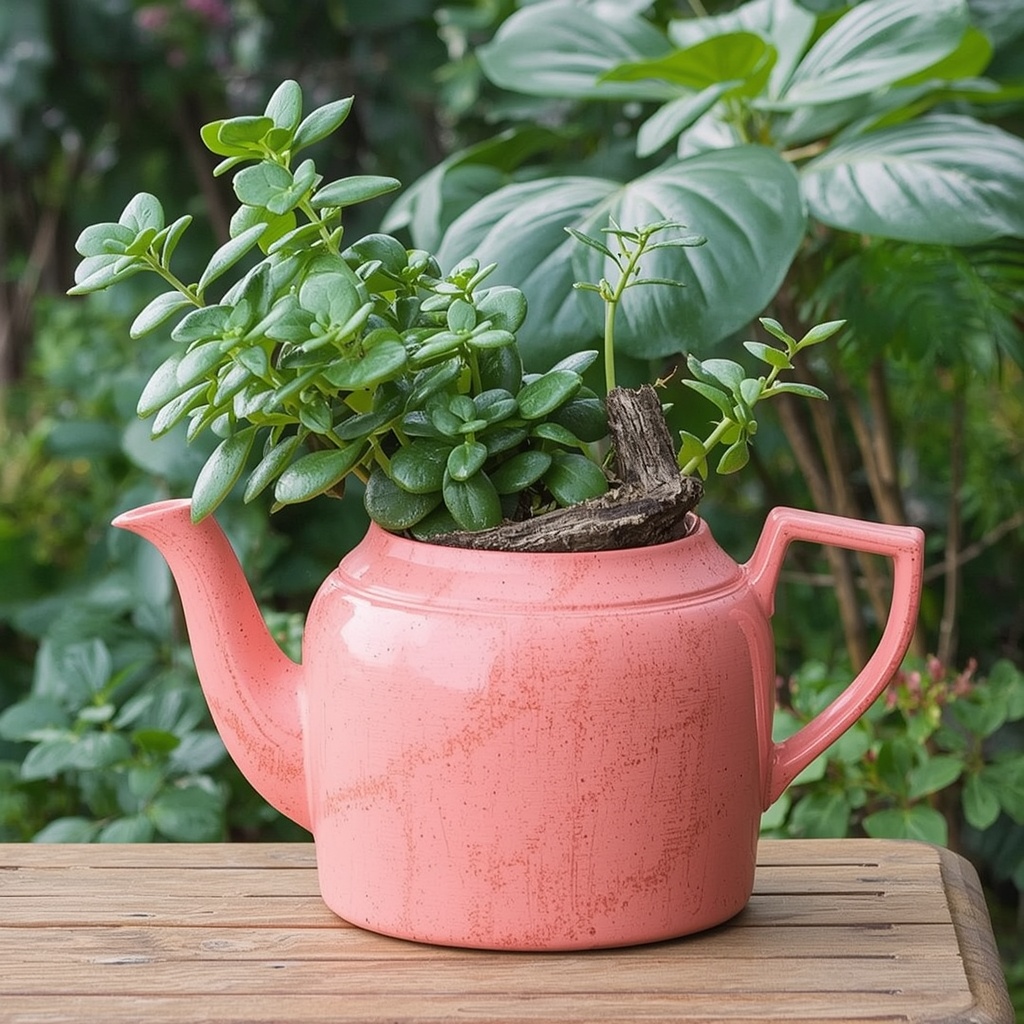
Succulents and small cacti are the classic choice for teapot planters because their root systems are shallow and they tolerate the sometimes-imperfect drainage of a repurposed vessel. Trailing plants like pothos, string of pearls, or creeping Jenny look especially charming spilling out of a pitcher’s spout, echoing the visual of liquid pouring from the vessel. Herbs such as thyme, chives, and mint also do well in wider pitchers, especially in a sunny kitchen window where they double as both decor and a fresh ingredient source.
| Plant Type | Best Vessel Shape | Light Needs | Why It Works |
|---|---|---|---|
| Succulents & cacti | Squat teapots, small pitchers | Bright, indirect to direct | Shallow roots, tolerant of imperfect drainage |
| Pothos or philodendron | Pitchers with a spout | Low to medium light | Trailing habit mimics pouring water |
| Herbs (thyme, mint, chives) | Wide-mouth pitchers | Bright, sunny windowsill | Compact roots, functional kitchen decor |
| Ferns | Larger teapots or jugs | Indirect light, humidity | Thrives in the slightly moist microclimate |
| African violets | Small teapots | Bright, indirect light | Compact size fits classic teapot proportions |
Styling Your Upcycled Planters Around the Home
A well-made planter deserves a spot where it can actually be appreciated, not tucked into a corner where its details disappear. In my design work, I encourage clients to treat thrifted planters as the anchor of a small vignette rather than a standalone afterthought sitting alone on a shelf.
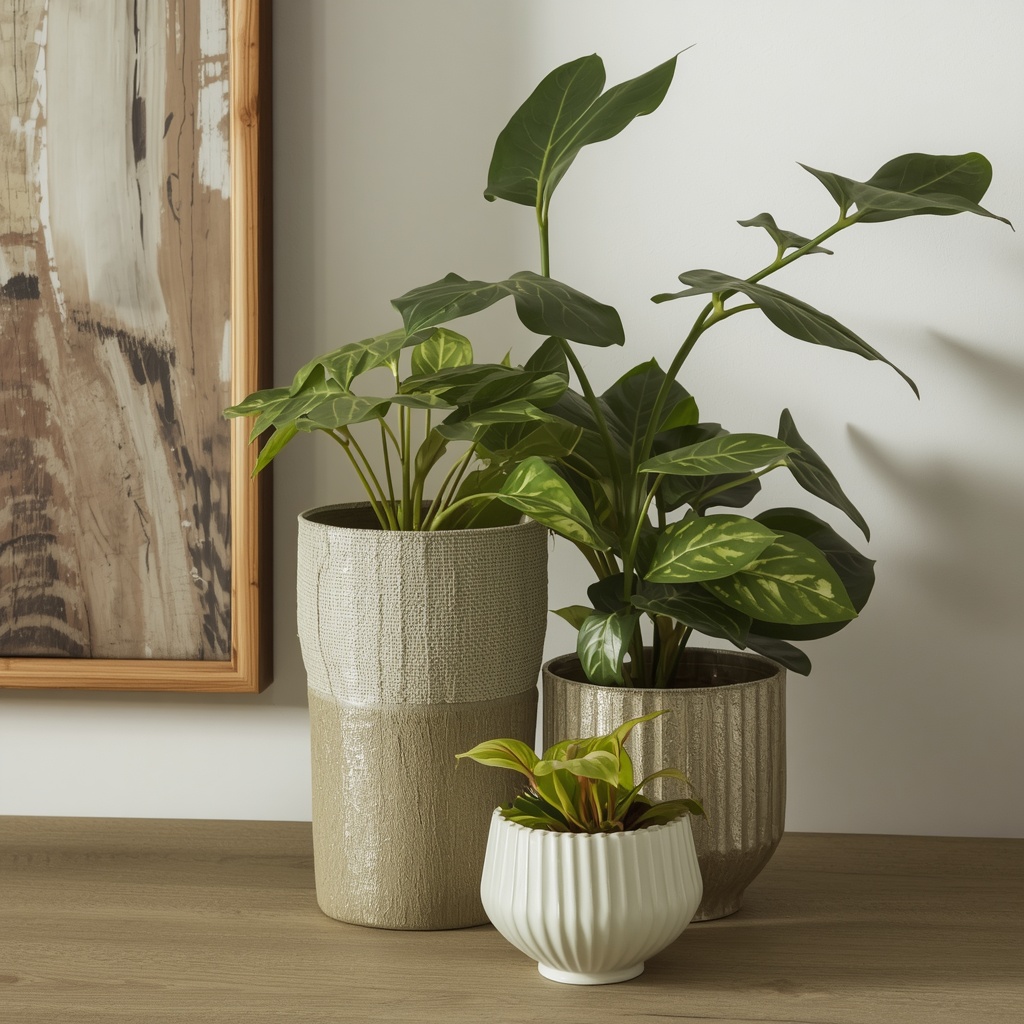
Grouping two or three mismatched pitchers of varying heights on a console table or kitchen windowsill creates instant visual rhythm, especially when you vary the plant textures alongside them. A single striking teapot planter can also serve as the centerpiece of a farmhouse or cottagecore dining table, paired with a few stems of fresh greenery for special occasions. For a gallery-style approach, line a floating shelf with several thrifted vessels in a coordinated color palette, letting the differences in shape and glaze do the visual work instead of matching pots.
Consider these placement ideas as you plan your own home decor scheme:
- Kitchen windowsill — herbs in wide pitchers for a functional, farmhouse-inspired display
- Entryway console — a single statement teapot planter as a welcoming focal point
- Open shelving — a curated row of mismatched vintage pitchers in varying heights
- Dining table centerpiece — a trailing plant in a pitcher for texture without blocking sightlines
- Bathroom vanity — a small teapot planter with a low-light-tolerant plant like pothos
Common Mistakes to Avoid
Even experienced DIYers run into a few predictable pitfalls with this project, so it’s worth reviewing them before you get started. Skipping the drainage layer is the most common misstep, since soil that sits directly against a solid ceramic bottom traps water and quickly leads to root rot. Overwatering is a close second, particularly with vessels that lack drainage holes, where it’s easy to misjudge how much moisture is actually reaching the roots.
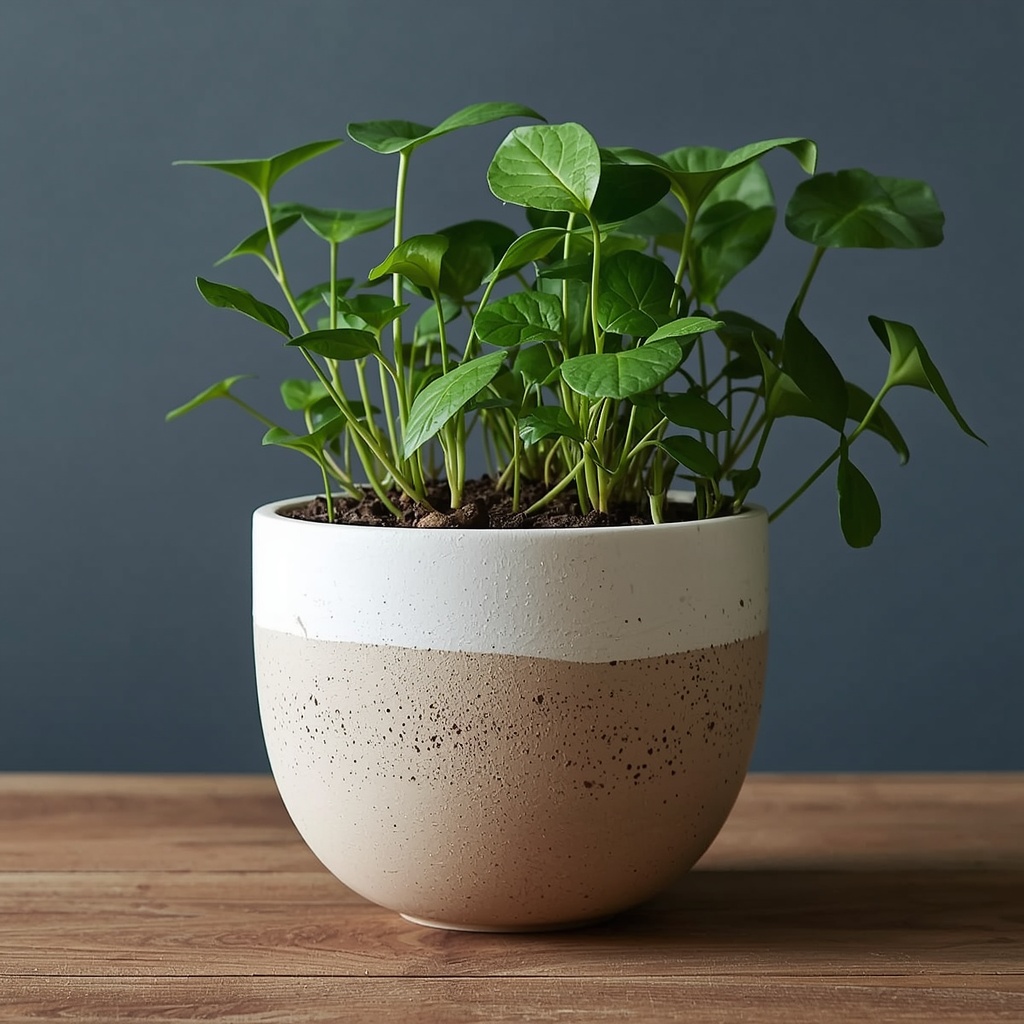
Another frequent mistake is choosing a plant that will outgrow its container within a single season, which means repotting sooner than you’d like and can stress delicate root systems. Finally, many people skip cleaning the vessel thoroughly before planting, leaving behind old tea residue, dust, or bacteria that can affect soil health over time. A quick wash with mild soap and warm water solves this in minutes and is worth the extra step every time.
Caring for Plants in Repurposed Containers
Ceramic vessels like pitchers and teapots retain moisture differently than standard terracotta pots, since terracotta is porous and wicks water away while glazed ceramic holds it in. This means you’ll want to water more conservatively than you might with a traditional plant pot, checking soil moisture with a finger test before adding more water.
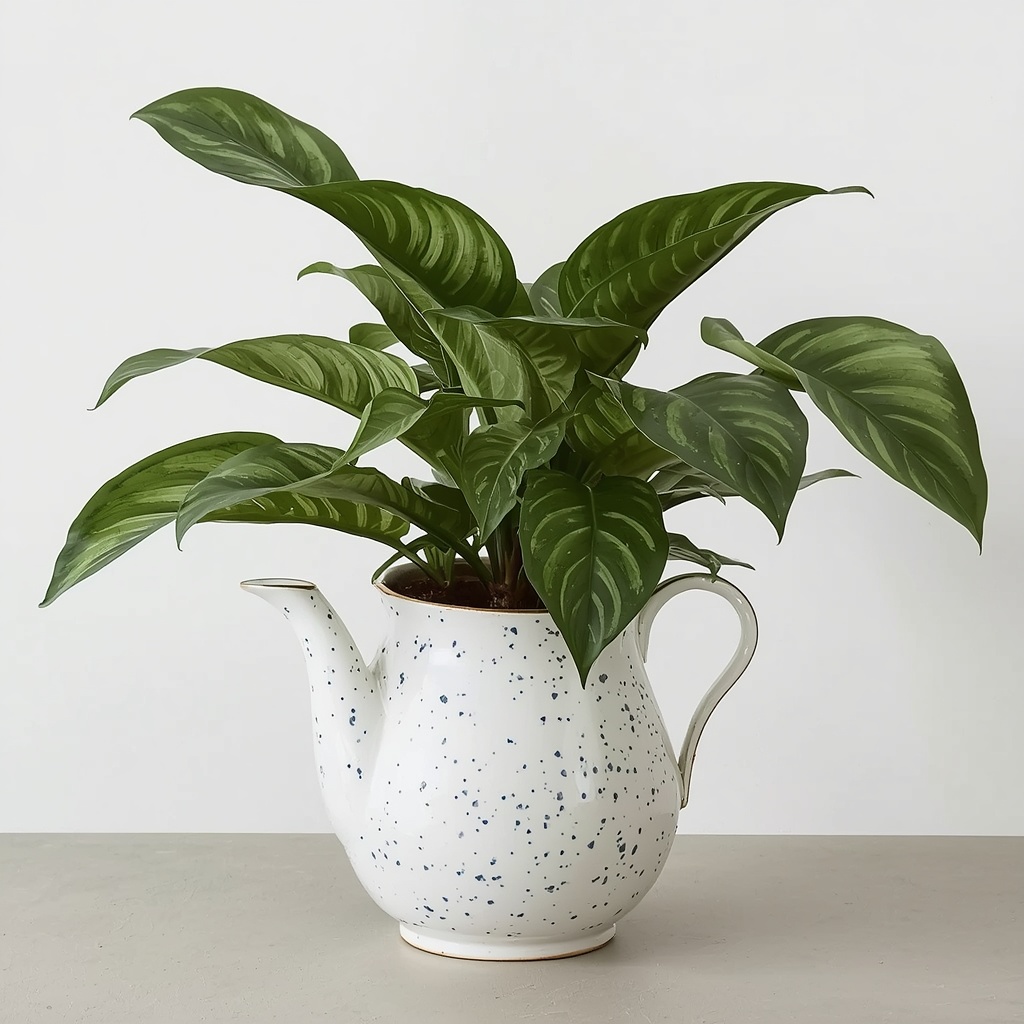
If your piece doesn’t have a drainage hole, it’s especially important to use a well-draining potting mix and to add a generous pebble layer at the base to create a reservoir that keeps roots from sitting in standing water. Rotate your planter occasionally so the plant grows evenly rather than leaning toward the light source, and repot into a slightly larger vessel once roots begin to circle the container’s interior.
Frequently Asked Questions
Do I need to drill a hole in every teapot or pitcher I use as a planter? Not necessarily. If you’d rather avoid drilling, you can nest a plastic grow pot with its own drainage inside the vessel, keeping the original piece purely decorative.
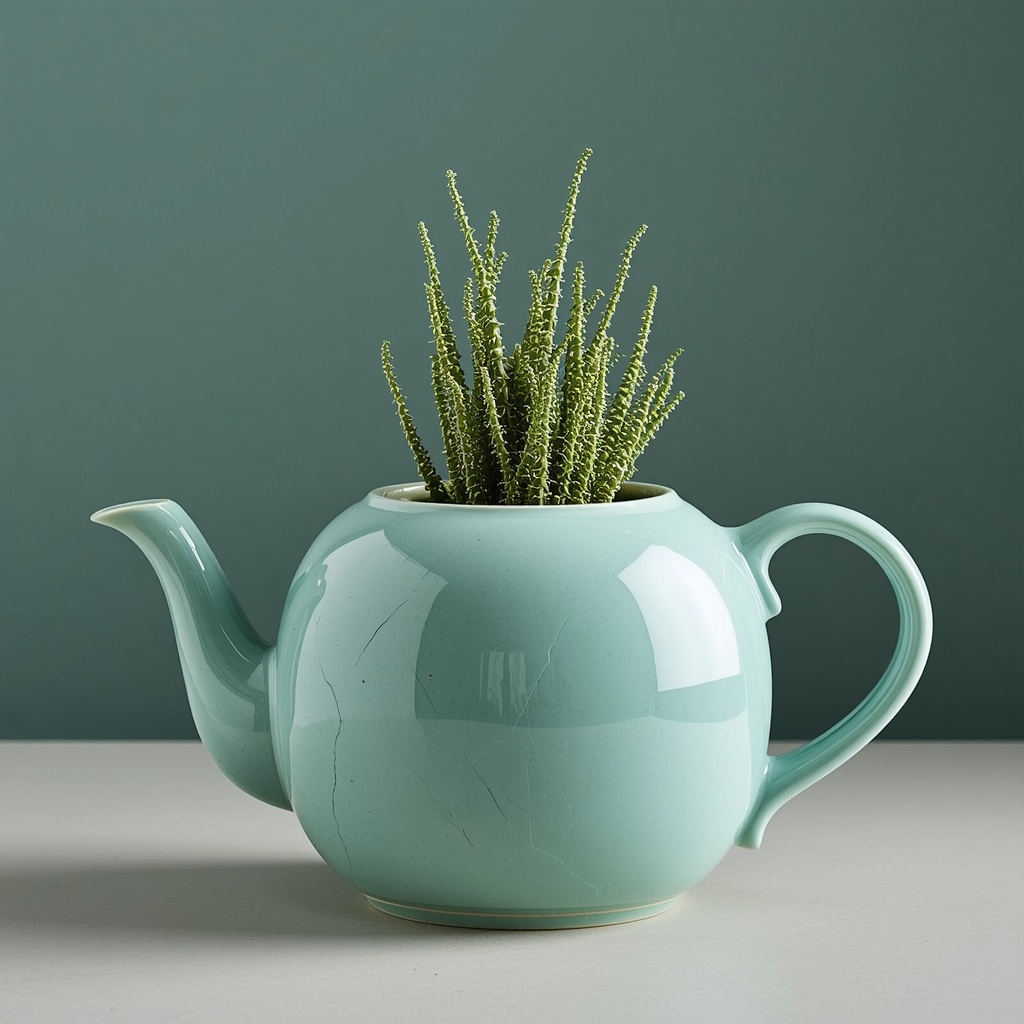
What’s the best glue for a cracked pitcher I want to use as a planter? A waterproof epoxy designed for ceramics works well for cosmetic repairs, though heavily cracked pieces are best used as cachepots rather than direct planters to avoid water damage.
Can I use a metal pitcher instead of ceramic? Yes — vintage metal pitchers and galvanized jugs also make excellent planters, though you’ll want to drill drainage holes with a metal bit and watch for rust over time.
How do I clean a musty-smelling thrifted teapot before planting in it? Soak it in a mixture of warm water and white vinegar for 30 minutes, then scrub with a soft brush and rinse thoroughly before adding soil.
Final Thoughts
Turning a thrifted pitcher or teapot into a plant pot is one of the simplest ways to bring warmth, sustainability, and one-of-a-kind character into your home without spending a fortune. The process rewards patience and a willingness to experiment, and the payoff is a planter that no one else will have in quite the same form.
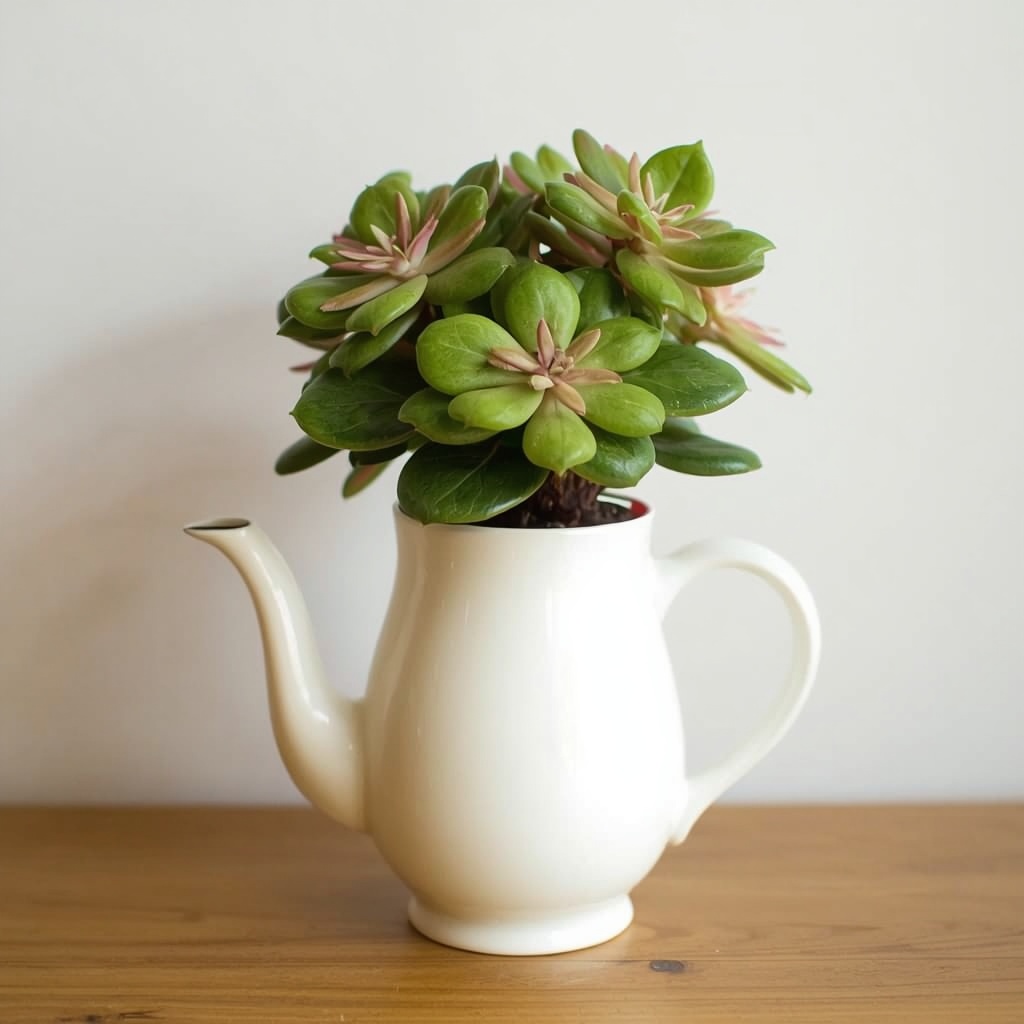
Start with a single piece, get comfortable with the drilling or nested-pot method, and let the project grow from there — quite literally. Once you see how much personality a $4 thrift store find can add to a shelf or windowsill, it’s hard to go back to buying planters off the shelf at a big-box store.