
If you’ve scrolled through home decor inspiration lately, you’ve probably noticed a shift happening on America’s walls. Blank vertical space — once reserved for framed prints and family photos — is now home to something greener, softer, and infinitely more alive. Wall-mounted planters have officially moved from niche botanical hobby to mainstream interior design statement, and as a designer, I couldn’t be more thrilled to watch it happen.
I’ve spent years helping homeowners solve the same problem: they love plants, but they’re running out of floor and shelf space. Wall-mounted planters solve that problem beautifully while doing something floor plants never could — turning your greenery into actual wall art. Let’s dig into why this trend has staying power, how to do it right, and how to avoid the rookie mistakes I see in almost every home I walk into.
What Exactly Are Wall-Mounted Planters?
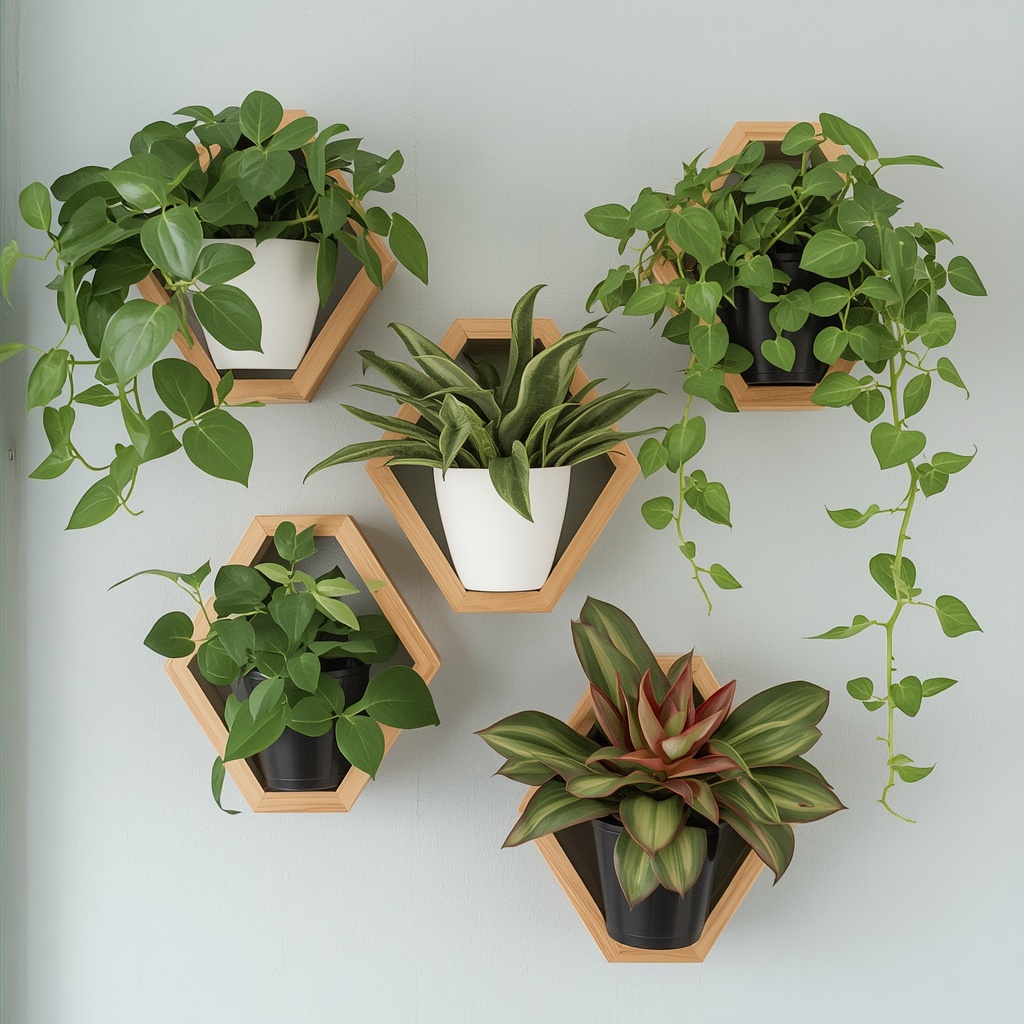
Wall-mounted planters are decorative vessels — pots, pockets, frames, or modular panels — that attach directly to a wall and hold living plants, creating what designers call a “living wall” or “vertical garden” effect. Unlike a traditional hanging planter that dangles from the ceiling, wall-mounted versions sit flush or semi-flush against the wall, functioning more like sculptural art pieces than typical plant containers.
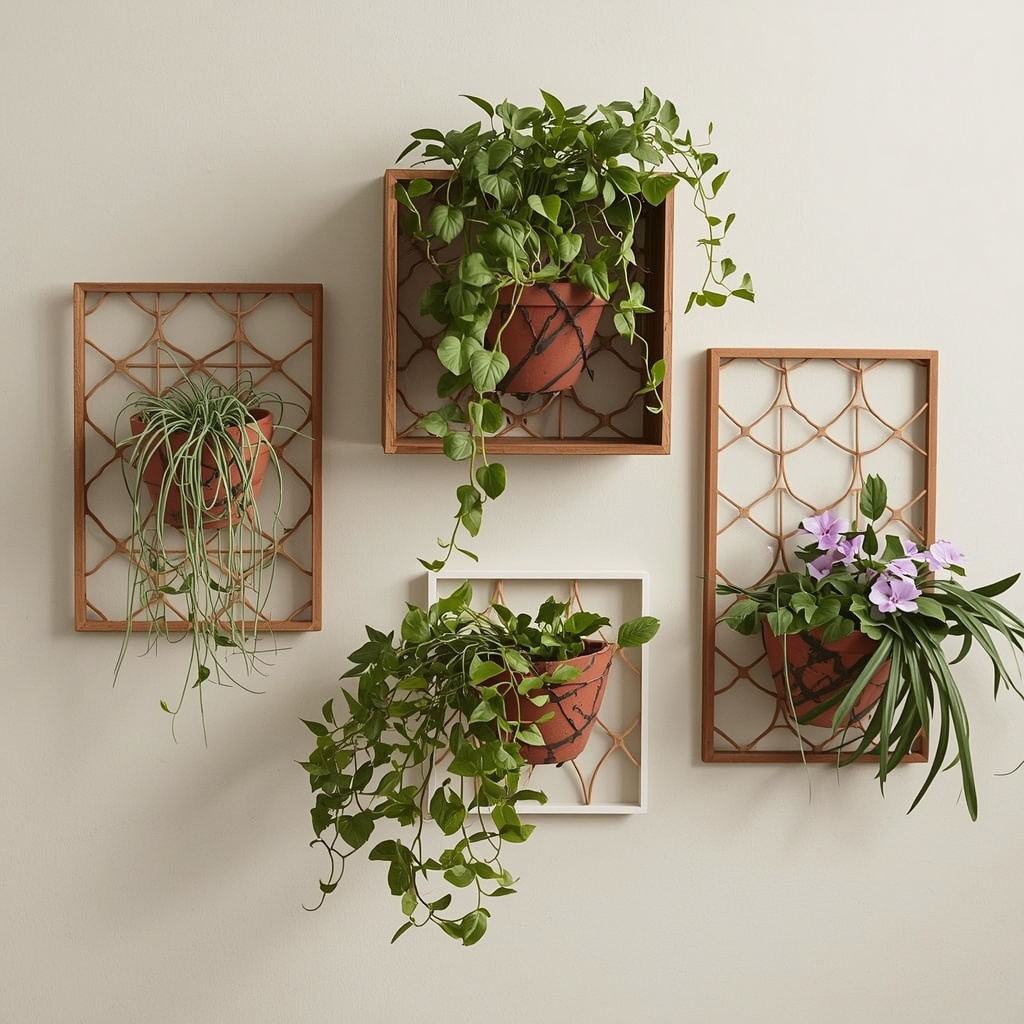
This category includes everything from single ceramic wall pockets to elaborate modular green wall systems that cover an entire accent wall. The common thread is intentionality: these aren’t afterthoughts tucked into a corner. They’re designed to be focal points, and that’s exactly why they’re reshaping how we think about biophilic design in the home.
Why This Trend Is Exploding Right Now
A few forces are converging to push wall-mounted planters into the design spotlight. Smaller urban homes and apartments have made vertical space more valuable than ever, and homeowners are looking for ways to bring nature indoors without sacrificing precious square footage. At the same time, the wellness movement has put a spotlight on biophilic design — the idea that proximity to natural elements measurably improves mood, focus, and air quality.
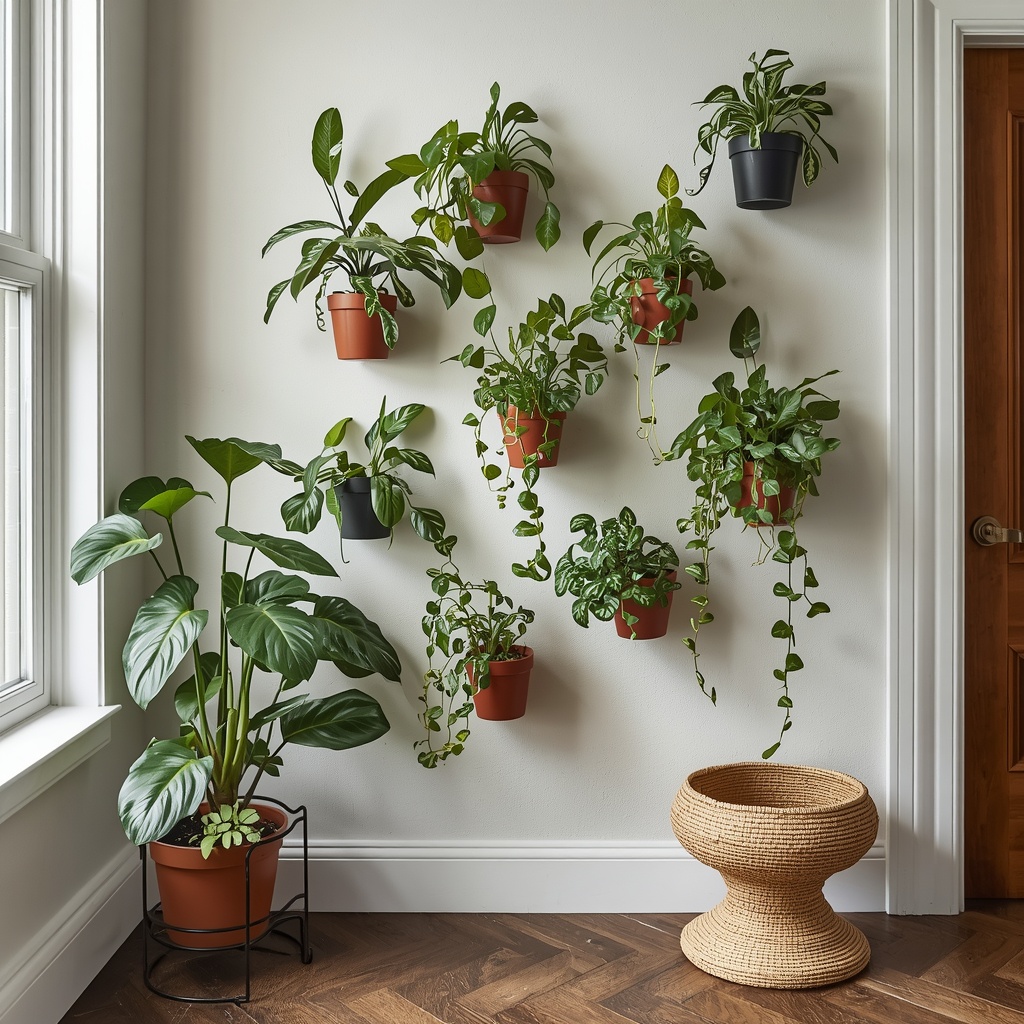
“Plants aren’t just decoration anymore — they’re becoming architecture. A wall-mounted planter arrangement does what a piece of art does, but it also breathes, grows, and changes with the seasons.” — a sentiment echoed by countless designers embracing living decor.
There’s also a simple aesthetic appeal at play. Minimalist and Scandinavian-inspired interiors, which dominate US design trends, often feel a little sterile without organic texture. A cascading pothos or a cluster of succulents in a sculptural wall planter softens hard lines and adds warmth instantly — no major renovation required.
The Design Benefits of Vertical Greenery
Beyond the obvious visual appeal, wall-mounted planters offer functional design advantages that floor or tabletop plants simply can’t match.
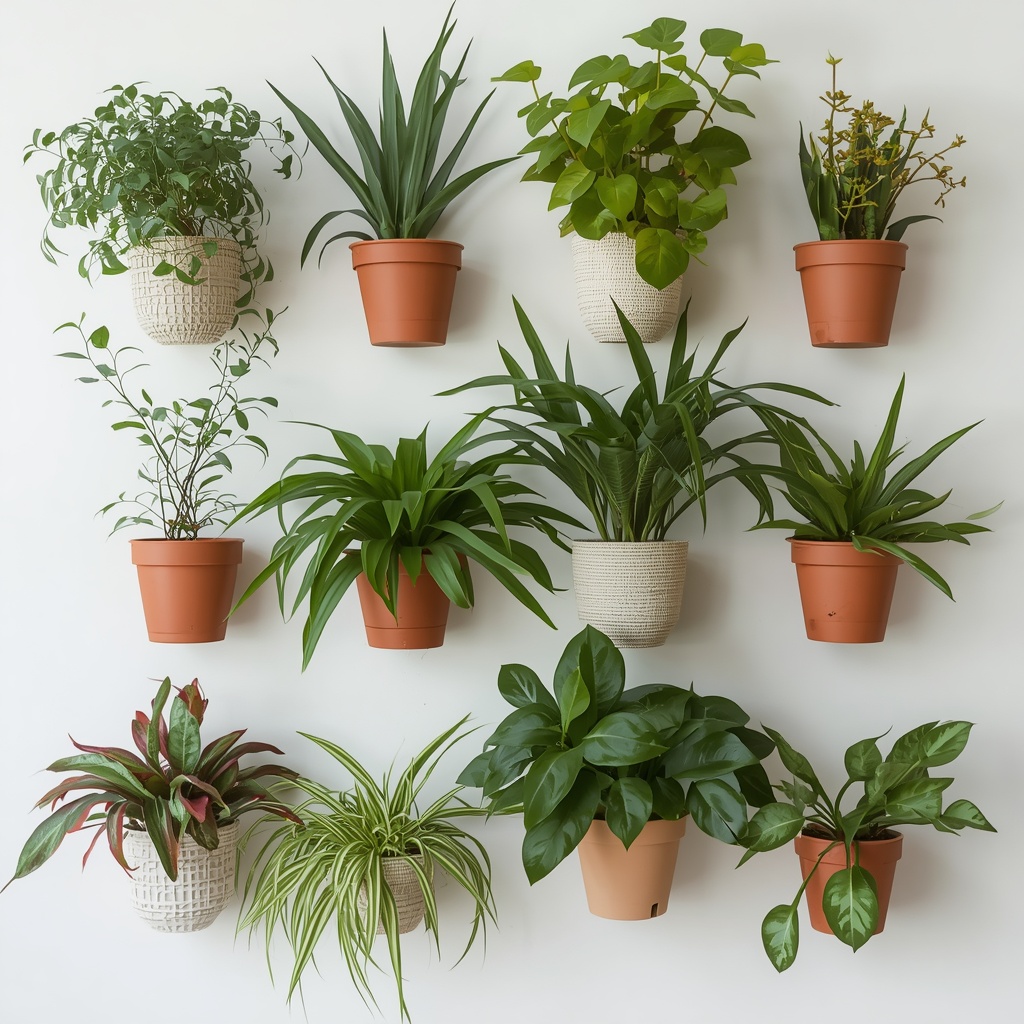
Space efficiency tops the list for most of my clients, especially those in condos, apartments, or homes with pets and small children who need surfaces kept clear. Wall planters also create natural focal points in rooms that lack architectural interest, drawing the eye upward and making ceilings feel higher. They introduce texture and color variation into otherwise flat, monochrome walls, and they allow for creative layering — mixing plant heights, leaf shapes, and pot materials the way you’d layer artwork in a gallery wall.
Here’s a quick breakdown of where this trend delivers the most design value:
| Design Benefit | Why It Matters |
|---|---|
| Space-saving | Frees up floor and counter space in small homes |
| Visual focal point | Draws the eye and anchors a room’s design |
| Texture contrast | Softens sharp, minimalist, or industrial interiors |
| Air quality | Many trailing plants help filter indoor air |
| Customizable scale | Works for a single accent pot or a full living wall |
| Seasonal variety | Look changes naturally as plants grow and mature |
Popular Styles of Wall-Mounted Planters
Not all wall planters serve the same design purpose, and choosing the right style depends heavily on your existing decor and the mood you’re going for.

Ceramic wall pockets are the classic choice, offering a sculptural, gallery-like feel that works beautifully in bohemian, farmhouse, or eclectic spaces. Modular green wall panels are the go-to for homeowners wanting a dramatic, full-coverage living wall effect, often seen in modern and biophilic-forward interiors. Macrame and woven wall planters bring in warm, tactile texture and pair naturally with boho and coastal aesthetics. Geometric metal or wood-framed planters suit mid-century modern and contemporary spaces where clean lines matter. Test tube or glass propagation walls have become a favorite among minimalist and Scandinavian design lovers who want visible roots and a scientific, botanical-lab aesthetic.
A few standout style categories worth exploring for your space:
- Ceramic and terracotta wall pockets — earthy, timeless, budget-friendly
- Felt or fabric pocket organizers repurposed as planters — soft, casual, apartment-friendly
- Modular hexagon or square panel systems — scalable, modern, statement-making
- Macrame-wrapped hanging pots mounted close to the wall — boho, textured
- Reclaimed wood plank planters — rustic, farmhouse, and industrial-friendly
- Glass wall-mounted terrariums — sleek, minimal, great for succulents and air plants
Choosing the Right Plants for Wall-Mounted Displays
The planter is only half the equation — plant selection makes or breaks the look. Because wall-mounted setups often get less consistent watering and airflow than floor plants, resilience matters just as much as beauty.

Trailing plants like pothos, string of pearls, and English ivy are wall-mounting favorites because their cascading growth creates that lush, “living art” drape effect designers love. For low-maintenance clients, I almost always recommend snake plants, pilea, or air plants, since they tolerate inconsistent watering and lower light better than most trailing varieties. If you’re building a full living wall, mixing textures — broad tropical leaves next to delicate ferns next to structural succulents — creates the depth and visual rhythm that makes these installations feel curated rather than random.
Quick Plant Pairing Guide
| Room Type | Recommended Plants | Light Needs |
|---|---|---|
| Living room accent wall | Pothos, philodendron, ferns | Medium, indirect |
| Bathroom (humidity-loving) | Air plants, moss, ferns | Low to medium |
| Kitchen herb wall | Basil, mint, thyme | Bright, direct/indirect |
| Bedroom | Snake plant, pilea, ZZ plant | Low to medium |
| Home office | Succulents, string of pearls | Bright, indirect |
Pro Tip: Placement and Watering Strategy
Pro Tip: Before drilling a single hole, map your planter layout with painter’s tape on the wall first. Step back, live with it for 24–48 hours, and adjust. This single trick prevents the single most common regret I hear from clients — mismatched spacing once the planters are actually mounted.
On the maintenance side, install a drip tray or self-watering reservoir behind each planter whenever possible, especially for higher installations that are harder to reach. This protects your drywall or paint from water damage and saves you from the awkward routine of hauling a watering can up a step stool every few days.
How to Style a Wall-Mounted Planter Arrangement
Great living wall art follows the same compositional principles as a traditional gallery wall — balance, rhythm, and intentional variation. Start by choosing a focal anchor point, whether that’s a single oversized planter or a cluster of three, then build outward with smaller pieces at varying heights.
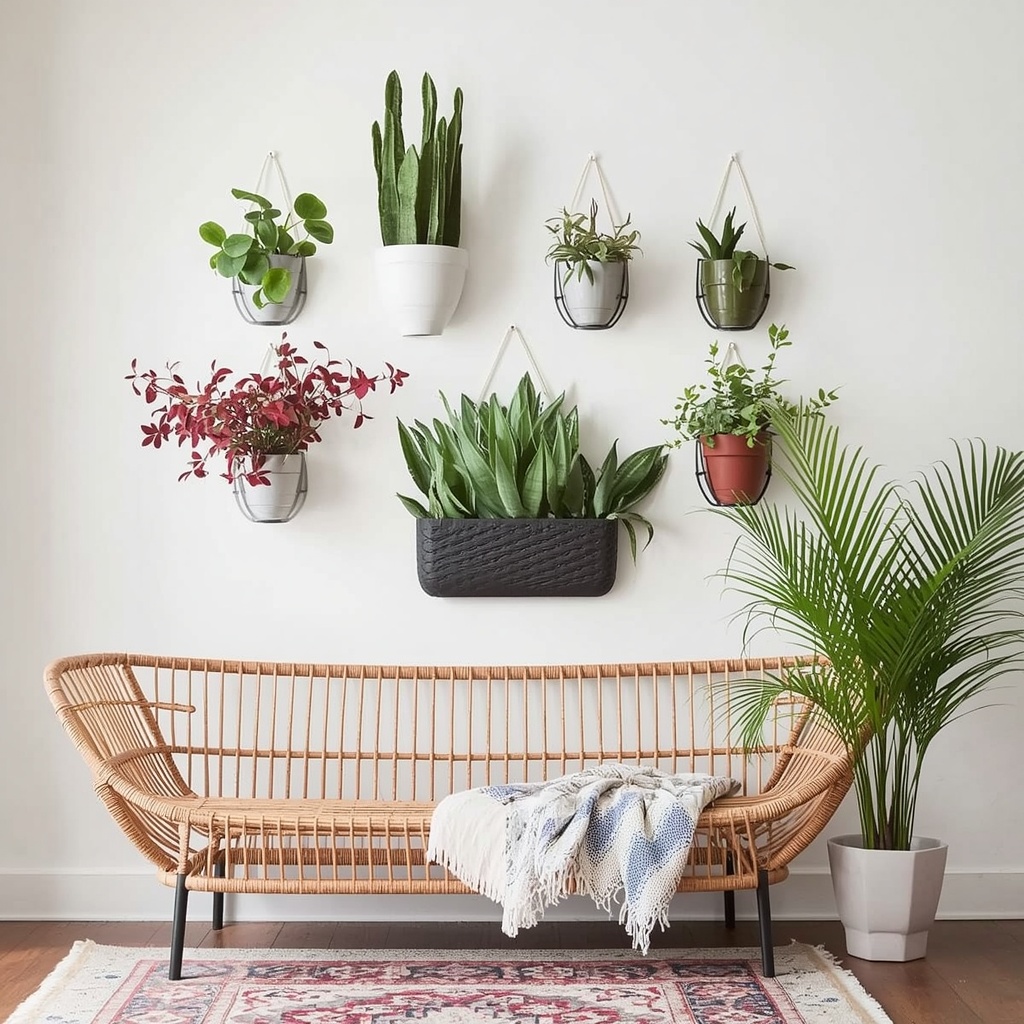
Odd-numbered groupings (three, five, seven) tend to read as more organic and visually pleasing than even pairs, a principle borrowed straight from classic art-hanging theory. Vary the depth of your planters slightly, too — a mix of flush-mounted and slightly protruding vessels adds dimensionality that keeps a flat wall from feeling static.
A simple styling checklist to keep your arrangement cohesive:
- Choose a consistent color palette across pots (2–3 tones max)
- Mix plant heights and leaf textures for visual rhythm
- Anchor the arrangement with one larger “hero” plant or planter
- Leave breathing room — don’t overcrowd the wall
- Step back frequently during installation to check balance
- Layer in ambient lighting to highlight the greenery after dark
Room-by-Room Application Ideas
Wall-mounted planters aren’t limited to living rooms. In entryways, a small cluster near the door creates an immediate, welcoming first impression without blocking foot traffic. Kitchens benefit enormously from a wall-mounted herb garden near a sunny window — it’s functional, fragrant, and endlessly Instagrammable. Bathrooms, particularly those with good natural light, are ideal for humidity-loving plants like ferns and air plants mounted on an otherwise empty wall.
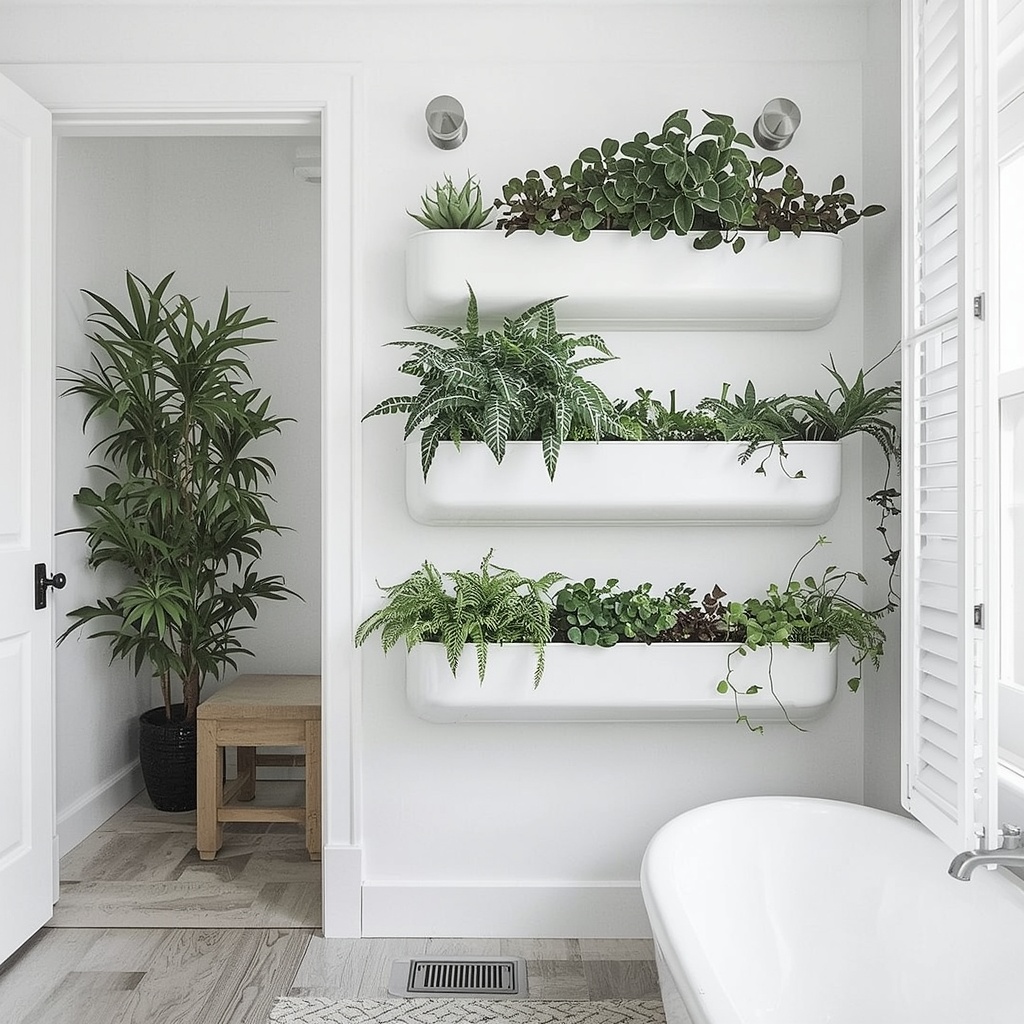
Home offices are another underrated opportunity. Research on biophilic design consistently links greenery to improved focus and reduced stress, making a wall planter arrangement behind your desk both a productivity boost and a Zoom-call backdrop upgrade.
Common Mistakes to Avoid
Even well-intentioned homeowners run into predictable pitfalls with this trend. Overwatering is the top offender — wall planters often lack proper drainage, so root rot sets in faster than people expect. Choosing the wrong plant for the light conditions is a close second; a wall that looks perfect for design purposes may actually get very little natural light throughout the day.
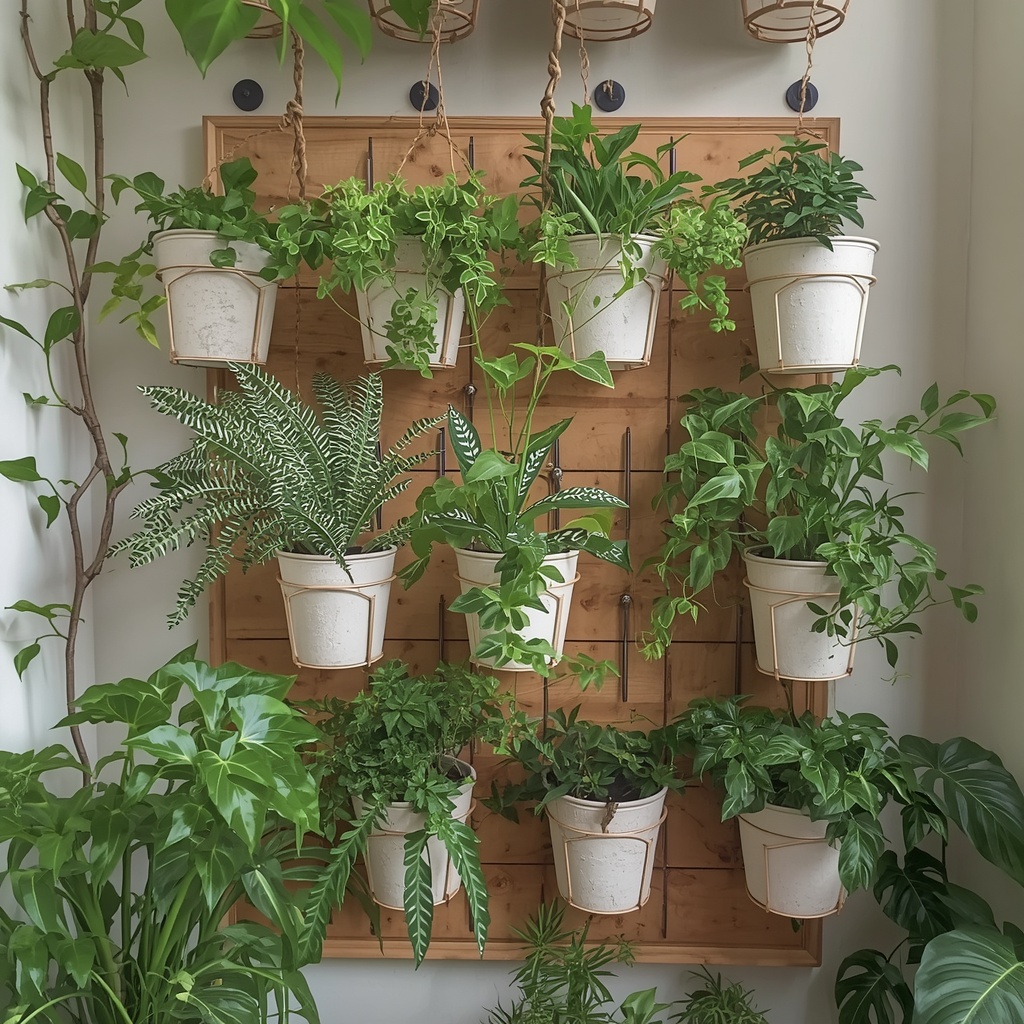
Structural oversights matter too. Skipping wall anchors on heavier ceramic or modular systems can lead to damage, and ignoring weight distribution across a mounting bracket is a fast track to a mid-afternoon crash. Finally, overcrowding a small wall with too many planters can make a space feel cluttered rather than curated — restraint is often the more sophisticated design choice.
Materials and Budget Considerations
Wall-mounted planters span a wide price range, which makes this trend accessible whether you’re furnishing a first apartment or finishing a custom build. Budget-friendly options include felt pocket organizers and basic ceramic wall pots, typically running $15–$40 per piece. Mid-range choices like curated modular panel kits or handcrafted macrame planters often fall between $50–$150. On the higher end, custom-built living wall systems with integrated irrigation can run several hundred to a few thousand dollars depending on scale — a worthwhile investment for larger statement installations.
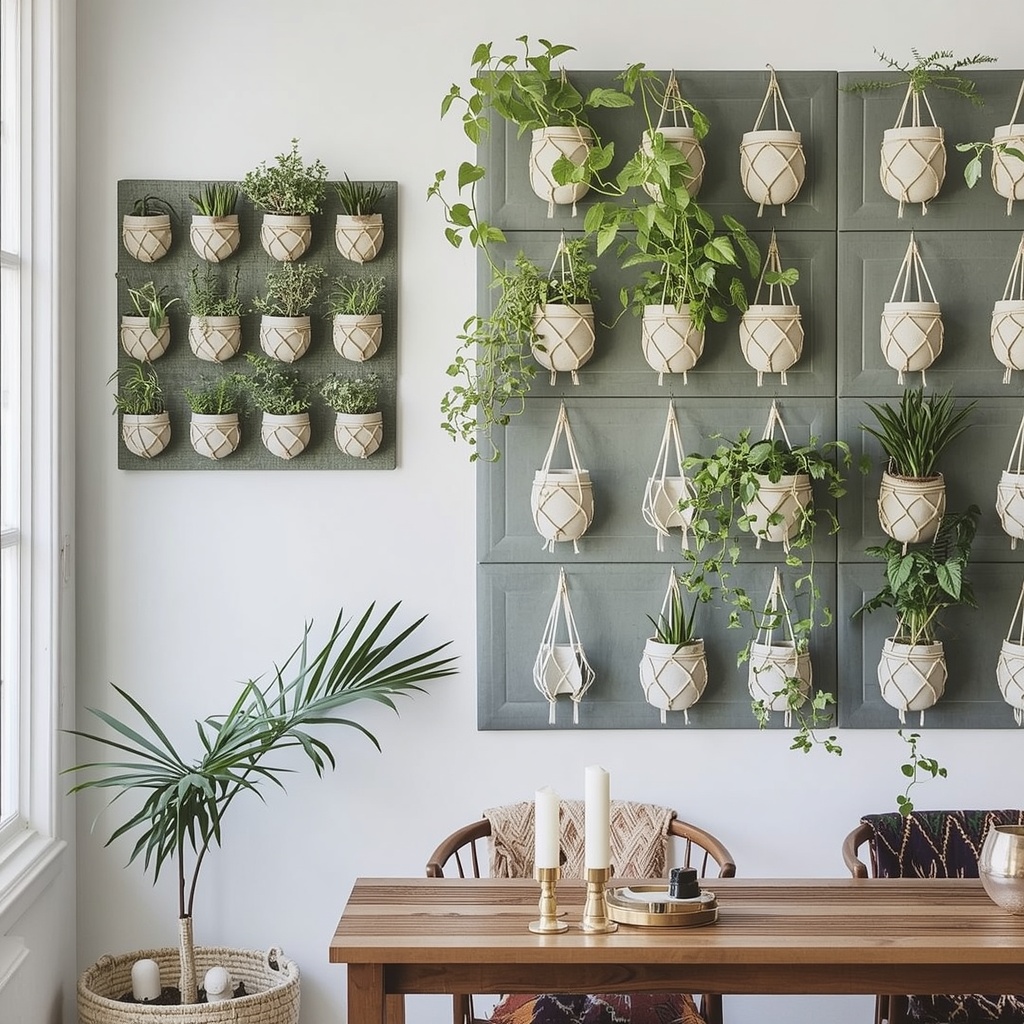
Whatever your budget, prioritize quality mounting hardware over the planter itself. A beautiful pot mounted with the wrong anchor is a liability, not decor.
Final Thoughts
Wall-mounted planters represent something bigger than a passing decor fad — they reflect a genuine shift toward homes that feel alive, textured, and connected to nature. Whether you start small with a single ceramic wall pocket or go all-in on a full modular living wall, this trend rewards intentional design choices and a bit of patience as your plants settle in and grow.
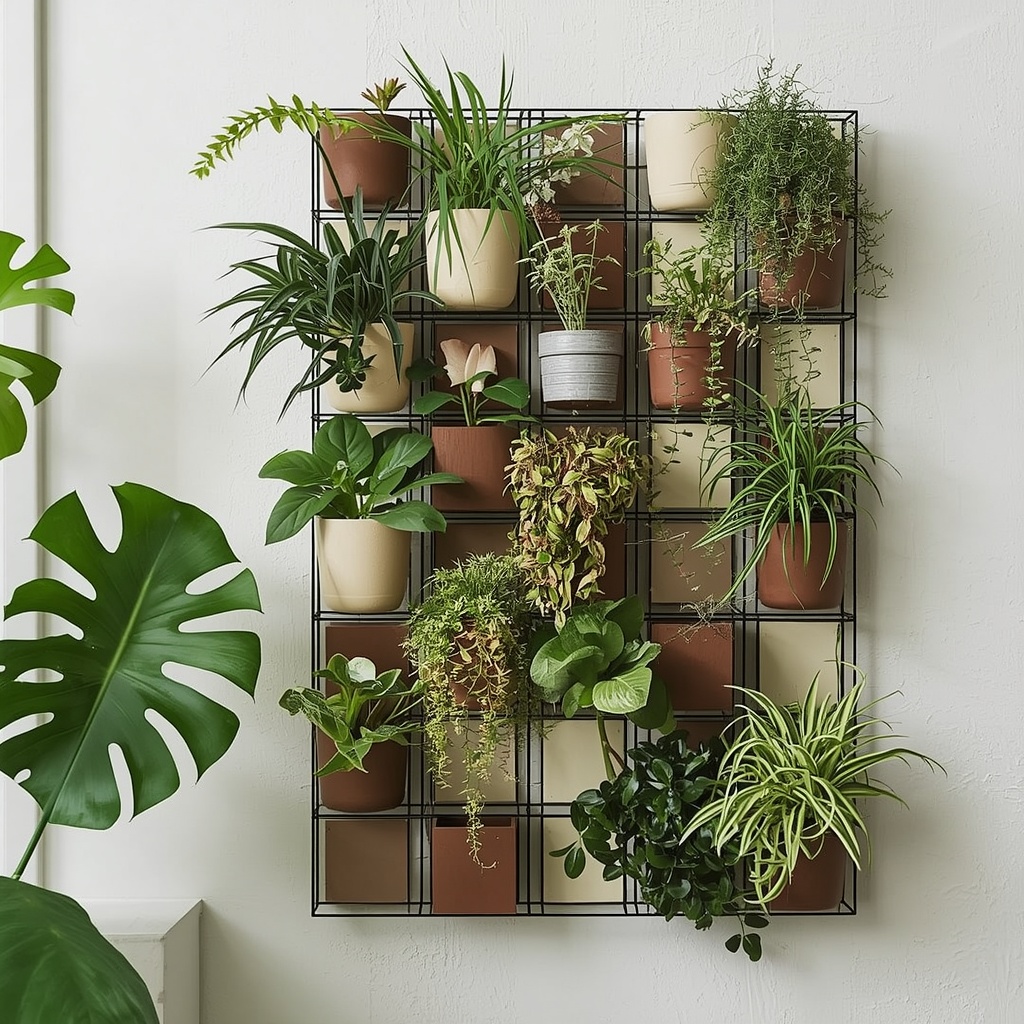
As with any design element, the best results come from thinking of your wall planters as art first and plants second — composition, balance, and color harmony matter just as much as the greenery itself. Start with one wall, one arrangement, and let it teach you what works in your space before expanding further.
For more inspiration, reputable resources like the Association of Professional Landscape Designers and the National Gardening Association offer excellent guidance on plant care that pairs well with any wall-mounted design project.