
You do not need a grand formal dining room to throw a memorable dinner party. Some of the warmest, most talked-about gatherings happen in tiny apartments, narrow kitchens, and compact open-plan homes. Across the US, more people are living in condos, townhouses, and rentals where square footage is limited, yet the love of hosting hasn’t shrunk one bit. The good news is that design, not size, creates the feeling of a welcoming table.
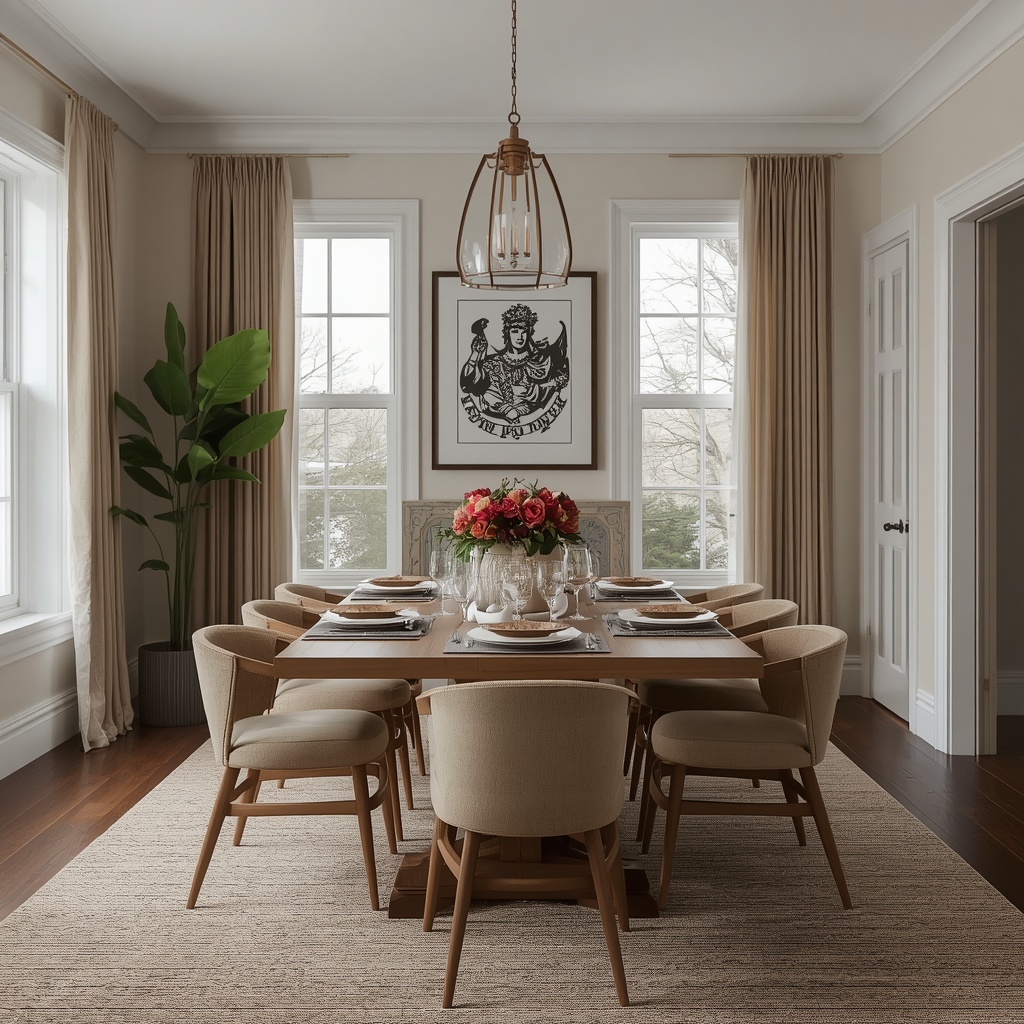
As an interior designer who has styled hundreds of compact homes, I have seen one pattern again and again: small dining rooms succeed when every inch has a job. In this guide, you will find practical small space dining room hacks, from space-saving dining furniture to lighting, layout, storage, and table styling, so you can seat more guests comfortably and still love your room on a quiet Tuesday night.
Why Small Dining Rooms Are Secretly Great for Hosting
Intimacy is the superpower of a compact dining area. When guests sit close, conversation flows more easily, laughter travels, and the room feels cozy rather than staged. Large dining rooms often swallow a table and leave people feeling distant from one another. A smaller footprint naturally pulls everyone into the same conversation, which is exactly what a great dinner party needs.

A small space also forces you to edit, and editing is the heart of good design. You choose fewer, better pieces, which makes the room look curated instead of cluttered. Whether you have a dedicated nook, a dining corner in your living room, or a breakfast bar doubling as a table, the hacks below will help you create a flexible, stylish apartment dining room that adapts to your guest list.
“A small room isn’t a limitation. It’s a brief. The best designs happen when you have to be intentional about every single piece.”
Start With a Smart Dining Room Layout
Before buying anything, measure your space and map out traffic flow. A good rule of thumb is to leave at least 36 inches between the table edge and the nearest wall or furniture so guests can pull out chairs and walk behind them. If you can only manage 30 inches, that’s workable in a pinch, but anything tighter will make the room feel cramped and awkward when everyone sits down.

Try placing your table against a wall, in a corner, or even under a window to free up the center of the room. You can pull it out on hosting nights and push it back for everyday use. Painter’s tape on the floor is my favorite free trick: outline the table and chairs, then walk around the shape to test how the layout will really feel before you commit.
Quick layout options for small dining spaces:
- Corner placement: Tuck a round or square table into a corner with a banquette or bench to save up to two chairs’ worth of space.
- Wall-hugging rectangle: Push one long side against the wall for daily use, and pull it out when guests arrive.
- Open-plan zoning: Use a rug or pendant light to define the dining zone inside a living room.
- Window nook: Turn a bay window or alcove into a built-in dining spot with cushioned seating.
Pro Tip: Always check door swings, radiator positions, and window access before finalizing your layout. A beautiful arrangement that blocks a doorway will frustrate you and your guests every single time.
Choose Space-Saving Dining Furniture That Works Harder
The right table is the foundation of any compact dining room. Look for pieces that expand, fold, or double as something else. Drop-leaf tables, extendable tables, and wall-mounted fold-down tables let you shift from a two-person breakfast spot to a six-person dinner setup in under a minute. Round tables with a pedestal base are especially friendly because there are no legs to bump and no sharp corners to dodge.

Material matters as well. Glass, acrylic, and light wood tops reduce visual weight, making the room feel larger. Slim legs with open space beneath create a sense of airiness, while chunky, heavy bases do the opposite. Retailers like IKEA and Wayfair offer plenty of affordable extendable and drop-leaf options, and vintage shops often have solid-wood gems that fold down beautifully.
| Table Type | Best For | Seats (Typical) | Space-Saving Rating |
|---|---|---|---|
| Drop-leaf table | Studios and narrow rooms | 2 to 6 | Excellent |
| Round pedestal table | Corners and nooks | 3 to 5 | Very good |
| Extendable table | Occasional large gatherings | 4 to 8 | Good |
| Wall-mounted fold-down | Tiny apartments | 2 to 4 | Excellent |
| Counter-height bar table | Open kitchens | 2 to 4 | Very good |
| Nesting tables | Flexible, multipurpose rooms | 2 to 4 | Excellent |
Seating Hacks: Fit More Guests Without Bulky Chairs
Chairs eat up more floor space than almost anything else in a dining room. Swap oversized armchairs for slim, armless designs that tuck fully under the table. Backless stools and benches are even better, because they slide completely out of sight when not in use. A bench on one side of the table can comfortably seat three people in the space two chairs would occupy.

Built-in banquette seating is a favorite designer move for tiny homes. It hugs the wall, hides storage underneath, and lets guests slide in without pulling chairs out. If a built-in is out of your budget, a freestanding upholstered bench with a few cushions mimics the look beautifully. Keep a couple of folding chairs or poufs in a closet for surprise guests, and your seating plan stays flexible.
Smart seating ideas to try:
- Bench seating: Pair a bench with chairs on the opposite side for a mix of comfort and flexibility.
- Stackable chairs: Choose stylish stackable styles in wood or metal that you can store in a closet.
- Stools with hidden storage: Ottomans and storage cubes double as extra seats and hold table linens or board games.
- Folding chairs: Today’s folding chairs come in warm wood and sleek black finishes that look chic, not temporary.
- Acrylic ghost chairs: Transparent chairs practically disappear, keeping sightlines open.
Pro Tip: Choose seat cushions in washable performance fabric. Spills are inevitable when you’re hosting, and easy-clean fabric will keep a banquette or bench looking fresh through years of dinner parties.
Use Light and Color to Make the Room Feel Bigger
Color can change how large a room feels more than almost any furniture swap. Light, warm neutrals like soft white, cream, pale greige, and gentle sage reflect natural light and expand the space visually. If you love drama, a deep color on all four walls can feel enveloping and intentional, but keep the ceiling light and the furniture slim so the room doesn’t feel heavy.

Mirrors are a small-space classic for good reason. Hang a large mirror across from a window to bounce daylight around the room and double the sense of depth. A mirror behind the table also reflects candlelight at night, creating a glowing, restaurant-like atmosphere. Pair it with glossy or satin finishes, glass accents, and metallic details to keep the light moving.
| Design Trick | Visual Effect | Cost Level |
|---|---|---|
| Light wall paint | Expands the room | Low |
| Large mirror | Doubles light and depth | Medium |
| Glass or acrylic table | Reduces visual bulk | Medium to high |
| Sheer curtains hung high | Adds height | Low |
| Monochromatic palette | Creates cohesion and calm | Low |
| Glossy finishes | Reflects light | Low to medium |
Go Vertical With Storage and Display
When floor space is limited, look up. Wall-mounted floating shelves, tall narrow bookcases, and picture ledges give you storage for serving platters, glassware, and cookbooks without stealing precious square footage. Hang shelves at eye level for everyday items and higher up for seasonal pieces. A slim console or a sideboard that is only 12 to 16 inches deep can serve as a buffet on party night.

Storage that hides in plain sight is the secret to an uncluttered dining room. Try a bench with a lift-up lid, a cabinet with glass doors for pretty dishes, or a rolling bar cart that tucks into a corner. Stylish Houzz galleries show countless examples of clever dining room storage ideas that can inspire your own setup. Keep surfaces mostly clear, and your room will feel calm even when it is full.
What to store near your dining area:
- Everyday dishes, glassware, and flatware
- Table linens, napkins, and placemats
- Candles, matches, and small vases
- Serving trays, cake stands, and platters
- Extra folding chairs or stools
- A small basket for coasters and cocktail picks
Layer Your Lighting for Ambiance
Lighting is the difference between a dining room and a dining experience. A single overhead fixture can feel harsh, so layer your lighting with three sources: ambient, task, and accent. A pendant or chandelier hung 30 to 36 inches above the table provides your main glow, while wall sconces or a slim floor lamp adds soft light from the sides without taking up table or floor space.

Dimmers are a small investment that pays off enormously. Dim the lights to a warm glow when guests arrive, and the room instantly feels more intimate. Use warm white bulbs around 2700K, add candles at the table, and string a few discreet fairy lights on a shelf if you like a touch of sparkle. Plug-in sconces are a renter-friendly hack that requires no electrician.
Pro Tip: Hang your pendant slightly off-center if your table sits in a corner, or use a swag-style plug-in pendant to position light exactly where the table is. The light should follow the table, not the ceiling box.
“Lighting is the jewelry of the room. Get it right, and everything else looks more expensive.”
Style the Table Without Crowding It
Table decor in a small space should be low, light, and layered. Skip the tall centerpieces that block sightlines and crowd plates. Instead, try a slim runner with a few small bud vases, a row of taper candles in low holders, or a single wooden tray holding salt, pepper, and a plant. If the table is tiny, a compact arrangement of two or three items keeps the surface elegant and usable.

Plan for serving, too. Rather than placing every dish on the table, set up a buffet on a nearby sideboard, a kitchen counter, or a rolling cart. Guests can serve themselves family style and return to a clean, uncluttered table. Cloth napkins, simple white plates, and a few seasonal touches like greenery or citrus keep the look cohesive without taking up a lot of space.
Table styling essentials for small dining rooms:
- Choose a runner instead of a full tablecloth to save space and show off the table.
- Use bud vases or low arrangements under six inches tall.
- Layer placemats, plates, and napkins for texture without bulk.
- Stick to a limited color palette of two or three tones.
- Add scent sparingly with an unscented candle at the table and a scented one in another room.
Hosting Flow: Making Dinner Easy for Everyone
Great hosting in a small home is about planning the flow. Set your bar or drink station away from the dining table, perhaps on a kitchen counter or console, so guests mingle without blocking the path to their seats. Offer appetizers in the living room or kitchen first, then move to the table for the main course. This keeps traffic spread out and prevents a bottleneck in your tight dining area.

Choose a menu that works with limited space. One-pot dishes, sheet-pan dinners, platters, and make-ahead desserts reduce clutter and keep you at the table instead of running back and forth. Clear plates in stages, keep a tray ready for dirty dishes, and set your dishwasher to empty before guests arrive. A calm host creates a calm room, and guests will always remember how you made them feel.
| Hosting Stage | Small-Space Strategy |
|---|---|
| Before guests arrive | Set the table, dim the lights, prep the drink station |
| Arrival and cocktails | Use the living room or kitchen counter for appetizers |
| Seating | Place guests with easy movement, with the host nearest the kitchen |
| Main course | Serve family style or from a sideboard buffet |
| Dessert and coffee | Move to the sofa or keep guests at the table with a tray |
| Cleanup | Stack plates quietly and keep a tray ready |
Renter-Friendly Dining Room Upgrades
If you rent, you can still create a beautiful, flexible dining space without losing your deposit. Peel-and-stick wallpaper behind a banquette instantly adds personality, and removable hooks can hold lightweight art, mirrors, and baskets. Plug-in sconces, freestanding shelving units, and large area rugs deliver style with zero permanent changes to the walls or floors.

A rug does more than you might think. It defines the dining zone in an open-plan room and anchors the table visually. Choose a rug large enough that all chair legs stay on it even when pulled out, which in most cases means extending 24 inches beyond the table edge on all sides. Low-pile or flat-weave rugs work best because chairs slide easily and crumbs are simple to vacuum.
Budget-friendly upgrades under $100:
- Peel-and-stick wallpaper for a single accent wall
- A set of linen napkins and a runner
- A plug-in wall sconce with a dimmer
- A framed mirror from a thrift or antique shop
- Slim floating shelves for glassware
- A washable flat-weave rug in a neutral tone
Common Small Dining Room Mistakes to Avoid
The most frequent mistake I see is buying a table that is simply too big. A beautiful 72-inch table might look stunning in a showroom, but in a 9-by-10-foot room it will dominate everything. Measure carefully, trust your painter’s tape test, and remember that you can always add leaves or extra seating later. Starting with a slightly smaller table keeps your room breathable.

Another pitfall is ignoring scale in decor. Oversized art, heavy drapes, and large centerpieces can overwhelm a compact room, while tiny knick-knacks scattered everywhere create visual noise. Aim for a few well-sized statement pieces and keep the rest simple. Avoid pushing every piece of furniture against the walls, too, since a little breathing room around the table often feels more spacious than a perfectly symmetrical room.
Mistakes to skip:
- Choosing bulky, high-back chairs that never tuck in
- Hanging a pendant too high, so it feels disconnected
- Using dark, heavy curtains that block natural light
- Overfilling the table with decor before dishes arrive
- Skipping a rug or buying one that is too small
- Forgetting to leave room for walking and serving
Pro Tip: Take a photo of your dining room from the doorway, and view it in black and white. The image reveals visual clutter and heavy spots that your eyes miss in person, making it easy to see what to edit.
Frequently Asked Questions About Small Dining Rooms
How many people can I seat in a small dining room? A 36-inch round table comfortably seats three to four people, while a 48-inch round seats four to six. Add a bench and stackable chairs for flexibility, and you can host six or even eight with a smart layout.

What is the best table shape for a small space? Round and oval tables are usually best because they have no sharp corners, improve traffic flow, and encourage conversation. Rectangular tables work well in narrow rooms, especially when pushed against a wall.
How can I make my dining area look bigger? Use light wall colors, a large mirror, slim-legged furniture, and layered lighting. Keep surfaces clear, hang curtains high, and choose a rug that defines the space without overwhelming it.
Can a dining nook work in a studio apartment? Absolutely. Use a drop-leaf or fold-down table, a bench, and a rug to define the zone. Wall shelves above the table add storage without eating floor space.
Final Thoughts: Small Space, Big Hospitality
A small dining room is not a compromise; it is an opportunity to design something personal, intimate, and endlessly practical. With flexible space-saving dining furniture, thoughtful lighting, clever storage, and a layout that respects traffic flow, you can host guests with confidence and style. The best dinner parties are about connection, and compact rooms make connection easy.

Start with one or two changes, perhaps a new lighting layer or a bench in place of chairs, and build from there. For more inspiration on small dining room ideas, browse the real-life rooms on Apartment Therapy and save your favorites to a mood board. Before long, you will have a dining space that feels bigger than it is, welcomes every guest warmly, and makes hosting something you look forward to instead of dread.