
Your patio should be a retreat, not a renovation project waiting to happen. Yet every year, homeowners across the US sink hundreds of dollars into outdoor furniture that fades, rusts, or falls apart after a single humid summer or snowy winter. As an interior designer who works with outdoor living spaces daily, I can tell you the difference between furniture that lasts a decade and furniture that lasts a season almost always comes down to a handful of decisions made before you ever click “buy.”
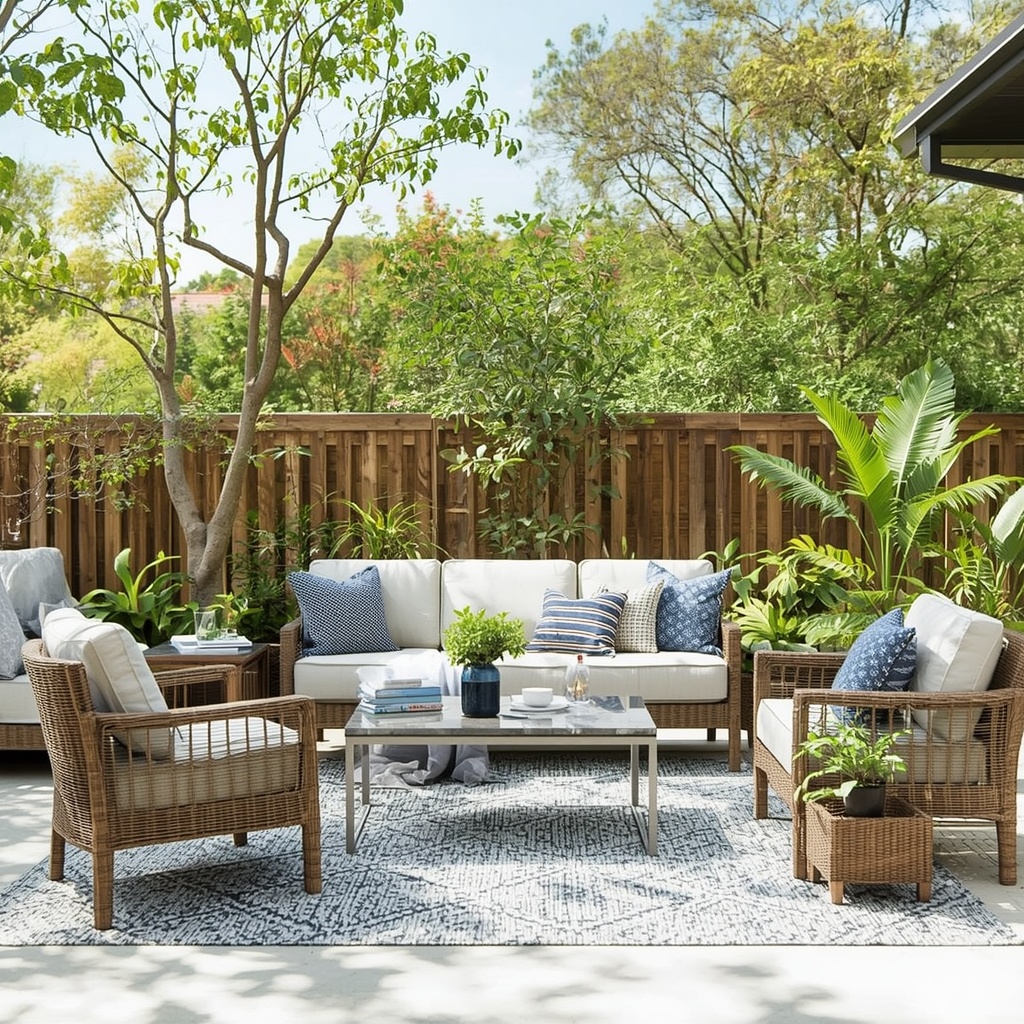
This guide walks you through everything you need to know about weather-resistant furniture, all-weather materials, and smart buying decisions — so your outdoor space stays beautiful no matter what the forecast says.
“The best outdoor furniture isn’t the one that looks perfect in the showroom — it’s the one that still looks great after three summers of sun, rain, and everything in between.” — A lesson every seasoned designer learns the hard way.
Why Durability Matters More Than Style Alone
It’s tempting to shop for outdoor furniture the same way you shop for indoor pieces — based on color, silhouette, and how it photographs. But outdoor furniture lives a harder life. It faces UV rays, humidity, temperature swings, wind, pests, and in many regions, snow and ice.
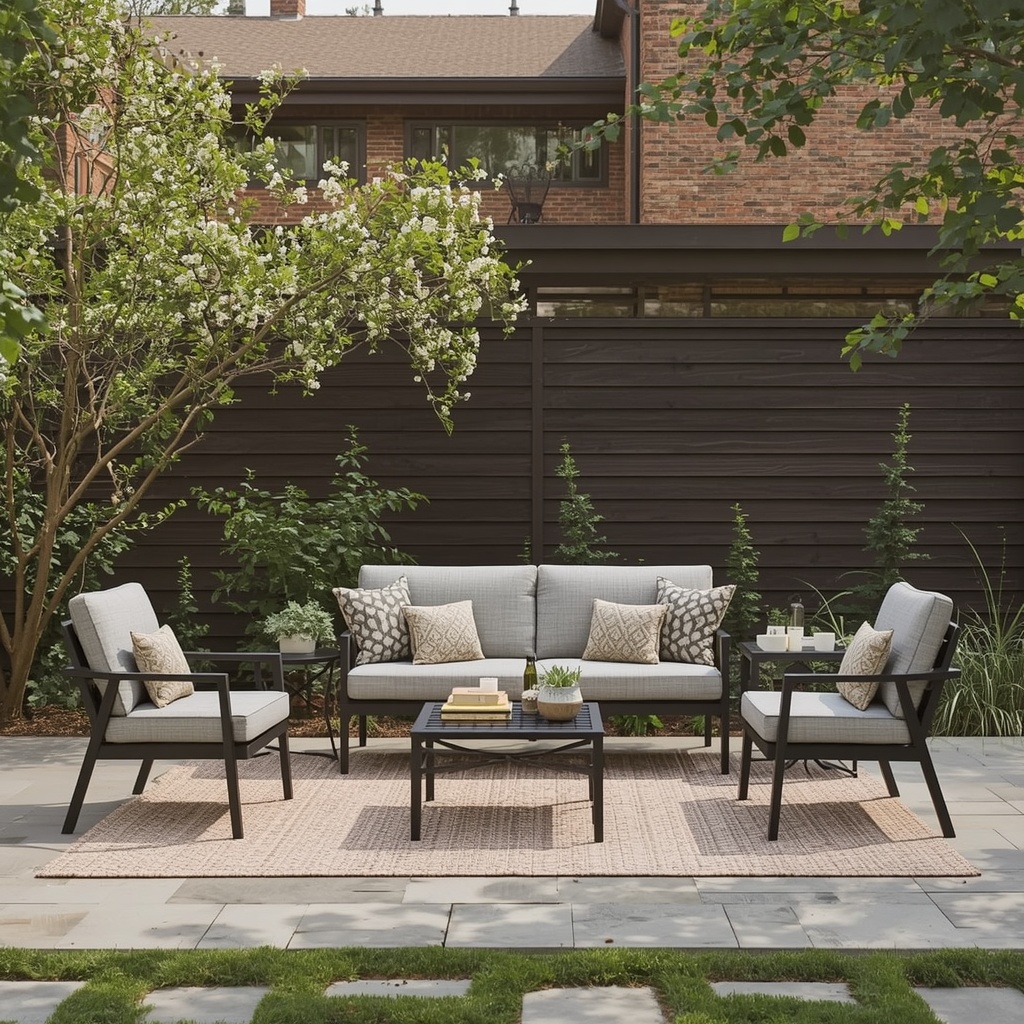
Choosing furniture built for weather resistance protects your investment and your time. Nobody wants to refinish a table every spring or replace cushions every other year. When you prioritize durable outdoor furniture from the start, you save money long-term, reduce maintenance headaches, and keep your outdoor living space guest-ready year-round.
Pro Tip: Before falling in love with a design, check the manufacturer’s warranty length. A short warranty (under 1 year) is often a quiet red flag that the brand doesn’t expect the product to hold up.
Understanding Your Climate Zone First
Not all outdoor furniture needs to withstand the same conditions. A homeowner in Arizona is fighting intense UV exposure and heat, while someone in coastal Florida is battling humidity and salt air. Someone in Minnesota needs furniture that survives freeze-thaw cycles.
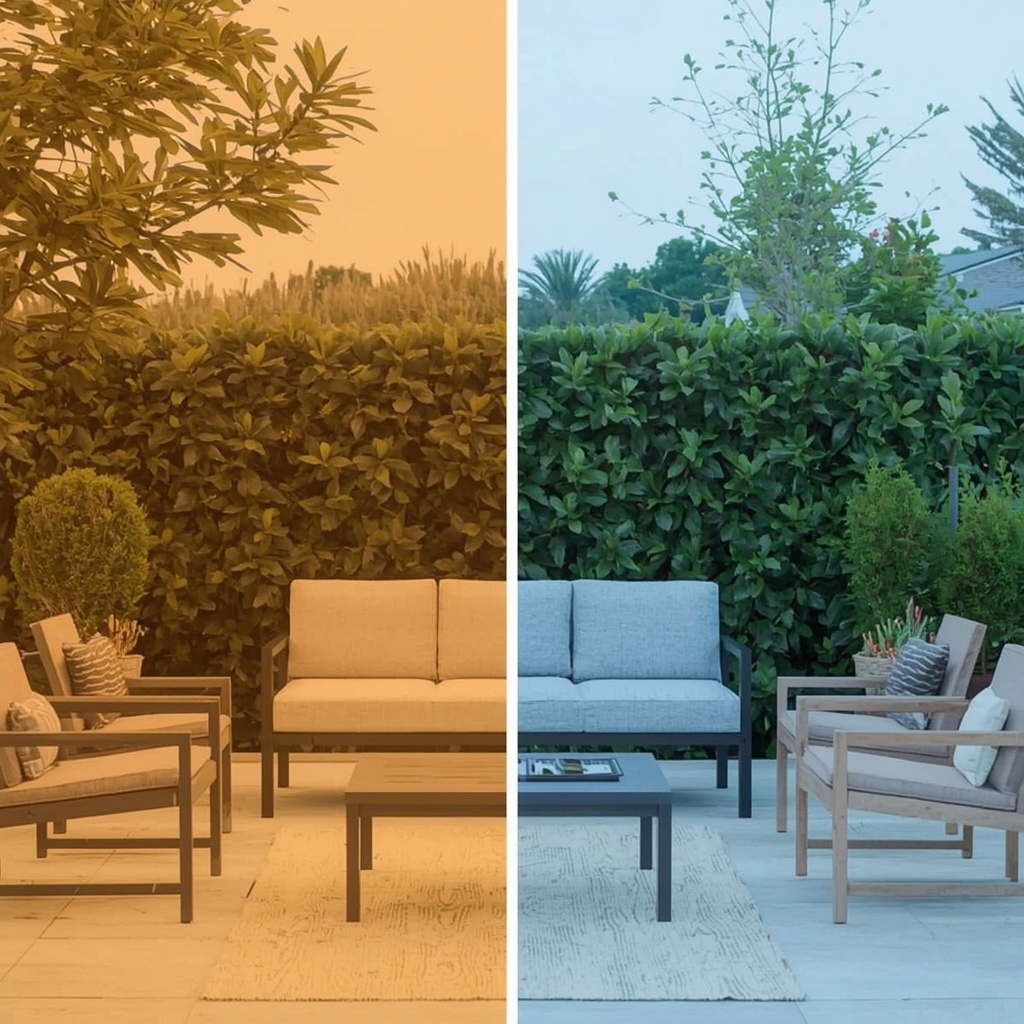
Before choosing materials, map your specific climate challenges. This single step prevents most buyer’s remorse, because it narrows your material choices to only the ones engineered for your actual environment rather than a generic “outdoor” label.
| Climate Type | Main Threats | Best-Suited Materials |
|---|---|---|
| Coastal / Humid | Salt corrosion, mold, mildew | Teak, aluminum, HDPE resin wicker |
| Desert / High UV | Fading, cracking, heat warping | Powder-coated aluminum, high-grade synthetic fabrics |
| Cold / Snowy | Freeze-thaw cracking, moisture absorption | Teak, cast aluminum, wrought iron with sealant |
| Rainy / Humid | Rust, rot, mildew | Aluminum, resin wicker, treated teak |
The Best Materials for Weather-Resistant Furniture
Material selection is the single biggest factor in furniture longevity. Below is a breakdown of the most common outdoor materials, ranked by how they typically perform against the elements.

Teak Wood
Teak is the gold standard in outdoor furniture for good reason. Its natural oils repel water and resist insects without any chemical treatment, and it develops an attractive silver-gray patina over time if left unsealed.
Teak furniture can genuinely last 50+ years with minimal upkeep, which explains why it commands a higher price point. If you want a “buy it once” investment piece, teak consistently tops designer recommendations.
Aluminum (Powder-Coated)
Aluminum is lightweight, rust-proof, and ideal for humid or coastal climates where metal furniture typically struggles. Powder-coated finishes add a protective layer against chipping and fading.
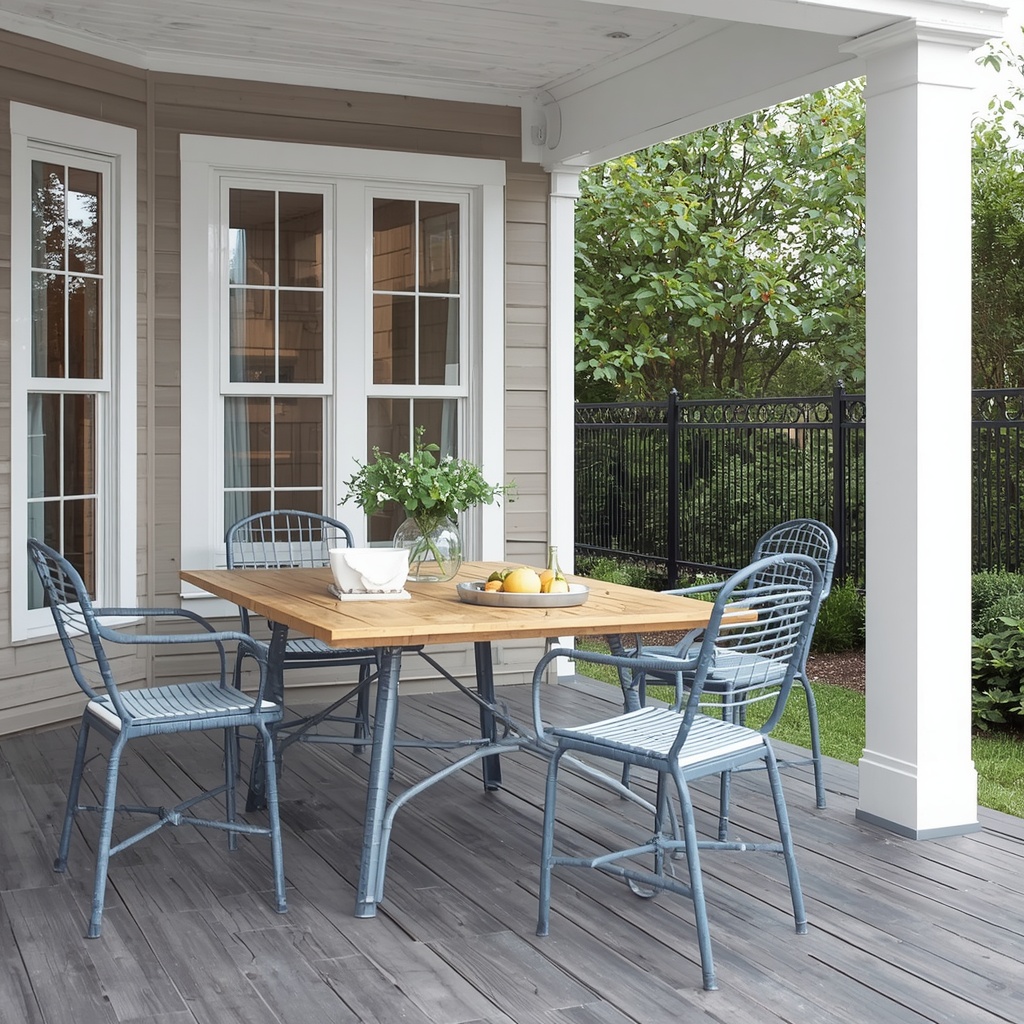
It won’t warp, crack, or rot, making it one of the lowest-maintenance options available. The tradeoff is that lighter aluminum pieces can shift in high winds, so look for weighted bases or wider frames in storm-prone regions.
High-Density Polyethylene (HDPE) Resin Wicker
Unlike old-style plastic wicker that cracked within a year or two, modern HDPE resin is UV-stabilized and woven around a rust-resistant aluminum frame. It mimics natural wicker’s texture while resisting fading, cracking, and moisture damage.
Wrought Iron
Wrought iron offers unmatched sturdiness and a classic aesthetic, but it requires the most maintenance of any material on this list. Without regular sealant reapplication, it’s prone to rust, especially in humid or rainy zones.
Cast Aluminum vs. Wrought Iron — Quick Comparison
| Feature | Cast Aluminum | Wrought Iron |
|---|---|---|
| Weight | Lightweight | Heavy |
| Rust Resistance | Excellent | Poor without sealing |
| Maintenance | Low | High |
| Wind Stability | Moderate | Excellent |
| Price Range | Mid to High | Mid |
Fabric and Cushion Considerations
Frames get most of the attention, but fabric choice determines how your furniture actually looks and feels day to day. Cheap, untreated fabric fades within a single summer and traps moisture, leading to mildew.
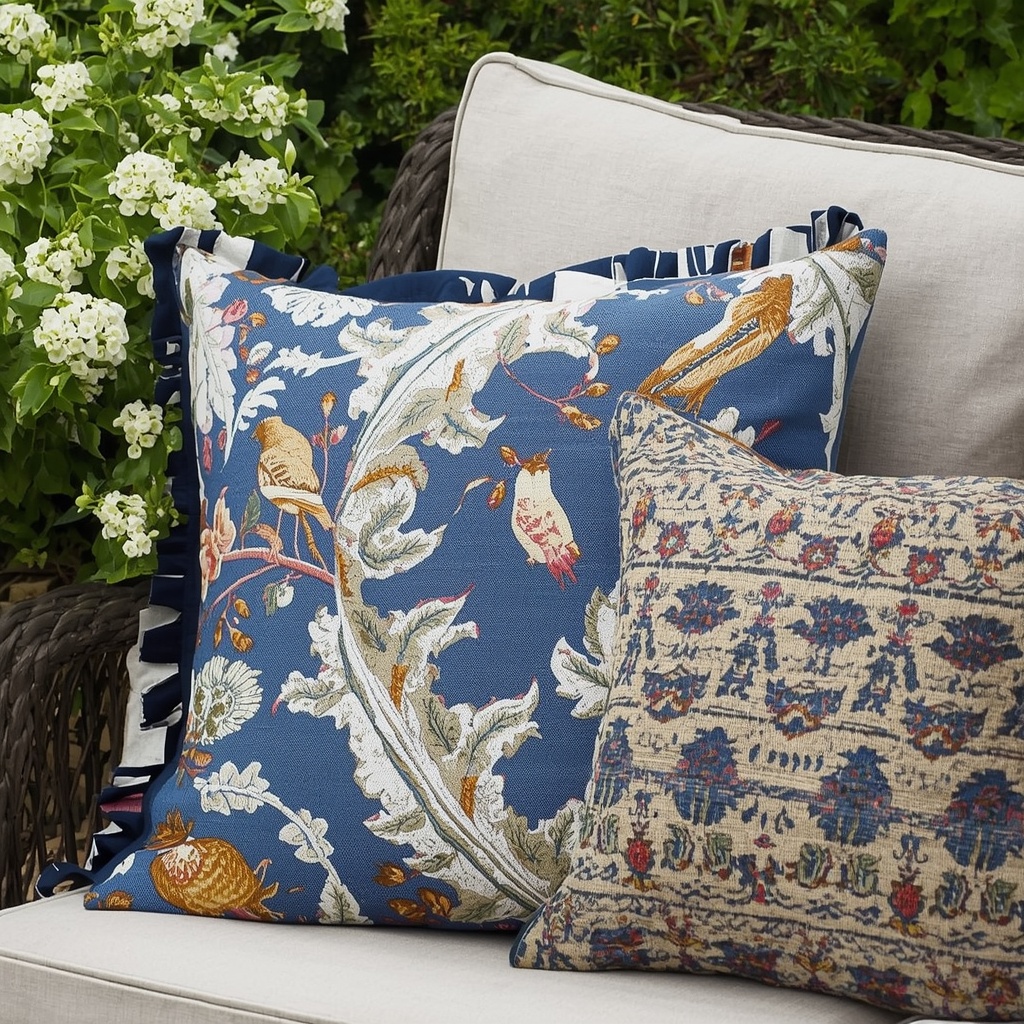
Look for solution-dyed acrylic fabrics (like those used by premium outdoor textile brands) rather than surface-dyed polyester. Solution-dyed fabric has color woven into the fiber itself, so it resists fading even under constant sun exposure, and it dries quickly after rain instead of holding water.
Pro Tip: Always check if cushion covers are removable and machine-washable. This one feature saves enormous time on seasonal cleaning and extends fabric life significantly.
Key Features to Check Before You Buy
Use this checklist when evaluating any outdoor furniture piece, whether you’re shopping in-store or reading a product listing online:
- UV Stabilization: Confirms the material resists fading and brittleness from sun exposure
- Rust-Resistant Hardware: Stainless steel screws and connectors outlast standard zinc-coated ones
- Water Drainage Design: Slatted seats or mesh weaves prevent water pooling after rain
- Weight and Wind Rating: Heavier bases and lower profiles resist tipping in gusty conditions
- Warranty Length: Reputable brands typically offer 3–5 year warranties on frames
- Cushion Foam Type: Quick-dry foam (often used in marine cushions) resists mold better than standard foam
Maintenance Habits That Extend Furniture Life
Even the most durable outdoor furniture benefits from basic seasonal care. A little routine maintenance multiplies the lifespan of nearly every material discussed above.
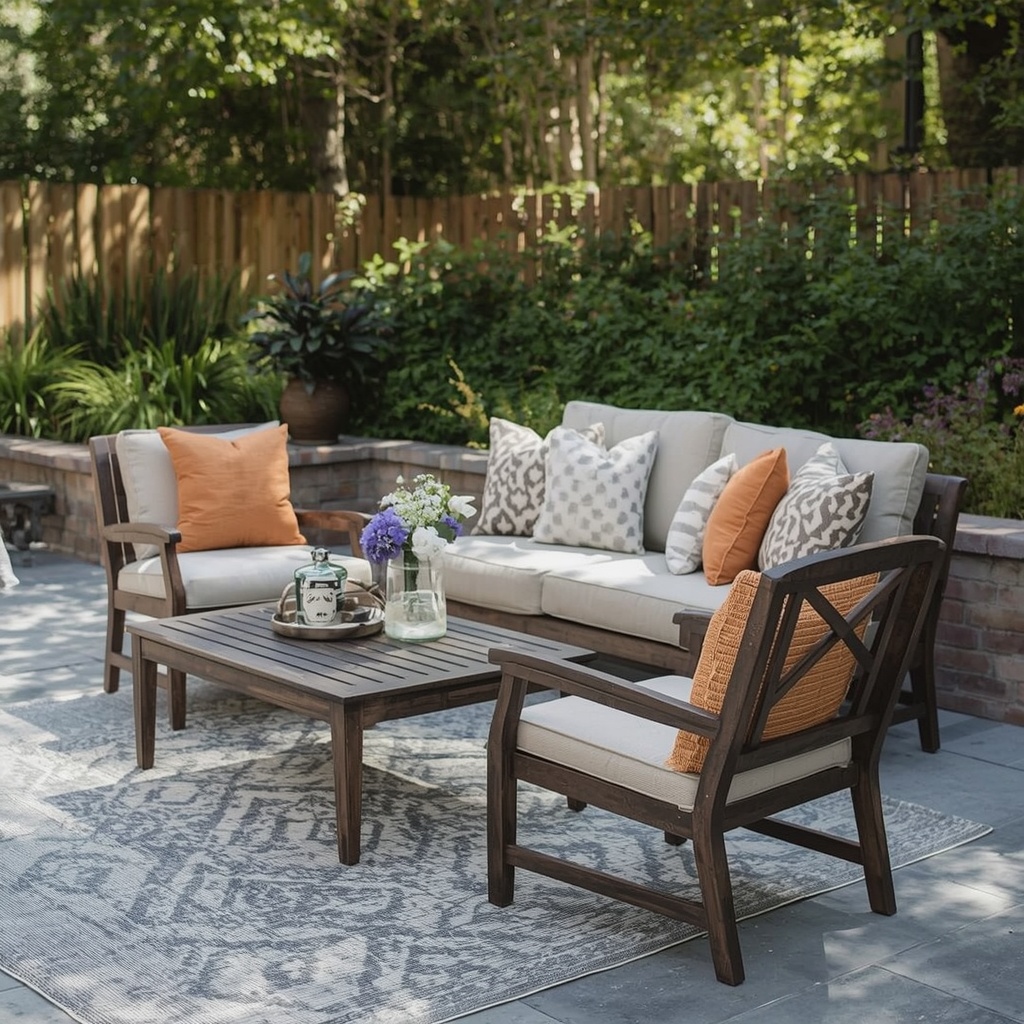
Simple habits — wiping down surfaces monthly, storing cushions indoors during off-seasons, and applying protective sealant annually for wood or metal — prevent the small issues that eventually become expensive replacements. Designers often recommend a light furniture cover for winter months, even for materials rated as all-weather, since covers reduce debris buildup and prolong finish quality.
Seasonal Maintenance Checklist
- Spring: Inspect for winter damage, reapply sealant to wood pieces, wash cushions
- Summer: Wipe down surfaces regularly, rotate cushions to prevent uneven fading
- Fall: Store or cover cushions before first frost, tighten any loose hardware
- Winter: Use weatherproof covers or move furniture to a covered area if possible
Budget vs. Investment: What’s Worth Spending More On
Not every piece needs to be a splurge. A well-designed outdoor space often mixes investment pieces with budget-friendly accents.
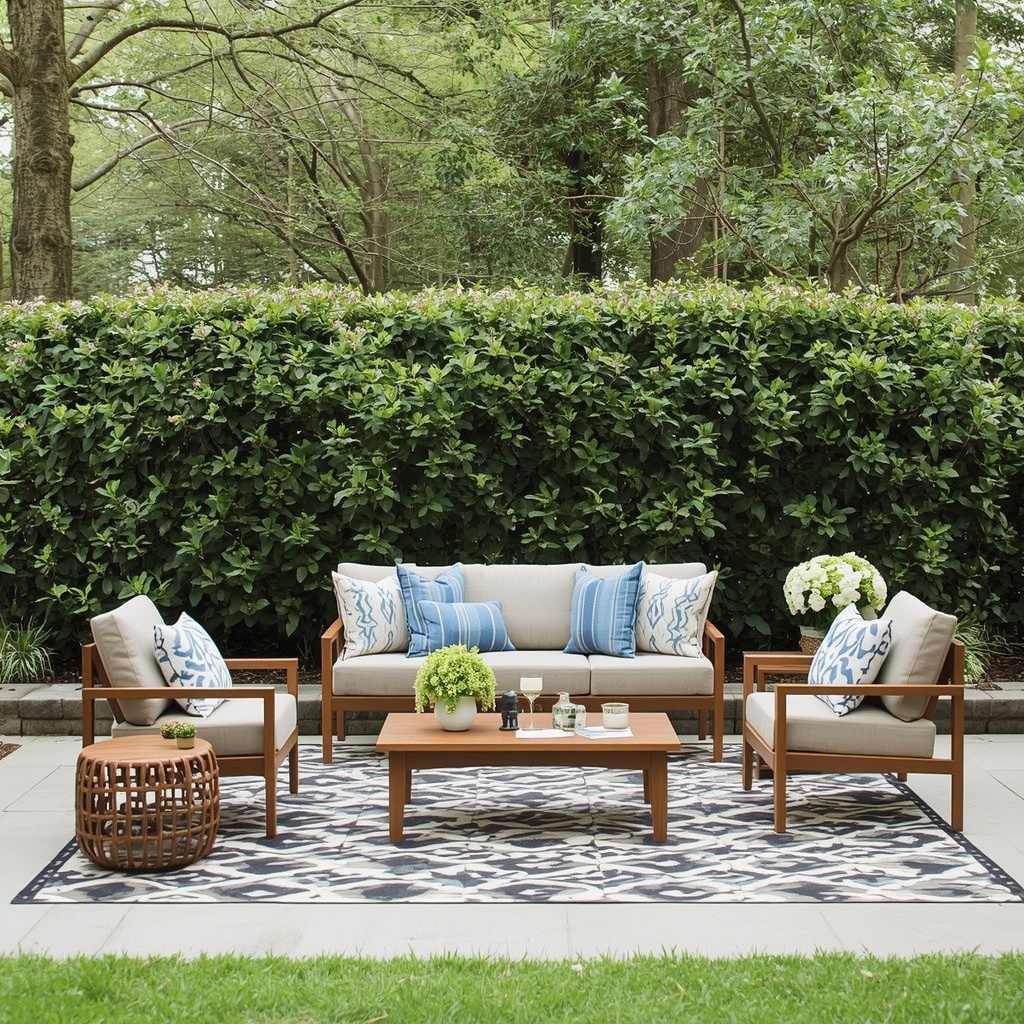
Spend more on frames and structural pieces — the dining table, the lounge chairs, anything that sees daily wear — since these determine long-term durability. Save on accessories like side tables, planters, or decorative stools, where trend-driven replacement is more acceptable and lower material grades matter less.
| Category | Recommended Spend | Reasoning |
|---|---|---|
| Dining Set / Lounge Chairs | Higher | Daily use, structural stress, weather exposure |
| Cushions & Fabric | Mid to High | Directly affects comfort and appearance |
| Side Tables / Stools | Lower | Lower wear, easier to replace |
| Decorative Accents | Lower | Style flexibility, seasonal updates |
Common Mistakes Homeowners Make
Even well-intentioned buyers fall into predictable traps when shopping for outdoor furniture. Here are the most frequent ones I see:
- Choosing furniture based solely on photos without checking material specifications
- Ignoring their specific climate zone and buying “one-size-fits-all” pieces
- Skipping the warranty section entirely
- Leaving cushions outside year-round, even in rated all-weather fabric
- Assuming all “outdoor-labeled” furniture is equally weather-resistant
Frequently Asked Questions
What is the most durable material for outdoor furniture? Teak and powder-coated aluminum are generally considered the most durable, each excelling in different climate conditions — teak for general longevity, aluminum for humid or coastal areas.
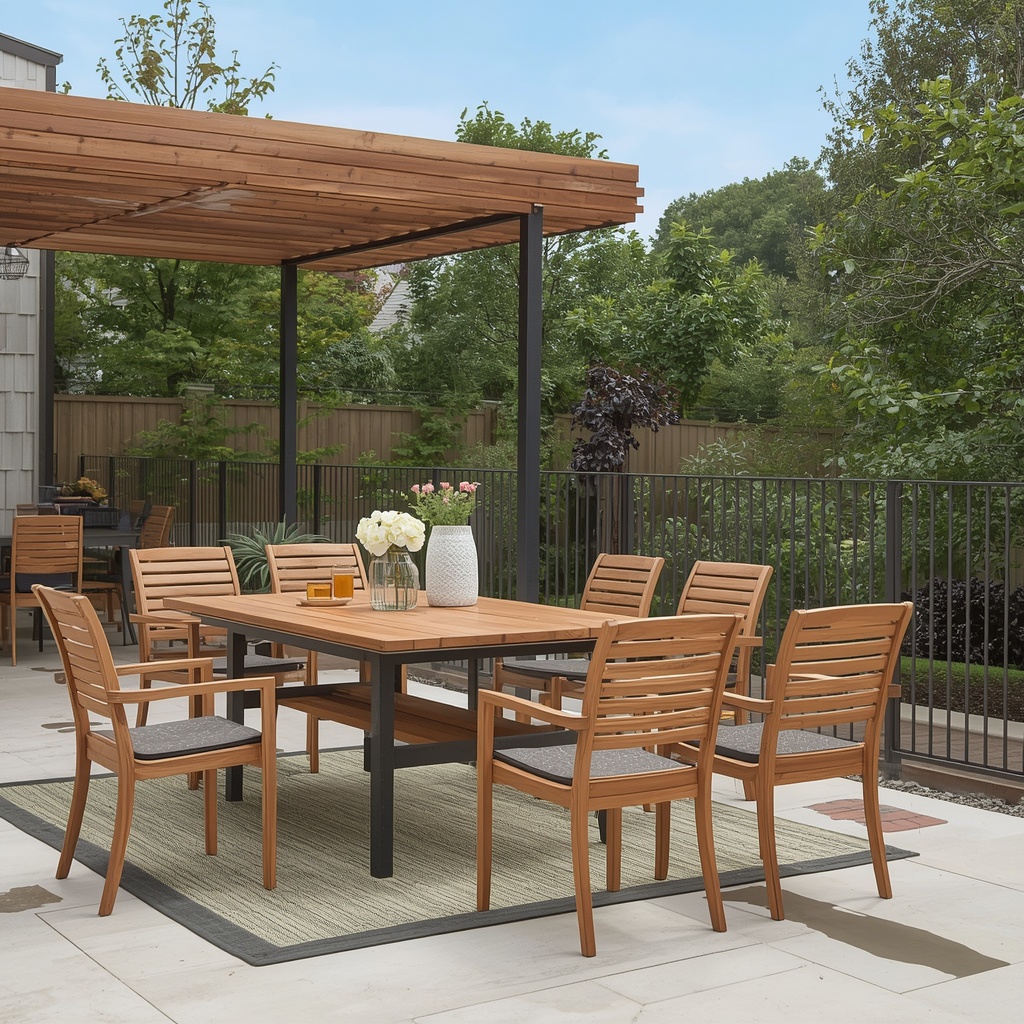
How long should outdoor furniture last? High-quality outdoor furniture, properly maintained, should last 10–20 years for metal and resin pieces, and 25+ years for teak.
Is resin wicker better than natural wicker for outdoor use? Yes, for true outdoor exposure. Natural wicker isn’t weather-resistant and is better suited for covered patios or indoor sunrooms.
Do I need to cover outdoor furniture in winter? It’s recommended, even for weather-resistant materials, since covers reduce debris accumulation and prolong the finish’s appearance.
Final Thoughts
Choosing durable outdoor furniture isn’t about finding the most expensive option — it’s about matching material, construction, and maintenance habits to your specific climate and lifestyle. When you invest a little extra time upfront researching UV-stabilized fabrics, rust-resistant hardware, and climate-appropriate materials, you set up your outdoor space to look great for years, not months.
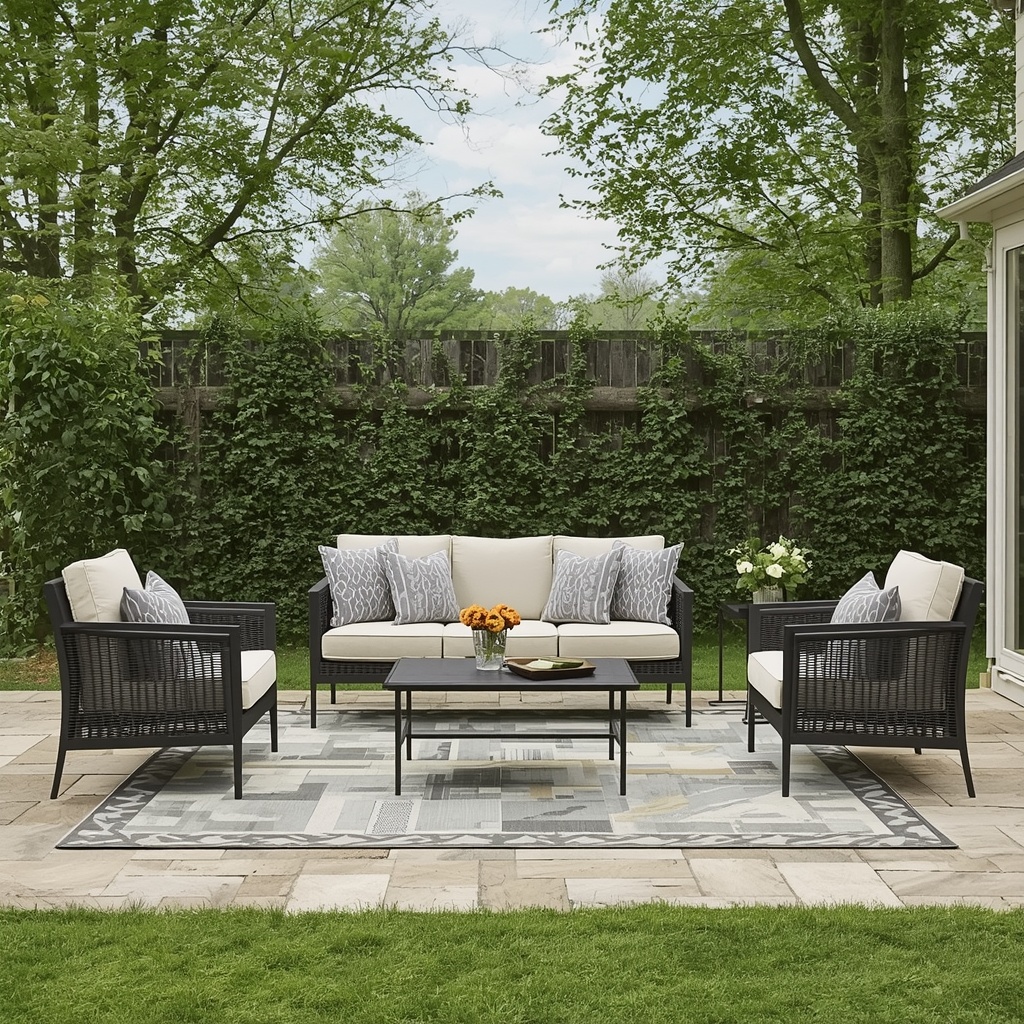
A well-chosen patio set or lounge collection pays for itself in the comfort, style, and durability it delivers season after season — turning your backyard into a space you’ll actually want to spend time in, rain or shine.