
Your accent wall is the personality of your room. It’s the backdrop for family photos, the conversation starter when guests walk in, and often the single design decision that pulls an entire space together. But once you’ve picked your paint color or wallpaper, a bigger question shows up: should you dress that wall with canvas prints or framed prints?

As an interior designer who works with homeowners across the country, this is one of the most common questions I get. And honestly? There’s no universal right answer — but there is a right answer for your space. Let’s walk through everything you need to know to make a confident, stylish choice.
What’s the Real Difference Between Canvas and Framed Prints?
Before we get into aesthetics, let’s clarify what we’re actually comparing. A canvas print is an image printed directly onto canvas fabric, then stretched over a wooden frame (called a stretcher bar). It typically has no glass, no mat, and no visible frame edge — the image often wraps around the sides for a clean, gallery-style finish.
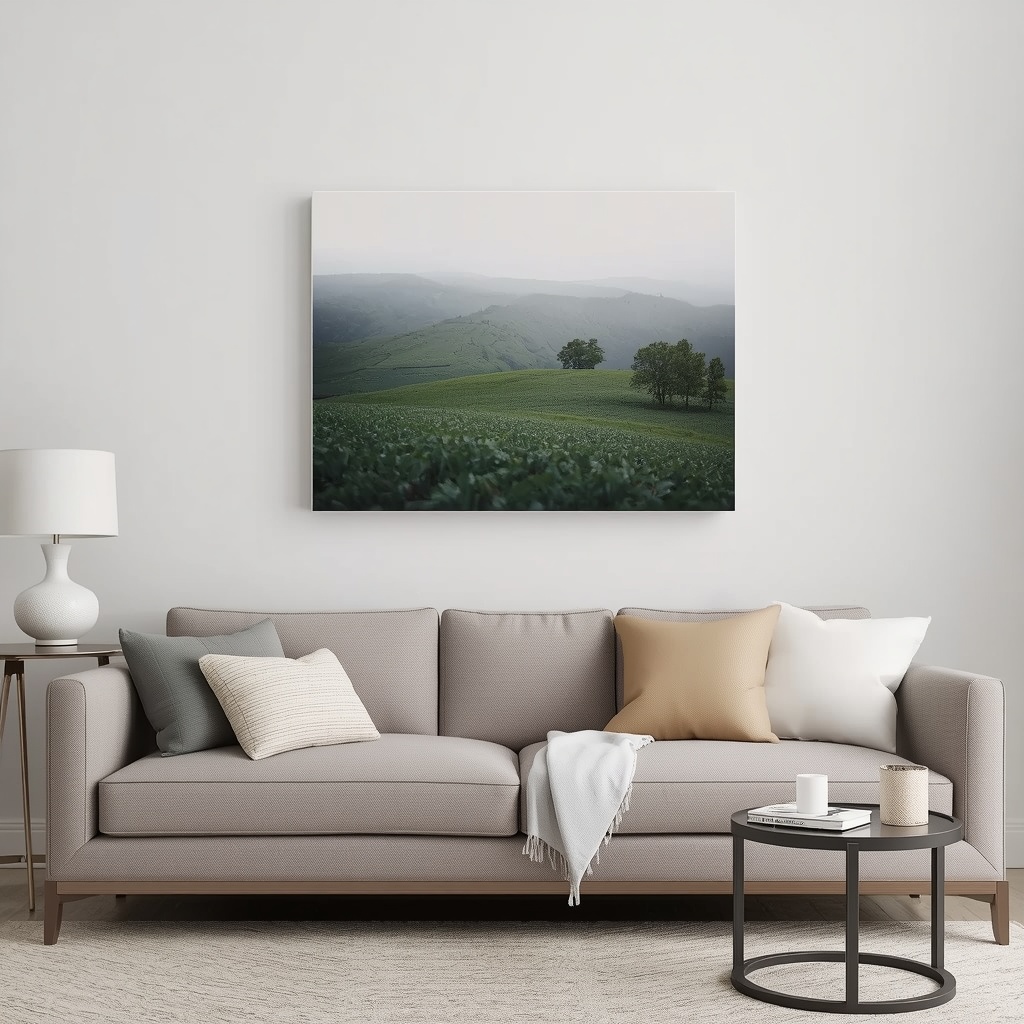
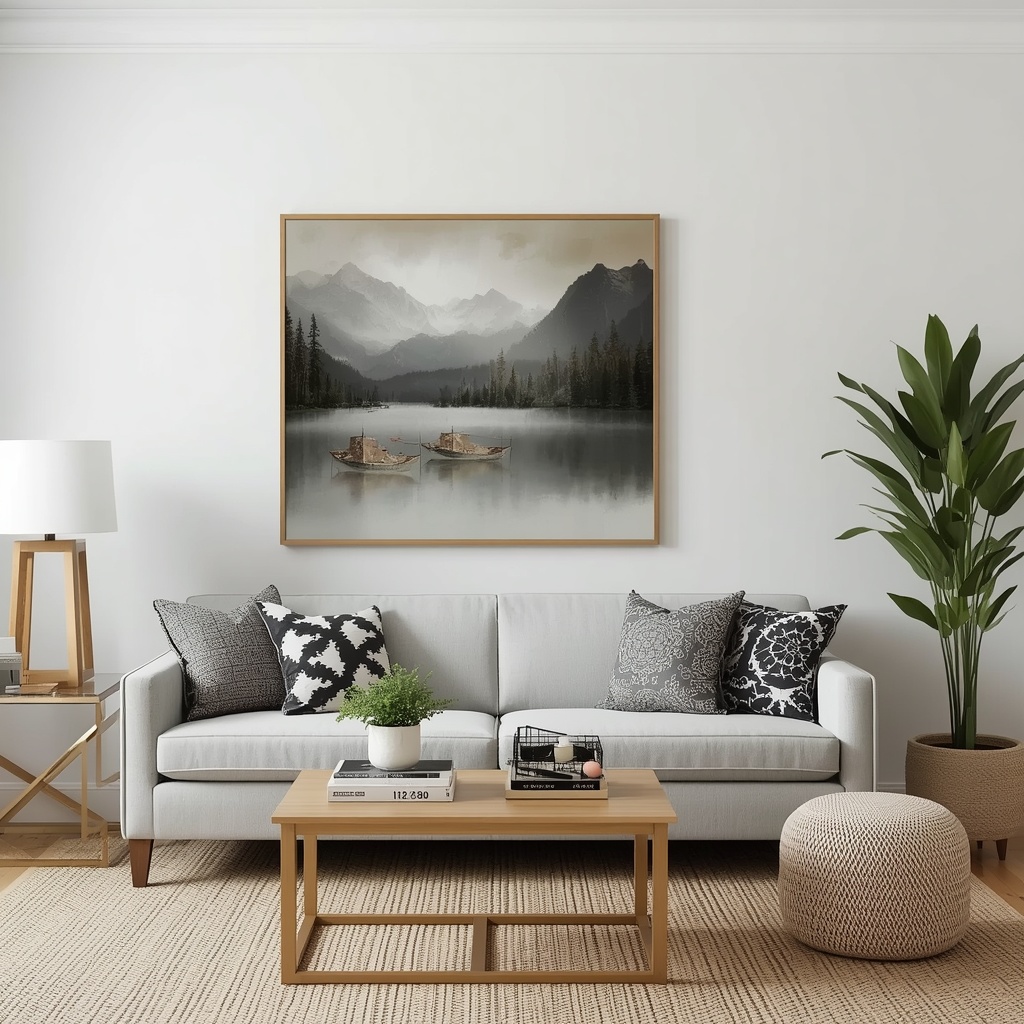
A framed print, on the other hand, is a photograph or artwork printed on paper or photo stock, then placed inside a frame — usually with a mat board border and a sheet of glass or acrylic protecting the surface. Framed prints lean traditional, polished, and editorial, while canvas prints feel modern, textured, and casual.
Both can elevate a blank wall into a focal point. The difference comes down to the mood you’re building, the durability you need, and the style of the room you’re decorating.
Canvas Prints: The Case for Texture and Warmth
Canvas has become the darling of modern home decor, and it’s easy to see why. The fabric texture adds visual depth that flat paper simply can’t replicate. When light hits a canvas print, it creates subtle shadows and highlights across the weave, giving even a simple photograph a painterly, artisan quality.
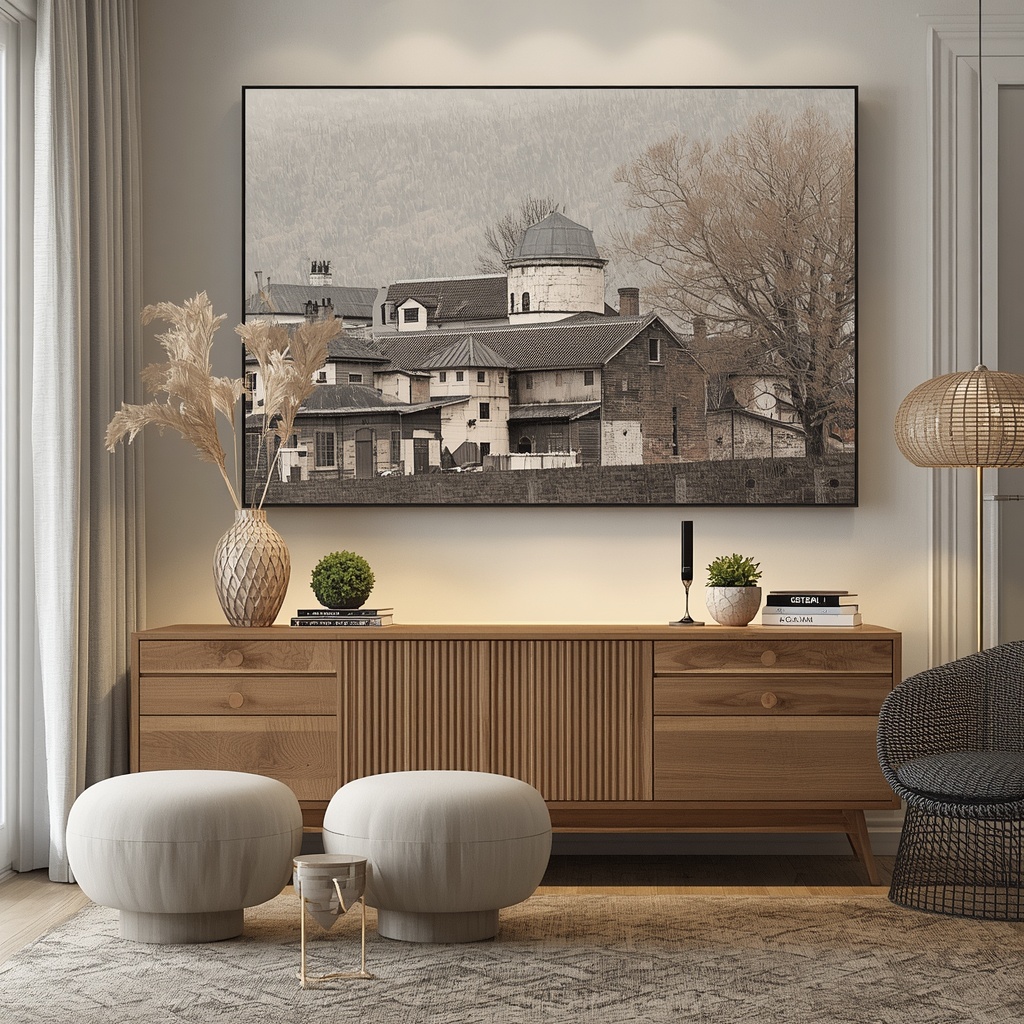
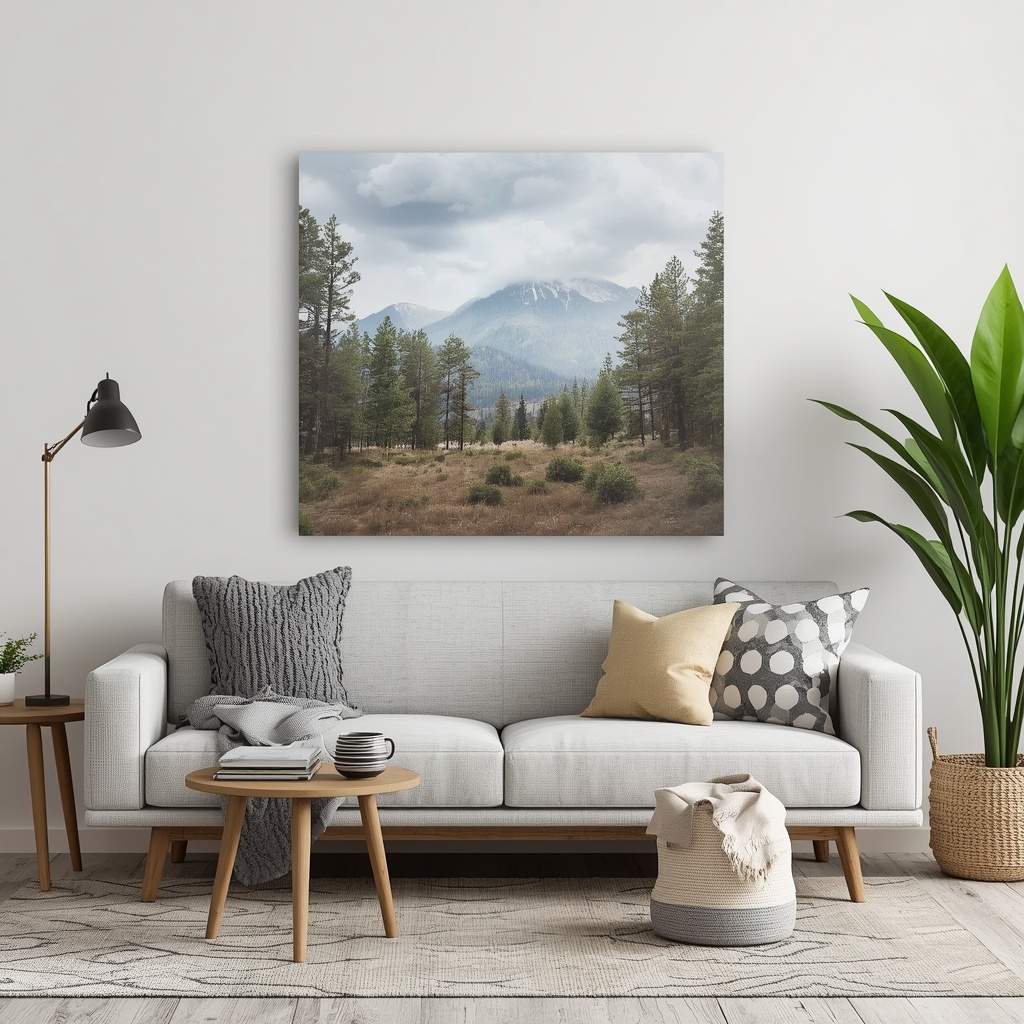
Canvas prints are also incredibly popular for large-scale wall art because they’re lightweight relative to their size, making oversized statement pieces easier to hang without needing heavy-duty wall anchors. They work beautifully in living rooms, bedrooms, and entryways where you want art that feels expansive and immersive rather than boxed-in.
“Canvas art removes the barrier between the viewer and the image. Without glass reflecting the room back at you, the artwork becomes the entire focus.” — a principle I repeat to nearly every client considering a statement wall.
Why Homeowners Love Canvas
- No glare — no glass means no reflections interrupting the image, especially near windows or bright overhead lighting
- Modern, gallery-like presence — frameless edges create a clean, contemporary silhouette
- Lightweight and easier to hang — ideal for large format pieces (40″ x 60″ or bigger)
- Textured finish — adds tactile depth that mimics original painted artwork
- Budget-friendly at scale — often more affordable than framing large photography
Framed Prints: The Case for Polish and Protection
Framed prints carry a certain gravitas. There’s a reason museums, galleries, and high-end hotel lobbies almost exclusively use framed presentation — the mat and frame act like a punctuation mark, telling the eye “this is intentional, this is curated.” If your home leans traditional, transitional, or modern-classic, framed prints often feel more cohesive with existing millwork, moldings, and furniture.
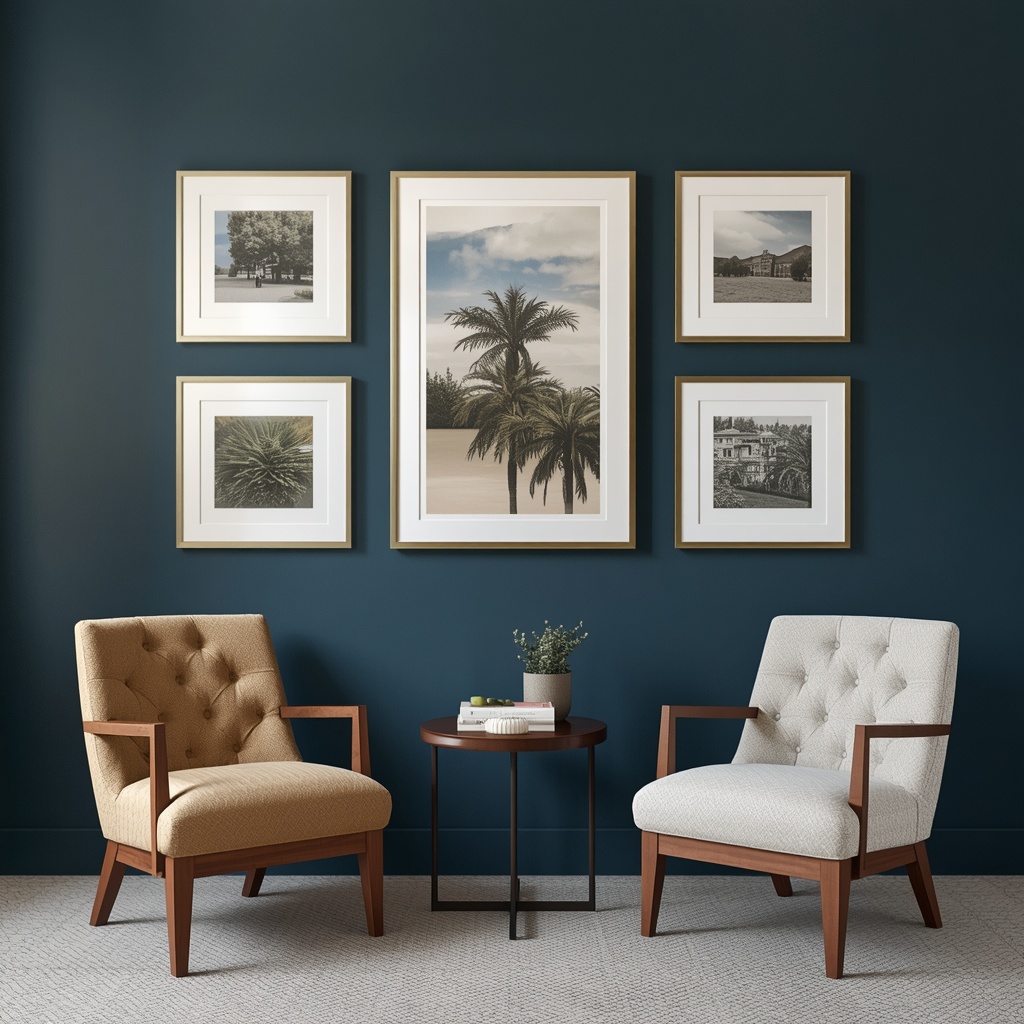
Framed prints also offer something canvas can’t: protection. Glass or acrylic glazing shields the artwork from dust, humidity, and UV fading, which matters enormously for family photographs, fine art reproductions, or pieces you plan to keep for decades. If you’re framing a beloved photo — a wedding portrait, a child’s first steps, a print you inherited — that protective layer isn’t just aesthetic, it’s preservation.
“A great frame doesn’t compete with the art — it acts like a silent frame of reference that tells the room how formal or relaxed the space should feel.”
Why Homeowners Love Framed Prints
- Timeless, polished aesthetic that suits traditional and transitional interiors
- UV-protective glazing helps prevent fading over time
- Mat borders create visual breathing room and make small pieces feel intentional
- Easier to swap artwork — many frames allow you to change the print without buying new hardware
- Wide styling range — from ornate gold frames to minimalist black metal, frames instantly set a design tone
Side-by-Side Comparison: Canvas vs. Framed Prints
| Feature | Canvas Prints | Framed Prints |
|---|---|---|
| Best Style Match | Modern, boho, industrial, minimalist | Traditional, transitional, classic, eclectic gallery walls |
| Visual Texture | Fabric weave adds dimension | Flat, crisp, photo-realistic |
| Glare/Reflection | None — no glass | Possible under bright light unless using anti-glare glass |
| Durability | Can fade or sag over time without UV coating | Glass/acrylic protects against fading and moisture |
| Weight | Lighter, easier for oversized pieces | Heavier, especially with glass |
| Cost (large format) | Generally more affordable | Can be pricier due to framing materials |
| Maintenance | Occasional dusting; avoid direct sunlight | Wipe glass; more resilient to environmental factors |
| Ideal Placement | Living rooms, bedrooms, statement walls | Hallways, home offices, formal dining rooms, galleries |
How to Choose Based on Your Accent Wall’s Purpose
Not every accent wall serves the same function, and that should absolutely influence your decision. Here’s how I typically guide clients through the process room by room.
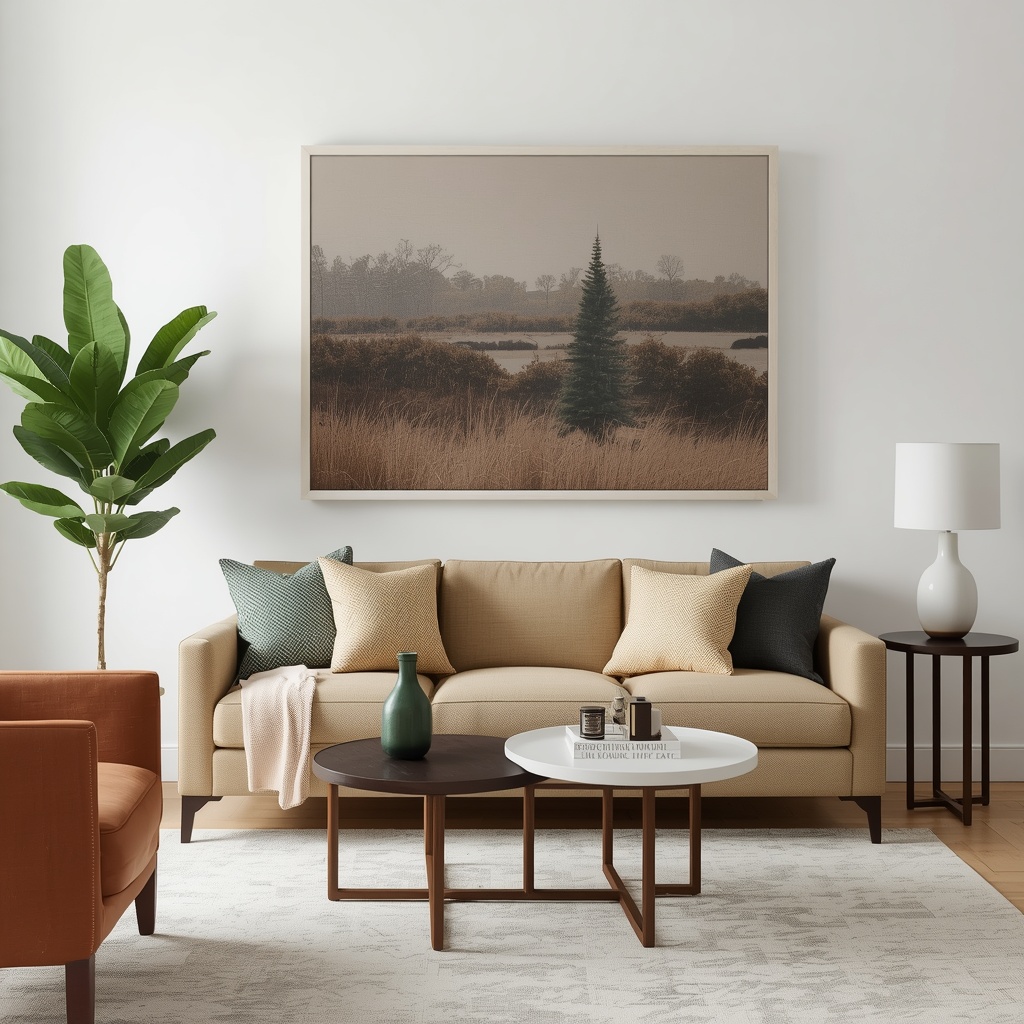
Living rooms thrive with bold, oversized canvas prints above the sofa — they create an immersive focal point without the formality of a frame. If your living room has a more curated, editorial feel with built-ins and trim work, a framed piece (or framed gallery wall) can complement that architecture instead of fighting it.
Home offices and hallways, by contrast, often benefit from the crisp structure of framed prints. These are high-traffic, closer-viewing spaces where the protective glass and refined edges hold up better over time and under scrutiny.
Quick Decision Checklist
- Room formality — Is the space casual and lounge-like, or polished and formal?
- Wall size — Oversized wall? Canvas usually wins for scale and cost efficiency.
- Lighting conditions — Lots of natural light or lamps nearby? Consider anti-glare framed glass or go frameless with canvas.
- Sentimental value — Preserving an irreplaceable photo? Framing offers protection.
- Existing decor style — Match your frame or canvas texture to your furniture’s finish (wood tones, metals, fabric textures).
- Budget — Large-scale canvas is often more cost-effective than large-scale framing.
💡 Pro Tip: If you’re torn between the two, don’t force a single choice across the whole room. Many of the most compelling accent walls I design use a mixed-media gallery wall — a large canvas as the anchor piece, surrounded by smaller framed prints, mirrors, or shadow boxes. This creates layered visual interest and gives you the durability of framing with the scale and texture of canvas.
Styling Tips for Canvas Accent Walls
Canvas prints reward simplicity. Because the material itself carries visual weight, you don’t need excessive layering to make an impact.
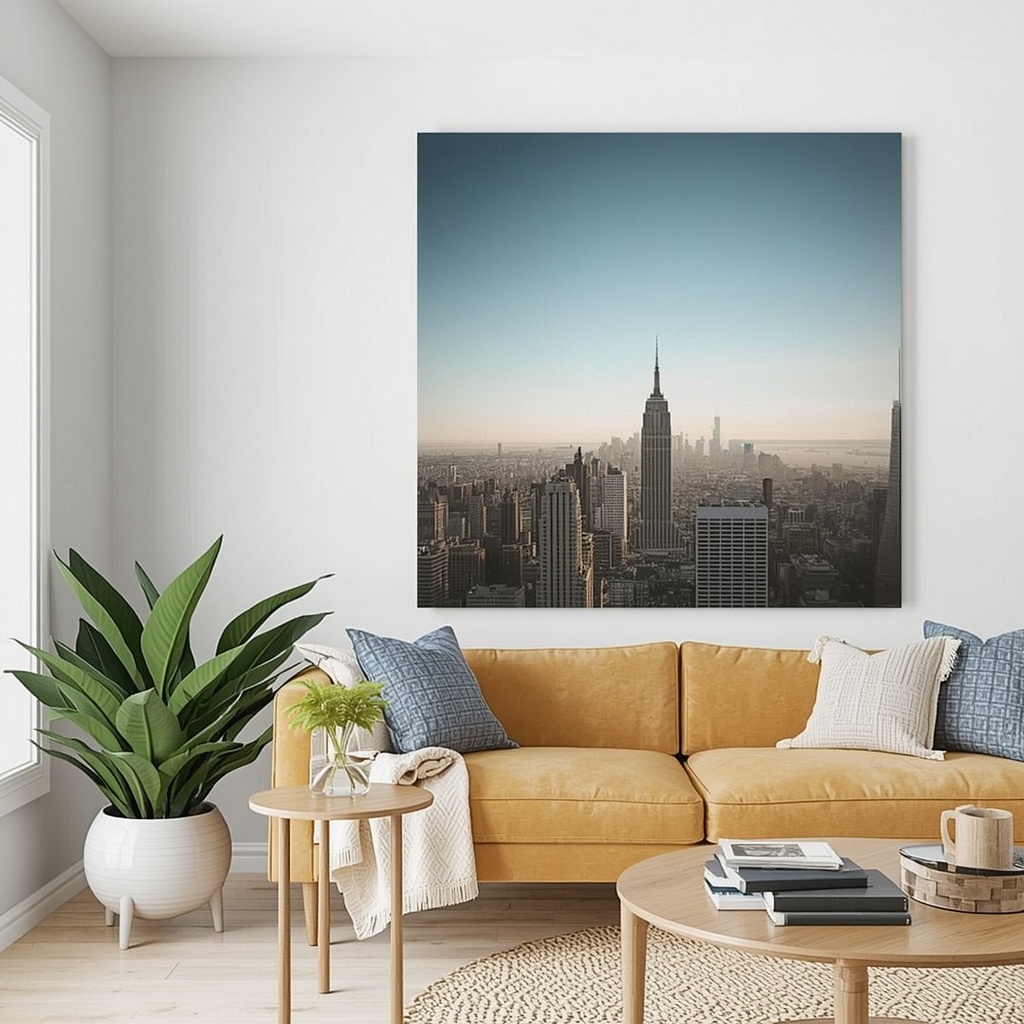
- Choose one oversized canvas rather than several small ones for a cleaner, more intentional look
- Stick to a cohesive color palette that echoes at least two other tones already in the room (a throw pillow, a rug accent, drapery)
- Leave adequate negative space around the canvas — don’t crowd it with shelving or sconces
- For a modern gallery feel, try a canvas triptych (three connected panels) across a wide wall
Styling Tips for Framed Accent Walls
Framed prints thrive on intentional arrangement. This is where gallery wall layouts truly shine.
- Use matching frame finishes (all black, all brass, all natural wood) even if the print sizes vary — consistency creates cohesion
- Incorporate mat borders of at least 2–3 inches for a museum-quality presentation
- Mix orientations (portrait and landscape) for a curated, collected-over-time feel
- Anchor the arrangement with one larger, statement-sized framed piece and build outward with smaller prints
Common Mistakes to Avoid
Even design-savvy homeowners fall into a few predictable traps when choosing accent wall art. Here’s what to watch for:
| Mistake | Why It Hurts the Room | Fix |
|---|---|---|
| Hanging art too high | Disconnects the piece from furniture below it | Center artwork 8–10 inches above furniture, or at eye level (57–60″) if standalone |
| Choosing scale too small | Makes a large wall feel empty or unfinished | Art should cover roughly 60–75% of the furniture’s width below it |
| Ignoring lighting | Glare on framed glass or dullness on unlit canvas | Add picture lights or adjustable spotlights for depth |
| Mismatched frame finishes | Creates visual clutter instead of cohesion | Stick to one or two finish tones across a gallery wall |
| Overcrowding the wall | Competes with other decor elements | Leave breathing room; less is often more with statement art |
Maintenance and Longevity: What to Expect
Canvas prints, especially those without protective UV coating, can be more susceptible to color fading if placed in direct sunlight for years on end. A light dusting with a soft, dry cloth every few weeks keeps them looking crisp — avoid liquid cleaners, which can damage the fabric surface.
Framed prints, protected by glass or acrylic, tend to hold their color longer and are easier to wipe clean, but the glass itself can trap glare and requires occasional cleaning with a proper glass cleaner (avoid ammonia-based products near wood frames). If longevity is your top priority — say, for a treasured photograph — framing with UV-protective glazing is generally the safer long-term investment.
Final Verdict: Which One Actually Belongs on Your Accent Wall?
Here’s the honest designer’s answer: both can be right, depending on the story your wall is telling.
Choose canvas if you want a bold, textured, gallery-inspired focal point that feels modern and immersive — especially for large walls in living rooms, bedrooms, or open-concept spaces.
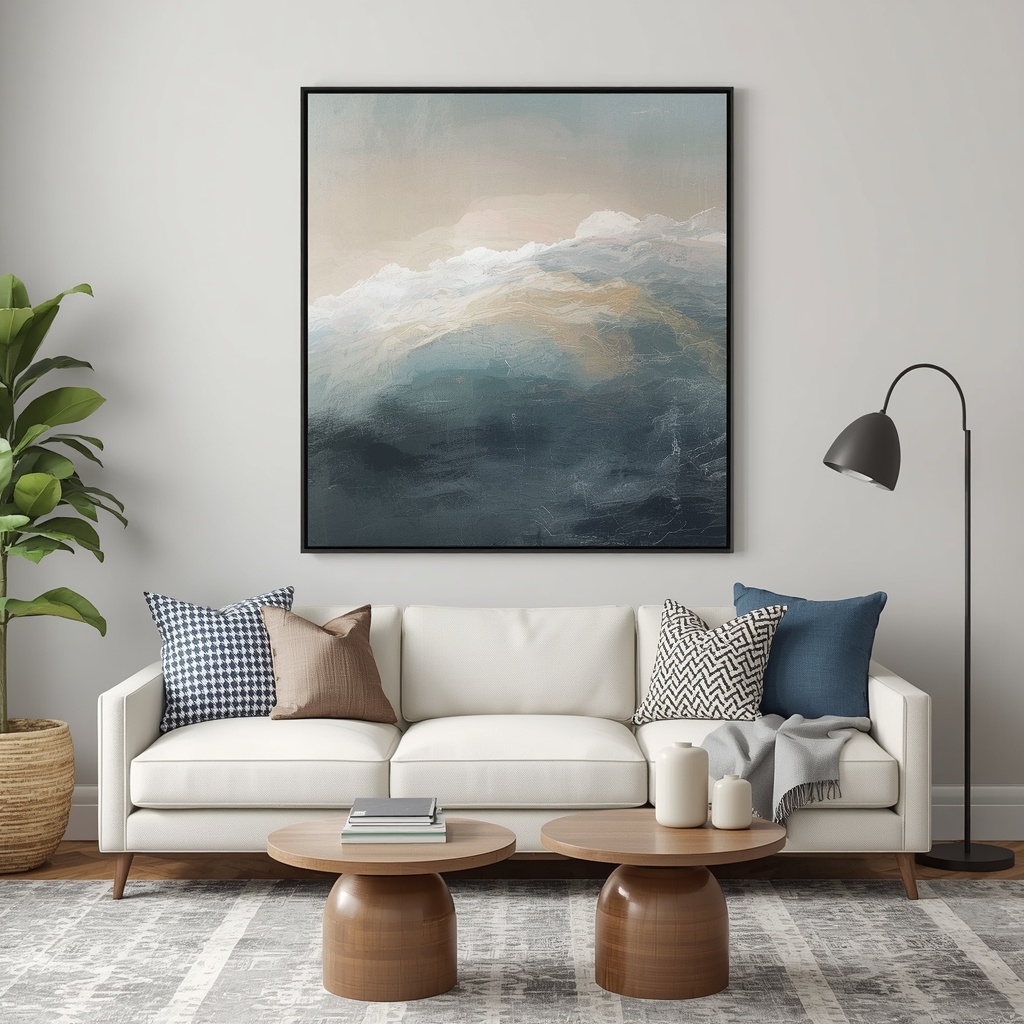
Choose framed prints if your home leans traditional or transitional, if you’re displaying sentimental photography that needs protection, or if you want the flexibility to swap artwork over time without replacing the entire piece.
And if you genuinely can’t decide? Layer them. A well-composed accent wall with both a large canvas anchor and a scattering of smaller framed prints often looks more collected, personal, and professionally styled than either option alone.
Whatever you choose, remember that the goal of an accent wall isn’t just decoration — it’s storytelling. Pick the format that lets your walls say exactly what you want your home to say.