
If your living room feels like a game of Tetris where every piece is shoved against a wall, you are not alone. Most American apartments, condos, and starter homes have living areas between 150 and 250 square feet, and the instinct is to push everything to the edges to “save space.” Unfortunately, that habit often makes a room feel narrower, flatter, and more cramped than it really is.

The fix is surprisingly simple: float your furniture. Floating furniture means pulling pieces away from the walls, lifting them off the floor, or using visual tricks that create the illusion of open space. In this guide, I will walk you through the exact strategies I use with my own clients to transform tight living rooms into airy, functional, and stylish retreats.
What Is Floating Furniture (and Why Does It Work)?
Floating furniture comes in two forms. The first is a floating layout, where sofas, chairs, and tables sit away from the walls to define zones and improve traffic flow. The second is floating (wall-mounted) furniture, such as shelves, consoles, desks, and nightstands that attach to the wall and leave the floor visible beneath them.
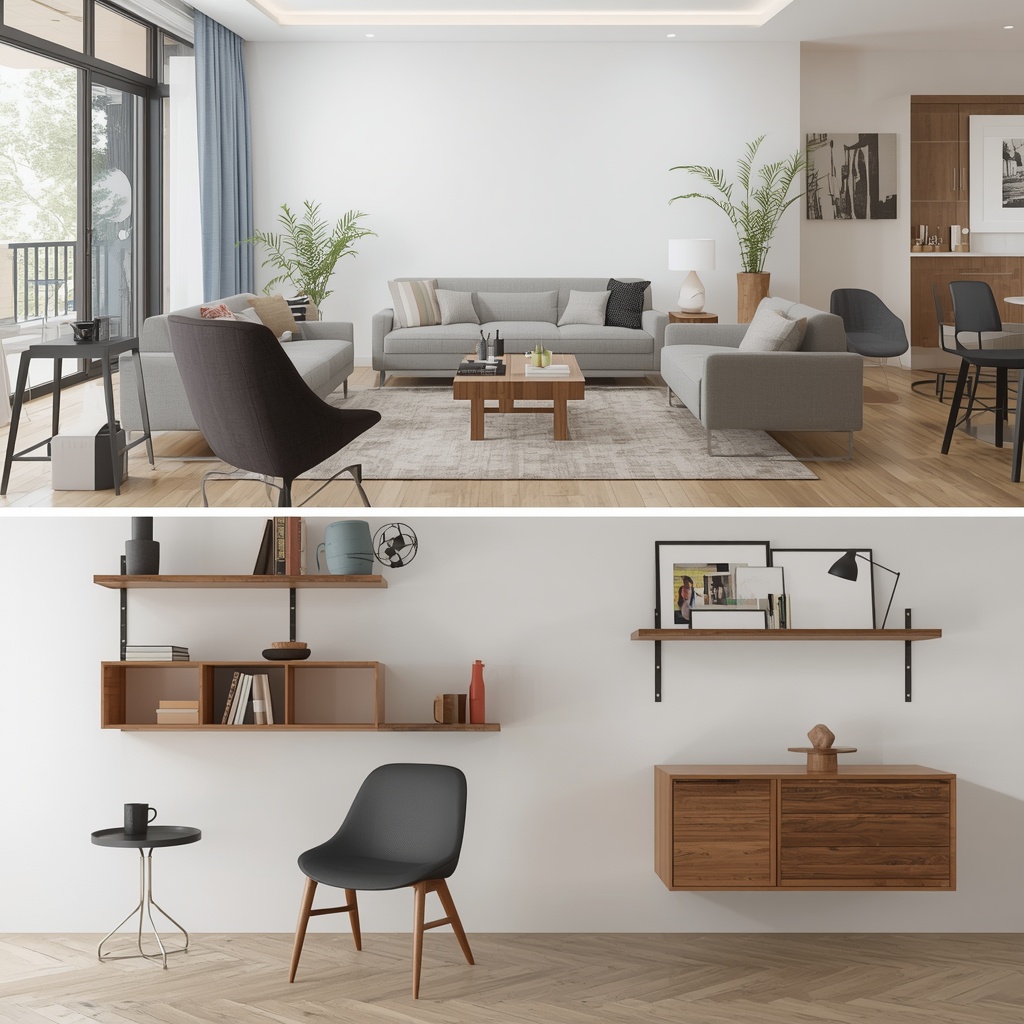
Both approaches work for the same reason: they expose more floor and wall surface. When your eye can travel under a console or behind a sofa, your brain reads the room as larger. Designers call this visual continuity, and it is one of the most powerful tools in small space decorating.
“In a small room, every inch of visible floor is a gift. Show it off, and the space will repay you with breathing room.”
Floating Layout vs. Wall-Hugging Layout
| Feature | Wall-Hugging Layout | Floating Layout |
|---|---|---|
| Visual impression | Boxy, stiff, crowded | Open, intentional, dynamic |
| Conversation flow | Guests sit far apart | Seating feels intimate |
| Storage options | Limited to floor pieces | Walls and backs of furniture become storage |
| Cleaning | Dust traps behind furniture | Easier to vacuum and mop |
| Best for | Very narrow hallways | Studios, open-concept rooms, living rooms |
Trick 1: Pull Your Sofa Off the Wall (Even Just 6 Inches)
This is the single easiest change you can make today. Moving your sofa even 6 to 12 inches from the wall creates a shadow gap that adds depth and makes the room feel layered. It also gives you room to run cords, add a slim console, or place a floor lamp behind the seating.
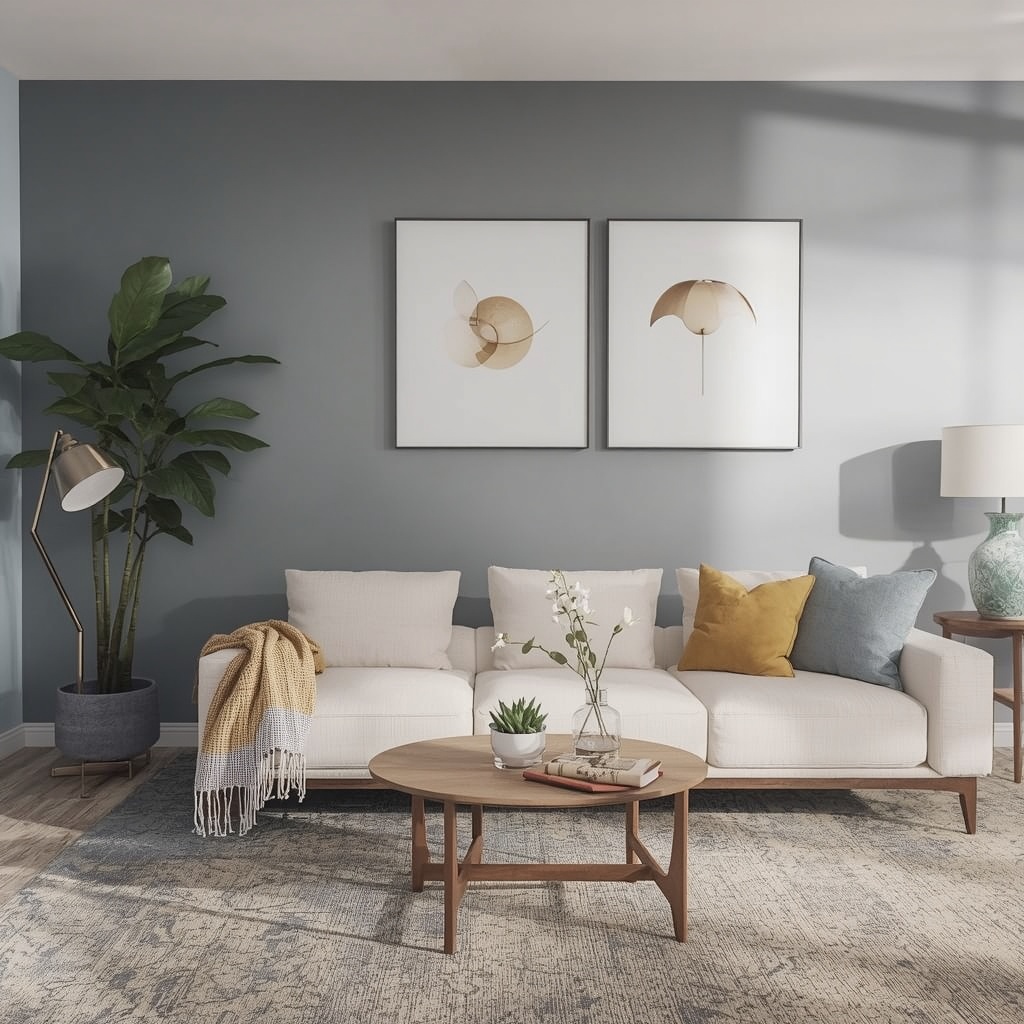
In a larger small room, try pulling the sofa out 18 to 24 inches and angling it slightly. A diagonal placement breaks up the rigid rectangle of the room and creates a cozy nook behind it, perfect for a reading chair or a plant stand. Your living room instantly gains character without a single new purchase.
Pro Tip: Not sure it will work? Use painter’s tape on the floor to outline the new sofa position. Live with the tape for 24 hours before committing. You will quickly notice whether traffic flows naturally.
Trick 2: Float a Console Table Behind the Sofa
A narrow sofa table, sometimes called a console, is a small-living-room hero. When you float the sofa in the middle of an open-concept space, the back of the sofa becomes a perfect “wall” for a slim console that holds lamps, books, and a tray for remotes.
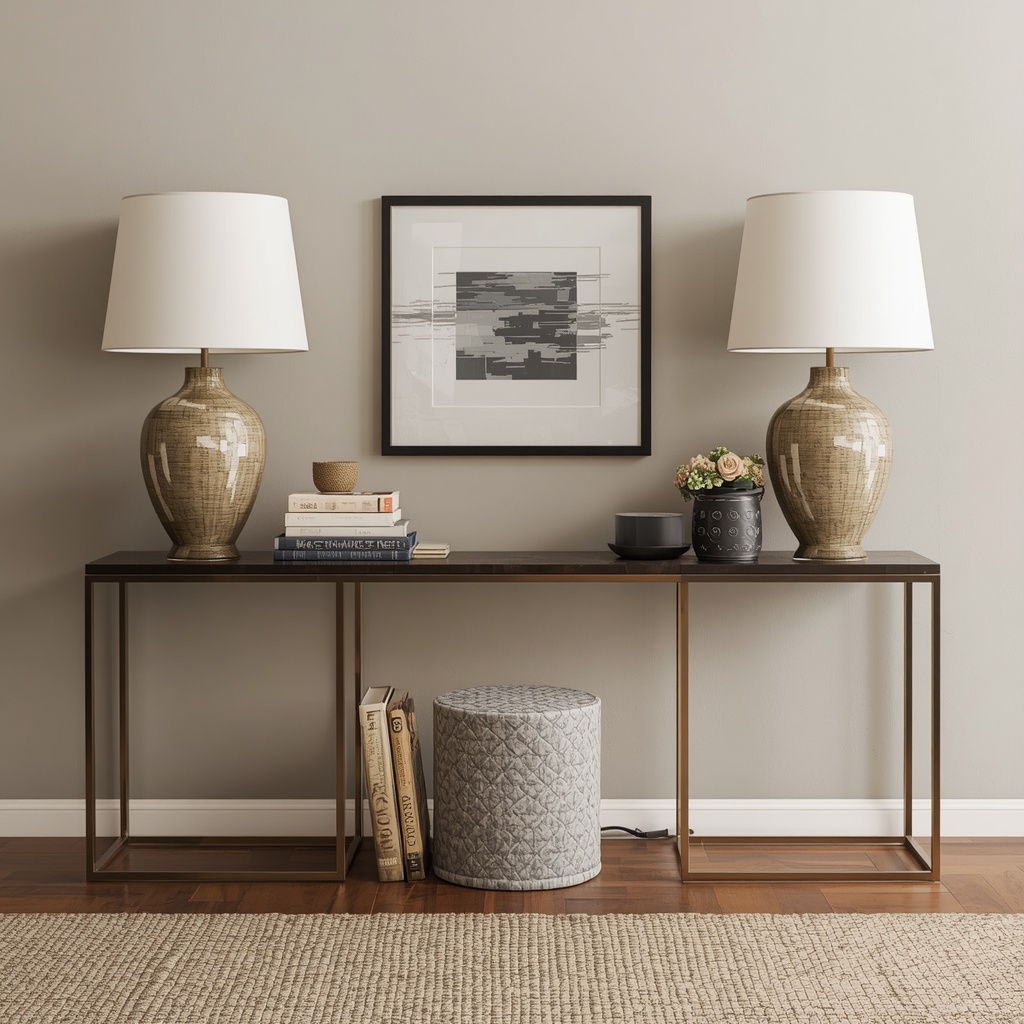
Choose a console that is 8 to 12 inches deep and about the same height as the back of your sofa or slightly lower. This setup creates a clear boundary between your living area and dining or entry zone, no walls required. It also adds hidden storage, which is gold in compact homes.
Quick Styling Formula for a Floating Console
- One lamp for ambient lighting and warmth
- One stack of books for height and texture
- One organic element, like a small plant or ceramic vase
- One closed basket or box underneath for concealed storage
Trick 3: Install Floating Shelves to Clear the Floor
Wall-mounted shelving is the backbone of small space organization. Floating shelves keep the footprint at zero while giving you display and storage space at eye level. They are especially useful beside a window, above a sofa, or in an awkward corner.
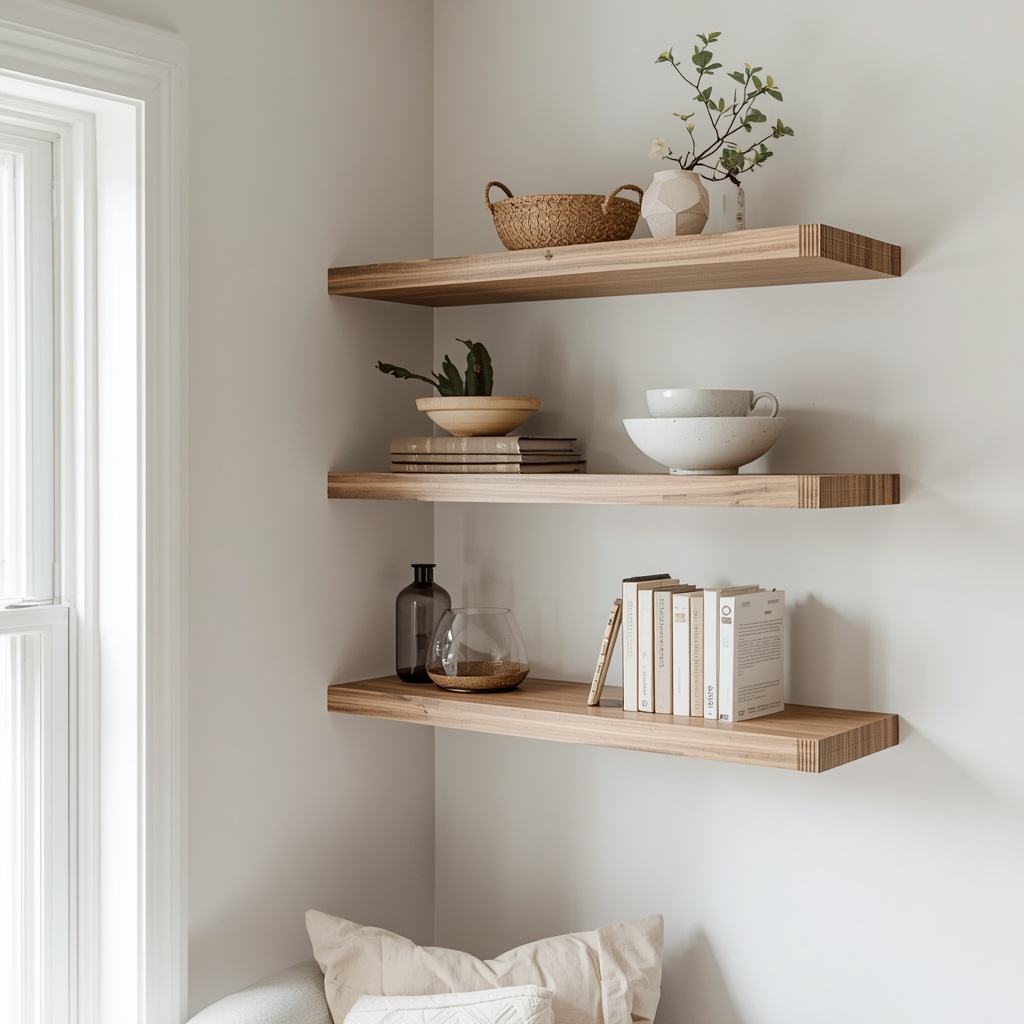
For a polished look, install shelves at varied lengths rather than perfectly matching sets, and leave at least 30 percent of each shelf empty. That negative space is what keeps the display feeling curated instead of cluttered. Stick to a limited color palette so the shelves look like part of the architecture.
Floating Shelf Styling Do’s and Don’ts
| Do | Don’t |
|---|---|
| Mix heights: books stacked flat and standing | Line up identical objects like soldiers |
| Use closed boxes for visual calm | Overfill every inch |
| Anchor into wall studs for heavy items | Rely on drywall anchors for books |
| Add a small plant for softness | Use five different metal finishes |
Trick 4: Choose a Wall-Mounted TV Console or Media Wall
The TV stand is often the largest, bulkiest piece in a small living room. A floating TV console, mounted 6 to 10 inches off the floor, makes the entire wall feel lighter. Pair it with a wall-mounted television and you eliminate the visual weight of a tall cabinet.
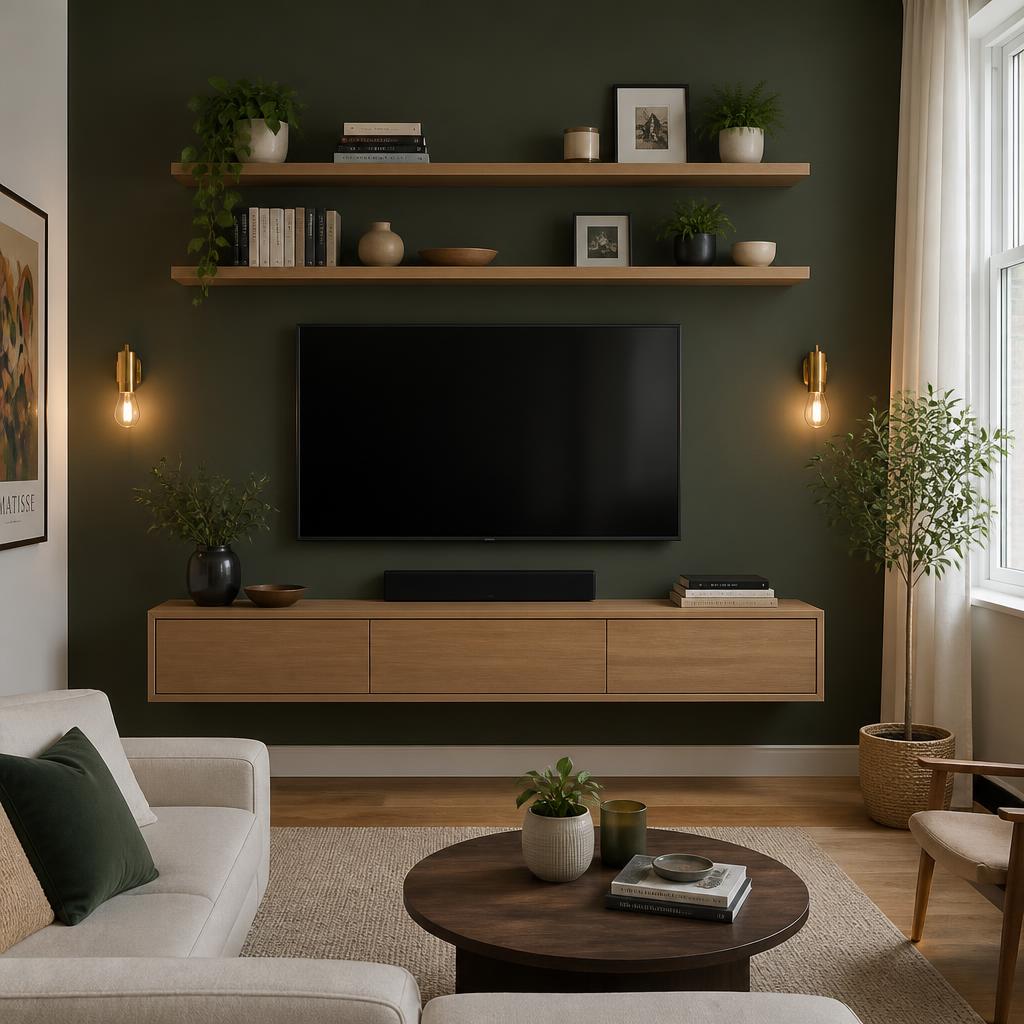
If you need more storage, build a simple media wall with a floating console at the bottom and two or three floating shelves above. Painting the whole wall one rich color, like deep green, warm greige, or navy, helps the unit blend in and makes the screen less dominating when it is off.
“Mount the TV, float the console, and suddenly the wall breathes again.”
Trick 5: Pick Furniture with Visible Legs
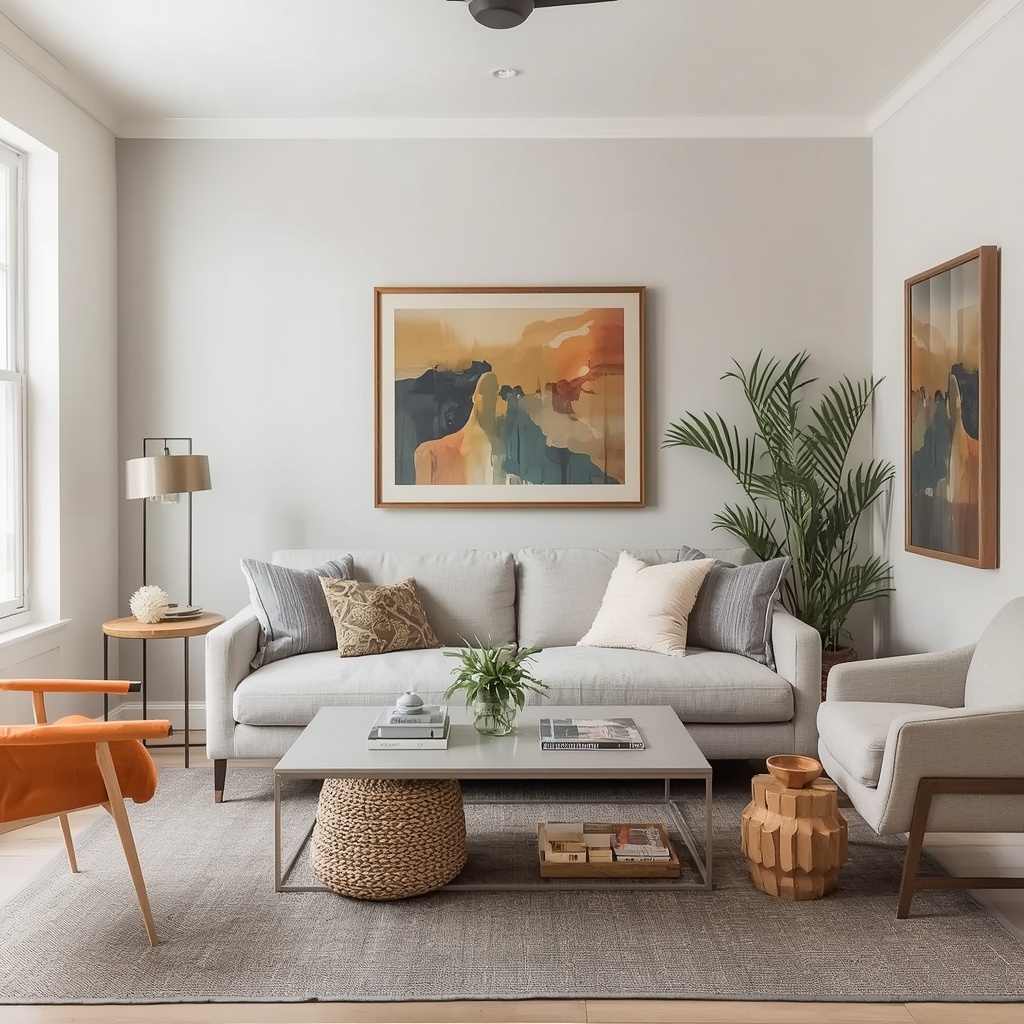
Not all floating furniture needs to be mounted. Pieces with slim, tapered legs create what designers call the floating effect. When light and sightlines pass beneath a sofa, chair, or coffee table, the furniture looks lighter and the floor appears to continue uninterrupted.
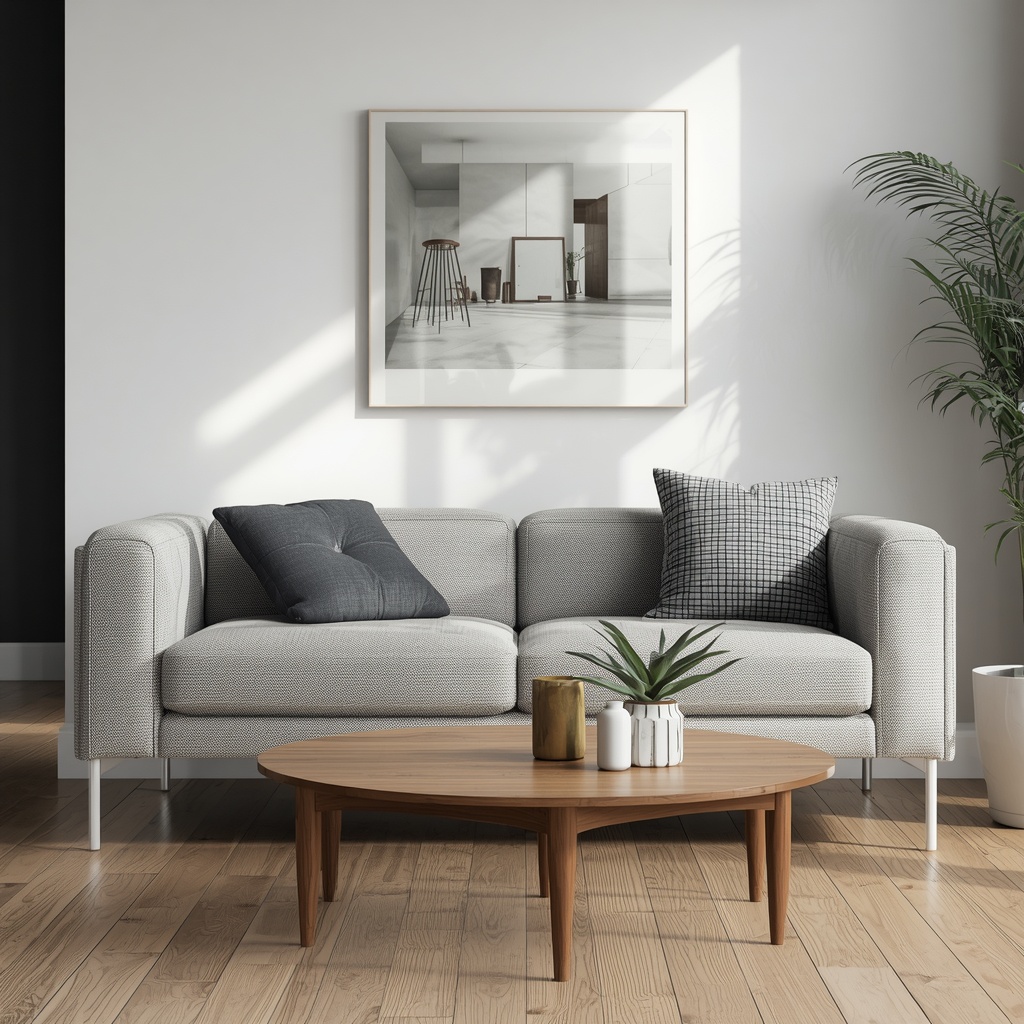
Look for sofas with at least 6 inches of leg clearance, accent chairs with open arms, and nightstands or side tables on thin metal bases. Mid-century modern silhouettes are perfect for this. Avoid skirted sofas and bulky ottomans that sit flush to the floor, as they visually block the room.
Furniture Styles That Float Best
- Mid-century modern sofas with tapered wooden legs
- Glass or acrylic coffee tables that disappear visually
- Slim metal-frame side tables with open bases
- Cantilever chairs with no back legs at all
- Wall-mounted drop-leaf tables for dining on demand
Trick 6: Float a Desk for Your Work-from-Home Corner
Remote work is here to stay, and many of us are squeezing a home office into the living room. A wall-mounted floating desk takes up zero floor space and can fold away when not in use. Many fold-down models sit only 4 to 6 inches deep when closed.
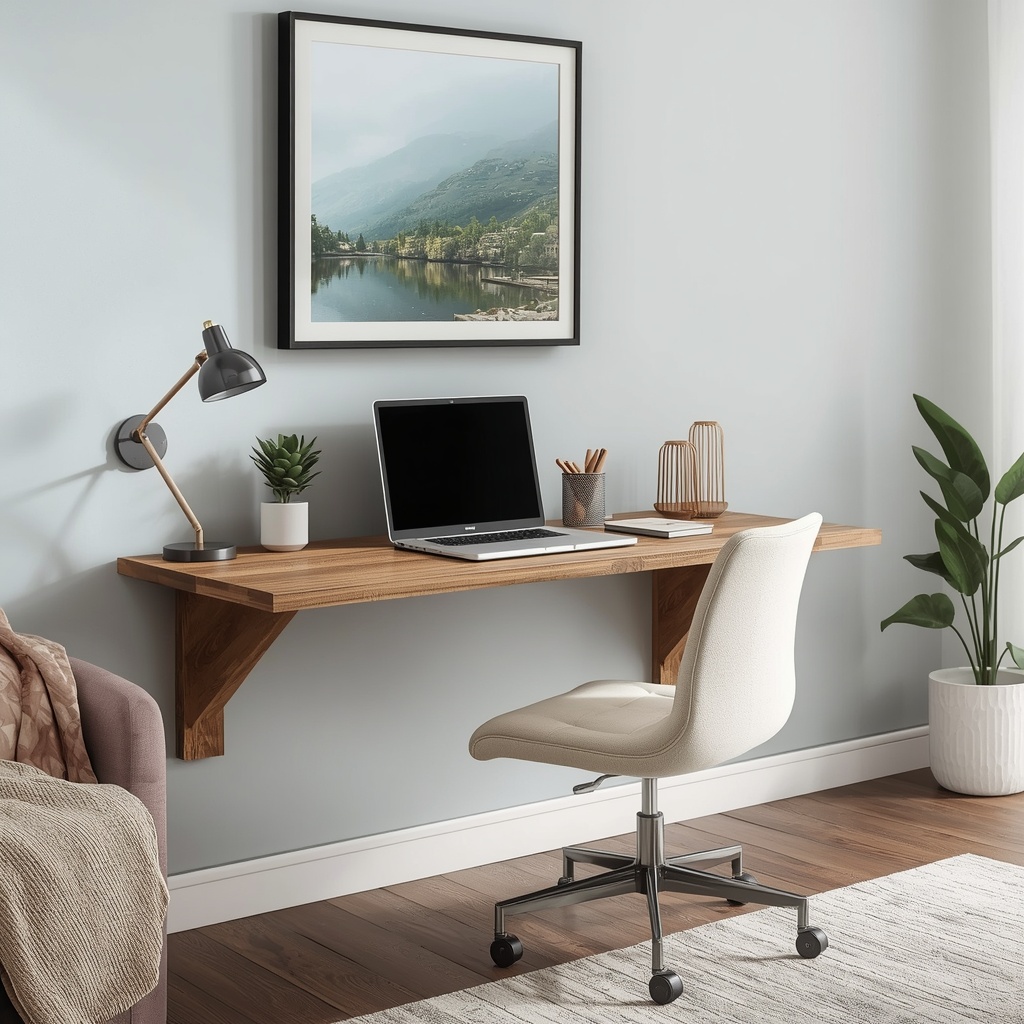
Pair it with a lightweight stool or a chair that tucks entirely underneath. Add a pegboard or two floating shelves above for supplies, and you have a complete workstation that disappears at the end of the day. This is a fantastic solution for studio apartments where privacy and boundaries are tough to create.
Trick 7: Use a Floating Layout to Create Zones in Open-Concept Spaces
In a studio or open-plan apartment, floating furniture is how you create “rooms” without walls. Place your sofa so its back faces the kitchen or entry. Add a rug underneath the seating group, and suddenly you have a defined living zone separate from the sleeping or dining area.
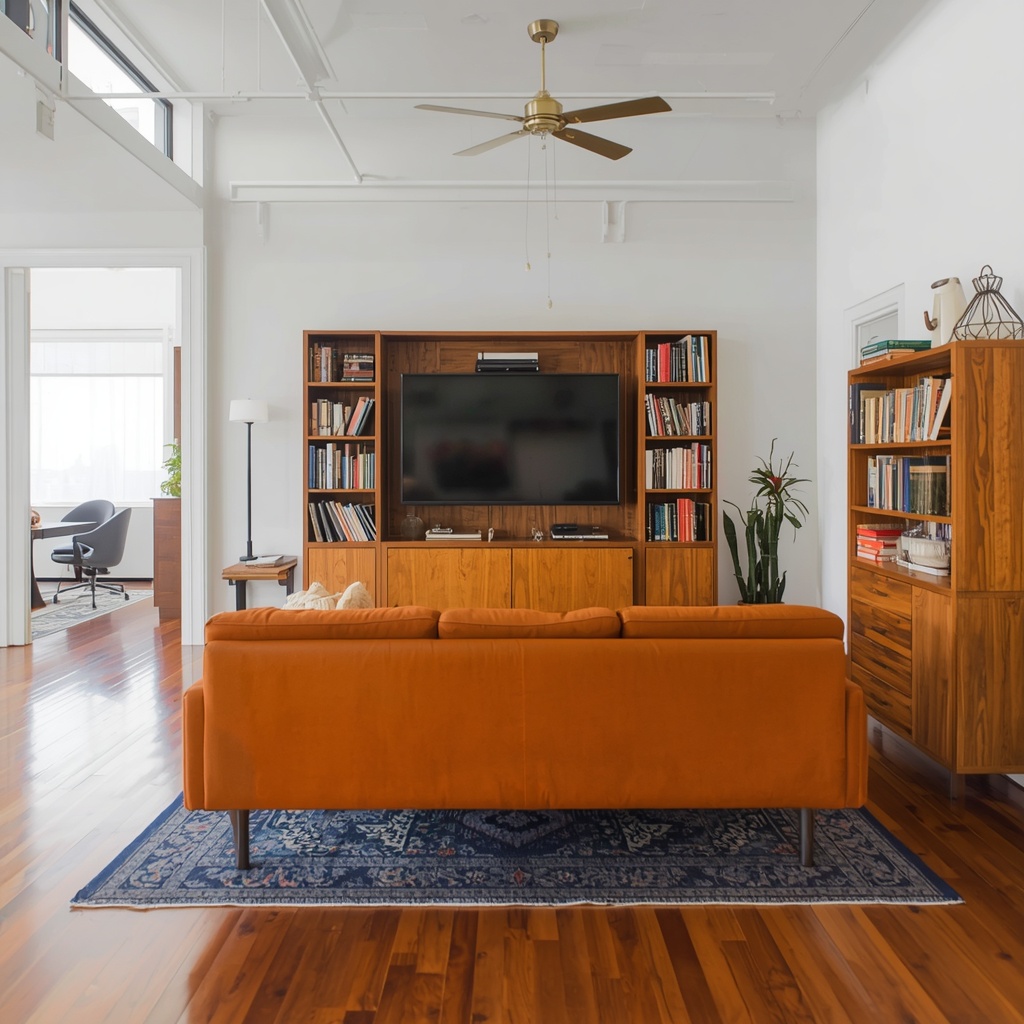
The key is to keep sightlines open. Choose low-profile pieces, such as a sofa under 32 inches tall, and avoid tall bookcases as dividers unless they are open-backed. You want to separate the space functionally while keeping the visual flow intact.
Layout Ideas by Room Shape
| Room Shape | Best Floating Strategy | Key Piece |
|---|---|---|
| Long, narrow room | Float seating in the middle, leave side walkways | Armless loveseat plus two slim chairs |
| Square room | Angle the sofa, float a round coffee table | Round or oval rug |
| Studio apartment | Use sofa back as a divider | Floating console behind sofa |
| Room with a bay window | Float a chaise or chair in the window nook | Compact swivel chair |
| Awkward L-shape | Float one seating group per leg of the “L” | Two rugs, two lamps |
Trick 8: Anchor Your Floating Furniture with the Right Rug
A rug is the glue that holds a floating layout together. Without one, furniture can look like it is drifting aimlessly. With the right rug, the arrangement feels deliberate and cohesive.
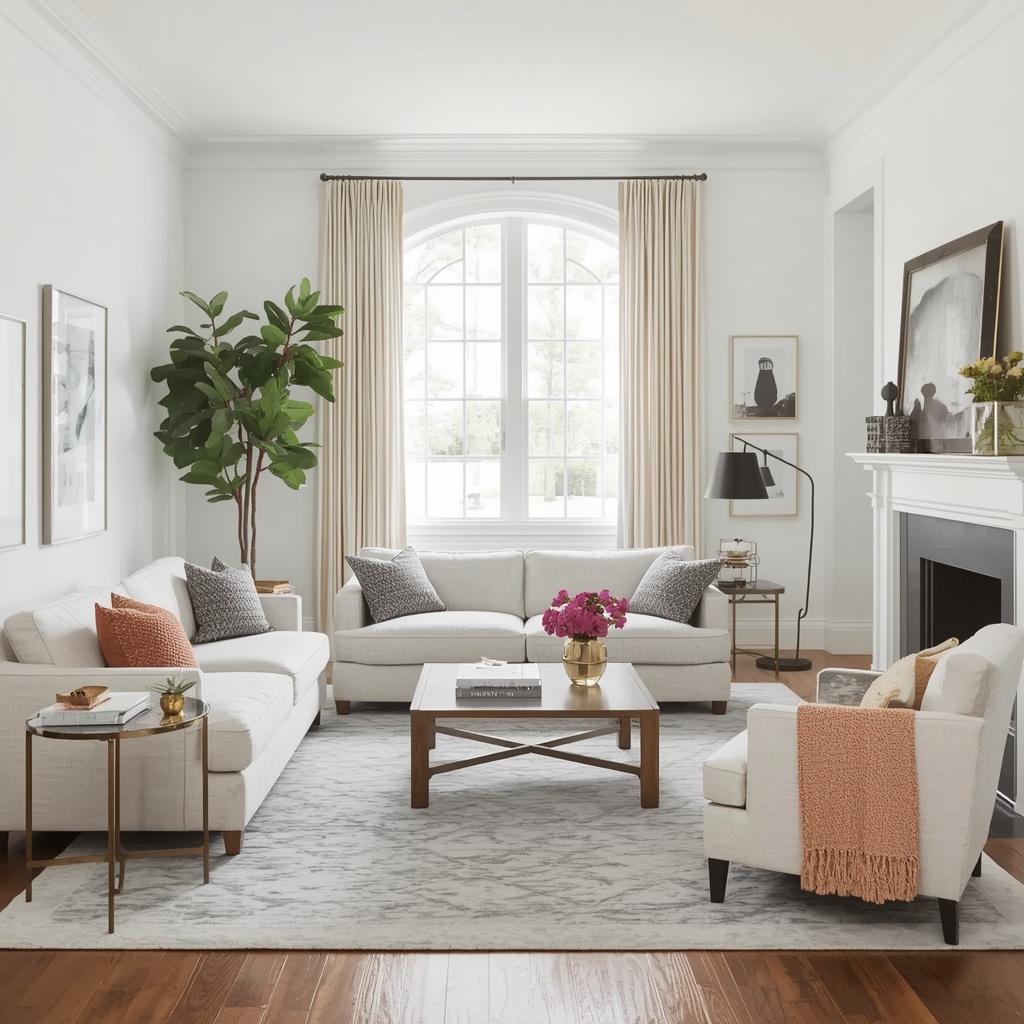
The rule of thumb for small living rooms: at least the front legs of every seating piece should rest on the rug. For a 10-by-12-foot room, an 8-by-10 rug usually works best. Avoid a tiny rug that looks like a postage stamp, as it will shrink the room instead of expanding it. Choose a light or low-contrast pattern to keep the floor feeling open.
Pro Tip: Layer a flat-weave rug in a neutral tone over wall-to-wall carpet if you are renting. It defines the floating zone without requiring any permanent changes.
Trick 9: Float Your Lighting
Floor lamps and plug-in wall sconces are floating furniture’s best friends. Instead of a table lamp that eats up surface area, use an arc floor lamp over the sofa or a swing-arm sconce mounted beside the seating. Both free up tabletop space and add layered lighting, which makes any room feel warmer and more spacious.
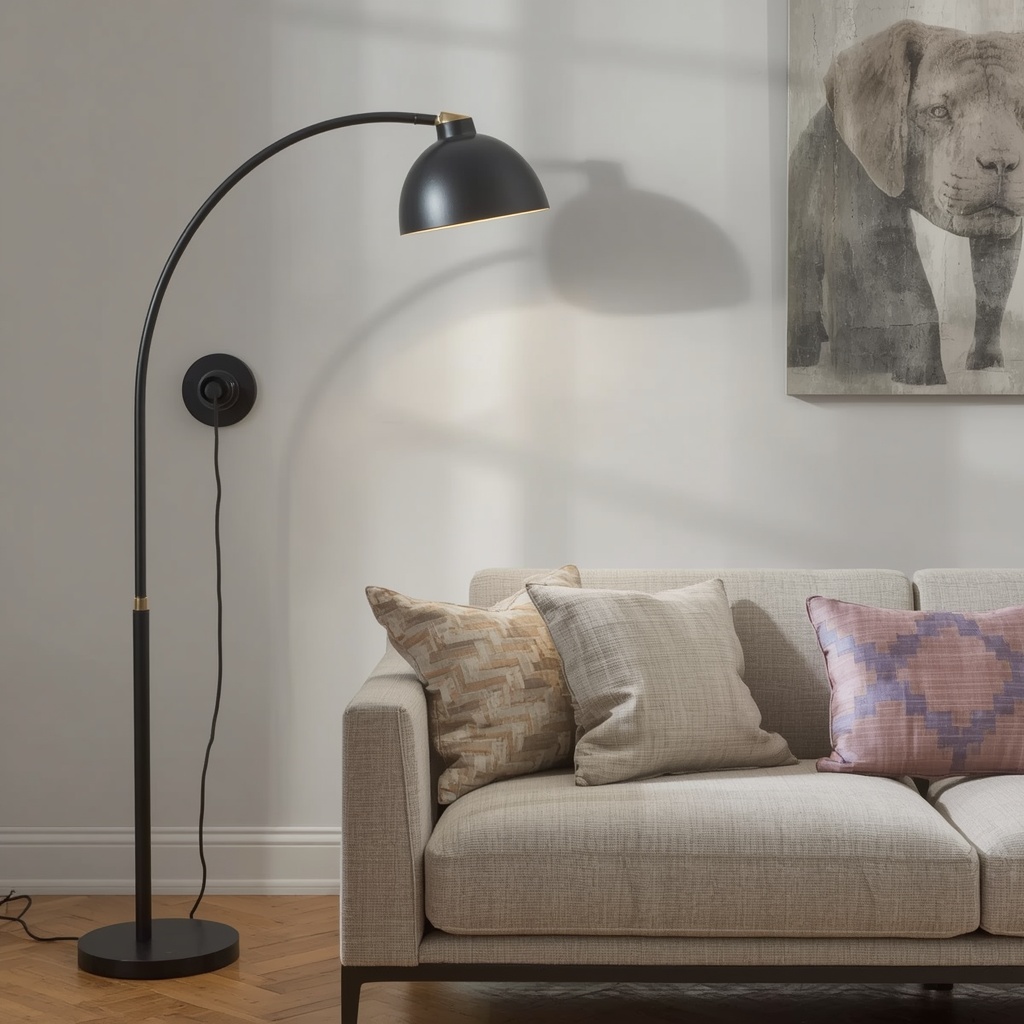
Try three light sources at different heights: one overhead, one at mid-level such as a sconce, and one low, such as a floor lamp or a small accent light. This layering draws the eye up and around the room, expanding it visually.
Trick 10: Add Mirrors to Amplify the Floating Effect
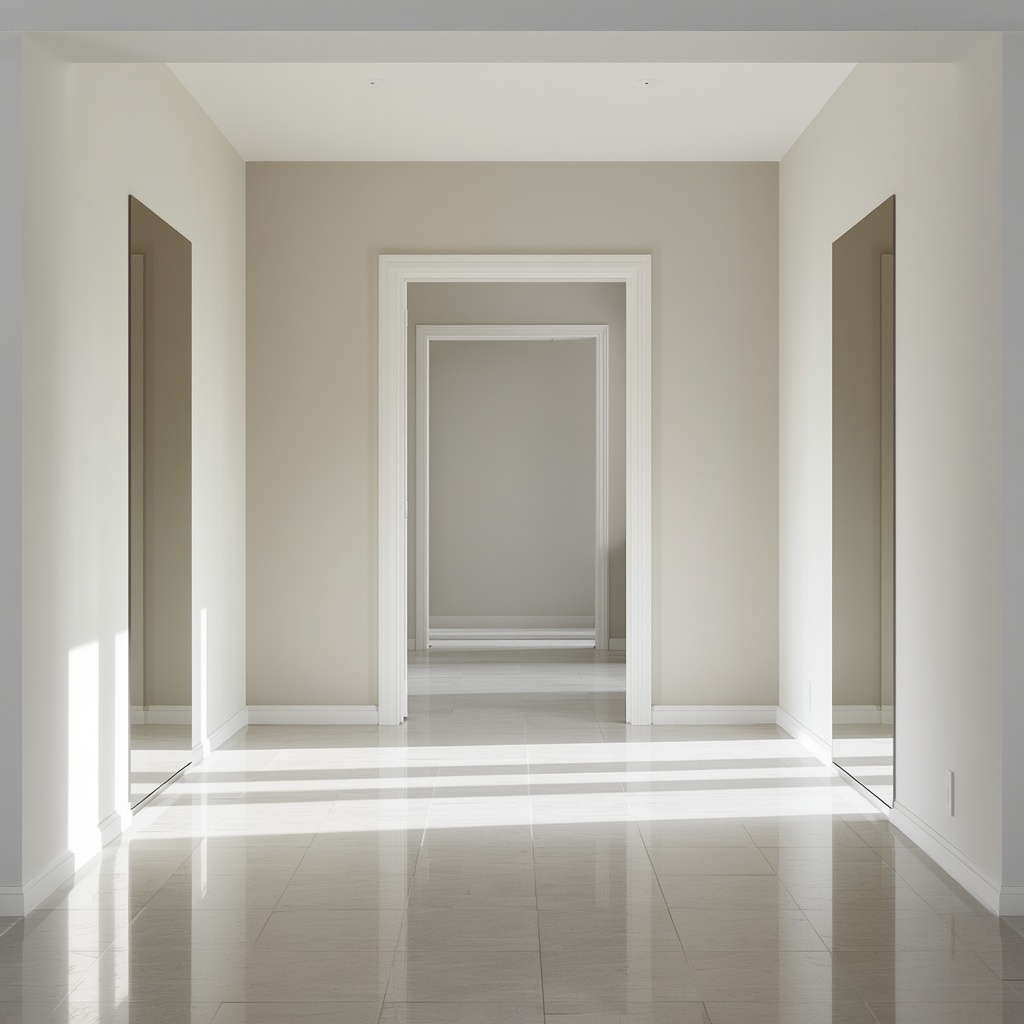
A large mirror placed opposite a window doubles natural light and visually doubles the room. Lean an oversized floor mirror against a wall or mount a round mirror above a floating console to bounce light across the space.
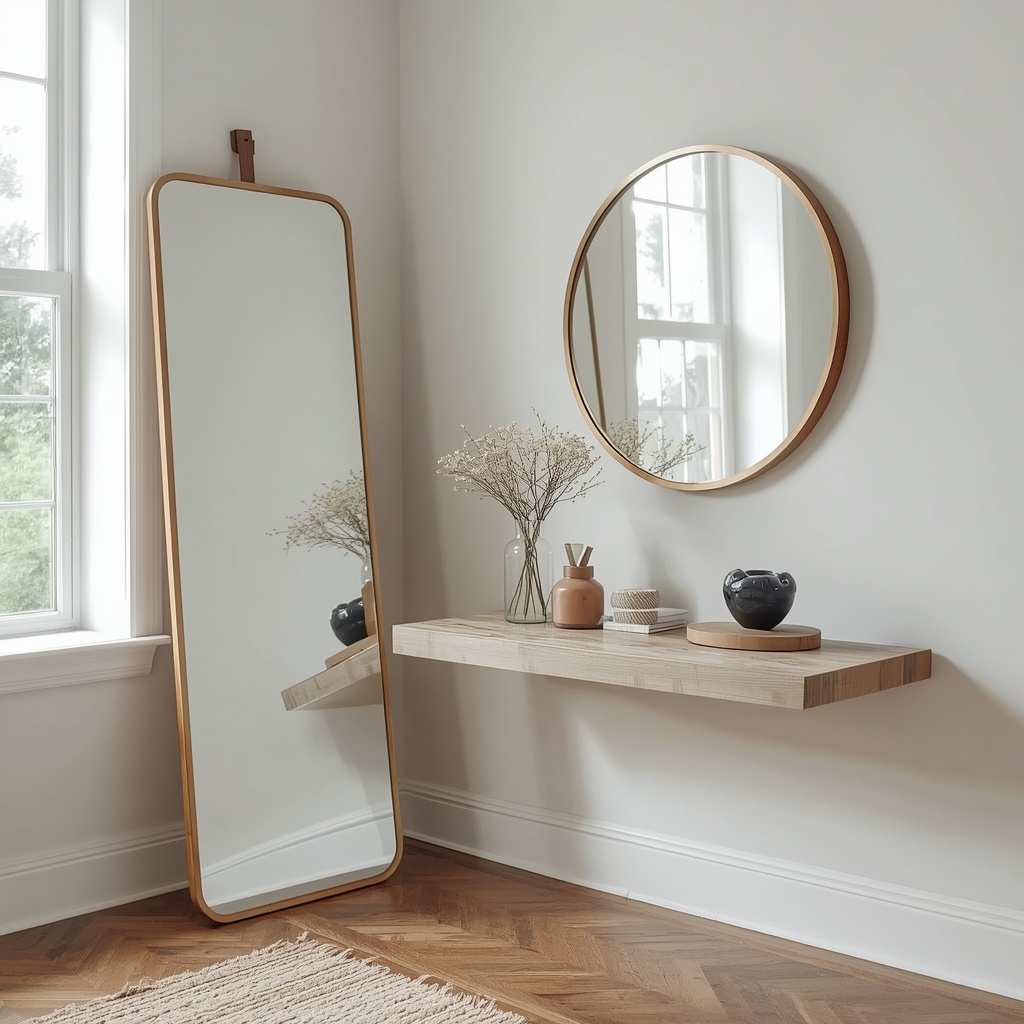
Here is a designer secret: place the mirror where it reflects something beautiful, such as a plant, a piece of art, or the window, rather than a blank wall or clutter. A mirror multiplies whatever it sees, so make sure it is showing off your best view.
Trick 11: Go Vertical with Wall-Mounted Storage
When floor space is limited, use your walls. Floating cabinets, picture ledges, and wall-mounted bookshelves lift everything off the ground. Aim to draw the eye upward by placing storage higher on the wall and keeping the lower area open.
A few smart wall-mounted ideas for small living areas include:
- Picture ledges for rotating art and framed photos
- Floating cabinets with doors to hide clutter
- Wall-mounted plant shelves to free up the floor
- Hooks and pegboards for bags, keys, and throw blankets
- Floating bar shelf with a mini wine rack for entertaining
Trick 12: Choose a Cohesive Color Palette
Floating furniture works best when it blends with the walls rather than fighting against them. Paint wall-mounted shelves and consoles the same color as the wall, and they virtually vanish, leaving only the objects on display.
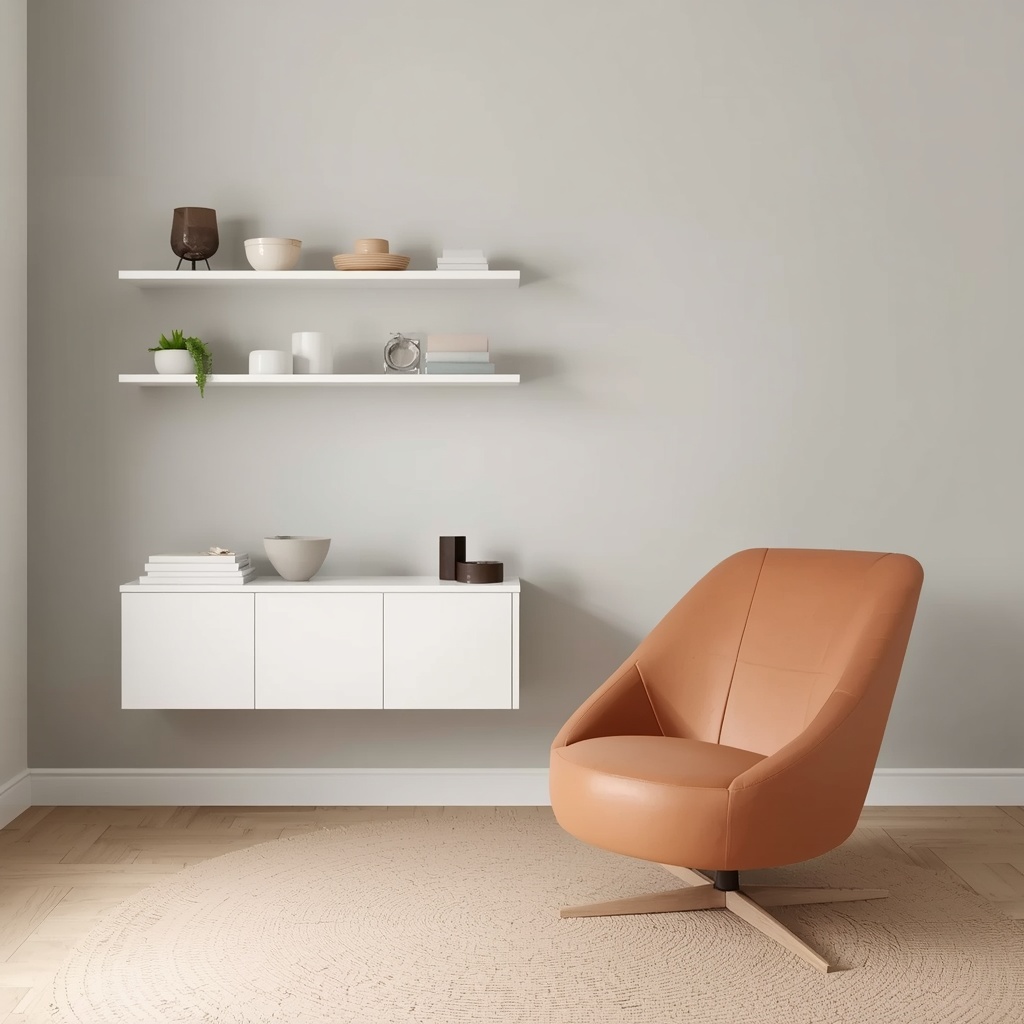
Stick to a restrained palette of two or three main colors plus one accent. Light neutrals like warm white, soft gray, and sand reflect light and open up the room. If you love bold color, use it sparingly through pillows, art, or a single accent chair that floats in the center of the room as a statement piece.
Common Floating Furniture Mistakes to Avoid
Even the best idea can go wrong if the execution is off. Here are the pitfalls I see most often in client homes:
- Floating too many pieces. If everything is pulled away from the walls, the room can feel chaotic. Anchor at least one large piece, usually the sofa or bed, against a wall.
- Blocking pathways. Keep a minimum of 30 to 36 inches of clearance for main walkways.
- Skipping the stud finder. Wall-mounted furniture must be anchored into studs or rated heavy-duty anchors. Safety comes first.
- Using mismatched scale. Oversized furniture on tiny legs looks awkward. Match the size of each piece to the room.
- Forgetting cords. A floating sofa exposes outlets and cables. Use cord covers or a power strip hidden under a console.
Essential Measurements Cheat Sheet
Save this table and keep it handy when you rearrange.
| Element | Recommended Measurement |
|---|---|
| Gap between sofa and coffee table | 14 to 18 inches |
| Main walkway width | 30 to 36 inches |
| Floating console height behind sofa | Equal to or 2 inches below sofa back |
| Floating shelf height above sofa | 8 to 12 inches above the sofa back |
| TV console height off the floor | 6 to 10 inches |
| Distance from sofa to wall (floating) | 6 to 24 inches |
| Rug size for 10 x 12 ft room | 8 x 10 ft |
Budget-Friendly Floating Furniture Ideas for Renters
You do not need to renovate to enjoy these tricks. Renters can use damage-free solutions and still get the floating look:
- Adhesive wall hooks and picture ledges for light décor
- Leaning ladder shelves that mimic floating shelves
- Furniture risers or tapered legs to lift existing sofas and chairs
- Freestanding slim consoles with open bases
- Tension-rod shelving in alcoves
For more inspiration and product ideas, browse the small-space galleries at Houzz, explore design features at Architectural Digest, or compare layouts and affordable pieces at IKEA’s living room section.
Frequently Asked Questions
Does floating furniture really make a room look bigger?
Yes. Exposing more floor and wall creates visual continuity, and your eye reads the room as larger. Combined with light colors and mirrors, the effect is dramatic.
Can I float furniture in a very small living room?
Absolutely. Even a 6-inch gap behind a sofa helps. In tiny rooms, focus on wall-mounted shelves and legged furniture rather than moving everything to the center.
How much weight can floating shelves hold?
It depends on the bracket and the wall. Shelves anchored into studs can often hold 30 to 50 pounds or more, while drywall anchors are typically rated for far less. Always follow the manufacturer’s guidelines.
What is the best sofa for a floating layout?
Choose a sofa with exposed legs, a slim profile, and a finished back, since the back will be visible from the room. Apartment-sized sofas of 72 to 80 inches work well in compact spaces.
Final Thoughts: Let Your Small Space Breathe
A small living area does not have to feel limiting. By pulling your sofa off the wall, lifting storage onto the walls, choosing furniture with visible legs, and layering light and mirrors, you can turn a cramped room into a space that feels open, intentional, and welcoming.
Start with one trick this weekend. Slide the sofa out six inches, mount a single shelf, or swap a bulky table for a leggy one. Small changes add up, and before long your home will feel like it grew a few extra feet, no construction required.