
Meta title: Corner Storage Solutions: 25+ Smart Ideas to Maximize Unused Space
Meta description: Turn dead corners into functional, beautiful storage. Designer-approved corner shelves, cabinets, and organizers for every room in your home
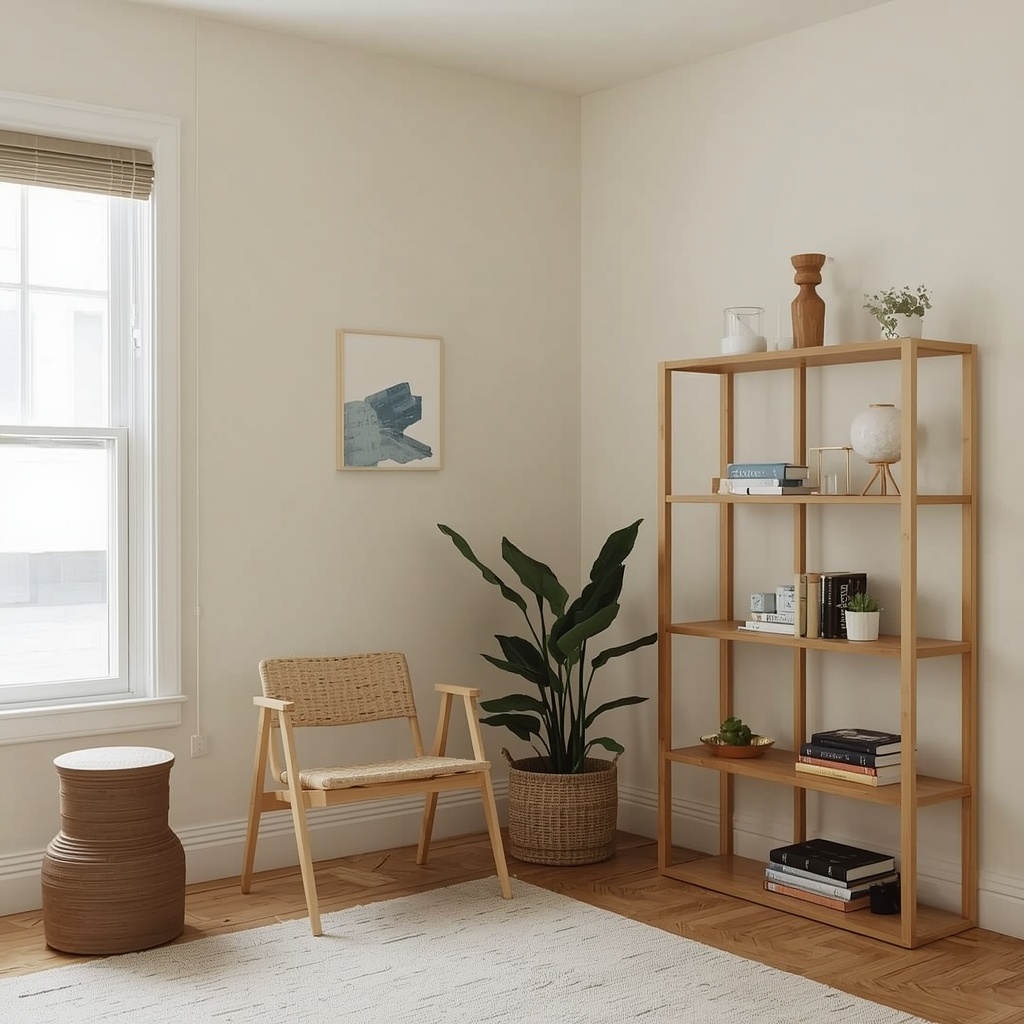
Every home has them: the awkward corners where nothing seems to fit. They collect dust, a stray laundry basket, or a plant that never quite thrives. As an interior designer, I see these spots as hidden potential, because they are often the most underused square footage in the house.
The good news is that you don’t need a renovation to fix it. With the right corner storage solutions, you can add shelving, hide clutter, and create a focal point in almost any room. This guide covers the best ideas for every space, plus the mistakes to avoid.
Why Corners Are the Most Overlooked Real Estate in Your Home
Most people arrange furniture along flat walls and leave corners as an afterthought. That habit creates “dead space,” areas that technically exist but serve no purpose. In a typical room, the four corners can add up to several square feet of usable storage, which matters in apartments and starter homes.
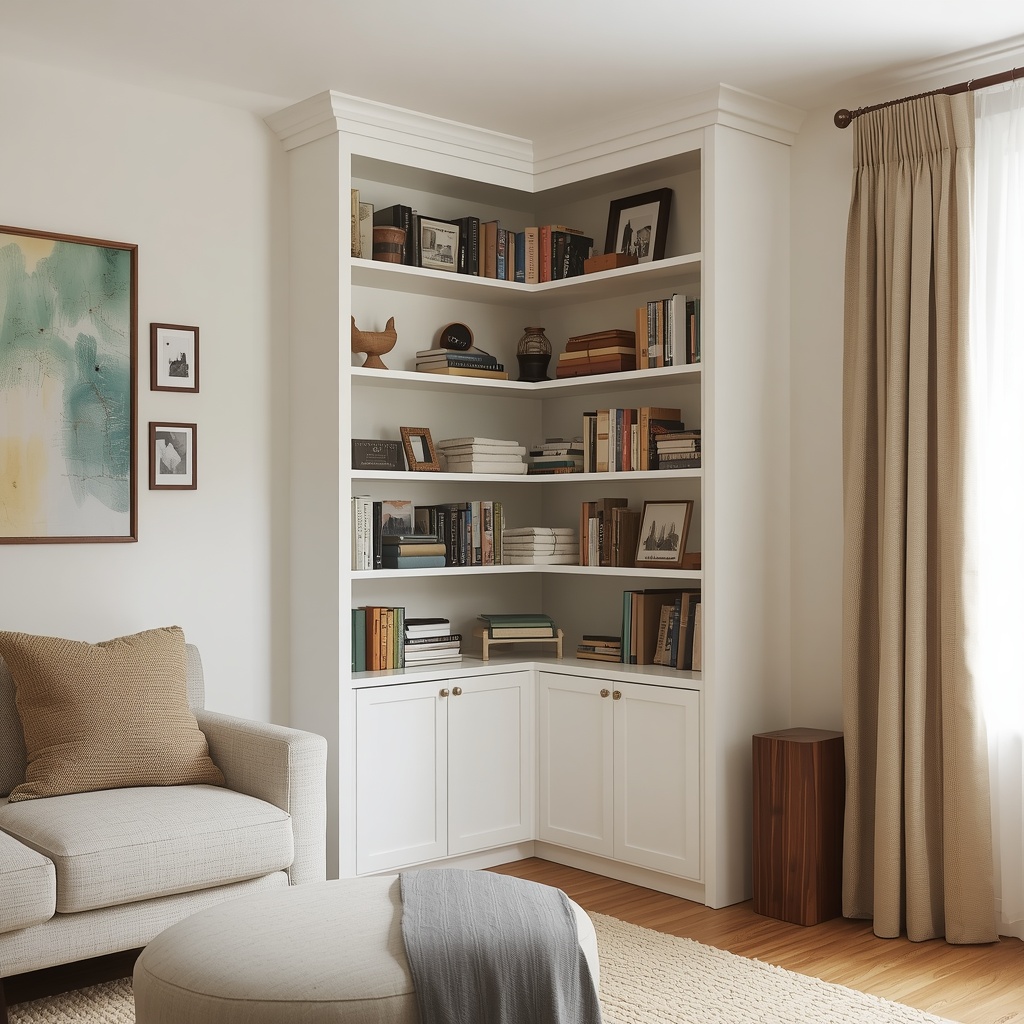
Corners also offer something flat walls can’t: two surfaces to work with. That means more shelf depth, better support for heavy items, and a chance to add height without crowding the room. Vertical storage in a corner draws the eye upward, which makes ceilings feel taller.
“Great design isn’t about adding more. It’s about making every inch work harder.”
Measure First: How to Plan Your Corner Storage
Before you buy anything, grab a tape measure. Measure the width of both walls at the corner, the height from floor to ceiling, and the distance to nearby doors, outlets, or vents. Corners are rarely perfect 90-degree angles, so check with a level or a carpenter’s square.
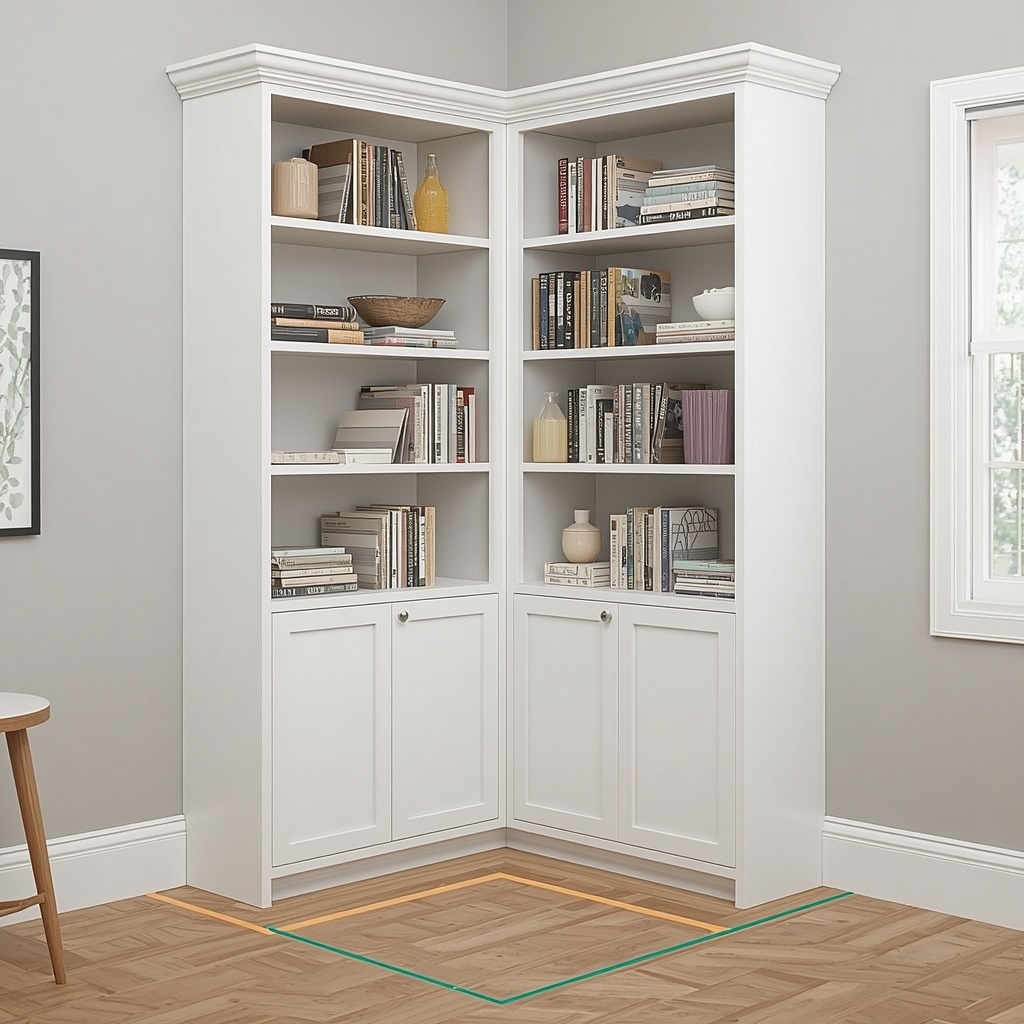
Next, decide what you need to store. Books need shallow, sturdy shelves, while bulky items like cleaning supplies need deeper cabinets. Sketch your plan on paper, and use painter’s tape on the floor to outline the footprint of a piece before you commit.
Quick planning checklist:
- Measure both walls and the ceiling height
- Check for baseboards, outlets, and window trim
- Note door swing and walkway clearance (aim for 30–36 inches)
- Decide between open shelving and closed storage
- Set a budget before browsing
Pro Tip: Leave at least 2 inches of breathing room between your corner unit and any adjacent furniture. Slightly out-of-square walls can make a “perfect fit” piece impossible to install.
Corner Shelves: The Classic Space-Saving Solution
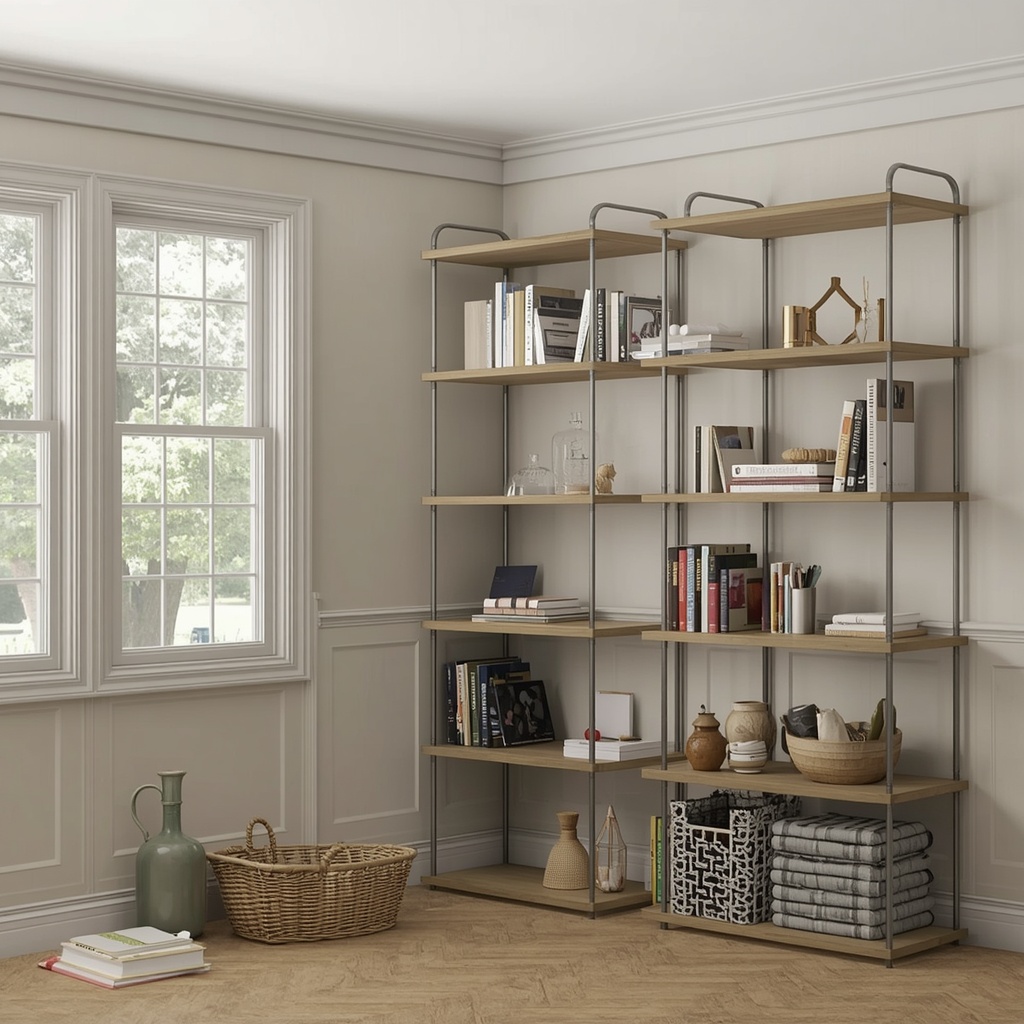
Corner shelves are the easiest way to put dead space to work. Floating corner shelves create a clean, modern look and suit books, plants, and framed photos. Freestanding corner étagères and ladder shelves are renter-friendly because they need no drilling.
For a stronger design statement, stack shelves in a staggered pattern rather than a rigid grid. Mix materials like warm wood, matte black metal, and glass to keep the display from feeling heavy. Group items in odd numbers, and leave some shelf space empty so the arrangement can breathe.
Popular corner shelf styles:
- Floating triangular shelves: sleek and minimal, great for small rooms
- Ladder-style corner shelves: casual, lean-against-the-wall design
- Étagère units: tall, open, and ideal for living rooms
- Built-in corner bookcases: custom, polished, and a long-term investment
Kitchen Corner Storage Ideas
The kitchen’s blind corner cabinet is infamous: you can store things in it, but you can’t reach them. A pull-out blind corner organizer, a lazy Susan, or a swing-out tray system brings everything within reach. Many of these retrofit into existing cabinets without a full remodel.
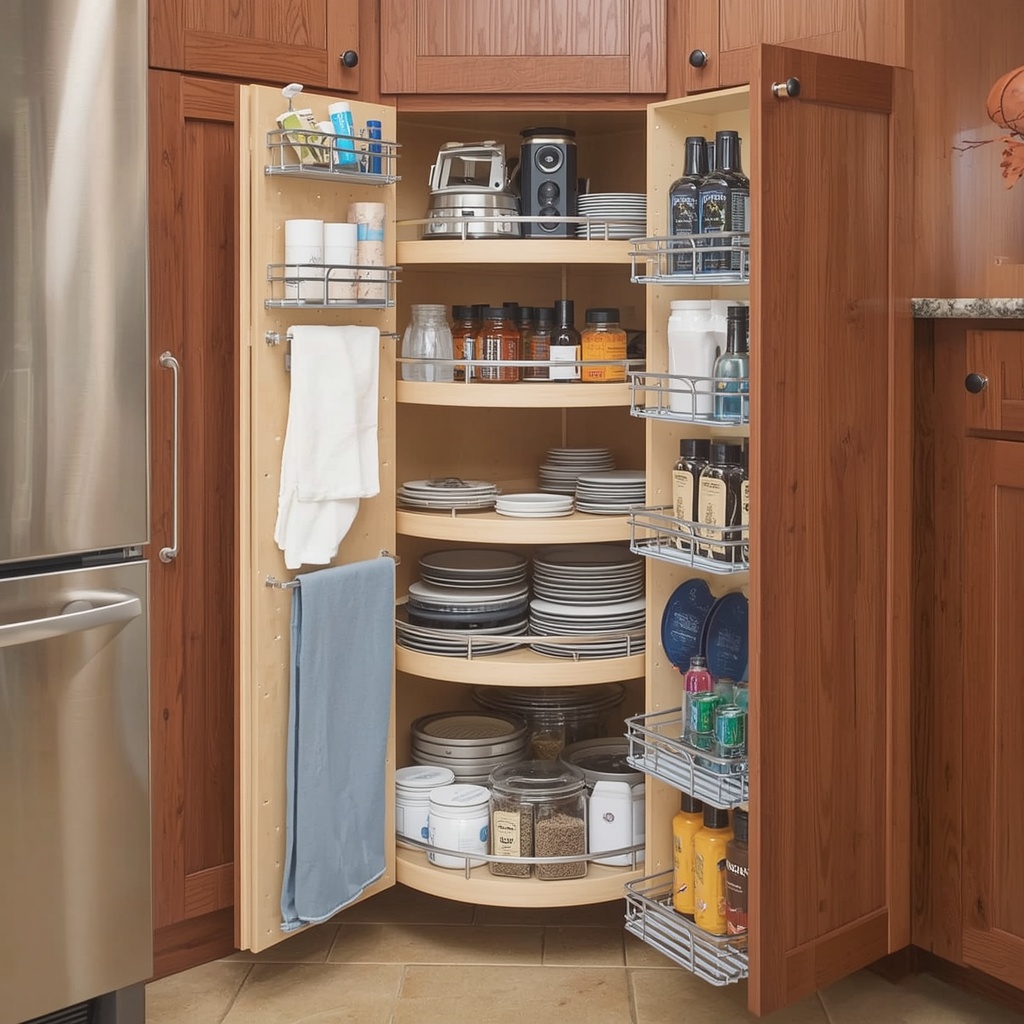
Don’t ignore the upper corners either. A corner wall cabinet with a carousel shelf is great for spices and small appliances. In open-concept kitchens, a tall corner pantry can double as a design feature when finished in a bold color or natural wood.
| Solution | Best For | Approx. Cost | Difficulty |
|---|---|---|---|
| Lazy Susan | Pots, spices, canned goods | $15–$60 | Easy |
| Pull-out blind corner organizer | Deep base cabinets | $120–$400 | Moderate |
| Corner wall carousel | Dishes, small appliances | $80–$250 | Moderate |
| Corner pantry cabinet | Dry goods, bulk items | $250–$900 | Moderate–Hard |
Bedroom Corner Storage Solutions
Bedrooms often have awkward corners beside windows or behind doors. A tall corner bookcase or a corner dresser can store folded clothes and accessories without eating floor space. A corner vanity with built-in drawers turns a forgotten spot into a daily-use station.
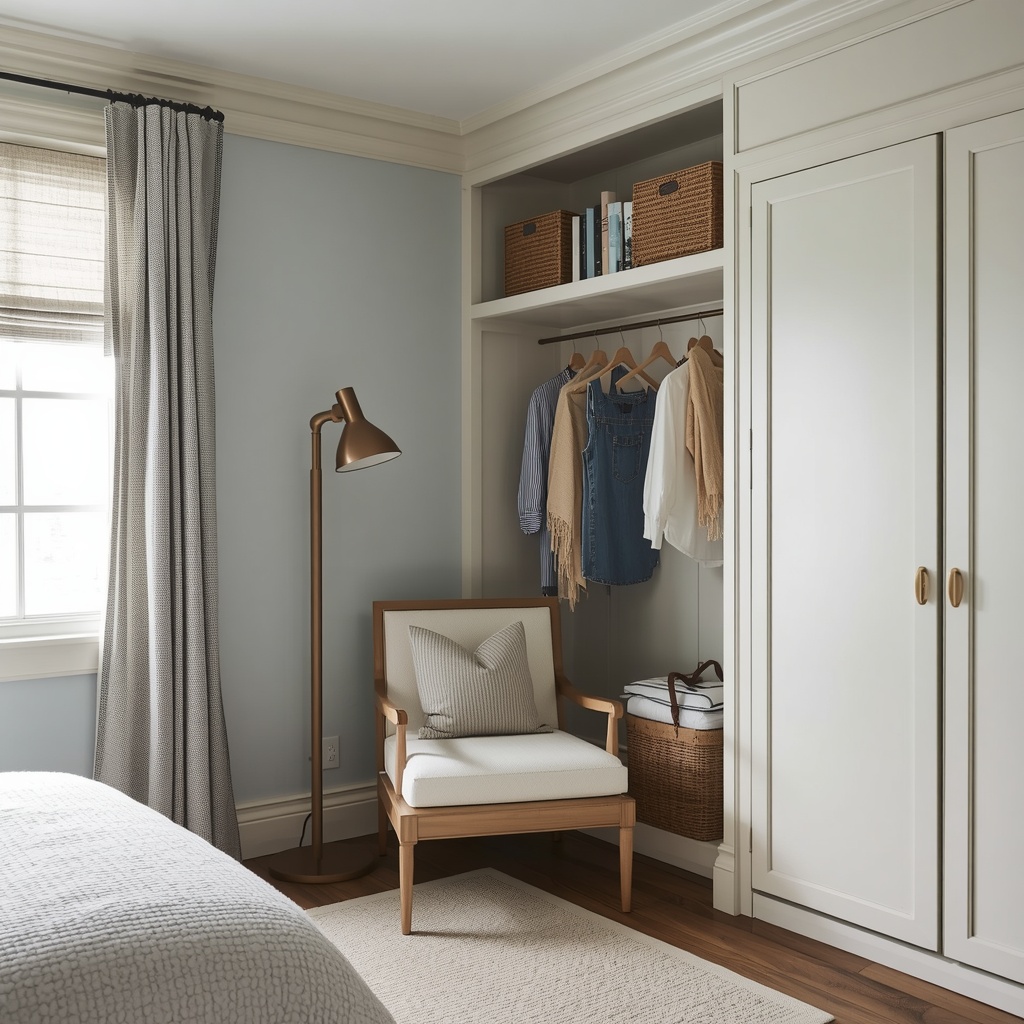
For a cozy feel, try a corner reading nook: a small shelf, a floor lamp, and a comfortable chair. Add a rod and hooks for hanging bags and scarves, or a corner wardrobe with a curved front to soften sharp angles. Use baskets and bins to keep small items tidy and visually calm.
Bedroom corner ideas at a glance:
- Corner dresser or tallboy for clothes
- Floating corner nightstands to free up floor space
- Over-the-door and corner hooks for bags and robes
- Under-bed bins that extend into corner gaps
- Corner shoe racks inside closets
Living Room Corner Storage Ideas
The living room corner is prime display territory. A corner media console can hold a TV, streaming devices, and board games, while hiding messy cables. If you prefer a softer look, a pair of tall bookcases angled into the corner creates a built-in effect without the price tag.
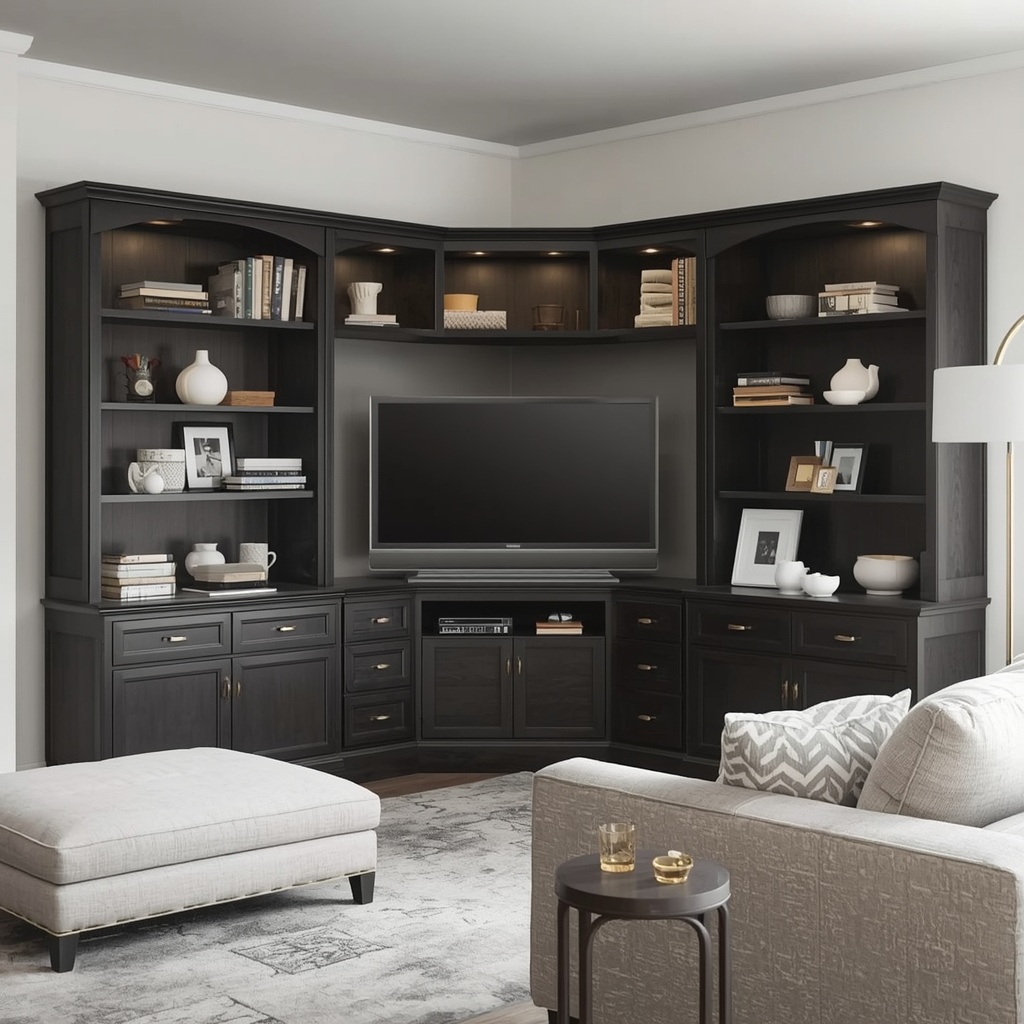
Don’t overlook corner sofas and sectionals with built-in storage ottomans, which are great for blankets and toys. For a statement piece, try a corner bar cabinet or a curved display cabinet. Layering lighting, such as an arc floor lamp beside the unit, makes the corner feel intentional.
“A well-styled corner tells guests the whole room was designed, not just furnished.”
Pro Tip: Anchor tall corner furniture to the wall with anti-tip hardware. This is especially important with kids or pets in the home.
Bathroom Corner Storage Solutions
Bathrooms are small and full of humidity, so storage must be both compact and moisture-resistant. A corner shower caddy keeps shampoos and soaps within reach, and look for rust-proof stainless steel or aluminum. Over-the-toilet corner shelving makes use of vertical space most people ignore.
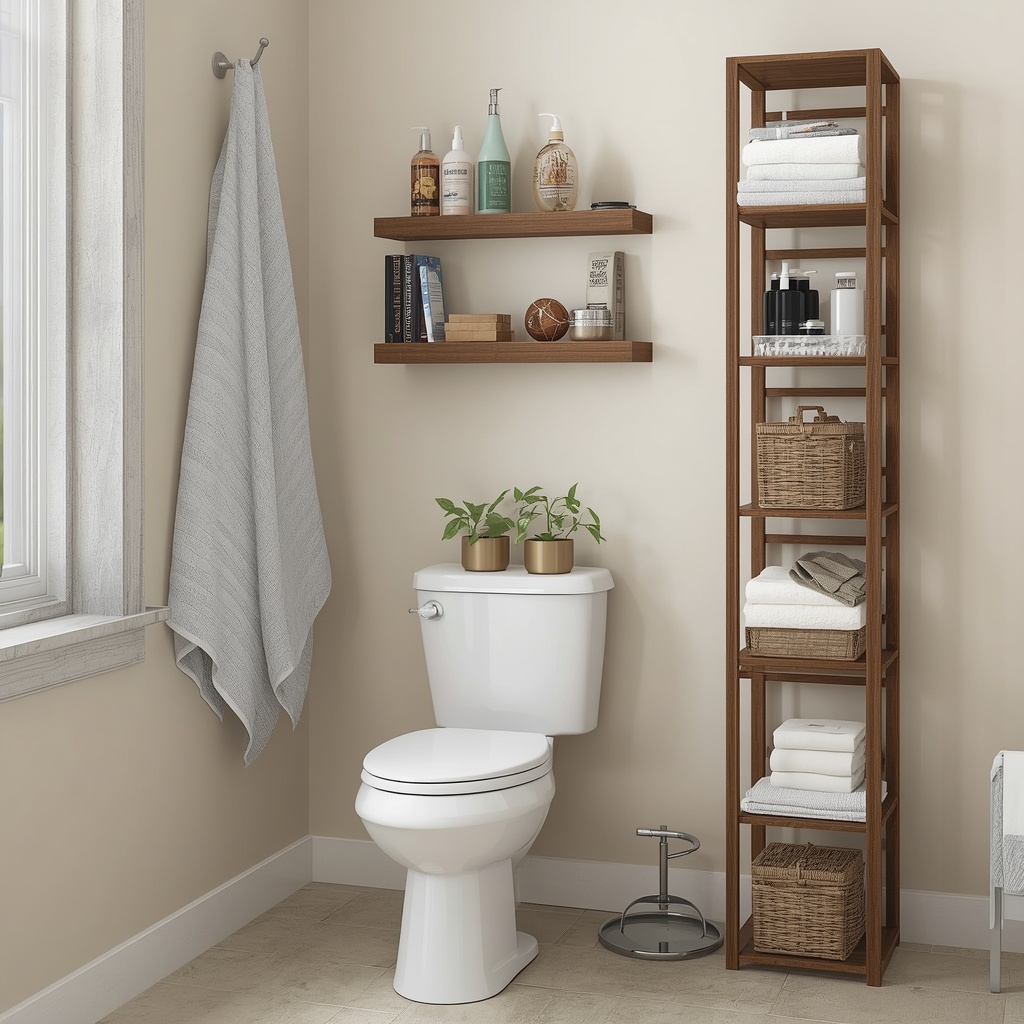
Freestanding corner towers with slim shelves can hold towels, extra toilet paper, and baskets of toiletries. For a spa-like look, choose teak or bamboo, which handle moisture well, and keep colors neutral. Wall-mounted corner cabinets with mirrored doors give you storage and a vanity mirror in one piece.
Best bathroom materials for corner storage:
- Stainless steel and chrome (rust-resistant)
- Teak and bamboo (naturally water-resistant)
- Powder-coated metal (durable and affordable)
- Tempered glass (modern and easy to clean)
Entryway, Laundry, and Garage Corners
Entryways need function fast. A corner bench with cubbies, a coat rack, and a shoe tray can turn a cramped foyer into an organized drop zone. Wall-mounted corner hooks and a slim console keep keys, mail, and bags off the floor.
In the laundry room, corner shelves above the machines hold detergent and baskets. In the garage, a corner rack handles sports gear, tools, and seasonal decor. Use clear bins with labels so you can see what you own, and keep the heaviest items on lower shelves for safety.
Corner Storage for Small Apartments and Renters
If you rent, you need solutions that don’t damage walls. Tension-pole corner shelves, freestanding units, and adhesive-mounted floating shelves are all renter-friendly. Multi-purpose pieces, like a corner desk with shelves or a storage ottoman, do double duty in studios.
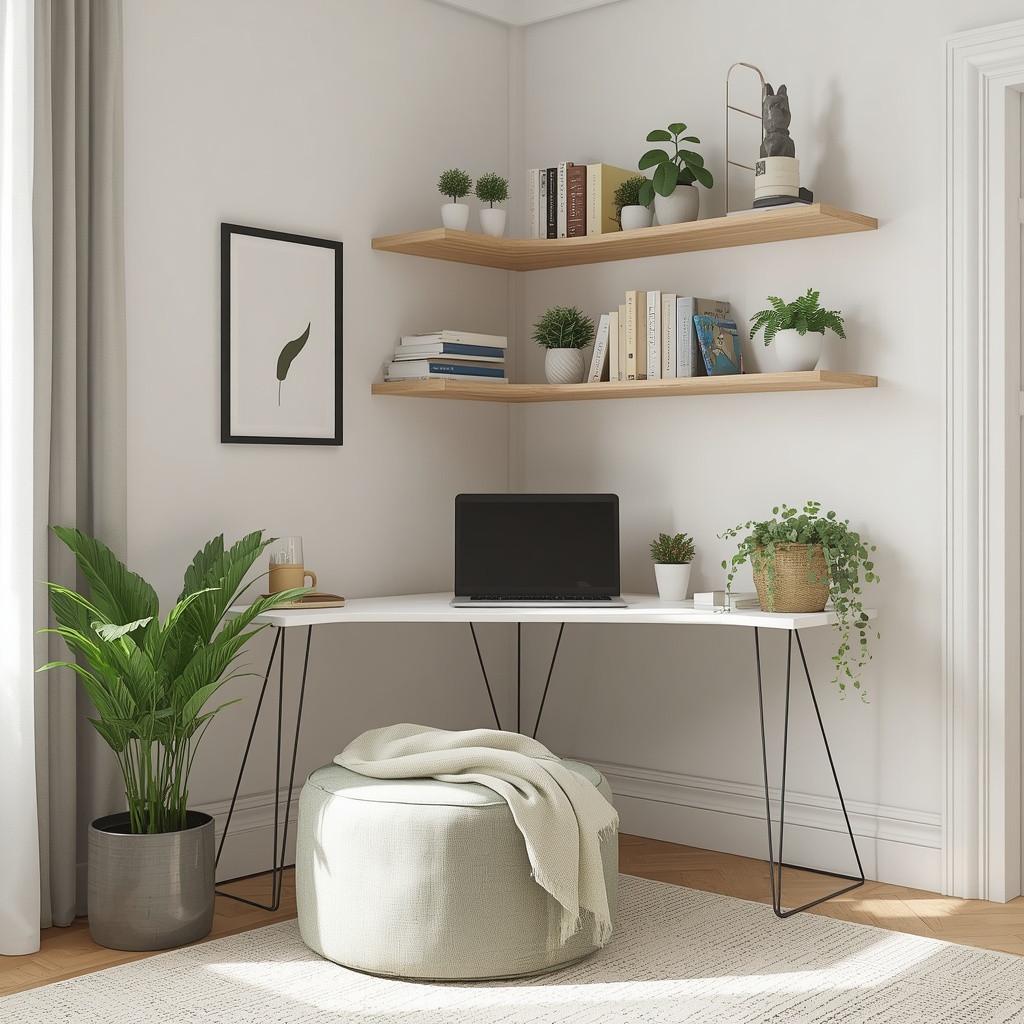
Think vertically. Tall, narrow furniture uses little floor area but offers lots of storage. Light colors and mirrored surfaces make corners feel more open, and a rounded or angled piece keeps traffic flowing smoothly through tight spaces.
Renter-friendly corner ideas:
- Tension-pole shelving (no drilling)
- Freestanding ladder shelves
- Removable adhesive hooks and strips
- Folding corner desks
- Slim rolling carts that tuck into corners
Corner Storage Comparison: Open vs. Closed Options
Choosing between open and closed storage depends on your lifestyle and how tidy you like things to look. Open shelving is lighter visually and good for display, but it shows every bit of clutter. Closed cabinets hide mess but can feel heavier in a small room.
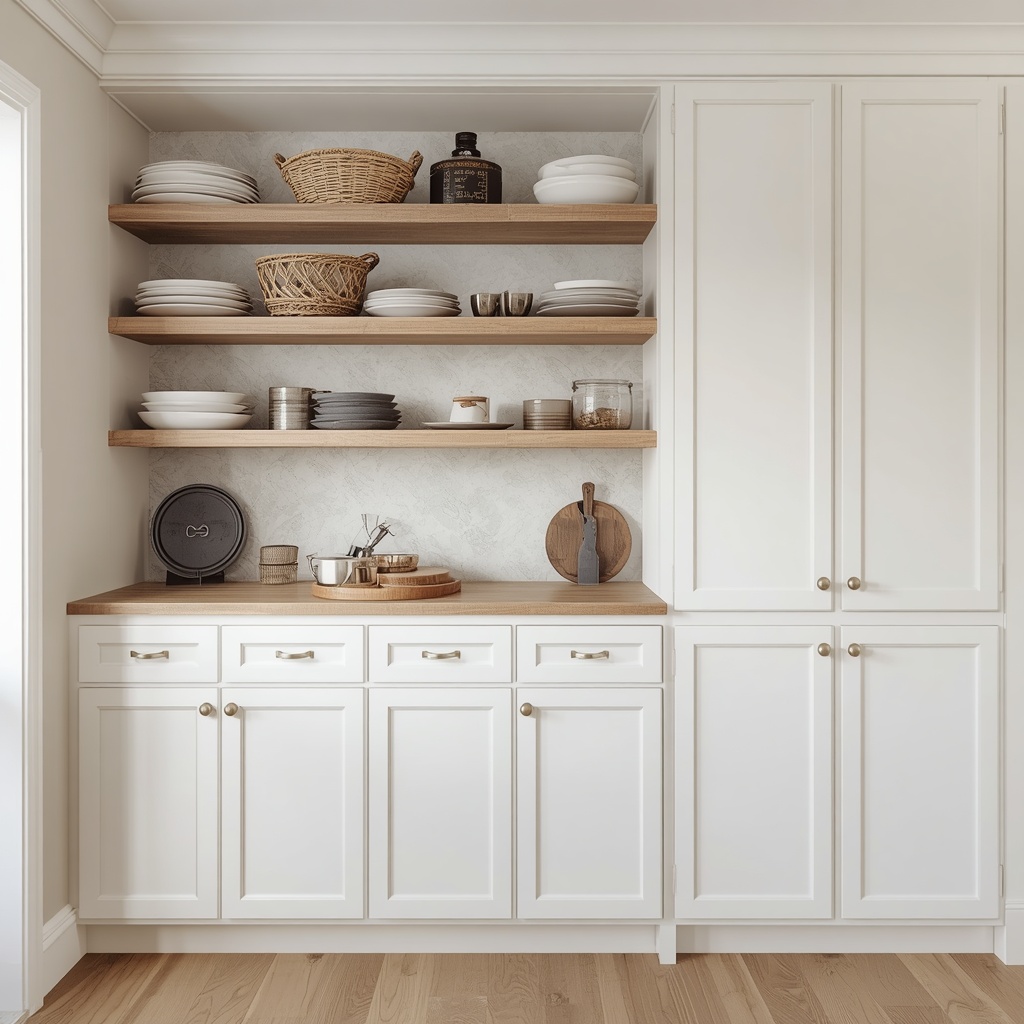
Many designers combine both: closed storage at the bottom for bulky items, and open shelving above for books and decor. This “hybrid” approach balances beauty and practicality in nearly every room.
| Feature | Open Corner Shelving | Closed Corner Cabinets |
|---|---|---|
| Visual weight | Light and airy | Heavier, more substantial |
| Hides clutter | No | Yes |
| Best for | Display, books, plants | Bulk items, supplies |
| Cleaning effort | Frequent dusting | Low |
| Typical cost | $ – $$ | $$ – $$$ |
DIY vs. Buying Ready-Made Corner Storage
DIY projects let you customize size and finish, and they can be surprisingly budget-friendly. A basic set of floating corner shelves needs only wood boards, brackets, a level, and a stud finder. Painting or staining the wood to match your trim makes it look professionally built.
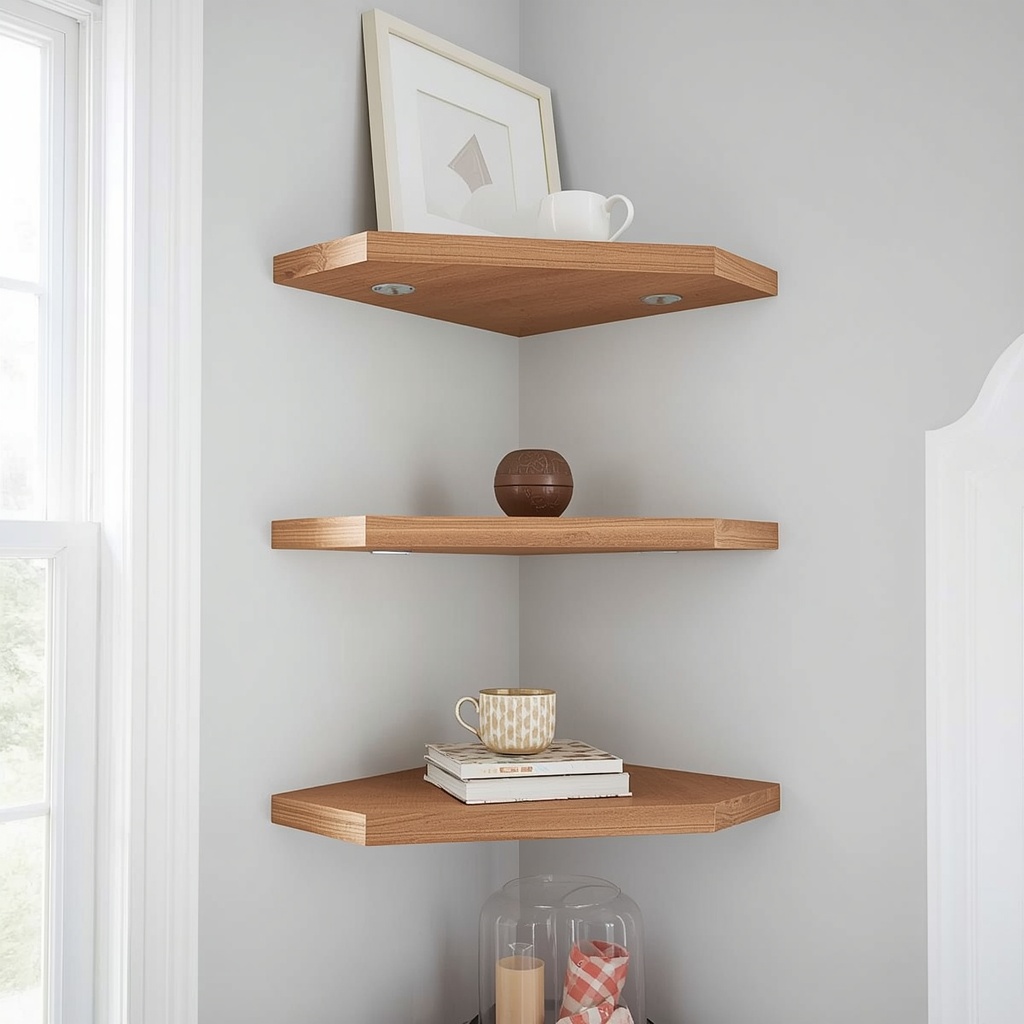
Ready-made pieces save time and often come with tested weight limits. Retailers like IKEA, The Container Store, and The Home Depot offer a wide range of options. For design inspiration and how-to guides, browse The Spruce and Better Homes & Gardens.
Pro Tip: For custom built-ins on a budget, buy standard bookcases and add trim, crown molding, and paint. This “IKEA hack” approach gives a high-end look for a fraction of the price.
Styling Your Corner Storage Like a Designer
Storage should look good, not just work well. Start with a cohesive color palette of two or three tones, then repeat them across baskets, books, and decor. Mix textures, such as woven baskets, ceramic vases, and metal accents, to add depth.
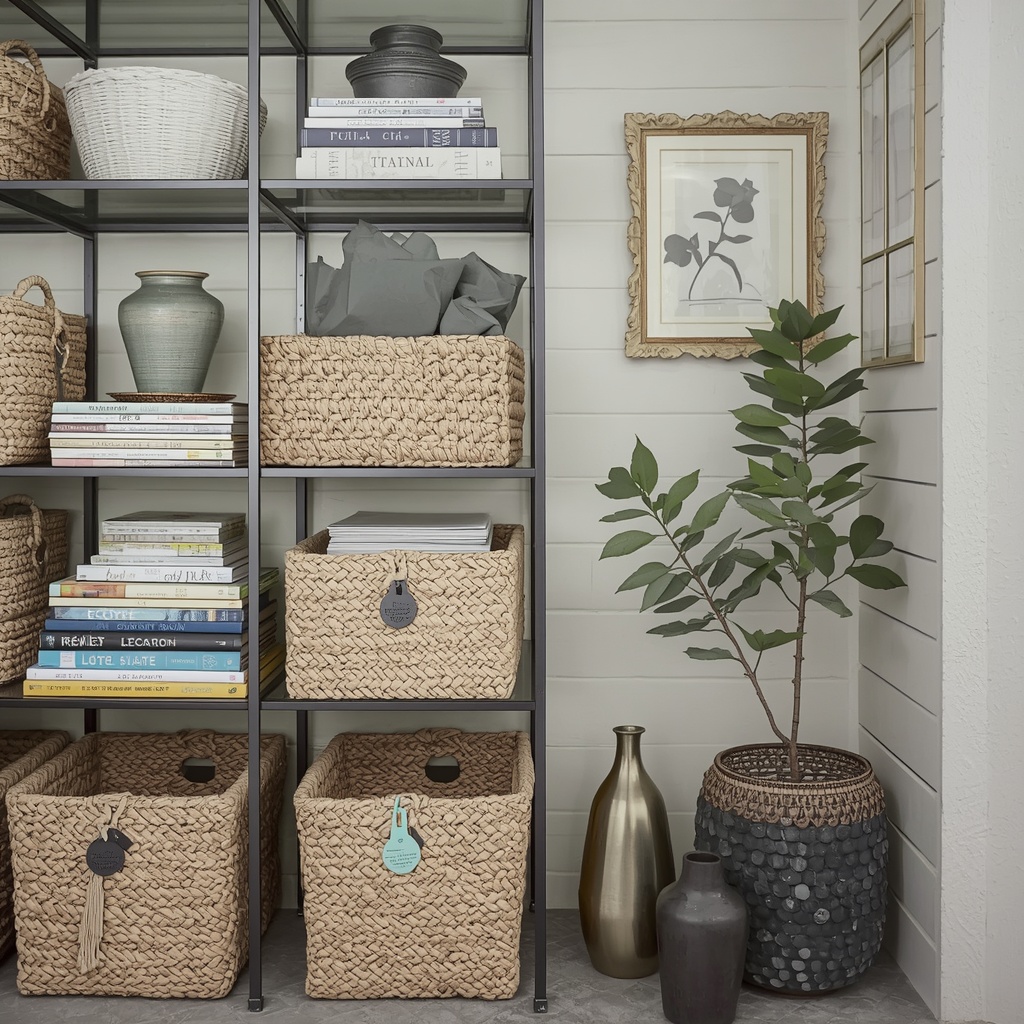
Use the “rule of thirds”: fill about two-thirds of the shelf space and leave the rest open. Place larger items at the bottom, medium ones in the middle, and lighter pieces on top. Finish with a trailing plant or a small lamp to add life and warm light.
Styling essentials:
- Baskets and bins for hidden clutter
- Plants for color and softness
- Mirrors to bounce light
- Art leaning against shelves for a relaxed look
- Warm LED strip lights for ambiance
Common Corner Storage Mistakes to Avoid
The biggest mistake is buying before measuring. Even a half-inch miss can ruin an installation. Another common error is overcrowding: a corner stuffed with too many items looks chaotic and makes the whole room feel smaller.
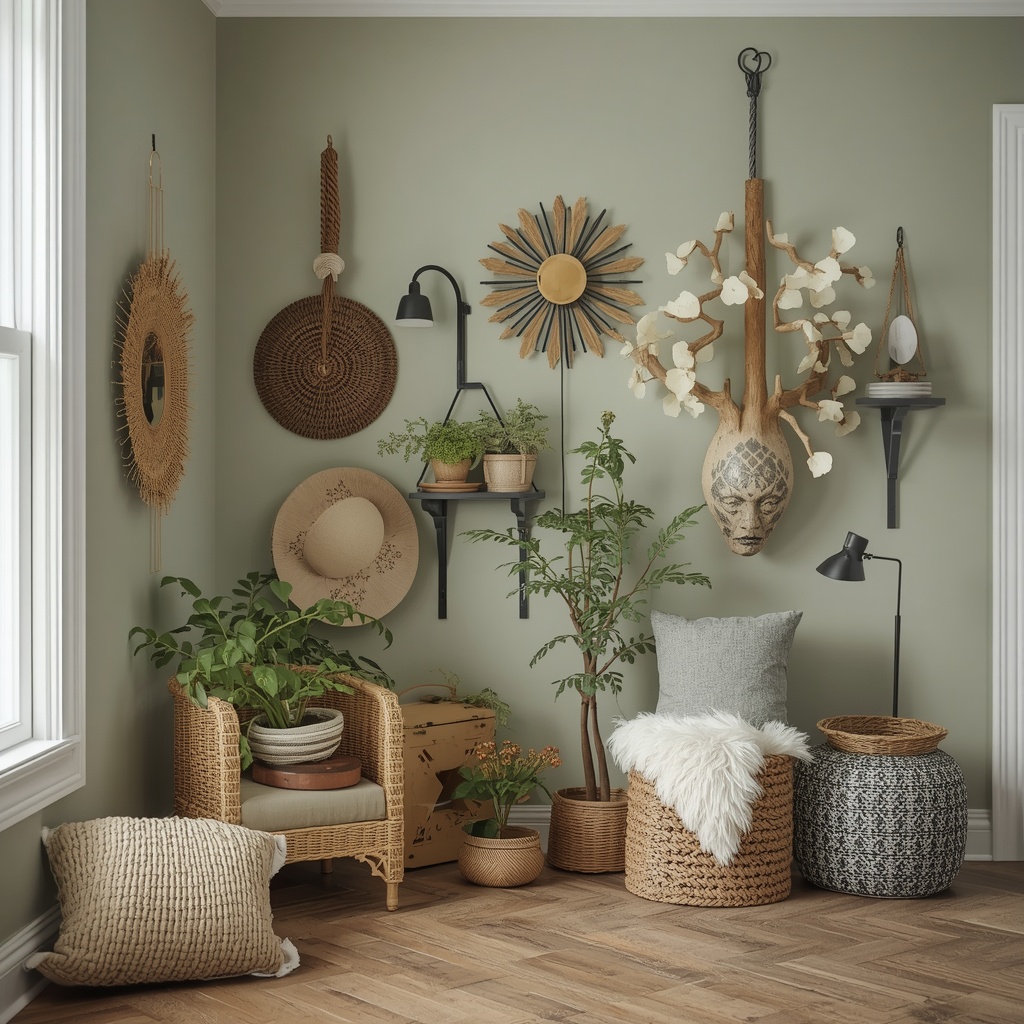
Also avoid ignoring weight limits, especially with floating shelves. Always anchor into studs or use rated wall anchors. Finally, don’t block vents, outlets, or window access, which can create safety issues and daily annoyances.
Quick mistakes list:
- Skipping measurements
- Ignoring weight capacity
- Choosing the wrong scale for the room
- Forgetting about lighting
- Overfilling shelves
Final Thoughts: Turn Dead Space Into Design Gold
Corners don’t have to be wasted space. With thoughtful planning and the right corner storage solutions, they can become the most useful and attractive part of your home. Start with one room, measure carefully, and choose pieces that match both your needs and your style.
Small changes add up quickly. A single corner shelf, a lazy Susan, or a cozy reading nook can improve organization, reduce clutter, and make your space feel bigger. Pick one corner this weekend and put it to work.